English
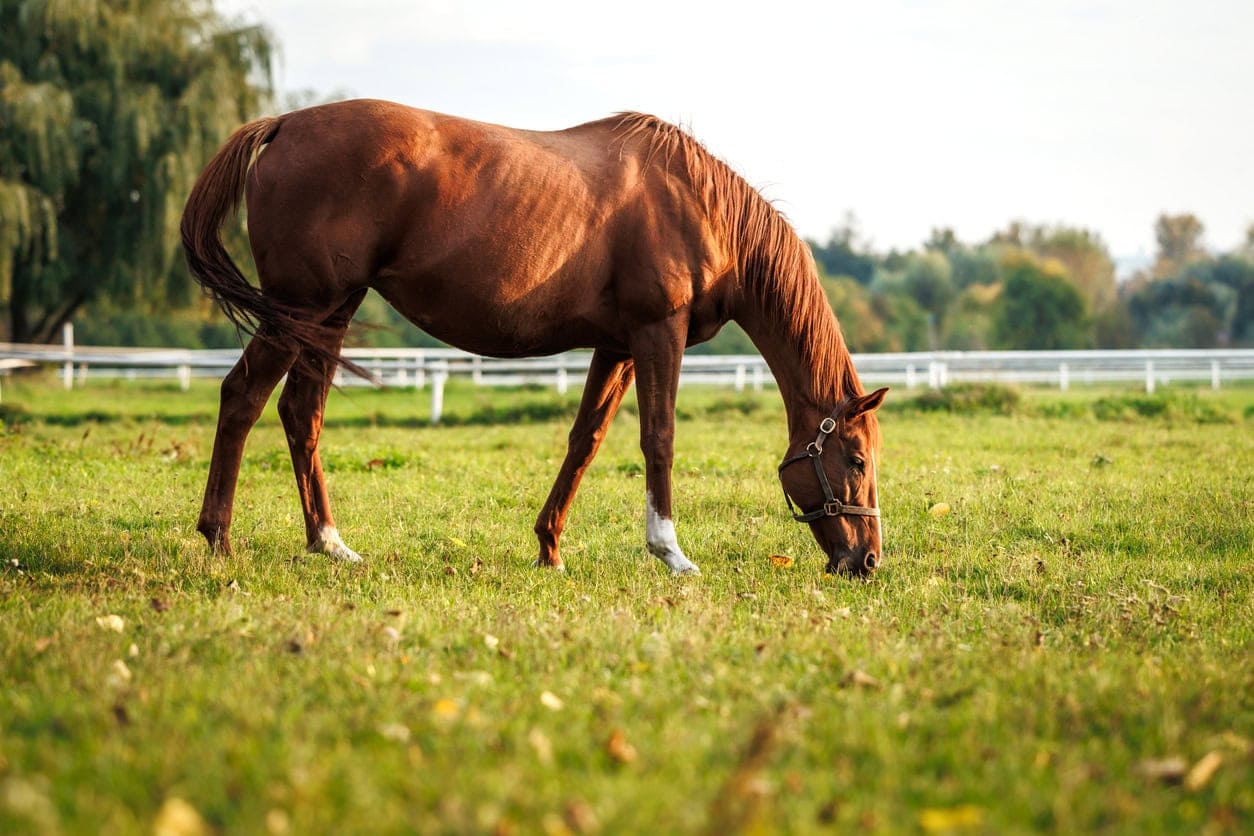
Ask an equine nutritionist what to feed a horse, and the answer is rarely a specific feed or supplement. The first step is to determine the horse’s nutrient requirements based on individual factors, lifestyle, and health status.
What does the horse weigh? What is their body condition? How much work are they doing? What forage are they eating, and how much? Are they growing, breeding, aging, or managing a metabolic concern? Do they have a specific health need or performance goal that should be addressed with nutritional support?
The next step is to assess how much energy, protein, vitamins, and minerals the current diet already provides and whether there are any deficiencies or imbalances.
For most horses, forage supplies the majority of calories and protein, so nutritionists start by evaluating forage quality. Water and salt also need to be available in appropriate amounts. From there, the ration is balanced to meet the horse’s remaining nutrient requirements.
Many horses can meet their needs with a concentrated vitamin and mineral supplement. Others with elevated demands require additional calories, protein, amino acids, electrolytes, or a fortified feed.
That process is the same whether the horse is an easy keeper, a growing youngster, a performance horse, a broodmare, or a senior. Continue reading to learn how to feed a horse using the same principles professional equine nutritionists use to formulate a balanced diet.
How to Feed Your Horse a Balanced Diet
Every horse owner wants to feed their horse in a way that supports optimal health and performance. But with so many different feeds available, how do you know what your horse actually needs?
Feeding practices vary in different regions, but most equine diets consist of a combination of hay or pasture, fortified feeds, and supplements to meet nutritional requirements. How you combine these components is where a nutritionist can help.
The reality is that there is no single diet that works for all horses. Individual horses have unique needs, workloads, and management conditions, as well as varied access to forages and commercial feeds.
The best way to feed a performance horse with plentiful lush pasture will be very different from the best approach for a retired metabolic senior consuming primarily preserved hay.
Regardless, the goal is to ensure each horse’s overall diet is matched precisely to their needs. When a nutritionist talks about balancing a horse’s diet, they mean comparing the nutrients supplied by the full ration to the horse’s established nutritional requirements and adjusting the diet to correct deficiencies or excesses. [1][2][3]
Your horse’s energy and protein intake needs to be adequate for their body weight, workload and physiological state, without significantly exceeding requirements. Vitamins and minerals must also be supplied in adequate amounts, with certain nutrients maintained in appropriate ratios to support normal absorption and utilization.
A well-designed feeding program starts with forage, water and salt. This forage-first foundation supports the horse’s natural grazing instincts, digestive function, hydration, and overall health.
Once those basic needs are met, additional feeds or supplements can be added to provide any extra calories, protein, vitamins, or minerals the horse requires.
This systematic approach helps owners avoid common feeding mistakes, such as adding unnecessary sugar and starch from grain, feeding multiple overlapping supplements, or causing unintended nutrient deficiencies.
What's your top priority with your horse's health?

What's your top priority with your horse's health?
The Horse’s Digestive System
Before making a diet for your horse, it helps to understand how horses digest and extract nutrients from their feed. This physiology provides the basis for good feeding and management practices for horses.
Horses have a digestive system adapted for continuous grazing. In the wild, they spend much of the day eating small amounts of forage while moving across large areas.
Although domestic horses are managed very differently, their digestive system still functions best when fibrous forage is available for much of the day. [29] Horses are also highly motivated to consume long-stem fibrous forage such as hay. [4]

Horses are hindgut fermenters, meaning much of their fiber digestion occurs in the cecum and large colon after feed has passed through the stomach and small intestine. [5]
The hindgut contains billions of beneficial microorganisms that break down plant fiber into volatile fatty acids (VFAs), which provide a major source of energy for the horse. These microbes also support normal digestive function, making healthy hindgut function an important part of overall health. [5]
Because these microbes depend on a steady supply of fiber, sudden dietary changes or long periods without forage can disrupt normal fermentation and increase the risk of digestive upset. This is one reason why forage should form the foundation of every balanced feeding program. [8]
Essential Nutrients
The nutritional requirements of horses are established from research reviewed by the National Research Council (NRC). These requirements vary according to the horse’s body weight, growth, pregnancy, lactation, and activity level.
Based on NRC guidelines, every horse’s diet must provide six essential classes of nutrients: [1]
- Water: Supports digestion, circulation, temperature regulation, and nearly every metabolic process
- Carbohydrates: Provide energy, with fiber supporting hindgut fermentation and sugars and starches providing readily available energy
- Protein: Supplies amino acids needed to build and repair muscle, skin, hooves, and connective tissue, and to synthesize enzymes, antibodies, and other proteins
- Fat: Provides a concentrated source of calories and essential fatty acids involved in cell membrane function, inflammatory signalling, and other physiological processes
- Vitamins: Help regulate metabolic processes involved in growth, antioxidant defense, immune function, and energy metabolism
- Minerals: Support bone development, muscle contraction, nerve function, oxygen transport, fluid balance, and other physiological processes
Fiber deserves special attention because it is the main component of forage and the primary fuel source for the beneficial microbes responsible for hindgut fermentation. In horses, dietary fiber is essential for normal digestive function, gut motility, and microbial health. [1][8]
You can formulate a balanced diet for your horse by following the same process an equine nutritionist would use. A nutritionist will start by collecting information about your horse’s body weight, physiological status and current diet.
Based on the forage, feeds and supplements being provided, they can identify if energy, protein, vitamin, mineral, or other nutrient intakes fall short or exceed requirements. [1][2][3]
- Make Forage the Foundation: For most horses, forage is assessed first because it makes up the largest dry matter weight of the diet and contributes significantly to calories, protein, fiber, and mineral intake.
- Ensure Adequate Water & Salt: Then, water and salt are considered to support hydration, electrolyte balance, and normal physiological function. Adequate water intake is important for gut motility, while salt supplies sodium and helps stimulate thirst.
- Address Nutritional Gaps: If necessary, the ration is then adjusted to meet the horse’s macronutrient requirements, including energy and protein needs, while maintaining adequate fiber intake. Once these needs are met, micronutrient intake can be evaluated, including vitamins, minerals and amino acids.
- Consider Functional Supplements: Next, functional supplements may be added to address specific health or performance goals, such as joint support, digestive health, or omega-3 intake.
- Monitor Your Horse for Changes: The last step is to monitor the horse as they transition to their new feeding plan and make adjustments based on changes in body condition, workload, forage quality, or other requirements over time.
This process is explained in more detail below. If you would like help developing a feeding plan for your horse, submit their diet for a free evaluation.
Mad Barn’s equine nutritionists will review your horse’s current diet and provide recommendations to ensure it is properly balanced.
Step 1) Make Forage the Foundation
Forage should form the foundation of nearly every horse’s diet. Whether it is supplied by pasture, hay, haylage, or other hay products, the fiber in forage supports digestive health and can provide much of the energy horses need each day.
Most adult horses require 1.5 – 2% of their body weight in forage dry matter each day, depending on their energy requirements and body condition. For a typical 1,000 lb (450 kg) adult horse, this equates to approximately 15 to 20 lb (6.8 to 9 kg) of hay dry matter daily. [1][6][16][17]
Forage supports your horse’s health by:
- Providing fermentable fiber that hindgut microbes convert into a steady source of energy for horses
- Promoting prolonged chewing and saliva production, which helps buffer gastric acid and support stomach health
- Maintaining normal gut health and digestive motility
- Supporting a stable hindgut environment for the microbial populations responsible for fiber fermentation
- Allowing horses to spend more time eating and express normal foraging behavior, which can reduce the risk of stereotypies
Not all forage provides the same nutritional value. The fiber, protein, sugar, starch, and mineral content of hay and pasture can vary considerably depending on plant species, stage of maturity, growing conditions, harvest practices, and storage. [18]
Ideally, you should choose forage that matches your horse’s nutritional needs. If changing forage sources is not possible, you can adjust how it is fed, or combine it with other feeds, to better meet your horse’s requirements.
Pasture
Pasture can supply a significant amount of a horse’s daily needs. Fresh pasture grass is typically a good source of energy, fiber, protein, vitamins, and many minerals, depending on where the pasture is grown.
Grazing also encourages regular movement and allows horses to express normal foraging behavior. Due to its higher moisture content compared to hay, pasture also supports hydration. [19][20]
The nutrient content of pasture varies based on many factors, including plant species, stage of growth, weather, fertilization, and grazing pressure. Young, rapidly growing grasses are generally more digestible and contain more energy and non-structural carbohydrates than mature pasture. [2][21]
For easy keepers and horses with insulin dysregulation, equine metabolic syndrome (EMS), or a history of laminitis, unrestricted access to lush pasture may provide too much energy or sugar. [22]
Pasture intake can be managed with grazing muzzles, restricted turnout, strip grazing, or dry lots.
Hay
For many horses, hay is the primary source of forage and makes up the majority of the diet throughout the year. Good-quality hay should be clean, palatable, free of excessive dust or mold, and stored properly to preserve its nutritional value.
Different hays can vary widely in digestibility, calorie density, protein content, fiber, and non-structural carbohydrates. Some are softer, more digestible, and more calorie-dense, while others are more mature and fibrous, with lower sugar and starch content.
Typical grass hays are suitable for most adult horses and provide moderate amounts of energy and protein. Legume hays, such as alfalfa, generally provide more energy and protein, so they are often fed in combination with grass hay to performance horses. [23]
Hay can be fed to horses in measured amounts throughout the day, or it can be offered free-choice so the horse can eat at will. Slow-feed hay nets or other feeders can also be used to extend eating time and regulate intake when providing free-choice hay.
The best approach depends on the forage quality as well as the horse’s body condition, nutrition needs, and management situation. Horses that need to maintain or gain weight benefit from continuous access to hay, while horses on calorie-restricted diets may need controlled feeding.
Forage Testing
Forage makes up the largest portion of most equine diets, but unlike commercial feeds, there is no feed tag showing the nutrient content of your horse’s hay.
There is also no reliable way to determine the nutritional quality of hay by appearance alone. The nutrient content of hay ranges significantly between forage types and sometimes even between cuttings from the same field.
A forage analysis provides a clear report of what nutrients your horse is actually getting from their hay. Laboratory testing can measure digestible energy, crude protein, fat, fiber, sugars, starch, and macro- and trace minerals in forage
These values can be used to assess calorie and protein supply, carbohydrate levels, mineral balance, and the overall appropriateness of the forage for the horse.
A nutritionist can help you interpret the results, identify deficiencies or excesses, and select feeds or supplements that complement the forage. You can order a forage analysis through Mad Barn and have our nutritionists use the results to help balance your horse’s diet.
Step 2) Ensure Adequate Water & Salt
Water is sometimes described as the most important nutrient in a horse’s diet. Every physiological process, from digestion and circulation to temperature regulation and nutrient transport, depends on adequate hydration. [1][9]
Within the digestive tract, water is important for moistening feed, helping move digesta through the intestines, and supporting microbial fermentation in the hindgut. Horses consuming cut hay generally need to drink more water than horses grazing fresh pasture because hay contains lower moisture levels. [10]
A horse’s daily water requirements depend on body size, weather conditions, exercise, sweat losses, diet, and health status.
Horses in hot weather or heavy work can lose substantial amounts of water through sweat and require greater intake to replace these losses. Lactating mares also have higher water requirements to support milk production. [11]
Ensure your horse has access to fresh, clean water at all times. Buckets, troughs, and automatic waterers should be inspected daily to check that they are clean and functioning properly. Horses may drink less water if their water source is dirty, frozen, excessively warm, or difficult to access. [12]
Provide Salt Daily
Horses need salt in their diet as a source of sodium and chloride. Forage is typically low in sodium relative to a horse’s requirements, but this electrolyte is essential for maintaining hydration, nerve function, muscle contraction, and fluid balance.
If horses do not get enough salt, they may not drink as much water as they need, increasing the risk of dehydration and digestive disturbances. [3][13][14]
Feeding free-choice loose salt is one of the easiest ways to meet a horse’s sodium requirements. While some horse owners prefer the ease of using a salt block over measuring loose salt, horses may not consume enough from a block alone to meet their sodium requirements.
Horses in regular work, hot climates, or those that sweat heavily need more sodium and may also benefit from electrolyte supplementation to replace minerals lost through sweat. [3][13][15]
Step 3) Address Nutritional Gaps
Once forage, water, and salt are accounted for in your feeding plan, the next step is to identify any potential imbalances or deficiencies in the ration.
Many adult horses at maintenance (not exercising) can meet their calorie and protein requirements from good-quality forage. Horses in heavy work, growing horses, lactating mares, and hard keepers often need additional energy or protein to maintain condition.
Even when calorie and protein needs are met, a forage-only diet will not provide all of the vitamins, minerals and amino acids required to balance the diet. Common gaps include copper, zinc, selenium, iodine, and vitamin E, depending on forage source. [1]
Feeds or supplements can be added to address any nutrient gaps. A horse that maintains weight well on forage may only need a concentrated vitamin and mineral supplement. A horse that needs more energy can receive additional calories from fat- or fiber-based sources, such as oil or beet pulp.
Performance horses with higher energy demands may also benefit from highly digestible concentrates that provide more readily available energy.
Vitamin & Mineral Supplements
A concentrated vitamin and mineral supplement is appropriate for most horses eating a forage-based diet. A well-balanced supplement should supply the required nutrients commonly lacking in hay and pasture without adding significant calories, sugar, or starch.
Deficiencies or imbalances in vitamins and minerals can show up as poor hoof quality, a dull or faded coat, poor workout recovery, impaired energy metabolism, weaker antioxidant defenses, and reduced immune function. Over time, inadequate intake can also affect growth, condition and overall performance.
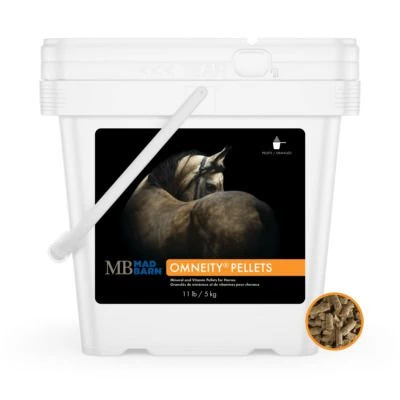
Mad Barn’s Omneity® is a complete vitamin and mineral supplement recommended for most horses to help balance the diet. It provides vitamins, 100% organic trace minerals, B-vitamins, biotin, lysine, methionine, threonine, digestive enzymes, and live yeast culture.
Omneity® supports healthy hoof growth, a shiny coat, muscle function, digestive health, and overall well-being while giving horse owners confidence that their horse is getting the nutrients they need from the diet.
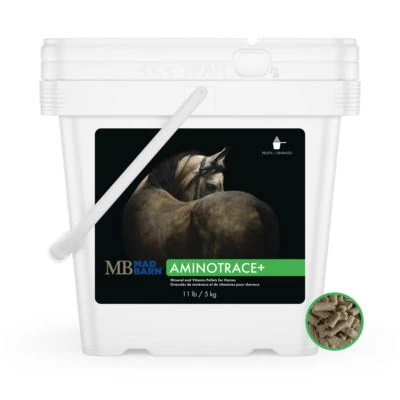
Mad Barn’s AminoTrace+ is an enhanced vitamin and mineral supplement that provides higher levels of key nutrients for horses with greater demands. Compared with Omneity®, it contains more copper, zinc, magnesium, essential amino acids, and natural vitamin E, as well as chromium.
AminoTrace+ is well suited to horses with metabolic concerns, a history of laminitis, high-iron forage or water, poor hoof quality, or increased antioxidant and muscle-support needs. Its low-NSC formula contains no added iron and includes a proprietary gut-support blend to help maintain healthy hindgut fermentation, support microbial balance, and get more nutritional value from the diet.
Adding Calories
When a horse needs more energy than forage alone provides, calories can be supplied from several sources. In most cases, the nutritionist-recommended approach is to increase digestible fiber and fat before adding more starch from grain.
Higher-calorie forage, hay cubes or pellets, and beet pulp can increase energy intake as a source of fermentable fiber. Oils provide a concentrated source of cool calories from fat, supplying energy without causing the rapid glucose and insulin response associated with grain and with less risk of increasing excitability.
Limiting large amounts of starch is important because excess starch can escape digestion in the small intestine and reach the hindgut, where rapid fermentation can lower pH and disrupt the microbial population. This can lead to digestive upset and other gut issues in horses.
Commercial Feeds
Ration balancers, fortified concentrates, and complete feeds can also be used to supply protein, energy, and micronutrients in the diet. A nutritionist may recommend these feeds when a horse has higher protein or calorie requirements than can be met by forage alone.
Ration balancers provide vitamins, minerals, and elevated levels of protein in a larger daily serving than a concentrated vitamin and mineral supplement.
Fortified concentrates provide additional calories along with protein, vitamins, and minerals, often from a combination of fiber, fat, and starch.
Fortified feeds need to be fed at the manufacturer’s recommended rate to provide the intended vitamin and mineral levels. Feeding less than this amount can leave nutritional gaps, while feeding the full amount to a horse with lower calorie requirements can lead to unwanted weight gain.
For horses performing intense work, some dietary starch can be beneficial because glucose is used to replenish muscle glycogen. Grain intake should be matched to workload and divided into appropriately sized meals to limit the amount of starch reaching the hindgut.
Complete feeds are formulated to replace some or all of the forage in the ration. They are most useful when a horse cannot consume enough long-stem forage, such as some senior horses with significant dental problems.

Step 4) Consider Functional Supplements
Once your horse’s core nutritional requirements are met, functional supplements can be considered to support specific health or performance goals. Sometimes referred to as nutraceuticals, these products provide targeted ingredients such as probiotics, omega-3 fatty acids, phytonutrients, antioxidants, and electrolytes.
The right supplements depend on the unique needs of the horse. Common uses include support for digestive health, joint function, hoof growth, muscle recovery, respiratory health, and metabolic function.
These products should be added only after the diet is balanced. Functional supplements can support specific physiological systems, but they do not replace adequate forage or other essential nutrients.
For guidance on choosing supplements for your horse, submit their information for a free diet evaluation and receive personalized recommendations from our equine nutritionists.
Digestive Health
Horses are prone to digestive problems because their gastrointestinal tract is sensitive to changes in feeding and management. Training, travel, restricted forage access, changes in routine, and other stressors can affect gut function.
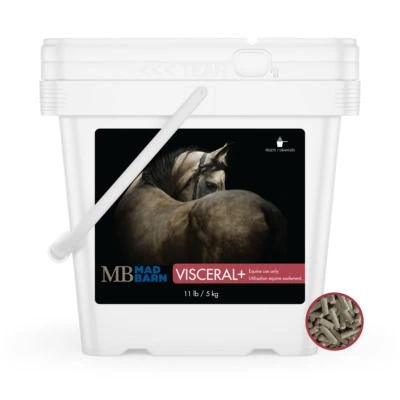
Mad Barn’s Visceral+ is a comprehensive gut supplement that supports both the stomach and hindgut. It provides amino acids and phospholipids that support the stomach lining and mucosal barrier, along with probiotics, yeast, and prebiotics that support beneficial hindgut microbes.
Visceral+ supports digestive comfort, appetite, immune function, and normal hindgut fermentation in horses exposed to training and management stress.
Joint Health
Exercise places repeated mechanical stress on a horse’s cartilage, tendons, ligaments, and other connective tissues. Providing nutrients that support cartilage and connective tissue can help maintain joint function, mobility, and recovery in exercising and senior horses.
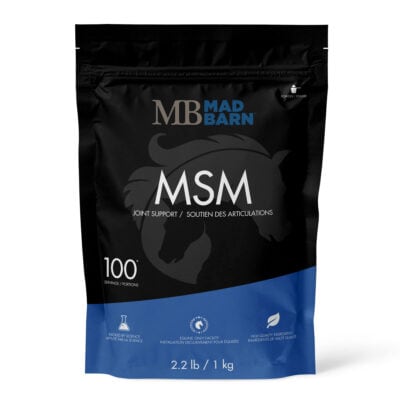
MSM provides a highly bioavailable source of sulfur, an important structural component of collagen and connective tissue. MSM also supports the horse’s antioxidant defenses, helping protect cells from oxidative stress following strenuous exercise.
Omega-3 Fatty Acids
Omega-3 fatty acids are incorporated into cell membranes throughout the body, where they influence inflammatory signalling, immune function, and tissue recovery. The long-chain omega-3s DHA and EPA are especially important because they are used directly to produce compounds that help regulate inflammation and oxidative stress.
Horses can obtain the omega-3 ALA from pasture, flax, and other plant sources, but conversion of ALA into DHA and EPA is limited. Supplementing DHA and EPA directly provides these physiologically active fatty acids for use in cell membranes and inflammatory pathways.
OmegaPrime+ provides 6,000 mg of DHA and 1,500 mg of EPA per serving from microalgae, along with ALA from flax and 750 IU of natural vitamin E. This concentrated formula supports normal inflammatory balance, joint comfort and mobility, respiratory function, skin and coat health, cardiovascular function, and post-exercise recovery.
OmegaPrime+ is especially useful for performance horses, breeding mares and stallions, seniors, easy keepers, metabolic horses, and those on calorie-controlled diets.

Muscle & Topline
In order to build muscle and maintain a strong topline, horses need adequate amino acids in their diet. Exercising horses have higher demands for amino acids to support protein synthesis, muscle development, tissue repair, and post-exercise recovery.
Meeting a horse’s protein requirement does not guarantee that the diet supplies the right balance of amino acids. Lysine, methionine, and threonine are the amino acids most likely to limit protein synthesis in equine diets.
Three Amigos is a pure amino acid supplement that provides lysine, methionine, and threonine in an optimal 5:3:2 ratio. Supplementing these essential amino acids supports muscle development, topline, tissue repair, hoof growth, and coat quality.
Hydration & Electrolytes
When horses sweat, they lose significant amounts of the electrolyte minerals sodium, chloride, potassium, calcium, and magnesium. These electrolytes must be replaced to maintain hydration, nerve transmission, muscle contraction, and normal performance.
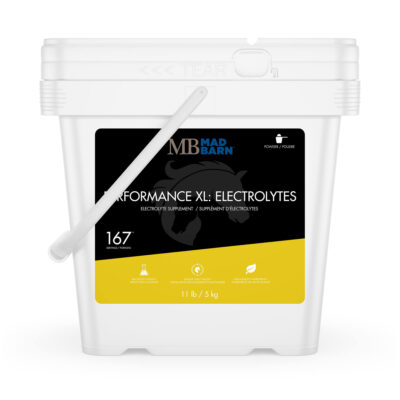
Performance XL Electrolytes is scientifically formulated to replace the electrolytes lost in sweat during exercise and hot weather. It also provides vitamins C and E for antioxidant support and readily available carbohydrate to support electrolyte absorption and glycogen replenishment after strenuous work.
Step 5) Monitor Your Horse for Changes
Changes to a horse’s feeding plan should be made gradually so the digestive system has time to adjust. When making major dietary changes, plan to transition your horse over two weeks to give the hindgut microbiome time to adapt to the new feed.
After the horse has transitioned fully to the new diet, make sure to monitor them for any changes in body condition, appetite, behavior, or other health factors. Also monitor how much your horse is actually eating, including any feed refusals that could be impacting nutrient intake.
If you notice your horse is losing body condition, determine whether their energy intake is meeting requirements and whether another underlying factor is contributing. If your horse is becoming over-conditioned, reduce energy intake by adjusting feed quantity, forage type, or overall calorie density.
Keep in mind that a horse’s nutrient requirements change over time and should be reassessed regularly. Changes in pasture, workload, age, pregnancy, illness, or body condition can require adjustments to the feeding program to keep the diet balanced. [1]
Review your horse’s diet if you notice:
- Unexplained weight gain or weight loss
- Difficulty maintaining topline or muscle condition
- Changes in appetite or water intake
- Poor hoof or coat quality
- Reduced performance or energy levels
- Recurring digestive problems
- Signs of metabolic disease or laminitis
- Dropping feed, quidding, or leaving feed unfinished
- Changes in manure consistency, frequency, or fecal water
Dental disease, parasites, pain, endocrine disorders, and other medical conditions can also affect appetite, body condition, digestion, and performance. If your horse develops sudden or unexplained symptoms, consult your veterinarian to rule out an underlying health problem.
If you’re unsure whether your horse’s diet is balanced, an equine nutritionist can help. Submit your horse’s information online for a free diet analysis, and our nutritionists will help you decide what to feed based on your horse’s individual needs.
Frequently Asked Questions
Here are some frequently asked questions about feeding horses:
A horse should eat a daily diet built around clean water, plain salt, and adequate forage. Forage, such as pasture, hay, haylage, or chopped forage, should provide most of the horse's fiber and support normal digestive function. From there, the diet may need added vitamins, minerals, protein, calories, or targeted supplements depending on the horse's age, workload, metabolism, body condition, health status, and forage quality.
The most important nutrients in a horse's diet are water, carbohydrates, protein, fat, vitamins, minerals, and fiber. Water supports digestion, circulation, temperature regulation, and nearly every metabolic process. Fiber is especially important because it fuels beneficial hindgut microbes and provides a major source of energy for many horses. Protein, vitamins, minerals, and fat help support muscle, hooves, skin, immunity, metabolism, and overall health.
Forage is the foundation of a horse's diet because the equine digestive system is adapted for frequent intake of fibrous plant material. Horses rely on hindgut microbes to ferment fiber and produce volatile fatty acids, which supply a major source of energy. Chewing forage also stimulates saliva production, which helps buffer stomach acid and support digestive comfort. Long gaps without forage or sudden diet changes can disrupt normal fermentation and increase the risk of digestive upset.
A horse should usually eat at least 1.5% of its body weight in forage dry matter each day. Many adult horses do better closer to 2% or more, depending on body condition, workload, and energy needs. For a 1,000 lb horse, this is typically about 15 to 20 lb of hay dry matter daily. Horses with higher or lower energy requirements may need their forage intake adjusted as part of a balanced feeding plan.
A horse can live on hay alone only if the hay provides enough calories, protein, vitamins, and minerals to meet that horse's needs. Some horses maintain healthy body condition on good-quality forage, but many hays do not supply all required vitamins and minerals in the right amounts. Even when hay provides enough calories, nutritional gaps can still exist. A forage analysis is the best way to determine whether hay alone is adequate or whether a complete vitamin and mineral supplement such as Omneity® or AminoTrace+ may be appropriate.
Not all horses need grain because many horses can meet their calorie requirements from forage alone. Easy keepers and horses in light work often do well on a forage-based diet with appropriate vitamin and mineral support from a product such as Mad Barn's Omneity®. Horses with higher energy needs, including performance horses, growing horses, broodmares, and some hard keepers, may need fortified concentrates or other calorie sources when forage is not enough. The best choice depends on the horse's calorie, protein, and micronutrient needs rather than on grain being a default part of the diet.
The best feeding program for a horse is one that complements the forage and fills nutritional gaps without adding feeds the horse does not need. Some horses do well on forage plus a complete vitamin and mineral supplement, while others need a ration balancer, fortified concentrate, or complete feed. The right program depends on forage quality, body condition, workload, life stage, metabolism, and health status. A stepwise approach starts with water, salt, and forage before adding calories, protein, vitamins, minerals, or targeted supplements.
Forage testing is important for horses because hay and pasture can vary widely in energy, protein, fiber, sugar, starch, and mineral content. Appearance alone cannot reliably show whether forage is meeting a horse's nutritional needs. A laboratory forage analysis helps identify deficiencies, avoid unnecessary calories, and choose the most appropriate supplement or feed to complement the forage. Because forage makes up the largest portion of most equine diets, testing it provides the strongest foundation for diet balancing.
Good-quality hay for horses should be clean, palatable, properly stored, and free of excessive dust, mold, weeds, or foreign material. It should have a fresh smell and retain plenty of leaves, although appearance alone does not confirm nutrient value. Grass hay, legume hay, and mixed hay can all be suitable depending on the horse's needs. Forage testing provides the most reliable information about energy, protein, fiber, sugar, starch, and mineral levels.
Pasture may be enough for some horses when it provides adequate forage, calories, protein, and key nutrients during the growing season. However, pasture quality changes with plant species, season, weather, maturity, fertilization, and grazing pressure. Lush or rapidly growing pasture can provide more digestible energy and non-structural carbohydrates than some horses should consume. Easy keepers and horses with insulin dysregulation, equine metabolic syndrome, or a history of laminitis may need controlled pasture access.
Pasture intake can be controlled for an easy keeper or metabolic horse using grazing muzzles, limited turnout, strip grazing, or dry lots. These strategies help reduce calorie and sugar intake while still allowing outdoor time and movement. Horses with insulin dysregulation, equine metabolic syndrome, or a history of laminitis may be especially sensitive to unrestricted grazing on lush pasture. Diet changes for these horses should be made carefully and reviewed with a veterinarian or qualified equine nutritionist when metabolic disease is involved. For forage-based diets that require low-NSC vitamin and mineral support, AminoTrace+ is formulated for horses with metabolic concerns.
Horses need salt every day because most forage is naturally low in sodium. Sodium and chloride support hydration, nerve function, muscle contraction, and fluid balance. Free-choice loose salt is often more effective than relying on a salt block alone because some horses do not consume enough from blocks. Horses that sweat heavily due to work, heat, or climate may also need electrolyte support, such as Performance XL Electrolytes, to replace minerals lost in sweat.
A vitamin and mineral supplement mainly provides micronutrients with very little added calorie contribution. A ration balancer also supplies vitamins and minerals, but typically includes more high-quality protein and a small amount of calories. Vitamin and mineral supplements, such as Omneity®, are often suited to horses that maintain weight on forage but still need nutrient support. Ration balancers can be useful when a horse needs additional amino acid support without a large amount of concentrate feed.
A horse should be fed a fortified concentrate when forage alone does not provide enough calories, protein, or other nutrients to meet the horse's requirements. Fortified concentrates are commonly used for performance horses, growing horses, broodmares, and horses that struggle to maintain weight. These feeds should be fed at the manufacturer's recommended rate because small amounts may add calories without providing enough vitamins and minerals to balance the diet. The concentrate should complement the forage rather than replace it unnecessarily.
A complete feed is appropriate for a horse that cannot consume enough long-stem forage to meet its needs. This is most common in some senior horses with significant dental disease or other limitations that make chewing hay difficult. Complete feeds are formulated to provide both forage and concentrate in one product and can replace some or all forage when used correctly. They should be fed according to the manufacturer's directions to ensure the horse receives balanced nutrition.
Supplements should be added after the horse's base diet is balanced for forage, calories, protein, vitamins, minerals, water, and salt. Targeted supplements work best when they support a specific goal, such as digestive health, hoof quality, joint function, muscle recovery, respiratory health, or metabolic health. Options may include Visceral+ for stomach and hindgut support, Optimum Digestive Health for hindgut-focused support, or w-3 Oil when cool calories and omega-3 support are appropriate. Adding multiple supplements before correcting basic nutrient gaps can make the diet more complicated without solving the underlying problem.
The best Mad Barn supplement for a forage-based diet depends on whether the horse has specific metabolic concerns. AminoTrace+ is formulated for horses with metabolic concerns, including insulin dysregulation, equine metabolic syndrome, PPID, and a history of laminitis. Omneity® is designed for horses without specific metabolic concerns that need comprehensive daily vitamin and mineral support to help balance a forage-based diet. Both are intended to complement forage and help fill common nutrient gaps without relying on unnecessary concentrate feed.
For horses that need targeted support for both the stomach and hindgut, Visceral+ is designed to help maintain stomach and hindgut health as part of a balanced feeding program. It is most appropriate after the base diet has been reviewed for adequate forage, water, salt, vitamins, minerals, calories, and protein. Horses with sudden, severe, or persistent digestive signs should be evaluated by a veterinarian.
Visceral+ supports both the stomach and hindgut, making it a broader digestive support option for horses that need gastric and hindgut-focused support. Optimum Digestive Health is more focused on hindgut support, including fiber fermentation, microbial balance, nutrient utilization, and normal digestive function. The best choice depends on the horse's needs and the rest of the feeding program.
Optimum Digestive Health is designed for hindgut-focused digestive support. It provides probiotics, prebiotics, yeast, enzymes, and toxin binders to support the gut microbiome, fiber fermentation, nutrient utilization, and normal digestive function. It can be especially relevant during diet transitions or when the feeding program relies heavily on forage.
For omega-3 support with added cool calories, w-3 Oil is a practical option for horses that need fat-based calories, and support for skin and coat quality. For horses that need a more concentrated omega-3 source with fewer calories per serving, OmegaPrime+ may be a better fit. Both should be introduced gradually and used as part of a balanced feeding program.
If the forage and base diet provide enough calories but protein quality is still a concern, Three Amigos can help supply the limiting amino acids lysine, methionine, and threonine. These amino acids support protein synthesis, muscle maintenance, topline development, hoof growth, and coat quality. A forage analysis or diet evaluation is the best way to determine whether additional amino acid support is needed.
Electrolytes are most useful for horses that lose minerals through sweat during work, hot weather, travel, competition, or other demanding conditions. Performance XL Electrolytes can help replace electrolytes lost in sweat and support hydration when paired with fresh water and daily salt. Electrolytes should not replace regular access to plain salt, and horses should always have clean water available.
Many Mad Barn supplements can be combined when they serve different nutritional purposes, but the full diet should be reviewed first to avoid unnecessary overlap. For example, Omneity® or AminoTrace+ can provide the vitamin and mineral foundation, while targeted products such as Visceral+, w-3 Oil, or Performance XL Electrolytes may be added for specific needs. Do not combine multiple complete vitamin and mineral supplements unless directed by a qualified nutritionist, as this can create nutrient redundancies.
A horse's diet is balanced when it provides appropriate water, salt, forage, calories, protein, vitamins, and minerals while maintaining healthy body condition and supporting normal health and performance. A forage analysis and full diet evaluation are the most reliable ways to assess whether nutrient requirements are being met. Body condition, workload, life stage, health status, and current feed intake should all be considered. Working with a qualified equine nutritionist can help identify gaps and create a practical feeding plan for the individual horse.
Signs that a horse's diet may need adjustment include unexplained weight gain or loss, difficulty maintaining topline, poor hoof or coat quality, reduced performance, changes in appetite or water intake, and recurring digestive problems. Signs of metabolic disease or laminitis also warrant a careful review of the feeding program. These signs are not always caused by nutrition because dental disease, parasites, pain, endocrine disorders, and other medical issues can produce similar changes. Sudden, severe, persistent, or unexplained signs should be discussed with a veterinarian.
A horse's feeding program should be reviewed whenever forage changes, workload changes, body condition shifts, or health needs change. Seasonal pasture growth, aging, pregnancy, lactation, illness, and changes in exercise can all affect nutrient requirements. Regular monitoring helps ensure the diet continues to match the horse rather than staying fixed when conditions change. If the horse gains or loses weight unexpectedly, shows reduced performance, or develops recurring digestive or metabolic concerns, the diet should be reassessed promptly.
Summary
Feeding a horse means balancing water, forage, salt, energy, protein, vitamins, and minerals to support health.
- Clean water and plain salt are essential parts of every feeding program.
- Forage should be the foundation of the diet because it supports digestion, hindgut health, and natural grazing behavior
- Feeding programs should be based on the horse’s forage quality, workload, body condition, metabolism, and life stage
- Many horses need vitamin and mineral support even when forage provides enough calories and protein
- Targeted supplements should be added only after the base diet is balanced and specific needs are identified
References
- Nutrient Requirements of Horses: Sixth Revised Edition. National Academies Press, Washington, D.C. 2007.
- Pagan. J. D. Advances in Equine Nutrition IV. Nottingham University Press. 2009.
- Getty. J. M. Feed Your Horse Like a Horse: Optimize Your Horse’s Nutrition for a Lifetime of Vibrant Health. Dog Ear Publishing. 2009.
- Elia. J. B. et al. Motivation for Hay: Effects of a Pelleted Diet on Behavior and Physiology of Horses. Physiology & Behavior. 2010. View Summary
- Jassim. R. A. M. A. and Andrews. F. M. The Bacterial Community of the Horse Gastrointestinal Tract and Its Relation to Fermentative Acidosis, Laminitis, Colic, and Stomach Ulcers. Veterinary Clinics: Equine Practice. Elsevier. 2009. View Summary
- Pagan. J. Energy and the Performance Horse. Advances in equine nutrition. 1998.
- Geor. R. J. 2 - Endocrine and Metabolic Physiology. Equine Applied and Clinical Nutrition. 2013.
- Ermers. C. et al. The Fibre Requirements of Horses and the Consequences and Causes of Failure to Meet Them. Animals. 2023. View Summary
- Freeman. D. E. Effect of Feed Intake on Water Consumption in Horses: Relevance to Maintenance Fluid Therapy. Frontiers in Veterinary Science. 2021. View Summary
- Williams. S. et al. Water Intake, Faecal Output and Intestinal Motility in Horses Moved from Pasture to a Stabled Management Regime with Controlled Exercise. Equine Veterinary Journal. 2015.
- McCutcheon. L. J. and Geor. R. J. Sweating: Fluid and Ion Losses and Replacement. Veterinary Clinics of North America: Equine Practice. 1998. View Summary
- Nyman. S. and Dahlborn. K. Effect of Water Supply Method and Flow Rate on Drinking Behavior and Fluid Balance in Horses. Physiology & Behavior. 2001. View Summary
- Schryver. H. F. et al. Salt Consumption and the Effect of Salt on Mineral Metabolism in Horses. The Cornell veterinarian. 1987. View Summary
- Lindinger. M. I. Oral Electrolyte and Water Supplementation in Horses. Veterinary Sciences. 2022. View Summary
- Valle. E. and Bergero. D. Electrolyte Requirements and Supplementation in Exercising Horses. Brill. 2008.
- Rodiek. A. V. and Jones. B. E. Voluntary Intake of Four Hay Types by Horses. Journal of Equine Veterinary Science. 2012.
- Martinson. K. and McIntosh. B. Using Hay in Horse Diets. UMN Extension. 2023.
- Watts. K. A. Forage and Pasture Management for Laminitic Horses. Clinical Techniques in Equine Practice. 2004.
- Sharpe. P. and Kenny. L. B. Chapter 8 - Grazing Behavior, Feed Intake, and Feed Choices. Horse Pasture Management. Academic Press. 2019.
- van den Berg. M. et al. Browse-Related Behaviors of Pastured Horses in Australia: A Survey. Journal of Veterinary Behavior. 2015.
- McIntosh, B.J. Circadian and Seasonal Variation in Pasture Nonstructural Carbohydrates and the Physiological Response of Grazing Horses. Virginia Tech. 2006.
- Johnson. P. J. et al. Laminitis and the Equine Metabolic Syndrome. Veterinary Clinics: Equine Practice. 2010. View Summary
- Rodiek. A. Hay for Horses: Alfalfa or Grass? California Alfalfa & Forage Symposium. 2001.
- Marsalis. M. A. et al. Hay Quality, Sampling, and Testing. New Mexico State University. 2009.
- An Overview of Vitamin Requirements of the Domestic Horse. Natural Sciences Education. 2013.
- Liburt. N. R. Nutritional Requirements of Horses and Other Equids. Merck Veterinary Manual. 2026.
- Molle. R. Balancing the Ration & Feeding. SA Horseman. Plaas Media. 2010.
- Richardson. K. and Murray. J.-A. Fiber for Performance Horses: A Review. Journal of Equine Veterinary Science. 2016.
- Colombino, E. et al. Gut health of horses: effects of high fibre vs high starch diet on histological and morphometrical parameters. BMC Vet Res. 2022.