English

Yohimbine is a prescription medication used to reverse the effects of sedatives used during anesthesia. It is not labeled for horses in the United States or Canada, so equine use is off-label (also called extra-label).
Yohimbine blocks the same alpha-2 receptors that xylazine and similar sedatives activate. This action can restore alertness, increase a slowed heart rate, and help gut motility resume. It also reverses the sedative’s pain-relieving effects, so the horse may feel pain again as it wakes.
Yohimbine is usually given into a vein by a veterinarian and is not a medication for owners to administer. The FEI lists yohimbine as a Banned Substance (stimulant), meaning it is not permitted competition horses under FEI rules at any time.
Yohimbine for Horses
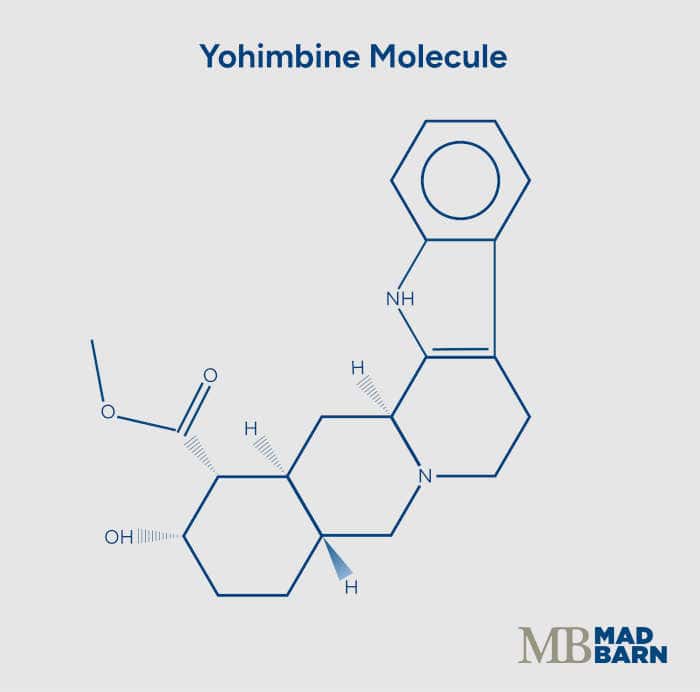
Yohimbine (pronounced yo-him-been) hydrochloride is an indole alkaloid originally isolated from the bark of the Pausinystalia yohimbe tree and the root of Rauwolfia serpentina. In veterinary medicine, it is classified as an alpha-2 adrenergic antagonist, meaning it blocks alpha-2 receptors. [1][2]
Its main veterinary role is as a reversal agent for alpha-2 agonist sedatives, particularly xylazine. These sedatives reduce central nervous system activity and can also slow heart rate and gastrointestinal motility. By blocking the same receptor system, yohimbine can help restore alertness and reverse some of these associated physiologic effects. [1][2]
Yohimbine is not routinely required after every sedation procedure. Most horses recover normally as the sedative wears off, and abrupt reversal can also remove analgesia (pain control) and produce excitement or cardiovascular changes. Its use depends on the sedative administered, the horse’s condition, and the veterinarian’s assessment of whether active reversal is appropriate.
Available Forms
There is currently no equine-labeled yohimbine product available in the United States or Canada. Products for other species, including dogs, deer, and elk are used off-label in horses to reverse xylazine sedation. [1][2][3][4]
Off-label use means that a veterinarian prescribes an approved medication in a way that differs from the product label. This may include use in a different species, for a different condition, at a different dose, or by a different route.
Off-label use is permitted under veterinary prescribing regulations. Veterinarians use their professional judgement and supporting research to direct off-label use of medications.
Yohimbine may be supplied for veterinary use as: [1][5][2]
- Yobine® sterile injection, 2 mg/mL, labeled for dogs
- Antagonil® injection, 5 mg/mL (Wildlife Laboratories), labeled for deer and elk
Oral tablets labeled for human use, including historical brands such as Yocon® and Yohimex®, are not suitable for reversing sedation in horses because they are formulated for oral administration rather than rapid injectable use.
Compounded injections may be prepared when a commercial injectable product is unavailable, but their quality, concentration, and stability may differ from those of an approved commercial product. [1][2]
What's your top priority with your horse's health?

What's your top priority with your horse's health?
Drug Class: Alpha-2 Adrenergic Antagonists
Yohimbine belongs to the alpha-2 adrenergic antagonist, or alpha-2 blocker, class. These drugs reverse sedation, muscle relaxation, and many of the slowing effects caused by alpha-2 agonist sedatives. [5][2]
Other alpha-2 antagonists used in equine practice include: [5][2]
- Tolazoline (Tolazine®), the FDA-approved xylazine reversal product for horses
- Atipamezole (Antisedan®), a more selective alpha-2 antagonist labeled for dogs to reverse medetomidine or dexmedetomidine and used extra-label in other species
Yohimbine is less selective than atipamezole. At higher amounts, it can also affect alpha-1, dopamine, and serotonin receptors and inhibit monoamine oxidase. This broader activity helps explain why excitement and other side effects can occur if reversal is too abrupt. [2]
Mechanism of Action
Alpha-2 agonists such as xylazine reduce the release of norepinephrine, a chemical messenger in the sympathetic nervous system. The result is sedation, a slower heart rate, reduced gut motility, and pain relief. [1][5][2]
Yohimbine occupies alpha-2 receptors, preventing the agonist from continuing to act at those sites. Blocking central alpha-2 receptors allows norepinephrine signaling to resume. Peripheral alpha-2 receptors are also present in the heart and blood vessels, urinary tract, gut, platelets, and fat tissue. [1][2]
Through this blockade, yohimbine can: [1][5][2][6]
- Reverse sedation and ataxia from xylazine-type drugs, often within 1 to 3 minutes after intravenous injection
- Reduce slowing of the heart and some related conduction changes
- Help restore gut motility after alpha-2-related intestinal stasis
- Restore normal pain perception, which can make a painful horse appear agitated as it wakes
Effects of yohimbine when given to horses alone include: [1][2]
- Increased heart rate
- Increased blood pressure
- Central nervous system stimulation
- Reduced urine output
- Increased insulin release
Rapid intravenous injection can cause low blood pressure through blood vessel dilation, along with marked excitement. [1][2]
Yohimbine readily enters the brain. Equine pharmacokinetic studies describe a large volume of distribution and relatively rapid clearance, although reported half-life estimates vary by study and analytical method. Its metabolism and excretion have not been fully characterized in horses. [1][2]
Uses in Horses
Yohimbine use in horses is extra-label. Tolazoline is the only current FDA-approved drug for xylazine reversal in horses, although veterinarians may select yohimbine in certain cases based on availability, the sedative administered, and the individual horse. [2]
Reversal of Xylazine Sedation
Xylazine is widely used in horses for standing sedation, colic pain relief, and as part of injectable general anesthesia. Once a procedure is complete, or if sedation lasts longer or is deeper than intended, a veterinarian may administer an alpha-2 antagonist to help the horse stand, eat, and pass intestinal gas normally. [1][5][6]
Yohimbine is labeled for reversing xylazine in dogs and is used clinically in several other species, including horses. In horses, reversal is typically rapid after intravenous injection. [1][5]
Signs of prolonged xylazine-type sedation include: [5][6]
- Marked sleepiness, weakness, or reluctance to stand after a procedure
- A slow heart rate that is not recovering as expected
- Quiet gut sounds, abdominal bloating, or colic signs after sedation
- Failure to eat or pass manure within the expected recovery period
Reversal is not always necessary. Many horses recover from routine xylazine sedation without an antagonist. Administering a reversal drug too soon or too quickly can cause a sudden, painful, or excited recovery. [2]
Reversal of Other Alpha-2 Agonists
Yohimbine has also been used after other alpha-2 agonists. In a standing dentistry study comparing detomidine alone with detomidine followed by yohimbine, heart rate was the primary vital sign that differed significantly between groups. Horses given yohimbine also recovered typical gut sounds more quickly after the expected detomidine-related slowdown. [7]
Yohimbine has been used for prolonged sedation or toxicity associated with detomidine, romifidine, or amitraz, but the extent of reversal varies by drug. In some species and situations, another antagonist, such as tolazoline or atipamezole, may reverse signs more reliably. [2][7]
Prolonged Sedation & Gut Stasis After Drug Interactions
Xylazine slows motility in the small intestine, cecum, and large colon, which can allow gas to accumulate. Alpha-2 antagonists, including yohimbine, can reverse this decrease in motility. [6]
In one published case, a horse receiving oral chloramphenicol remained deeply sedated for hours after xylazine administration and developed severe large-colon gas distension that required surgical intervention.
After receiving yohimbine, the horse became alert within minutes, began to eat, passed gas, and regained gut sounds in all four abdominal quadrants. The authors concluded that chloramphenicol likely inhibited the liver enzymes responsible for xylazine metabolism, prolonging both sedation and gut stasis. [6]
This was a veterinarian-managed emergency, not an owner treatment protocol. Colic after anesthesia still requires a complete veterinary evaluation; yohimbine is not a substitute for treating a surgical lesion or another source of pain. [6]
Administration Routes
Only the veterinary team should prepare or administer injectable reversal drugs. Yohimbine has been given to horses by the following routes: [1][2]
- Intravenous: The usual clinical route for reversal, with onset often occurring within a few minutes
- Intramuscular: Sometimes used for part of a divided dose to moderate the peak effect
If a horse remains excessively sedated or becomes suddenly agitated after reversal, contact the attending veterinarian immediately rather than administering additional treatments.
The dose, timing, and need for reversal depend on several factors, including: [1][2][3]
- Sedative selection
- Sedative dose and route
- Time since administration
- Pain level
- Cardiovascular status
- Gastrointestinal status
Yohimbine administration in horses requires direct veterinary supervision. Veterinarians generally administer alpha-2 antagonists slowly and to effect. In some cases, they may divide administration between intravenous and intramuscular routes to reduce abrupt excitement or blood pressure changes. [1][2]
Storage
Store yohimbine injection at room temperature, approximately 15 to 30 °C (59 to 86 °F), away from light and heat. Do not use the product after its expiration date.
Keep vials out of reach of children and animals, and follow any additional instructions on the label of a compounded product. [1]
Safety Warnings & Precautions
Yohimbine is not a routine “wake-up shot” for every sedated horse. Reversal also removes the analgesia provided by the alpha-2 agonist, potentially causing an excited or painful recovery.
Sudden death has been reported anecdotally after rapid intravenous administration of an antagonist, possibly because of abrupt blood vessel relaxation while the horse remains vasoconstricted and has a slow heart rate. [1][5][2]
Monitoring
After administering yohimbine, the veterinary team monitors the recovering horse for: [1]
- Alertness and signs of excitement or muscle tremors
- Heart rate, heart rhythm, and blood pressure when practical
- Breathing rate and effort
- Gut sounds, manure production, and colic signs after a standing procedure or anesthesia
- Pain behavior as the sedative’s analgesic effect is reversed
Contraindications
Contraindications refer to circumstances where a drug should be avoided or used with caution.
Yohimbine requires particular caution in horses with: [1][2]
- Known hypersensitivity to yohimbine
- History of seizures
- Kidney disease
- Early vasoconstrictive phase after alpha-2 agonist administration
It should also be used cautiously in pregnant and lactating mares, as safety has not been established. [1]
Side Effects
Side effects appear to occur more often in small animals than in large animals, but horses can still show stimulation after reversal. [1]
Possible side effects of yohimbine use in horses include: [1][5][2]
- Transient apprehension, agitation, or central nervous system excitement
- Muscle tremors, twitching, or increased sensitivity to touch and sound
- Salivation
- Faster breathing
- Bright red, or hyperemic, mucous membranes
- Low blood pressure
- Marked excitement after rapid intravenous injection
- Seizures at high doses
Acute Toxicity (Overdose)
In dogs, amounts several times the labeled reversal dose have caused transient seizures and muscle tremors. Poison control summaries in small animals identify panting, a fast heart rate, agitation, high blood pressure, anxiety, and tremors as common findings. [1]
There is no owner-administered antidote for yohimbine overdose in horses. Treatment is veterinary and supportive. If you suspect that your horse received too much yohimbine or had an adverse reaction:
- Move the horse to a quiet stall if it is safe to do so
- Do not give additional medications or home remedies unless directed by your veterinarian
- Contact your veterinarian immediately or call an emergency clinic if your regular veterinarian is unavailable
Seek help even if the horse initially appears normal. Collapse, seizures, severe dullness, irregular breathing, or an inability to stand safely require prompt veterinary care.

Drug Interactions
Reported or potentially important interactions with yohimbine include: [1][6]
- Other alpha-2 antagonists (tolazoline and atipamezole): Additive reversal and stimulation; use together only under a coordinated veterinary plan
- Other central nervous system stimulants: Increased risk of excitement
- Tricyclic antidepressants and some other psychoactive drugs: These combinations have been associated with high blood pressure in people
- Chloramphenicol: This drug can prolong xylazine’s effects by slowing liver metabolism, potentially increasing the need for reversal; this is not a reason to combine the drugs without veterinary direction
Regulatory Status & Legal Considerations
Yohimbine is a prescription medication approved for use in dogs and certain wildlife species to reverse xylazine sedation. It is not labeled for horses, so equine use is extra-label. [1][2][3]
Extra-label prescribing is permitted in veterinary medicine when a veterinarian determines that an approved treatment option is not suitable or available for the individual patient.
Because yohimbine is a prescription drug, its use in horses requires veterinary oversight. Owners should not administer or adjust treatment without specific instructions from the prescribing veterinarian.
Status in Competition
Yohimbine is listed on the FEI Equine Prohibited Substances List as a Banned Substance in the stimulant class. [8]
Owners of FEI horses should discuss sedation and reversal plans with their veterinarian before any procedure. Using yohimbine can create a banned-substance violation even when the intent is therapeutic recovery from sedation. [8]
Yohimbine does not appear on the FEI List of Detection Times. [9] A detection time is a laboratory guide to how long a drug may remain detectable, not a withdrawal time.
Because yohimbine is a banned substance, it should not be used in horses that are competing. There is no standard short withdrawal period that can be relied on before competition. If treatment with yohimbine is medically necessary, consult your veterinarian about withdrawal time and the rules of the applicable competition organization.
Racing and national rules may differ, so always check the current regulations that apply to your horse.
Frequently Asked Questions
Here are some frequently asked questions about yohimbine use in horses:
Veterinarians may use yohimbine off-label to reverse xylazine sedation and, in some cases, the effects of other alpha-2 agonists such as detomidine. It may also help restore gut motility when an alpha-2 sedative causes intestinal stasis. [1][2][6][7]
Yohimbine blocks alpha-2 receptors, allowing norepinephrine signaling to resume. This can reverse sedation, a slowed heart rate, reduced gut motility, and other effects of alpha-2 agonists. It also reverses pain relief provided by the sedative. [1][3]
Yohimbine can begin reversing sedation within one to three minutes after intravenous administration. The response depends on the sedative used, the dose and timing of that drug, and the individual horse. [1][2][3]
A veterinarian usually gives yohimbine slowly into a vein. Part of the dose may sometimes be given into a muscle to reduce abrupt excitement or changes in blood pressure. Yohimbine is not an owner-administered barn treatment. [1][3]
No. Yohimbine is a prescription injectable medication that should be prepared and administered by a veterinary professional. Giving it at the wrong time or too rapidly can cause marked excitement, low blood pressure, or an unsafe recovery. [1][3]
No equine-labeled yohimbine product is available in the United States or Canada. Available veterinary products are labeled for dogs, deer, or elk, so use in horses is extra-label and requires veterinary oversight. [1][3][4][5]
No. Many horses recover normally from routine sedation without a reversal drug. A veterinarian may consider reversal when sedation is deeper or lasts longer than expected, or when the horse develops concerning cardiovascular or gastrointestinal effects. Reversing sedation too early can produce a sudden, painful, or excited recovery. [1][2][3]
Yes. Alpha-2 sedatives provide both sedation and analgesia, and yohimbine can reverse both effects. A horse may become painful or agitated as it wakes, particularly if the original procedure or condition remains painful. [1][2][3]
Yohimbine is not a general colic treatment. It may help restore gut motility when intestinal slowing is caused by an alpha-2 sedative, but colic after sedation or anesthesia still requires veterinary evaluation. It does not treat a surgical lesion or another underlying cause of abdominal pain. [2][6]
Possible side effects include agitation, muscle tremors, salivation, faster breathing, increased sensitivity, and flushed gums. Rapid intravenous administration may cause low blood pressure or marked excitement, while high amounts have been associated with seizures. [1][2][3]
Contact the attending veterinarian immediately if the horse develops collapse, uncontrolled excitement, seizures, severe colic, irregular breathing, or an inability to stand safely. Sudden or worsening changes after reversal require prompt professional assessment.
No. Yohimbine is a short-acting reversal drug used around a sedation event, not a daily medication. Whether another dose is appropriate depends on the horse's response and whether the original sedative is still having an effect. [1][2]
Safety has not been established in pregnant, lactating, or breeding animals. Yohimbine should be used in these horses only when a veterinarian determines that the expected benefits outweigh the risks. [1][2][3]
Yohimbine should be avoided in horses with a known hypersensitivity to the drug. Close veterinary assessment is also important for horses with seizure disorders or significant kidney disease, pregnant or nursing mares, food-producing animals, and horses competing under FEI rules. [1][2][3][8]
Tolazoline is the FDA-approved xylazine reversal drug for horses. Atipamezole is a more selective alpha-2 antagonist labeled for dogs and may be used extra-label in other species. Many horses do not need any reversal drug after routine sedation. [2][3]
Yohimbe is the common name of the Pausinystalia yohimbe tree, while yohimbine is an alkaloid originally isolated from its bark. Veterinary yohimbine is a prescription medication and should not be confused with oral yohimbe supplements. [1][3]
Under FEI rules, yohimbine is a Banned Substance classified as a stimulant, not a Controlled Medication. It is not permitted in an FEI competition horse at any time. Racing and national regulations may differ, so owners should confirm current rules with their veterinarian and governing organization. [8][9]
Summary
Yohimbine is an alpha-2 adrenergic antagonist used extra-label to reverse xylazine sedation in horses. Because reversal can abruptly remove pain relief and cause cardiovascular or behavioral effects, the drug requires direct veterinary supervision.
- Yohimbine blocks alpha-2 receptors to restore alertness, increase a slowed heart rate, and help gastrointestinal motility resume
- Veterinarians typically administer yohimbine intravenously, with reversal often beginning within several minutes
- Removing the sedative's analgesic effects can produce a painful, agitated, or excited recovery
- Possible adverse effects include muscle tremors, rapid breathing, low blood pressure, hyperemic mucous membranes, and seizures at high doses
- Yohimbine is an FEI Banned Substance and should not be used in FEI competition horses
References
- Plumb. D. C. Plumb's Veterinary Drug Handbook: Desk Edition. 6th ed. Wiley-Blackwell. 2008.
- Riviere. J. E. and Papich. M. G. Eds. Veterinary Pharmacology and Therapeutics. 10th ed. Wiley-Blackwell. 2018.
- 21 CFR § 522.2670 Yohimbine. Legal Information Institute. 2015.
- Yobine Injectable. Health Canada Drug Product Database. 2024.
- Wanamaker. B. P. and Massey. K. L. Applied Pharmacology for Veterinary Technicians. 5th ed. Saunders Elsevier. 2014.
- Grubb. T. L. et al. Use of Yohimbine to Reverse Prolonged Effects of Xylazine Hydrochloride in a Horse Being Treated with Chloramphenicol. Journal of the American Veterinary Medical Association. 1997.
- Lee. D. H. L. A. C. et al. Use of Detomidine Alone or Associated with Yohimbine in Horses: Cardiorespiratory Evaluation. Acta Scientiae Veterinariae. 2026.
- 2026 Equine Prohibited Substances List. Fédération Equestre Internationale. 2026.
- FEI List of Detection Times. Fédération Equestre Internationale. 2024.