English

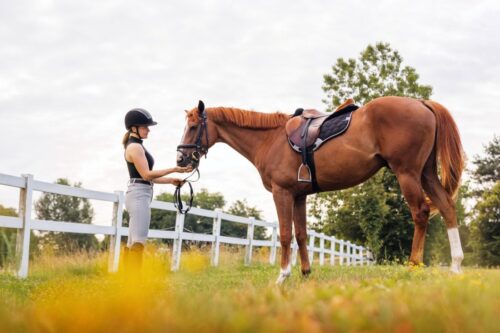
The Adaev horse is a rare native horse from western Kazakhstan. Also called the Adai horse, this Kazakh horse breed developed in the arid Mangystau region, where horses had to travel long distances, withstand seasonal temperature extremes, and maintain condition on sparse forage.
Adaev horses are utilitarian riding horses valued for endurance, toughness, and efficient movement. Their history is closely tied to the nomadic horse culture of Kazakhstan, where hardy horses were essential for transportation, herding, and daily life across open steppe and desert landscapes.
Although the Adaev horse is little known outside Central Asia, it remains important in its home country. Today, the breed is used for riding, herding, local traditions, and milk production, while also representing part of Kazakhstan’s native equine heritage.
Keep reading to explore the history, characteristics, health concerns, and nutrition needs of Adaev horses.
Adaev Horse History
The Adaev horse developed in a region where horses were central to daily life. Those conditions helped shape a horse that could remain sound, move efficiently, and make the most of limited feed.
Origin
Adaev horses are one of the main traditional types within the wider Kazakh horse population. [1] The breed originated in southwestern Kazakhstan, mainly the Mangystau region and the steppe and desert areas between the Caspian and Aral Seas. [2]
In western Kazakhstan, people depended on horses for survival, using them to work with livestock and travel long distances. [3] The breed takes its name from the Adai people of this region and is generally associated with local horse-breeding traditions that favored riding ability.
Some research suggests the breed was influenced by eastern or Turkmen-type horses, which may help explain their lighter frame. That influence supports the Adaev’s reputation as a more agile and refined horse than other local steppe types. [4]
Historic Use
Historically, the Adaev was a utility horse used for riding, herding, travel, and other everyday work in open country. These horses had to cope with heat, wind, sparse forage, and long distances. In that setting, durability mattered more than speed or appearance.
Like other steppe horses, Adaev horses needed sound legs, endurance, and the ability to maintain condition without intensive, individualized management. However, their unique traits and lighter frames made them better suited for riding than some heavier local breeds.
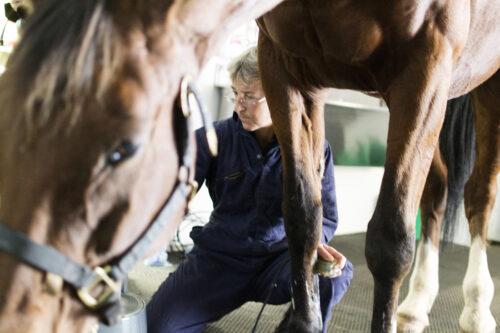
Adaev mares are also valued regionally for milk production. In Kazakhstan, mare’s milk remains culturally and economically important, and recent research has specifically examined the composition of milk from Adaev mares. [5]
What's your top priority with your horse's health?

What's your top priority with your horse's health?
Breed Registry
The Adaev does not have the same international profile as many modern European or North American breeds. It is more often recognized as a local or national genetic resource than as a globally standardized studbook breed.
While Adaev horses do not have an organized breed registry, the breed still carries cultural and genetic value. Recent genetic work on horse populations in Kazakhstan supports the importance of preserving regional diversity within the country’s native horses. [1]
| Breed Summary | |
|---|---|
| Breed Name | Adaev Horse |
| Also Known As | Adai Horse; Aday Horse; Adaevskaya |
| Breed Type | Native steppe horse; riding type of the Kazakh horse |
| Origin | Southwestern Kazakhstan, particularly the Mangystau region |
| Breed Registry | No formal international breed registry; breeding and conservation are primarily managed within Kazakhstan |
| Population Status | Rare outside Kazakhstan; regional population concentrated in western Kazakhstan |
| Average Height | 13 – 14.1 hh |
| Average Weight | 794 – 815 lb (360 – 370 kg) |
| Common Coat Colors | Bay, chestnut, black, gray, roan, palomino, and other cream-dilute shades |
| Conformation | Light, efficient build with a refined head, long neck, defined withers, deep body, straight back, muscular croup, and strong limbs |
| Lifespan | 20 – 25 years |
| Price Range | Not established; rarely available outside Kazakhstan |
| Common Uses | Riding, herding, transport, light draft work, local equestrian sports, and mare’s milk production |
| Temperament | Sensible, alert, independent, and willing; may bond closely with a regular rider |
| Best For | Riders seeking a hardy, efficient horse for trail riding, endurance, herding, or general working use |
| Common Health Concerns | No widely documented breed-specific disorders; weight gain, insulin dysregulation, laminitis, digestive upset, and gastric ulcers may occur under intensive management |
Breed Characteristics
The Adaev horse is a functional riding breed. The climate and culture of southwestern Kazakhstan shaped their conformation, movement, and temperament.
Conformation
Adaev horses are usually small to medium in size and fairly light in build. They typically stand 13 – 14.1 hands tall and weigh approximately 800 lb (363 kg). [4]
The breed generally has a lighter head, longer neck, narrower chest, more defined withers, and a straighter topline than heavier Kazakh horse types. These details support the general picture of a horse bred for practical travel rather than mass or power.
Overall, the Adaev should look efficient. It is not meant to be bulky. A good Adaev has the outline of a horse that can cover ground, stay sound, and work economically over long distances.
Colors
Adaev horses come in several colors, including:
- Bay
- Chestnut
- Black
- Gray
- Roan
- Cream-dilute shades
Color is not a defining trait of the breed, and traditional breeding appears to have prioritized function over color.
Temperament
The Adaev is generally described as hardy, sensible, and practical. Horses raised in extensive herd systems often develop awareness, independence, and good survival instincts. In domestic settings, that can translate into a horse that is alert and capable without being overly reactive.
With consistent handling, these horses are likely to make willing riding partners. Their history suggests they were bred to work cooperatively in daily tasks.
Temperament is still shaped by training, early handling, social environment, and management. A horse from a hardy native breed does best when its living conditions allow regular turnout, movement, and social contact.
Disciplines
Adaev horses are best suited to practical disciplines. Trail riding, pleasure riding, working equitation, ranch or stock work, and endurance activities all fit the breed’s likely strengths. This breed is also of interest to conservation breeding and cultural heritage programs.
Riders who value toughness and sensible movement may find the Adaev especially appealing. The breed is less likely to be chosen for elite modern sport, where size, suspension, and highly specialized movement are prioritized.
Adaev Health
Adaev horses have a reputation for hardiness, but this doesn’t mean they are immune to health problems. Like any horse, the Adaev can develop issues related to diet, management, workload, and environment.
Genetic Diseases
There are no widely documented inherited disorders that stand out in the Adaev horse in the available scientific literature. That likely reflects limited study rather than proof that the breed has no inherited risks.
In rare horse populations, the primary genetic concern is often diversity. Studies of horses in Kazakhstan show geographic isolation, and poorly planned selection can reduce genetic variation over time. [1]
Health Problems
Because there is little breed-specific health research on the Adaev, the most useful approach is to focus on health issues that commonly affect hardy native horses when they are managed in modern domestic systems.
One common problem is excess body weight. A horse adapted to making use of sparse forage may gain too much condition on rich pasture or calorie-dense feeds.
Obesity is closely linked to insulin dysregulation, laminitis, and poor athletic function in horses. Body condition scoring remains a simple and effective way to monitor whether a horse is carrying a healthy amount of fat. [6]
Digestive health is another key concern. Horses are adapted for near-continuous fiber intake, and studies show that high-starch diets can contribute to more severe gastric and intestinal lesions than higher-fiber feeding programs. [7]
Research suggests inadequate fiber intake can also negatively affect feeding behavior and welfare. [8]
Gastric ulcers are a significant concern for horses kept in more intensive conditions, fed large grain meals, or provided limited forage access. [9]
While often associated with performance horses, population studies show that gastric ulceration is common outside elite competition settings. [10]
Care and Management
Hardy native horses still need consistent preventive care. Watch for seasonal changes in body condition, especially when pasture quality shifts.
If an Adaev horse moves from broad herd management to a more intensive domestic setting, make diet and lifestyle changes gradually to reduce digestive upset and behavior problems. [8]
Like other horses, domestically managed Adaev horses benefit from routine care that includes:
- Veterinary exams: Schedule regular checkups to monitor body condition, hydration, and soundness, especially when workload, diet, or climate changes.
- Vaccinations: Follow a vaccination schedule your veterinarian sets for your region and travel plans.
- Dental care: Routine dental care supports efficient chewing on high-forage diets.
- Parasite management: Use a strategic parasite management plan based on fecal egg counts and veterinary guidance rather than calendar-only treatments.
- Hoof care: Regular farrier care keeps practical working horses comfortable under saddle and in daily use.
- Exercise and turnout: Daily movement supports digestive health, behavior, and fitness; social contact and foraging opportunities also support normal welfare.
Nutrition
The Adaev horse evolved to survive on sparse forage, but that does not mean these horses do not need a balanced diet. Hardy horses still need enough energy, protein, vitamins, minerals, salt, and water to support health and performance.
Weight Maintenance
Many Adaev horses are easy keepers in modern settings. Body condition scoring is one of the best tools for managing weight. The Henneke system remains widely used for this purpose and correlates with body fat stores. [6]
If an Adaev horse is in harder work, producing milk, growing, or recovering from illness, energy and protein requirements are higher. In those situations, extra calories are often best supplied through more forage, highly digestible fiber, or fat rather than large grain meals.
Sample Diet
The following sample diet is intended for a mature 800 lb (363 kg) Adaev with normal body condition at maintenance (not exercising).
| Feed | Amount per day |
|---|---|
| Hay (mid quality; 8% crude protein) | 16 lb (7.3 kg) |
| Salt (plain) | 1.5 tbsp |
| Omneity® Pellets | 150 g |
| Diet Analysis | |
| Digestible energy (% of req) | 106% |
| Protein (% of req) | 113% |
| HC (ESC + starch; % diet) | 8.8% |
Most Adaev horses can meet their daily energy and protein needs on a high-quality forage-based diet. These small, efficient horses developed in environments where feed resources were limited, so forage quality and amount should be matched carefully to body weight, workload, and body condition.
Even when forage provides adequate calories and protein, hay-only or forage-only diets are commonly low in key vitamins and minerals. [11][12] A comprehensive vitamin and mineral supplement can help correct these gaps without adding unnecessary sugar, starch, or excess calories.
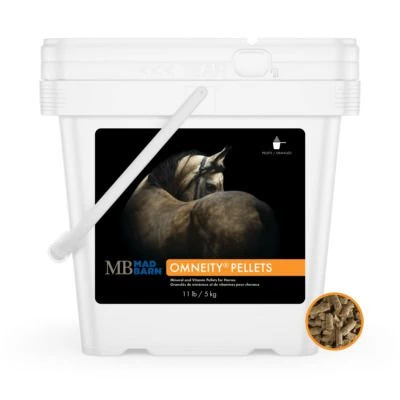
Omneity® is a complete vitamin and mineral supplement designed to balance forage-based diets. It supports hoof strength, muscle function, metabolic health, immune function, and coat condition, making it a suitable choice for hardy native horses that do best on simple, low-starch feeding programs.
Adaev horses should have access to clean, fresh water at all times. Horses working in hot, dry conditions or travelling long distances may lose additional fluids and electrolytes through sweat. Provide plain loose salt daily to encourage water intake and support hydration. Salt blocks can be offered, but many horses do not consume enough from blocks alone.
Forage
Forage should make up the foundation of the Adaev horse’s diet. Most mature horses should consume around 1.5 – 2% of their body weight in forage dry matter per day. For an 800 lb (363 kg) Adaev horse, this equals approximately 12 to 16 lb (5 to 7 kg) of hay or equivalent forage dry matter daily. [11]
Good-quality grass hay is usually appropriate for Adaev horses in light work or maintenance. Hay should be clean, free from mold and dust, and selected to match the horse’s body condition and workload. Horses that are underweight, lactating, or working harder may benefit from more nutrient-dense forage, such as a grass-alfalfa mix or additional fiber sources.
For easy keepers, forage quality matters as much as forage quantity. Rich pasture and high-sugar hay can contribute to weight gain and increase the risk of metabolic problems in efficient native horses. If an Adaev gains weight easily, consider mature grass hay, controlled pasture access, slow feeders, grazing muzzles, or dry lot turnout with measured hay.
Avoid abrupt changes when transitioning an Adaev from extensive grazing systems to domestic hay or pasture management. Gradual changes help support digestive function and reduce the risk of digestive upset, especially in horses moving from sparse forage to richer feeds.
A forage analysis is the best way to evaluate the energy, protein, sugar, starch, and mineral content of hay or pasture. Testing forage allows the ration to be balanced accurately for the individual horse’s size, workload, and condition.
Feeding Recommendations
Adaev horses generally benefit from simple, forage-first feeding programs that reflect their native hardiness and efficient metabolism. Many horses of this breed do not require large amounts of commercial grain or concentrates, especially if they are in light work and maintaining good body condition on forage.
High-starch or high-sugar feeds are not ideal for easy-keeping Adaev horses. These feeds can contribute excess calories and may increase the risk of digestive upset, weight gain, insulin dysregulation, and laminitis in at-risk horses. [13][14] Instead, use a concentrated vitamin and mineral supplement to balance the diet while keeping sugar, starch, and calories low.
If a carrier is needed for supplements, choose low-starch, fiber-based options such as soaked hay pellets, beet pulp, or small amounts of chopped forage. These options are generally better aligned with the horse’s digestive physiology than grain-based feeds.
Adaev horses in regular endurance work, stock work, lactation, or recovery from illness may need additional calories. Start by increasing forage quality or providing digestible fiber sources such as forage cubes or pellets. If more energy is still required, a fat supplement can provide concentrated calories without relying on high-starch grain.
Senior Adaev horses or horses with dental issues may struggle to maintain condition on long-stem hay alone. Soaked hay pellets, forage cubes, beet pulp, and complete senior feeds can help provide adequate fiber in an easier-to-chew form.
Feed changes should be made gradually to give the digestive tract time to adapt. This is especially important for hardy horses moving between sparse pasture, rich grass, hay, and prepared feeds.
Continue to provide clean water and plain loose salt every day. Most mature horses benefit from approximately 2 tablespoons of salt daily, with higher needs during hot weather, heavy sweating, travel, or increased work.

Nutritional Supplements
For Adaev horses, the priority is to balance the diet first. After that, supplements can be added based on workload, body condition, digestive health, and forage quality.
Recommended Mad Barn supplements for Adaev horses may include:
- Omneity® Premix to provide broad vitamin and mineral support in forage-based diets.
- AminoTrace+ for horses that are easy keepers or need added support for hoof quality, metabolic health, muscle function, and antioxidant intake.
- Visceral+ for horses that need support for gastric and hindgut health, especially during management changes, stress, travel, or inconsistent forage intake.
- OmegaPrime+ to add omega-3 fatty acids that support weight maintenance, coat quality, and a healthy inflammatory balance.
- Performance XL Electrolytes for working horses that sweat during exercise or in hot weather and need help replacing electrolytes lost in sweat.
Use supplements as part of a forage-first feeding program rather than as a substitute for balanced daily nutrition. For help creating a tailored diet for your horse, book a free consult with one of Mad Barn’s expert equine nutritionists.
Frequently Asked Questions
Here are some frequently asked questions about the Adaev horse:
The Adaev horse is a rare native horse from western Kazakhstan. Also called the Adai horse, it developed in dry steppe and desert conditions where horses needed endurance, toughness, and efficient movement. The breed is usually associated with practical riding, herding, travel, and milk production.
The Adaev horse comes from southwestern Kazakhstan, especially the Mangystau region and the areas between the Caspian and Aral Seas. This landscape shaped a horse that could handle heat, wind, sparse forage, and long distances. The breed is named after the Adai people, who are closely linked with local horse-breeding traditions in the region.
The Adaev horse is commonly described as a regional type within the broader Kazakh horse population. It is also treated as a distinct local horse because of its lighter frame, riding ability, and association with western Kazakhstan. In practical terms, the Adaev represents an important native genetic and cultural resource within Kazakhstan's horse populations.
Adaev horses were originally bred for everyday utility in open country. They were used for riding, herding, travel, and other practical work where soundness and endurance mattered more than speed or appearance. Mares were also valued for milk production, which remains culturally and economically important in Kazakhstan.
Adaev horses are usually small to medium-sized horses, typically standing about 13 to 14.1 hands tall. Mature horses weigh approximately 800 lb, depending on individual build, condition, and management. Their size and lighter frame suit them to efficient travel rather than heavy draft or elite modern sport work.
The Adaev horse typically has a lighter, more refined build than heavier Kazakh steppe types. Common traits include a lighter head, longer neck, narrower chest, more defined withers, and a straighter topline. Overall, the breed should look functional, economical, and suited to covering ground over long distances.
Adaev horses can come in several coat colors, including bay, chestnut, black, gray, roan, and some cream-dilute shades. Coat color is not considered a defining feature of the breed. Traditional selection appears to have emphasized function, hardiness, and usefulness rather than color.
The Adaev horse is generally described as hardy, sensible, and practical. Horses raised in extensive herd systems often develop awareness, independence, and good survival instincts. With consistent handling, turnout, movement, and social contact, many Adaev horses can become willing and useful riding partners.
Adaev horses are best suited for practical riding disciplines that reward endurance, toughness, and efficient movement. Trail riding, pleasure riding, working equitation, ranch or stock work, and endurance-style activities all fit the breed's likely strengths. The Adaev is less likely to be selected for elite modern sport disciplines that prioritize size, suspension, or highly specialized movement.
Adaev horses are rare outside Kazakhstan and have a much lower international profile than many European or North American breeds. They are more often recognized as a local or national genetic resource than as a globally standardized breed. Their rarity makes conservation and careful breeding important for preserving regional horse diversity.
Adaev horses are considered hardy because they developed in demanding steppe and desert conditions. Their history suggests they can make efficient use of sparse forage, travel long distances, and cope with seasonal extremes. However, hardiness does not mean they are immune to health problems, and they still need consistent preventive care, balanced nutrition, and appropriate management.
There are no widely documented inherited disorders that clearly stand out in the Adaev horse in the available scientific literature. This may reflect limited breed-specific research rather than proof that the breed has no inherited risks. For rare regional horses, maintaining genetic diversity is an important long-term health consideration.
Adaev horses may be prone to management-related health problems when kept in modern domestic settings. Horses adapted to sparse forage can gain excess weight on rich pasture or calorie-dense feeds, increasing the risk of insulin dysregulation, laminitis, and poor athletic function. Limited forage access, high-starch diets, and intensive management can also increase concern for digestive issues and gastric ulcers.
Many Adaev horses are likely to be easy keepers under modern feeding conditions. A horse adapted to surviving on sparse forage may gain too much weight if given rich pasture, large grain meals, or more calories than its workload requires. Regular body condition scoring helps owners adjust diet and management before excess weight becomes a health risk.
An Adaev horse should generally eat a forage-first diet built around appropriate hay or pasture, plain salt, clean water, and a balanced vitamin and mineral program. Extra calories may be needed for harder work, growth, illness recovery, or milk production, but these should be added based on the horse's actual needs. When more energy is required, highly digestible fiber or fat is often preferable to large grain meals.
Most Adaev horses do not automatically need grain, especially if they are at maintenance or are easy keepers. Grain or calorie-dense concentrate feeds can contribute to excess weight and may increase digestive risk when used heavily. If an Adaev horse needs more energy, the diet should be adjusted according to body condition, workload, forage quality, and veterinary or nutrition guidance.
Owners should manage an Adaev horse's weight with regular body condition scoring, forage control, daily movement, and careful use of calorie-dense feeds. Because many hardy native horses maintain weight easily, rich pasture and unnecessary grain can lead to excess condition. Weight changes should be monitored seasonally, especially when pasture quality improves or workload decreases.
An Adaev horse needs the same core preventive care as other horses, including veterinary exams, vaccinations, dental care, parasite management, hoof care, exercise, and turnout. Regular farrier care is especially important for horses used for riding, herding, or other practical work. Owners should contact a veterinarian promptly for poor appetite, unexplained weight change, recurrent colic signs, or poor recovery after exercise.
Summary
The Adaev horse is a rare native breed from western Kazakhstan, shaped by nomadic culture, harsh climates, and the need for efficient travel across sparse landscapes.
- The Adaev horse originated in southwestern Kazakhstan and is closely tied to local riding, herding, transport, and milk production
- The breed is typically light, efficient, and practical, with conformation suited to covering ground rather than heavy draft work
- Adaev horses are generally hardy, sensible, and independent, but temperament still depends on training, handling, and management
- Modern management can increase the risk of obesity, insulin dysregulation, laminitis, digestive upset, and gastric ulcers
References
- Orazymbetova. Z. et al. Genetic Diversity of Kazakhstani Equus caballus (Linnaeus, 1758) Horse Breeds Inferred from Microsatellite Markers. Vet Sci. 2023. View Summary
- Ualikhanova. A. Kazakhstan's Adai Horses Gallop Towards International Recognition. The Astana Times. 2023.
- Dorokhin. V. The Use of the Adayev Horse in Agriculture of Kazakhstan. Agrarian History. 2020.
- Pozharskiy. A. et al. Genetic structure and genome-wide association study of the traditional Kazakh horses. Animal. 2023. View Summary
- Kossaliyeva. G. et al. Chemical composition, physical properties, and immunomodulating study of mare's milk of the Adaev horse breed from Kazakhstan. Front Nutr. 2025. View Summary
- Henneke. D. R. et al. Relationship between condition score, physical measurements and body fat percentage in mares. Equine Vet J. 1983. View Summary
- Colombino. E. et al. Gut health of horses: effects of high fibre vs high starch diet on histological and morphometrical parameters. BMC Vet Res. 2022. View Summary
- Ermers. C. et al. The Fibre Requirements of Horses and the Consequences and Causes of Failure to Meet Them. Animals. 2023. View Summary
- Sykes. B. W. et al. European College of Equine Internal Medicine Consensus Statement-Equine Gastric Ulcer Syndrome in Adult Horses. J Vet Intern Med. 2015. View Summary
- Luthersson. N. et al. Risk factors associated with equine gastric ulceration syndrome (EGUS) in 201 horses in Denmark. Equine Vet J. 2009. View Summary
- Nutrient Requirements of Horses: Sixth Revised Edition. National Academies Press, Washington, D.C. 2007. View Summary
- Richards. N. et al. Nutritional and Non-Nutritional Aspects of Forage. Veterinary Clinics of North America: Equine Practice. Elsevier BV. 2021. View Summary
- Cipriano-Salazar. M. et al. The Dietary Components and Feeding Management as Options to Offset Digestive Disturbances in Horses. J Equine Vet Sci. 2019.
- Geor. R. J. Metabolic Predispositions to Laminitis in Horses and Ponies: Obesity, Insulin Resistance and Metabolic Syndromes. Journal of Equine Veterinary Science. 2008.