English

Mare behavior is influenced by reproductive cycles, social dynamics, training history, pain, stress, nutrition, and daily management. While mares are often described as “moody” or “mareish,” changes in attitude, handling, or performance should not automatically be blamed on hormones.
Many aspects of mare management are the same as for geldings or stallions. However, mares also have unique considerations related to heat cycles, reproductive health, herd behavior, and comfort under saddle.
A mare in heat may show signs such as tail raising, frequent urination, increased interest in other horses, or reduced focus during training. These changes can be normal, but persistent aggression, sensitivity, resistance, irregular cycles, discharge, or signs of pain may indicate an underlying health concern.
Good mare management starts with careful observation and consistent care. Turnout, companionship, predictable routines, low-stress handling, balanced nutrition, and appropriate training all help support a mare’s welfare and make it easier to recognize when veterinary guidance may be needed.
Keep reading to learn more about mare behavior, how heat cycles can affect temperament and performance, and what owners should know about handling, training, health, nutrition, and daily care.
Mare Behavior, Management & Handling
Taking care of a mare involves understanding how reproductive physiology, social behavior, management practices, and individual temperament interact to shape day-to-day behavior and performance.
While mares are sometimes unfairly labeled as difficult or unpredictable, many are highly intelligent, attentive, and responsive horses when their physical and behavioral needs are properly supported.
A mare’s behavior can be influenced by many factors, including:
- Estrous cycles
- Housing conditions
- Turnout opportunities
- Herd dynamics
- Training methods
- Stress
- Pain
- Overall health status
Because of this, behavioral changes should not automatically be dismissed as “mareish” or hormone-related without considering other possible contributing factors.
Good mare management centers on consistency and observation. Stable routines, appropriate social interaction, regular turnout, balanced nutrition, and thoughtful training can all help support comfort and reduce stress-related behaviors.
Mares can excel across disciplines as riding horses, breeding animals, and long-term equine partners. With careful handling, appropriate management, and attention to welfare, many mares develop strong working relationships with their handlers while remaining adaptable, athletic, and engaged in their daily routines.
What is a Mare?
A mare is an adult female horse, typically over three or four years of age. A young female horse is called a filly. Related terms are also used to describe a horse’s reproductive status:
- Maiden mare: A mare that has not previously had a foal
- Broodmare: A mare used for breeding
- Dam: The mother of a foal
- Open mare: A mare that is not currently pregnant
- In foal: A mare that is pregnant
What's your top priority with your horse's health?

What's your top priority with your horse's health?
Natural Mare Behavior & Herd Hierarchy
Mares are highly social, instinct-driven animals that thrive in stable herd groups where familiar companions provide security and help reduce stress. In feral and domestic settings, mares form long-term bonds and use mutual grooming to maintain hygiene and social cohesion. [1]
Mares also rely on clear social organization. Dominant mare leadership often shifts with circumstance, and she maintains the herd’s social order using clear body language cues. Other mares watch the dominant mare’s body language as an essential form of communication. Signals of displeasure or authority, such as pinned ears or a hard stare, typically cause herd members to yield or move aside. [1][2]
The dominant mare usually directs the herd’s movement, leading them to grazing areas, water, and safe ground. At the same time, the stallion often takes a rear-guard role, protecting from behind as the lead mare guides the group away from threats. [2]
It’s important to note that social hierarchies in horse herds aren’t fixed. Dominant mare leadership often shifts with circumstance, and mares cooperate to establish and maintain herd dynamics. [2]
Understanding natural herd dynamics can help inform how to interpret domestic behavior and make educated management decisions.
While there is no evidence that horses view humans as part of their social hierarchy, their natural behaviors help explain why consistent routines, compatible turnout companions, and predictable environments contribute to positive behavior and overall well being. [2]
Housing, Socialization & Welfare
Predictable routines matter for all horses, including mares. Consistent feeding, turnout, and training times lower stress, reduce stereotypic behaviors, and improve focus and trainability. Because horses are creatures of habit, unpredictable changes can trigger their natural flight instinct.
A steady routine provides security and helps them stay calm, and also offers mental stimulation by letting them anticipate turnout, feeding, and work. [3]
Socialization and turnout are both important components of mare welfare and day-to-day management. Mares generally do best when they can see, touch, and share space with compatible companions while also having regular opportunities for free movement and turnout.
Research shows that social isolation negatively affects equine welfare, while healthy social interaction provides important behavior and health benefits. [1]
Horses confined in stalls for prolonged periods show more stress-related behaviors, whereas access to paddocks and pasture can reduce stereotypies and improve behavioral and physiological indicators of well being. [3]
Housing a mare next to a stallion or other reproductively active horses may increase arousal, distractibility, or fence-line behaviours in some mares. When these interactions affect welfare, handling, or training, mares may benefit from being kept in a quieter area of the barn with compatible companions and less direct reproductive stimulation.
Mares housed near breeding stallions may be more likely to show unwanted behaviours such as: [4]
- Kicking
- Rushing or charging the fence line
- Increased vocalizing
- Stress-related stereotypies, such as weaving or cribbing
Mare Health Care Basics
Mares have unique health considerations related to their reproductive anatomy and hormone cycles. While many aspects of daily care are the same as for geldings or stallions, owners should be familiar with normal estrus behavior, basic reproductive hygiene, and signs that may indicate discomfort, infection, or other health concerns.
Careful observation, good management, and appropriate veterinary support can help mares stay healthy, comfortable, and able to perform at their best.
Table 1. Mare health monitoring at-a-glance
| Sign or behavior | May Be Consistent With Normal Cycle Changes | May Point to Pain, Stress or a Health Concern | Appropriate Owner Response |
|---|---|---|---|
| Increased distractibility or sensitivity under saddle |
|
|
|
| Tail raising, frequent urination or interest in geldings/stallions |
|
|
|
| Ear pinning, kicking, biting or aggressive reactions |
|
|
|
| Reluctance to move forward, bucking or refusal behaviors |
|
|
|
| Prolonged, irregular or unusually frequent heat behavior |
|
|
|
| Stallion-like behavior, mounting or unusually dominant behavior |
|
|
|
| Vulvar discharge, bad odor or excessive tail rubbing |
|
|
|
| Colic-like signs, flank watching or obvious discomfort |
|
|
|
Monitoring Estrus Signs & Cycle Stages
Mares are seasonally polyestrous, meaning they have multiple estrus cycles during a defined breeding season. They cycle most consistently during the spring and summer months. Each cycle lasts about 21 days. Estrus, or “heat,” usually lasts 5 – 7 days, while diestrus, the phase after ovulation, usually lasts 14 – 15 days. [5]
Common estrus signs in mares include: [5]
- Tail raising
- Frequent urination
- Clitoral “winking”
- Increased interest in stallions or geldings
- Restlessness or distractibility
The diestrus phase of a mare’s cycle is characterized by the corpus luteum (CL), a temporary structure that develops on the ovary after ovulation and produces progesterone to prepare the uterus for pregnancy. If no embryo implants in the uterus, the CL regresses, progesterone levels drop, and the cycle returns to estrus. [5]
Diestrus lasts about 14 – 15 days after ovulation. During this phase, mares are generally unreceptive to stallions and may show behaviors such as: [5]
- Squealing
- Kicking
- Biting
Understanding a mare’s cycle phases can help you adjust training plans and behavior expectations. Maintaining a simple heat calendar to record behavior, performance, and signs of discomfort can help you better understand your mare’s cycle and identify behavioral patterns in each phase. [5]
When monitoring cycles for breeding, owners may use teasing methods, which involve placing a stallion near the mare to assess her reproductive receptivity. An observer can then record teasing scores alongside cycle notes to track the mare’s stage of the cycle. [5]
Veterinarians may use rectal palpation, ultrasound, or hormone testing to confirm cycle stage. Estrone sulfate testing can help confirm pregnancy from approximately day 70 onward, while progesterone testing confirms luteal activity. Inhibin and anti-Müllerian hormone can provide insight into ovarian health and help identify granulosa cell tumors. [5]
Mare Heat Tracking Calendar
Below is a sample heat tracking calendar. You can make your own version to track patterns in your mare’s behavior, estrus signs, performance, and comfort over time. Recording signs daily can help you identify what is normal for your mare and recognize when behavior changes may need veterinary follow-up.
| Cycle day | Date | Observed signs | Management or training adjustments | Health notes or follow-up needed |
|---|---|---|---|---|
| Day 1 | Jan 1 |
|
|
|
| Day 2 | Jan 2 |
|
|
|
| Day 3 | Jan 3 |
|
|
|
| Tracking continues for day 4-13 | ||||
| Day 14 | Jan 14 |
|
|
|
| Day 15 | Jan 15 |
|
|
|
| Tracking continues for day 16-19 | ||||
| Day 20 | Jan 20 |
|
|
|
| Day 21 | Jan 21 |
|
|
|
Udder Care
A mare’s udder should be inspected regularly and gently cleaned when needed to remove sweat, dirt, and dried skin secretions. These secretions can build up as a waxy or greasy material between the teats, known as sebaceous exudate or smegma. [6]
Clean the udder with warm water and a mild, diluted cleanser, then rinse thoroughly. Owners can also use udder washes designed specifically for this purpose. Avoid using harsh soaps or cleansing with soap too often, as some soaps can strip natural oils and irritate the udder’s sensitive skin. [6]
Some mares only need their udders cleaned on occasion, though others may require more frequent care depending on individual needs and seasonal factors like heat or sweating. Regular udder checks are essential to help guide an effective cleaning schedule. [6]
Perineal/Vaginal Hygiene & Infection Awareness
The perineal area of a mare is the region located beneath the tail, encompassing the vulva and surrounding tissue. This area should also be kept clean, especially before breeding or veterinary procedures.
Monitor the perineal area for signs such as: [7]
- Unusual discharge
- Foul odor
- Sensitivity
- Signs of discomfort or pain
The perineal and vulvar area should be cleaned gently with warm water or a mild, diluted cleanser to remove sweat, dirt, or discharge. Over-cleaning can irritate the perineal tissue, so most mares only need occasional cleaning, with more frequent care reserved for breeding, veterinary procedures, or when buildup or discharge is noticed. [5]
Mares with poor vulvar conformation may require a Caslick’s procedure. This is a surgical procedure where the upper portion of the vulva is sutured closed. For broodmares, the vulva must be opened again before foaling. [7]
Pregnant Mares & Post-foaling Care
Owners must pay extra attention to the udder and perineal hygiene of pregnant mares and post-foaling mares to reduce the risk of infection and ensure their comfort. In late pregnancy and early lactation, watch for udder heat, swelling, pain, or abnormal milk production. If you spot any of these signs, promptly call your veterinarian. [6]
Foaling areas should be kept clean and dry, as hygiene during and after birth plays a key role in preventing complications like mastitis or uterine infection. In the weeks after foaling, continue daily checks of the udder and perineal region to ensure the mare recovers while nursing her foal. [6]
Nutrition for Mares
A mare’s nutritional needs change with workload, reproductive status, age, body condition, and overall health.
Supporting long-term wellness starts with a balanced, forage-first feeding program that provides adequate energy, protein, vitamins, minerals, and water to support weight management, hormone health, digestive function, and overall well-being.
Good-quality forage should form the foundation of the diet whenever possible, but forage alone does not provide a fully balanced diet for most horses.
Concentrate feeds may be used when additional calories or protein are needed, while vitamin and mineral supplementation is typically required to correct nutrient gaps and balance the overall ration.
Pregnant and lactating mares require additional energy, protein, calcium, and trace minerals to support fetal growth, milk production, and their own body condition during reproduction. [8]
Young growing fillies, senior mares, and high performance horses may also require targeted nutritional adjustments to maintain healthy weight, muscle condition, and overall metabolic health.
Horses will not meet all of their nutritional requirements on hay alone. Even good-quality forage commonly leaves deficiencies in key vitamins, minerals, and amino acids required to support long-term health and performance.
Mad Barn’s Omneity® provides comprehensive vitamin and mineral support for forage-based diets in an easy-to-feed pellet or premix. It is formulated to help correct common nutrient gaps without adding excess calories, starch, or sugar.
Omneity® supplies organic trace minerals, complete B-vitamin fortification including 20 mg of biotin, and limiting amino acids to support overall wellness in mares at every stage of life. These nutrients play important roles in hoof growth, coat quality, immune function, muscle development, reproductive health, antioxidant defenses, and normal nervous system function.
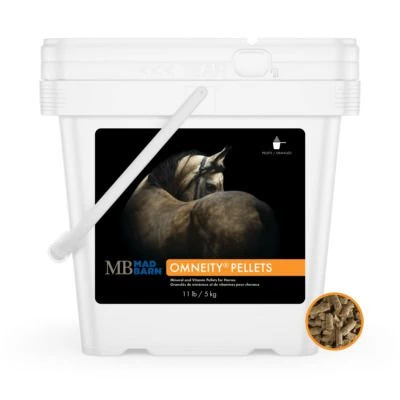
For mares that need additional fat in the diet, w-3 Oil supplies cool calories and essential fatty acids to support body condition, reproductive health, and normal inflammatory responses. Enriched with the omega-3 fatty acid DHA and natural vitamin E, w-3 Oil is ideal for mares in work.
Consistent access to clean water and free-choice salt is important for all mares. These needs increase in hot weather, during lactation, during transport, and in exercise programs where fluid and electrolyte losses are higher.
Adding 2 tbsp of loose salt to your mare’s daily ration helps ensure she meets her sodium requirement while also encouraging water intake. Inadequate hydration or electrolyte intake can negatively affect appetite, digestion, milk production, and overall well-being.
Because a mare’s nutritional needs change, working with a veterinarian and equine nutritionist can help ensure the diet remains properly balanced and appropriate for her individual needs at every stage of life.
Common Health Problems in Mares
Mares can develop a variety of reproductive and hormonal disorders that affect fertility, comfort, behavior, and athletic performance.
Because some reproductive conditions cause subtle or gradually developing signs, changes in attitude, training responsiveness, social behavior, or under-saddle performance are sometimes the first indication that a health issue may be present.
Reproductive discomfort may become more noticeable during estrus cycles, but not all cycle-related behavioral changes are considered normal. Persistent irritability, sensitivity, aggression, or resistance to handling can sometimes indicate underlying pain, ovarian abnormalities, uterine disease, or other medical concerns that warrant veterinary evaluation.
Signs of these problems can include: [1]
- Pain or sensitivity when touched
- Reluctance to work or engage the hindquarters
- Aggression toward people or other horses
- Changes in cycle length or intensity, such as prolonged or absent heat
Some mares may also show stallion-like behaviors, including mounting and herding. [4]
Granulosa-theca cell tumors (GCTs)
Granulosa-theca cell tumors (GCTs) are among the most common ovarian tumors in mares and are typically benign. By producing excess hormones, they can disrupt reproduction and trigger abnormal behaviors. Affected mares may show traits similar to stallions, such as aggression, frequent vocalizing, and territorial guarding. [9]
Diagnosis is usually made through clinical exams, ultrasound, and hormone testing, with surgical removal of the affected ovary being the standard treatment. [9]
Ovulation
While ovulation is a normal inflammatory process, it can cause discomfort in some mares, especially during the periovulatory period. [10]
In some instances, mares may even show mild colic-like symptoms. These pain-related behaviors are often mistaken for general moodiness during estrus. [10]
Endometritis
Endometritis is inflammation of a mare’s uterine lining that can cause infertility by preventing conception or leading to early abortion. It may result from bacterial or fungal infection or from persistent breeding-induced endometritis (PBIE), where the normal post-breeding inflammatory response does not resolve. [11]
Diagnosis usually involves exams, ultrasound, and lab tests, while treatment may include uterine lavage, antibiotics, and supportive therapies to restore uterine health. [11]
Anovulatory and Hemorrhagic Follicles
Anovulatory and hemorrhagic follicles occur when a mare’s follicle fails to ovulate, often becoming enlarged and filled with blood or fibrin. [12]
These follicles can delay ovulation, prolong estrus, and, in severe cases, cause discomfort, colic-like signs, or even anemia, making the condition a significant concern for breeding management. [12]
Ovarian Hematomas
Ovarian hematomas occur when excessive bleeding into the follicle after ovulation forms a large blood clot. Larger hematomas may cause significant pain and discomfort, especially when palpated. [13]
Although they typically do not affect fertility, ovarian hematomas often take several weeks to months to resolve, and any significant bleeding may cause colic, lethargy, inappetence, tachycardia (rapid heart rate), and anemia. [13]
Mare Health Concerns: When to Call Your Veterinarian
While some behavioral and physical changes can occur normally during estrous cycles, persistent, severe, or unusual signs should not be dismissed as simply “mareish” behavior. Reproductive disorders, pain, hormonal abnormalities, and other health conditions can all affect a mare’s comfort, fertility, attitude, and performance.
Veterinary evaluation is especially important when behavioral or reproductive changes develop suddenly, worsen over time, interfere with handling or riding, or occur outside the normal breeding season. Early evaluation can help identify underlying reproductive disease, pain, or metabolic issues before they become more serious.
When caring for mares, it’s essential to contact your veterinarian if you notice: [6][14]
- Prolonged or irregular heats
- No heat cycles during the breeding season
- Sudden or unexplained behavior changes, such as stallion-like behavior
- Vulvar discharge or odor
- Fever, signs of colic, or pain
- Persistent sensitivity during grooming, saddling, or riding
- Difficulty conceiving or maintaining pregnancy
- Noticeable decline in performance, appetite, or body condition
Your veterinarian may recommend reproductive examinations, ultrasound imaging, hormone testing, or other diagnostics depending on the mare’s age, symptoms, and breeding status.
Because behavioral and performance issues can sometimes reflect pain or medical conditions unrelated to reproduction, a complete health evaluation may also be necessary to identify contributing factors.
Common Behavioral Challenges in Mares
Mares are intelligent, sensitive, and social animals, but various factors can influence their behavior.
Some behavioral challenges are temporary but recurring and linked to natural reproductive cycles, while others are constant and stem from pain, stress, or learned responses instead. Understanding the difference is essential to provide appropriate care and training.
How Seasonal Hormones & Cycles Affect Mare Behavior
Seasonal hormone changes can significantly influence mare behavior. Most mares cycle during the long days of spring and summer and stop cycling, or enter anestrus, in winter. Their estrous cycle lasts about 21 days, and their behavior and attention change with each phase. [15]
During estrus, many mares act more curious, social, and easily distracted. During diestrus, they’re usually less receptive. Knowing where your mare is in her cycle helps you plan training and adjust expectations on days when her focus or comfort may fluctuate. [15]
Some owners are quick to describe their mares as a “moody mare” when they display difficult behavior. This stereotype can be misleading, since many behavioral challenges don’t correlate with normal hormonal cycles.
Before attributing behavior solely to hormones, note that “moody mare” behaviors may actually be due to: [14][16]
- Pain or discomfort
- Stress
- Environment
- Training history
- Management or routine
Reproductive status also affects mare behavior. Both pregnant mares and dams may adjust proximity and social interactions during the peripartum period.
Good management, such as quiet surroundings, compatible turnout, and minimal disturbance during early bonding, can support your mare through pregnancy and foaling. [17]
Estrus Manipulation & Support
When estrus is significantly interfering with work or your mare’s comfort, consider discussing estrus-suppression options with your veterinarian.
Altrenogest (Regu-Mate®) and specific oxytocin protocols are commonly used and can suppress or stabilize cycles in appropriate cases. [18] Some owners also use herbal support options with veterinary guidance.
Management changes such as consistent turnout, reduced stress, predictable routines, appropriate exercise, and addressing underlying pain or discomfort may also help reduce behavioral changes associated with estrus. Because not all “mareish” behavior is hormonally driven, veterinary evaluation is important before pursuing hormonal manipulation or suppression strategies.
Owners should avoid attempting hormonal manipulation without veterinary guidance, particularly when using compounded hormones, unapproved products, or internet-based treatment recommendations.
Because reproductive behaviors can overlap with pain and medical conditions unrelated to estrus, focusing only on cycle suppression may delay diagnosis of underlying health issues.
Pharmaceutical Options
Altrenogest, a synthetic progestogen, suppresses estrus by mimicking the high progesterone levels of diestrus, preventing mares from showing heat. By reducing estrus-related behaviors, Altrenogest typically helps mares stay more focused and consistent in both training and performance. [18][19]
Similarly, oxytocin can be used to prolong diestrus and delay the return to estrus. [18][19] Be sure to follow handling medication precautions and review any necessary competition medication rules, such as those established by the United States Equestrian Federation and Fédération Equestre Internationale, as applicable.
Other veterinary-directed estrus suppression methods may include injectable progesterone protocols or GnRH vaccination strategies in select cases. GnRH vaccination works by reducing hormone signaling involved in ovarian cycling and may decrease estrus-associated behaviors in some mares.
However, responses vary considerably between individuals, and some mares continue to show behavioral signs of estrus despite reduced ovarian activity. [20][21]
Because hormonal therapies affect reproductive physiology, these medications should only be used under veterinary supervision. Treatment decisions should account for the mare’s age, intended use, breeding plans, medical history, and competition status.
Nutraceutical Options
Some horse owners use nutraceutical or herbal supplements to support mares during estrus cycles, particularly when behavioral changes are mild or inconsistent. These products may include ingredients intended to support relaxation, normal hormone balance, or overall comfort.
One of the most commonly used herbal ingredients for mares is Chasteberry (Vitex agnus-castus). In traditional medicine systems, chasteberry has long been used as an adaptogen believed to support homeostasis and help reduce stress across multiple physiological systems.

Research in rodents and humans suggests chasteberry acts on dopamine D2 receptors in the anterior pituitary, suppressing prolactin secretion. By reducing prolactin, it reduces a key inhibitor of GnRH, supporting normal LH release, luteal phase development, and progesterone production. [22] It appears to work by modulating prolactin secretion from the pituitary gland, which can influence luteinizing hormone (LH) and follicle-stimulating hormone (FSH) activity within the reproductive system. [23][24]
Scientific evidence supporting many herbal estrus supplements remains limited, and responses vary substantially between individual mares. Some supplements may also contain ingredients that are prohibited under competition rules or inappropriate for pregnant or breeding mares.
Chasteberry products should be used under the supervision of a veterinarian. Chasteberry is generally not recommended for pregnant or lactating mares or growing horses because its effects on reproductive hormones in these populations have not been fully evaluated. Always inform your veterinarian of any current medications or supplements your mare is on before starting new treatment options.
Because hormonal and behavioral changes associated with estrus may sometimes reflect ovulation pain, gastric ulcers, musculoskeletal discomfort, or other medical issues, supplements should not replace appropriate veterinary evaluation when signs become severe, persistent, or progressively worse.
Surgical Options
In select cases, veterinarians may discuss ovariectomy, or surgical removal of the ovaries, as an option for mares with severe reproductive disease or persistent estrus-related behaviors that do not respond to other management strategies. [21][25][26]
This procedure is most commonly considered when ovarian tumors, chronic pain, or significant reproductive abnormalities are present. Because behavior is not always caused solely by ovarian hormone activity, mares should be carefully evaluated throughout their estrous cycle before surgery is considered. [21]
Practices to Avoid
Some estrus suppression methods have inconsistent results or carry increased risk without strong evidence of long-term benefit.
Practices such as placing marbles in the uterus or intrauterine infusion of plant oils have historically been used to suppress estrus in mares, but research shows these approaches may not reliably prevent cycling and can increase the risk of complications. [21]
Training & Competing with a Mare
Mares can be outstanding competitors, often praised for their heart, stamina, and sensitivity under saddle. However, hormonal fluctuations and natural herd instincts sometimes create challenges in training and competition.
Recognizing these patterns and adjusting your approach accordingly can help you bring out your mare’s competition best while supporting her welfare and well-being.
Common Challenges with Competitive Mares
Some of the most frequent challenges to consider when training and competing mares include: [16][19]
- Inconsistent focus: Some mares lose concentration or become more easily distracted during estrus due to fluctuating estrogen and progesterone levels.
- Refusal behaviors: Ear pinning, balking, or backing up may appear during discomfort or cycle-related irritability.
- Buddy sour: Strong attachment to herd mates can trigger anxiety or distractibility in the show environment.
- Heightened reactivity: Hormonal peaks may amplify startle responses or cause difficulty settling in new surroundings.
Tips for Training & Competing Mares: Strategies for Success in the Show Ring
Mares bring unique strengths to training and competition, combining sensitivity, intelligence, and determination with a strong capacity to bond deeply with their riders.
Their natural cycles and social instincts can present challenges, but with cycle-aware scheduling, consistent training, and careful attention to comfort, mares can perform at their very best. [27][28]
Show Planning Around Mare Cycles
Owners can track their mare’s cycles ahead of time to anticipate possible sensitivities and resulting behavioral challenges. Veterinary options such as altrenogest (Regu-Mate®) are sometimes used to suppress estrus in performance mares. [18]
Mares are often more distractible or uncomfortable during heat. Scheduling high-intensity training outside of peak estrus is an ideal strategy to avoid unproductive sessions. However, it’s essential to note that mares exhibit varying degrees of behavioral changes during the estrous cycle: some display only subtle signs, while others are more pronounced. [19][29]
During diestrus, mares are generally calmer and more focused, which makes them typically more receptive to training. Save demanding training sessions for more settled phases of their cycle to improve your mare’s focus and performance. [19][29]
Groundwork & Regular Training
Groundwork is training done with a horse from the ground rather than under saddle. It uses exercises such as backing up, yielding to pressure, and respecting the handler’s space to improve communication, trust, and responsiveness between horse and handler. [30]
Regular groundwork, clear aids, and predictable exercises can help mares stay engaged, even when hormones or environmental factors increase sensitivity. You can reinforce steady, predictable behavior and responses through groundwork and clear cues. [30]
Rule Out Non-Hormonal Root Causes
Make sure to rule out non-hormonal causes of unwanted behaviors in your mare, such as pain, poor saddle fit, or musculoskeletal issues, before assuming hormones are to blame.
Resistance behaviors like ear pinning or balking may signal discomfort, so it’s essential to check tack fit and rule out underlying health issues before assuming the problem is hormone-related. [16][31]
Warm-Up Routines
Consistent warm-ups give mares time to loosen physically, settle mentally, and build confidence before more demanding work begins. Calm, familiar exercises can reduce tension and reactivity, especially in unfamiliar settings or during phases of the estrous cycle when some mares may be more distracted or sensitive. [15][19][32]
Start with relaxed walking on a loose rein, then add large circles, gentle changes of direction, and simple walk-halt or walk-trot transitions. As your mare becomes more focused, introduce light bending or leg-yielding to encourage suppleness and responsiveness before progressing to higher-intensity training. [32]
Stall Management & Stress Reduction
When showing, stable mares away from stallions or other overly stimulating horses to reduce arousal and stress reactions. [4] Provide constant access to forage and water, maintain feeding schedules, and keep routines consistent to minimize anxiety. [3]

Managing Mare Behavior Starts with Context
Mare behavior is best understood by looking at the whole horse, not by assuming every change is caused by hormones. Estrus can influence focus, sensitivity, social behavior, and comfort, but cycle-related changes are only one part of the picture.
Pain, stress, training pressure, housing conditions, social dynamics, tack fit, reproductive health concerns, and other medical issues can all affect how a mare behaves.
For owners, the most useful approach is to observe patterns over time. Tracking when behavioral changes occur, how long they last, and whether they follow a predictable cycle can help distinguish normal seasonal variation from signs that need closer attention.
A mare that becomes mildly distracted during estrus may simply need thoughtful management, while sudden aggression, persistent resistance, irregular cycles, discharge, odor, or obvious discomfort should not be dismissed as normal heat behavior.
Good mare management also depends on the basics of equine welfare. Consistent routines, adequate turnout, compatible social contact, low-stress handling, appropriate exercise, and a balanced diet all help support comfort and emotional regulation. These foundations do not eliminate hormonal influences, but they can reduce unnecessary stress and make it easier to recognize when something is genuinely abnormal.
When behavior interferes with safety, performance, or quality of life, veterinary input is important. A veterinarian can help determine whether reproductive factors, pain, illness, or another underlying issue may be contributing to the mare’s behavior.
In some cases, cycle tracking, reproductive examination, pain assessment, or management changes may be needed before considering estrus-suppression options.
Mares should not be labeled as difficult because of normal reproductive physiology, but they also should not be expected to work through discomfort or unexplained behavioral changes.
By combining careful observation with good welfare practices and timely veterinary care, owners can make informed decisions that support the mare’s comfort, safety, and long-term well-being.
Frequently Asked Questions
Here are some frequently asked questions about caring for mares:
Normal mare behavior in a herd is highly social, structured, and guided by clear body language. Mares usually do best in stable groups with familiar companions, where they form long-term bonds and use mutual grooming to support social cohesion and hygiene. Dominant mares often help maintain order and direct herd movement toward grazing, water, or safer ground, though leadership can shift depending on the situation. Understanding these herd dynamics can help owners make better decisions about turnout, companionship, and daily handling. [1][2]
Housing and turnout can strongly affect a mare's behavior and welfare because mares generally do best with predictable routines, social contact, and regular free movement. Consistent feeding, turnout, and training schedules can reduce stress, improve focus, and lower the risk of stereotypic behaviors. Social isolation and prolonged stall confinement are associated with poorer welfare and more stress-related behaviors, while compatible companionship and pasture access tend to support well-being. Housing mares next to stallions or other highly stimulating horses can also increase arousal, vocalizing, fence charging, and stereotypies. [1][4]
The common signs that a mare is in heat include tail raising, frequent urination, clitoral "winking," increased interest in stallions or geldings, and restlessness or distractibility. Most mares are seasonally polyestrous, cycling mainly in spring and summer, with a typical 21-day cycle. Estrus, or heat, usually lasts about 5 to 7 days, while diestrus lasts about 14 to 15 days after ovulation. Tracking these patterns can help owners understand whether changes in focus or behavior fit a normal cycle. [5]
Not all behavior changes in mares are caused by hormones, even though estrous cycles can affect focus, comfort, and receptivity. The article notes that pain, stress, housing, training history, tack fit, and underlying health problems can also explain irritability, resistance, or poor performance. Labeling every difficult moment as "moody mare" behavior can cause owners to miss important medical or management issues. Looking at the whole picture is the best way to decide whether a change is truly cycle-related or needs further investigation. [14][16][24]
You can tell if your mare's cycle is affecting her training or performance by watching for repeating patterns in focus, comfort, or behavior that line up with her heat cycle. Some mares become more distracted, reactive, or sensitive during estrus, while they may be calmer and more receptive during diestrus. Keeping a simple heat calendar with notes on behavior, performance, and discomfort can help you spot consistent trends over time. This kind of tracking can also help you plan more demanding work for phases when your mare is typically more settled. [5][15][19]
A mare's udder and perineal area should be cleaned gently and monitored regularly for buildup, discharge, odor, or signs of discomfort. The udder can be washed with warm water and a mild diluted cleanser to remove sweat, dirt, or dried secretions, while the perineal region should also be cleaned gently when needed. Most mares only need occasional cleaning, and over-cleaning can irritate sensitive skin and tissues. More frequent hygiene may be needed around breeding, foaling, veterinary procedures, or when abnormal discharge or buildup is present. [5][6][7]
Health problems that can cause abnormal behavior in mares include reproductive disorders that affect both comfort and hormone balance. The article highlights issues such as granulosa-theca cell tumors, endometritis, anovulatory or hemorrhagic follicles, ovarian hematomas, and discomfort around ovulation. These problems may show up as aggression, pain when touched, reluctance to work, prolonged or absent heat, stallion-like behavior, or even mild colic-like signs. Because these symptoms can look like ordinary cycle behavior at first, veterinary evaluation is important when the pattern seems unusual or persistent. [1][9][10][11][12][13]
You should call a veterinarian for your mare if you notice prolonged or irregular heats, no heat cycles during breeding season, sudden behavior changes, vulvar discharge or odor, fever, pain, or colic signs. The article also points out that udder heat, swelling, pain, or abnormal milk in pregnant or post-foaling mares deserve prompt veterinary attention. Behavior that seems extreme, persistent, or out of character should not automatically be blamed on hormones. Early veterinary guidance can help identify reproductive, pain-related, or infectious problems before they become more serious. [6][14]
Mares can absolutely be trained and competed successfully, and many are valued for their intelligence, sensitivity, stamina, and strong bond with their riders. Their cycles and herd instincts can create challenges such as distractibility, reactivity, or buddy sourness, but these issues can often be managed with thoughtful routines and careful observation. Cycle-aware scheduling, consistent groundwork, steady warm-ups, and attention to comfort can improve focus and performance. The article emphasizes that mares often excel when handled with patience, consistency, and an individualized approach. [16][19][20][21][24]
Management strategies that can help a mare stay calmer and more focused include keeping routines predictable, providing regular turnout, allowing compatible social contact, and reducing unnecessary stressors. The article also recommends checking for non-hormonal causes of resistance, using groundwork and clear cues, and building consistent warm-up routines before demanding work. At shows or in boarding barns, keeping mares away from stallions or other highly stimulating horses may reduce arousal and frustration. Small management changes can make a meaningful difference in behavior, especially when combined with careful cycle tracking. [3][4][16][22][24]
There are veterinary options to suppress estrus in mares when heat is clearly interfering with comfort, training, or performance. The article notes that altrenogest (Regu-Mate) and certain oxytocin protocols are commonly used to suppress or stabilize cycles in appropriate cases. These treatments should be discussed with a veterinarian because they involve medication handling precautions and may have competition-rule implications depending on the discipline. Estrus suppression is usually most appropriate after management, training, and health-related causes have also been considered. [18][19]
Summary
Mares are social, sensitive animals whose behavior is shaped by herd dynamics, reproductive cycles, environment, and individual temperament.
- Consistent routines, compatible turnout, and low-stress housing can help support a mare’s welfare, focus, and trainability.
- Tracking estrous cycles and normal behavior patterns can help owners recognize when changes are cycle-related or may indicate discomfort or illness.
- Regular reproductive hygiene, including appropriate udder and perineal care, helps support comfort and reduce the risk of infection.
- Reproductive disorders, pain, poor saddle fit, stress, and training history should be ruled out before assuming difficult behavior is caused by hormones.
- Thoughtful training strategies, including groundwork, warm-up routines, and cycle-aware planning, can help mares perform confidently while protecting their well-being.
References
- Torres Borda. L. et al. Equine Social Behaviour: Love, War and Tolerance. Animals. 2023.
- Williams. C. A. The Basics of Equine Behavior. Rutgers University New Jersey Agricultural Experiment Station. 2004.
- Bradshaw-Wiley. E. and Randle. H. The Effect of Stabling Routines on Potential Behavioural Indicators of Affective State in Horses and Their Use in Assessing Quality of Life. Animals. 2023. View Summary
- Hiney. K. Stallion Behavior and Management . Oklahoma State University. 2018.
- Hiney. K. and Giedt. E. Reproductive Management of the Mare. Oklahoma State University. 2025.
- Madill. S. et al. Caring for Your Mare during Breeding and Foaling. University of Minnesota Extension. 2021.
- Papa. F. O. et al. Equine Perineal and Vulvar Conformation Correction Using a Modification of Pouret’s Technique. Journal of Equine Veterinary Science. 2014.
- Nutrient Requirements of Horses: Sixth Revised Edition. National Academies Press, Washington, D.C. 2007. View Summary
- Renaudin. C. D. et al. Equine Granulosa Cell Tumours among Other Ovarian Conditions: Diagnostic Challenges. Equine Veterinary Journal. 2021. View Summary
- Cox. J. H. and DeBowes. R. M. Colic-like Discomfort Associated with Ovulation in Two Mares. Journal of the American Veterinary Medical Association. 1987. View Summary
- Morris. H. A. L. et al. Equine Endometritis: A Review of Challenges and New Approaches. Reproduction. 2020. View Summary
- Ellenberger. C. et al. Histological and Immunohistochemical Characterization of Equine Anovulatory Haemorrhagic Follicles (AHFs). Reproduction in Domestic Animals. 2009. View Summary
- Miguel. E. L. et al. (PDF) Ovarian Hematoma in Mare - Case Report. Arquivo Brasileiro de Medicina Veterinária e Zootecnia. 2025.
- Straticò. P. et al. Behavioral Disorders in Mares with Ovarian Disorders, Outcome after Laparoscopic Ovariectomy: A Case Series. Veterinary Sciences. 2023. View Summary
- Sertich. P. L. The Reproductive Cycle of Horses. Merck. Veterinary Manual. 2024.
- Huggins. L. et al. Abnormal Mare Behaviour Is Rarely Associated with Changes in Hormonal Markers of Granulosa Cell Tumours: A Retrospective Study. Equine Veterinary Journal. 2024. View Summary
- Grogan. E. H. and McDonnell. S. M. Mare and Foal Bonding and Problems. Clinical Techniques in Equine Practice. 2005.
- Lee. S. K. and Lee. I. Estrous Behavior Suppression in a Thoroughbred Mare. Journal of veterinary clinics. 2021.
- Hornberger. K. et al. Mares Behaving Badly: A Review of Methods for Estrus Suppression in the Mare. Clinical Theriogenology. 2017.
- Campbell. M. What are the options for oestrus suppression in mares? Veterinary Practice. 2018.
- Imboden. I. et al. Influence of Immunization against GnRH on Reproductive Cyclicity and Estrous Behavior in the Mare. Theriogenology. 2006. View Summary
- Wuttke. W. et al. Dopaminergic Compounds in Vitex Agnus Castus. Phytopharmaka in Forschung und klinischer Anwendung. 1995.
- Sliutz. G. et al. Agnus Castus Extracts Inhibit Prolactin Secretion of Rat Pituitary Cells. Hormone and Metabolic Research. 1993.
- Artz. M. B. Vitex Agnus-Castus. Herbal Products. Humana Press, Totowa, NJ. 2007.
- H. A. Roessner, K. A. Kurtz, and J. P. Caron, Laparoscopic Ovariectomy Diminishes Estrus-Associated Behavioral Problems in Mares. Journal of Equine Veterinary Science. 2015.
- D. T. Melgaard, T. S. Korsgaard, M. S. Thoefner, M. R. Petersen, and H. G. Pedersen, Moody Mares—Is Ovariectomy a Solution?. Animals (Basel). 2020. View Summary
- Budznska. M. et al. (PDF) Behavioral and Physiological Reactivity of Mares and Stallions Evaluated in Performance Tests. Acta Veterinaria. 2014.
- Pascoe. E. Managing Mares In Heat. Practical Horseman. 2011.
- Romano. J. E. Hormonal Control of Estrus in Horses - Management and Nutrition. Merck Veterinary Manual. 2024.
- Allen. S. From the Ground Up with Tik Maynard: Part One. USEA. 2020.
- Dittmann. M. T. et al. “Feel the Force”—Prevalence of Subjectively Assessed Saddle Fit Problems in Swiss Riding Horses and Their Association With Saddle Pressure Measurements and Back Pain. Journal of Equine Veterinary Science. 2021. View Summary
- A 4-Point Checklist for Every Horse’s Warm Up. FEI. 2020.