English

Pitocin® is the brand name for oxytocin, a naturally occurring hormone in horses that is used to stimulate uterine contractions and milk letdown. [1]
In clinical practice, Pitocin® is commonly used to support reproductive processes such as uterine clearance after breeding, expulsion of retained placenta after foaling, and helping stimulate labor when needed for mares at term.
Oxytocin works by binding to receptors in the smooth muscle of the uterus, increasing intracellular calcium and triggering coordinated contractions. These contractions help move fluid, debris, or fetal membranes out of the uterus.
In horses, Pitocin® is used under veterinary direction as part of reproductive management and foaling care. Its effects are rapid but short-lived, making timing and dosing important for achieving the desired outcome. Understanding how oxytocin works and when it is appropriate to use helps guide safe and effective treatment decisions.
Pitocin® (Oxytocin) for Horses
Oxytocin is a naturally occurring hormone that is produced in the hypothalamus and stored in the pituitary gland of the brain.
The commercial drug Pitocin® is used in mares to speed or support normal foaling (parturition), help empty the uterus after foaling, and assist with retained fetal membranes (afterbirth). [1]
Pitocin® is also used off-label for other reproductive concerns such as delayed uterine clearance after breeding, induction of foaling near term, and to delay heat (estrus). [1][2] The best-known trade name for oxytocin is Pitocin®. [1]
Available Forms
Oxytocin is available for horses as a solution for intravenous (IV) and intramuscular injection. Veterinary formulations include 20 units/mL in 100 mL vials. [1]
Oxytocin must be administered by injection; it is not effective when given orally because it is destroyed in the digestive tract. [1]
Brand names for oxytocin include: [1]
- Pitocin®
- Syntocinon®
The drug may also be referred to as alpha-hypophamine or oxytocinum.
What's your top priority with your horse's health?

What's your top priority with your horse's health?
Drug Class: Hormonal Agents
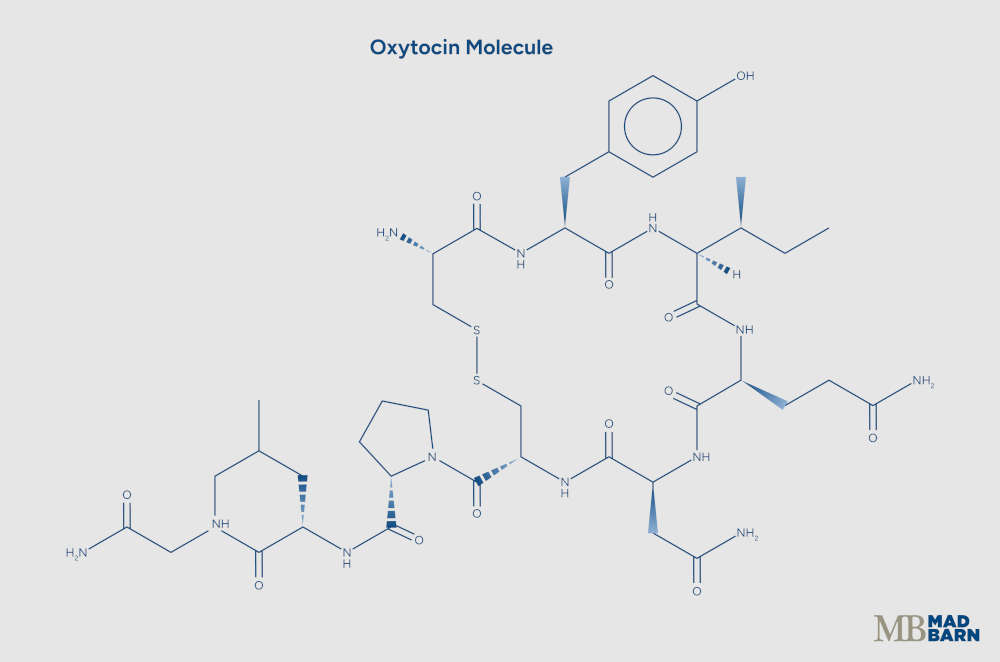
Oxytocin is classified as a hormonal agent. It is a nonapeptide produced naturally in the hypothalamus region of the brain and released from the pituitary gland. It acts on specific receptors in the uterus and mammary gland myoepithelial cells, stimulating smooth muscle contraction.
Other hormonal agents used in equine reproduction include: [1][3][4]
- Prostaglandin F2-alpha (dinoprost)
- Cloprostenol
- Human chorionic gonadotropin (hCG)
- Deslorelin
Mechanism of Action
Pitocin® is a synthetic form of oxytocin, a naturally occurring hormone involved in uterine contractions and milk letdown. As a medication, Pitocin® works by mimicking the effects of endogenous oxytocin in the horse’s body.
After administration, Pitocin® binds to oxytocin receptors on uterine smooth muscle and mammary gland myoepithelial cells. This binding increases intracellular calcium, which stimulates smooth muscle contractions. [1] The threshold for oxytocin-induced uterine contraction is reduced in the peripartum period and during periods of estrogen dominance (proestrus, estrus) in non-pregnant horses. [1]
The strength of the uterine response to oxytocin depends on the dose and which day of the estrous cycle the mare is experiencing. Uterine response is greatest before ovulation when progesterone is low and estrogen is elevated, and lowest after ovulation when progesterone is rising. [5]
A higher dose of oxytocin can partially compensate for the reduced response after ovulation. [5] Oxytocin can also stimulate release of prostaglandin F2-alpha from the endometrium, which contributes to uterine contractions and, in some cases, luteolysis. [1][6]
Pitocin® has a short half-life in blood plasma (approximately 1–7 minutes in most mammals) and is metabolized rapidly in the liver and kidneys. [1]
Uses in Horses
Oxytocin is labeled for use in horses to help start and accelerate normal parturition (labor) and to aid postpartum evacuation of uterine debris.
It is also labeled for postoperative use following caesarean section to control hemorrhage (bleeding) and to help the uterus return to its normal size. [1]
Off-Label Uses
Off-label, also referred to as extra-label, means using an approved drug in a way not specified on the label (for example, for a different condition or at a different dose). This is done exclusively at the direction of a veterinarian, who is responsible for assessing risks and benefits.
Off-label use is permitted under veterinary prescribing regulations, but the drug manufacturer does not warranty safety or effectiveness in these cases.
Off-label uses of oxytocin in horses include: [1][2][3][4][7][8]
- Post-breeding uterine clearance (persistent post-breeding endometritis): Mares susceptible to delayed uterine clearance accumulate fluid and inflammatory compounds in the uterus after breeding. Oxytocin enhances uterine contractions and clearance of fluid, bacteria, and debris.
- Retained placenta: Intramuscular administration of oxytocin at intervals beginning after foaling can promote placental expulsion in mares with retained fetal membranes.
- Induction of labor: When mammary secretion calcium indicates fetal readiness, veterinarians may induce labor in some mares at term.
- Estrus suppression: Administration of oxytocin during early to mid-diestrus can disrupt luteolysis and prolong mid-cycle ovarian function, suppressing heat for 2 to 3 months.
- Esophageal obstruction (“choke“): Rarely, oxytocin may be used to assist with esophageal motility.
Administration Routes
Oxytocin is usually administered to horses by intravenous injection. [1] In some cases of off-label use, a veterinarian may choose an intramuscular formulation.
Its on-label use in horses includes induction or enhancement of uterine contractions at parturition, help clearing fluids or debris from the uterus, and reducing hemorrhaging after Caesarian section. Oxytocin has numerous off-label uses, which require administration by a veterinarian or veterinary technician.
When used prepartum, oxytocin should be used only when the cervix is fully dilated, either naturally or by prior administration of estrogens. [1] For treatment of esophageal obstruction, oxytocin should be avoided in mares that are or may be pregnant; if unavoidable, the dose should be significantly reduced. [1]
Storage
Oxytocin should be stored at 20°C to 25°C (68°F to 77°F) and protected from light and freezing. [1] Some products may require refrigeration, so it is important to check the label for product-specific storage instructions.
Do not use the solution if it appears discolored or contains a precipitate (solid particles). Any unused portion of a single-dose vial should be discarded. [1]
Safety Warnings & Precautions
Oxytocin is usually administered during foaling with a veterinarian present who can monitor the drug’s effects and assess the animal’s health and reproductive status. The treating veterinarian will ensure the mare is not in a state of hypoglycemia (low blood sugar) before administering the medication. [1]
Oxytocin is a hazardous drug that is easily taken up in the bloodstream. Humans must use appropriate precautions when handling this medication, especially individuals in the third trimester of pregnancy. [1]
Monitoring
When administered to facilitate foaling, horses are monitored for: [1][9]
- Uterine contractions
- Status of the cervix
- Status of the fetus
For post-breeding uterine clearance, re-examination of the uterus may be performed 24 hours after treatment to confirm fluid clearance. [2] If the mare’s condition worsens or new signs appear during treatment, contact your veterinarian immediately.

Contraindications
Contraindications refer to circumstances where a drug is to be avoided or only used with caution.
Oxytocin is contraindicated in: [1]
- Horses hypersensitive to oxytocin
- Obstructed labor due to abnormal maternal anatomy and/or presentation of the fetus unless correction is made
- When the cervix is not relaxed or ready for delivery
- When vaginal delivery is not possible or recommended
- Mares with primary uterine inertia
Side Effects
When used as directed, oxytocin rarely causes significant side effects. Most result from doses that are too high or use in patients that should not receive oxytocin. [1]
Potential side effects include: [1][9]
- Placental separation
- Constriction of umbilical vessels
- Maternal vasodilation and hypotension (low blood pressure)
- Dystocia (difficulty giving birth)
- Retained placenta
- Uterine prolapse
- Fetal harm
In horses, doses as low as 20 units per mare may cause strong uterine smooth muscle contractions and severe abdominal discomfort when administered during the immediate peripartum period.
Induction of foaling with high doses of oxytocin has been associated with a high incidence of premature placental separation and dystocia (difficult or obstructed labor). [1][8][9]
Hypersensitivity reactions are possible with oxytocin products derived from animal sources. [1]
Acute Toxicity (Overdose)
The effects of oxytocin overdose on the uterus vary depending on the stage of labor and the position of the fetus. Dangerously strong or continuous contractions can occur, leading to uterine tearing and/or foal injury or death. [1]
Water intoxication can occur if large doses of oxytocin are administered for a long period, especially if there is free access to drinking water or large volumes of electrolyte-free IV fluids are given in combination with the medication. Clinical signs can range from listlessness and/or lethargy to coma, seizures, and eventual death.
Treatment includes stopping oxytocin therapy and restricting water access until signs resolve. Severe intoxication may require osmotic diuretics prescribed by your veterinarian. [1]
Drug Interactions
Formal drug interaction studies for oxytocin in horses are limited. The following drug interactions have been reported or are theoretical in humans or animals: [1][10]
- Beta-adrenergic agonists (e.g., albuterol, clenbuterol): may reduce the effects of oxytocin and delay labor
- Dinoprost and misoprostol: may enhance the effects of oxytocin and increase the risk of uterine hyperstimulation
- NSAIDs (e.g., flunixin meglumine): attenuation of oxytocic effects has been demonstrated in postpartum cows
- QT-prolonging agents (e.g., apomorphine, isoflurane) may increase the risk of serious cardiac arrhythmias
- Vasoconstrictors (e.g., ephedrine, epinephrine) may increase the risk of severe enhancement of hypertension
Regulatory Status & Legal Considerations
Pitocin® is FDA-approved for use in horses as an aid to: [1]
- Induce or enhance normal labor
- Reduce uterine bleeding
- Empty the uterus after foaling
- Induce the flow of milk
Veterinarians may prescribe oxytocin for off-label uses in horses under established veterinary prescribing regulations. Regulatory requirements vary by country or region, so veterinarians must follow local rules for prescribing and dispensing this medication.
Status in Competition
Pitocin® (Oxytocin) is classified as a Controlled Medication on the FEI Equine Prohibited Substances List (EPSL). [11] Controlled Medication substances have therapeutic value and/or are commonly used in equine medicine but have the potential to affect performance and/or be a welfare risk to the horse. Oxytocin may stimulate uterine contractions and lactation. [11]
Oxytocin does not appear on the FEI Detection Times 2024 list, so there is no published FEI detection time for this drug. Because no official detection time is available, the treating veterinarian must set an appropriate withdrawal time based on the individual case, using a safety margin.
Always check the regulations for your discipline before starting your performance horse on a new medication.
Frequently Asked Questions
Here are some frequently asked questions about oxytocin use in horses:
Oxytocin is used in horses to stimulate uterine contractions for induction or support of parturition and for postpartum uterine clearance. It is also commonly used to help expel retained placenta and manage post-breeding uterine fluid (persistent mating-induced endometritis). In some cases, it may be used off-label for estrus suppression. The dose and treatment protocol depend on the indication and are determined by a veterinarian.
Oxytocin works in horses by binding to receptors in the uterine muscle and mammary gland, triggering smooth muscle contractions. This effect is mediated through increased intracellular calcium within muscle cells. Uterine responsiveness varies with hormonal status, with stronger effects when estrogen levels are high and reduced response when progesterone is elevated. This timing is important when using oxytocin in reproductive management.
Oxytocin is administered to horses by injection, typically via intramuscular, subcutaneous, or intravenous routes. It is not effective when given orally because it is degraded in the digestive tract. The route, dose, and frequency of administration depend on the clinical indication. Veterinary guidance is required to ensure appropriate use.
Oxytocin typically acts within minutes of administration in horses, producing uterine contractions shortly after injection. The duration of effect is relatively short, which is why repeated dosing may be required in some treatment protocols. The timing and frequency of administration are tailored to the clinical situation. Rapid onset makes it useful for targeted reproductive interventions.
Oxytocin is generally considered safe for horses when used appropriately under veterinary supervision. However, improper timing or dosing can increase the risk of complications, particularly during foaling. Careful monitoring is important when oxytocin is used in pregnant mares. Veterinary oversight helps minimize risks and ensure safe outcomes.
Oxytocin may cause side effects in horses, although these are uncommon at appropriate doses. Potential adverse effects include uterine cramping, premature placental separation, dystocia, retained placenta, uterine prolapse, and fetal distress or injury. The risk increases with high doses or inappropriate timing of administration. Monitoring during treatment is essential to detect complications early.
Oxytocin should not be used in horses when there is an obstruction to delivery, abnormal fetal positioning, or other causes of dystocia that require veterinary intervention. Using oxytocin in these situations can worsen outcomes by increasing uterine pressure without resolving the underlying issue. It should also be used cautiously when timing of parturition is uncertain. Veterinary assessment is required before administration in foaling mares.
You should call your veterinarian if a mare shows severe abdominal discomfort, fails to progress during labor, or has signs of dystocia or retained placenta after oxytocin use. Immediate veterinary attention is required if there are signs of prolonged labor or suspected overdose. Early intervention is critical to protect both the mare and foal. Any unexpected response to treatment should be evaluated promptly.
Oxytocin can be used after breeding in horses to help clear uterine fluid and reduce the risk of post-breeding endometritis. It is typically administered in repeated low doses to promote uterine contractions and fluid clearance. This use is common in mares prone to fluid accumulation after breeding. Timing and dosing are determined by a veterinarian based on reproductive status.
Oxytocin is classified as a Controlled Medication under FEI rules and is not permitted during competition. It must not be present in a horse’s system at the time of competition. Withdrawal times vary and should be determined by the treating veterinarian when official detection times are not available. Always consult current competition regulations before use.
Summary
Oxytocin is a naturally occurring hormone used in equine medicine to stimulate uterine contractions, support foaling, and manage reproductive conditions under veterinary guidance.
- Promotes coordinated uterine contractions to assist with foaling, postpartum uterine clearance, and expulsion of retained fetal membranes
- Also stimulates milk letdown by acting on myoepithelial cells in the mammary gland
- Its rapid onset and short duration of action require precise timing and repeat dosing protocols for effective treatment
- Uterine responsiveness varies throughout the estrous cycle, with stronger effects during periods of high estrogen and reduced response after ovulation
- Common off-label uses include managing post-breeding endometritis, inducing labor in select cases, and suppressing estrus
- Improper dosing or use in contraindicated cases can lead to complications such as dystocia, uterine rupture, or fetal distress
References
-
- Plumb. D. C. Plumb's Veterinary Drug Handbook: Desk. John Wiley & Sons. 2018.
- Maischberger. E. et al. Equine Post-Breeding Endometritis: A Review. Irish Veterinary Journal. 2008. View Summary
- Ishii. M. et al. Effective Oxytocin Treatment on Placental Expulsion after Foaling in Heavy Draft Mares. Journal of Veterinary Medical Science. 2009. View Summary
- Risco. A. M. et al. Effect of Oxytocin and Flunixin Meglumine on Uterine Response to Insemination in Mares. Theriogenology. 2009. View Summary
- Gutjahr. S. et al. Effect of Dose and Day of Treatment on Uterine Response to Oxytocin in Mares. Theriogenology. 2000. View Summary
- Vanderwall. D. K. et al. How to Use Oxytocin Treatment to Prolong Corpus Luteum Function for Suppressing Estrus in Mares. Journal of Equine Veterinary Science. 2016.
- Perkins. N. R. Equine Reproductive Pharmacology. Veterinary Clinics of North America: Equine Practice. 1999. View Summary
- Villani. M. and Romano. G. Induction of Parturition with Daily Low‐dose Oxytocin Injections in Pregnant Mares at Term: Clinical Applications and Limitations. Reproduction in Domestic Animals. 2008. View Summary
- Macpherson. M. L. et al. Three Methods of Oxytocin-Induced Parturition and Their Effects on Foals. Journal of the American Veterinary Medical Association. 1997.
- Hemeida. N. A. et al. Therapy of Uterine Infections: Alternatives to Antibiotics. Current Therapy in Theriogenology: Diagnosis, Treatment and Prevention of Reproductive Diseases in Small and Large Animals. Philadelphia, PA, USA: USA: Saunders. 1986.
- Equine Prohibited Substances List. FEI. 2024.