English

Apples are almost universally associated with horses; in barns everywhere, apple slices and treats remain the go-to reward after a good ride. Apples are also widely used as ingredients in commercial feeds and baked horse treats, where they enhance palatability and provide natural sweetness.
While apples are safe for most horses, not all apple-based treats are nutritionally equivalent. A whole apple differs from dried apple chunks or commercial treats that may include added grains or molasses.
Because apples contain naturally occurring sugars, they contribute to the diet’s non-structural carbohydrate (NSC), also called hydrolyzable carbohydrate (HC; sugar + starch), content. For horses with metabolic concerns, obesity, insulin resistance, or a history of laminitis, total sugar intake must be carefully managed within a forage-first feeding program.
For owners seeking apple horse treats with more control over starch and sugar levels, a homemade option offers a more predictable nutritional profile. The low-NSC apple cinnamon cookie recipe below was developed by our equine nutritionists to deliver a flavorful treat without added grains, molasses, or refined sugars.
Apple Treats for Horses
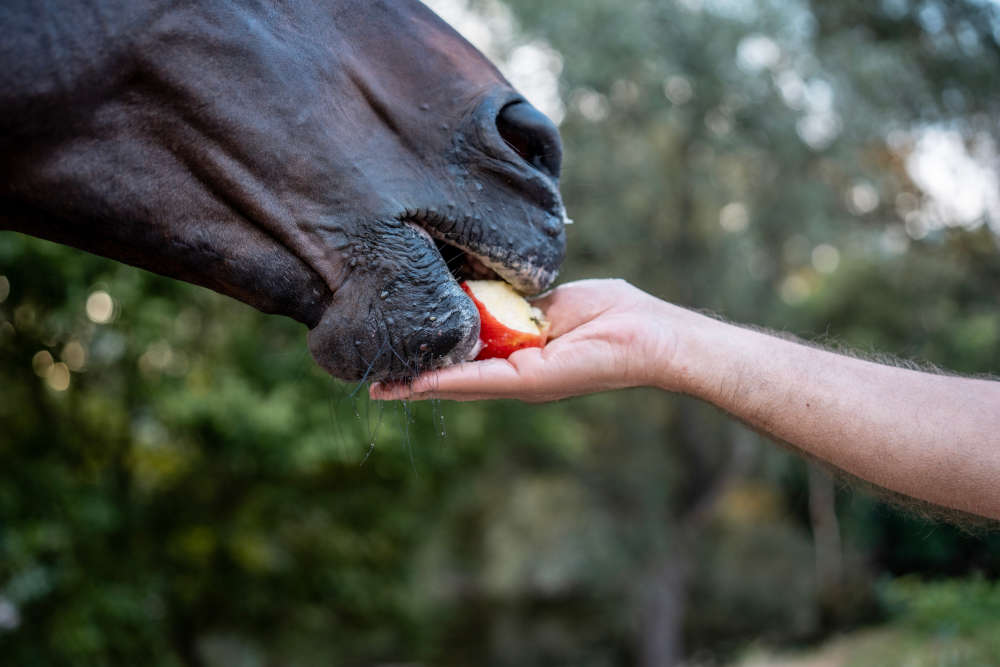
Apples are one of the most popular treats for horses. Many owners feed fresh whole apples or sliced pieces as an occasional reward.
Commercial apple-based products are also widely available, including dried chunks and baked horse treats made with apple flavoring.
But are apples appropriate for all horses? In moderation, apples are generally safe for healthy horses. They provide small amounts of fiber, water, and naturally occurring sugars.
However, apples are a source of simple carbohydrates, meaning they contribute to a horse’s overall hydrolyzable carbohydrate (HC) intake. For horses with metabolic concerns, sugar intake must be carefully managed to prevent health problems.
Feeding large quantities of apples or offering high-sugar commercial treats can increase the dietary sugar intake, which may not be appropriate for metabolically sensitive horses. Portion size, total diet composition, and the horse’s individual condition should always be considered.
Apple-Based Ingredients
Apple-based ingredients are used in multiple forms in equine feeds and treats, each with distinct nutritional characteristics.
These forms vary in moisture, sugar concentration, and fiber content, affecting how they fit into the diet.
- Whole Apples or Apple Slices: Fresh fruit containing approximately 85% water and about 10% naturally occurring sugars on an as-fed basis.
- Dried Apple Chunks: Dehydrated apples with water removed, resulting in a higher concentration of sugar and energy per kilogram compared to fresh apples.
- Apple Pomace: The fibrous by-product of juice production, commonly used in commercial feeds. Contains concentrated fiber and residual sugars due to reduced moisture content.
- Apple Fiber: A processed fiber source derived from apples, used to improve texture and provide fermentable fiber in some feeds and treats.
- Unsweetened Applesauce: Pureed apple used as a binding agent in homemade treats; contains a similar sugar concentration to fresh apples on an as-fed basis.
- Apple Syrup or Sweetened Flavoring: Concentrated sugar sources used in some commercial treats to enhance sweetness and palatability, significantly increasing sugar density.
Nutritional Composition of Apples
Table 1. Nutrition information, apples and apple products. [1][2][3]
| Nutrient | Fresh Apples | Unsweetened Applesauce (Dry Matter) |
Dried Apple Pomace (Dry Matter) |
|---|---|---|---|
| Water | 85 % | 87 % | 9 % |
| Digestible Energy | 0.58 Mcal/kg | 0.49 Mcal/kg | 2.2 Mcal/kg |
| Crude Protein | 0.13 % | 0.27 % | 6 – 11 % |
| Fat | 0.15 % | 0.16 % | 2 – 4 % |
| Fiber | 2 – 3 % | 1 – 2 % | 32 – 47 % |
| Sugar | 10 – 13 % | 9 – 10 % | 4 – 8 % |
| Starch | < 1 % | < 1 % | 2 – 16 % |
Low-NSC Apple Cinnamon Horse Treats Recipe
These low-starch apple cinnamon treats are formulated with a calculated hydrolyzable carbohydrate (HC) content of 4.9%. HC represents the starch and sugar portion of the diet, also referred to as non-structural carbohydrates (NSC).
Horses with metabolic concerns such as insulin resistance, Equine Metabolic Syndrome (EMS), or a history of laminitis, require careful management of dietary sugar and starch. Many commercial treats are high in non-structural carbohydrates (NSC), making them unsuitable for these horses.
At 2.1% sugar and 2.8% starch per cookie, the recipe is appropriate for horses that require controlled sugar and starch intake.
The recipe uses ground flaxseed as the primary base ingredient, providing structure and healthy fat without adding significant starch. A small amount of unsweetened applesauce adds flavor and binding, while cinnamon enhances palatability.
Optional salt can be included to encourage water intake, particularly useful during hot weather, after exercise and during winter.
These cookies are firm, sliceable, and easy to portion, allowing you to offer a reward without disrupting a metabolically appropriate feeding program.
How to Make Low-Starch Apple Cinnamon Treats
Time
- 35 minutes preparation
- 60 – 75 minutes baking
Yield
Approximately 50 – 80 cookies (depending on size)
Ingredients
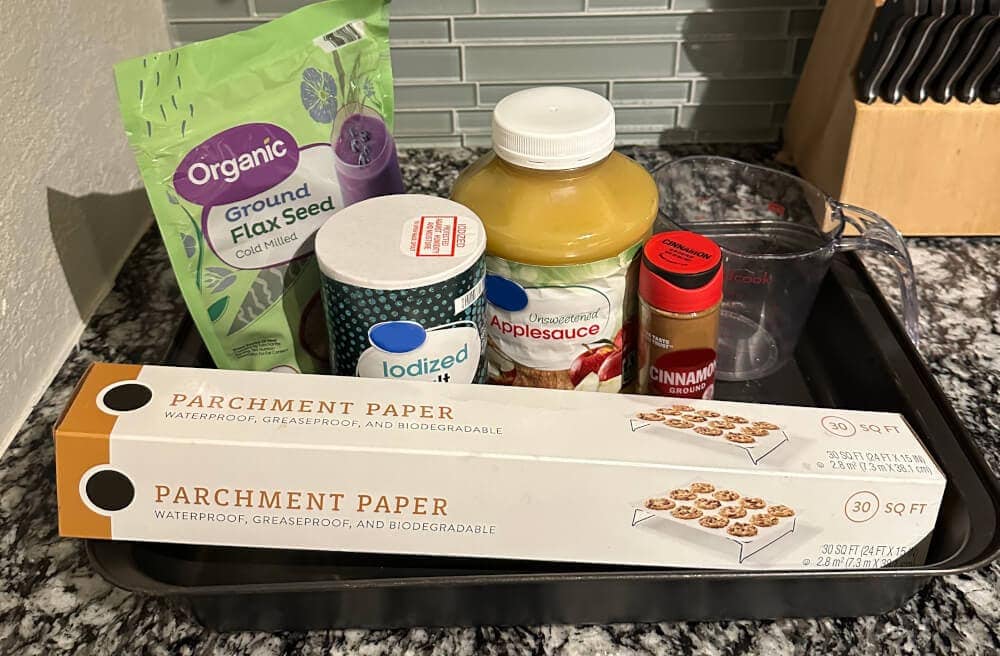
- 1 lb ground flaxseed
- 2 tbsp cinnamon
- 1 1/4 cup salt (optional)
- 1/4 cup (64 grams) unsweetened applesauce
- 2 cups hot water
Equipment
- Mixing bowl
- Spatula
- Cookie sheet
- Parchment paper
- Knife
- Oven
Step-by-Step Instructions
- Preheat the Oven: Preheat to 350°F (175°C).
- Combine Dry Ingredients: In a mixing bowl, thoroughly combine the ground flaxseed, cinnamon, and salt (if using).
- Add Wet Ingredients: Add the applesauce and hot water. Mix until evenly incorporated. The mixture will appear loose at first but will thicken as the flax absorbs moisture.
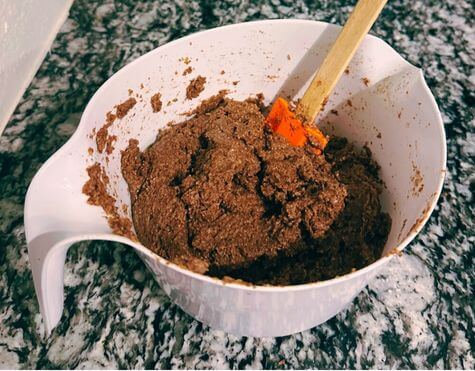
- Knead the Dough: Allow the mixture to cool slightly until safe to handle. Knead with your hands until smooth. The final dough should be thick and sticky but spreadable.
- Prepare the Baking Sheet: Line a cookie sheet with parchment paper. Do not use cooking spray, as it can burn during longer bake times.
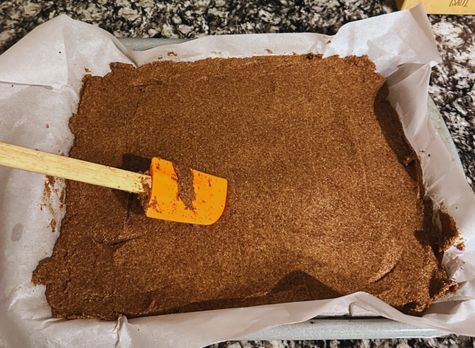
- Spread the Dough: Spread the dough evenly to approximately 1 inch thickness. Use a spatula or damp hands to smooth the surface.
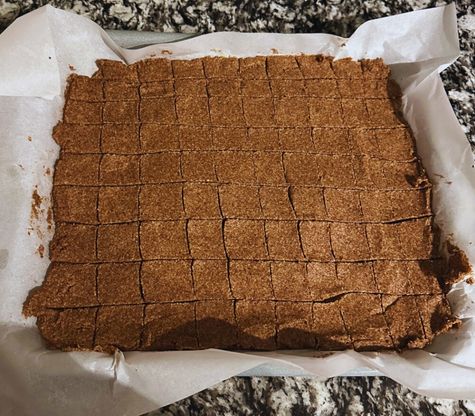
- Score Before Baking: Score the dough into small squares using a knife. This step is important as once they are baked, the treats become firm and are difficult to cut cleanly.
- Bake the Cookies: Bake for 60 minutes for a softer, chewy texture. Bake for 75 minutes for a firmer, crunchier cookie.
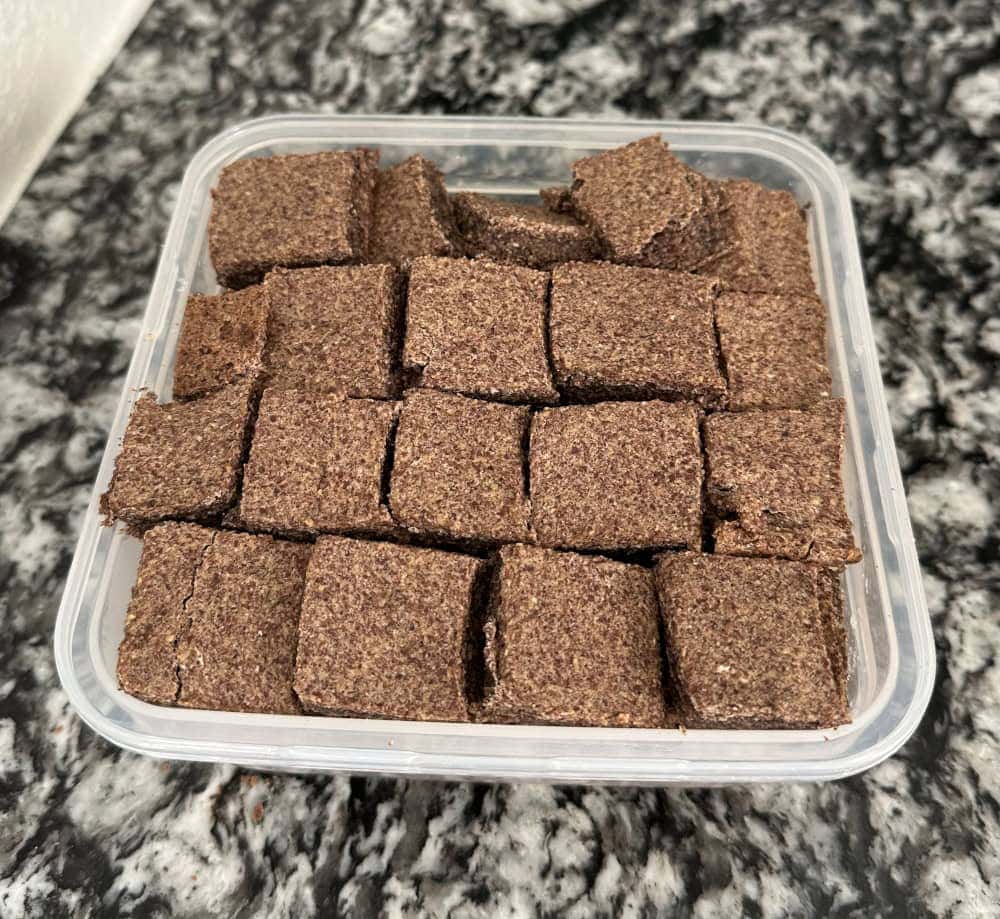
- Cool and Store: Allow the treats to cool completely before separating along scored lines. Store cookies in the refrigerator for up to 1 week. Freeze for extended storage.
Notes
- 1 1/4 cup of salt may seem like a lot, but it works out to ~ 6 g of salt per cookie, which is an optimal amount to help ensure your horse is meeting their sodium requirements.
- Do not use cooking spray when baking. The cookies may burn, and cooking spray adds calories that have not been accounted for here.
Nutrition Information
The following table shows the nutritional composition of an average 60 g (~2 tbsp) cookie based on this recipe.
Table 2. Nutrition information for one finished cookie
| Nutrient (As Fed) | Concentration | Per Cookie (60 grams) |
|---|---|---|
| Digestible Energy | 2.71 Mcal/kg | 0.16 Mcal |
| Crude Protein | 10.8 % | 6.5 g |
| Fat | 14.7 % | 8.8 g |
| Sugar | 2.1 % | 1.3 g |
| Starch | 2.8 % | 1.7 g |
If you are feeding a different portion size, you can estimate the nutrient intake based on weight — or use the calculator below to determine the exact values for your horse’s serving.
Apple Treat Nutrition Calculator
Feeding Guidelines
These apple cinnamon treats are intended as occasional rewards and should be offered in controlled portions as part of a balanced, forage-first diet.
Although the recipe is low in hydrolyzable carbohydrates compared to traditional grain-based treats, it still contributes calories and small amounts of sugar, which must be accounted for in the total diet.
For a typical adult horse in light to moderate work, the following portion ranges are appropriate:
- 300 kg (660 lb) horse: up to 1 – 2 small cookies per day
- 500 kg (1,100 lb) horse: up to 2 – 4 small cookies per day
- 700 kg (1,540 lb) horse: up to 3 – 5 small cookies per day
These recommendations assume standard, scored cookie sizes (approximately 1–1.5 inch squares or 60 g). If you cut larger portions, reduce the number fed accordingly.
For training sessions, dividing cookies into smaller pieces allows you to reinforce behavior without significantly increasing total intake.
For horses with insulin resistance, Equine Metabolic Syndrome (EMS), PPID, obesity, or a history of laminitis, limit to 1 – 2 small pieces per day unless otherwise directed by your veterinarian or equine nutritionist.
Always monitor your horse’s body condition score, manure consistency, appetite, and overall behavior when introducing any new treat into the diet.
Why These Treats Are Safe for Metabolic Horses
Horses with metabolic concerns benefit from diets that:
- Limit sugar and starch intake
- Avoid cereal grains and molasses
- Provide adequate fiber
- Support stable blood glucose levels
This recipe contains:
- No added grains
- No molasses
- No refined sugars
- Low hydrolyzable carbohydrate content (4.9%)
Because the majority of the recipe is flaxseed, the carbohydrate contribution remains low compared to traditional baked treats made with oats, wheat flour, or commercial sweet feeds.
As with any treat, portion control still matters. Even low-NSC options should be fed in moderation within the context of the horse’s overall diet.
Storage & Shelf Stability
These apple cinnamon treats contain ground flaxseed, applesauce, and added water, which contribute to their overall moisture content. Unlike fully dehydrated commercial treats, they are not shelf-stable and should not be stored at room temperature for extended periods.
Because moisture can lead to microbial growth, improper storage can result in mold contamination.
In addition, flaxseed contains polyunsaturated fatty acids, particularly the omega-3 fatty acid alpha-linolenic acid (ALA). These fatty acids are chemically unstable and can oxidize when exposed to oxygen, heat, or light.
Oxidation causes the double bonds in omega-3 fats to break down, forming peroxides and secondary oxidation products. This process reduces the nutritional value of the fat and can produce off-odors or a bitter taste.
To maintain freshness, store the treats in an airtight container in the refrigerator. Limiting air exposure helps reduce mold risk and slows fat oxidation. When refrigerated, the treats will generally remain fresh for about one week, depending on moisture level and storage conditions.
For longer storage, freeze the treats in a sealed freezer-safe container or bag. Freezing prevents mold growth and significantly slows fat oxidation. The treats can be stored in the freezer for several months without degradation. Allow frozen treats to thaw at room temperature before feeding to your horse.
Always inspect homemade treats before offering them to your horse. Visible mold, a sour odor, condensation buildup inside the container, or a rancid smell indicate spoilage. Because these treats do not contain added preservatives, they should be handled with the same care as other perishable foods.
Treat Recipe Variations
One of the benefits of making homemade horse treats is the ability to adjust ingredients based on your horse’s metabolic health, workload, and flavor preferences.
The original recipe is low in hydrolyzable carbohydrates (starch and sugar), but you can modify it to suit different horses. Below are practical variations to consider, along with guidance on when each option is appropriate.
Smaller Training Treats
If you plan to use these treats during groundwork or under-saddle training, consider scoring the dough into very small squares before baking.
Thumbnail-sized pieces are easier to deliver quickly and help prevent overfeeding during repetitive reward sessions. Smaller portions are also safer for horses that tend to gulp treats, reducing choke risk and limiting sugar intake per serving.
Use Fresh Grated Apple
Finely grated fresh apple can be used in place of unsweetened applesauce. Apples contain naturally occurring sugars, which increase the hydrolyzable carbohydrate (HC) content of the final product.
For horses with insulin resistance, equine metabolic syndrome (EMS), obesity, or a history of laminitis, keep the apple portion small and consistent to avoid unnecessary sugar spikes.
For healthy, non-metabolic horses, you can modestly increase the proportion of grated apple to enhance flavor and moisture.
Include Fresh Grated Carrot
Fresh grated carrot can be added for variety and palatability. Carrots provide small amounts of fiber, beta-carotene (a precursor to vitamin A), and naturally occurring sugars. [4]
While their sugar content is lower than many fruits on a fresh-weight basis, carrots still contribute hydrolyzable carbohydrates and should be included in modest amounts for horses with insulin resistance, EMS, or a history of laminitis.
When used sparingly within a high-fiber recipe, grated carrot can enhance texture and flavor without materially altering the overall nutritional profile.
Add Dried Peppermint or Fenugreek
When used in teaspoon-scale amounts, dried herbs contribute negligible carbohydrates compared to fruit, molasses, or grains.
In preference tests, horses increased their consumption of feeds that have fenugreek or anise flavor. [5][6] However, every horse is unique and some may prefer other herbal flavors such as crushed dried peppermint leaf (not peppermint candy).
Add Molasses (Not Metabolic-Safe)
Molasses improves binding and sweetness and is commonly used in commercial feeds as a palatability enhancer due to its sucrose content.
However, molasses is sugar-dense and significantly increases the hydrolyzable carbohydrate content of the treat. This variation is not appropriate for horses with insulin dysregulation, EMS, PPID, obesity, or a laminitis history.
Add Rolled Oats (Not Metabolic-Safe)
Some traditional homemade apple treat recipes incorporate rolled oats for texture and structure. Oats increase starch content and can elevate glucose and insulin responses after feeding.
This variation is best suited for healthy, active horses without metabolic risk factors.
Frequently Asked Questions
Here are some frequently asked questions about feeding apples to horses:
Yes, horses can eat apples, and apples are generally safe for non-metabolic horses when fed in moderation. Apples are a palatable treat that many horses readily accept due to their sweetness and moisture content. When feeding apples to horses, they should be washed and cut into smaller pieces to reduce the risk of choking, especially in horses that tend to gulp their food. Apples should be considered a treat rather than a dietary staple and should not replace forage, which is the foundation of a healthy equine diet.
How many apples a horse can eat depends on the horse's size, metabolic status, exercise level, and overall diet. For most adult horses, one small to medium apple (or a few slices) once per day is a reasonable amount. Feeding multiple apples daily can contribute excess sugar and calories, particularly for horses prone to obesity, insulin resistance, laminitis, or PPID.
Apples are safe for horses when fed appropriately and in small quantities. However, safety depends on preparation and the individual horse's health status. Whole apples can pose a choke risk, so cutting them into slices or chunks is recommended. Horses with metabolic syndrome, laminitis, or a history of insulin dysregulation may need to limit or avoid apples due to their sugar content. Always introduce new treats gradually and monitor for changes in manure consistency or behavior.
Wild horses typically do not eat apples because apples are not part of their natural environment. Wild horses evolved to graze primarily on grasses and forage available in their ecosystem. While a wild horse could technically eat an apple if one were available, fruit is not a consistent component of their diet. Domestic horses have greater exposure to cultivated fruits like apples, but their digestive system is still adapted for high-fiber forage rather than concentrated sugar sources.
Wild horses can physically eat apples, but large amounts of apples can be dangerous for them because fruit is not a natural or consistent part of their diet. Wild horses evolved to graze primarily on dry grasses and fibrous forage. Their hindgut microbial population is adapted to slowly ferment structural carbohydrates, not concentrated sources of sugar like apples. When large quantities of apples are dumped on rangeland, wild horses may consume many at once. This sudden intake of fermentable sugars can rapidly alter hindgut fermentation, increase gas production, and disrupt the microbial balance in the cecum and colon. The result can be severe colic, which may progress quickly and can be fatal in unmanaged wild populations. In addition to digestive risks, feeding wild horses encourages them to approach roads, homes, and neighborhoods. In many areas, feeding wild horses is illegal because it increases the risk of vehicle collisions and can lead to complaints that result in horses being removed from the range.
Yes, feeding too many apples can increase the risk of digestive upset and potentially contribute to colic in horses. Apples contain sugar and fermentable carbohydrates, which can alter hindgut fermentation if fed in large amounts. Sudden intake of multiple apples may disrupt the microbial balance in the large intestine, leading to gas production, discomfort, or loose manure. To reduce colic risk, feed apples sparingly, introduce them gradually, and avoid giving large quantities at one time.
Apples contain natural sugars, including fructose, and are higher in sugar than most hays and pasture grasses. While one small apple is unlikely to cause issues in a healthy horse, apples are considered a moderate-sugar treat and should be fed in limited amounts. For horses with insulin resistance, equine metabolic syndrome (EMS), obesity, or a history of laminitis, even small amounts of high-sugar foods can increase blood glucose and insulin levels. These horses should avoid whole apples or receive only very small portions under guidance. In some low-starch homemade recipes, a small amount of unsweetened applesauce may be used as a binding ingredient rather than a primary component. When used sparingly and balanced within a high-fiber, low-hydrolyzable carbohydrate recipe, unsweetened applesauce can provide moisture and palatability without significantly increasing the overall sugar load. However, total dietary sugar intake should always be considered for metabolically sensitive horses.
You can make apple treats for horses by combining small amounts of grated or finely chopped apple with fiber-based ingredients such as ground flaxseed, soaked hay pellets, or beet pulp (without added molasses). Apple can add moisture and flavor, helping bind ingredients together in baked or no-bake recipes. When making homemade apple treats for metabolic horses, avoid adding refined sugar, molasses, honey, or flour. Keep portions small and account for the sugar content of the apple when feeding horses with metabolic conditions.
The best apple treats for horses are those that use apples in small amounts and prioritize fiber over sugar. Recipes that combine a modest amount of apple with low-starch ingredients such as flax meal or forage-based components are generally preferable to commercial treats high in molasses or refined grains.
Summary
Apple treats are a familiar and widely used reward for horses, but their nutritional impact depends on the form and quantity fed.
- Apples can be fed safely in moderation to most healthy horses, but they contain naturally occurring sugars that contribute to total non-structural carbohydrate (NSC) intake.
- Apple-based ingredients vary widely in composition. Fresh apples are diluted by water, while dried apple products, apple pomace, syrups, and baked commercial treats may be more concentrated sources of sugar and energy.
- Horses with metabolic concerns such as insulin dysregulation, EMS, obesity, or a history of laminitis require careful management of dietary starch and sugar.
- Homemade apple treats allow greater control over ingredient selection and formulation compared to many commercial options.
- The low-NSC apple cinnamon cookie recipe in this article was developed by Mad Barn’s equine nutritionists to provide flavor and palatability without added grains, molasses, or refined sugars.
- Regardless of the recipe used, treats should be fed in controlled portions within the context of a balanced, forage-first feeding program.
References
- Apples. FoodData Central Food Search. 2026.
- Applesauce, unsweetened, with added vitamin C. FoodData Central Food Details. 2026.
- Apple pomace, dehydrated. Feedipedia. 2026.
- Nutrients: Carotene, beta (µg). USDA National Nutrient Database for Standard Reference. 2015.
- Francis. J. M. et al. The Influence of Topically Applied Oil–Based Palatants on Eating Behavior in Horses. Journal of Equine Veterinary Science. 2020.
- Goodwin. D. et al. Selection and Acceptance of Flavours in Concentrate Diets for Stabled Horses. Applied Animal Behaviour Science. 2005.