English
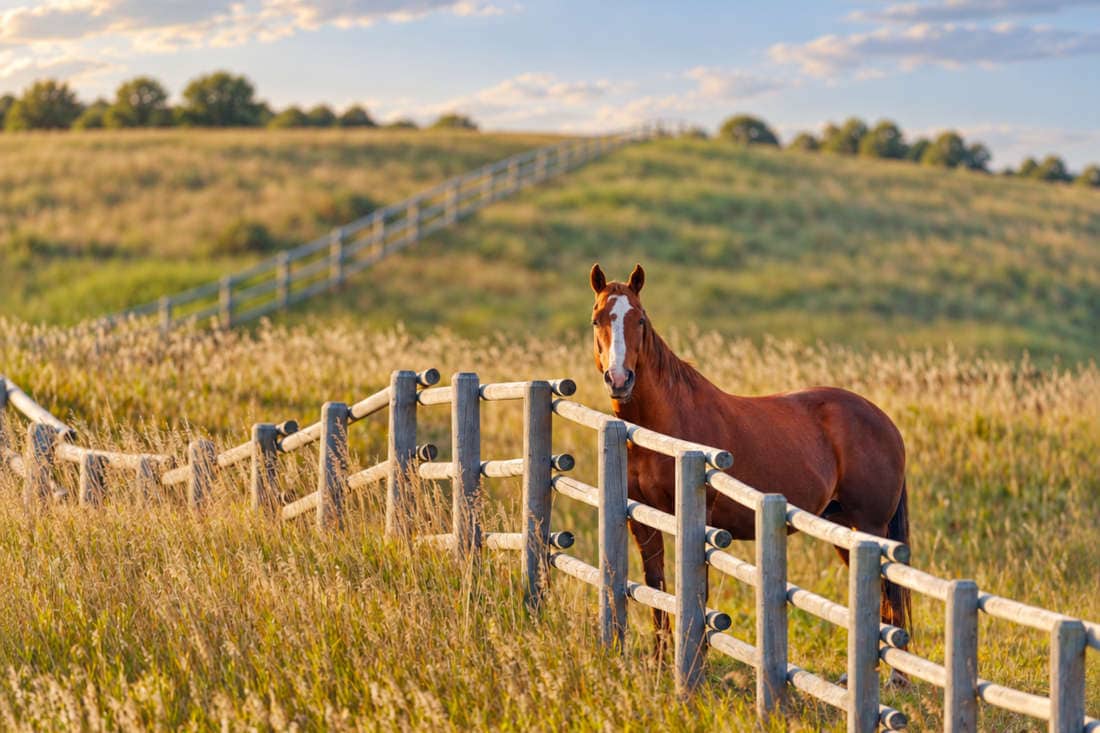
Foxglove poisoning in horses is caused by ingestion of Digitalis purpurea, a toxic ornamental plant that can severely disrupt heart function. Although equine cases are uncommon, foxglove sometimes grows near pastures and paddocks or ends up in contaminated hay.
Early signs of foxglove toxicosis are often subtle. As poisoning progresses, it affects the heart’s normal rhythm, disrupting circulation and oxygen delivery to peripheral tissues. Cases of severe poisoning can lead to weakness, collapse, or sudden death.
Any suspected exposure requires immediate veterinary attention. Keep reading to learn how to recognize foxglove, respond to possible poisoning, and reduce your horse’s risk of exposure.
Foxglove Poisoning in Horses
Foxglove (Digitalis purpurea) is a highly toxic flowering plant best known for its tall spikes of bell-shaped blooms. It is native to Europe and northwestern Africa, but is widely grown in gardens and is established in many temperate regions, including parts of North America. [1]
Foxglove is sometimes found in ornamental plantings bordering paddocks or pastures. The plant also grows along roadsides and in areas adjacent to woods and hedgerows. [1]
Foxglove contains cardiac glycosides that can severely disrupt normal heart function. These compounds interfere with electrolyte movement across cell membranes, altering the electrical signals that coordinate each heartbeat and causing life-threatening arrhythmias. Some horses may also show digestive or neurological signs. [2]
Foxglove poisoning is not commonly reported in horses, but the risk of severe cardiac effects in horses is high. Documented cases describe severe arrhythmias and fatal outcomes. [2][3]
Common Names for Foxglove
- Lady’s glove
- Bloody bells
- Bloody finger
- Dragon’s mouth
- Fairy bells
- Fairy fingers
- Gloves of Mary
- Lion’s mouth
- Witches’ bells
Table 1. Foxglove poisoning in horses at-a-glance
| Category | Key Information |
|---|---|
| Definition |
|
| Primary Cause |
|
| Onset |
|
| Symptoms |
|
| Severity |
|
| Treatment |
|
| Recovery Time |
|
| Prognosis |
|
| Prevention |
|
What's your top priority with your horse's health?

What's your top priority with your horse's health?
Identifying Foxglove
Foxglove is an upright herbaceous plant that usually grows as a biennial, completing its life cycle over two growing seasons. In its first year, the plant remains low to the ground as a rosette of leaves. [4]
The tall flowering stem normally appears in the second year, giving mature plants the distinctive form most people associate with foxglove. Mature foxglove commonly reaches 2 to 6 feet (0.6 to 1.8 m) in height, although some plants reach greater mature heights. [4]
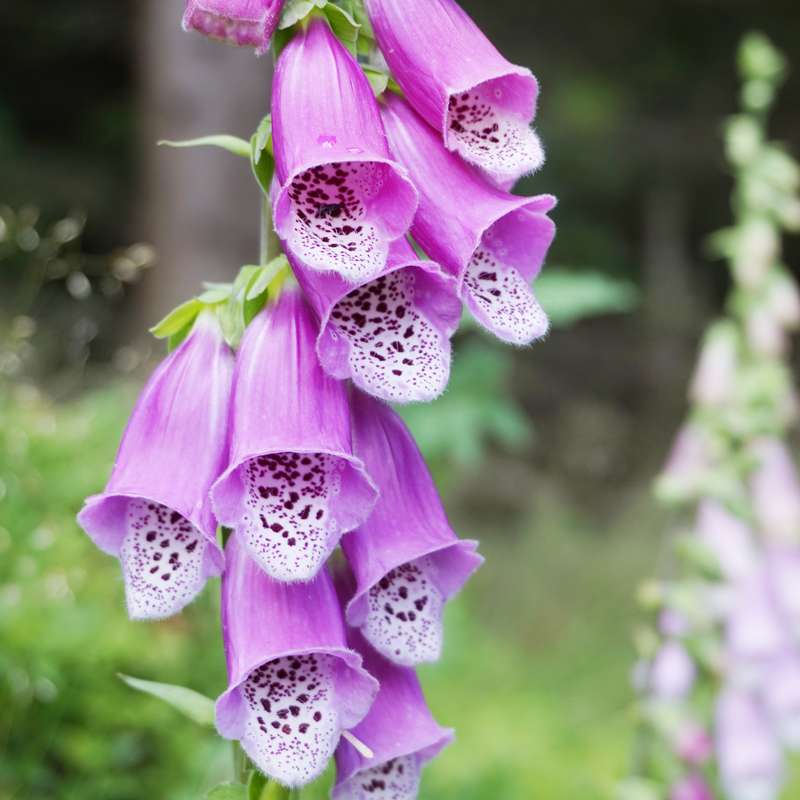 Flowers
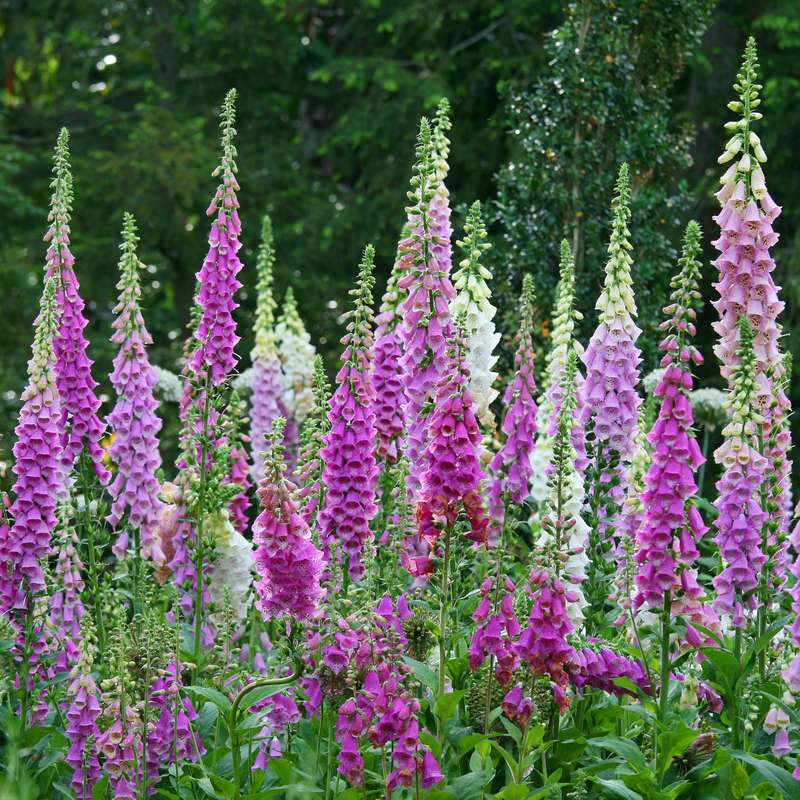 Flower stalks
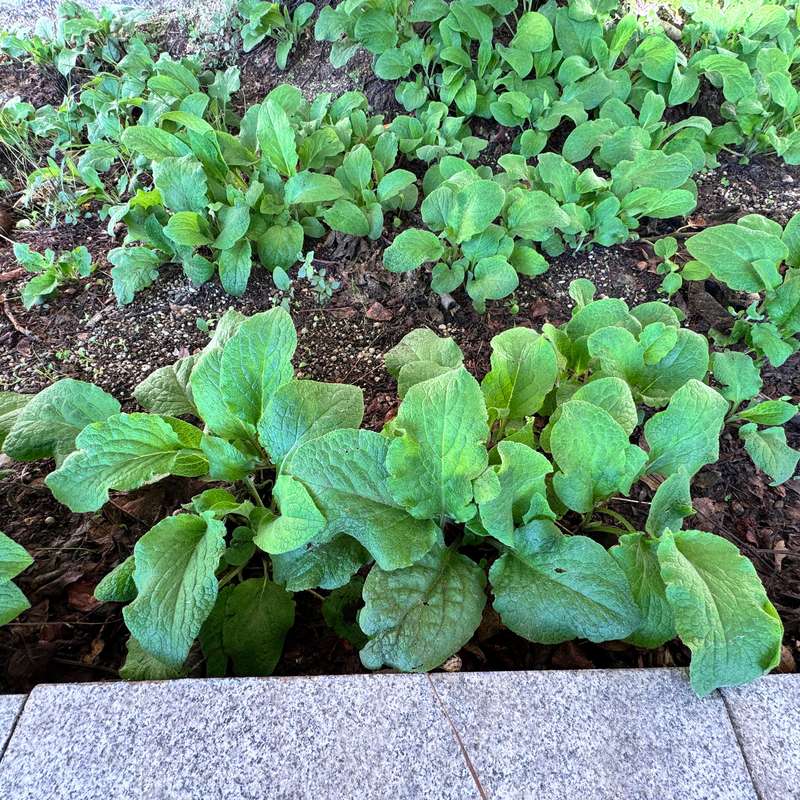 Rosette of leaves
The basal leaves are oval, oblong or lance-shaped, with prominent veins and shallow, irregular teeth along the edges. Fine hairs give the leaf surface a soft or slightly woolly texture. When foxglove is immature, these broad, hairy leaves can resemble other plants, including comfrey. Leaf shape alone is not enough for reliable identification, particularly before the flowering stalk develops. [5][6]
As the plant enters its second growing season, a flowering stalk rises from the center of the rosette. Leaves continue up the stem in an alternate pattern, with one leaf attached at each point. They become smaller toward the top of the plant, creating a clear difference between the large basal leaves and the narrower leaves along the flowering stem. [7]
The flowers form an elongated cluster near the top of the stalk. In wild-grown plants, the blooms often hang along one side rather than encircling the stem evenly. Each flower points downward and has a tubular or bell-shaped form, resembling a thimble or finger of a glove.
Flower color is most often purple or pink, but white and yellow forms also occur, especially in cultivated varieties. The inside of the flower usually has a pale background marked with darker spots or streaks. [4][8]
Flowers open gradually from the lower part of the cluster upward, so the same stalk may carry open blooms, buds and developing seed capsules at the same time. [4][8]
After pollination, foxglove produces rounded or cone-shaped capsules containing many small seeds. As the capsules mature, they split open and release seeds around the parent plant. This helps foxglove persist after it is planted and allows it to establish beyond ornamental beds when conditions are suitable. [1][5]
Foxglove is commonly found in gardens and landscaped properties, but can also grow in woodland clearings, roadsides, ditches and logged areas. The plant generally favors moist, well-drained soil and can tolerate both sun and partial shade. [1][9]
Naturalized populations are especially well established in the Pacific Northwest and parts of the northeastern United States. [1][9]
Toxicology of Foxglove
Foxglove contains several cardiac glycosides, a group of naturally occurring plant compounds with strong effects on the heart. In foxglove, these include digitoxin and digoxin. Other compounds identified in the plant include: [3][9][10]
- Digitalin
- Digitonin
- Gitalin
- Gitoxin
These toxins are present throughout the plant, and concentrations vary between plant parts and stages of growth. The upper leaves may contain higher concentrations than lower leaves, and toxicity is especially high shortly before the seeds ripen. No part of foxglove is safe for horses. [3][9][10]
Toxic Effects
Cardiac glycosides act primarily by interfering with the sodium-potassium ATPase pump in heart cells. This pump helps move sodium and potassium across cell membranes, which is essential for normal electrical activity in nerves, muscles and the heart. [2][10][11]
When the sodium-potassium ATPase pump is inhibited, sodium accumulates inside heart cells. This weakens the sodium gradient that normally helps drive calcium out of the cell, causing calcium levels inside the cell to rise. [2][10][11]
Calcium ions help control the electrical activity and contraction of heart muscle cells. If this disruption persists, excess calcium can interfere with the timing of those electrical signals. Cardiac glycosides can delay, block, or trigger signals at the wrong time, creating the conditions for serious heart rhythm disturbances. [2][10]
The resulting arrhythmias can vary, with some affected horses developing an abnormally slow heart rate and others developing premature beats or rapid abnormal rhythms. [3][11]
Although the cardiovascular effects of foxglove poisoning are associated with the greatest risk, foxglove poisoning affects multiple body systems. Gastrointestinal signs may include: [1][2]
Other signs can reflect problems with circulation and nerve or muscle control, including: [1][2][4]
- Weakness
- Cold extremities
- Trembling
- Incoordination
The toxic dose of foxglove in horses is not precisely established. Reported doses from other domestic animals cannot be applied reliably to equine cases, and natural exposures are difficult to quantify. The amount eaten, the part of the plant ingested, the growth stage and the concentration of individual glycosides all influence the severity of poisoning. [1][2][9]
Symptoms of Foxglove Poisoning in Horses
Early signs of foxglove poisoning are nonspecific, meaning they can occur with many different illnesses and do not immediately identify the cause.
A horse can become quiet, stop eating or develop changes in manure before an abnormal heart rhythm is recognized. The horse’s symptoms become more severe when cardiac output begins to fall.
Signs of progressing foxglove poisoning in horses may include: [1][2][3][4]
- Reduced appetite or anorexia
- Lethargy
- Colic
- Diarrhea
- Constipation or reduced manure production
- Weakness
- Shivering or trembling
- Incoordination
- Cold extremities
- Dehydration
- Weak or irregular pulse
- Abnormally slow or rapid heart rate
- Rapid or labored breathing
- Abnormal mucous membrane color
- Seizures
- Collapse
When to Call the Veterinarian
Owners should treat known or suspected ingestion of foxglove as an emergency, even if cardiac signs are not obvious. Early veterinary involvement provides the best chance of a positive outcome.
Signs that indicate a medical emergency include: [3][4]
- Weakness
- Irregular or weak pulse
- Breathing difficulty
- Blue, gray or white gums
- Collapse
Move the horse away from the plant or contaminated forage, and prevent other horses from accessing the same source. If it can be done safely, photograph the plant or collect a sample to help the veterinarian identify the plant.
For personal safety reasons, wear gloves when handling foxglove, and store any collected plant material where animals cannot reach it. [2][4][5]
Exposure Risk Factors
Equine exposure to foxglove is most likely when ornamental or naturalized plants grow within reach of horses, contaminate stored forage, or are moved into equine areas during garden maintenance.
Key risk factors include: [4][5][9]
- Ornamental plantings near horse areas: Foxglove is commonly grown in gardens and landscaped areas, including around homes, barns and property boundaries. Plants growing beside a paddock may extend through or over fencing, placing leaves or flowers within reach. Seedlings can also emerge beyond the original planting area.
- First-year rosettes: During the first growing season, the plant remains close to the ground as a rosette of broad, hairy leaves. Owners should inspect areas where mature plants have previously grown, since seeds shed in earlier seasons can produce new plants.
- Contaminated hay: Foxglove growing in or near grass fields that are harvested for hay can introduce contamination into dried forage. Field margins, damp areas, and sections bordering gardens or wooded ground deserve close inspection before harvest.
- Discarded garden material: Avoid throwing pulled plants, cut flower stalks, and other garden waste into areas accessible to horses. A horse may investigate plant material after it has been cut, wilted or moved, even if it was unpalatable while growing.
Diagnosis
Foxglove poisoning is diagnosed by combining the exposure history with the horse’s clinical signs and cardiovascular findings. The signs of foxglove poisoning overlap with other health conditions, so plant identification and cardiac assessment are especially important when foxglove ingestion is suspected.
Diagnostic tools used during investigation may include: [2][3][11]
- Exposure history
- Physical examination
- Electrocardiography
- Bloodwork
- Digoxin testing
Veterinarians may investigate other causes of acute arrhythmia while foxglove exposure is investigated, such as: [2]
- Electrolyte disturbances
- Primary cardiac disease
- Severe systemic illness
Several other poisonous plants also contain cardiac glycosides or related cardiotoxic compounds, including: [2]
- Oleander
- Lily of the valley
- Dogbane
- Some milkweed species
These exposures may cause similar rhythm disturbances, so environmental history and plant identification are important parts of the diagnostic process. [2]
Treatment & Management
Treatment of foxglove poisoning in horses is primarily supportive. Treatment focuses on reducing further toxin absorption and controlling cardiac arrhythmias while the horse’s body eliminates the cardiac glycosides.
Veterinary treatment may include: [2][3][10][11]
- Removing the source of exposure
- Gastrointestinal decontamination
- Fluid and electrolyte support
- Monitoring of potassium levels
- Cardiac monitoring
- Antiarrhythmic medication
Electrocardiography is used to identify the rhythm disturbance and determine whether antiarrhythmic medication is needed. Continued cardiac monitoring is paramount because the rhythm can change as poisoning progresses or as treatment takes effect. [10][11]
Supportive care should continue after the immediate cardiac crisis has passed. The horse’s appetite and intestinal function may recover gradually, and repeated ECG recordings can help confirm that their heart is maintaining a normal rhythm as antiarrhythmic treatment is reduced or discontinued. [10][11]
If ingestion was recent and the horse can swallow safely, a veterinarian may administer activated charcoal through a nasogastric tube to bind toxins remaining in the gastrointestinal tract. [10][11]
Prognosis
Prognosis for foxglove poisoning depends on the severity of the heart-related signs and how quickly treatment begins. Horses with mild signs and a stable heart rhythm may have a better chance of recovery. [2][3]
Horses have a higher risk of death when poisoning causes severe cardiovascular effects, such as: [2][3]
- Persistent ventricular arrhythmias
- Severe hyperkalemia
- Collapse
- Signs of poor circulation
In severe cases, prognosis remains guarded until the horse’s heart rhythm and electrolyte levels have stabilized. [2][3]
Horses can survive with intensive care, but recovery is usually gradual. Appetite and manure production can take several days to return to normal, and the horse may require ongoing monitoring to confirm cardiac abnormalities have resolved. [2][3]

Prevention
Due to the lack of antidote and the potential severity of foxglove poisoning, preventing access to foxglove is the best strategy to safeguard equine health.
Prevention measures include: [4][5][6][9]
- Plant placement: Owners should not plant foxglove in or beside paddocks, pastures, stable yards or other areas accessible to horses. Existing plants near equine areas should be removed or securely fenced off.
- Pasture and property inspections: Inspections need to account for the plant’s two-year life cycle. Mature flowering stalks are relatively easy to recognize, but first-year rosettes can remain hidden among grass and other broadleaf plants. Areas where foxglove has grown before should continue to be checked for new seedlings.
- Correct plant removal: Collect removed plants carefully so leaves, roots and seed capsules do not drop into grazing areas. Cutting only the flower stalk does not remove the basal rosette, and mature seed capsules may have released seeds into nearby soil. Wear gloves when handling foxglove, as contact with the leaves can irritate sensitive skin.
Frequently Asked Questions
Here are some frequently asked questions about foxglove poisoning in horses:
Foxglove poisoning in horses is a potentially fatal condition caused by ingesting Digitalis purpurea. The plant contains cardiac glycosides that interfere with electrolyte movement and disrupt the electrical signals controlling the heartbeat. Poisoning can cause digestive or neurologic signs, but dangerous cardiac arrhythmias are the primary concern. [2]
Foxglove is highly poisonous to horses, and no part of the plant should be considered safe. Toxic cardiac glycosides are present in the leaves, flowers, stems, seeds and other plant material, although their concentrations can vary with the plant part and stage of growth. The upper leaves may contain higher concentrations, and toxicity can be especially high shortly before the seeds ripen. [3][9][10]
Horse owners can identify mature foxglove by its tall, usually unbranched flowering stalk covered with downward-facing, bell-shaped flowers. The flowers are commonly purple or pink but may also be white or yellow, and their pale interiors often have darker spots or streaks. First-year plants form low rosettes of broad, hairy leaves and can be harder to distinguish from plants such as comfrey. Leaf shape alone is not sufficient for reliable identification before the flowering stalk develops. [4][5][6]
Horses might encounter foxglove in gardens, landscaped properties, woodland clearings, roadsides, ditches and logged areas. Plants beside paddocks or pastures may grow through or over fences, placing toxic material within reach. Foxglove can also spread beyond ornamental beds when its seed capsules open and release seeds. Naturalized populations are particularly well established in the Pacific Northwest and parts of the northeastern United States. [1][9]
Dried foxglove in hay can poison a horse because the plant remains a source of toxic cardiac glycosides after harvest. Leaves and stems cut and baled with forage may be difficult to recognize once they have dried. Hayfields should therefore be inspected carefully, particularly along damp areas, field margins and boundaries near gardens or wooded ground. Suspected contaminated hay should be removed from all horses and assessed with veterinary guidance.
Early signs of foxglove poisoning in horses may include reduced appetite, depression, colic, diarrhea or changes in manure production. These signs can appear before an abnormal heart rhythm is recognized and may initially seem nonspecific. Weakness, trembling, incoordination, cold extremities or dehydration can develop as the poisoning progresses. Any possible foxglove exposure warrants immediate veterinary attention, even when the first signs appear mild.
Emergency warning signs of foxglove poisoning include a weak or irregular pulse, an abnormally slow or rapid heart rate, breathing difficulty and abnormal mucous membrane color. Severe cases may progress to seizures, collapse or sudden death. These signs can indicate impaired circulation or a dangerous cardiac arrhythmia. Affected horses require immediate veterinary care.
If a horse may have eaten foxglove, call a veterinarian immediately and remove the horse from the plant or contaminated forage. Prevent other horses from accessing the same source, but do not attempt medication, home treatment or gastrointestinal decontamination unless directed by a veterinarian. If it is safe to do so, photograph the plant or collect a sample to support identification. Wear gloves when handling foxglove and store any sample where animals cannot reach it.
The amount of foxglove that is toxic to a horse is not well established. Severity can depend on how much was eaten, which plant parts were consumed, the plant's growth stage and the concentrations of individual cardiac glycosides. Toxic doses reported in other domestic animals cannot be applied reliably to horses. Any suspected ingestion should therefore be treated as an emergency rather than waiting to see whether signs develop.
Foxglove poisoning in horses is diagnosed by combining the exposure history with clinical signs and cardiovascular findings. A veterinarian may perform a physical examination, electrocardiography, bloodwork and testing for digoxin. Plant identification is also important because no single clinical sign confirms foxglove poisoning. Other possible causes of acute arrhythmia, including electrolyte disturbances, primary heart disease and exposure to other cardiotoxic plants, may need to be investigated. [2][3][11]
Foxglove poisoning in horses is treated with intensive supportive care focused on limiting further toxin absorption and managing cardiovascular effects. Treatment may include removing the exposure source, administering activated charcoal through a nasogastric tube when appropriate, correcting fluid and electrolyte abnormalities and monitoring potassium concentrations. Electrocardiography helps the veterinarian identify the arrhythmia and determine whether antiarrhythmic medication is needed. Continued monitoring is important because the heart rhythm may change during poisoning or treatment. [2][3][10][11]
A horse can recover from foxglove poisoning, but the prognosis depends on the severity of the cardiac effects and how quickly treatment begins. Horses with mild signs and a stable heart rhythm generally have a better outlook than those with persistent ventricular arrhythmias, severe hyperkalemia, collapse or poor circulation. Appetite and manure production may take several days to return to normal, even after the immediate cardiac crisis has passed. Prognosis remains guarded until the heart rhythm and electrolyte concentrations have stabilized. [2][3]
Recovery from foxglove poisoning can be gradual and varies with the severity of the exposure. Supportive care may need to continue after the immediate cardiac crisis, while appetite, intestinal function and circulation return to normal. Repeated electrocardiography may be required to confirm that arrhythmias do not recur as medication is reduced or discontinued. In one reported case, a surviving miniature Shetland pony required intensive treatment and was discharged after 16 days. [3]
Foxglove poisoning in horses can be prevented by keeping the plant out of paddocks, pastures, stable yards and other accessible areas. Inspect the property for both mature flowering plants and first-year rosettes, especially where foxglove has grown previously. Check hayfields before harvest and never discard pulled plants, cut stalks or garden waste where horses can reach them. Existing foxglove near horse areas should be carefully removed or securely fenced off.
Foxglove near horses should be removed carefully so that leaves, roots and seed capsules do not fall into grazing areas. Cutting off only the flowering stalk is not enough because the basal rosette remains in the ground, and mature capsules may already have scattered seeds. Wear gloves when handling the plant because its leaves can irritate sensitive skin. Dispose of all plant material where horses and other animals cannot access it, then continue inspecting the area for new seedlings.
Summary
Foxglove poisoning is an uncommon but potentially fatal emergency in horses. Prompt veterinary treatment is essential, with treatment focused on supportive care and management of cardiac arrhythmias.
- Foxglove contains cardiac glycosides that can cause life-threatening heart rhythm disturbances
- Horses may ingest foxglove while grazing, eating contaminated hay, or accessing discarded garden material
- Signs can progress from reduced appetite and digestive upset to weakness, arrhythmias, collapse, or sudden death
- Diagnosis may involve plant identification, electrocardiography, bloodwork, and testing for digoxin
- Treatment can include gastrointestinal decontamination, electrolyte support, antiarrhythmic medication, and cardiac monitoring
- Removing foxglove and inspecting pastures, hayfields, and forage can help prevent exposure
References
- Burrows. G. E. and Tyrl. R. J. Toxic Plants of North America. 2nd ed. Wiley-Blackwell. 2013.
- Hovda. L. R. et al. Eds. Blackwell's Five-Minute Veterinary Consult Clinical Companion: Equine Toxicology. Wiley-Blackwell. 2022.
- Wijnberg. I. D. et al. Use of Phenytoin to Treat Digitalis-Induced Cardiac Arrhythmias in a Miniature Shetland Pony. Veterinary Record. 1999.
- Martinson. K. et al. Plants Deadly to Horses. University of Minnesota Extension. 2021.
- Mahr. S. Common Foxglove, Digitalis purpurea. University of Wisconsin-Madison Extension. 2026.
- Digitalis purpurea. North Carolina Extension Gardener Plant Toolbox. n.d.
- Digitalis purpurea - Purple Foxglove. Go Botany.
- Digitalis purpurea. Plant Finder.
- Digitalis purpurea (Foxglove). Plants Poisonous to Livestock.
- Gupta. R. C. Ed. Veterinary Toxicology: Basic and Clinical Principles. 2nd ed. Academic Press. 2012.
- Plumlee. K. H. Ed. Clinical Veterinary Toxicology. Mosby. 2004.