English
Quarter Horses are one of the most popular horse breeds in the world, known for their athletic ability, muscular build, and versatile temperament. However, generations of selective breeding for desirable traits have contributed to a higher prevalence of certain inherited disorders within the breed.
Common genetic diseases in Quarter Horses include polysaccharide storage myopathy (PSSM), hyperkalemic periodic paralysis (HYPP), hereditary equine regional dermal asthenia (HERDA), and glycogen branching enzyme deficiency (GBED). Other inherited conditions include myosin heavy chain myopathy (MYHM), malignant hyperthermia (MH), and equine juvenile spinocerebellar ataxia (EJSCA).
These disorders are caused by genetic mutations that are passed from parents to offspring. Depending on the pattern of inheritance, some conditions can develop when a horse inherits a mutation from one parent, while others require mutations inherited from both parents.
Genetic testing and responsible breeding practices help breeders identify these mutations and reduce the risk of producing affected foals. This article reviews common genetic diseases in Quarter Horses, their inheritance patterns, and how genetic testing can support healthier breeding decisions.
What Are Quarter Horses?
The American Quarter Horse is one of the most widely registered horse breeds in the United States, with more than 6 million animals registered with the American Quarter Horse Association.
The breed has a rich history dating back to the colonization of the New World. Quarter Horses started with imported English horses that were mixed with Spanish horses, ponies bred by Indigenous peoples, and wild mustangs to make the beautiful, hard-working horse that is beloved today. [1]
The breed takes its name from its early success in quarter-mile sprint races, which were popular in colonial America. Quarter Horses are known for their powerful acceleration and ability to reach high speeds over short distances.
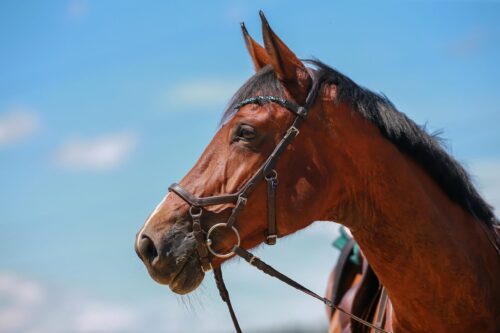
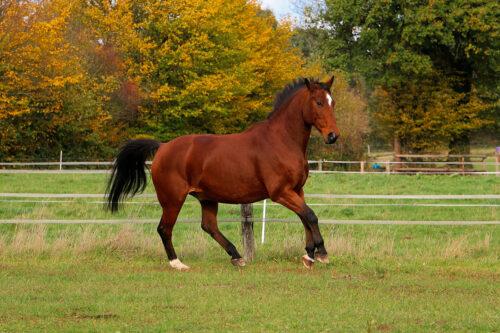
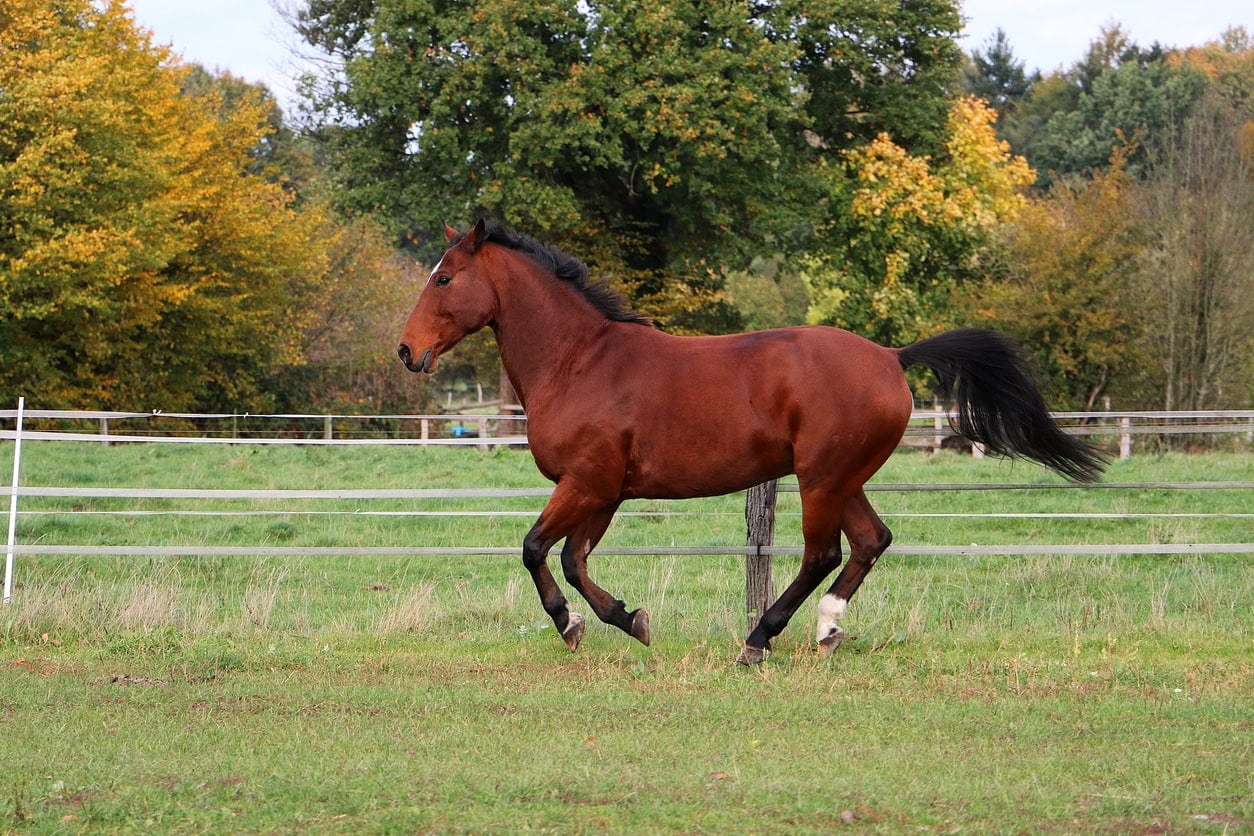
The Quarter Horse has a relatively short and muscular body with a short, wide head, small ears, a broad, deep chest and well-muscled hindquarters. [2] They come in a variety of colors and crosses. Most Quarter Horses stand between 14 and 16 hands high and weigh between 900 and 1,200 lb (408 to 544 kg).
The Quarter Horse’s popularity comes down to its temperament. They are well known for their willingness and trainability. They are not particularly hot to ride or spooky, are sure-footed and reliable, and work long and hard. [3] They also have been bred to have “cow sense,” making them ideally suited to disciplines involving cattle.
Today, Quarter Horses are used for ranch work, cutting, roping, reining, barrel racing, western pleasure, and trail riding. However, since they have been selectively bred to bring out the best of their looks and personalities, they are at risk of several genetic diseases and conditions.
Quarter Horse Genetics
Genetic diseases and conditions are health issues that occur due to an abnormality in an individual’s genetics. [4] A horse’s genetic material consists of DNA organized into 32 pairs of chromosomes. Genes are segments of DNA that contain instructions for producing proteins and regulating biological functions.
In order to understand how Quarter Horses are affected by genetic diseases, it is useful to have a basic understanding of how genetic inheritance works between parents and offspring. Each horse has two copies of almost all of its genes. One comes from the male parent, the other from the female. Mutations in these genes can cause disease. [5]
Some genetic mutations can be carried by an individual without affecting their health. These individuals are known as asymptomatic carriers. [4]
Types of Genetic Diseases
Genetic diseases in Quarter Horses can follow different patterns of inheritance, including autosomal dominant, autosomal recessive, and codominant inheritance. The risk of inheriting a genetic disease depends on how the mutation is passed from parents to offspring.
Autosomal Dominant Diseases:
One class of genetic disorders is referred to as autosomal dominant diseases. For these conditions, inheriting a mutation from only one parent can be sufficient to cause disease. When an affected parent has one copy of the mutation and the other parent does not carry it, each offspring has a 50% chance of inheriting the mutated gene. [4]
Offspring that do not inherit the mutation cannot pass it to their own offspring. To avoid passing along the condition, horses carrying the mutation should not be bred.
Autosomal Recessive Diseases:
Another class of genetic disorders is referred to as autosomal recessive diseases. For these conditions to affect the offspring’s health, the offspring must inherit the same mutation from both parents. When two carriers are bred together, each offspring has a 25% chance of developing the disease, a 50% chance of being a carrier, and a 25% chance of inheriting neither copy of the mutation. [4]
In order to avoid producing affected offspring, horses that carry the mutation should not be bred with other horses that carry the same mutation.
Codominant Diseases:
Another type of inheritance is codominance. In codominant inheritance, both copies of a gene can influence how a trait or disease is expressed. For some genetic diseases, horses with one copy of the mutation can develop symptoms, while horses with two copies may experience more severe symptoms. [6]
Because horses carrying only one copy can be affected, breeding with a horse that does not carry the mutation does not eliminate the risk of producing affected offspring.
Prevalence of Genetic Diseases in Quarter Horses
Quarter Horses have been selectively bred for many generations to bring out the most desirable traits for their human riders and owners.
The intensity of this selective breeding has reduced the genetic diversity of the population, meaning that a narrower range of genetic variants is represented within the breed. [1][7]
Additionally, the repeated use of certain horses as breeding stock, particularly high-value stallions, means that their genetic material is overrepresented in the population. [1] Linebreeding and inbreeding can further reduce genetic diversity by increasing the proportion of genes shared among individuals. [8]
Alongside the practice of selective breeding, Quarter Horses’ genetic diversity is also affected by a phenomenon known as the founder effect. The founder effect impacts a population when it is founded from a small number of individuals. Without many individuals contributing their genes, the gene pool is smaller and less diverse. The original studbook for Quarter Horses included fewer than 600 horses. [1][7]
These factors have all contributed to the development and transmission of certain genetic diseases among Quarter Horses.
Common Genetic Diseases in Quarter Horses
Several inherited diseases have been identified in Quarter Horse bloodlines. These conditions affect different body systems, including muscle function, skin integrity, energy metabolism, and neurological coordination. Some conditions can be managed with appropriate care, while others cause severe disability and may be fatal or require euthanasia.
Genetic disorders associated with the breed include: [9][10][11][12][13][14]
- Polysaccharide Storage Myopathy (PSSM)
- Hyperkalemic Periodic Paralysis (HYPP)
- Hereditary Equine Regional Dermal Asthenia (HERDA)
- Glycogen Branching Enzyme Deficiency (GBED)
- Myosin Heavy Chain Myopathy (MYHM)
- Malignant Hyperthermia (MH)
- Equine Juvenile Spinocerebellar Ataxia (EJSCA)
Polysaccharide Storage Myopathy
Polysaccharide Storage Myopathy (PSSM) is a metabolic muscle disorder characterized by abnormal accumulation of glycogen (sugar) and an amylase-resistant polysaccharide in skeletal muscles. [15]
This abnormal glycogen storage can contribute to episodes of exertional rhabdomyolysis, also known as tying-up, in which muscle fibers become damaged during exercise.
The symptoms of PSSM often appear during or after exercise, although they can also occur at rest. They include: [15]
- Muscle stiffness and atrophy
- Sweating
- Reluctance to move
- Muscle twitching
- Weakness
- Stiff gait
- Recumbency
The severity of symptoms varies between horses. Some affected horses experience recurrent episodes of tying-up, while others show few or no clinical signs.
PSSM type 1 (PSSM1) is an autosomal dominant genetic disease caused by a mutation in the GYS1 gene, which regulates glycogen synthesis. Horses only need to inherit one copy of the mutation to be affected. Genetic testing can identify horses carrying this mutation. [15]
There is no cure for PSSM1, but most affected horses can be managed through a diet low in sugar and starch, regular turnout, and consistent exercise.
Hyperkalemic Periodic Paralysis
Hyperkalemic Periodic Paralysis (HYPP) is a condition in which the signals to the membranes that surround a horse’s muscles are disrupted. [16][17]
HYPP is caused by a mutation in the SCN4A gene, which affects sodium channels in muscle cells. This disrupts normal muscle contraction and can cause episodes of elevated blood potassium, muscle weakness, and temporary paralysis.
This condition has been linked to a particularly prolific Quarter Horse sire called Impressive, who has 355,000 registered offspring. [16]
The symptoms of HYPP include: [16]
- Trembling muscles
- Sustained muscle contractions
- Muscle weakness or temporary paralysis
- Sweating
- Prolapse of the third eyelid
- Staggering or inability to stand
- Increased heart rate and rapid breathing
- Difficulty swallowing or breathing in severe cases
Symptoms typically occur in episodes lasting 15 minutes to an hour. Affected horses may appear normal between episodes, although severe attacks can cause life-threatening respiratory or cardiac complications.
HYPP is an autosomal dominant genetic disease. [16] Horses with two copies of the mutation generally experience more severe symptoms than those with one copy. However, some horses carrying the mutation never develop obvious clinical signs.
Genetic testing can identify horses carrying the HYPP mutation. Affected horses can often be managed through dietary potassium restriction, appropriate forage selection, and veterinary care.
Hereditary Equine Regional Dermal Asthenia
Hereditary equine regional dermal asthenia (HERDA) is a disease that causes horses to have skin that is too stretchy and easily damaged. This makes them unsuited to riding and breeding. [18][19][20]
HERDA primarily affects Quarter Horses, particularly those from cutting and cow horse bloodlines. The genetic mutation associated with HERDA disrupts collagen formation, weakening the connective tissue that holds the layers of skin together.
The symptoms of HERDA include: [18][19]
- Skin that tears or bruises easily
- Fluid-filled lumps (seromas)
- Blood-filled lumps (hematomas)
- Abnormal skin
- Skin that feels velvety
- Delayed healing
- Blistering
- Wounds
- Lesions
- Eventual scarring due to skin traumas
- Eye abnormalities, including corneal ulcers
Affected horses typically appear healthy at birth, with symptoms developing between 18 and 24 months of age. Skin lesions often become apparent when young horses begin training under saddle, as pressure and friction from tack can damage the fragile skin along the back and withers.
HERDA is an autosomal recessive disease. [18] Affected horses inherit two copies of the mutation, while horses with only one copy are carriers that do not develop symptoms. Genetic testing can identify carriers and help breeders avoid producing affected foals.
There is no cure for horses affected by HERDA. Management focuses on preventing skin injuries and treating wounds, but the prognosis is generally poor. Some horses can live comfortably as pasture companions, while others require euthanasia due to severe skin damage and reduced quality of life.
Glycogen Branching Enzyme Deficiency
Glycogen branching enzyme deficiency (GBED) is a fatal condition that is typically identified in foals while still in utero or shortly after birth. The disease is primarily associated with Quarter Horses and related breeds, including American Paint Horses.
Horses with this condition are unable to produce functional glycogen branching enzyme (GBE), which is required for normal glycogen synthesis. Without this enzyme, glycogen cannot be formed and stored properly, impairing the availability of glucose for cellular energy production. [8][21]
The symptoms of GBED in foals include: [8]
- Hypoglycemic seizures
- Muscle weakness that progresses
- Respiratory failure
- Sudden death
Foals affected by GBED are often stillborn. In cases where the condition is discovered before birth, the fetus is often aborted. In cases where the foal survives to birth, they typically do not live past 8 weeks of age. [8]
GBED is an autosomal recessive genetic disease. [8]
Myosin Heavy Chain Myopathy
Myosin heavy chain myopathy (MYHM) refers to two different genetic diseases that are associated with the same genetic variant: immune-mediated myositis and non-exertional rhabdomyolysis. [7][22]
Immune-mediated myositis (IMM) is a condition in which the muscles along the spine and in the buttocks shrink or waste away suddenly. [7] This corresponds with the appearance of white blood cells in the affected muscles. White blood cells are usually involved in fighting infections or responding to inflammation. [22]
Non-exertional rhabdomyolysis refers to muscle breakdown that occurs without physical activity or exercise as a trigger, unlike exertional rhabdomyolysis (tying-up), which occurs during or after exercise. This condition causes muscle pain, weakness, and the release of muscle proteins into the bloodstream. [7][22]
The symptoms of MYHM in horses include: [22]
- Noticeable shrinking of the muscles along the spine and buttocks with no obvious cause
- Muscle stiffness with no obvious cause
This condition is a codominantly inherited disease. Symptoms in affected horses may appear to resolve before re-emerging at a later date. [7][22]
Malignant Hyperthermia
Malignant hyperthermia (MH) is a condition that usually occurs in horses undergoing general anesthesia but can also occur without anesthesia. [15]
This condition causes a dangerous reaction in which the horse’s body temperature rises sharply. Episodes occurring without anesthesia are more commonly reported in Quarter Horses.
Symptoms of MH include: [15][23]
- Increased heart rate
- Increased breathing rate
- Increased body temperature
- Stiff muscles
- Increased acid levels in the blood
- Muscle breakdown
- Protrusion of the third eyelid
- Inability to open the jaw fully
- Sweating
- Inability to stand
This disease is an autosomal dominant condition. [23]
Equine Juvenile Spinocerebellar Ataxia
Equine juvenile spinocerebellar ataxia (EJSCA) is a newly discovered neurological disease that affects coordination in Quarter Horse foals. First identified in 2020, the condition typically develops between 1 and 4 weeks of age and causes progressive damage to the spinal cord. [24]
The symptoms of EJSCA include: [24]
- Uneven incoordination in movement
- Back legs more affected than the front legs
- Wider than usual stance
- Difficulty sensing where its limbs are
EJSCA progresses rapidly, with affected foals typically becoming unable to stand within a few days of developing symptoms. The condition is fatal, and affected foals generally require euthanasia.
EJSCA is an autosomal recessive condition. [24] The disease is associated with a mutation in the FDXR gene. Genetic testing can identify carriers, allowing Quarter Horse breeders to avoid mating two horses that carry the mutation.
Genetic Testing in Quarter Horses
These conditions are serious and require thought and information in order to avoid affecting future generations. Fortunately, genetic testing is a simple process.
Hair is plucked (not cut) from the tail or mane so that the root (also known as the bulb) is still intact. The hair is then sent to a laboratory that offers genetic testing services. In the case of horses that want to be registered with any of the major Quarter Horse associations, the test must be performed by a certified laboratory. [25]
Genetic testing allows Quarter Horse owners and breeders to identify inherited mutations associated with specific diseases. Testing can identify horses at risk of developing a genetic disorder and those carrying mutations that could be passed to their offspring.
Some genetic conditions do not produce obvious symptoms until later in life, while carriers of recessive mutations generally remain healthy. This makes genetic testing an important part of responsible breeding for Quarter Horses.
AQHA Six-Panel Genetic Testing
The American Quarter Horse Association (AQHA) offers a genetic testing panel that screens for six inherited diseases commonly found in Quarter Horses.
The AQHA six-panel genetic test screens for the following diseases:
- Hyperkalemic Periodic Paralysis (HYPP)
- Polysaccharide Storage Myopathy Type 1 (PSSM1)
- Hereditary Equine Regional Dermal Asthenia (HERDA)
- Glycogen Branching Enzyme Deficiency (GBED)
- Malignant Hyperthermia (MH)
- Myosin Heavy Chain Myopathy (MYHM)
The original AQHA genetic testing panel included five diseases. MYHM was subsequently added to create the six-panel test. Horses tested under older five-panel programs may require additional testing to determine their MYHM status.
Other genetic diseases, including equine juvenile spinocerebellar ataxia (EJSCA), can be screened for using separate genetic tests.
The AQHA requires all breeding stallions to have DNA typing and genetic health panel results on file before their offspring can be registered. Breeding mares must also have DNA typing on file, but are not required to undergo the full genetic disease panel.
DNA typing establishes a horse’s genetic identity and supports parentage verification, while genetic disease testing identifies mutations associated with specific inherited disorders. This enables informed breeding to reduce the prevalence of avoidable genetic diseases in the equine population.
Interpreting Genetic Test Results
Genetic test results indicate whether a horse has inherited zero, one, or two copies of a particular disease-associated mutation.
Laboratories typically report results using combinations of letters that represent the normal and mutated versions of a gene. Common results include:
- Negative (N/N): The horse has no copies of the tested mutation and cannot pass that mutation to its offspring.
- Heterozygous (N/variant): The horse has one copy of the mutation and there is a 50% of passing it to its offspring.
- Homozygous (variant/variant): The horse has two copies of the mutation and will pass one copy to every offspring.
The significance of these results depends on whether the condition follows a dominant, recessive, or other pattern of inheritance.
For recessive conditions, horses with one copy of the mutation are carriers but generally do not develop the disease. For dominant conditions, inheriting a single copy can be sufficient to cause disease, although the severity and expression of symptoms vary.
A negative genetic test only confirms that the horse does not carry the specific mutations included in the test. It does not rule out all inherited diseases or other conditions that are not being tested for.
Importance of Genetic Testing for Breeding Stock
Testing Quarter Horses for genetic conditions is important because it allows breeders and owners to make informed decisions about which horses can be mated without producing offspring affected by specific inherited diseases.
For autosomal recessive diseases such as HERDA, GBED, and EJSCA, both parents must carry the same disease-causing mutation for an affected foal to be produced.
When two carriers are bred together, each foal has the following chances:
- 25% chance of inheriting two copies of the mutation and developing the disease
- 50% chance of inheriting one copy and becoming a carrier
- 25% chance of inheriting no copies of the mutation
Horses carrying recessive mutations can be bred to horses that test negative for the same mutation without producing affected foals. However, some offspring may still inherit the mutation and become carriers. [4]
For autosomal dominant diseases such as PSSM1, HYPP, and MH, inheriting one copy of the mutation can be sufficient to cause disease. MYHM also has a dominant inheritance pattern, although not every horse carrying the mutation develops clinical symptoms.
When a horse with one copy of a dominant mutation is bred to a horse that tests negative, each foal has a 50% chance of inheriting the mutation. [4]
Genetic testing also provides information that can help veterinarians and owners manage affected horses. For example, identifying PSSM1 can inform dietary and exercise management, while knowing a horse carries the MH mutation is important when planning procedures that require anesthesia.
Reducing the occurrence of genetic diseases through selective breeding improves the health and welfare of Quarter Horses. These conditions can affect a horse’s athletic ability, health status, longevity, and the owner’s ability to feed and manage them effectively.
By using genetic test results to guide breeding decisions, Quarter Horse breeders can reduce the transmission of disease-causing mutations to future generations.
Here are some frequently asked questions about genetic diseases in Quarter Horses:
Genetic disorders are a concern because Quarter Horses have been selectively bred for specific traits over generations, which can lead to reduced genetic diversity and a higher prevalence of inherited diseases. Certain genetic mutations have become more common within particular bloodlines, increasing the risk of producing affected foals when horses carrying these mutations are bred. [1][7][8]
Common genetic disorders in Quarter Horses include Polysaccharide Storage Myopathy (PSSM), Hyperkalemic Periodic Paralysis (HYPP), Hereditary Equine Regional Dermal Asthenia (HERDA), and Glycogen Branching Enzyme Deficiency (GBED), among others. [9][10][11][12][13][14] These conditions affect different body systems and can cause symptoms ranging from muscle weakness and exercise intolerance to severe skin abnormalities and life-threatening developmental problems in foals.
Genetic disorders can be inherited in several ways. Autosomal dominant disorders can develop when a horse inherits one copy of a disease-associated mutation from either parent. Autosomal recessive disorders generally require two copies of the mutation, one inherited from each parent. Horses carrying only one copy of a recessive mutation typically show no symptoms but can pass the mutation to their offspring. Codominant inheritance occurs when both inherited versions of a gene contribute to the expressed trait. [4][6]
Yes, genetic testing allows breeders to identify horses carrying specific mutations. With this information, breeders can make informed decisions to avoid mating carriers of the same recessive gene or horses with dominant mutations, reducing the prevalence of genetic disorders. Testing is particularly useful for identifying healthy carriers of recessive mutations that could otherwise pass inherited diseases to their offspring. [4][25]
Genetic testing involves plucking hair with intact roots from the horse's tail or mane and sending it to a certified lab for analysis. The laboratory analyzes the horse's DNA for specific genetic mutations and determines whether the horse carries one or two copies of the mutations being tested. Results help identify affected horses and carriers of inherited disorders, allowing breeders to make informed decisions about breeding pairs. [25]
Summary
Quarter Horses are the most popular breed of horse on the planet because of their beauty, personality, and hard-working attitude. Since they have been selectively bred to bring out the traits that humans like the most, they are at risk of a variety of genetic conditions.
- Genes mutate from time to time, and some mutations cause genetic diseases or conditions. These mutations are passed on from parent to offspring in a predictable manner depending on the nature of the genetic makeup of the condition.
- Quarter horses are at risk of some recessive conditions such as Hereditary Equine Regional Dermal Asthenia, Glycogen Branching Enzyme Deficiency, and Equine Juvenile Spinocerebellar Ataxia.
- Horses that carry the genetic mutation must be bred with horses that do not carry it to prevent passing the gene along to their offspring.
- Quarter horses are at risk of some dominant conditions such as Myosin Heavy Chain Myopathy, Poly Saccharide Storage Myopathy, Hyperkalemic Period Paralysis and Malignant Hyperthermia, and horses that carry these genetic mutations must not be bread in order to prevent passing the gene along to their offspring.
References
- Petersen. J. L. et al., The American Quarter Horse: Population Structure and Relationship to the Thoroughbred. Journal of Heredity. 2014. View Summary
- AQHA Rulebook. American Quarter Horse Association. 2024.
- Denhardt, R. Quarter Horses: A Story of Two Centuries. University of Oklahoma Press. 1967.
- Genetic Disorders. CDC. 2024.
- Understanding Genetics: A New York, Mid-Atlantic Guide for Patients and Health Professionals. Genetic Alliance. 2009.
- Sapp, Julie C., Codominance. National Human Genome Research Institute. 2024.
- Gianino. G. M. et al., Prevalence of the E321G MYH1 Variant for Immune-Mediated Myositis and Nonexertional Rhabdomyolysis in Performance Subgroups of American Quarter Horses. Journal of Veterinary Internal Medicine. 2019. View Summary
- Wagner. M. l. et al., Allele Frequency and Likely Impact of the Glycogen Branching Enzyme Deficiency Gene in Quarter Horse and Paint Horse Populations. Journal of Veterinary Internal Medicine. 2006.
- Tryon. R. C. et al., Evaluation of Allele Frequencies of Inherited Disease Genes in Subgroups of American Quarter Horses. Journal of the American Veterinary Medical Association. 2009. View Summary
- 6 Panel Genetic Testing: What to Know. American Quarter Horse Association. 2018.
- Breeding Responsibly. American Quarter Horse Association. 2020.
- Hopkinson. H., Equine Hereditary Diseases. NAVC Conference. 2017.
- Valberg. S. J., Genetics of Equine Muscle Disease. Veterinary Clinics of North America: Equine Practice. 2020. View Summary
- Valberg. S. J., Muscle Conditions Affecting Sport Horses. Veterinary Clinics of North America: Equine Practice. 2018. View Summary
- Zanzarini Delfiol. D. J. et al., Estimation of the Allele Frequency of Type 1 Polysaccharide Storage Myopathy and Malignant Hyperthermia in Quarter Horses in Brazil. Journal of Equine Veterinary Science. 2018.
- Spier. S. J., Hyperkalemic Periodic Paralysis: 14 Years Later. AAEP Proceedings. 2006.
- Rudolph. J. A. et al., Periodic Paralysis in Quarter Horses: A Sodium Channel Mutation Disseminated by Selective Breeding. Nature Genetics. 1992. View Summary
- Tryon. R. C. et al., Inheritance of Hereditary Equine Regional Dermal Asthenia in Quarter Horses. American Journal of Veterinary Research. 2005. View Summary
- Bowser. J. E. et al., Tensile Strength of Tendons from Quarter Horses with Hereditary Equine Regional Dermal Asthenia (HERDA). Journal of Equine Veterinary Science. 2011.
- Rashmir‐Raven. A. M. and Spier. S. J., Hereditary Equine Regional Dermal Asthenia (HERDA) in Quarter Horses: A Review of Clinical Signs, Genetics and Research. Equine Veterinary Education. 2015.
- Araujo. C. E. T. et al., Prevalence of the Glycogen Branching Enzyme Deficiency Mutation in Quarter Horses in Brazil. Journal of Equine Veterinary Science. 2018.
- Valberg. S. J. et al., Prevalence of Clinical Signs and Factors Impacting Expression of Myosin Heavy Chain Myopathy in Quarter Horse-Related Breeds with the Mutation. Journal of Veterinary Internal Medicine. 2022. View Summary
- Lehmann-Horn. F. et al., Nonanesthetic Malignant Hyperthermia. Anesthesiology. 2011.
- Willis. A. T. et al., Clinicopathological and Pedigree Investigation of a Novel Spinocerebellar Neurological Disease in Juvenile Quarter Horses in North America. Journal of Veterinary Internal Medicine. 2024. View Summary
- Quarter Horse & Related Breeds Disease Panel (5-Panel plus). UC Davis Veterinary Genetics Laboratory.