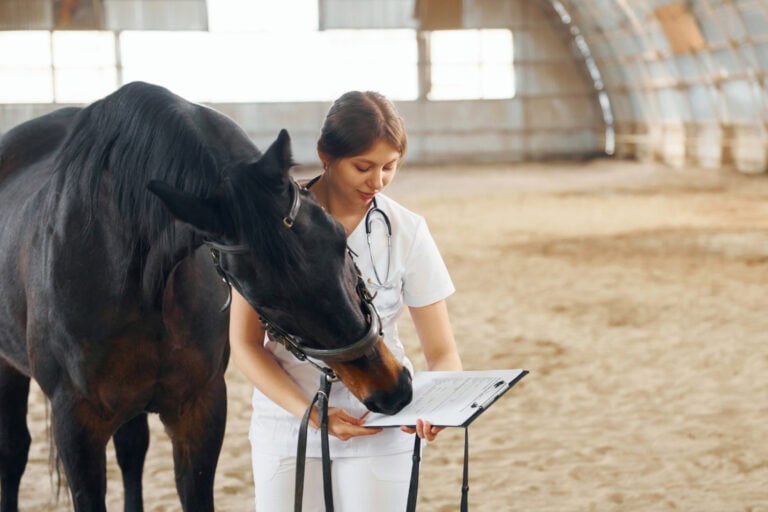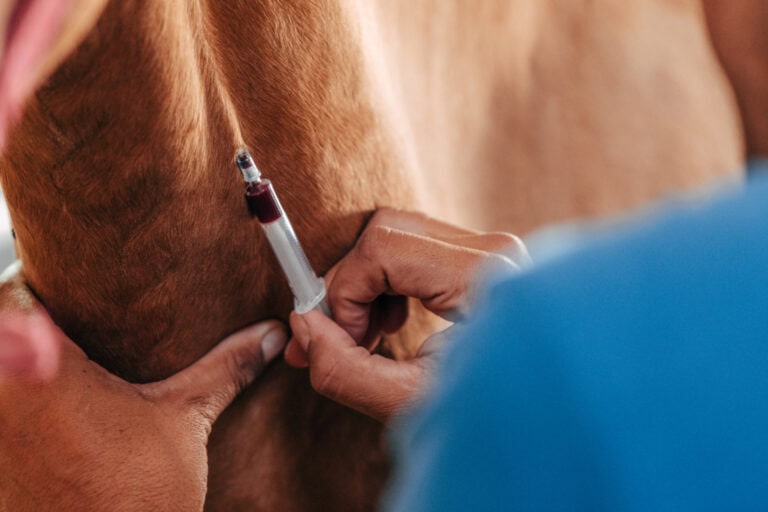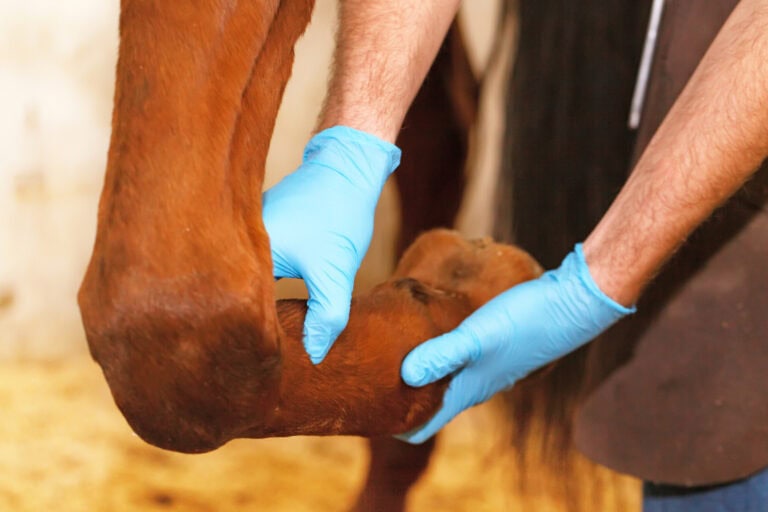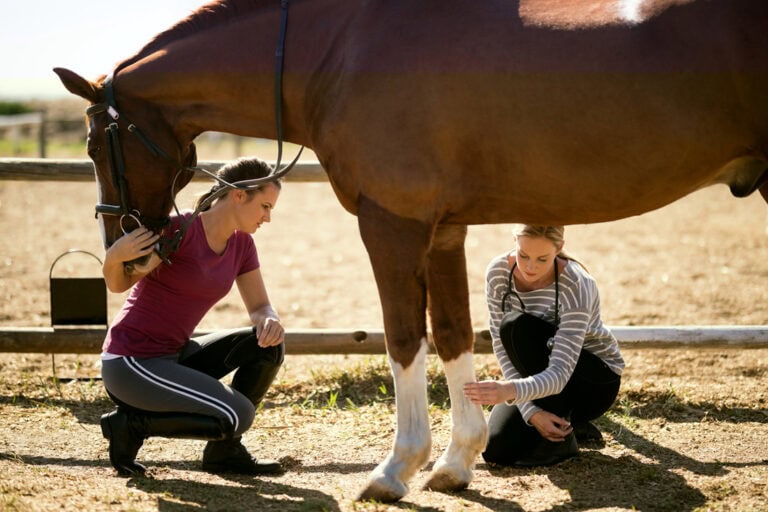
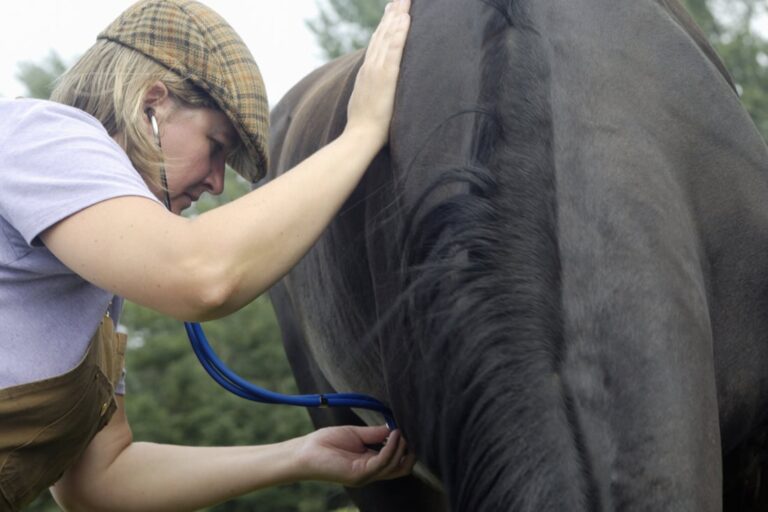
Regular health checks are an essential component of maintaining your horse's well being, performance, and longevity. Comprehensive health checks allow for early detection of illness, injury, or discomfort, allowing for prompt veterinary treatment and better health outcomes in the long-term....
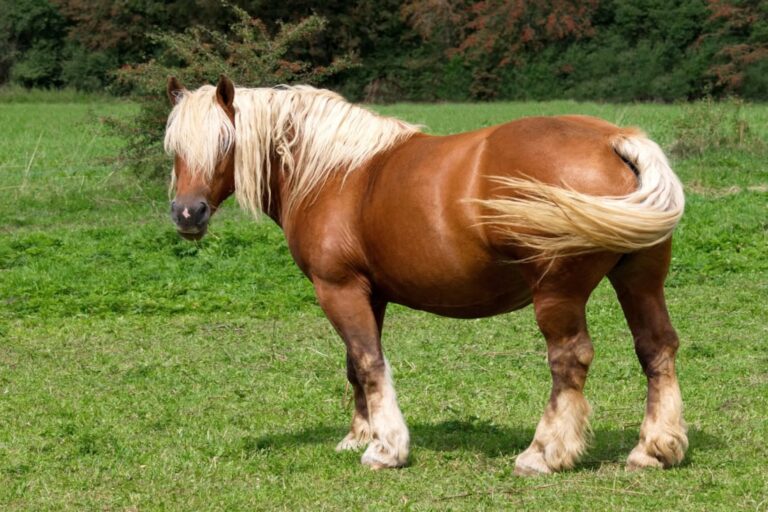
Fat pads, also known as regional adiposity, have become an increasingly common problem in horses today. They can be described as areas of fatty tissue that develops in certain anatomical locations on the horse’s body. Two common places for fat...
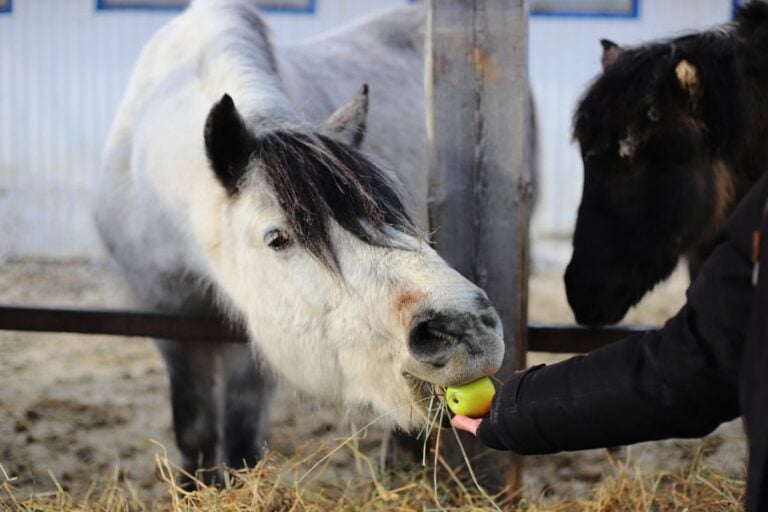
All horses enjoy occasional tasty treats and offering them can strengthen your bond with your equine companion. Giving treats to horses is an important component of training, enrichment, showing affection, and even administering medications for many owners. However, not all...
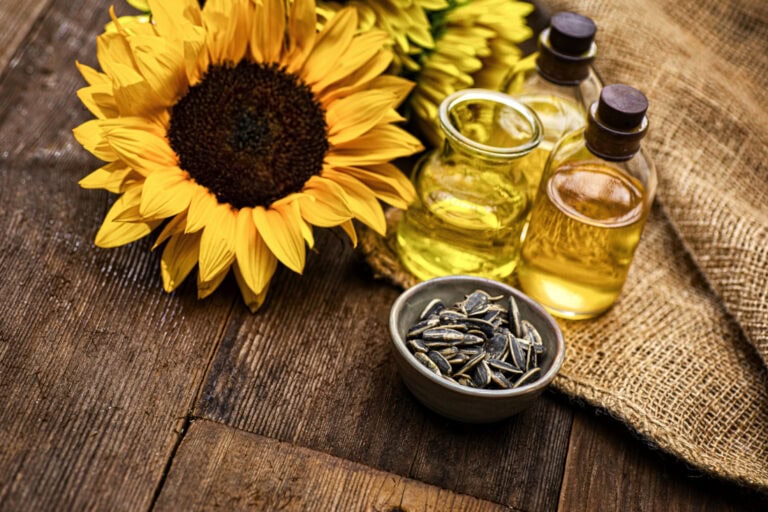
Sunflower oil is a vegetable oil extracted from seeds of the sunflower plant (Helianthus annuus). It is high in unsaturated fats, primarily omega-6 and omega-9 fatty acids. In horse diets, sunflower oil is often used to provide additional calories to...
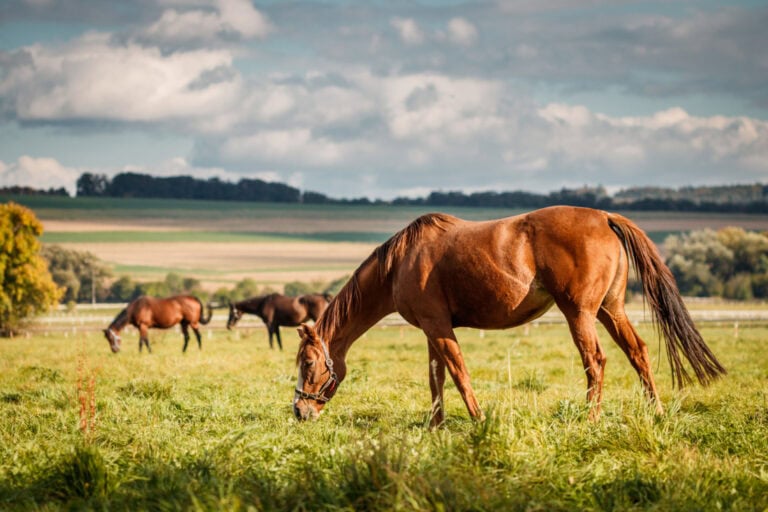
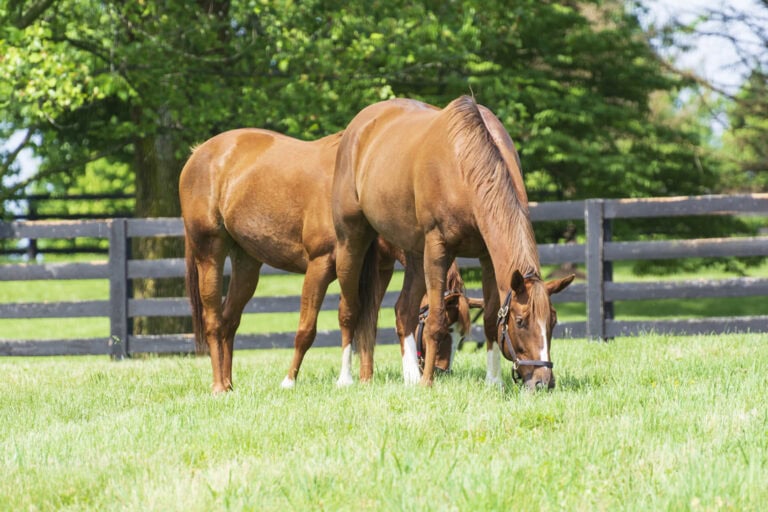
Forage-based diets can be implemented for many horses to support optimal weight maintenance, and digestive and metabolic function. These diets work with your horse’s gastrointestinal physiology to support their health. Pasture, hay, and processed forage can be used alone or...
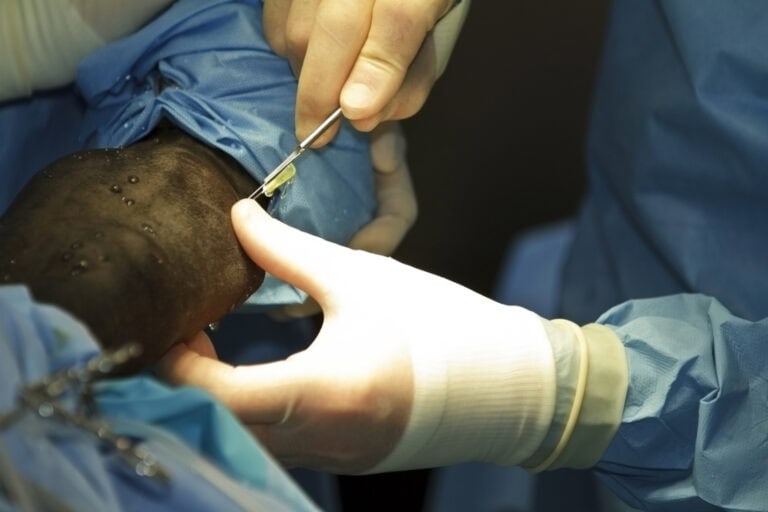
Anesthesia refers to the loss of sensation and consciousness from administration of anesthetic medications. Anesthesia is a critical aspect of veterinary medicine, as it allows for life-saving or career-saving surgeries and diagnostic procedures that would otherwise be impossible to perform...
Horses are valued human companions, fulfilling roles from work, to sport, to companionship. Ensuring the wellbeing and quality of life of our horses is a priority for many horse owners, even during challenging times such as end-of-life. Quality of life...
The horse's brain is responsible for managing and regulating all bodily functions and behaviours. The cerebellum, located at the back of the brain beneath the occipital lobes, plays a vital role in coordinating and fine-tuning motor movements. Equine Cerebellar Abiotrophy...
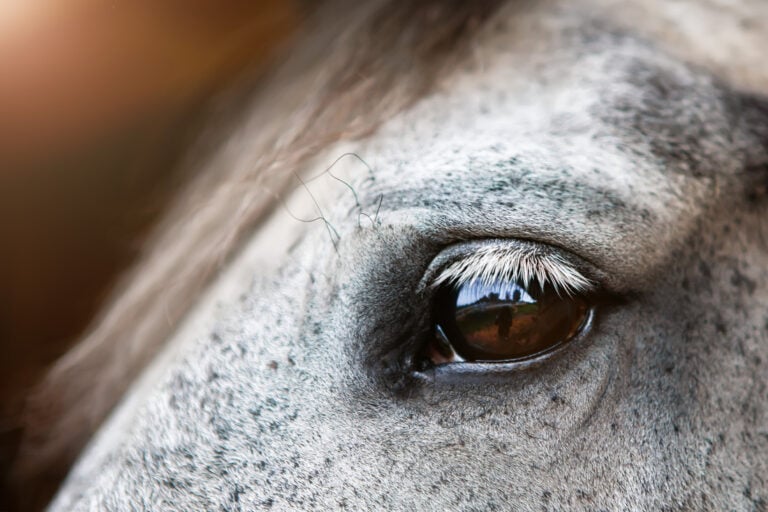
Conjunctivitis, also known as "pink eye", is an inflammation of the conjunctiva, the mucous membrane that covers the front of the eye and lines the inside of the eyelids. This condition is the most common acquired eye disease in animals....
Ryegrass is a popular forage choice worldwide, and is a nutritious source of protein and energy for horses and other grazing animals. Although both species of ryegrass are good sources of nutrition and are not toxic in and of themselves,...
Horse owners have a vested interest in their horse's health, as health conditions can directly impact their horse's wellbeing, performance, and longevity. Understanding common horse diseases is crucial for anyone involved in equine care, as early recognition of the symptoms...
Red blood cells express different surface molecules (factors) depending on the animal's specific genetic code. Horses have over 30 major blood factors, compared to the 8 major blood factors in humans. Blood types are important because immune system recognizes these...
Keeping stallions happy, healthy, and appropriately managed requires an understanding of their unique behavior compared to mares and geldings. Stallions often exhibit instinctive behaviors shaped by evolutionary pressures and social dynamics in the wild. Contrary to their natural environment with...
Sidewinder Syndrome, also known as sidewinder gait or crab walking, is one of the more perplexing and challenging equine health conditions for horse owners and veterinarians alike. This syndrome is characterized by a distinct sideways drift of the horse's trunk...
Seizures, while relatively rare in horses compared to dogs and humans, pose significant challenges for both horse owners and veterinarians. These neurological episodes, characterized by abnormal electrical activity in the brain, can manifest in various forms. During a seizure, a...
Sesamoid injuries are a common and often serious equine injury. The small sesamoid bones play a large role in reducing tension on the muscles and tendons of the body. The proximal sesamoid bones (PSBs), located in the fetlock joint, play...
Glanders is one of the oldest diseases known to affect horses. It is a highly contagious and fatal disease that affects horses, donkeys, and mules, caused by the bacterium Burkholderia mallei. It poses a significant zoonotic threat, as it can...
Theiler's disease, also known as equine serum hepatitis, is a viral infection likely caused by equine parvovirus-hepatitis. Horses most commonly develop Theiler's disease after administration of an equine-origin biologic product, such as serum or blood. Theiler's disease causes rapid onset...
In elite equestrian sports, performance optimization is critical to success. Whether your horse is racing, eventing, competing in endurance trials or show jumping, every rider wants to unlock their horse's full athletic potential while protecting them from overexertion or injury....
Salmonellosis refers to infection with Salmonella, a bacterium that primarily causes intestinal infections and diarrhea. Salmonella can affect numerous species, including horses and humans. Horses typically acquire the bacteria through the ingestion of contaminated feed or water. Common symptoms of...
Proximal Enteritis (also known as Anterior Enteritis) describes inflammation of the first two parts of the horse's small intestine. Proximal Enteritis (PE) is a serious concern for horse owners, as it can block passage of food and water through the...
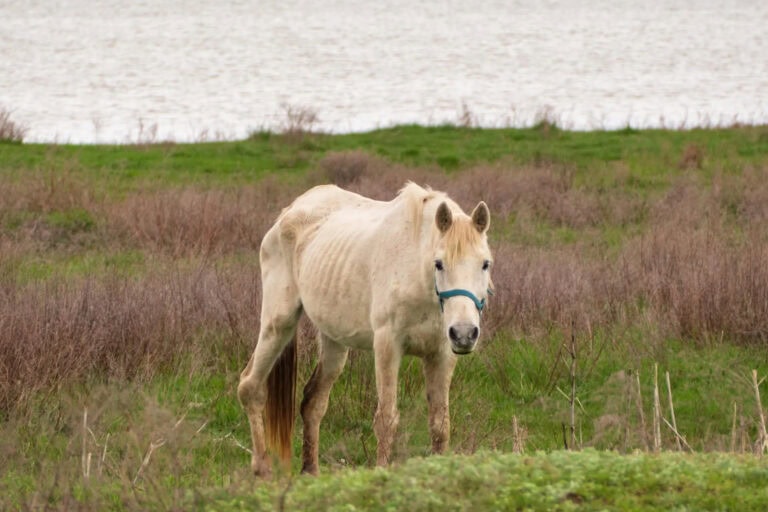
Promoting healthy weight gain can be a challenge for some underweight horses. Whether they are recovering from illness, not eating enough, or simply a hard keeper, some horses need extra nutritional support to counteract unwanted weight loss. The main goal...
Iron is a trace mineral that is required in the horse’s diet. Iron is involved in many bodily processes, including transporting oxygen in the blood and producing energy in cells. Supplementation with this mineral is usually not recommended because it...
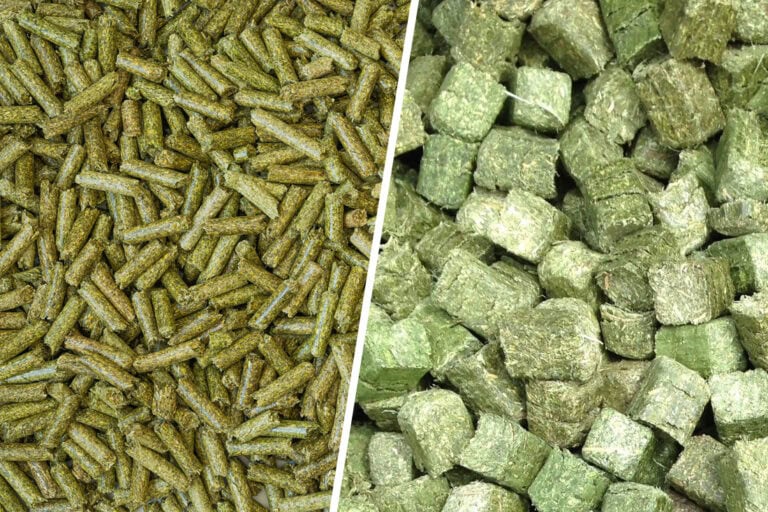
Forage should constitute the bulk of your horse's diet, but not all of it needs to be provided as long-stemmed forages like baled hay. Forage cubes and pellets are other options that may be beneficial for horses in different management...
Glaucoma refers to increased intraocular pressure, the fluid pressure within the eyeball that gives the eye its shape. [ref n="1"] Glaucoma in horses develops when there is an imbalance in fluid drainage at the front of the eye, leading to...
Neurectomy refers to the surgical cutting and removal of a nerve to prevent pain sensation. In horses, neurectomy is considered a salvage procedure, meaning it is a last resort only performed if no other treatments were effective. Veterinarians may recommend...
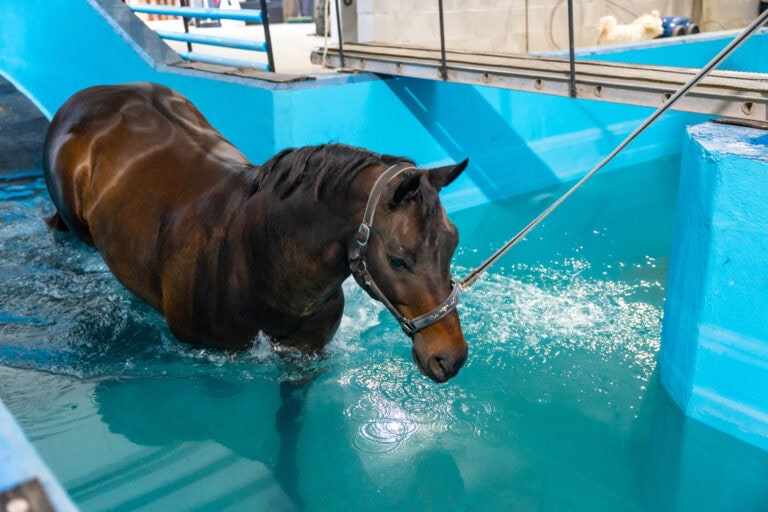
A water treadmill is a piece of exercise equipment used in equine training and rehabilitation. This type of treadmill is submerged in water so the horse is chest-deep while they are moving. Exercising in water is increasing in popularity as...
Respiratory (lung) function is critical to ensure equine performance and overall health. Equine asthma, pneumonia, and lung capacity during exercise are all common health concerns for riders and trainers. One strategy to treat respiratory inflammation is delivering medication directly into...
Platelet-Rich Plasma (PRP) is a regenerative therapy used to treat horses with tendon and ligament injuries. PRP is a blood preparation where plasma, the water and protein component of blood containing no cells, is mixed with highly concentrated platelets and...
Bisphosphonates are drugs used to treat bone conditions in horses. The two main bisphosphonates used in horses are clodronate (OsPhos®) and tiludronate (Tildren®). These medications are used to treat conditions associated with increased bone turnover (removal of old bone). By...