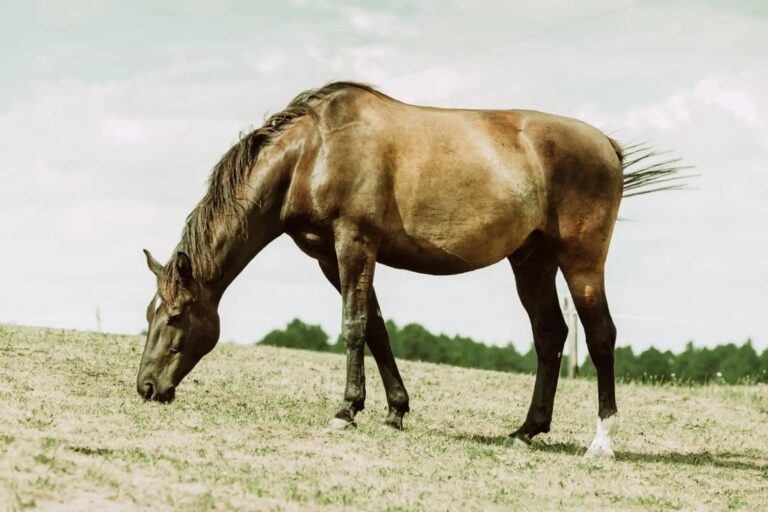
Horses need a balanced diet to maintain optimal health. Ensuring adequate intake of vitamins and minerals is important for many physiological and metabolic functions. However, a diet consisting solely of forage will not provide your horses with all of their...
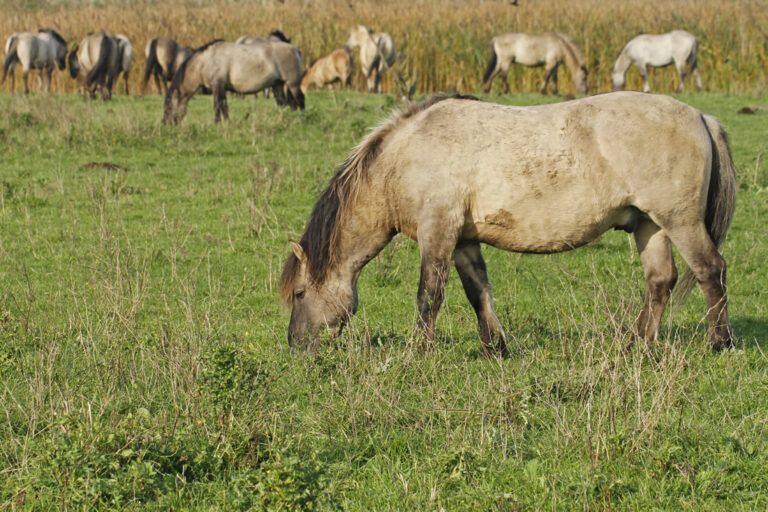
The Konik horse is a primitive pony breed from Poland. The name “Konik” translates to “small horse” in Polish, aptly describing the breed’s compact and sturdy stature. Koniks are easily recognizable by their mouse-gray coats and primitive markings. Conservation programs...
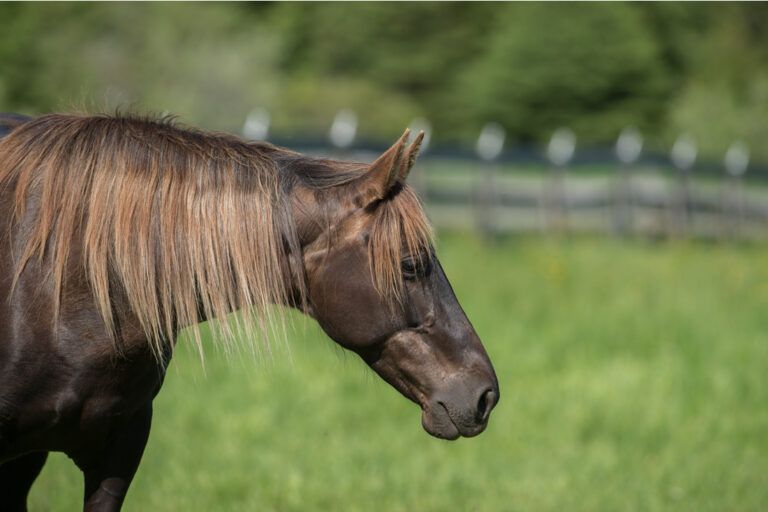
The Rocky Mountain Horse is a gaited American horse breed known for their rare silver dapple colouring. Contrary to their name, this breed originated in the Appalachian Mountains from a founding stallion imported from the Western United States. These horses...
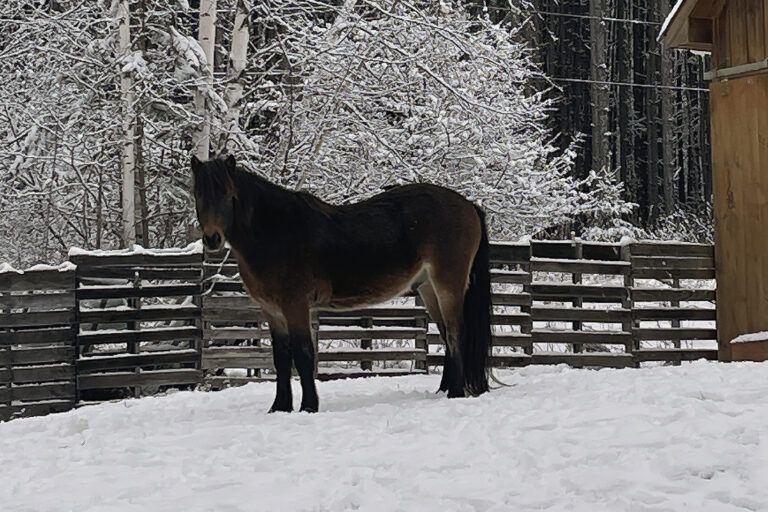
The Newfoundland pony is a critically endangered breed of small equine from Newfoundland and Labrador in Canada. These ponies descended from British pony breeds brought to the Western Hemisphere by English, Irish, and Scottish settlers. Already well adapted to the...
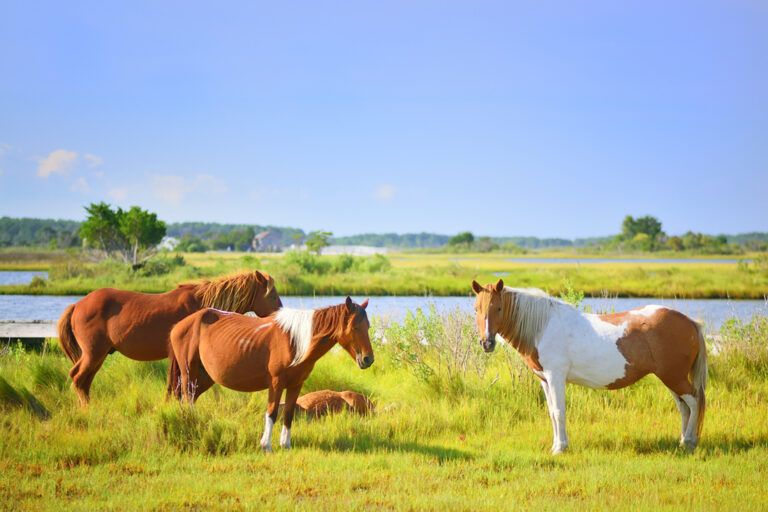
The Chincoteague pony is an American breed from Assateague Island. Two feral populations still inhabit the island today, separated by a fence marking the state line between Virginia and Maryland. National and local authorities use different methods to manage the...
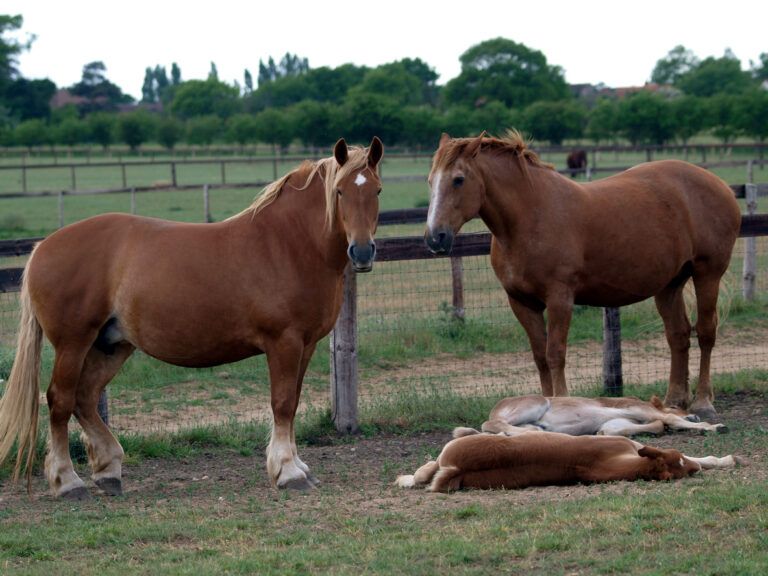
The Suffolk Punch is the oldest English draft horse breed. Also known as Suffolk horses, these gentle giants are known for their bright chestnut colouring and impressive strength. Today, the breed is more endangered than the giant panda.
The Barb horse is a light breed from the Maghreb in North Africa. These horses descend from Berber horses of the region used by indigenous people thousands of years ago. Barb horses had a significant impact on the development of...
The Criollo horse is a South American breed from the Pampas, a vast grassland extending between Argentina, Brazil and Uruguay. The name “Criollo” is derived from the Spanish term for “native” or “local,” and it reflects the horse’s origins in...
Primary immunodeficiencies are disorders where some component of the immune system does not develop properly, leaving the horse at risk of infection. Examples of primary immunodeficiencies in horses include severe combined immunodeficiency, foal immunodeficiency syndrome, and selective IgM deficiency.
The Irish Draught is a strong and versatile horse breed originating from Ireland. Descended from native Irish horses crossed with various imported horses breeds, Irish Draughts are recognized as the official national horse breed of the Republic of Ireland.
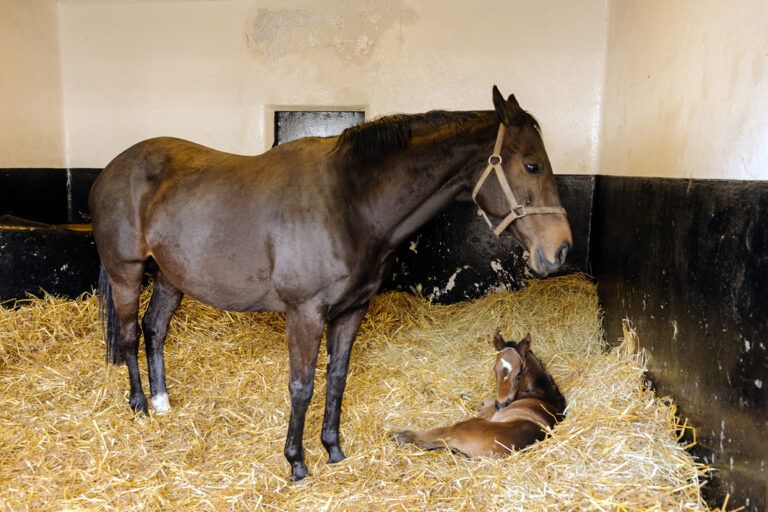
Dystocia, or difficulty giving birth, is a relatively rare complication in horses occurring in less than 10% of foalings. Dystocia carries significant risks for both the mare and foal, including damage to internal organs, nerves, and blood supply for the...
Antioxidants are important nutrients for horses that help to combat oxidative stress, maintain overall health, and support performance. They work by neutralizing harmful molecules known as free radicals within the body. Free radicals are highly reactive molecules with an electrical...
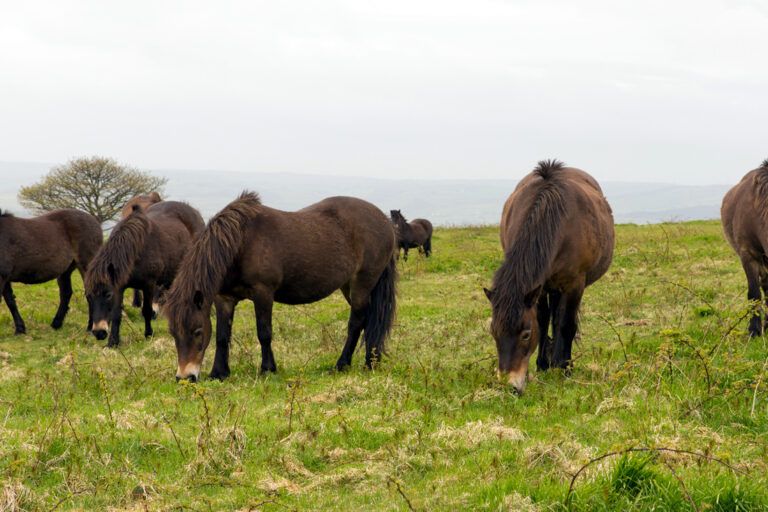
The Exmoor Pony is an ancient breed native to the moorlands of South West England. The ponies thrived in remote Exmoor for millennia, but modern wars drove them to the brink of extinction. Exmoor Ponies are still considered an endangered...
The Caspian horse is a rare Iranian breed of small equine that originated in ancient Persia. Although most Caspians are less than 12 hands tall, their conformation resembles full-size horses, not ponies. These horses are descendants of miniature Caspian-type horses...
The Fell Pony is a rare native British breed known for beauty, strength, and versatility. Once used as pack horses in Northern England, Fell Ponies are now popular mounts for Pony Club kids and monarchs alike. While similar in appearance...
The Dartmoor Pony is a rare small pony breed native to Devon County in Southwest England. These ponies evolved on the moors of Dartmoor, where privately owned free-roaming herds still live today. Ponies inhabited the region’s moorlands by the Middle...
Fescue toxicosis in horses results from ingestion of fescue grass contaminated with the fungus Neotyphodium coenophialum. The fungus produces ergot alkaloid toxins which cause changes in hormone concentrations and blood flow in pregnant mares grazing contaminated pastures or hay. Nearly...
Ivermectin is an over-the-counter medication used to control internal parasites in horses and other animals. It is macrocyclic lactone medication and is one of the most widely used dewormers or anthelmintics in the equine industry. Ivermectin is effective against a...
Moving a horse to a new barn or facility requires careful planning and consideration. Horses are sensitive animals and are prone to experiencing stress when relocating to a new environment or joining a new herd. This puts them at risk...
The Highland Pony is a mountain pony breed native to Scotland. These ponies are one of the largest native pony breeds from the British Isles. While written records of the breed date back to the 18th century, ponies have inhabited...
The Dales Pony is a large working pony breed that originated in the Dales of Yorkshire in North England. Dales ponies are the largest native pony breed from England and are closely related to the smaller Fell Pony.
Type 1 Polysaccharide Storage Myopathy (PSSM1) is a hereditary muscular disorder in horses that results in abnormal accumulation of glycogen (a stored form of sugar) and an abnormal polysaccharide in the muscles. Horses with this condition produce too much glycogen...
Gelatin supplements are commonly fed to horses and are purported to have multiple benefits for both equine health and performance. Anecdotally, gelatin is said to improve hoof health, hair and coat quality, skin health and joint function. Gelatin is a...
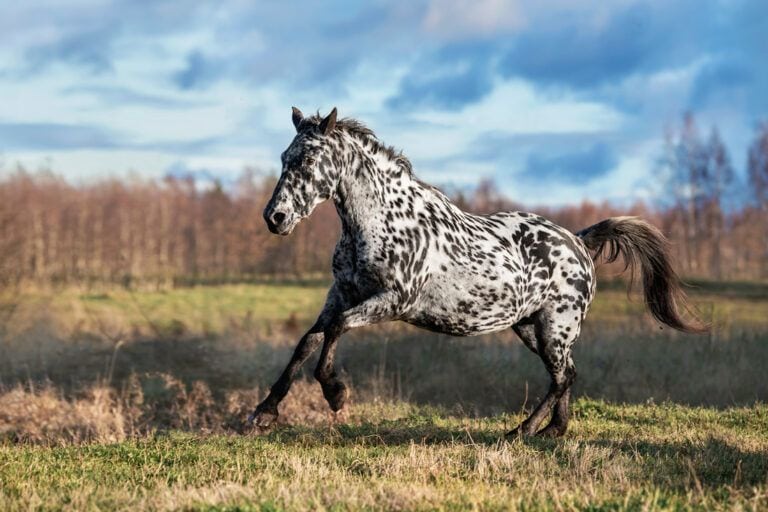
The Knabstrupper, also known as the Knabstrup horse, is a Danish warmblood breed renowned for its distinctive spotted coats. This breed has a relatively recent origin, with its lineage tracing back to a single spotted mare who relocated to Denmark...
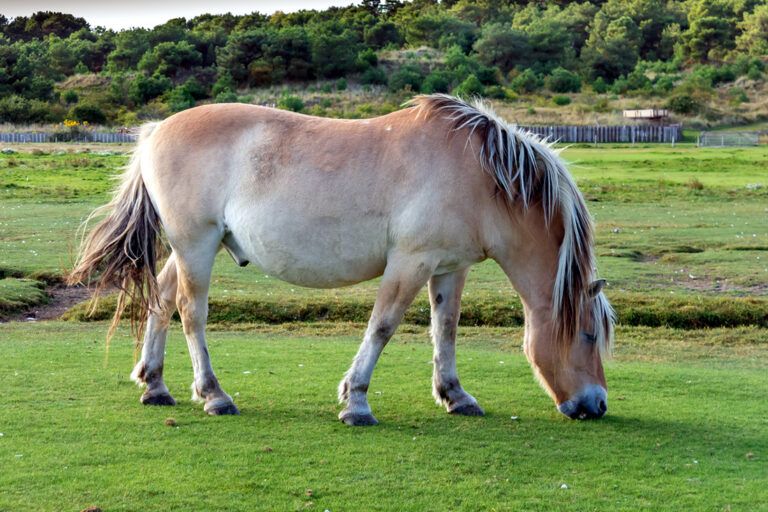
The Norwegian Fjord is one of the world's oldest horse breeds. The breed is easily recognizable today by its dun colouring and primitive markings that trace back to prehistoric horses. Although they resemble wild Przewalski horses, they are not closely...
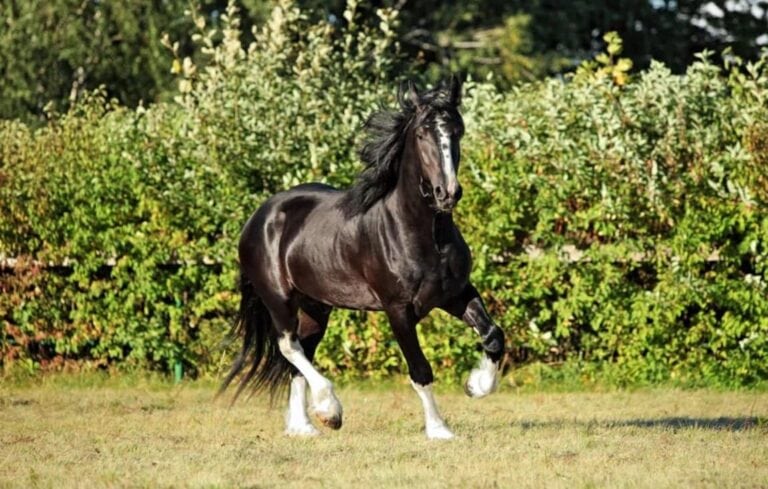
The Shire horse is an iconic draft breed originally developed for heavy farm work in the rural shires of Great Britain. The Shire is one of the world’s largest horse breeds, known for its impressive size and strength. The record...
Whey protein is a cost-effective, high-quality protein source that is safe to feed to horses. Whey is a common ingredient in commercial horse feeds and is also available as a standalone supplement. Whey protein is considered a complete protein source...
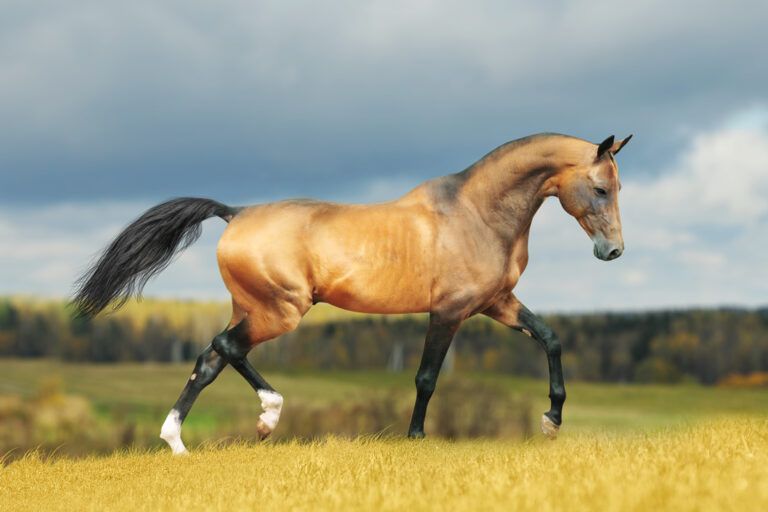
The Akhal Teke is an ancient horse breed with a legendary history and elegant looks. Sometimes referred to as “golden horses” for their distinctive metallic coats, Akhal Tekes are best known for their intelligence, endurance, and beauty. This breed originated...
The shape and structure of a horse, referred to as its conformation, significantly influence both its athletic performance and long-term soundness. How a horse is built not only determines how they generate power and speed, but also how their body...
Supraspinous bursitis, more often known as fistulous withers, is not a common problem in horses — at least in North America. However, it is a serious condition that more often affects horses and donkeys in developing nations. Fistulous withers involves...