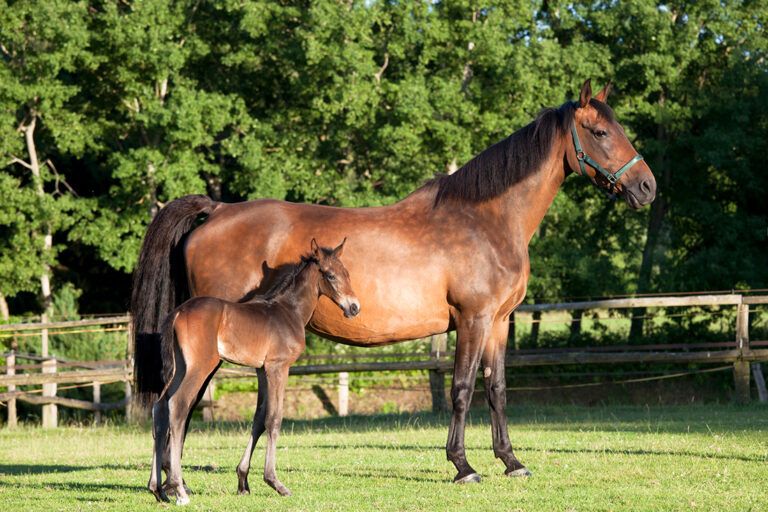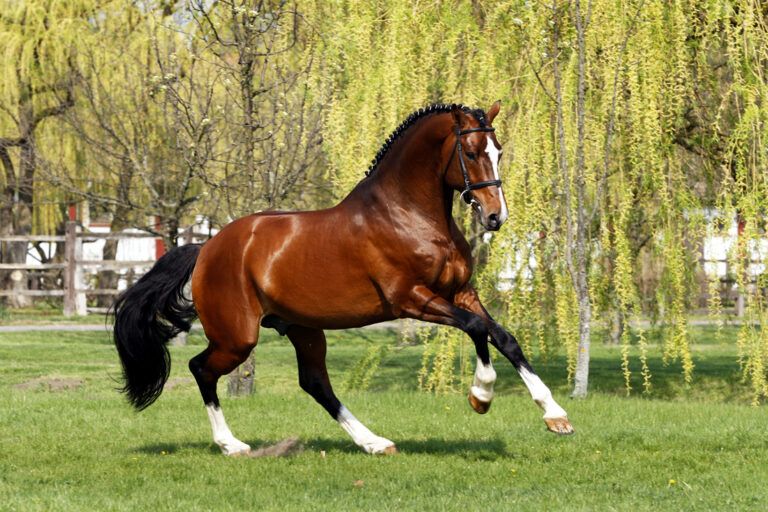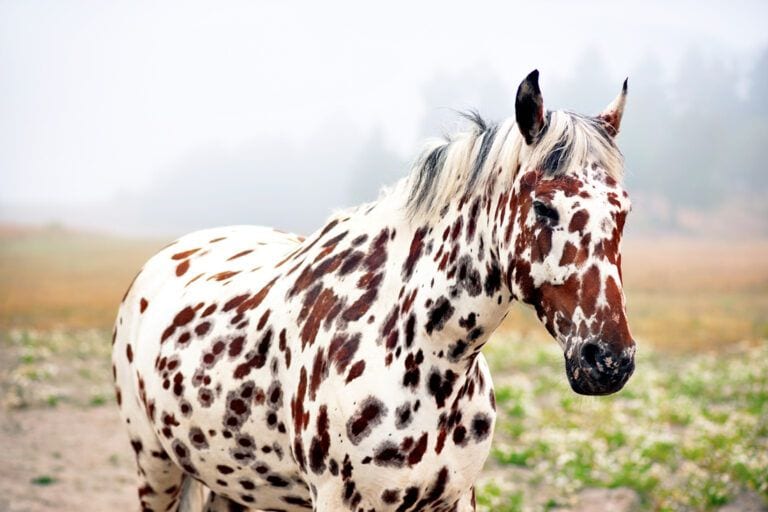
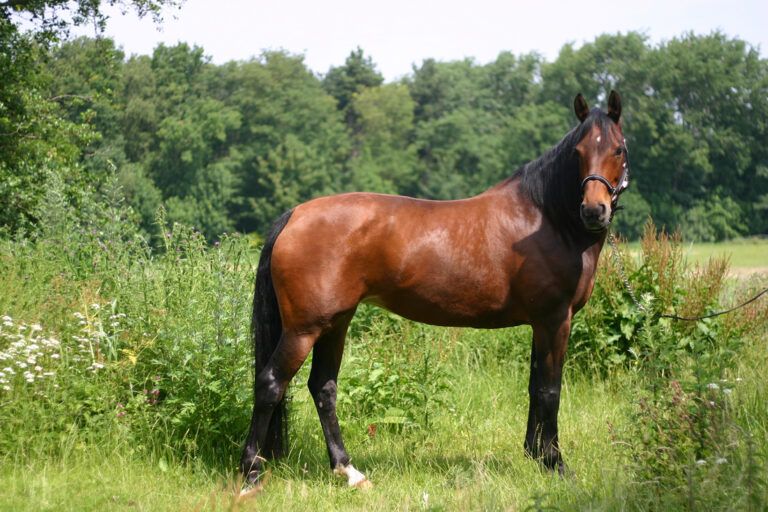
The Dutch Warmblood is a sport horse breed that is managed by the Royal Warmblood Horse Studbook of the Netherlands (KWPN). The breed is highly regulated to ensure the quality and performance of registered horses. The KWPN distinguishes horses between...
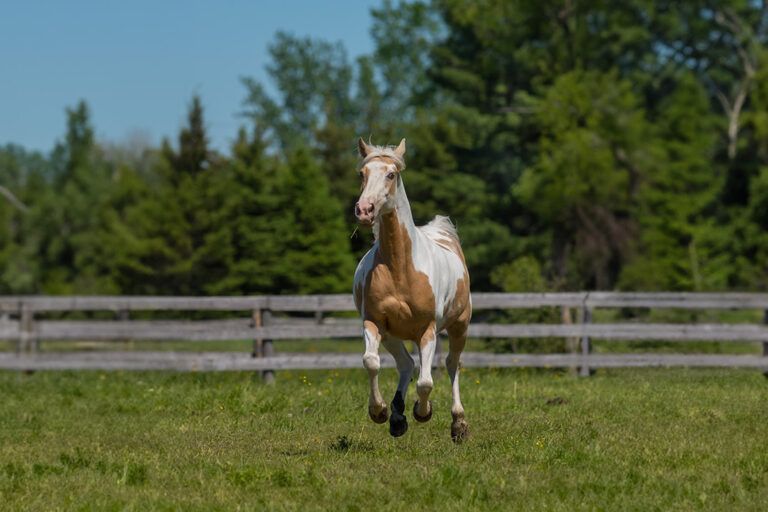
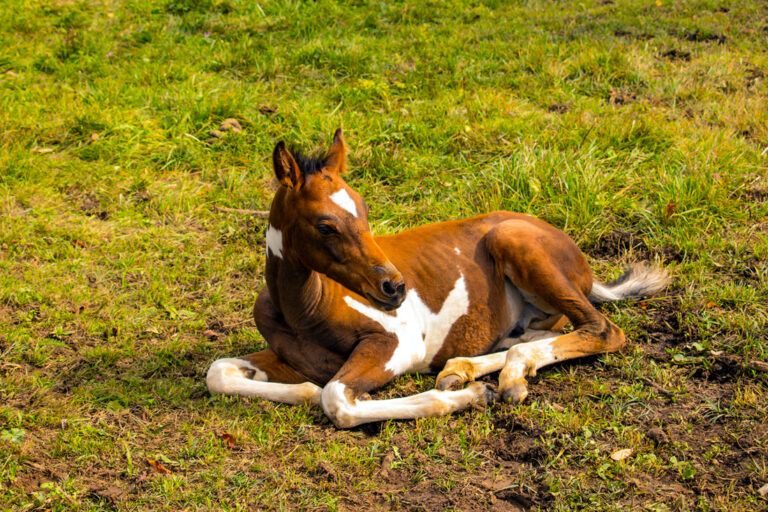
The Spotted Saddle Horse is an American gaited breed from central Tennessee. These horses descend from small pinto Spanish-type horses and are closely related to the Tennessee Walking Horse. Unlike other gaited breeds developed in the region, all Spotted Saddle...
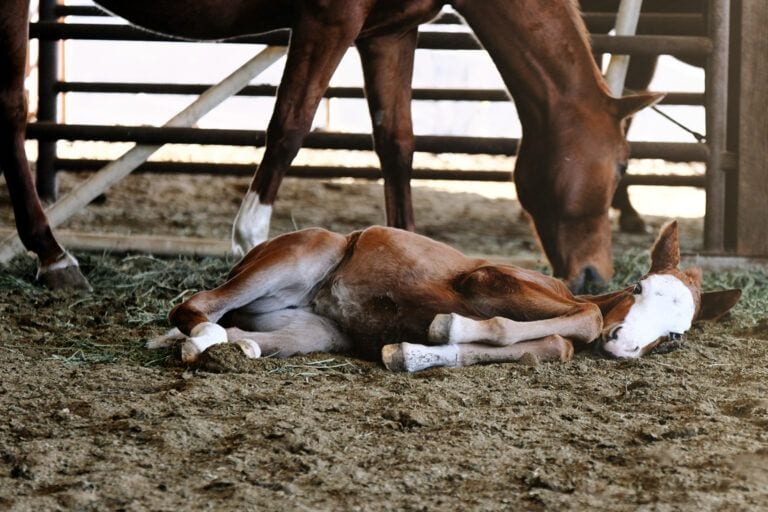
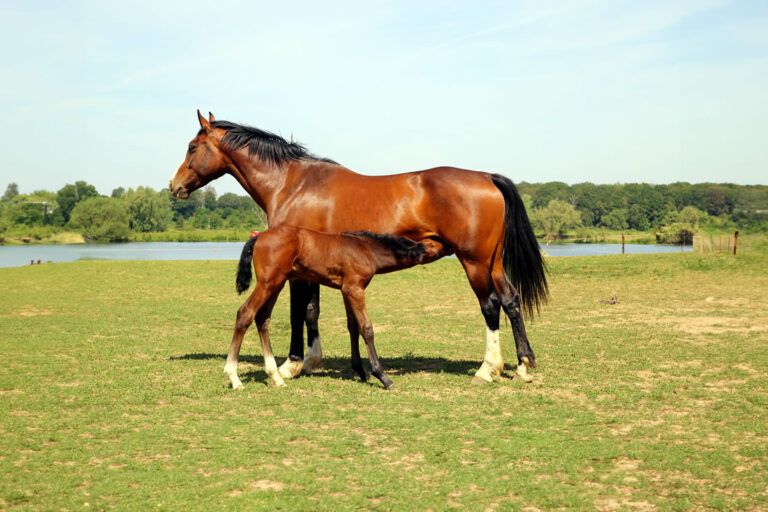
Donor colostrum ensures that a foal receives necessary immune support, even if colostrum is insufficient or unavailable from its mother. Breeders can collect and store their own donor colostrum or use the services of a colostrum bank.
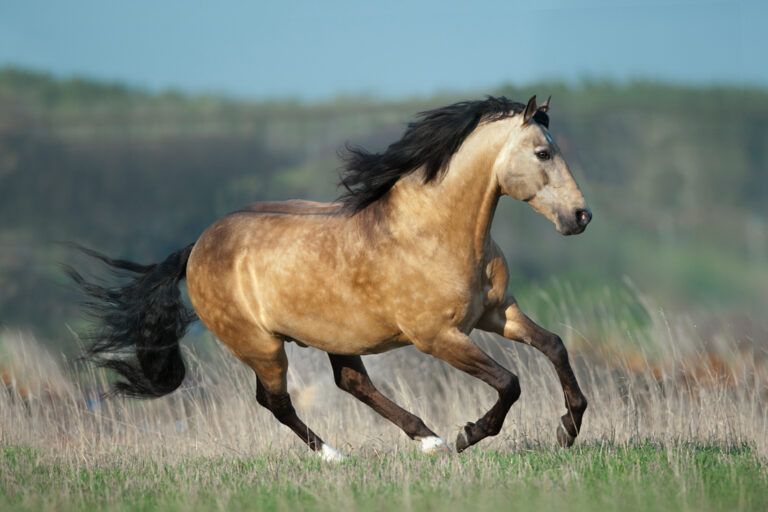
The Lusitano is an Iberian horse breed from Portugal. These horses are closely related to Spanish PREs, with both breeds sharing the same studbook until the two countries established separate registries in the 1960s. Their name comes from the ancient...
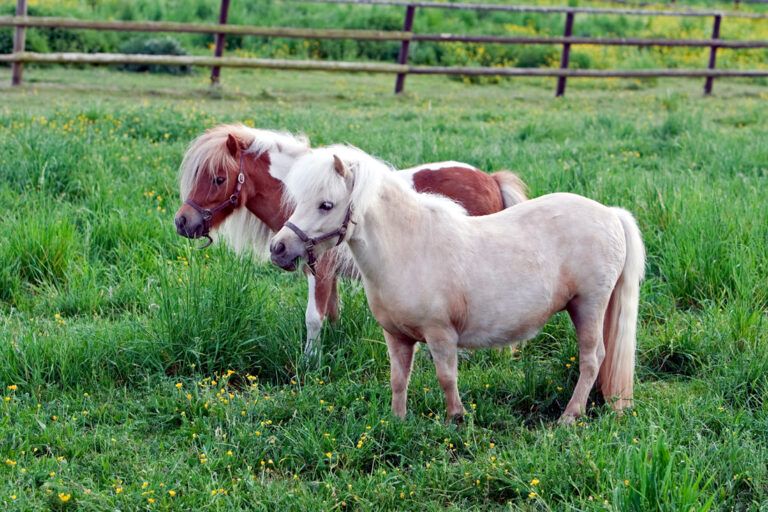
The Falabella is the smallest breed of horse in the world, typically standing between 28 to 34 inches tall at the withers. Despite their diminutive size, they possess all the features and proportions of a typical horse. Falabella horses are...
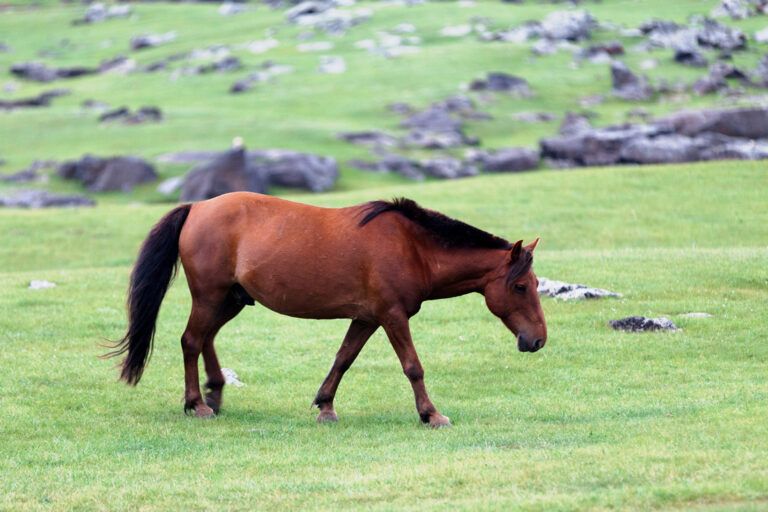
The Mongolian horse is an Asian horse breed that traces its roots back to the time of Genghis Khan. First raised by nomadic Mongol tribes, these small but sturdy horses played a pivotal role in the early conquests of the...
Colic, defined as abdominal pain in horses, is a condition that ranges from mild discomfort to severe, life-threatening situations. In foals, colic presents unique challenges and concerns, due to their physiology and development. Colic in foals can be challenging to...
Beet pulp is a mainstay of many feeding programs for horses. This highly digestible feed is a good source of soluble fiber that supports hindgut function and helps meet energy requirements. Beet pulp is a by-product of sugar extraction from...
Off-the-track Thoroughbreds (OTTB) can be wonderful companions and athletes, but they do come with their share of breed-specific challenges. After retiring from the racing industry, these horses often require specific care and training to adapt to new disciplines or leisure...
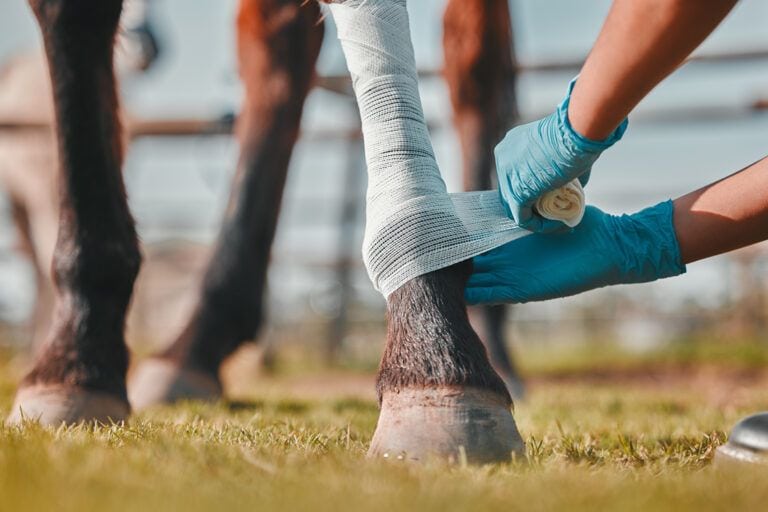
Horse wounds can be alarming to deal with, especially when horses experience severe cuts or lacerations. Research indicates that wounds are the second most common emergency issue in equine care. Horses often sustain wounds from their surroundings, whether from sharp...
The Hanoverian is a popular warmblood breed from Lower Saxony in Germany. Also known as the Hannoveraner in German, the breed produces some of the most successful sport horses in the world. Modern Hanoverians have won gold medals in all...
The Anglo-Arabian is a mixed horse breed with Arabian and Thoroughbred ancestry. These horses are also known as Anglo-Arabs. Unlike other part-bred Arabians recognized by breed societies, these horses don’t need at least one purebred Arabian parent. To qualify as...
Infectious diarrhea in foals is a significant health concern that can lead to dehydration, weight loss, and systemic illness. Without timely intervention, it can lead to severe complications and even be life-threatening. Diarrhea in foals can be caused by a...
The Friesian is an iconic horse breed known for their fairytale looks and striking charisma. These horses are often featured in Hollywood productions, contributing to the breed’s rapidly growing popularity in recent decades. Originally from Friesland in the Netherlands, the...
The Holsteiner horse is a warmblood breed from the Schleswig-Holstein region of northern Germany. Also known as the Holstein horse, this is one of the oldest warmblood breeds in the world. This profile will discuss the history, breed characteristics, health...
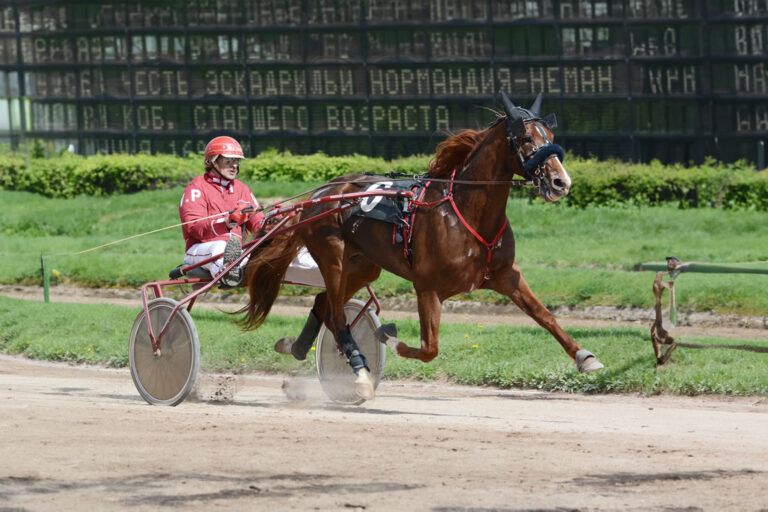
The French Trotter is a trotting horse breed developed for racing in Normandy, France. These horses are also known as Norman Trotters and Anglo-Norman Trotters. While closely related to Standardbreds, French Trotters do not pace. They are bred specifically for...
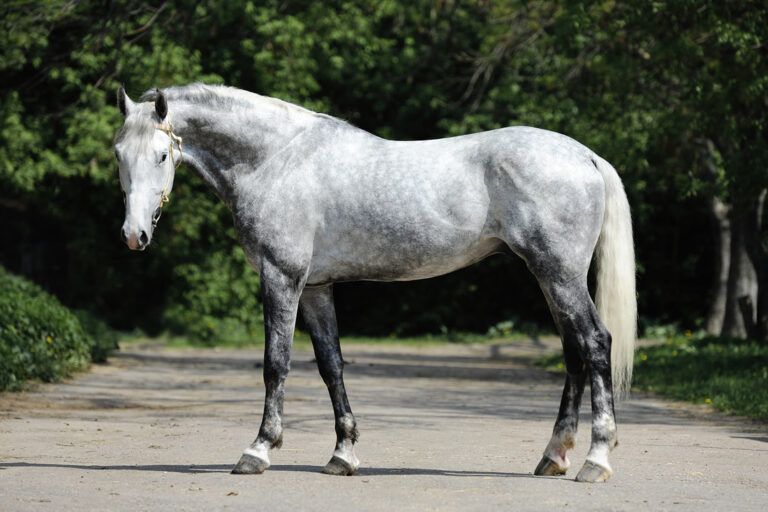
The Orlov Trotter is a rare Russian breed known for their elegant appearance, trotting ability, and noble history. Once used for harness racing throughout Russia, these horses declined in popularity after the rise of the less-refined but faster Standardbred breed....
The Missouri Fox Trotter is a popular gaited breed of horse that originated in the Ozark Mountains. Recognized as the official horse of the U.S. State of Missouri, this breed is famous for its ability to perform a smooth ambling...
Stallions have unique nutrition and behavioral needs because of their high activity level and potential to become aggressive towards herd mates and humans. Often housed alone, stallions can develop stereotypic behaviours that further complicate their management. Young colts require consistent...
Forage is the most natural and least expensive feed for horses. Feeding a forage-based diet supports natural grazing behavior and optimal gut health in horses. As such, forage should form the basis of your horse’s diet, with supplemental feeds added...
The Marwari horse is a rare, gaited breed native to Marwar, a region in Northwestern India. Marwaris are an important part of Indian culture and history, but outcrossing threatens the persistence of this noble breed. This breed profile will discuss...
The Cleveland Bay is a rare warmblood horse breed, native to England. Unlike modern warmblood breeds, which have open studbooks and significant Thoroughbred influences, the Cleveland Bay has been genetically distinct for centuries. This breed profile will review the history,...
Natural service, or live cover, is a common breeding method in the horse industry in which a stallion and mare physically mate. This method is relatively inexpensive and requires less personnel involvement than artificial insemination. Breeders can choose between pasture...
The Mustang is a feral horse breed from the Western United States, descended from equines brought to the Americas by Spanish explorers. Shaped by the rugged terrains of the western frontier, the Mustang now stands as an iconic breed, embodying...
The Canadian horse is a heritage breed from Quebec and is the official National horse of Canada. Known as the Little Iron Horse for their small stature and robust constitutions, these horses are popular recreational mounts in Canada and the...
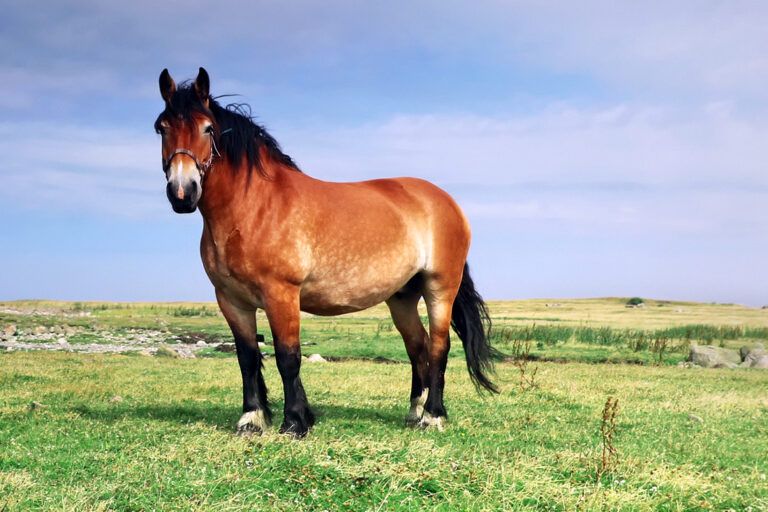
The Ardennes, or Ardennais, is one of the world's oldest and heaviest breeds of draft horses. These horses originate in the Ardennes region across France, Luxembourg, and Belgium. Modern Ardennes horses are recognizable by their massive stature. However, their heavy...
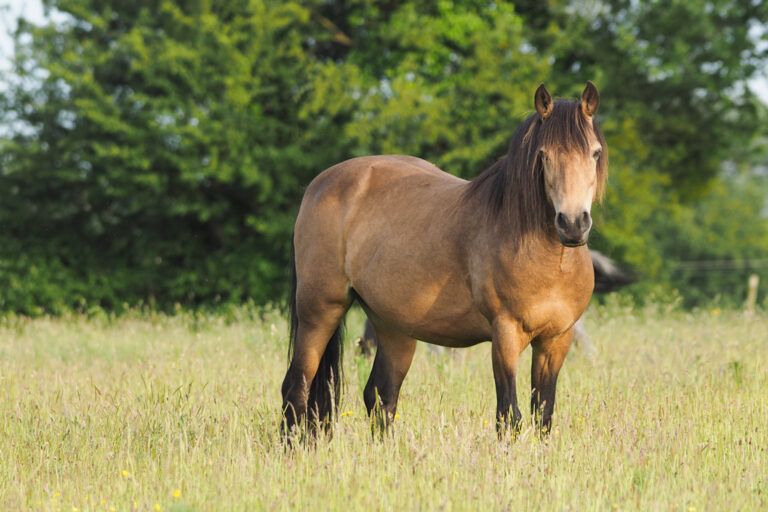
The Connemara is a large pony breed native to Ireland. Their name is derived from the Connemara region in County Galway on Ireland’s west coast, which is where they originated. Legends abound regarding the origins of these Irish ponies. Although...
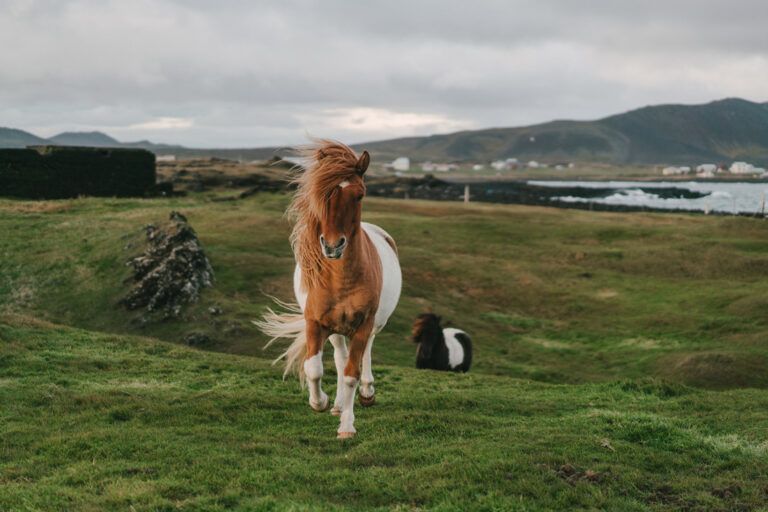
The Icelandic horse is a popular breed of small equine from Iceland that are famous for their unique tölt, a four-beat lateral gait. With over a thousand years of integration into Icelandic culture, these gaited horses are a beloved icon...
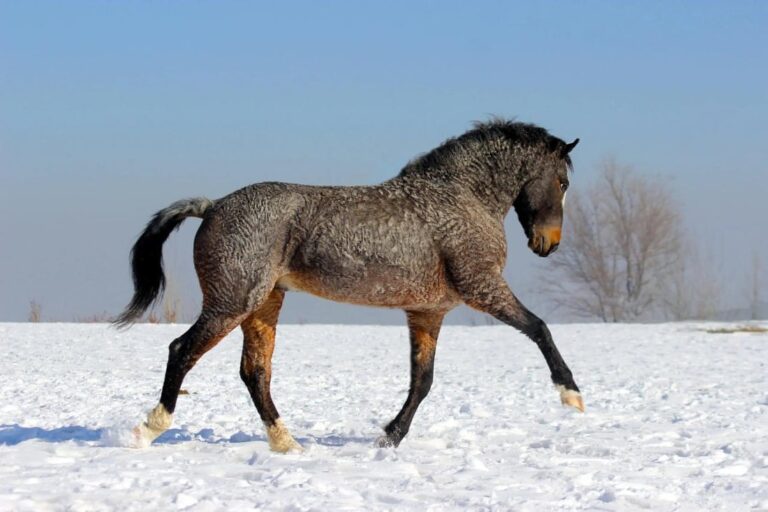
The Bashkir Curly Horse is a rare American breed with a unique coat texture and mysterious history. Also known as North American Curlies, the debate continues over the breed’s origins and its connection to curly horse populations globally. Indigenous tribes...
The Colorado Ranger is an American horse breed originating from the high plains of Colorado. Often described as the “using horse” of the high plains, Rangerbreds are versatile horses with a unique history. Colorado Ranger bloodlines trace back to horses...