Pulsed electromagnetic field (PEMF) therapy is a treatment modality for horses where a machine produces pulses of electromagnetic fields directed at a specific part of the body. Research suggests that PEMF can improve bone healing rates, regenerate and protect cartilage...
Corticosteroids are a class of medication used to treat inflammation and pain. Corticosteroid joint injections are a common treatment for arthritis in horses. When injected directly into a joint, corticosteroids produce an anti-inflammatory effect that reduces pain associated with arthritis...
Exertional Rhabdomyolysis (ER), commonly known as tying-up or azoturia, is an exercise-induced condition in horses characterized by the excessive breakdown of muscle tissue. This results in muscle spasms, pain and impaired performance following bouts of exercise. [1] In severe cases,...
Sesamoiditis in horses refers to pain and injury around the sesamoid bones, pairs of small triangular bones found at the back of the fetlock. Inflammation in this area can cause pain and changes to the bony structure of the sesamoid...
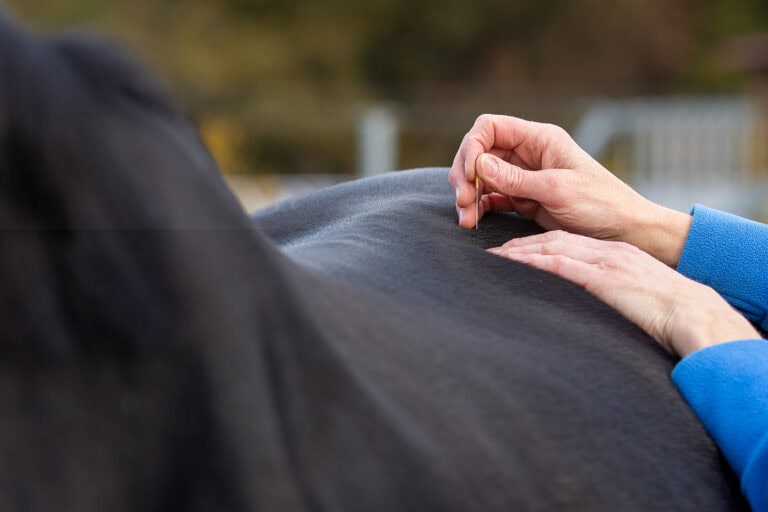
Acupuncture is a therapeutic modality that has been adapted over the centuries to suit various species, including horses. Treatment involves the insertion of fine needles into specific landmarks on the body to provide pain relief or improve function of body...
The Breton horse is a French draft breed from Bretagne, or Brittany, a province in northwest France. There are three types of Breton horses: the Postier Breton, the Central Mountain Breton, and the Heavy Draft Breton. This breed profile will...
The Appendix horse is a mixed breed produced by crossing an American Quarter Horse with a Thoroughbred. The cross is also known as an Appendix Quarter Horse. Appendix horses can become eligible for permanent registration with the American Quarter Horse...
A grade horse is any horse with unidentifiable or unknown parentage. These horses also include unregistered equines with mixed breeding. Grade horses don’t have a uniform breed type, and characteristics can vary significantly between individuals. Their lack of registered pedigrees...
The Oldenburg, or Oldenburger, is a well-known warmblood breed from Lower Saxony in Germany. Oldenburgs are famous sport horses commonly used for dressage and show jumping. This breed profile will discuss the history, characteristics, health problems, and nutritional needs of...
The Selle Francais is a sport horse breed from France, best known for their talent in the show-jumping arena. Selle Francais horses also compete at the elite level of dressage and eventing. This breed profile will discuss the history, characteristics,...
Horses are often classified into three main groups based on their temperament and physiology: hot-blooded, cold-blooded, and warm-blooded. But what do these horse types mean and what is the difference between the three?
Pinto horses are a recognized colour breed in North America. Unlike some colour breed registries, the Pinto breed organization accepts horses with diverse and undocumented ancestry. Registered Pintos are classified as miniature, pony, horse, or utility types depending on their...
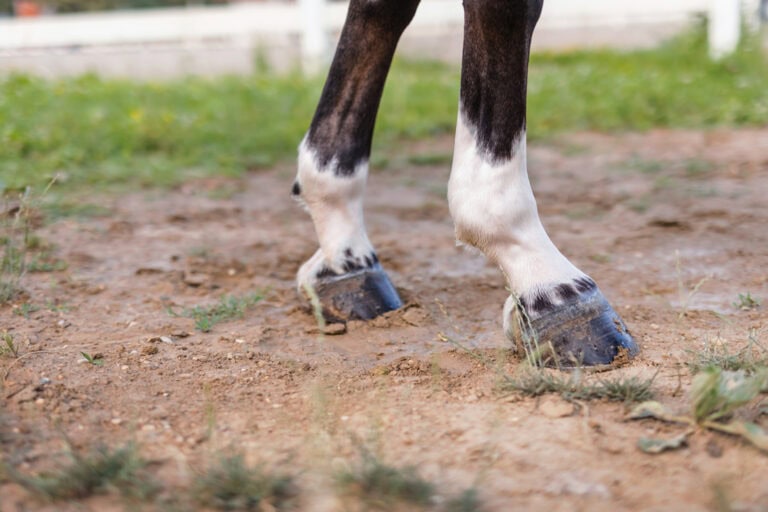
Pedal osteitis in horses is a condition characterized by inflammation and damage to the pedal (coffin) bone within the hoof. Affected horses can experience pain and lameness, which may be worse after exercise or hoof trimming. Pedal osteitis typically develops...
Canker in horses, also called equine proliferative pododermatitis is a condition that causes rapid proliferation of keratin, the main component of the hoof wall and sole. The proliferation forms long fronds of keratin, usually around the frog of the hoof.
Cobs are small draft-type horses known for their hardiness and versatility as recreational riding mounts. The cob isn’t a distinct breed. The term refers to a common body type in several popular horse breeds. This guide will discuss the history,...
The Swedish Warmblood is a sport horse breed that originated at the state studs of Sweden. While less popular than some warmbloods from mainland Europe, many Swedish Warmbloods excel at the top level of equestrian sport. This Scandinavian breed was...
Ionophore toxicosis, a severe and often fatal condition in horses, arises from the ingestion of ionophores, antibiotic compounds that are common in livestock feeds. Common ionophores in livestock feeds include monensin, lasalocid and salinomycin. These antibiotics increase growth rates in...
Atrial Fibrillation (AF) in horses is a cardiac rhythm disorder, characterized by rapid and irregular beating of the atria, the upper chambers of the heart. This condition can affect horses of any breed, age, or discipline, but it is more...
Mastitis in mares is a condition characterized by the inflammation of the mammary gland, usually due to a bacterial infection. Mastitis typically affects lactating mares, often in the period immediately after giving birth or after weaning.
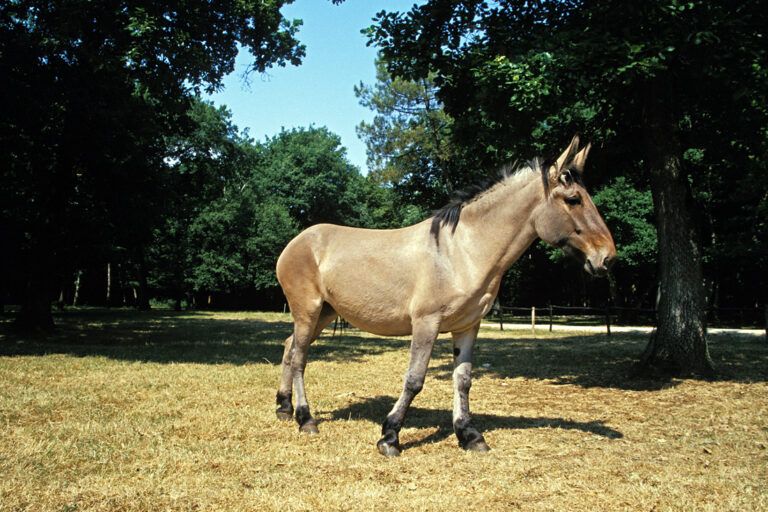
Mules are an equid hybrid produced by crossing a female horse and a male donkey. Enthusiasts claim mules combine the best of both species, offering the strength, endurance, and patience of the donkey with the speed, agility, and aesthetics of...
Anaplasmosis in horses, also known as Equine Granulocytic Anaplasmosis (EGA), is a tick-borne disease caused by the bacterium Anaplasma phagocytophilum. This condition typically affects horses in areas where the tick vectors are present, including various parts of the United States,...
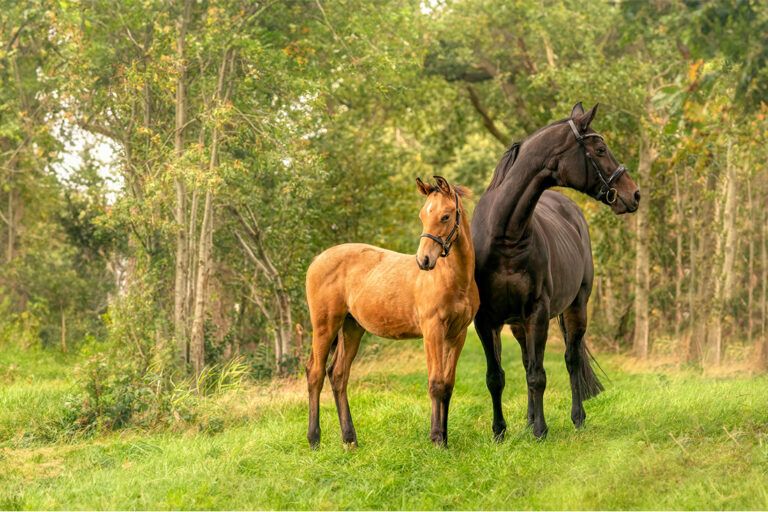
A heart murmur is an abnormal sound heard during the heartbeat, caused by blood flowing in an unusual pattern or location within the heart. It’s not uncommon for newborn foals to have heart murmurs for several days after birth, as...
Hairlessness is rare in horses. While selective breeding produced several hairless breeds in other domestic animals, no truly hairless horse breeds exist. There are anecdotal accounts of hairless horses throughout history. Some horse breeds are mistaken for hairless horses due...
There are hundreds of horse breeds found around the world, each uniquely adapted to their local environment and their role in human society. These breeds vary widely in appearance, size, and conformation, reflecting the particular conditions of their selective breeding....
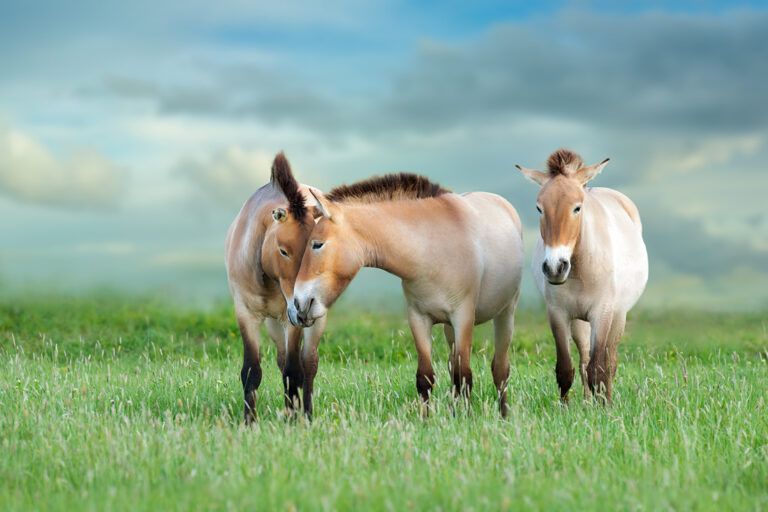
The Przewalski’s horse is an endangered equid native to the steppes of Central Asia. Named after the Russian explorer Nikolai Przewalski, who first described them in the late 19th century, these horses have a robust build, a thick, upright mane,...
Gaited horse breeds have the natural ability to perform ambling gaits not observed in other equines. While different breeds have unique gaits, most gaited horses share a common genetic mutation linked to ambling patterns of locomotion. These breeds gained popularity...
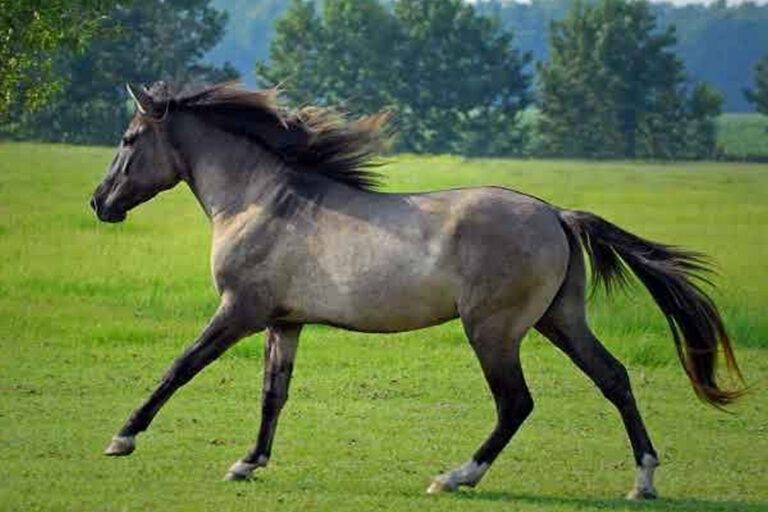
The Carolina Marsh Tacky is a critically endangered horse breed native to the low country of South Carolina. These horses belong to a group of Colonial Spanish breeds descended from Iberian horses brought to America by early Spanish explorers.
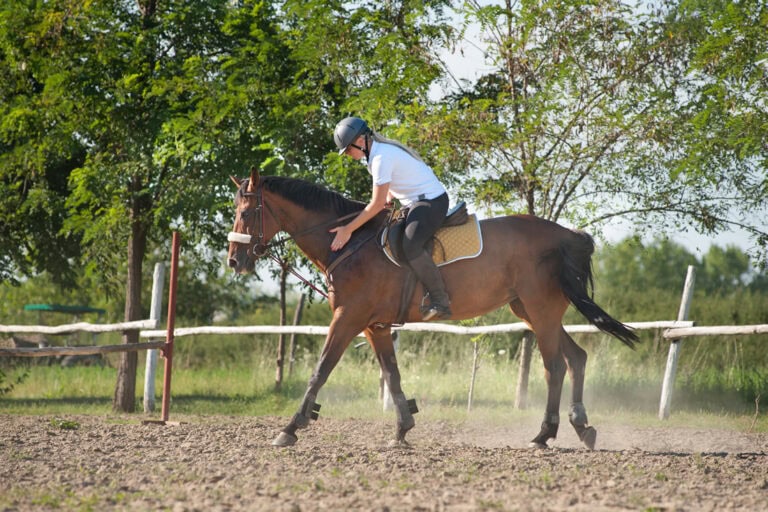
Gaits are the different patterns of locomotion that horses use to move. As quadrupeds, horses can perform more movement patterns than humans. However, not all horses move in the same way. Your horse’s natural gaits depend on his breed. Some...
Draft horses are heavy breeds originally developed as working animals. Selective breeding for size and strength produced equines that are significantly larger than most modern riding breeds. Some historians believe draft breeds descend from Medieval Europe’s famous “Great Horse.” But...
Gait abnormalities in horses can lead to compromised performance, increased risk of injury, and in some cases, may necessitate early retirement from work. These disorders often present similarly to lameness, but do not necessarily involve pain. While minor conformational faults...