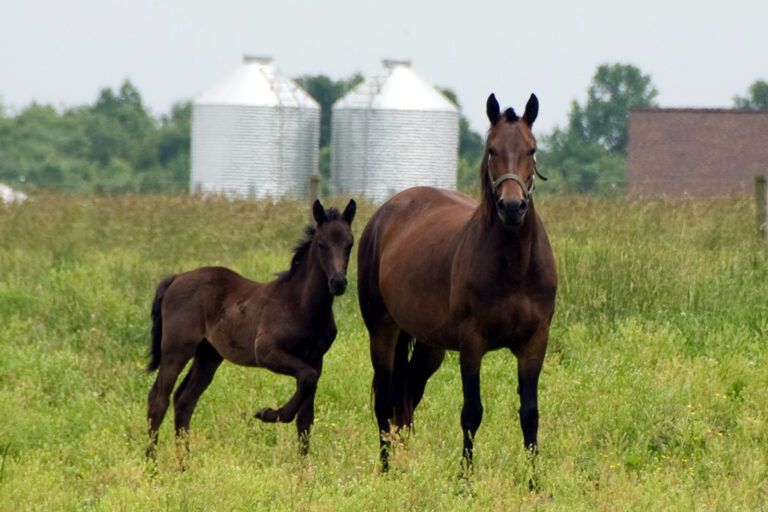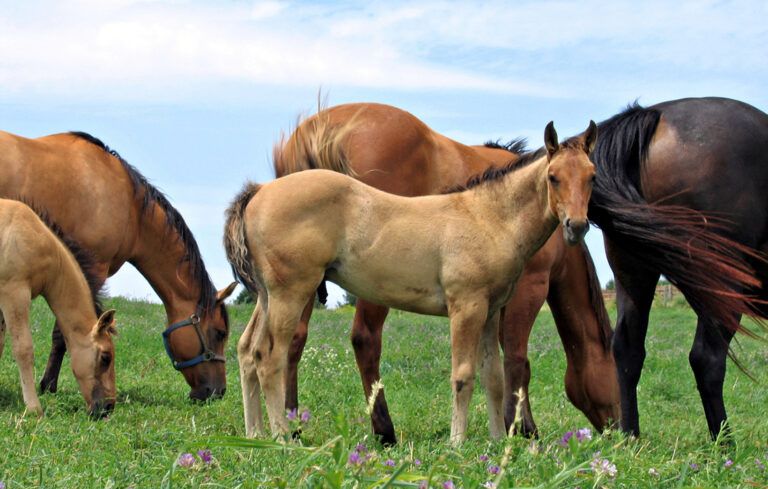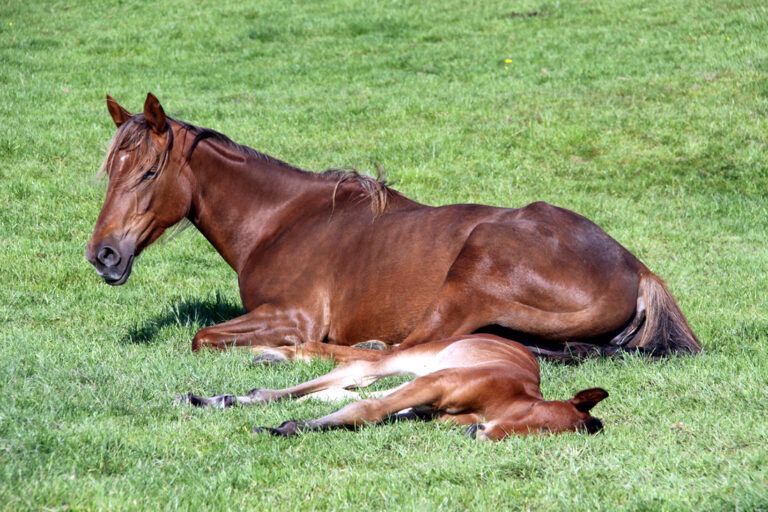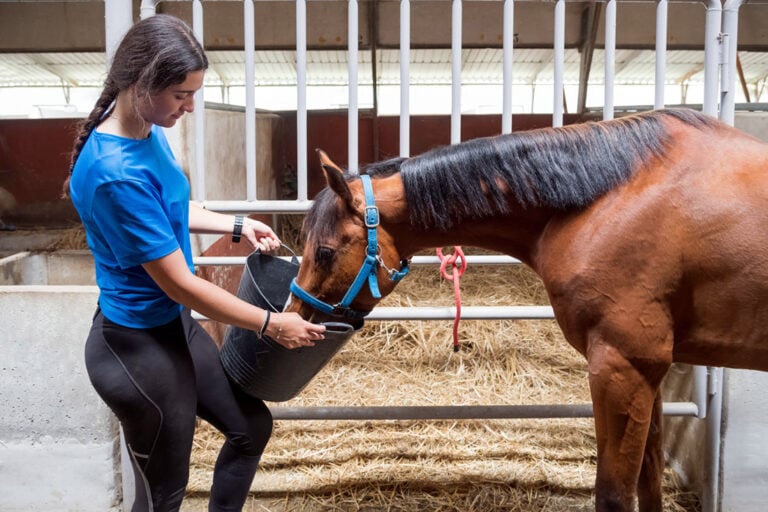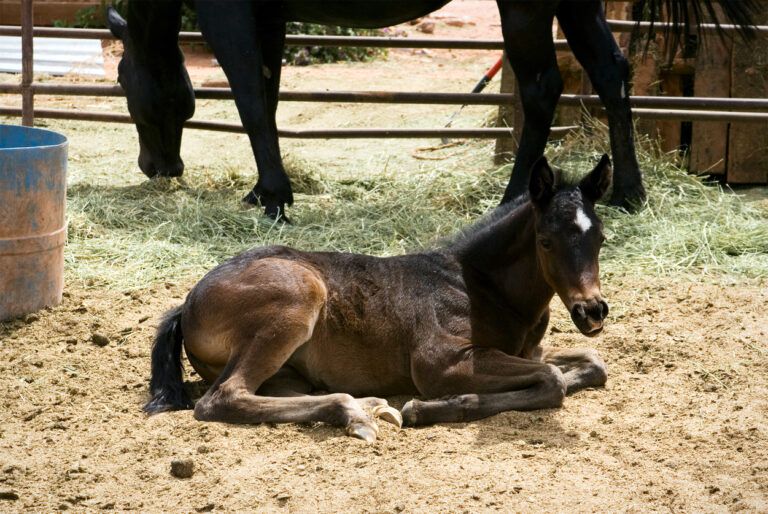
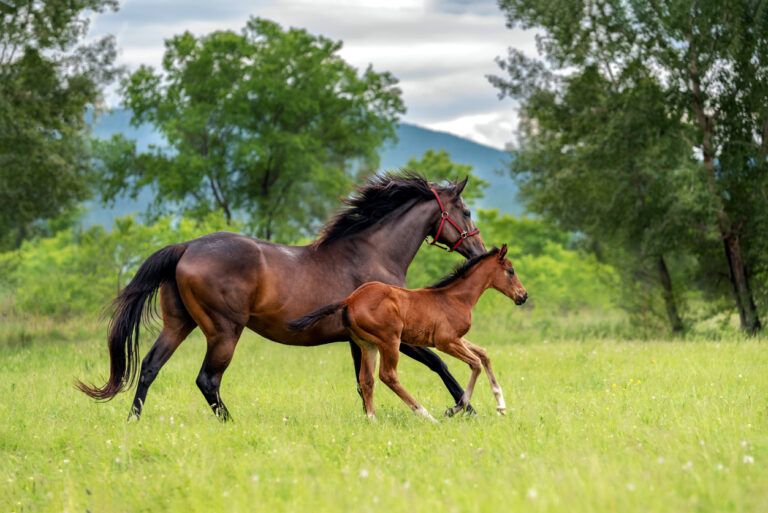
Raising a healthy foal involves working closely with your veterinarian and equine nutritionist to make sure they are maintaining proper growth and development. Foals grow quickly in the first few months after birth, reaching ~80% of their mature height and...
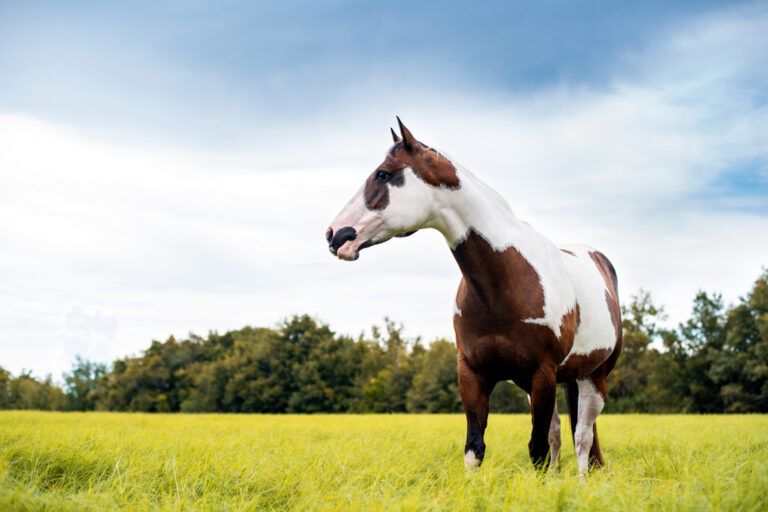
The American Paint Horse is an eye-catching breed with distinctive colouring and stock horse bloodlines. This American breed shares ancestry with the Quarter Horse, which deliberately excluded horses with pinto coat patterns from their breed registry. Paint Horses are adored...
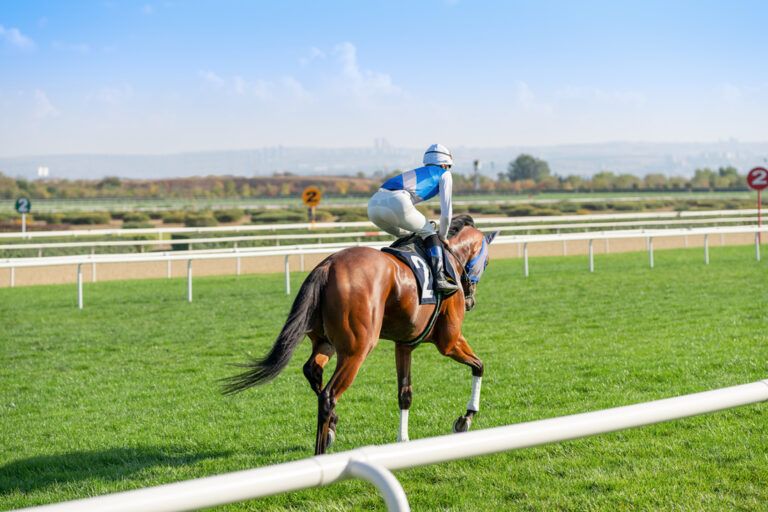
The Thoroughbred is a popular horse breed widely recognized for its speed and athleticism. Bred specifically for horse racing since the 17th century, Thoroughbreds continue to rule racetracks around the world. While the racing industry produces tens of thousands of...
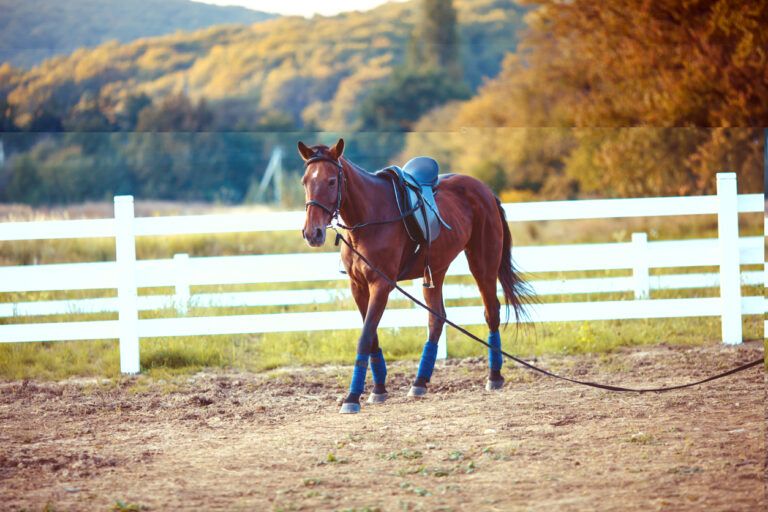
Performance horses have higher energy and protein requirements than horses at maintenance (not exercising). Formulating diets to meet the requirements of horses in work should take into account their level of work and performance goals, as well as help mitigate...
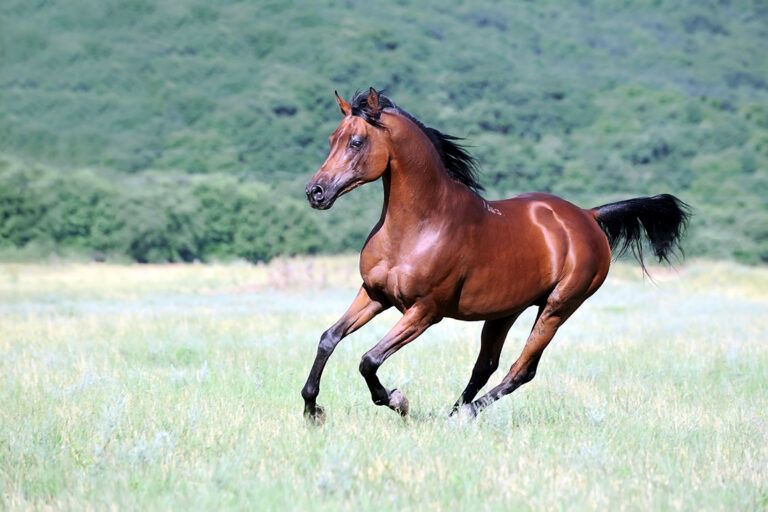
The Arabian is one of the oldest recognized horse breeds, with a history spanning thousands of years. The breed originated in the Arabian Peninsula and spread worldwide through war and trade. Today, nearly every modern breed of riding horse carries...
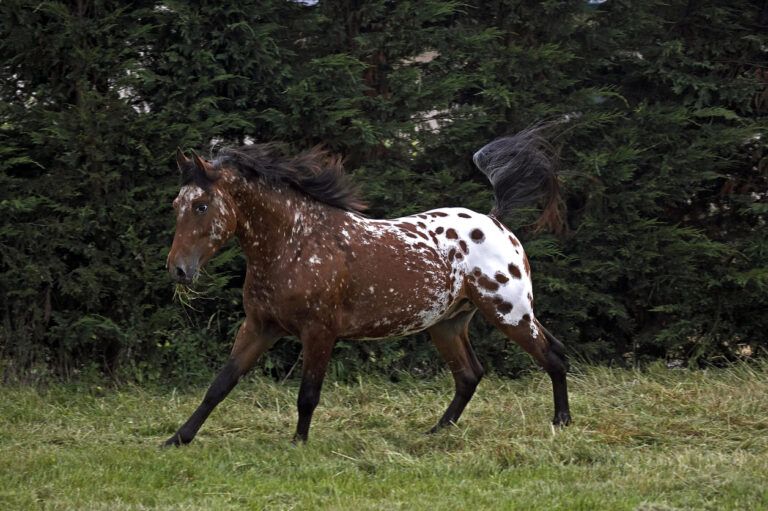
Appaloosa horses are instantly recognizable by their distinctive spotted colouring. But there's more to Appaloosas than their colourful coats. This breed's rich history and adaptable disposition make it a favourite mount for riders who want to stand out in any...
The Morgan horse is a versatile American horse breed known for excelling in a wide range of disciplines. First developed in the Northeastern United States in the 1800s, modern Morgans have long maintained a reputation as dependable companions and willing...
Strange lumps, itching, bald spots, redness, skin flaking, and scruffy patches are common signs of skin problems in horses. While most equine skin irritations don’t present serious health risks, persistent skin problems can lead to infections and could indicate allergies,...
Knowing your horse's body weight is important to determine their nutritional requirements, administer certain medications and monitor their health status. However, not all horse owners have an easy way to measure their horse’s body weight. Mature adult horses can weigh...
Forage is the single highest volume component in the equine diet. The type, quality, and maturity of the forage you feed have the greatest impact on the nutritional composition of your horse's ration. The only way to precisely assess the...
Staying up-to-date with required vaccines is important to keep your horse healthy and prevent the spread of infectious diseases. Vaccines have been developed for 14 major equine diseases, including Strangles, West Nile Virus, Equine Influenza, and Equine Herpesvirus. Some vaccines...
Modern domestic horses have very different lifestyles than their wild ancestors. While keeping horses in stalls is convenient for humans, confinement can be detrimental for animals who evolved to graze and walk throughout the day. Turning horses out to pasture...
Turning horses out on pasture is one of the best ways to encourage natural grazing behaviour. Fresh forage can be a valuable part of a balanced equine diet, but grass does not have the same nutritional value throughout the year....
The American Quarter Horse is the most popular horse breed in the world. The AQHA has registered more than 6 million Quarter horses since 1940, thanks to the breed's trademark character and versatility. As one of the oldest recognized breeds...
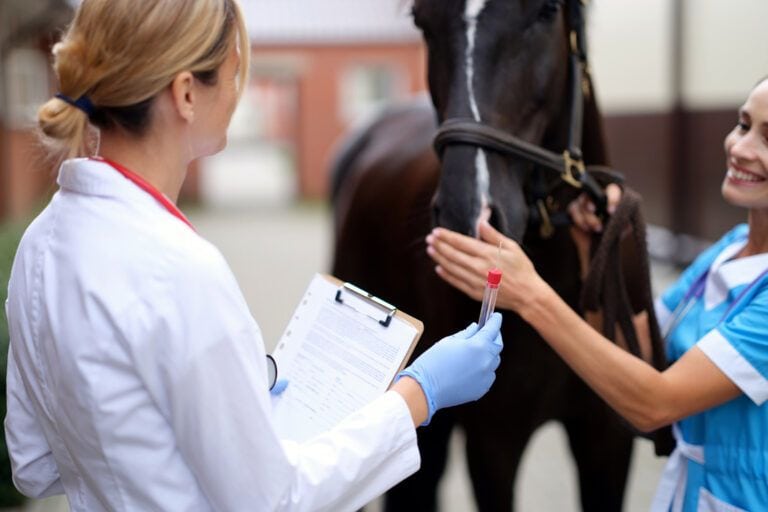
The Coggins test is a standard fixture in a routine annual equine wellness appointment. Veterinarians usually pull blood for this test when they perform spring vaccines but, some horse owners may not fully understand why. Coggins testing is often mandatory...
Alfalfa is a popular forage choice for horses and an ingredient in many equine feeds. This legume forage can be processed and preserved in many different ways to make it easier to incorporate into the diet. Alfalfa is nutrient-dense and...
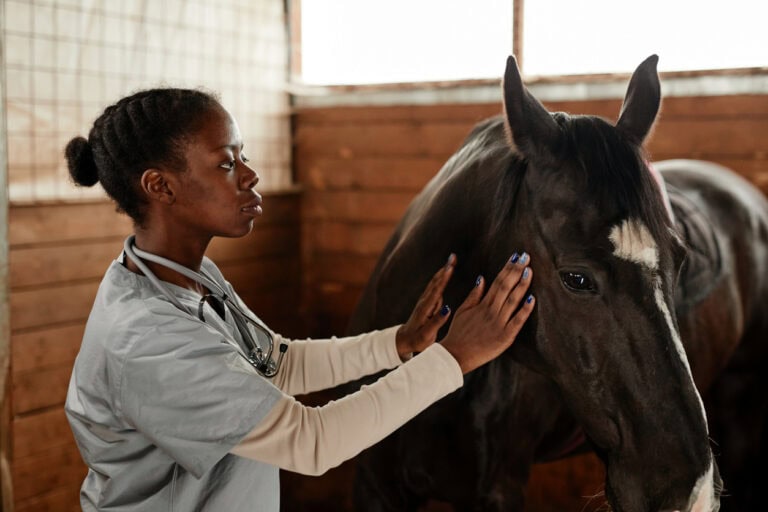
Taking care of a horse is an ongoing commitment. Even routine horse care requires significant time and resources. Horses need secure environments, adequate exercise, social companionship and a balanced diet to thrive. They also have unique digestive systems susceptible to...
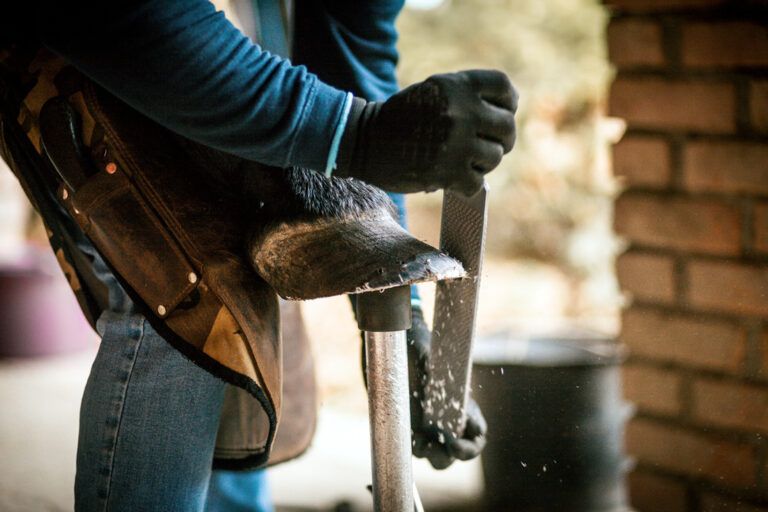
A strong hoof is the foundation of a sound horse. When it comes to proper hoof care, it's all about balance. All horses need regular farrier care, and working with an experienced farrier is one of the best investments you...
Myosin Heavy Chain Myopathy (MYHM) is a muscle disease that can affect Quarter Horses and related breeds with the associated mutation in the MYH1 gene. MYH1, also called myosin heavy chain 1, is a gene that encodes a type of...
For horse owners and barn managers, Equine Metabolic Syndrome (EMS) is a challenging condition to manage. How do you know which hays and feeds are safe and how should pasture turnout be regulated? Horses and ponies diagnosed with EMS cannot...
Flies are more than just a nuisance to horses and their owners. Without proper fly control, these insects can transmit diseases to your horse and cause skin irritations. Effective fly control for horses starts before fly season begins with environmental...
Retained fetal membranes (RFM), also referred to as retained placenta, is a condition that affects a small percentage of broodmares. RFM can lead to serious medical complications in affected mares and requires prompt treatment. Potential complications of RFM include laminitis,...
By-product ingredients are a fixture in equine diets, either as components of a complete feed or as concentrates added into the diet on their own. Although the term “by-product” may carry a negative connotation, these feeds are often high-quality, cost-effective...
The type and amount of bedding you use for horses affects more than just how long it takes you to clean his stall. Bedding adds cushion to the floor of your horse's living space, absorbs moisture, and helps control odours...
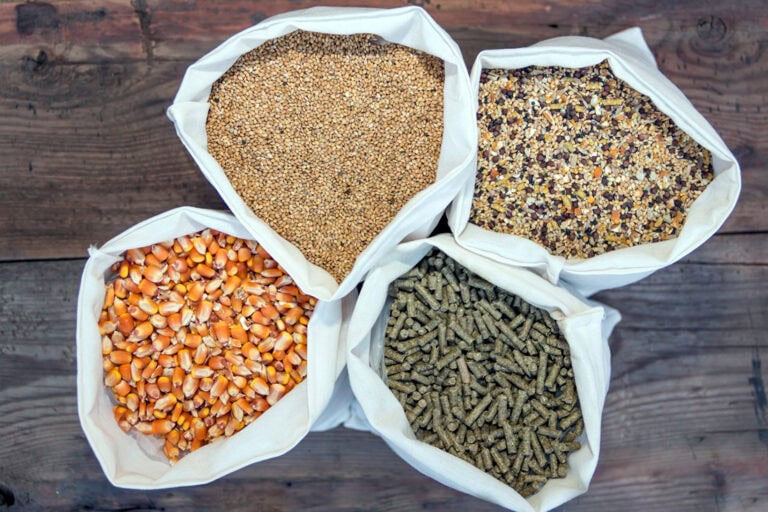
Carbohydrates are the main energy source in an equine diet. These macronutrients are naturally abundant in forages, grains and grain by-products. Carbohydrates can be categorized based on their function in the plant and how they are digested by the horse.
Myofibrillar myopathy (MFM) is a newly identified muscle disorder that causes exercise intolerance in horses. MFM is a genetic condition that results from the abnormal build-up of desmin in muscle tissue. Desmin is a protein that is important for muscle...
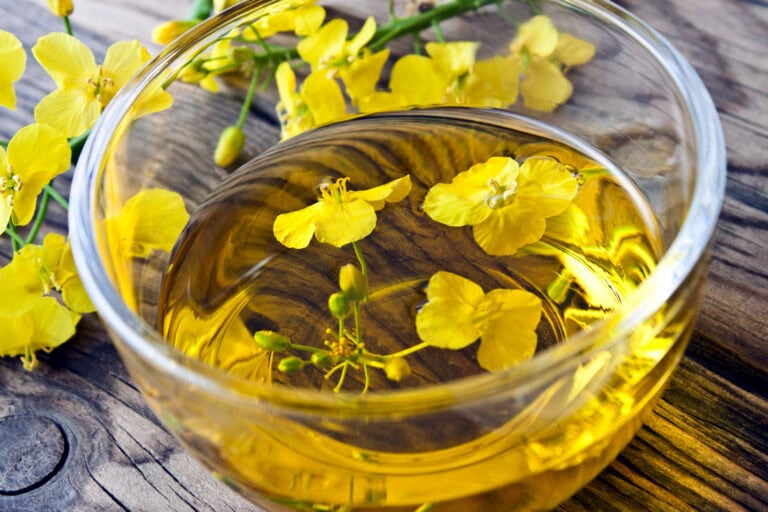
A variety of supplemental oils including camelina, flax, soy, corn, fish, and canola are commonly used in equine diets. Although every oil provides the same amount of energy, each one has a different fatty acid profile which can influence the...
Glycogen branching enzyme deficiency (GBED) is a fatal disorder caused by a gene mutation found in the Quarter Horse and Paint Horse bloodlines. GBED causes abortion in late-term pregnancies, stillbirth or severe muscle weakness and eventually death in newborn foals....
Equine grass sickness (EGS), or equine dysautonomia, is a rare and fatal disease in horses. It almost exclusively affects grazing horses kept on pasture. EGS is characterized by the development of severe lesions on the neurons of the peripheral and...

Pain is something that all horses deal with at some point in their lives. Horses can experience pain for many different reasons, including injury, illness, or a result of surgery. For example, castration is the most common surgical procedure performed...