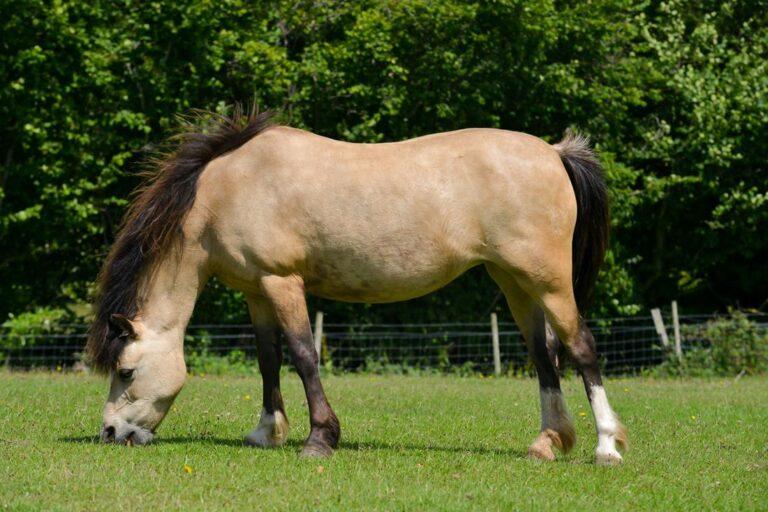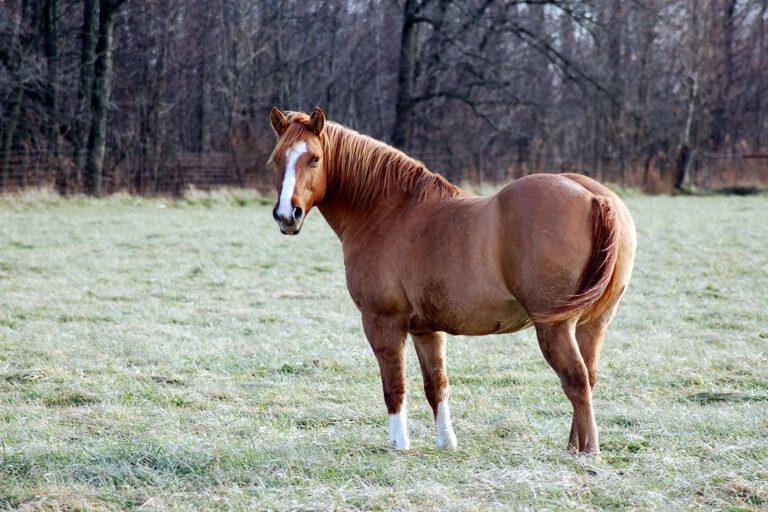
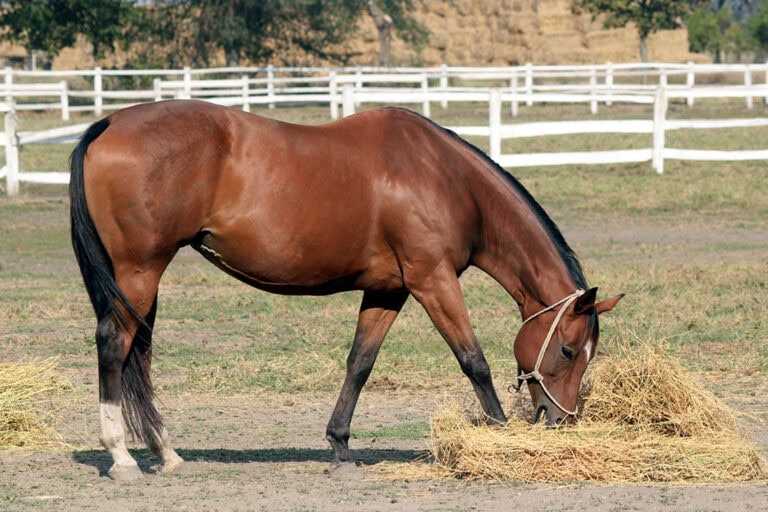
A large, round belly doesn't always mean your horse is overweight. Some horses have a hay belly that makes them appear pregnant, yet they may struggle to maintain enough body condition to cover their ribs. While multiple factors contribute to...
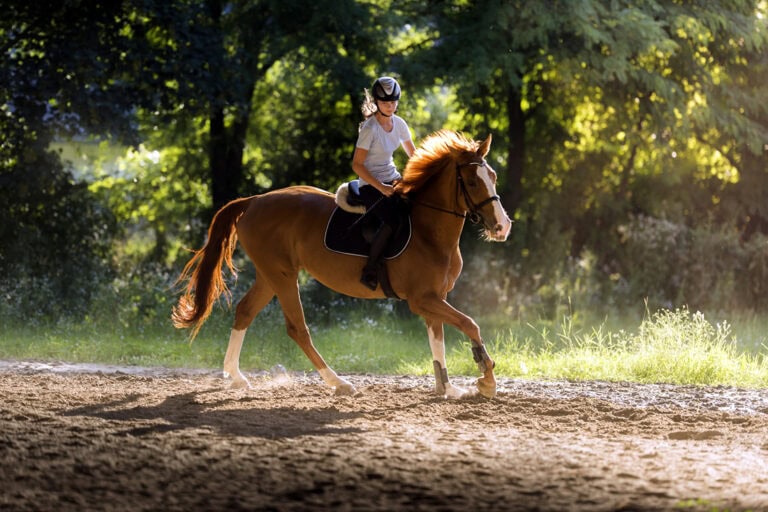
What does it mean to have a sound horse? The term 'soundness' is used by horse owners to describe how a horse moves. For example, a horse is not sound if they are limping or there is a deviation in...
Horses may not require as much sleep as humans, but quality sleep is still vital for your equine's overall health and well-being. Although horses can sleep standing up thanks to their unique stay apparatus, REM sleep is only possible when...
Fructans are a storage form of carbohydrate and a component of the non-structural carbohydrates (NSC) found in cool-season grasses, such as tall fescue, timothy, orchardgrass, and perennial ryegrass. Fructans are indigestible by horses, passing through the foregut to the hindgut...
Straw or chaff is a high-fibre low-sugar forage that is ideal for horses that are overweight or insulin-resistant. Straw adds bulk to your horse's diet without contributing significant calories or protein. Research shows that adding straw to a forage ration...
A forage-based diet is the best way to support your horse’s health and happiness, but it is not always easy to know how much hay to feed. Horses that are allowed free-choice (ad libitum) access to hay-only diets will typically...
An increasingly popular equine forage, teff grass is grown in warm geographic regions and is commonly cultivated in the Southern USA. Native to Africa, teff is a warm-season grass that is high in fibre and low in sugars and starch....
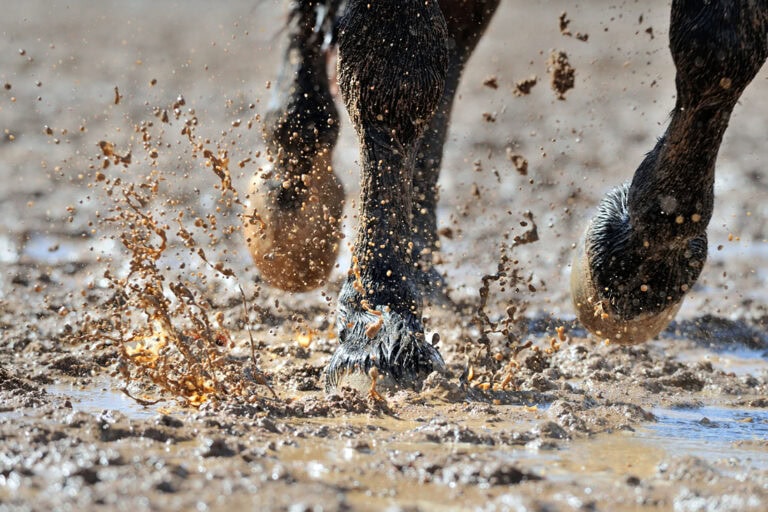
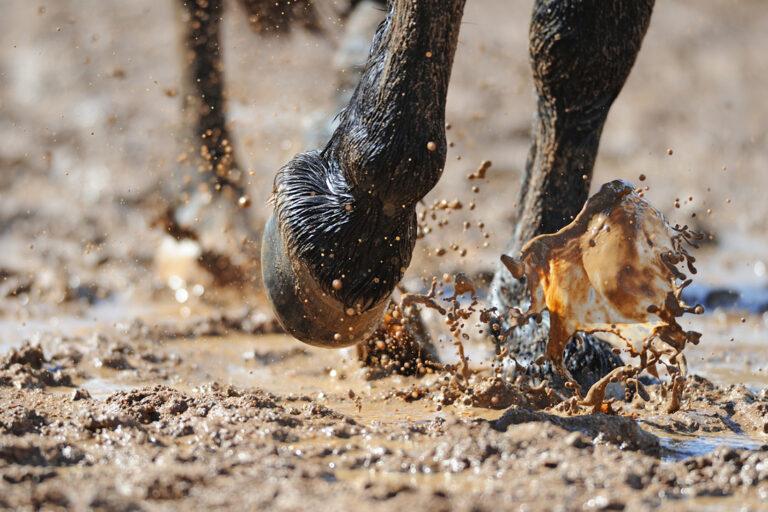
You bring your horses in from turnout only to find their legs and hooves coated in mud. You know that mud is bad for your horse, but why and what can you do about it? Hosing down a muddy horse...
In North America, it is estimated that up to 51% of horses are overweight and up to 8% are obese. Horses become overweight from a combination of factors, including insufficient activity and consuming excess calories. A horse’s energy requirements depend...
Obesity is a health concern in horses worldwide, with a prevalence estimated between 31 – 45% in some equine populations. Among ponies and easy keeper breeds, the prevalence is even higher with one study reporting that 72% of adult ponies...
Horses can experience a number of different dental issues over their lifetime, impacting their ability to chew and digest their feed. Unaddressed dental issues can affect your horse's health, condition, behaviour and performance. This is why it’s important to have...
Have you noticed changes in your horse's appetite and eating behavior? Perhaps your horse has gone off their feed or is no longer interested in eating as much forage as usual. Or maybe your horse's appetite has increased, and they...
Equine Infectious Anemia (EIA) is an infectious disease that affects horses and other equids, such as donkeys and mules. The disease is caused by an RNA virus transmitted by blood-sucking insects. Many affected horses show no clinical signs and are...
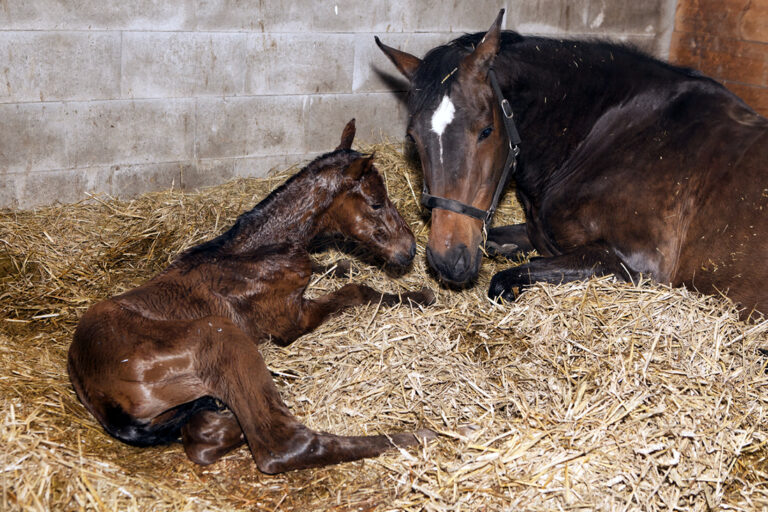
Neonatal maladjustment syndrome (NMS) - also referred to as dummy foal syndrome - is a condition that causes neurological symptoms in foals. This condition prevents the foal from performing normal behaviours, such as recognizing and feeding from the mare, standing...
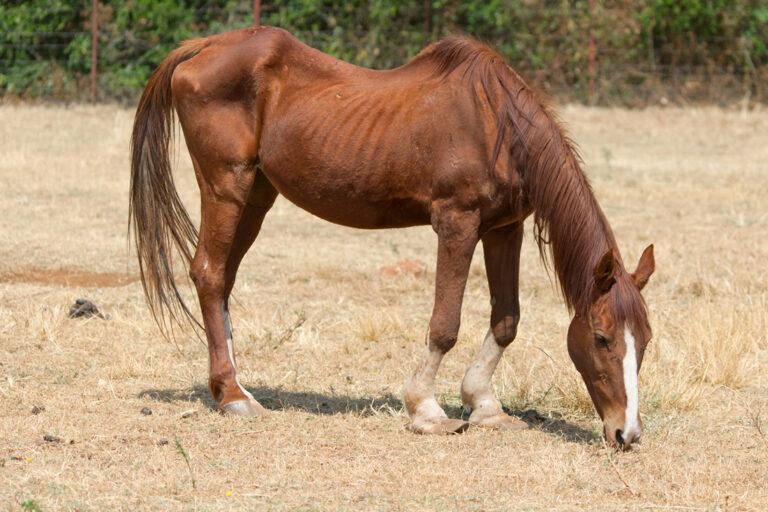
Emaciated horses have a very low body condition score with extensive loss of muscle and fat. These severely underweight horses need to be carefully managed with veterinary care and precise nutrition strategies during their recovery. Reintroducing feed must be done...
Insulin resistance (IR) in horses describes a condition in which the body fails to properly respond to the hormone insulin. Impaired insulin response is the main feature of Equine Metabolic Syndrome (EMS). Horses with EMS do not metabolize sugars properly...
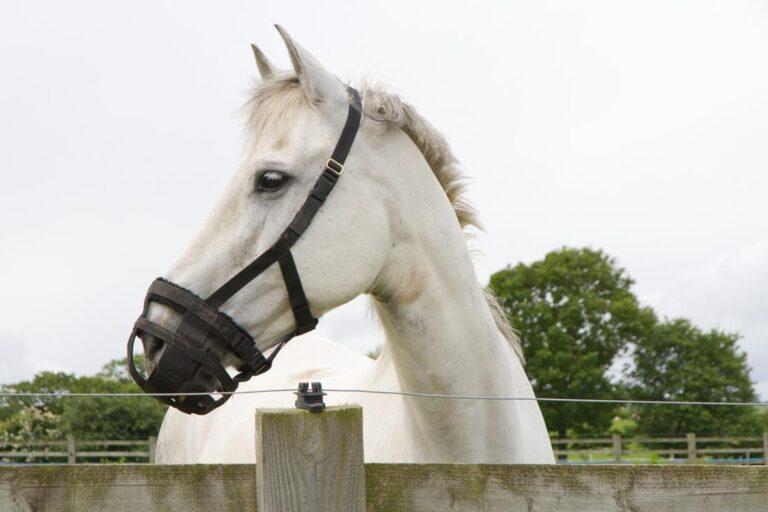
Grazing muzzles are a staple in the tack room of many pony and horse owners. These muzzles fit over the mouth and nose of a horse and restrict grass intake while allowing access to pasture. Grazing muzzles have been shown...
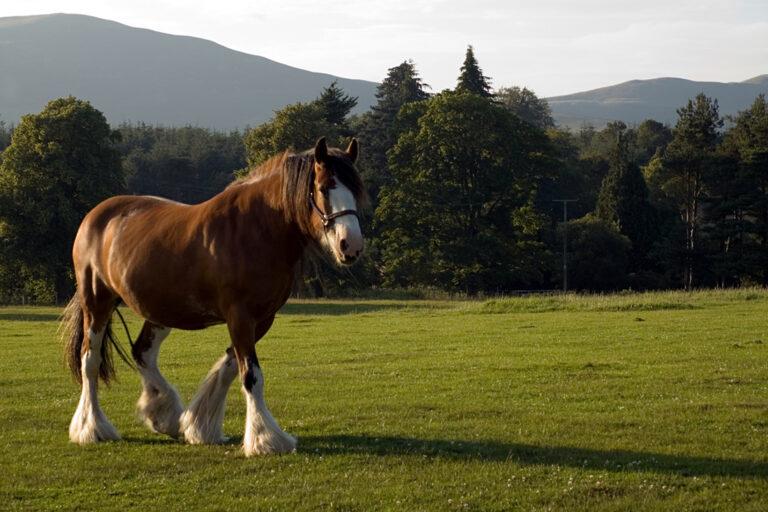
Chronic Progressive Lymphedema (CPL) is a condition that describes impaired lymph flow in the lower legs. Primarily observed in draft horse breeds, CPL causes swelling and skin inflammation on affected legs. Horses with the condition are also at risk of...
Thrush describes an infection that develops in the frog of one or more of the horse's hooves, caused by a fungal or bacterial pathogen. Fusobacterium necrophorum is the bacterium most often associated with thrush infections. Hooves with frogs that have...
To ensure you are making an educated decision, you should contact a veterinarian and book a pre-purchase examination (PPE). Pre-purchase exams shed light on current or potential health and soundness issues.
A medical condition necessitating urgent attention, equine choke refers to obstruction of the esophagus. The condition most frequently occurs due to rapid feed consumption and the subsequent lodging of feed or other matter in the esophagus.
Equine anhidrosis is a performance-limiting condition that refers to the reduced ability to sweat in horses. The condition most frequently affects horses living in hot and humid climates. Anhidrosis occurs because the sweat glands fail to function normally when body...
Lameness is a general term that refers to a horse with an abnormal gait or stance. This is a common issue that requires assessment by a veterinarian to determine the cause and best course of action. Common causes of lameness...
Sweet Itch is a common skin condition in horses that is caused by an allergic reaction to insect bites. It is also known by the names Queensland itch, summer dermatitis, insect-bite hypersensitivity, summer eczema, recurrent seasonal pruritus, and equine Culicoides...
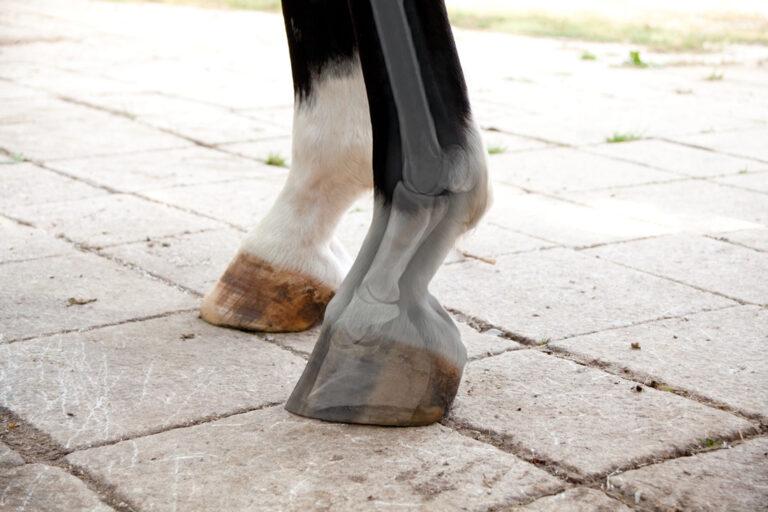
Laminitis is a common but serious condition that involves separation of the laminae, which connect the coffin bone to the horse's hoof wall. A bout of laminitis can cause mild to severe pain in affected horses and result in lasting...
Acute laminitis refers to the first few days of a laminitis episode during which clinical signs are observed. Laminitis is a painful condition that causes damage to the hoof laminae, which anchor the coffin bone to the hoof wall.
Pasture-associated laminitis (PAL) is a form of insulin-induced laminitis that can occur after horses have grazed on grasses and legumes that are high in hydrolyzable carbohydrates (HC). This condition causes pain and stretching and weakening of the laminae of the...
If your horse is showing signs of acute laminitis, they require emergency veterinary attention and prompt treatment. Laminitis affects the soft structures of the equine hoof, known as the laminae, and can cause significant pain and lameness.
One in ten horses is affected by laminitis each year. This painful condition involves inflammation of the hoof laminae, leading to varying degrees of lameness. Although laminitis affects the hooves, the condition is often initiated by dietary and metabolic factors.
If your horse is an easy keeper, sometimes it can seem like they get fat off of air. Some equine breeds are known for being more metabolically efficient than others. These horses may have metabolisms that preferentially favour fat storage....