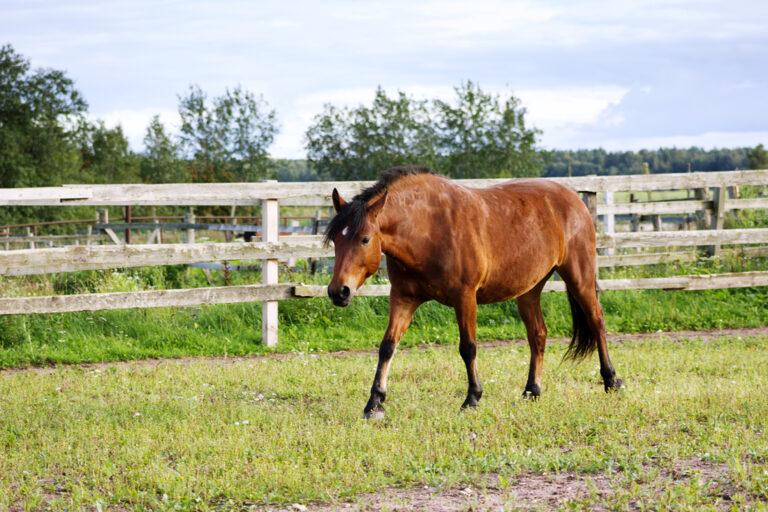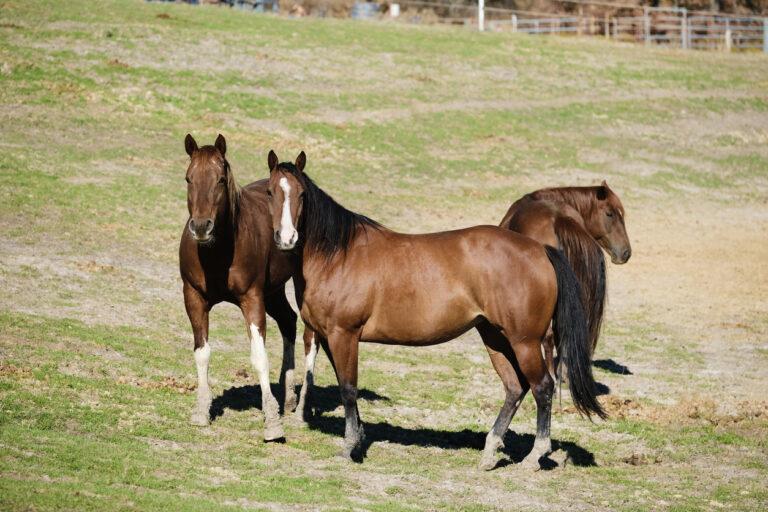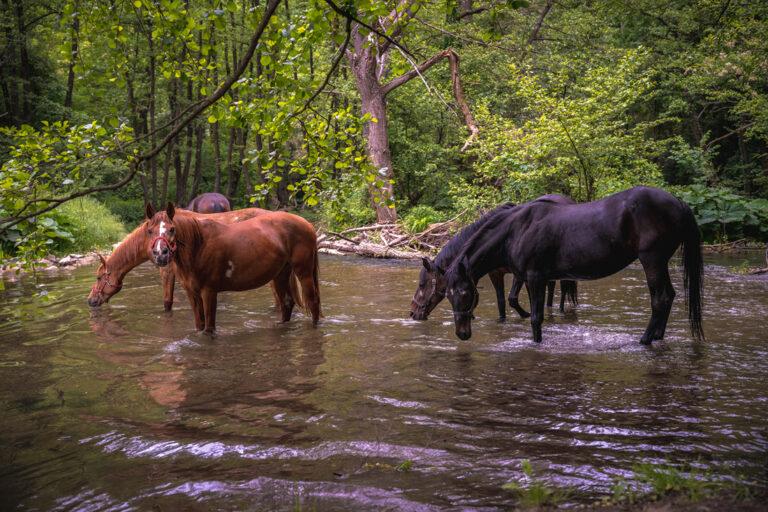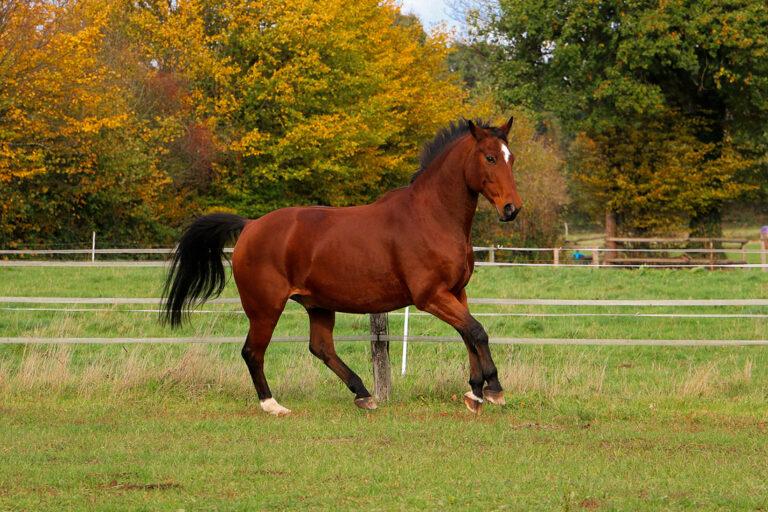

To blanket or not to blanket? In the colder winter weather, that is the question facing many horse owners. Like blankets, there is no one-size-fits-all solution. Whether you should blanket your horse depends on the individual horse and management situation....
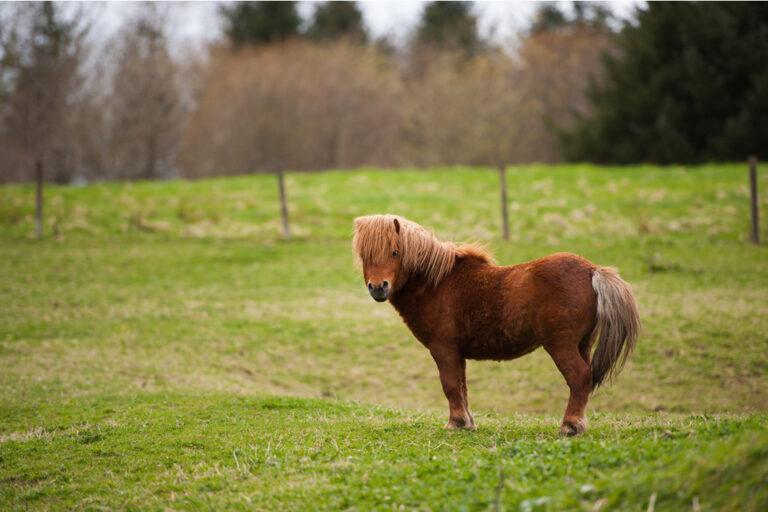
Ponies and horses have different nutritional requirements and need to be fed in different ways. The feeding program you use for your horse may not work for your pony, even if you adjust feeding rates to match body weight. Ponies...
Iodine is an essential trace mineral required by horses and all mammals. It is used to make thyroid hormones that control metabolism in all cells of the body. Forages and grains are typically low in iodine because most soils have...
What are the advantages of steaming or soaking hay before you feed it to your horse? There are pros and cons for each method of preparing hay. Both steaming and soaking are beneficial for reducing dust in hay.
If you have a horse prone to laminitis, deciding what to feed can be stressful. Feeding a diet that is too rich in sugars can make things worse for your horse and lead to flare-ups. But there are some simple...
Winter laminitis is a circulatory condition that causes sore hooves in horses exposed to cold temperatures. Horses affected by winter laminitis have impaired circulation within their hooves, leading to pain and inflammation in the laminae.
Veterinarians report that they are treating more horses for hyperlipidemia, potentially as a result of modern sedentary lifestyles and the feeding of high-carbohydrate diets. This life-threatening condition commonly occurs in ponies, miniature horses, and donkeys with insulin resistance.
In the last year, over six thousand horse owners from all over North America used Mad Barn to analyze their horses' diets. We looked at diets for weanlings, broodmares, pasture pets, prize-winning racehorses, the odd mule, and everything in between....
Equine metabolic syndrome (EMS) is a condition that affects how horses metabolize sugars from the diet and use them for energy. It involves an inability to properly respond to the hormone insulin, similar to Type 2 diabetes in humans.
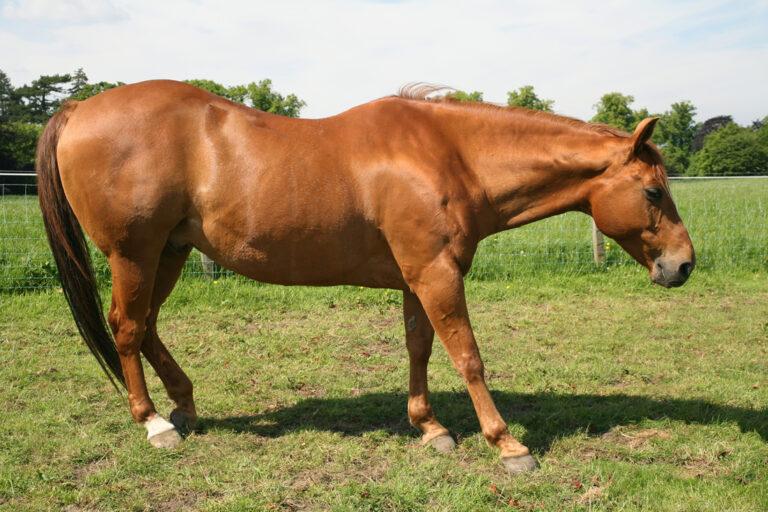
Hot hooves, a sawhorse stance, severe lameness; these are all signs of laminitis - one of the most dreaded equine conditions for good reason. In severe instances, laminitis can lead to euthanasia of the horse. Laminitis occurs when there is...
Pituitary Pars Intermedia Dysfunction (PPID) is an endocrine-related disease that commonly affects older horses of all breeds. Twenty percent of senior horses, ponies, and donkeys are believed to have PPID. The condition results in an overproduction of pituitary hormones, causing...
An overabundance of fat along the top of the neckline, otherwise known as cresty neck, is an indicator of metabolic problems in your horse. In fact, researchers believe this type of regional fat deposit (nuchal crest adiposity) is a strong...
A healthy equine gastrointestinal microbiome contains a diverse range of beneficial microbes that support digestion, immune function and nutrient synthesis. Because horses are hindgut fermenters, a healthy microbiome is essential for overall wellness. Dysbiosis is defined as a microbial population...
What do you need to know to properly care for and feed your horse in the cold winter months? Horses are very adaptable to a wide range of temperatures and are well-suited to living in cold climates. However, you may...
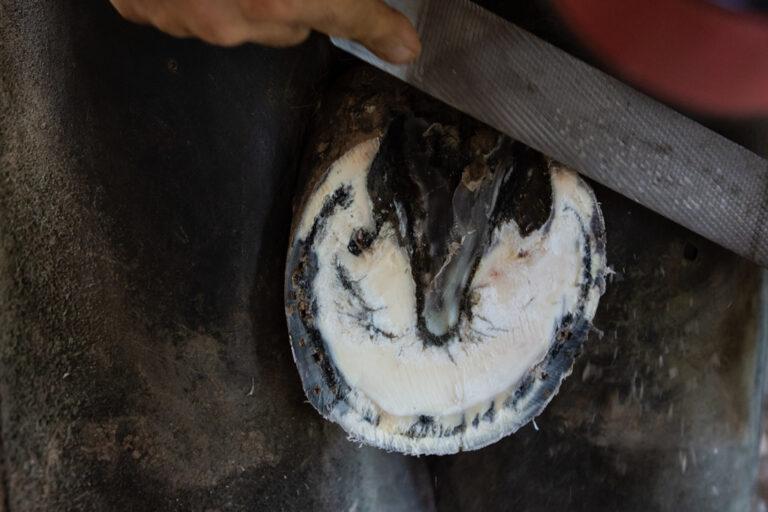
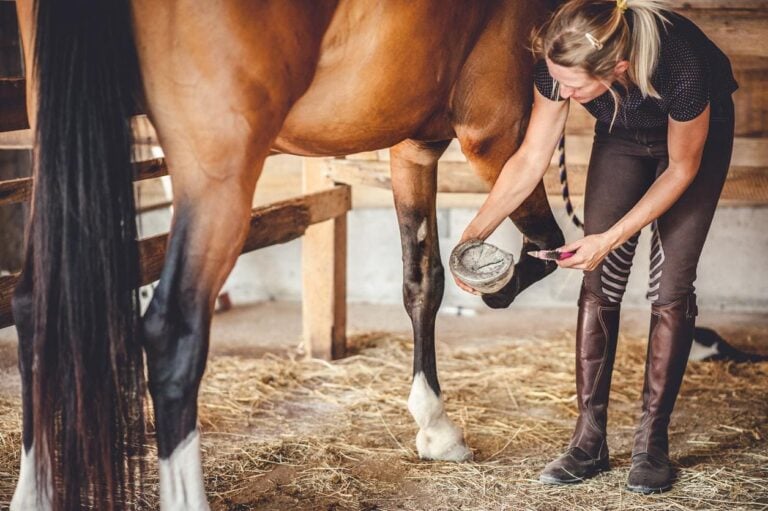
Keeping horses barefoot is gaining in popularity because of the benefits in hoof health and movement it can provide some horses. Barefoot hoof trimming is designed to maximize the biomechanical efficiency of hoof function. It is favoured among horse owners...
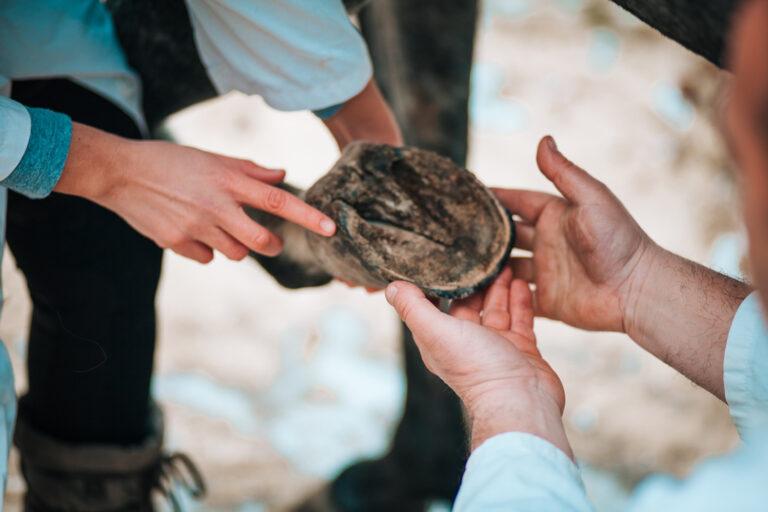
Equine hoof problems are a major source of concern for horse owners. Hoof issues can lead to lameness and unsoundness, causing discomfort for the horse and potentially leading to early retirement. In one study, 85% of horses were observed to...
Painful hoof abscesses in horses develop when bacterial and fungal organisms enter the hoof structure through a wound or opening and cause infection in the inner tissues. The invading microorganisms and the ensuing immune response generate purulent exudate (pus) which...
Founder is a common cause of lameness in horses. It involves damage to the laminar connection between the hoof wall and the coffin bone. This often leads to rotation and/or sinking of the coffin bone which causes severe pain and...
Leaky gut is a digestive issue is horses that occurs as a component of a broader gut health issue such as dysbiosis, inflammatory bowel disease, or gastric ulcers. It is said that 70% of the horse’s immune system resides in...
While line disease is a hoof condition that can lead to pain and lameness. This condition affects the equine hoof wall in one or more hooves at a time. White line disease originates as a separation between adjacent layers in...
Hyperkalemic periodic paralysis (HYPP) is a genetic condition in horses that affects how their muscles function and respond to signals from the nervous system. These horses have high levels of potassium in the blood and should be fed low potassium...
Potomac Horse Fever (PHF) is a bacterial disease that can result in severe colic, diarrhea, inflammation, depression and laminitis. In serious cases, it can be fatal to the horse. PHF is caused by infection with Neorickettsia risticii and typically affects...
Equine polysaccharide storage myopathy (PSSM or EPSM) is a genetic condition in horses that affects how muscle cells partition, generate, and store energy. This can lead to exercise intolerance, stiffness, and an abnormal gait in your horse. After diagnosis, owners...
Adequate mineral intake in your horse’s diet is essential for overall well-being and function. Minerals play important roles in supporting tissue structure, enzyme reactions, energy metabolism, and maintaining electrolyte balance. Mineral deficiencies can contribute to poor hoof and coat quality,...
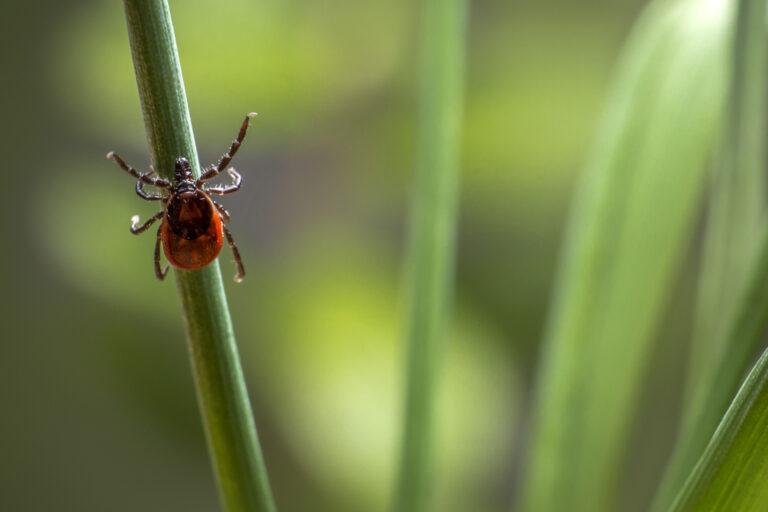
Equine Lyme disease is a growing concern for horses in North America, especially during the summer months when tick bites are more common. Lyme disease is primarily caused by infection with Borrelia burgdorferi, a bacteria that is carried by ixodid,...
Diarrhea is a common problem in horses as it can be a result of many different causes. It is typically a sign of of disrupted function or motility of the hindgut, including dysbiosis or infection. Diarrhea is defined as the...
Body condition and body weight are two very important metrics for understanding and measuring the health of your horse. Both can be assessed easily and without any expensive equipment. Body weight alone gives us very little insight into how much...
Dealing with a horse that has diarrhea requires careful attention to their feeding plan and to their daily management. In some cases, diarrhea is a temporary annoyance that resolves itself with minimal intervention. Chronic cases in which diarrhea persists for...
Diarrhea can affect horses of all ages, breeds and sizes, resulting in dehydration, weight loss, poor nutrient absorption or electrolyte imbalance. Diarrhea is described as the increased excretion of liquid or semi-solid feces. Cases of equine diarrhea can range in...
How do you select the right hay to feed your horse? Certain hays are better depending on your horse’s activity level, health status and nutritional needs. Horses evolved as grazing animals that survive by eating large volumes of fibrous plants....