
Liver health is paramount to the overall well-being and performance of horses. It is one of the largest and most vital organs in the equine body. This organ plays a crucial role in numerous physiological processes including metabolism, digestion, detoxification,...
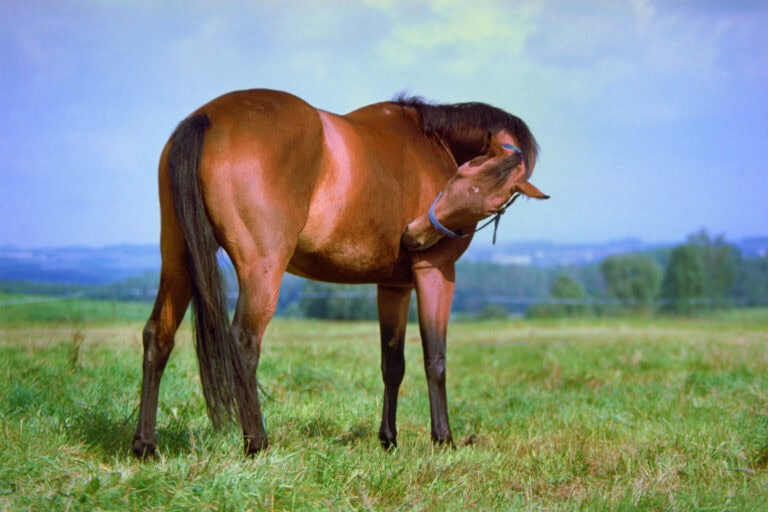
Mange is a skin and coat condition in horses caused by microscopic parasites called mites. Although mange is not common in horses, specific conditions can lead to a mite infestation that can spread rapidly between horses in direct contact. Mange...
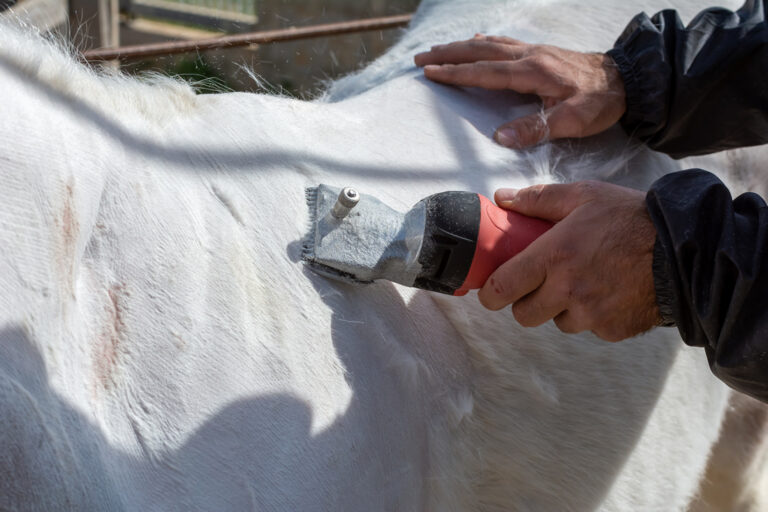
Clipping a horse’s coat is often messy and time-consuming. It can also be stressful for both horses and humans. With the right approach, clipping your horse doesn't have to be a dreaded chore. Clipping offers numerous benefits, particularly for horses...
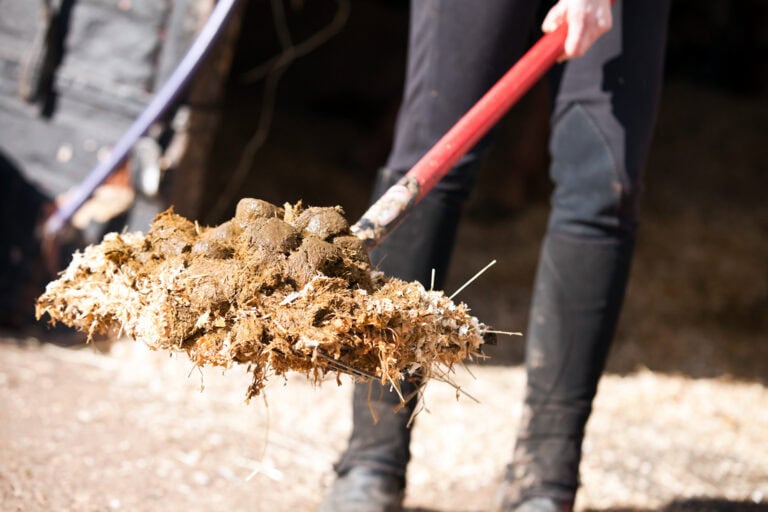
Managing manure is an inevitable aspect of equine stable maintenance and requires careful consideration. A successful manure management program will depend on multiple factors including the number of horses at the location, the amount of available land, and the stable/facility...
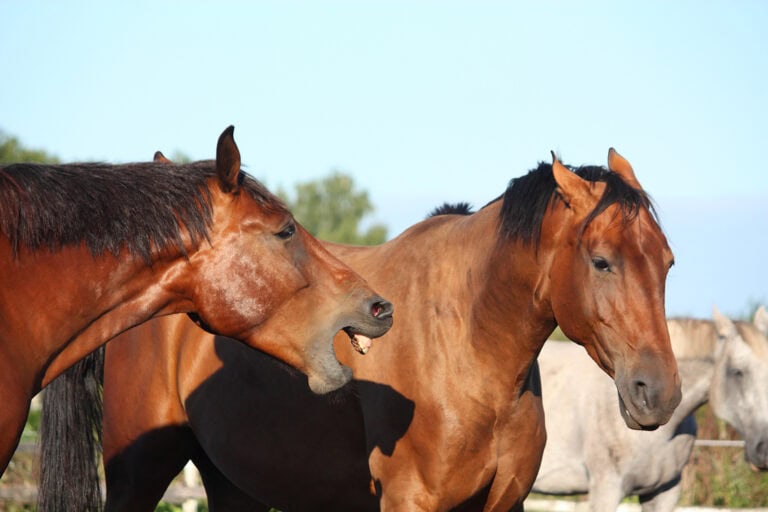
Moodiness in mares has long been a topic of discussion among horse owners, often leading to misconceptions about their behavior. Scientific research has shed light on the true causes behind moody mare behavior, debunking several myths and providing insights into...
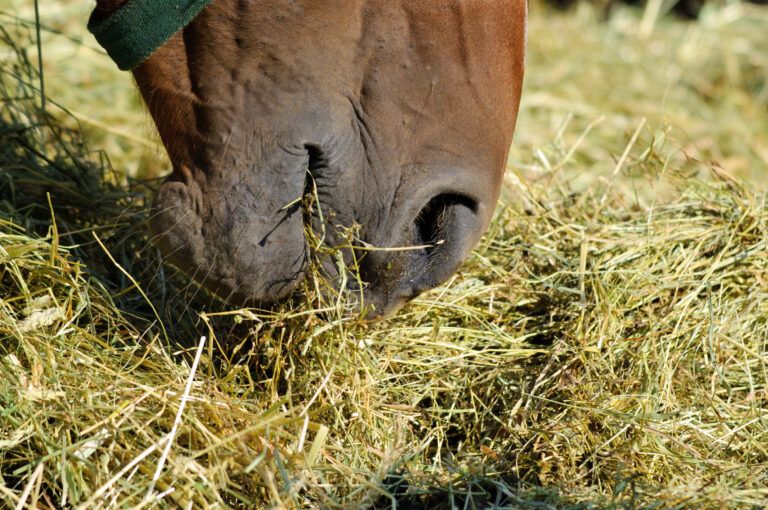
The ability to properly chew and grind food is essential for nutrient digestion and absorption. Dysmastication is a condition involving impaired chewing- also known as mastication. Horses that are unable to chew properly may experience a cascade of problems affecting...
Donor colostrum ensures that a foal receives necessary immune support, even if colostrum is insufficient or unavailable from its mother. Breeders can collect and store their own donor colostrum or use the services of a colostrum bank.
Windpuffs develop due to the accumulation of fluid within the digital sheath, which envelops and protects both the Deep Digital Flexor Tendon (DDFT) and the Superficial Digital Flexor Tendon (SDFT). Although windpuffs are not typically associated with lameness or soreness,...
Antioxidants are important nutrients for horses that help to combat oxidative stress, maintain overall health, and support performance. They work by neutralizing harmful molecules known as free radicals within the body. Free radicals are highly reactive molecules with an electrical...
Moving a horse to a new barn or facility requires careful planning and consideration. Horses are sensitive animals and are prone to experiencing stress when relocating to a new environment or joining a new herd. This puts them at risk...
Proud flesh, also known as granulation tissue, is a type of healing tissue in horses that forms naturally as part of the wound repair process. This tissue aids in wound healing by closing the gap between exposed soft tissue and...
Whey protein is a cost-effective, high-quality protein source that is safe to feed to horses. Whey is a common ingredient in commercial horse feeds and is also available as a standalone supplement. Whey protein is considered a complete protein source...
Also referred to as ascorbic acid, vitamin C is an important water-soluble vitamin for horses. It works together with vitamin E and selenium to provide antioxidant protection against cell damage. Vitamin C has additional roles in the equine body including...
Horses are single stomach (monogastric) herbivores that evolved to graze on fiber-rich roughage. Their unique digestive system consists of a foregut and hindgut, each with different functions for breaking down feed and absorbing nutrients. The stomach and small intestines, which...
Feeding horses with pituitary pars intermedia dysfunction (PPID), previously referred to as Equine Cushing’s disease, can be a challenge. Horses affected by PPID are typically older and may have other health issues including equine metabolic syndrome (EMS). This condition can...
Narcolepsy is a neurological and rapid eye movement (REM) sleep disorder. It involves the sudden onset of sleep during the daytime. The condition occurs chronically and throughout life in affected horses unless treatment is provided. Two types of narcolepsies are...
Hypothyroidism refers to inadequate production of thyroid hormones, primarily thyroxine and (T4) and triiodothyronine (T3). These hormones are produced by the thyroid gland and play a role in regulating your horse's metabolism. Hypothyroidism most commonly occurs in neonatal foals and...
Pituitary Pars Intermedia Dysfunction (PPID), previously referred to as Cushing’s Disease, is an endocrine-related disease that affects approximately 20-25% of senior horses, ponies, and donkeys. Signs of PPID in horses include abnormal hair coats, muscle atrophy, loss of topline, poor performance, regional...
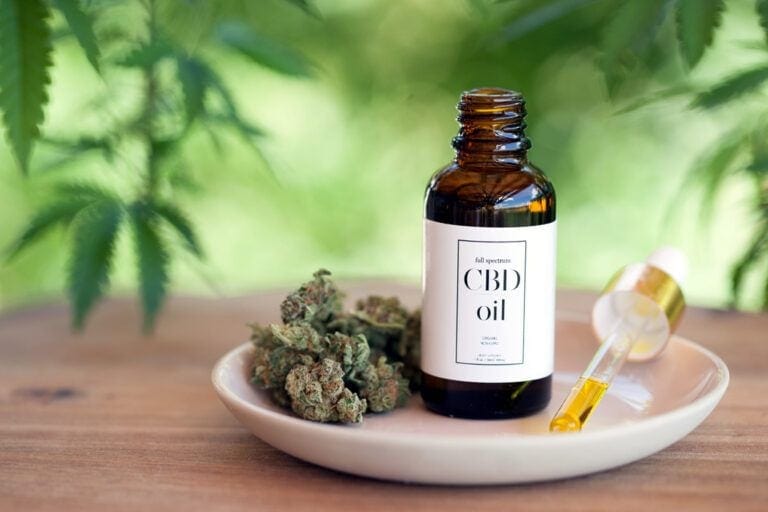
In recent years, cannabidiol (CBD) has gained popularity as a natural remedy for some equine medical conditions. Currently, research into the effects of CBD on horses is very limited, and many reports of its purported benefits are anecdotal. Cannabidiol is...
Alopecia or hair loss in horses can occur for several different reasons and may be temporary or permanent. Alopecia refers to the partial or complete absence of hair that occurs in any area of the body where hair is normally...
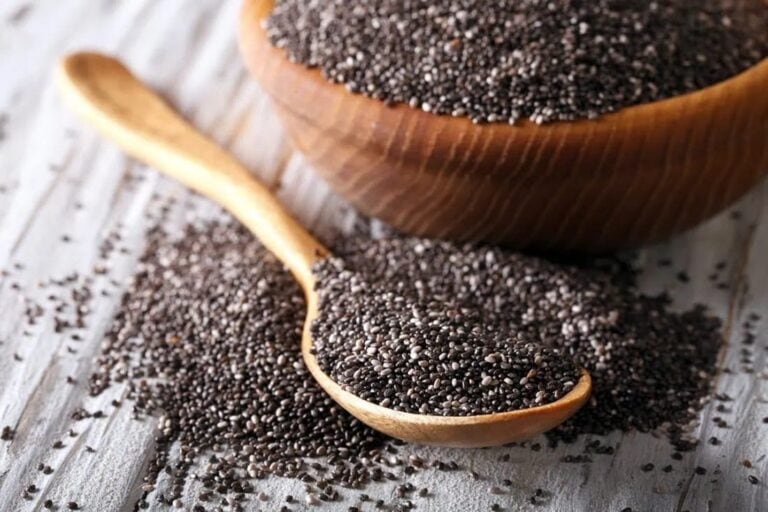
Chia seeds are derived from the Salvia hispanica plant and are fed to horses to support gut health and provide nutrients. A member of the mint family, chia has been cultivated for over 5,000 years in Central America. The seeds...
Myosin Heavy Chain Myopathy (MYHM) is a muscle disease that can affect Quarter Horses and related breeds with the associated mutation in the MYH1 gene. MYH1, also called myosin heavy chain 1, is a gene that encodes a type of...
Weaning foals refers to separating the foal from their mother so they no longer consume milk by nursing. Once weaned, foals must obtain nutrients from forage and other feeds. Domesticated foals are typically weaned four to seven months after birth....
Retained fetal membranes (RFM), also referred to as retained placenta, is a condition that affects a small percentage of broodmares. RFM can lead to serious medical complications in affected mares and requires prompt treatment. Potential complications of RFM include laminitis,...
Preparing your broodmare for breeding and pregnancy requires careful planning to ensure she is in optimal condition to carry and deliver a healthy foal. A Breeding Soundness Exam (BSE) provides a health assessment of mares being considered for breeding. Some...
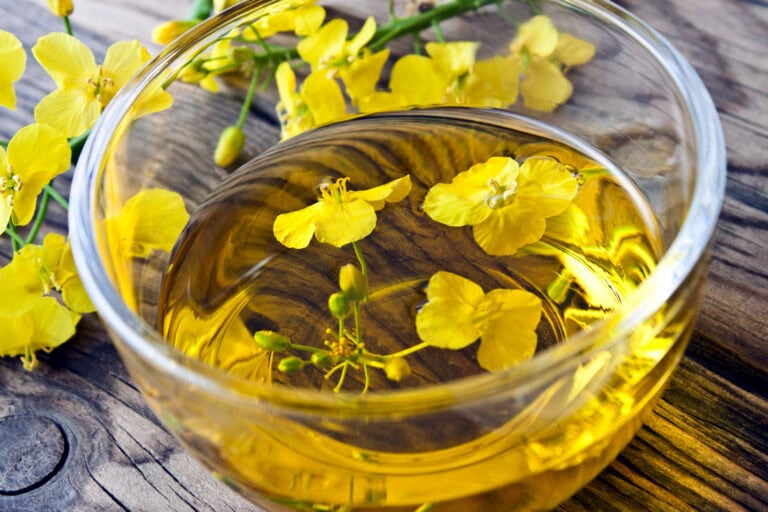
A variety of supplemental oils including camelina, flax, soy, corn, fish, and canola are commonly used in equine diets. Although every oil provides the same amount of energy, each one has a different fatty acid profile which can influence the...
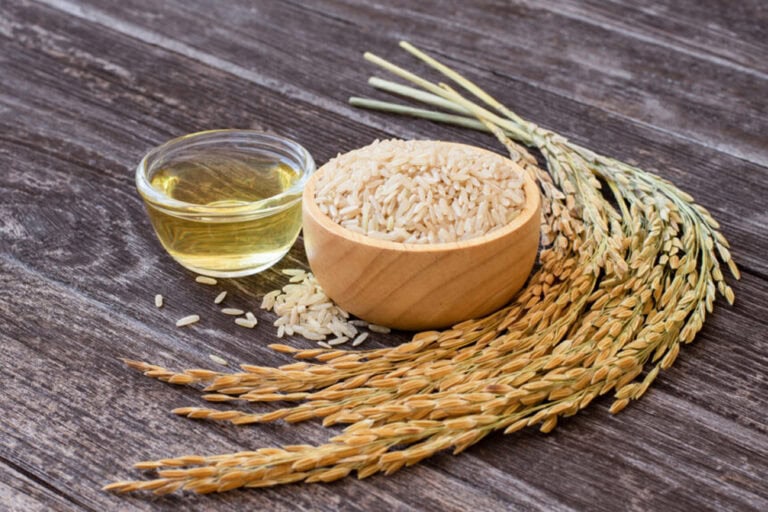
Rice bran oil (RBO) is an increasingly popular fat supplement fed to horses for weight management, cool energy, and coat quality. The oil is derived from the germ and bran of brown rice grains and contains essential fatty acids and...
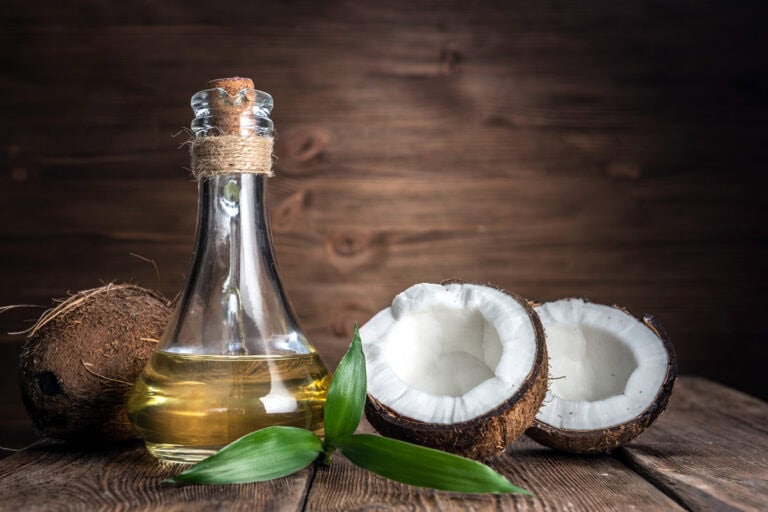
Coconut oil is a popular fat supplement for horses used to promote weight gain, skin health and a shiny coat. It is also used as a cool energy source for exercising horses to add calories to the diet without relying...
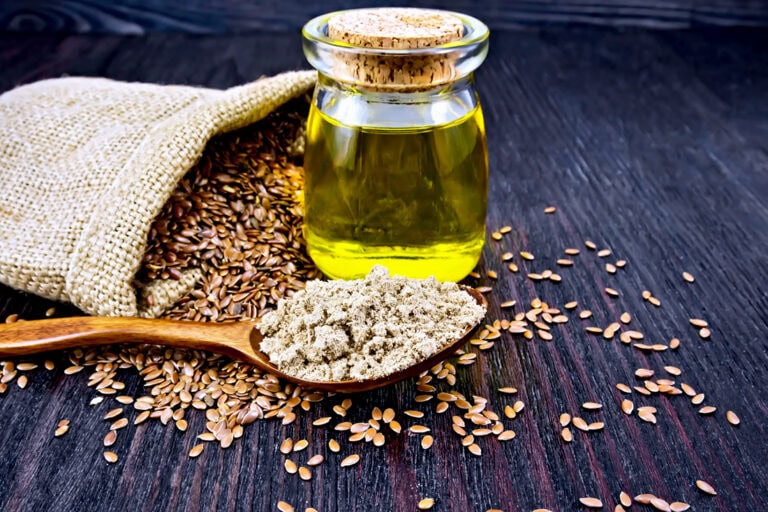
Also known as linseed, flaxseed is produced from the flax plant and can be used to provide fat, protein, and fibre in the equine diet. Flax products are cost-effective, calorie-dense and commonly fed to horses for weight gain or to...
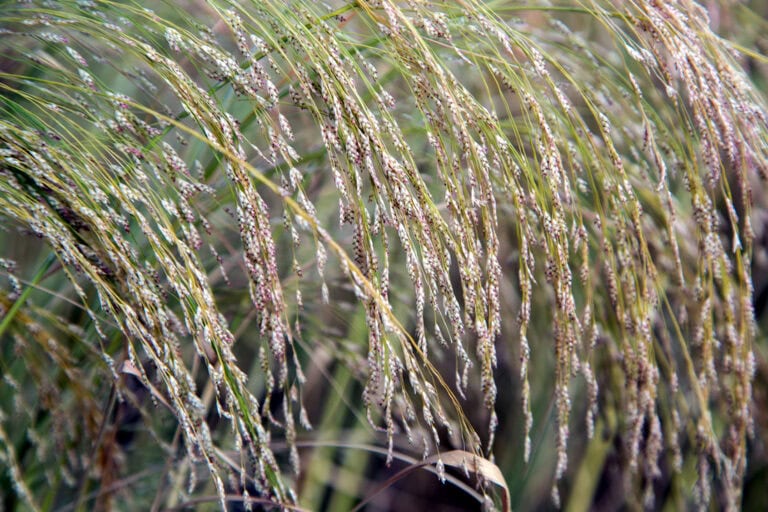
An increasingly popular equine forage, teff grass is grown in warm geographic regions and is commonly cultivated in the Southern USA. Native to Africa, teff is a warm-season grass that is high in fibre and low in sugars and starch....