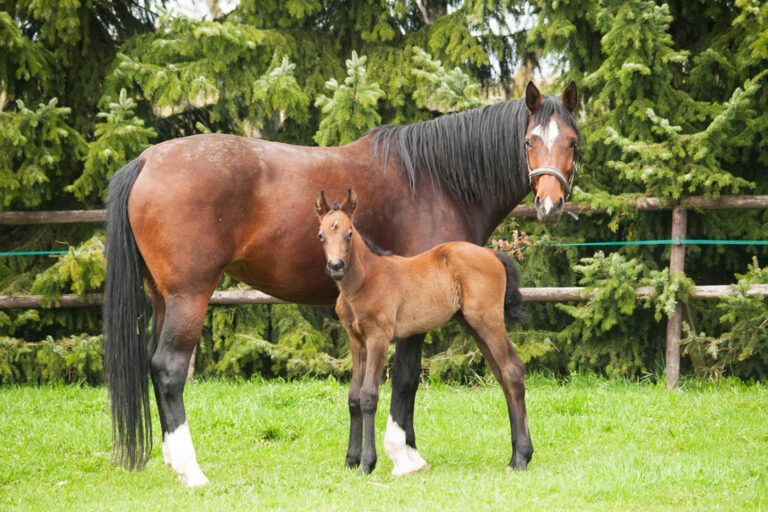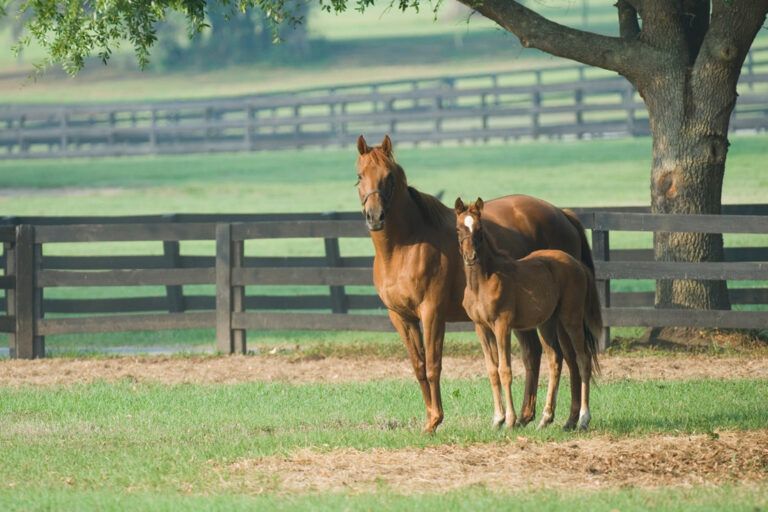
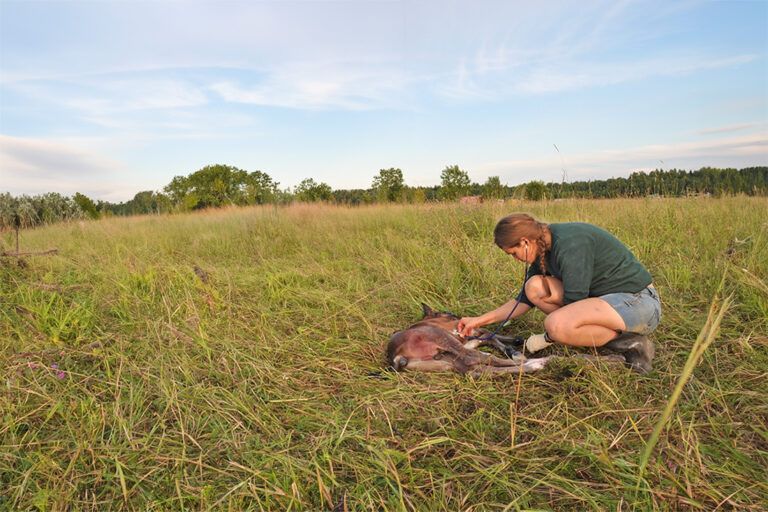
Mare reproductive loss syndrome (MRLS) is an enigmatic condition first described in Kentucky in 2001, when an estimated 3,500 foals were either aborted, stillborn, or died shortly after birth. Research revealed that abortions and foal death was closely associated with...

Endometritis is a condition involving inflammation of the uterine lining, and is a very common cause of infertility in broodmares. Mares with endometritis develop fibrosis and inflammation that prevent embryonic development, resulting in failure to conceive or early embryonic loss....
Adequan® i.m. is a widely used injectable medication for the treatment of arthritis and other joint disorders in horses. It is the only FDA-approved polysulfated glycosaminoglycan (PSGAG) for equines. Arthritis is a degenerative joint disease that can reduce athletic performance,...
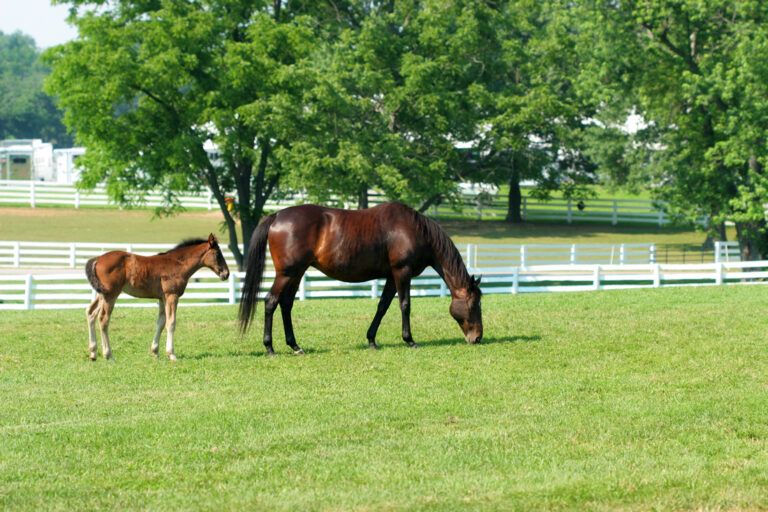
While acres of lush green fields seem like the idyllic setting for a horse farm, constant access to high-quality pastures isn't always best for your horse's health. Space limitations and environmental conditions can also make grass turnout impossible for some...

Weaning foals refers to separating the foal from their mother so they no longer consume milk by nursing. Once weaned, foals must obtain nutrients from forage and other feeds. Domesticated foals are typically weaned four to seven months after birth....
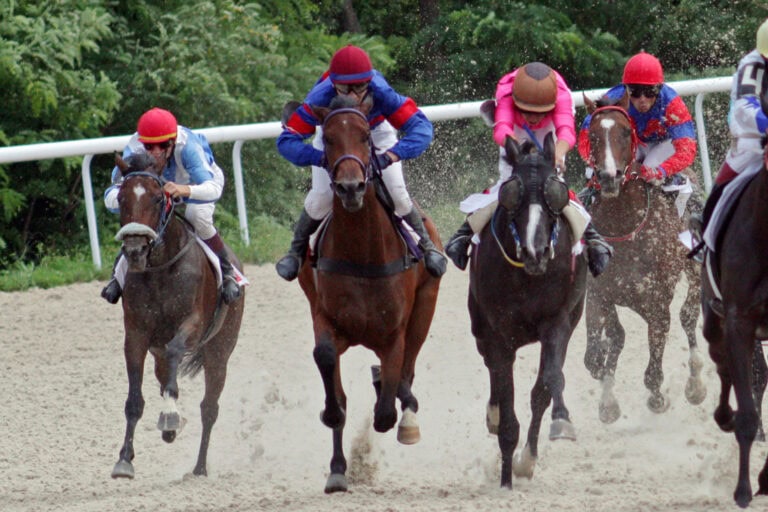
Lasix (furosemide) is a medication routinely used to prevent lung bleeding in horses with exercise-induced pulmonary hemorrhage (EIPH). This bleeding disorder is prevalent in racehorses following bouts of high-intensity exercise. Veterinarians often recommend treating with Lasix on race days to...
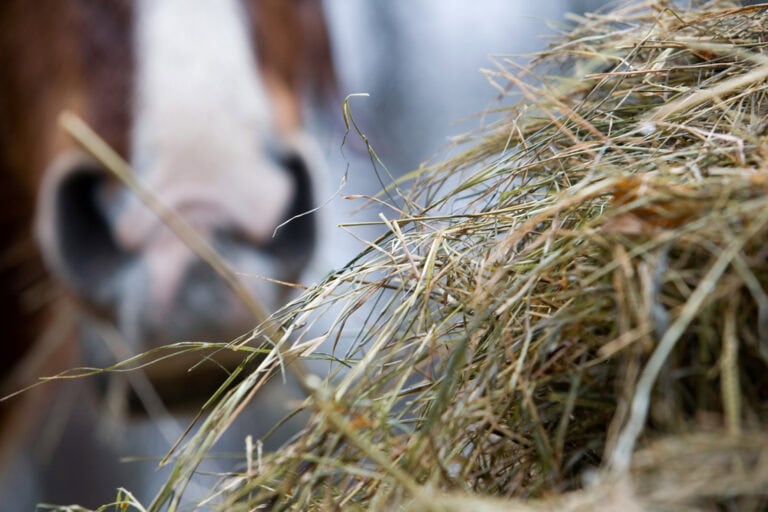
Hay dunking describes an abnormal equine feeding behaviour in which horses dunk their hay in water before chewing and swallowing it. This can be a messy habit and many horse owners want to know why it happens and how to...
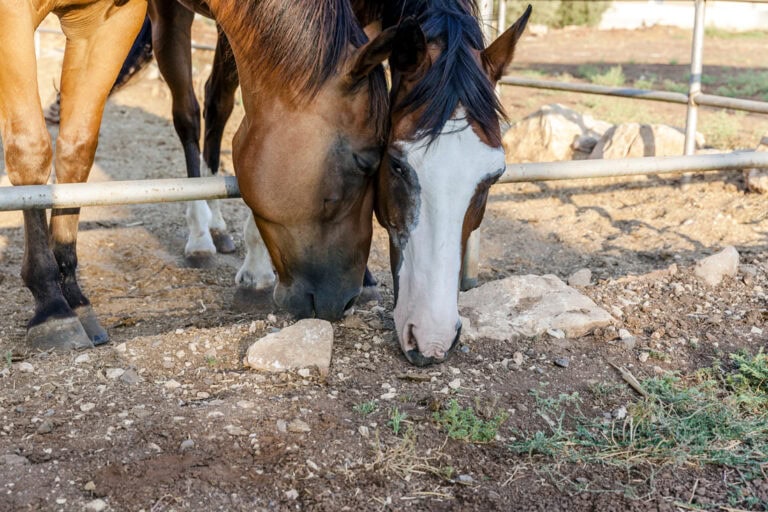
Has your horse started eating or licking the soil? The ingestion of soil in animals is referred to as geophagia. The reason some horses eat dirt is not fully understood. But the behavior is thought to serve a nutritional purpose...
Misoprostol is a drug used in horses to prevent ulcers from developing in the hindgut and stomach. It is commonly prescribed to horses that require regular use of non-steroidal anti-inflammatory drugs (NSAIDS), which can cause ulcers to form.
Bartonella is a type of bacteria that can infect humans as well as other mammals, including horses and donkeys. The resulting infection, known as bartonellosis, has been documented in many regions throughout the world.