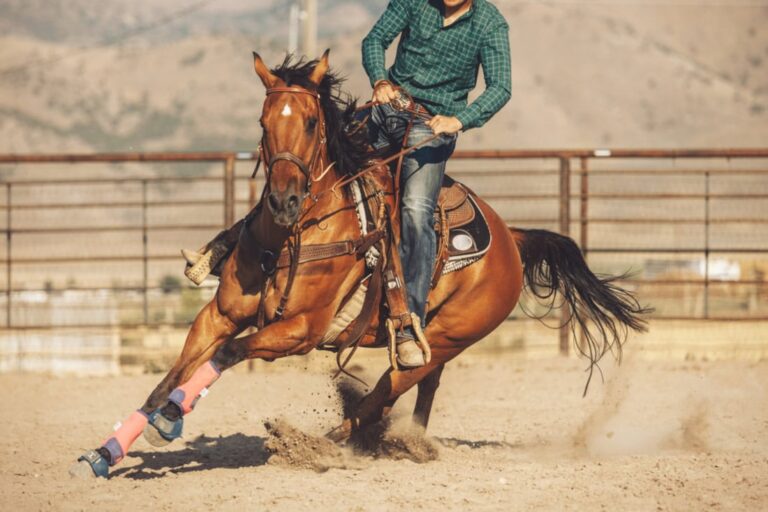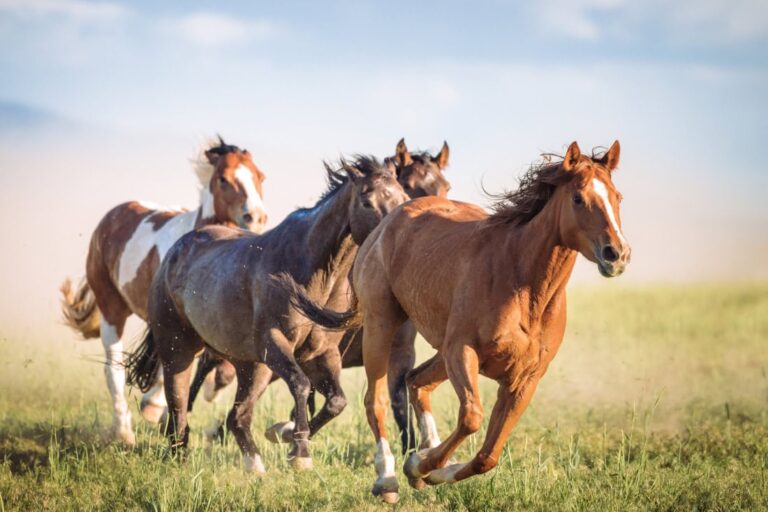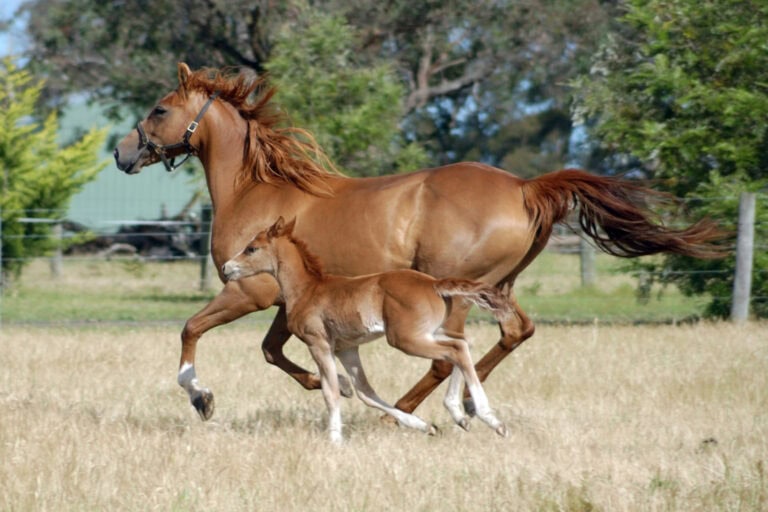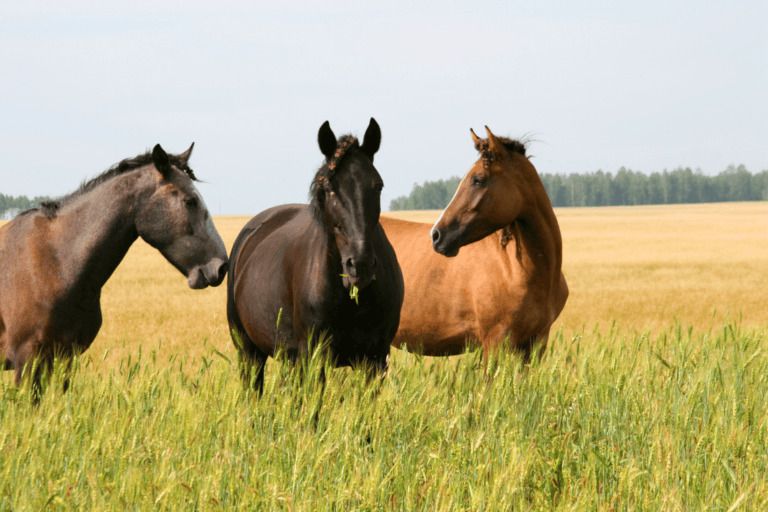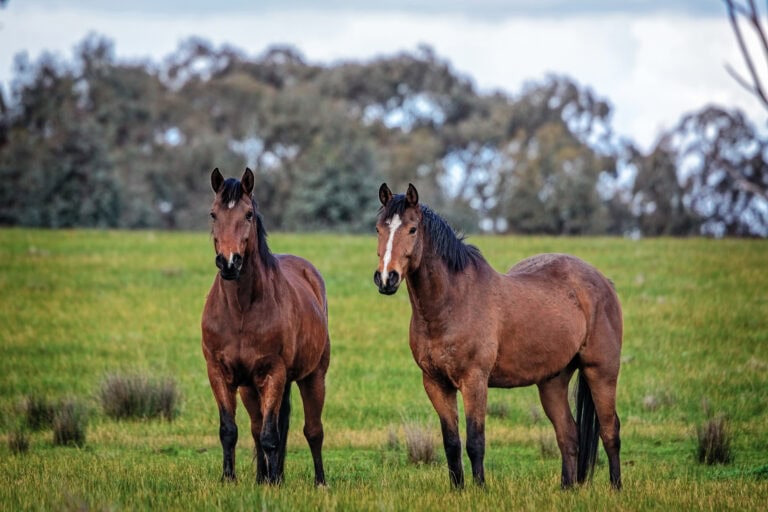

The Australian Stock Horse, also known as the breed for every need, is renowned for its versatility, strength, and adaptability. It has a rich history dating back to the late 18th century. The Australian Stock Horse's origins can be traced...
Ticks are small, blood-feeding arachnids with specialized mouthparts that allow them to attach to a variety of hosts, including humans, birds, reptiles, and mammals like horses. After attaching to a host, ticks use their mouthparts to feed on the host’s...
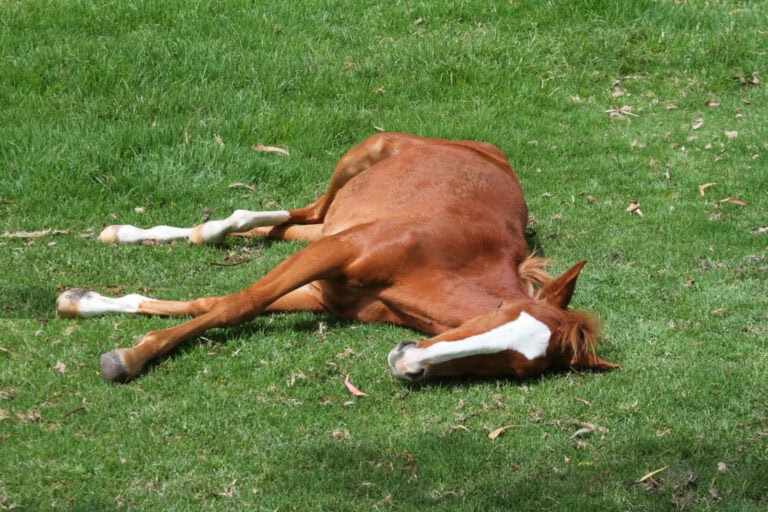
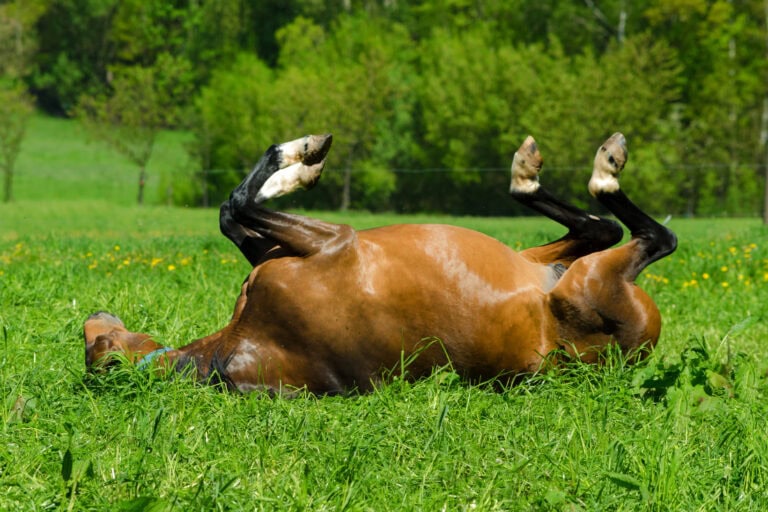
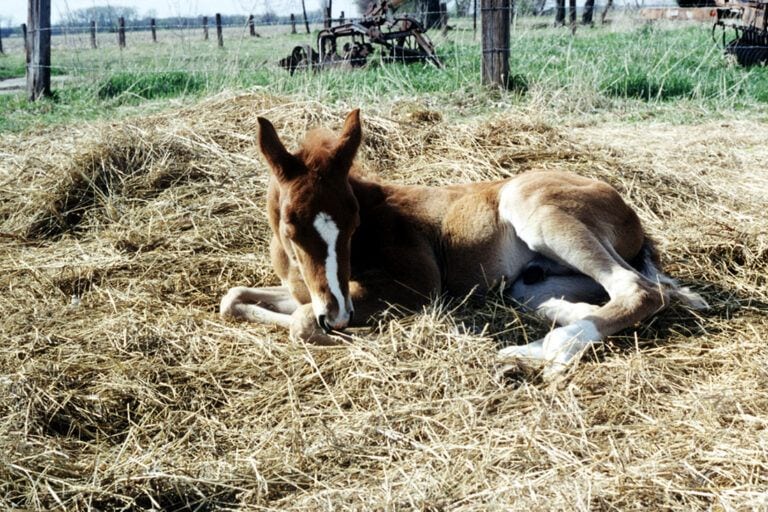
Horses, as prey animals with considerable size and weight, have evolved to minimize the need for lying down, a position that increases their vulnerability to predators and hinders quick escapes. Despite these adaptations, horses do spend a portion of the...
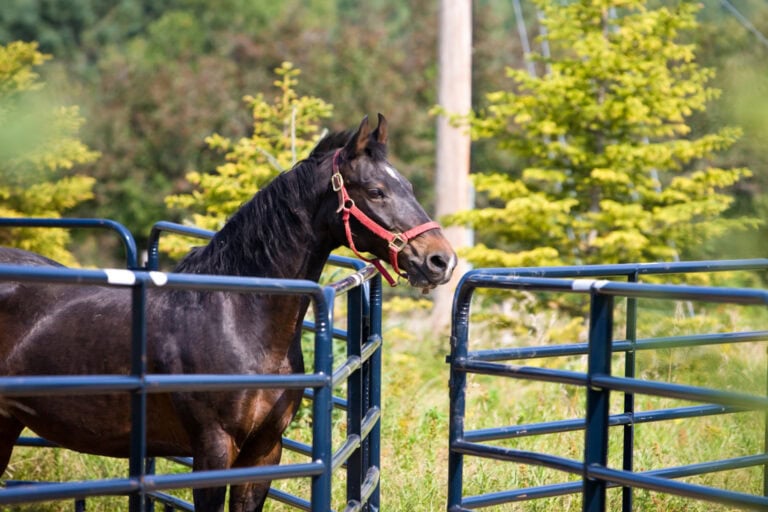
Quarantine refers to the practice of separating infected or potentially infected animals to reduce the risk of disease spread. Horse farms, boarding facilities, and show facilities commonly use quarantine protocols to protect the health of their equine population. Quarantine is...
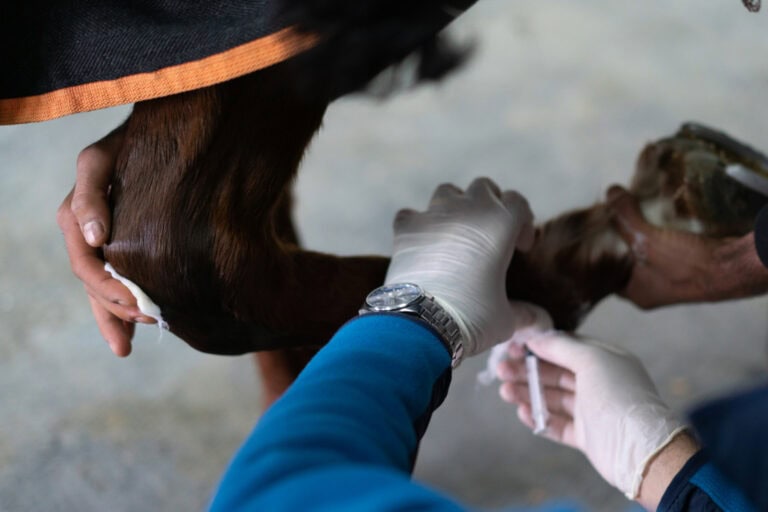
Diagnostic analgesia, commonly referred to as a "nerve block," refers to numbing an area using an analgesic, such as lidocaine, for diagnostic purposes. Diagnostic analgesia is a crucial component of lameness examinations, as numbing certain areas of the horse's limbs...
Hendra virus (HeV), also known as equine morbillivirus, is a frequently fatal viral infection that can affect both horses and people. All reported cases of human Hendra virus infection occurred after exposure to an affected horse, emphasizing the significance of...
African horse sickness (AHS) is a viral infection transmitted by biting midges. Up to 90% of horses infected with the virus die after initial infection. [ref n="1"] Due to international trade and climate change, there is a risk of AHS...
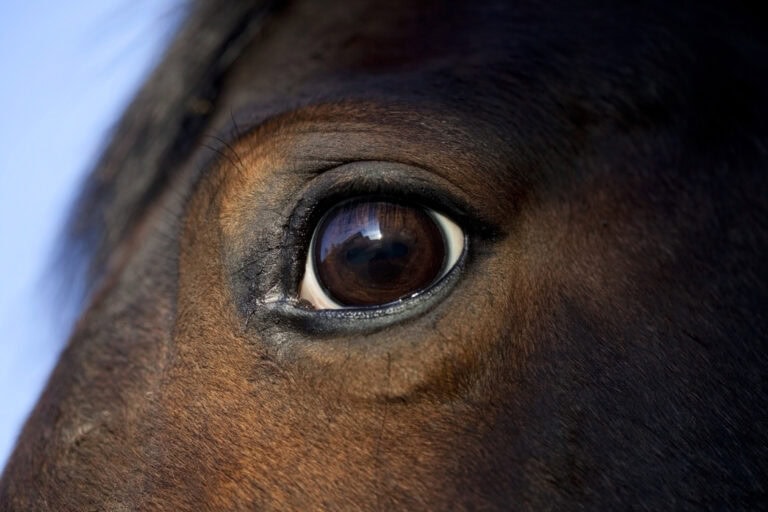
Equine recurrent uveitis (ERU) is an autoimmune disease and the leading cause of blindness in horses. The disease results in the immune system repeatedly attacking the structures of the eye causing tissue damage, inflammation, and eventually blindness. The underlying cause...
Colic, pain in the abdomen, is one of the most common equine emergencies. [ref n="1"] Some types of colic are life-threatening, requiring immediate veterinary intervention. Currently, colic is one of the leading causes of death in horses. Some studies suggest...
Degenerative joint disease (also called arthritis) refers to degeneration and loss of the articular cartilage, cartilage within a joint space that protects the bones on either side of a joint. As the articular cartilage degenerates, the bones contact each other,...
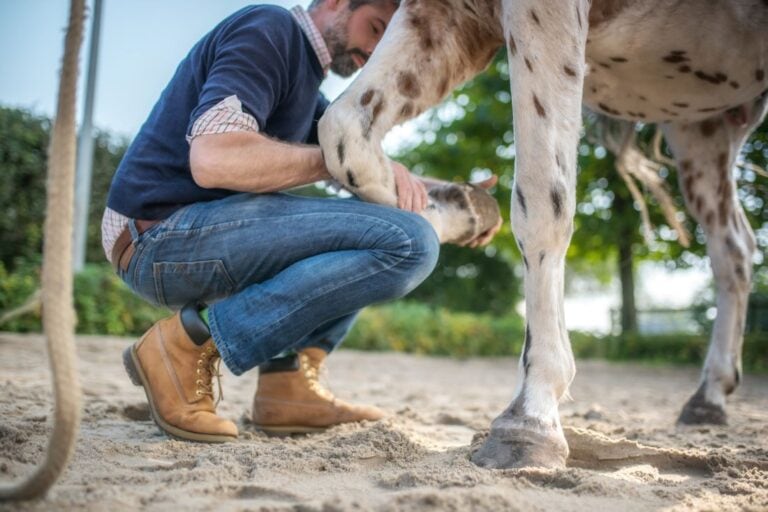
Wondering about the best stretching exercises for your horse? Stretching is the process of extending a muscle to its maximum extension to release muscle tightness, improve flexibility and reduce pain.
Chiropractic care for horses is a form of manual therapy commonly used in veterinary treatment protocols for lameness. Chiropractic treatment focuses on joint mobilization and manipulation to reduce pain, improve symmetry, and increase range of motion.
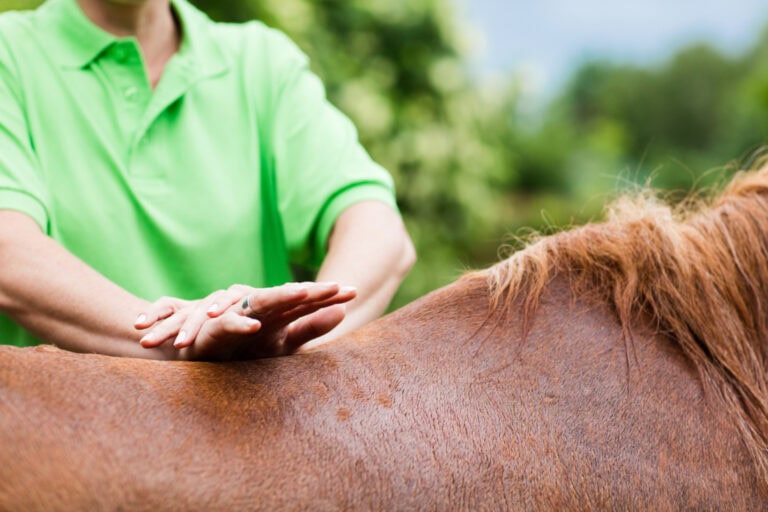
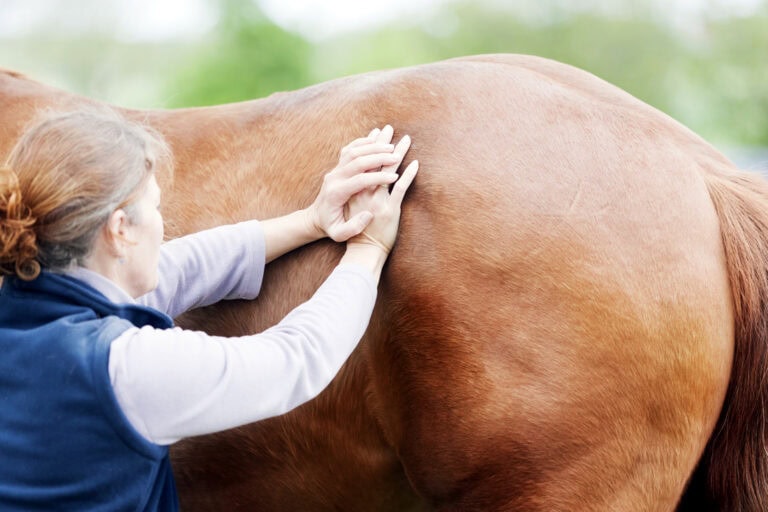
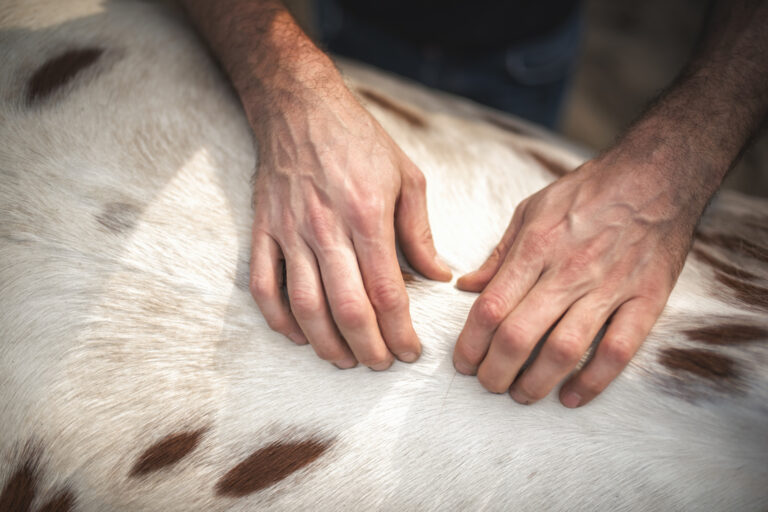
Equine massage therapy is a bodywork modality that involves the systematic manual manipulation of a horse’s muscles and soft tissues to alleviate muscle tension and promote overall well-being. It’s an increasingly popular component of holistic veterinary care and equine management.
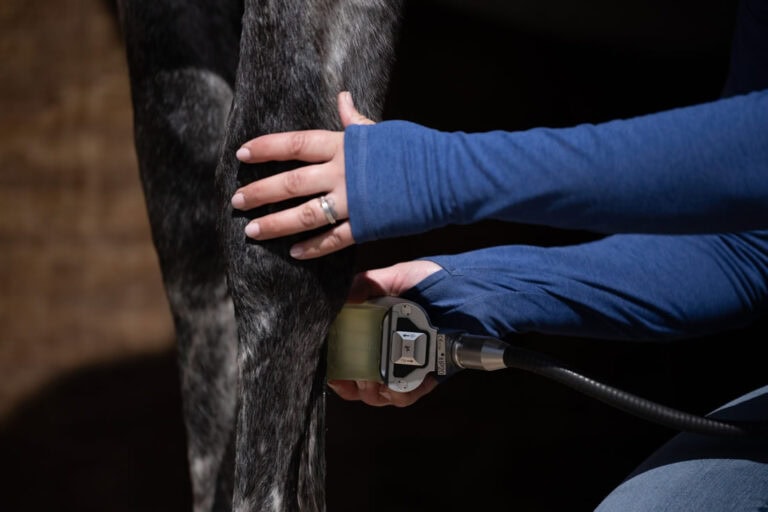
Extracorporeal shockwave therapy (ESWT) is a common treatment modality offered by many veterinarians for treating lameness cases. Most veterinarians use this treatment for arthritis cases and ligament injuries. ESWT produces a shockwave that applies a high amount of pressure to...
Sacroiliac pain is a common cause of poor performance and low-grade lameness in performance horses. The sacroiliac joint is the point on the horse’s body where the pelvis and the spine connect, playing an important role in their stride.
Sidebone in horses is a common condition that affects the collateral cartilages of the hoof. It occurs when the normally flexible cartilage plates in the horse's hoof gradually become hardened and calcified into bone. According to research, an estimated 80%...
Synovial infections in horses refer to infections in the synovial structures, which include joints, bursae, and tendon sheaths. These infections can be severe and potentially career-ending for equine athletes. Most horses develop synovial infections from wounds over top of a...
Umbilical disorders in newborn foals can arise due to bacterial infection or improper closure of the umbilicus after birth. The three most common umbilical disorders in horses are omphalitis, patent urachus, and umbilical hernia. If not addressed promptly, these conditions...
The typical gestation period for horses ranges from 340 to 342 days. During this time, foals undergo extensive development of their organ and skeletal systems, ensuring their survival outside of the mare after birth. In some cases, foals are born...
Warmblood Fragile Foal Syndrome (WFFS) is an inherited disease primarily affecting Warmblood horses and their related breeds. This condition is also referred to as Fragile Foal Syndrome Type 1 (FFS). WFFS is characterized by the production of defective collagen, which...
The reproductive performance of broodmares holds significant importance within the equine industry. Achieving optimal pregnancy rates is critical for both the profitability of breeding operations and the holistic well-being of mares and foals. Many different factors can affect mare fertility,...
Contagious equine metritis (CEM) is a bacterial infection in horses caused by Taylorella equigenitalis. CEM is highly contagious and primarily spreads through venereal transmission and contact with contaminated breeding equipment. CEM is characterized by severe inflammation of the reproductive tract...
Rattles, clinically known as Rhodococcus equi pneumonia, is a serious respiratory condition that affects growing foals. This disease is a leading cause of severe illness in young foals, and is characterized by coughing, nasal discharge, and rapid breathing. The rattle...
The time around foaling (periparturient period) is a high-risk period for mares, as their bodies undergo many changes associated with delivery of the foal. Breeders must closely monitor their mares for signs of medical emergencies before, during, and after foaling....
Enlarged ovaries are frequently observed in mares, especially those used for breeding. This enlargement often stems from an ovarian cyst. In most instances, these cysts are benign and resolve spontaneously, typically not affecting the mare’s fertility. However, it’s crucial for...
Estrus manipulation involves altering the natural course of the mare’s reproductive cycle to support breeding program goals. Breeders may choose to manipulate the estrous cycle in order to increase the length of the breeding season, maximize chances of pregnancy after...
Assisted reproductive technologies (ARTs) are breeding techniques used to produce foals from subfertile mares and stallions. Some techniques, such as oocyte transfer, are primarily used for mares who are unable to carry a pregnancy to term or even produce embryos...
Embryo transfer (ET) is an advanced reproductive technology that allows breeders to produce multiple offspring from a single mare in a given year. This procedure involves taking an embryo from a donor mare, and depositing it in the uterus of...
Artificial insemination (AI) is an increasingly popular method of breeding mares, as it reduces many of the risks of natural service while providing several advantages. Benefits include accessing broader genetics, using stored or transported semen, and eliminating the need to...
Neonatal isoerythrolysis (NI) is a potentially fatal, but preventable, condition affecting newborn foals. Foals develop NI when they consume colostrum containing antibodies against their blood type, resulting in destruction of their red blood cells. This condition will only occur if...