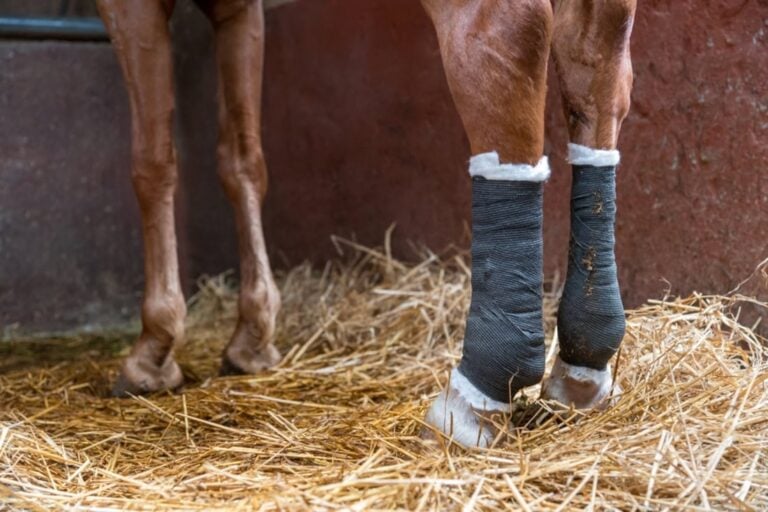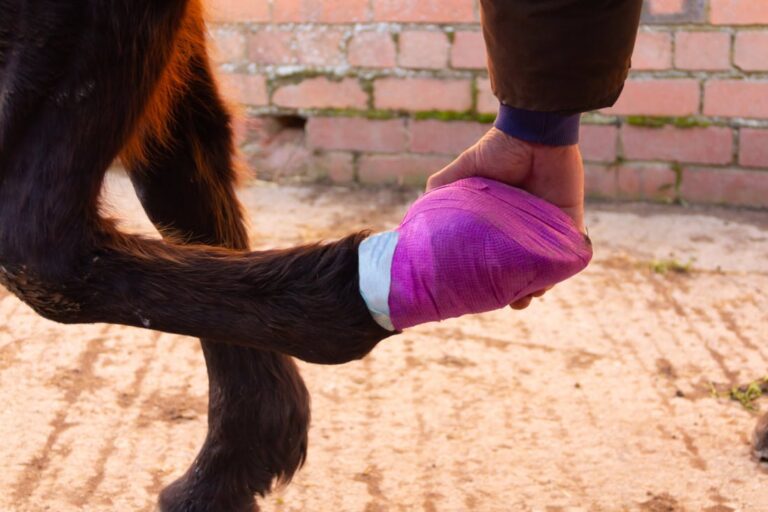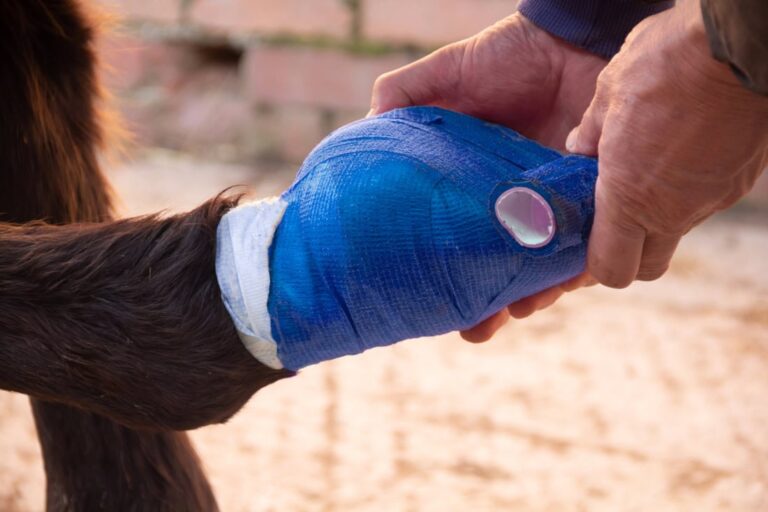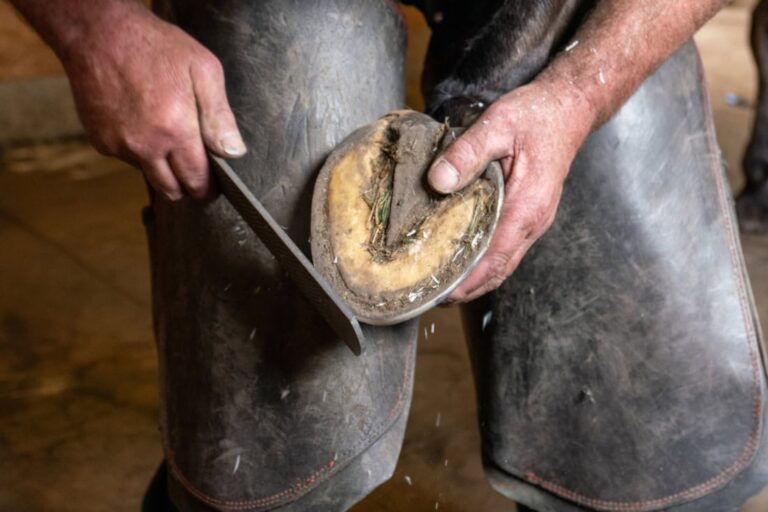

Hoof poultices are valuable tools in equine health, particularly when managing conditions such as hoof abscesses, bruises, and other hoof-related ailments. Although scientific research directly supporting their efficacy is limited, decades of equestrian experience and anecdotal evidence underscore their practical...
The cranial nerves play a vital role in a horse's neurological function, governing essential sensory and motor activities such as vision, hearing, chewing, swallowing, and facial expressions. These twelve pairs of nerves emerge directly from the brain rather than the...
The equine brain is a complex organ responsible for processing sensory information, controlling movement, and managing emotions. Unlike humans, whose brains are heavily developed for logical reasoning and problem-solving, horses rely more on instinct and sensory perception. Their brains are...
Back pain is a common yet often overlooked issue in horses, affecting their performance, behavior, and overall well-being. Studies show that up to 54% of sport horses and 90% of racehorses show signs of back disease. Whether they are elite...
Roach back, or equine kyphosis, is an uncommon but noteworthy spinal condition. It is characterized by an upward arching of the back, disrupting the natural concave curve between the withers and haunches. This structural anomaly stems from malformations in the...
Sepsis-associated laminitis is a serious and potentially life-threatening condition in horses, characterized by the disruption of the connection between the hoof wall and the underlying bone due to systemic inflammation. This form of laminitis arises as a result of a...
Hyaluronan injections, commonly known as hyaluronic acid (HA) injections, have become a trusted solution for managing joint health in horses. Whether your horse is dealing with osteoarthritis, recovering from an injury, or needs extra joint support as a performance horse,...
Hydration is essential for equine health year-round, but winter brings unique challenges that can make water supply management more difficult. Frozen troughs, reduced water intake, and the increased risk of colic or dehydration are all concerns that horse owners must...
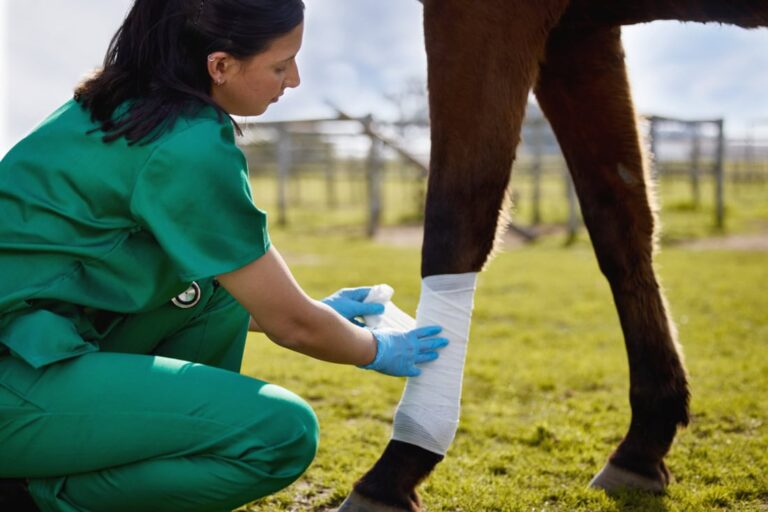
Proper hoof care is essential to maintaining a horse's overall health and performance. Whether your horse has a minor hoof injury, an abscess, or a crack that requires protection, knowing how to apply a hoof bandage is a valuable skill...
Caudal heel pain is one of the most common causes of lameness in horses. This complex condition affects the structures within the horse's heel region, including the navicular bone, its associated ligaments, and the surrounding soft tissue. Its impact on...
Blood doping is a type of performance enhancement that artificially increases the blood’s oxygen carrying capacity. In equine sports, the purpose of blood doping is to improve a horse’s performance by raising the number of red blood cells (RBCs) in...
Colic in horses is one of the most common and serious health conditions affecting equines, and it can strike suddenly, regardless of age, breed, or discipline. Colic refers to abdominal pain, which can arise from a variety of causes, ranging...
Understanding gastrointestinal catastrophes in horses is essential for every horse owner. From intussusception to strangulating lipomas, these life-threatening conditions can lead to sudden, severe colic symptoms that require immediate veterinary intervention. This guide provides an in-depth look at six critical...
Gas colic, also known as tympany or flatulent colic, is a prevalent gastrointestinal disorder in horses characterized by the excessive accumulation of gas in the intestines. This condition can lead to significant abdominal discomfort and distress, posing a serious health...
Becoming an equine veterinarian is a rewarding and fulfilling journey for those passionate about equine health, management, and science. As a vital part of the equine industry, veterinarians not only diagnose and treat illnesses, but also play a key role...
Foot lameness is a prevalent issue in horses, often leading to performance limitations and decreased quality of life. Understanding the anatomy of a horse's foot, recognizing the signs of lameness, and being aware of common causes are crucial for effective...
Vaccinations play a vital role in the health of our horses. They are particularly important for those that are routinely exposed to other horses at large barns, or through training and competition. In both people and animals, vaccines have been...
Horse's hooves are fundamental to their health, mobility, and overall performance. Whether you're a seasoned equestrian, veterinarian, or just a simple horse lover, understanding the intricate anatomy of the hoof is crucial for maintaining the wellbeing of your equine companion....
The lungworm, Dictyocaulus arnfieldi, is a parasite that affects equines all over the world. It has been found in the lungs of horses, donkeys, and zebras. However, donkeys, as well as burros and mules, are the primary host for this...
Riders and trainers often encounter challenges that affect the performance and well being of their equine partners. Among these are exercise intolerance and poor performance, sometimes referred to as "ring sour." While ring sour can be frustrating for owners and...
Fecal Microbiota Transplantation (FMT) is a procedure gaining recognition in equine medicine for its potential to restore gut health in horses suffering from gastrointestinal disorders like diarrhea and colitis. The process involves transferring fecal material from a healthy donor horse...
From the cow sense needed for roping and cutting, to the sheer thrill of barrel racing, to the controlled athleticism of reining, the Western performance horse is skillful and sure-footed on the ranch and in the ring. In addition, these...
Injury recovery in horses is a complex journey that often requires careful management, patience, and a tailored rehabilitation plan. Whether your horse has suffered a traumatic injury, undergone surgery, or is dealing with a chronic condition, the road to recovery...
Lethargy in horses is a significant concern for equine owners and veterinarians alike, as it can often indicate a severe underlying health issue requiring medical attention. Lethargy is characterized as a decrease in typical energy levels, activity, and enthusiasm. It...
Non-steroidal anti-inflammatory drugs (NSAIDs) are a type of medication used to reduce inflammation and treat pain in horses. In equine medicine, NSAIDs are commonly used in supportive care for a wide range of symptoms and conditions such as colic, pain,...
Equine physiotherapy is a specialized profession within the field of veterinary medicine that focuses on the rehabilitation, recovery, restoration of correct movement and function, and overall physical well-being of horses. Physiotherapy combines elements of body work, stretching, specific exercise protocols,...
Migrating grass awns, commonly referred to as foxtails, pose a significant health risk to horses. These sharp, barbed seeds can become embedded in a horse's ear, mouth, nose, or skin. Once they have entered the animal's tissue, they can migrate...
Purpura hemorrhagica (PH) is a severe immune-mediated condition in horses characterized by widespread inflammation of blood vessels, known as vasculitis. This condition often develops as a secondary complication of infections, particularly those caused by Streptococcus equi, the bacterium responsible for...
Stallions are male horses that have not been castrated and thus have high levels of testosterone. This hormone can drive behaviors such as aggression, dominance, and a strong mating instinct. Testosterone, produced primarily in the testicles, plays a crucial role...
Warts in horses, also known as equine papillomatosis, are small, benign growths caused by equine papillomaviruses (EPVs). These growths primarily affect young horses under the age of three, as their developing immune systems are more susceptible to the virus. EPVs...