English











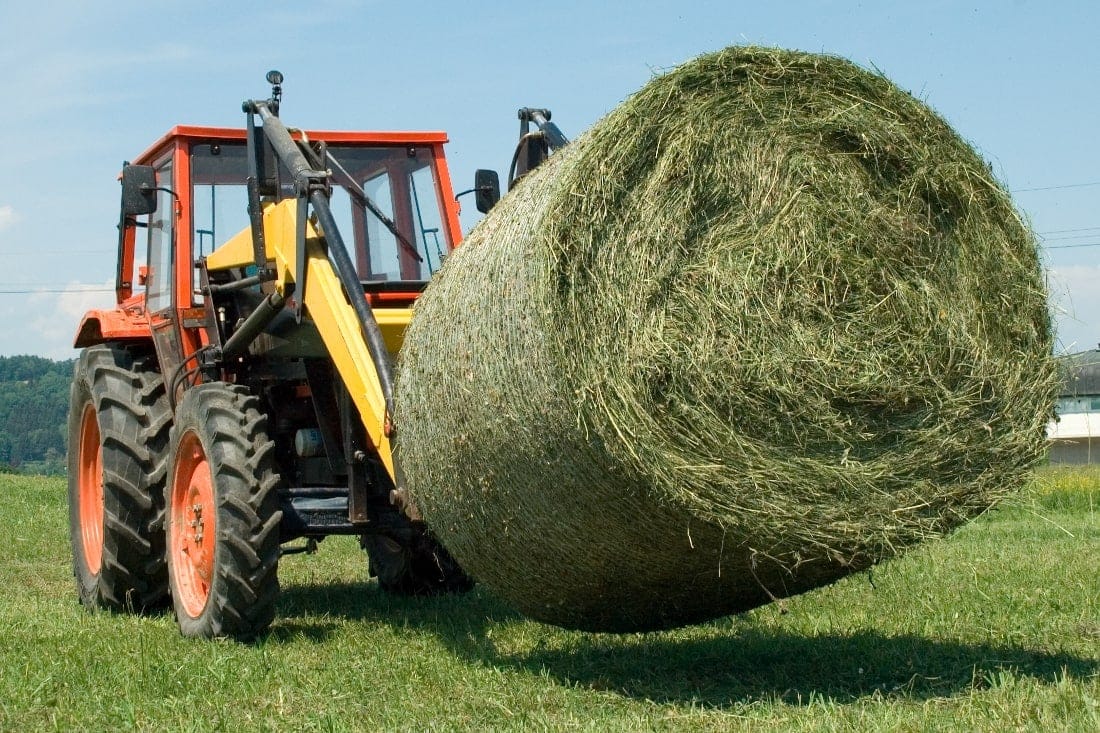
Bahiagrass is a warm-season, low-maintenance perennial grass that thrives in sandy, low-fertility soils. This forage is well-suited to heavy grazing and varying environmental conditions. Several cultivars of this species, such as Tifton-9, TifQuik, and Pensacola, are widely used throughout the southern US.
Bahiagrass provides moderate digestible energy and a reliable fiber source with low sugar content. This makes it especially beneficial for horses prone to insulin resistance or laminitis.
Though hardy, the nutritional value of bahiagrass varies depending on environmental conditions including fertilization, grazing pressure, and harvest timing. Proper management, including appropriate harvesting and grazing rotation, is crucial to optimize yield and forage quality.
Bahiagrass is available as feed for horses as both pasture and hay. The amount and type suited to an individual horse depend on factors such as age, workload, overall health, and the quality of available bahiagrass. Keep reading to learn everything you need to know about this hardy hay species.
Bahiagrass Hay for Horses
Bahiagrass (Paspalum notatum) was first discovered in 1810 on the Caribbean island of St. Thomas. [1] It spread through South America, especially in warm regions like Brazil and Bolivia, before being introduced to the U.S. in 1913. [2]
Today, it grows from Texas to North Carolina, with recent expansions into southern Oklahoma. [2]
This widespread use has led to the development of several cultivars (varieties) including: [3]
- Tifton-9
- TifQuik
- UF Riata
- Pensacola
- Argentine
As a warm-season perennial grass known for its durability and minimal maintenance needs, bahia offers reliable growth even in low-fertility soils. It grows best in acidic soils with a pH of 5.5, with peak productivity between April and September when temperatures are highest. [3]
As a consistent, low-maintenance forage, bahiagrass is a common source of nutrition for horses and other livestock. When incorporated into a forage-based feeding plan, it supports the horse’s digestive health while providing dependable nutritional value.
While bahiagrass is not always as high-yielding as other warm-season grasses, its combination of persistence, hardiness, and low maintenance makes it one of the most practical options for long-term pasture productivity.
Nutritional Composition of Bahiagrass
The nutritive value of bahiagrass depends on environmental conditions, management practices, and harvesting techniques. Compared to other warm-season grasses, bahiagrass generally has low to moderate crude protein and acid detergent fiber (ADF) contents. [4][5]
However, these findings may vary, as different harvesting and management practices affect the nutrient composition of any grass species. [6]
Below is an average nutrient profile for bahiagrass: [7]
| Nutrient | Average Composition |
|---|---|
| Digestible Energy (DE) | 1.8 – 2.0 Mcal / kg |
| Crude Protein (CP) | 8 – 12% |
| Acid Detergent Fiber (ADF) | 37 – 41% |
| Neutral Detergent Fiber (NDF) | 68 – 70% |
Bahiagrass’s higher ADF and NDF values indicate a more fibrous plant, which supports steady digestive function but limits calorie yield.
Crude protein levels in the 8–12% range generally meet the needs of horses at maintenance, while the low hydrolyzable carbohydrate content makes it appropriate for horses that benefit from reduced sugar intake.
This also makes bahiagrass a suitable forage for horses requiring controlled sugar and starch intake.
What's your top priority with your horse's health?

Enter your email to receive your store credit
Factors Influencing Hay Quality
Like other forages, management influences the nutrient profile and overall quality of bahiagrass hays. Understanding how weather, soil, plant growth, and management practices influence forage helps explain why hay can vary so much from one harvest to the next.
While it is possible to estimate the nutrient profile of bahiagrass hay based on average values and environmental context, a hay analysis is the most reliable way to confirm that your hay meets your horse’s needs.
Fertilization
Fertilizer plays a major role in how bahiagrass grows and what nutrients it contains. Nitrogen often boosts protein levels and leafy growth, while phosphorus can support higher yields. [8][9][10][11]
Potassium improves growth and resilience, helping bahiagrass withstand environmental challenges such as trampling, water shortages, and temperature extremes. [12][13]
Fertilization is best guided through soil and forage testing. Excessive or improper fertilization can harm a pasture, changing soil and plant conditions in ways that reduce forage (and hay) quality.
Regular testing shows how the soil composition changes over time so farms can adjust fertilization ratios accordingly.
Growing Conditions
Bahiagrass thrives in high temperatures and moist conditions, growing best when temperatures are above 15˚C (59˚F).
It also benefits from being planted alongside legumes like peanut grass. Legumes help stabilize nitrogen levels in the soil by converting atmospheric nitrogen into a form that plants can readily absorb for better growth. This also increases bahiagrass’ protein content. [2][14]
Bahiagrass performs poorly under conditions that limit warmth, sunlight, or moisture. Shorter days and lower temperatures slow its growth and lower forage quality, making it unsuitable for harvest in regions that don’t retain consistent heat and rainfall during cooler seasons.
Extended dry periods also reduce productivity, as prolonged drought sharply lowers both yield and nutritive value. [2]
Harvesting
Harvesting frequency and grazing pressure also affect bahiagrass’ nutritive value. As bahiagrass matures, it produces more fibrous stems, resulting in higher fiber and lower protein levels. [2][15][16] To manage this, rotational grazing and timely harvesting helps maintain optimal grass maturity.
Frequent harvesting tends to produce grass with more leaves and a higher protein content, along with lower acid detergent fiber (ADF). [17][18] While this may be preferred for nutritional reasons, short harvesting intervals can limit regrowth and reduce overall forage production.
Research in cattle suggests that allowing longer rest periods between grazings can raise overall bahiagrass productivity. [19] Bahiagrass is best grazed after it reaches an average height of 15-25 cm (6–10 in), and horses should be removed from the pasture once it reaches 2 – 4 cm (1–2 in). [19]
Allowing sufficient time between grazing periods enhances a pasture’s persistence in the long term. [20]
Drying
Drying hay after cutting is essential to prevent spoilage, but it also causes nutrient losses that influence final hay quality. As grass cures, it naturally loses nutrients. The longer it takes to dry, the greater the loss. [21]
Rainfall during the drying process can result in additional nutrients- including protein, non-fiber carbohydrates, and minerals– leaching out of the hay. [21]
These losses reduce bahiagrass’ already limited nutritive value, making careful management of drying conditions especially important for producing higher-quality forage.
Spoilage
Hay that goes into storage with too much moisture may result in mold and other microbial growth.
Mold can produce spores and mycotoxins that increase digestive and respiratory health risks in horses. [21] Warm, humid conditions allow these organisms to break down plant material, further lowering their quality.
To keep hay safe, nutritious, and free from waste, always ensure it is stored in a cool, dry location.

Forms of Bahiagrass in the Equine Diet
Bahiagrass is most commonly consumed as pasture, although it is also used to produce hay and processed hay products.
Pasture
Pasture grass is fresh, growing vegetation that horses graze on. As one of the most recommended warm-season grass options in the Southern United States, bahiagrass and mixed bahiagrass/legume pastures are commonly used to feed horses. [20][22]
As a warm-season perennial with naturally lower energy and protein levels, it often aligns well with the needs of horses in maintenance or light exercise programs, who tend to do well on this type of forage under typical growing conditions. [23]
However, bahiagrass may be less suited to horses with high energy or protein demands, such as growing, lactating, or heavily exercised horses. [2]
Incorporating legumes like alfalfa or peanut into bahiagrass pastures can improve its overall forage quality by increasing total protein content on the pasture. [2][14]
When more support is still needed, supplementing with higher-quality forages or energy-dense feeds can help balance a horse’s diet. [21]
Hay
Hay is conserved forage that is dried, baled, and stored for later use. Bahiagrass hay is produced across the southern United States, though it may have limitations as a forage option for horses due to palatability concerns. [24]
When harvested at an early growth stage, it can offer acceptable crude protein and digestible fiber levels for many horses, but late-cut bahiagrass hay often becomes stemmy, less palatable, and less digestible. [17][18]
Some horses may be reluctant to consume bahiagrass hay, particularly from bales that contain a high proportion of mature stems. For this reason, bahiagrass hay is more commonly used as pasture forage than as a primary hay source.
When palatability or nutrient density is a concern, offering bahiagrass hay alongside more appealing or higher-quality hays can help support consistent intake.
Selecting bahiagrass hay that is green, leafy, and clean while avoiding bales with mold, weeds, or excessive stem content also contributes to improved intake and overall nutritional value.
Pros & Cons of Bahiagrass
Bahiagrass presents both advantages and limitations depending on how it is grown, harvested, and fed. These factors influence whether it aligns with an individual horse’s nutritional needs.
Benefits of Bahiagrass
Bahiagrass grows readily under minimal management and maintains productivity in wet conditions, drought-prone areas, and soils with low fertility. [2][25] It also withstands high stocking pressure and frequent grazing without substantial decline. [2]
Its typical hydrolyzable carbohydrate (sugar and starch) levels tend to be lower than those found in many cool-season grasses, including orchardgrass and timothy, which may make it compatible with feeding programs designed for horses with metabolic considerations. [26]
Disadvantages of Bahiagrass
Bahiagrass’s energy content decreases as growing seasons progress, and it is already on the lower end of available digestible energy. This makes bahiagrass pastures a cautious choice for horses with higher energy and protein needs.
Growing horses, lactating mares, and animals with a more intense workload may benefit more from grasses that have a higher nutritional density. [2]
Forage testing can help determine whether a particular batch of bahiagrass hay meets a horse’s nutritional goals. Nutrient levels can vary between cuttings and fields, and testing provides clarity on your pasture’s protein, fiber, and other key components needed to balance a horse’s diet.
How to Feed Bahiagrass
With modest protein levels and moderate digestibility, bahiagrass’s nutritional profile shapes how it functions within equine diets. These traits impact how it may fit into a broader equine feeding plan.
1) Select the Right Hay
Selecting the right bahiagrass hay starts with understanding your horse’s energy and protein needs. Because most horses rely on forage to supply the bulk of their daily nutrients, the hay you choose directly affects whether their diet stays balanced or requires additional feed or supplementation.
Matching the hay to your horse’s age, workload, and body condition helps maintain a forage-based diet without relying on grain or commercial concentrates.
Bahiagrass typically provides lower energy and protein than many other hay species. This makes it a good fit for horses who maintain weight easily or those who benefit from a more controlled calorie intake. However, since its nutrient density changes with management and harvest stage, not all bahiagrass hays will meet the same needs.
As the plant matures fiber levels rise, reducing digestibility and lowering the amount of usable energy. For horses with greater nutritional demands, such as hard keepers or those in heavy work, mature bahiagrass may not provide enough support on its own.
A hay analysis is the most reliable way to determine whether a specific batch of bahiagrass meets your horse’s requirements. Testing confirms actual protein, energy, and fiber values, helping you decide whether the hay is suitable as the sole forage or whether additional feeds are needed to round out the diet.
Younger bahiagrass, with its higher leaf-to-stem ratio, offers better digestibility and higher protein, making it more appropriate for horses that need moderate nutritional support. When greater nutritive value is desired, management practices such as thoughtful fertilization or combining bahiagrass with legumes like peanut grass can help raise protein levels and improve forage quality. [2][23]
Bahiagrass may be an appropriate forage option for horses with metabolic syndrome because it often contains lower levels of carbohydrates compared to other grasses, reducing the risk of insulin resistance and laminitis.
Its high fiber content also promotes digestive health and helps with weight management, which is critical for horses prone to metabolic disorders. [26]
2) Feed the Optimal Amount
Whether feeding bahiagrass as pasture or hay; by itself or with other grasses, free-choice access is always recommended for horses. Consistent forage intake supports a horse’s digestive function, and helps maintain natural feeding behavior.
Average hay intake for adult horses typically ranges from 2% to 2.5% of body weight (dry matter), and pasture intake can approach 4 – 5%. [21] Horses with higher energy demands tend to fall on the upper end of this range as their metabolism draws more heavily on available calories. [21]
For horses prone to weight gain, free-choice feeding might provide more energy than necessary, especially if supplemented with concentrates or legumes. In these situations, reducing concentrate intake or controlling forage access may help maintain the horse’s body condition.
3) Balance the Diet
While bahiagrass provides structural fiber and contributes to daily energy needs, it may not supply all essential micronutrients required in the equine diet. Nutrients such as zinc, copper, selenium, and vitamin E are commonly present in lower amounts in cured hay, including bahiagrass. [27]
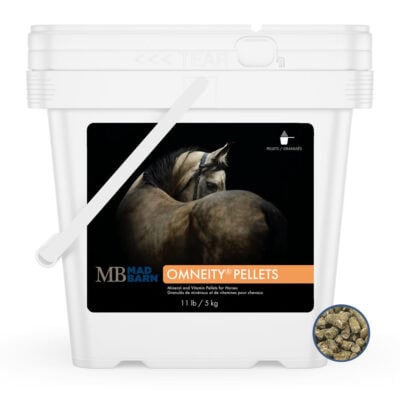
When forage does not meet your horse’s requirements, adding a balanced vitamin and mineral supplement like Omneity® helps ensure adequate intake.
Omneity® contain 100% organic trace minerals, including zinc, copper, and selenium, along with a nutritionally effective level of biotin to support healthy hoof growth. It also provides full coverage of other essential vitamins, such as vitamins E, A, and D.
Example Diet
Outlined below is an example diet for a 1,100 lb (500 kg) horse at maintenance, consuming bahiagrass pasture as their only forage source.
The diet is based on Bahiagrass with a crude protein content of 10% and an ADF (acid detergent fiber) content of 39% on a dry matter basis:
| Feed | Amount per day |
|---|---|
| Bahiagrass Pasture | Free Choice |
| Salt | 30 g (2 tbsp) |
| Omneity® Pellets | 200 g (2 scoops) |
| Diet Analysis | |
| Digestible Energy | 149% of requirement |
| Protein | 201% of requirement |
| Hydrolyzable Carbohydrates | 11.8% of diet |
Factors like age, exercise level, and physiological status all influence your horse’s specific nutrient requirements. For a nutrition plan tailored to your horse’s needs, you can submit your horse’s diet online for a free diet evaluation.
Frequently Asked Questions
Here are some frequently asked questions about bahiagrass for horses:
Bahiagrass is often an excellent choice for horses in maintenance or light work due to its low sugar and high fiber content. However, it may not meet the nutritional demands of growing horses, lactating mares, or those in heavy work, who may need higher protein and energy levels. For horses with specific nutritional needs, supplementation with higher-quality forage or concentrates may be necessary.
Bahiagrass is often a suitable forage for horses with metabolic syndrome because it typically contains fewer hydrolyzable carbohydrates than many other grass species. This lower sugar content can help support more stable insulin responses. Testing forage is always recommended to ensure safe sugar levels for metabolic horses
Bahiagrass can be fed to horses in multiple forms, including fresh pasture, and hay. Pasture is the most common way to feed bahiagrass. Hay and silage offer more flexibility for horses when pasture availability is limited, such as during winter months or drought periods.
Among bahiagrass cultivars, Tifton-9 and Pensacola are known for their higher nutritional value. Proper fertilization and pasture management practices also contribute significantly to the grass's nutrient profile. Tifton-9, in particular, is highly recommended for its improved drought tolerance and better quality when harvested at an appropriate maturity stage.
Summary
Bahiagrass is a hardy perennial warm-season grass widely used in southern U.S. horse pastures for its ability to thrive in sandy, low-fertility soils and withstand drought, flooding, and heavy grazing.
- Bahiagrass requires minimal management and fertilization, making it an easy option for many horse owners
- The grass's nutrient content varies based on factors like fertilization, maturity, and harvest timing
- Its naturally low hydrolyzable carbohydrate (HC) levels can make it suitable for horses prone to insulin resistance or laminitis
- Bahiagrass is a good choice for horses at maintenance or in light work, although those with higher energy and protein needs may require supplementation
- With proper pasture and hay production management, along with soil monitoring, Bahiagrass can be a reliable, sustainable forage option
References
- Paspalum notatum. Atlas of Florida Plants, USF Libraraies. 2025.
- Gates. R. N. et al. Bahiagrass. Warm-Season (C4) Grasses. John Wiley & Sons, Ltd. 2004.
- Tanner. S. Forage Options for Horses. UGA Forage Extension Team. 2019.
- Evers. G. W. et al. Comparison of Bermudagrass, Bahiagrass, and Kikuyugrass as a Standing Hay Crop. Crop Science. 2004.
- Dore. R. T. Comparing Bermudagrass and Bahiagrass Cultivars at Different Stages of Harvest for Dry Matter Yield and Nutrient Content. Louisiana State University and Agricultural & Mechanical College. 2006.
- Arthington. J. D. and Brown. W. F. Estimation of Feeding Value of Four Tropical Forage Species at Two Stages of Maturity. Journal of Animal Science. Oxford University Press. 2005.
- Wallau. M. O. et al. Pastures and Forage Crops for Horses: SS-AGR-65/AA216, Rev. 1/2019. EDIS. 2019.
- Mayo. D. Bahiagrass Pasture Fertilization – Is It Worth the Money? . IFAS Extension. 2018.
- Johnson. C. R. et al. Effects of Nitrogen Fertilization and Harvest Date on Yield, Digestibility, Fiber, and Protein Fractions of Tropical Grasses. Journal of Animal Science. 2001.
- Bigelow. C. A. et al. Facts About Phosphorus and Lawns. Purdue Extension.
- Obour. A. K. et al. Phosphorus Fertilization Responses on Bahiagrass Pastures: Forage Production and Water Quality. Agronomy Journal. 2011.
- Louisiana Home Lawn Series: Potassium. LSU AgCenter. 2020.
- Yarborough. J. K. et al. Impact of Potassium and Nitrogen Fertilization on Bahiagrass Herbage Accumulation and Nutrient Concentration. Agronomy Journal. 2017.
- Santos. E. R. S. et al. Herbage Responses and Biological N2 Fixation of Bahiagrass and Rhizoma Peanut Monocultures Compared with Their Binary Mixtures. Crop Science. 2018.
- Kenney. N. M. Effect of Nitrogen Fertilization and Forage Maturity on the Nutritive Value of Bahiagrass. 2012.
- Dore. R. T. Comparing Bermudagrass and Bahiagrass Cultivars at Different Stages of Harvest for Dry Matter Yield and Nutrient Content. Louisiana State University and Agricultural & Mechanical College ProQuest Dissertations & Theses. 2006.
- Cuomo. G. J. et al. Plant Morphology and Forage Nutritive Value of Three Bahiagrasses as Affected by Harvest Frequency. Agronomy Journal. 1996.
- Rushing. J. B. et al. Harvest Frequency and Native Warm-Season Grass Species Influence Nutritive Value. Crop, Forage & Turfgrass Management. 2019.
- Vendramini. J. M. B. et al. Bahiagrass Cultivar Response to Grazing Frequency with Limited Nitrogen Fertilization. Agronomy Journal. 2013.
- Lemus. R. Managing Small Pasture for Horses. Mississippi State University Extension Service. 2020.
- Nutrient Requirements of Horses: Sixth Revised Edition. National Academies Press, Washington, D.C. 2007. View Summary
- Cerqueira de Melo Vasco. A. C. et al. Herbage Responses and Grazing Performance of Mature Horses in Warm-Season Perennial Grass–Legume Mixed Pastures. Grasses. Multidisciplinary Digital Publishing Institute. 2025.
- Wickens. C. Feeding Horses Grazing Bahiagrass Pastures for Maintenance with Minimal or Light Exercise. IFAS Extension. 2023.
- Selecting Horse Hay in Louisiana - The Educated Horseman: Nutrition Series. LSU AgCenter. 2024.
- Wallau. M. O. et al. SS-AGR-332/AG342: Bahiagrass (Paspalum Notatum Flüggé): Overview and Pasture Management. Ask IFAS. 2024.
- Wallau. M. Managing Carbohydrates from Grazed Pastures for Horses with Metabolic Disorders. IFAS Extension. 2018.
- Richards. N. et al. Nutritional and Non-Nutritional Aspects of Forage. Veterinary Clinics: Equine Practice. 2021.