

 English











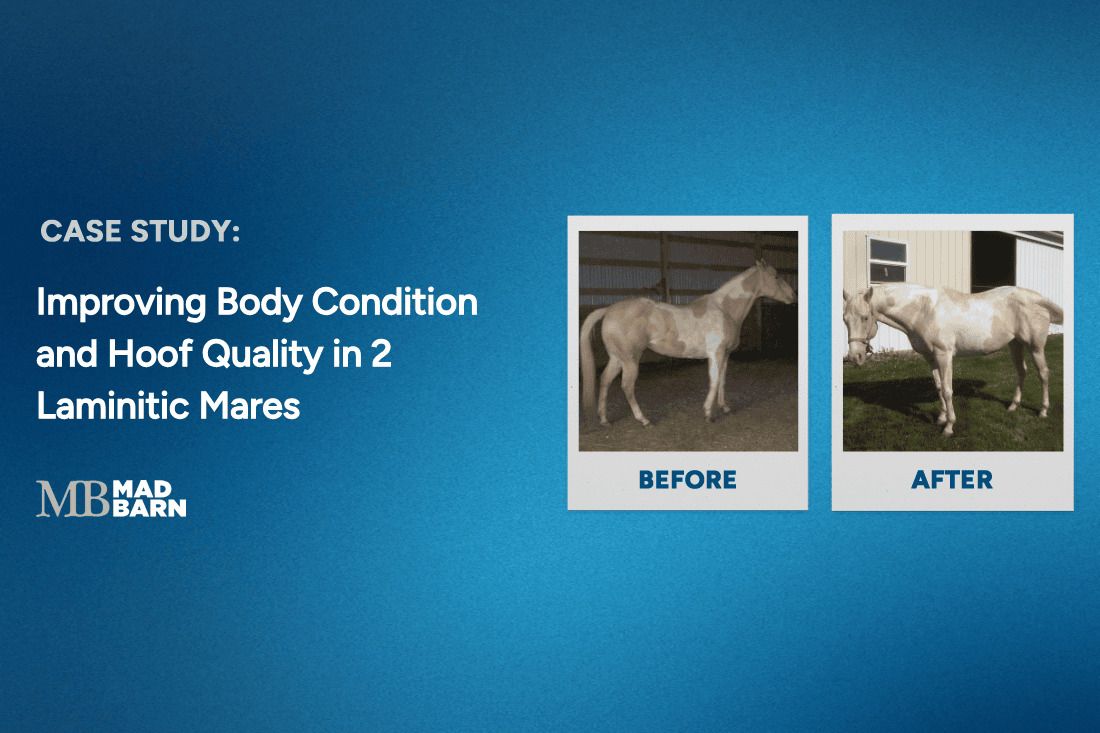
In March 2024, a diet evaluation was requested for two 16-year-old mares each weighing approximately 1,000 lb (455 kg) in Missouri, USA. Reported health concerns included overweight body condition, poor hoof quality, and a history of laminitis.
The horse owner’s primary goal was to support the horses’ metabolic and hoof health, maintain a healthy weight, and avoid future episodes of laminitis.
Presentation Prior to Diet Intervention
The mares were both assessed by their owner as slightly overweight. In both cases, weight and metabolic issues had been ongoing for a period of 9 – 10 years.
When given free access to abundant pasture, their withers were not discernible, and they had issues with saddle fit due to carrying excess body condition. After being removed from pasture they began to slim down, but eventually started to regain condition again.
Though contemporary photos were not available, the owner noted that when the diets were submitted, their body condition was similar or a bit higher than in the pictures below, which were submitted as part of the diet evaluation.
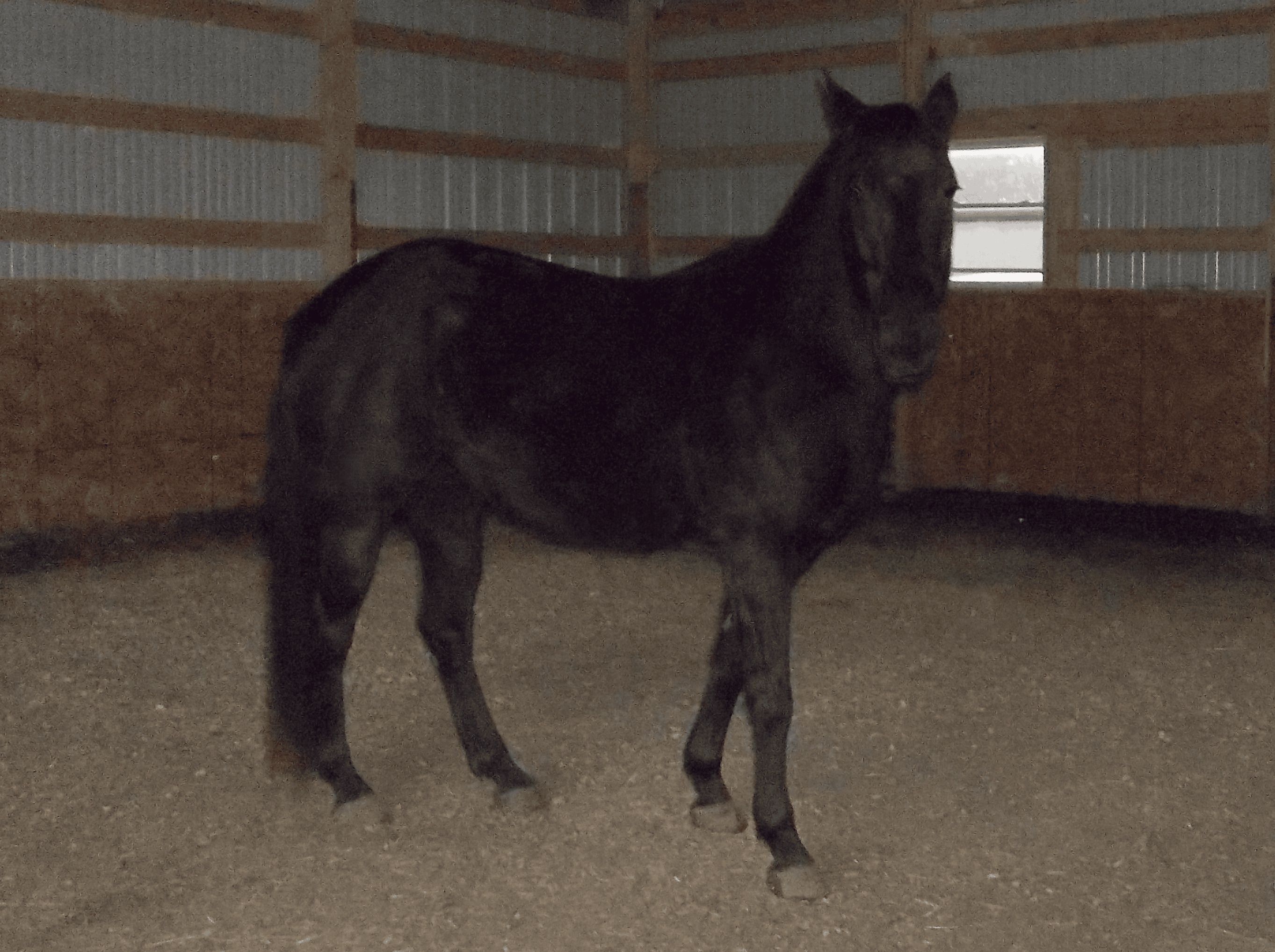 Sky 2018
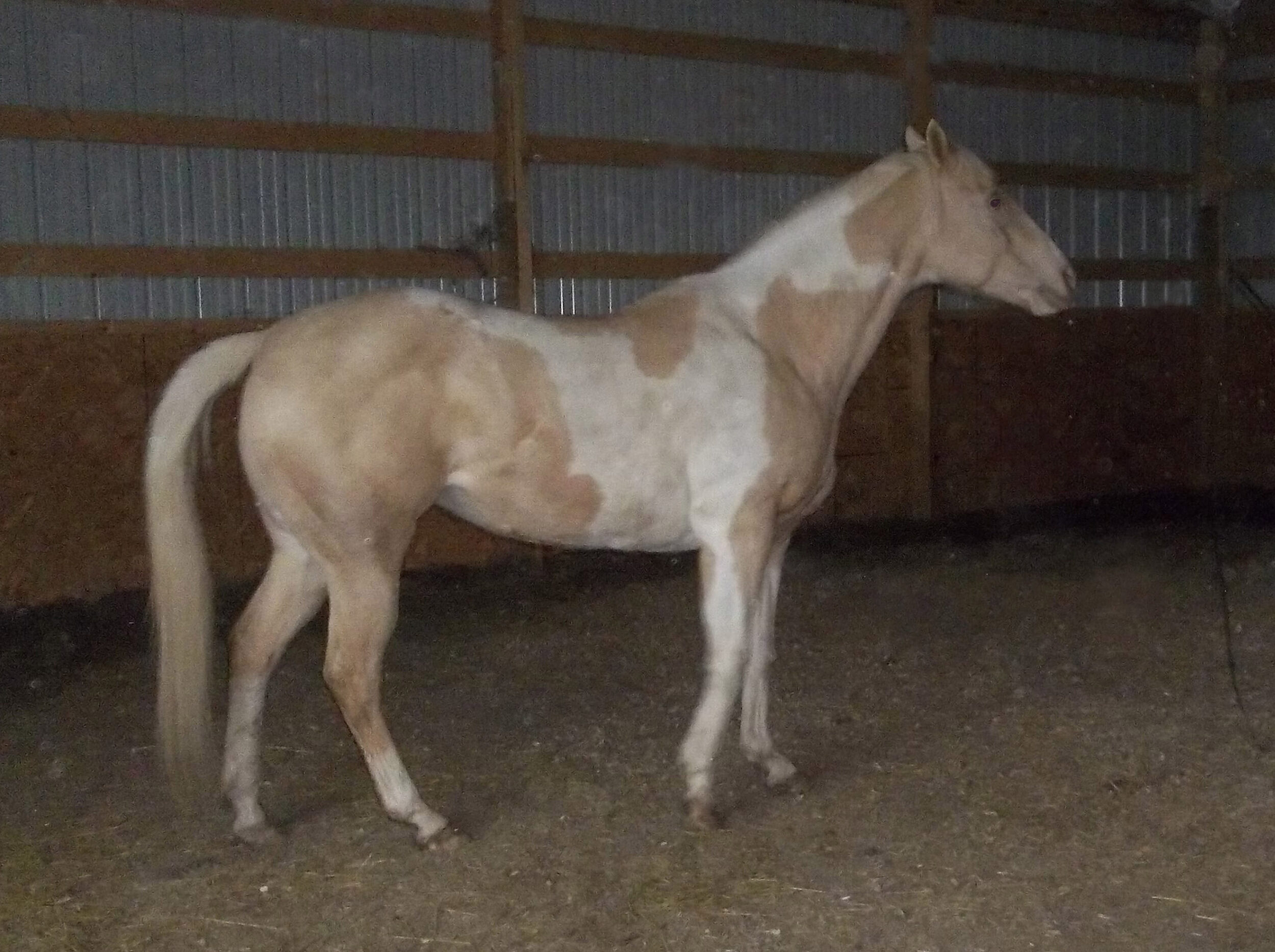 Sunny 2018
The mares also presented with the following special care needs:
- Equine Metabolic Syndrome
- Hoof issues related to a previous bout of laminitis
- One horse was noted to have intermittent lumps on her knees of unknown origin that did not cause pain or lameness
Horse History
At the time of diet evaluation, the mares were each provided 20 lb of rationed hay per day and had very little access to pasture grass. A hay analysis was not available, but the hay was described as mixed hay harvested from fields on the farm, containing timothy, brome, lespedeza, and other grasses.
The owner also noted the mares had hoof issues related to a previous laminitic episode in 2021. The hoof issues were being treated with dietary modifications, a two-week hoof trimming schedule, and soaking of the hooves. With these interventions, their hoof health was slowly beginning to improve.
Laminitis
Laminitis is a painful hoof condition that can cause symptoms ranging from mild hoof tenderness to complete inability to stand and walk. This condition results from weakening of the laminae, which are finger-like projections inside the hoof that attach the coffin bone to the hoof wall.
 Illustration: Dr. Ana Mesa, PhD
 Laminitis typically results from issues with the immune, digestive, and/or endocrine systems.
The three major types of laminitis are: [1][2][3]
- Endocrinopathic: the most common form of laminitis is caused by high insulin in the blood, often due to metabolic dysregulation
- Sepsis-associated: a form of laminitis that occurs secondary to severe, systemic inflammation
- Supporting limb: the least common form of laminitis caused by excessive weight bearing on a hoof for a prolonged period of time, often as the result of an injury in an opposing limb
Combined with the other details of this case, the mares’ history with laminitis suggests endocrinopathic factors were contributing to their health concerns.
Weight Issues
The prevalence of obesity in horses may be as high as 27 – 35%. [4] Equine Metabolic Syndrome is more prevalent in obese horses, and is often associated with excessive regional fat deposition, such as around the tailhead and crest of the neck. [5]
The weight issues displayed by the mares in this case suggest a link between their obesity and metabolic dysregulation.
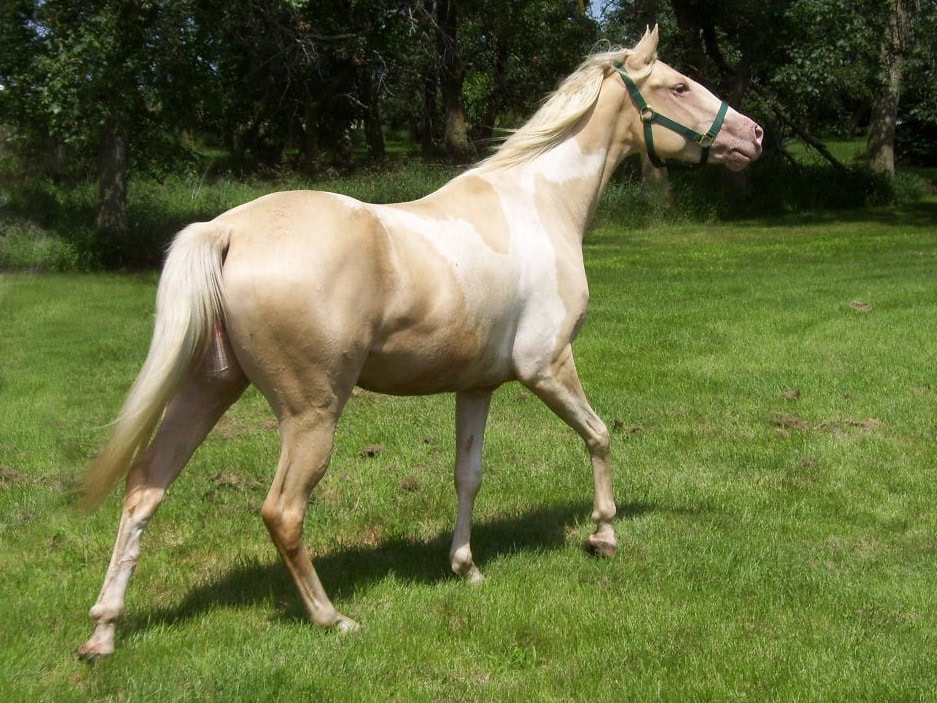
Pictures provided of the mares when they were two years old provided a good reference for a healthier body condition. Various other pictures from over the years showed fluctuations in body condition that likely stemmed from cross-country moves, resulting in different hay and pasture abundance and quality.
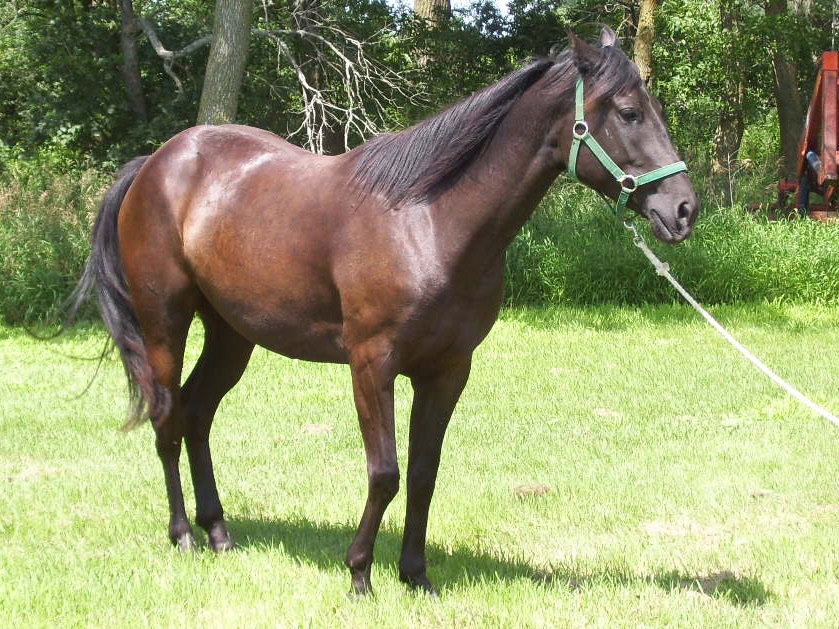 Sky 2006
 Sunny 2006
Hoof, Mane, Tail, and Coat Health
Deficiencies in nutrients such as zinc and copper have a negative impact on hoof and coat quality. [6][7] Other nutrients such as biotin, amino acids, and vitamin E are also important for supporting hoof and coat health, as they play a role in keratin and collagen synthesis, and may protect from UV damage to hair and skin. [8][9][10]
Before dietary changes were made, the mares were noted to have issues with hoof health such as abnormal growth of the sole.
The mares’ owner also mentioned that their hoof and coat quality began to decline around 2011, prior to their laminitic issues in 2021. The black mare was noted to get darker in the beginning of spring and then fade to dark brown over the summer, but her owner also noted that her mother was more of a “dark seal brown color”.
In addition, the mares struggled with coat health issues including a rough, long, slightly dull coat in the fall.
What's your top priority with your horse's health?

Enter your email to receive your store credit
Initial Diet
At the time of the nutrition consultation, the horses’ daily ration consisted of:
- 20 lb per day mixed grass hay
- 2 cups per day of Purina® Strategy® GX
- 1 tbsp camelina oil
- 1 – 2 tbsp of various additives such as ground turnips and sauerkraut
- ½ lb alfalfa
- 1 tbsp Himalayan salt
No forage sample was available, so the diet evaluation conducted was based on an average quality hay profile, which suggested deficiencies in several key nutrients such as:
In addition, the diet was lacking in biotin, providing significantly less than the recommended 15 – 20 mg per day. [11]
Intervention
As part of the consultation, an updated diet plan was formulated to address the specific concerns of the horses.
Table 1. Summary of Diet Intervention
| Horse Issue | Intervention |
|---|---|
| Slightly Overweight |
|
| Metabolic Syndrome |
|
| Poor Hoof and Coat Quality |
|
Forages are typically a good source of fiber, energy, and protein, but they do not fully meet a horse’s requirements for micronutrients including copper, zinc and vitamin E. [12] To balance the diet, Mad Barn’s AminoTrace+ was added as a concentrated source of vitamins and minerals.
In addition to balancing the vitamin and mineral profile of the diet, AminoTrace+ provides a rich source of antioxidants and amino acids to support horses with metabolic issues such as insulin resistance.
Balancing the Diet
While the primary focus was the mares’ weight and metabolic issues, it was equally important to rebalance the diet to supply adequate vitamins and minerals for hoof, coat, and overall health.
Feeding AminoTrace+ helped to ensure the mare’s vitamin and mineral requirements were met and address concerns related to nutritional deficiencies.

Updated Diet
After the consultation, the owner was able to source a new hay that likely has lower energy density (i.e. lower total available calories).
The updated daily diet for each horse consists of:
- 20 lb (9 kg) of hay
- 1.75 scoops (175 g) of AminoTrace+
- 1 tablespoon of loose salt
Outcome
Overall, the dietary adjustments led to significant improvements. The following changes were noted by the owner:
- Weight loss: the mares began to lose weight, particularly around the crest of their necks, tailheads, and hips
- Coat quality: both horses developed healthier, shinier coats
- Energy levels: overall the horses are moving around more and have more energy
Within two months of implementing the dietary changes, the owner started to notice the beginnings of improvements in hoof growth and health.
The owner also noted that the lumps of unknown origin on one of her mares’ knees appeared to be getting smaller. However, since their cause had not been diagnosed and several dietary changes were made simultaneously, it is difficult to say what may have contributed to this.
The following photos show differences in body condition with an emphasis on the crest of the neck and tailhead, as well as the condition of their feet after two months on AminoTrace+:
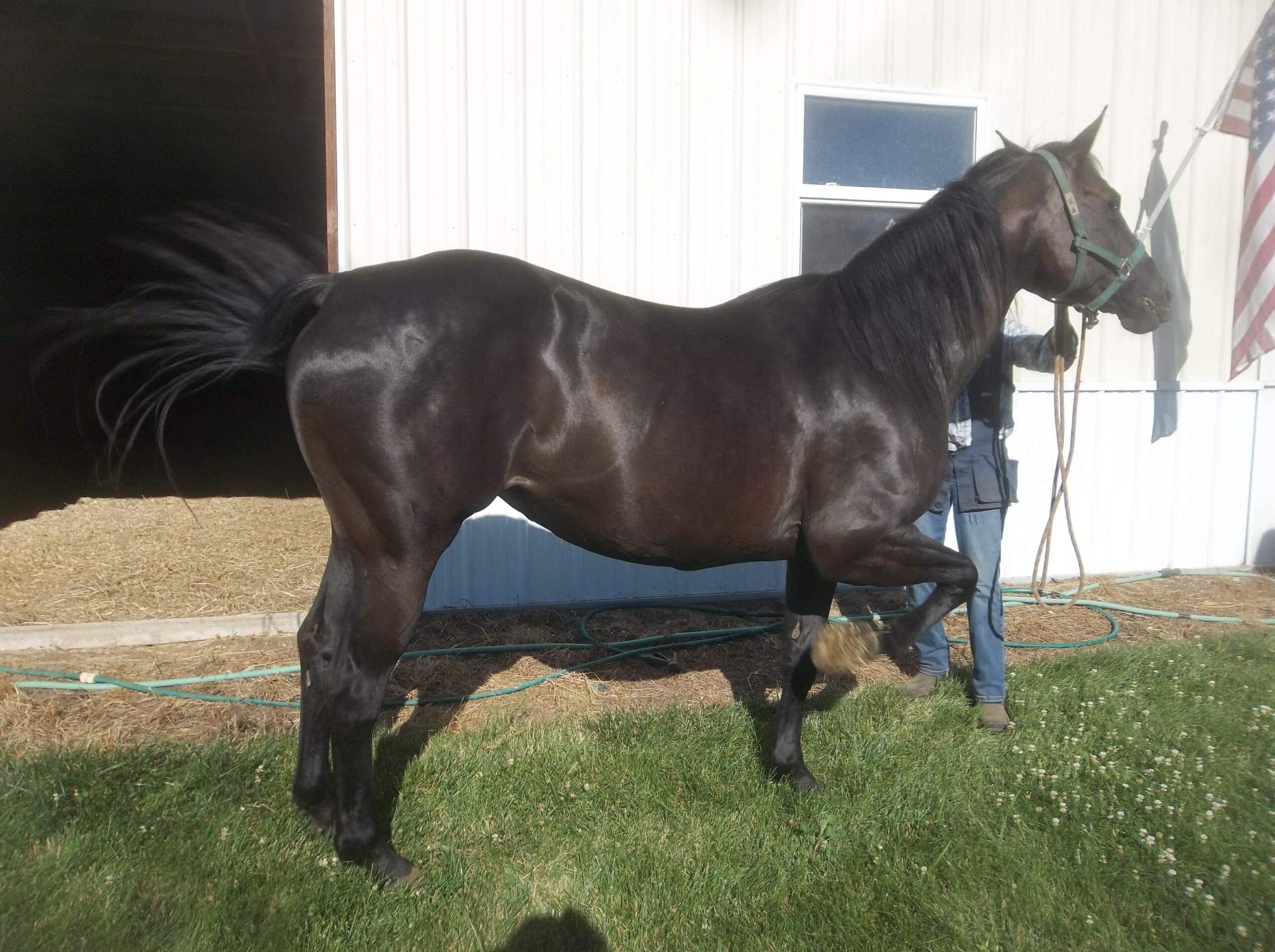 Sky 2024
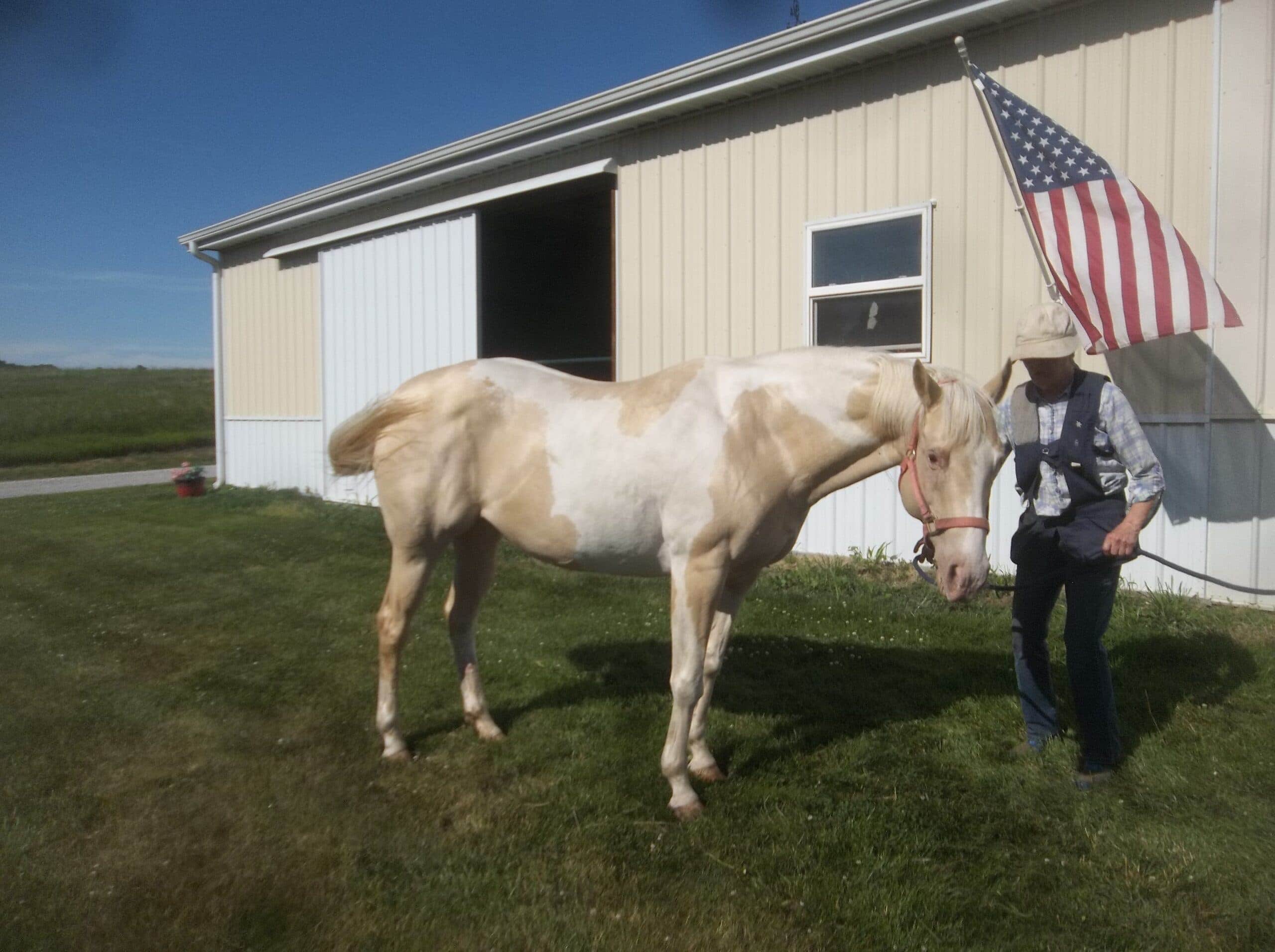 Sunny 2024
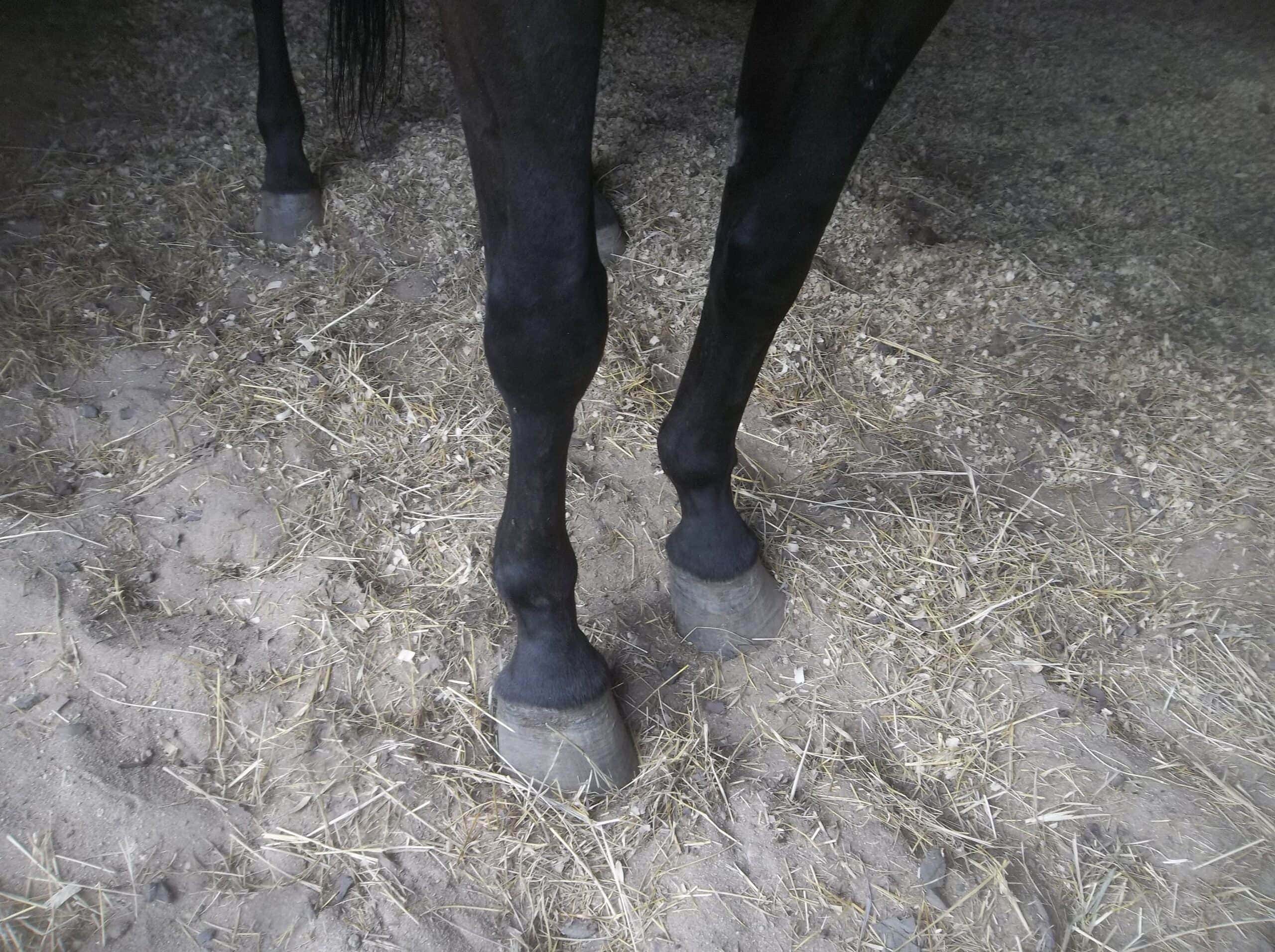 Sky Feet 2024
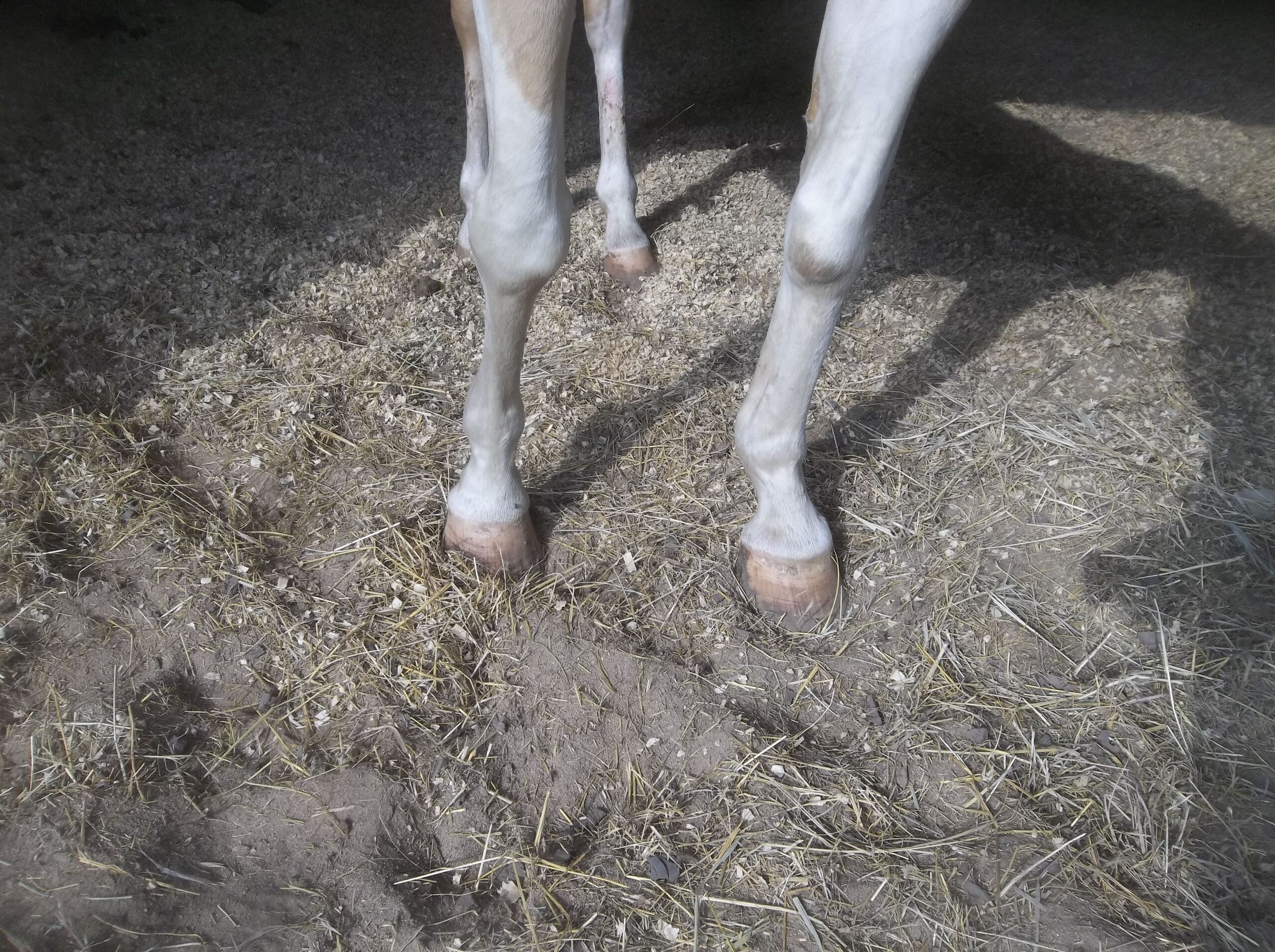 Sunny Feet 2024
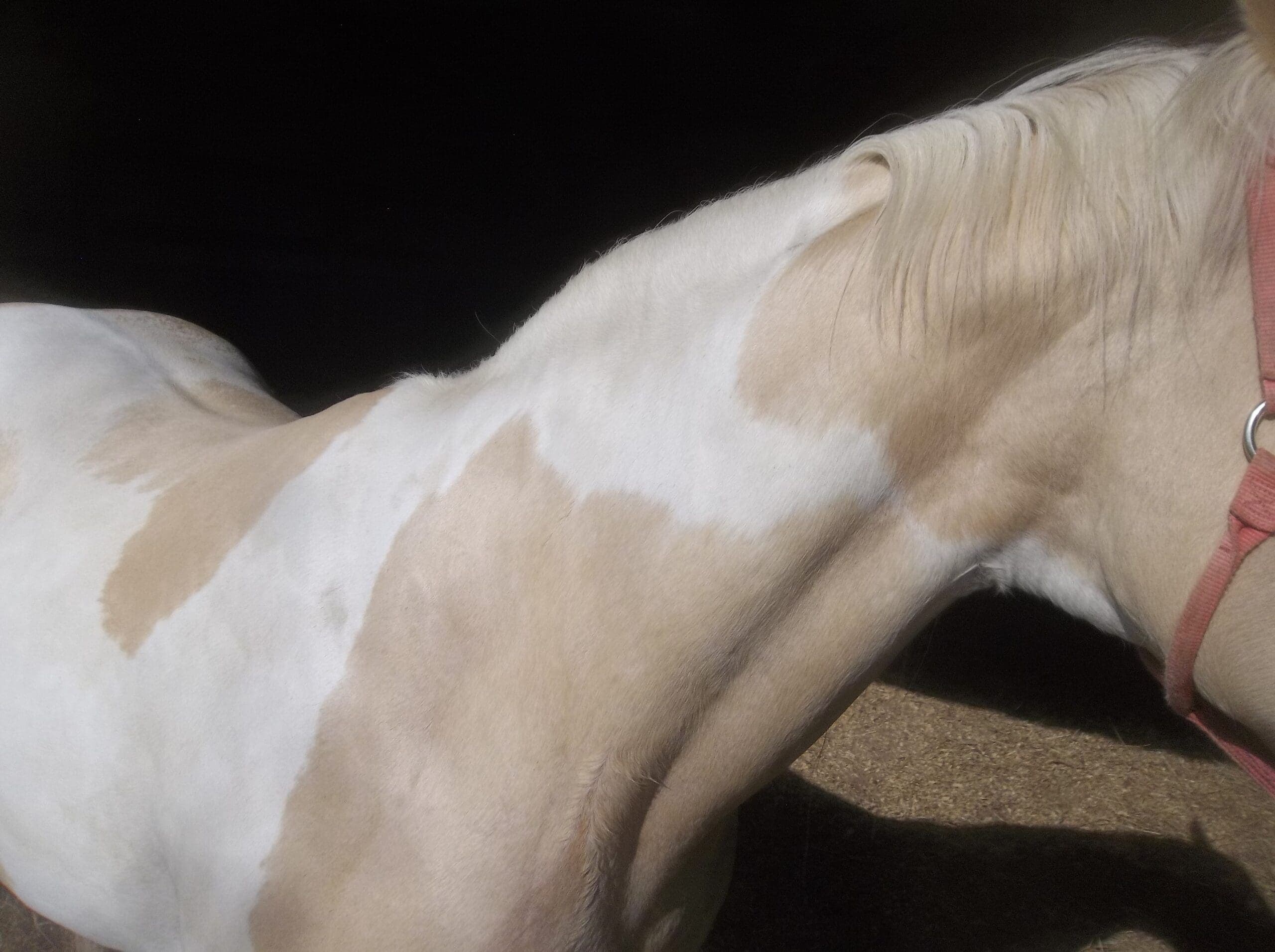 Sunny Crest 2024
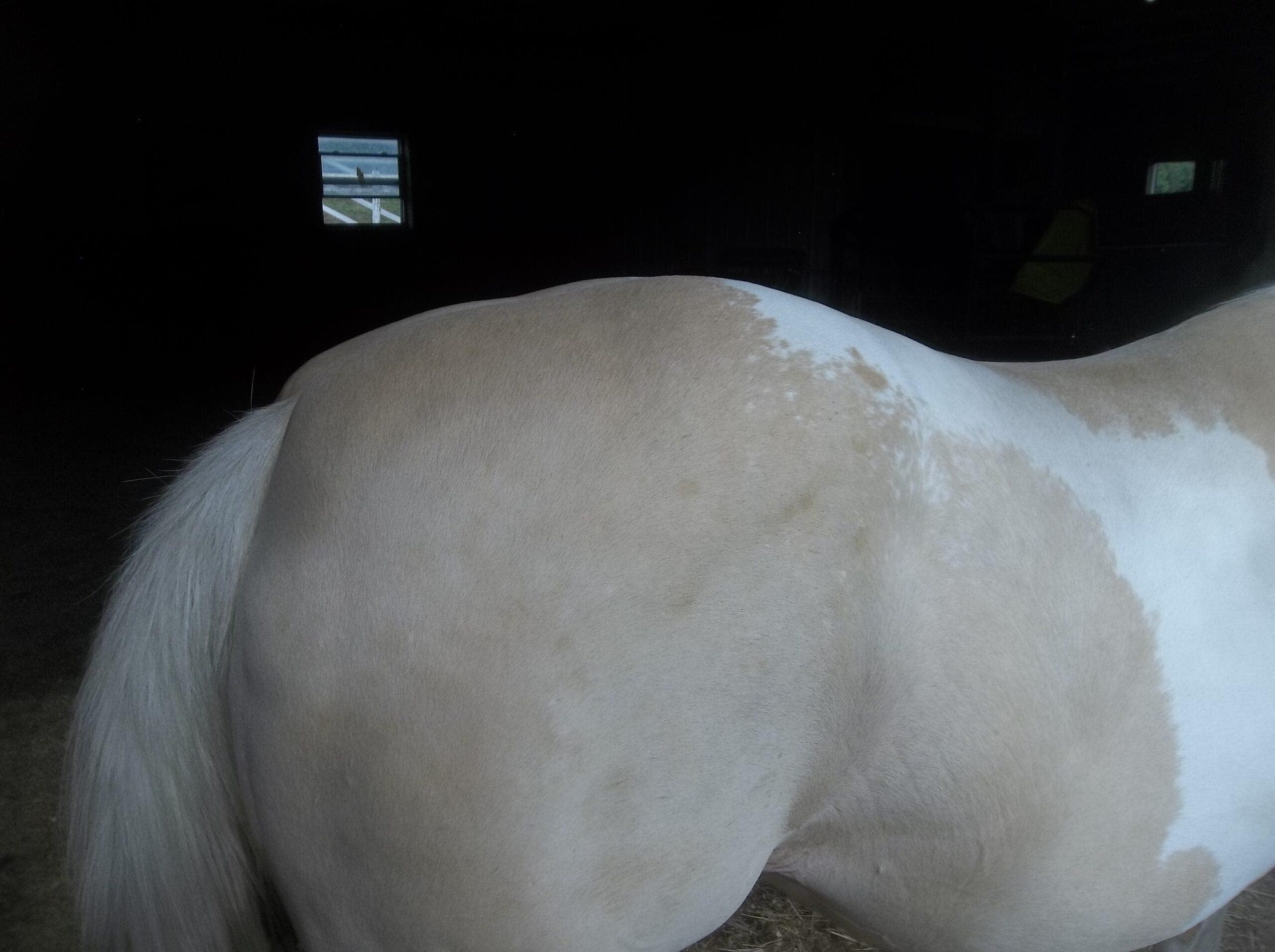 Sunny Rump 2024
Discussion
Many horses have difficulty maintaining a healthy body condition. Given that the mares in this case study struggled with recovering from laminitis and metabolic issues, their difficulty losing weight and maintaining a normal body condition was not surprising.
Since the horses were overweight, maintaining a low caloric intake while meeting vitamin and mineral requirements was a priority for the updated feeding program. However, due to the horses’ metabolic issues, it was equally important to provide additional nutritional support without significantly increasing calories.
The removal of energy-dense feeds, change of hay source, and addition of AminoTrace+ to meet vitamin and mineral requirements helped to strike a balance between managing weight, fulfilling nutrient needs, and supporting metabolic health.
“I truly think this is the best supplement for horses on a hay-only diet I have ever found. It is the only supplement that has oat hulls as a base, and no grain, which is a real plus.”
— Review Provided by Horse OwnerAddressing nutritional deficiencies led to noticeable improvements in hoof and coat health and seemed to improve their overall wellbeing.
This case underscores the importance of individualized feeding plans for every horse. Feeding ample forage alongside the recommended rate of a well-balanced vitamin and mineral supplement, ration balancer, or complete feed is relatively simple and will meet most or all of a horse’s requirements.
With that being said, horses with special care needs like metabolic disease, laminitis, and ongoing weight issues often benefit from more fine-tuned diets with targeted nutritional interventions to provide as much dietary support as possible.
References
- Patterson-Kane, J. C. et al. Paradigm Shifts in Understanding Equine Laminitis. The Veterinary Journal. 2018. View Summary
- van Eps, A. Sepsis-Related Laminitis: Prevention in the Horse at Risk and Treatment of the Ongoing Case. American Association of Equine Practitioners. 2017.
- Belknap, J. K. and Geor, R. J., Eds. Equine Laminitis. 1st ed. Wiley Blackwell, Ames, Iowa. 2017.
- Giles, S. L. et al. Obesity Prevalence and Associated Risk Factors in Outdoor Living Domestic Horses and Ponies. PeerJ. 2014. View Summary
- Geor, R. J. et al. Metabolic Predispositions to Laminitis in Horses and Ponies: Obesity, Insulin Resistance and Metabolic Syndromes. JEVS. 2008.
- Marycz, K. et al. The Correlation of Elemental Composition and Morphological Properties of the Horse’s Hair after 110 Days of Feeding with High Quality Commercial Food Enriched with Zn and Cu Organic Forms. Electronic Journal of Polish Agricultural Universities. 2009.
- Higami, A. Occurrence of White Line Disease in Performance Horses Fed on Low-Zinc and Low-Copper Diets. Journal of Equine Science. 1999.
- Buffa, E. A. et al. Effect of Dietary Biotin Supplement on Equine Hoof Horn Growth Rate and Hardness. Equine Veterinary Journal. 1992. View Summary
- McKittrick, J. et al. The Structure, Functions, and Mechanical Properties of Keratin. JOM. 2012.
- Keen, M. and Hassan, I. Vitamin E in Dermatology. Indian Dermatology Online Journal. 2016.
- National Research Council. Nutrient Requirements of Horses: Sixth Revised Edition. The National Academies Press, Washington, DC.
- Richards, N. et al. Nutritional and Non-Nutritional Aspects of Forage. Veterinary Clinics of North America: Equine Practice. 2021. View Summary




![White Line Disease in Horses [Causes and Recovery]](/wp-content/uploads/2021/09/White-Line-Disease-in-Horses-Causes-and-Recovery-500x333.jpg "White Line Disease in Horses [Causes and Recovery] | Mad Barn USA")















