English

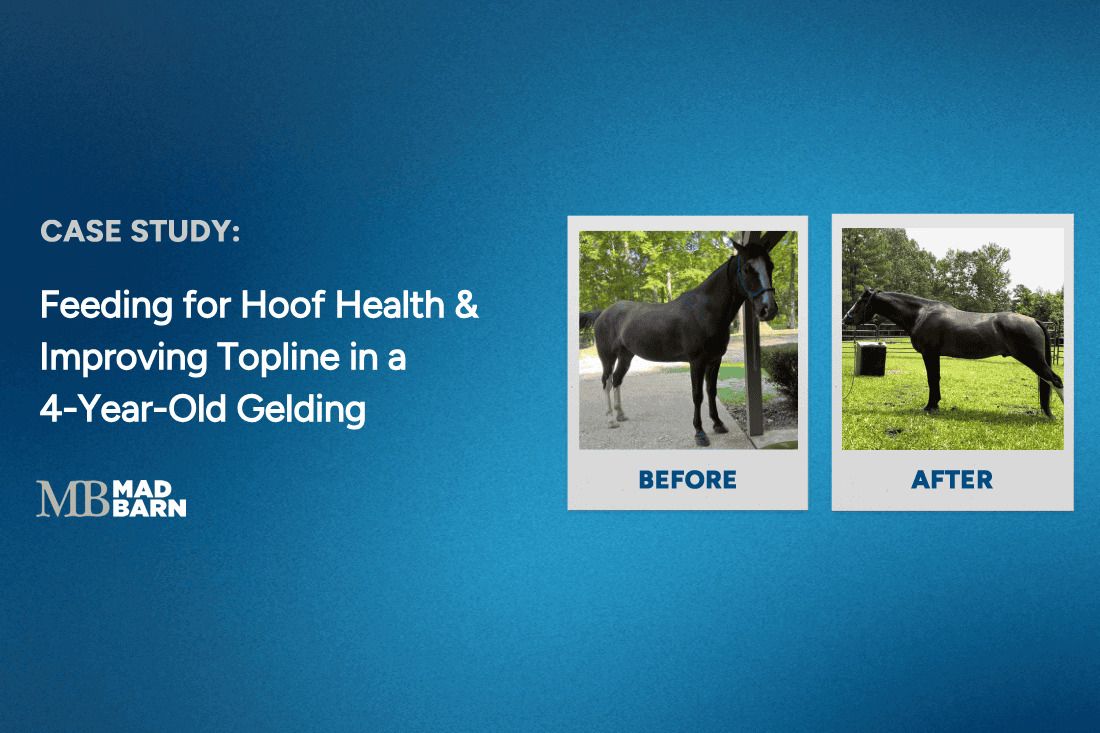
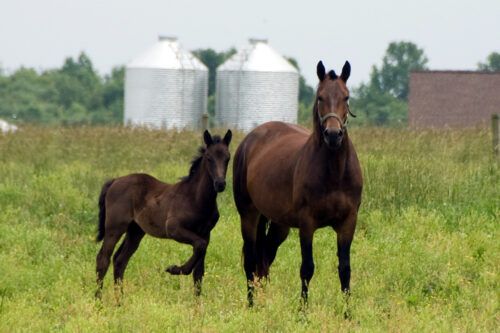
In August 2024, a dietary evaluation was requested for Kevin, a 4-year-old Tennessee Walking Horse gelding, who was assessed as slightly overweight at 1,115 lb (506 kg). Primary concerns reported included hoof issues, poor topline quality, and respiratory health concerns.
The owner’s main objective was to support Kevin’s overall wellness and address his significant hoof issues.
Presentation Prior to Diet Intervention
Kevin was classified as slightly overweight when his diet evaluation request was submitted. His body condition was estimated at 6 on the 9-point Henneke scale. [1]
He also presented with the following special care needs:
- Ongoing hoof issues
- Topline muscling concerns
- Coughing in the spring
The following photos were provided of Kevin from August of 2024:
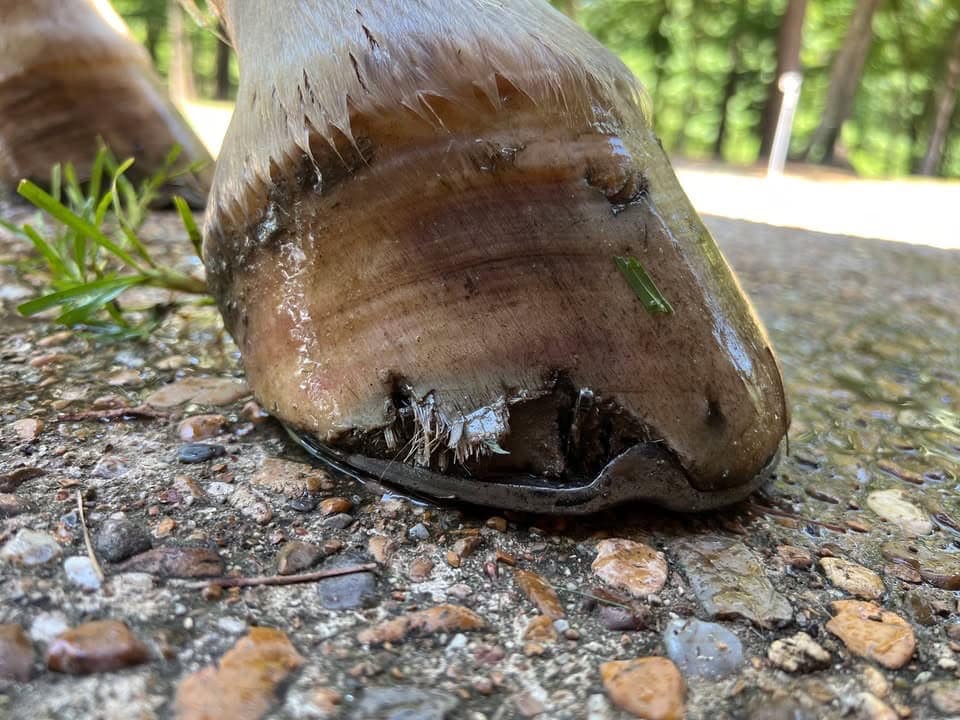 Kevin – August 2024
 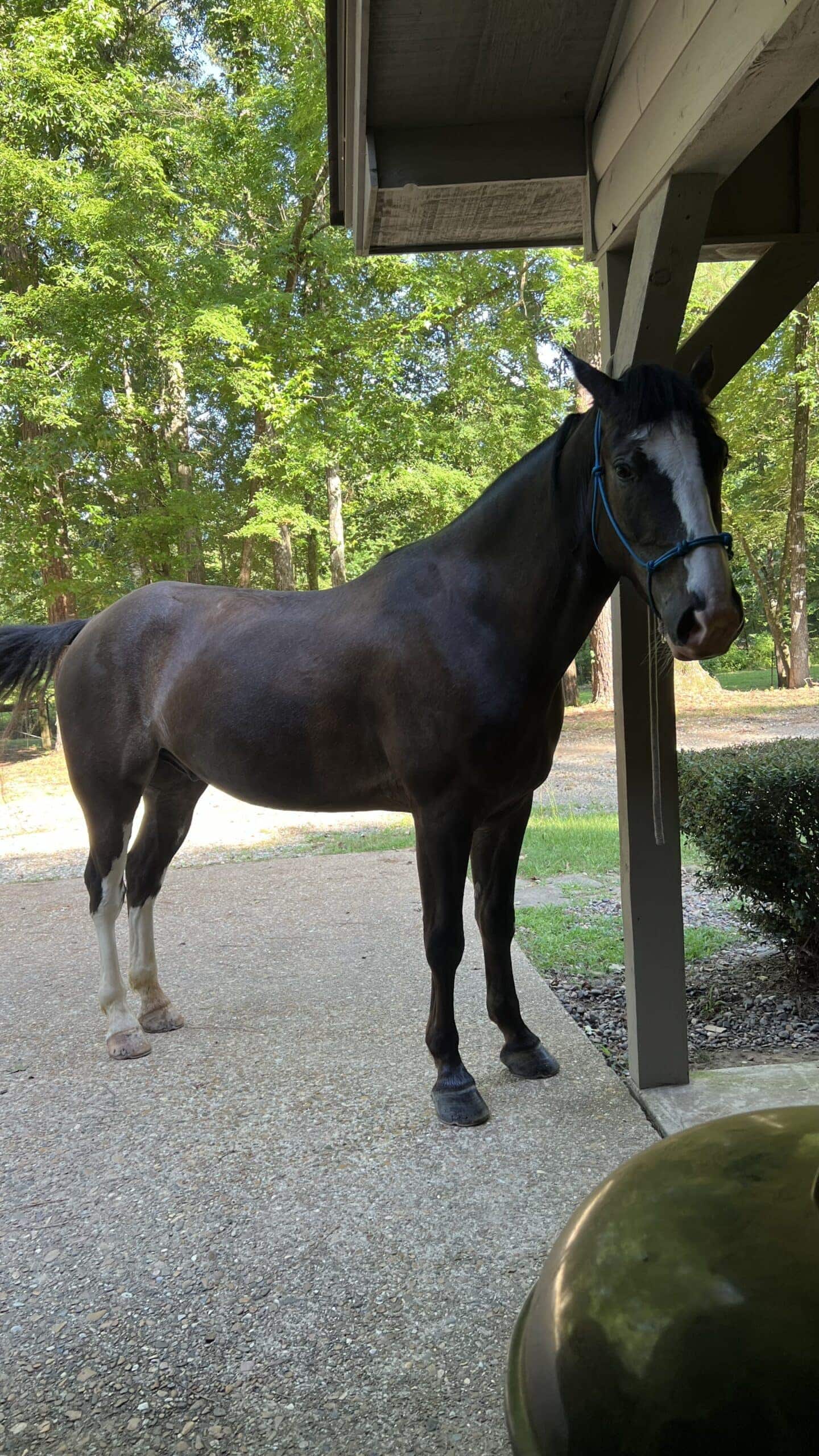 Kevin – August 2024
Horse History
Kevin was maintained on free-choice grass hay and pasture grass. One month prior to his diet evaluation, Kevin’s owner began feeding Omneity® Pellets mineral and vitamin supplement at the recommendation of a Mad Barn nutritionist via a phone consultation.
Previously, Kevin had been maintained in shoes, but they had to be removed due to poor hoof quality. His hoof health was further compromised by recurring episodes of thrush infections.
Kevin was also noted to have poor topline muscling and was described as slightly over-conditioned. Additionally, his owner reported that Kevin tended to develop a cough during the summer months, which she had unsuccessfully attempted to manage on her own.
Hoof Health
A balanced diet and proper hoof care are paramount for supporting hoof health in horses.
Hoof issues can develop due to a number of factors, including:
- Nutrient deficiencies
- Improper hoof care
- Improper or inconsistent farrier care
- Environmental factors
Thrush is one of the most common and frustrating hoof conditions horse owners encounter. The hallmark sign is a foul-smelling, black discharge. If left untreated, thrush may lead to more serious complications, including: [2]
- Softening of the frog
- Tissue necrosis (death)
- Hoof sensitivity or pain
Best practices for supporting hoof health and preventing common hoof issues like thrush include:
- Feeding a balanced diet with adequate vitamins, minerals and protein
- Regularly picking and inspecting your horse’s feet
- Maintaining consistent farrier care
- Avoiding prolonged exposure to excess moisture or dryness
- Ensuring adequate turnout and movement to stimulate healthy hoof growth
- Promptly addressing any signs of infection or abnormal hoof conditions
Deficiencies in minerals such as zinc, copper, and selenium are commonly associated with reduced hoof and coat quality. Rebalancing the diet to ensure horses receive adequate levels of these essential minerals can improve hoof growth and strength. [3]
Other nutrients, including biotin and amino acids, are also important for hoof health. These nutrients contribute to keratin and collagen synthesis, key proteins required to maintain hoof structure and integrity. [3][4]
At the time of diet evaluation, Kevin had been receiving 3 oz (85 grams) of Select The Best’s Nu-Hoof Accelerator daily. Despite these efforts, including removing his shoes and supplementing his diet, Kevin’s hoof health had not improved.
What's your top priority with your horse's health?
Topline Health
Topline muscles refer to the muscle groups along a horse’s neck, back, loin, and croup. These muscles are essential for posture, movement, balance, and performance. Good topline muscling indicates appropriate nutrition, effective conditioning, and overall health, whereas poor topline muscling can suggest nutritional imbalances, inadequate exercise, or underlying health issues.
Ensuring the diet is fortified with protein, essential amino acids, vitamins, and minerals can help to support muscle maintenance and development.
Key nutrients that are important for supporting muscle health include: [5][6][7][8]
- Protein: Ensuring horses receive adequate protein without excess is fundamental to overall muscle health.
- Limiting amino acids: Lysine, threonine, and methionine are amino acids the horse cannot produce on its own. Therefore, these amino acids must be provided in the diet.
- Microminerals: Zinc, copper, manganese, and selenium are important components of antioxidant and other enzymes that support tissue maintenance and repair.
- Macrominerals: Calcium, magnesium, and potassium play a role in muscle contraction, electrolyte balance, and other vital muscle functions.
- Vitamin E: Provides antioxidant support to protect against free radical damage.
Exercise is also an important component of supporting muscle health. For horses with topline-specific concerns, exercises targeted to engage the topline muscles can be employed to improve core strength.
Despite receiving adequate protein and amino acids and being in a light exercise program, Kevin was reported to have issues with gaining and maintaining topline muscling.
Feeding Overweight Horses
An increasing number of horses in North America are being classified as overweight or obese. [9][10][11] Effective weight management is crucial, as overweight horses face a higher risk of secondary health concerns, including arthritis, reproductive issues, and exercise intolerance. [12][13]
Common interventions to encourage weight loss in horses include: [14]
- Reducing or removing concentrate feeds: Concentrate feeds can be replaced with less energy-dense alternatives such as forage pellets and a vitamin and mineral supplement to meet overall nutrient requirements at a lower calorie intake
- Increasing exercise: Light to moderate exercise helps to burn calories and encourage weight loss
- Reducing or eliminating pasture access: Pasture tends to be more energy-dense than hay, so limiting pasture consumption by using a muzzle or reducing the amount of turnout on pasture can limit calorie consumption
- Rationing hay consumption: Limiting hay consumption to 1.5 – 2% of body weight keeps calorie intake proportional to the horse’s metabolic requirements
In Kevin’s case, he was estimated to have a body condition score (BCS) of 6 on the 9-point scale prior to any dietary interventions. He also engaged in light exercise.
Respiratory Health
Intermittent respiratory issues in horses can be caused by viral, bacterial, and fungal infections such as equine influenza, strangles, and exposure to mold. [15] They can also be related to seasonal allergies or environmental changes that exacerbate underlying issues. [16][17]
Common signs of respiratory issues in horses include: [15]
- Coughing
- Abnormal respiratory noise
- Increased respiratory effort (using abdominal muscles to breathe)
- Poor performance
Supporting a horse’s immune and respiratory health starts with providing a balanced diet. Meeting nutrient requirements — particularly for vitamins A, C, and E — is important for maintaining immune function and reducing the risk of respiratory issues related to nutritional deficiencies. [18]
There are a number of management strategies that can also be employed to support equine respiratory health, such as:
- Ensuring adequate ventilation in stables and enclosed areas
- Maintaining a clean barn environment to reduce dust and ammonia buildup
- Regularly inspecting and removing moldy hay from the feed supply
- Soaking hay before feeding to minimize airborne dust particles
In addition, supplements that offer anti-inflammatory support may be beneficial for horses with ongoing or occasional respiratory challenges. For instance, combining environmental management strategies with the inclusion of docosahexaenoic acid (DHA) in the diet has been associated with positive effects on respiratory comfort, including improved breathing ease and reduced coughing in horses. [19]
In Kevin’s case, his respiratory symptoms appeared to peak seasonally, particularly during the summer months. Seasonal coughing in horses can be associated with increased dust levels during dry periods or with seasonal allergens. However, the exact cause of Kevin’s recurring summer cough had not been identified.
Initial Diet
At the time of his diet evaluation, Kevin’s daily ration consisted of the following feeds:
- Free choice grass hay and pasture
- 200 g (2 scoops) of Omneity® Pellets (added one month prior to evaluation)
- Unmeasured Ultium Growth (Purina) as a carrier to mix with other supplements.
- 3 oz (85 grams) Nu-Hoof Accelerator (Select the Best)
Shortly after submitting the diet evaluation, Kevin’s owner had his hay analyzed. However, since a pasture analysis was not available, nutrient intake estimates were based on average-quality pasture grass, adjusted for regional variations in forage mineral content.
Table 1: Mixed grass hay analysis (dry matter basis)
| Nutrient | Analysis (dry matter basis) |
|---|---|
| Digestible Energy | 1.98 Mcal/kg |
| Crude Protein | 8.4% |
| Acid Detergent Fiber | 36.2% |
| Neutral Detergent Fiber | 64.1% |
| Calcium | 0.29% |
| Phosphorus | 0.11% |
After the addition of Omneity® Pellets, the diet was sufficient in vitamins and minerals with the exception of sodium (salt). Based on average pasture energy and protein contents, Kevin’s energy and protein requirements were also being met.

Intervention
Following the consultation, an updated diet plan was constructed to address Kevin’s specific concerns related to hoof health and overweight body condition.
Table 2. Summary of Diet Intervention
| Horse Issue | Intervention |
|---|---|
| Hoof, Topline & Respiratory Health |
|
| Overweight |
|
Several vitamins and minerals that are important for hoof, muscle, and immune health are not often adequately supplied by forage.
Balancing the diet to ensure these nutrients are supplied adequately can help support special care needs such as hoof issues and poor topline muscling, as well as allergies that may be exacerbated by dietary deficiencies.
Balancing the Diet
The primary focus of the diet adjustments was to support hoof and muscle health by meeting vitamin and mineral requirements. Given that Kevin was slightly overweight, it was also important to meet his needs while also reducing his calorie intake.
Continuing with Omneity® Pellets provided nutritional support for hoof and muscle health. Omneity® meets vitamin and mineral requirements with 100% organic trace minerals, which are absorbed more effectively than their inorganic counterparts. It also provides a nutritionally effective level of biotin per serving to support hoof and coat health, and the limiting amino acids lysine, threonine, and methionine.
To reduce calorie intake, Kevin’s concentrate feed was replaced with timothy/alfalfa pellets. This adjustment provided protein supplementation to complement his grass hay and pasture intake, while also lowering his total daily calorie supply.
Updated Diet
After the consultation, Kevin’s nutritionist recommended the following daily diet to support his needs and encourage weight loss:
- Free choice grass hay and pasture
- 2 lb Timothy/Alfalfa Pellets
- 200 g (2 scoops) Omneity® Pellets
- 15 g (1 tbsp) plain salt
Overall, the updated ration reduced Kevin’s energy intake while providing better fortification of protein, vitamins, and minerals.
Outcome
The new diet resulted in a notable improvement in Kevin’s hoof health, with his owner reporting that managing thrush became easier. A slight reduction in body condition was also observed.
The photos below highlight changes in his body condition five months after the dietary adjustments, and improvements in hoof condition six months after introducing Omneity® Pellets.
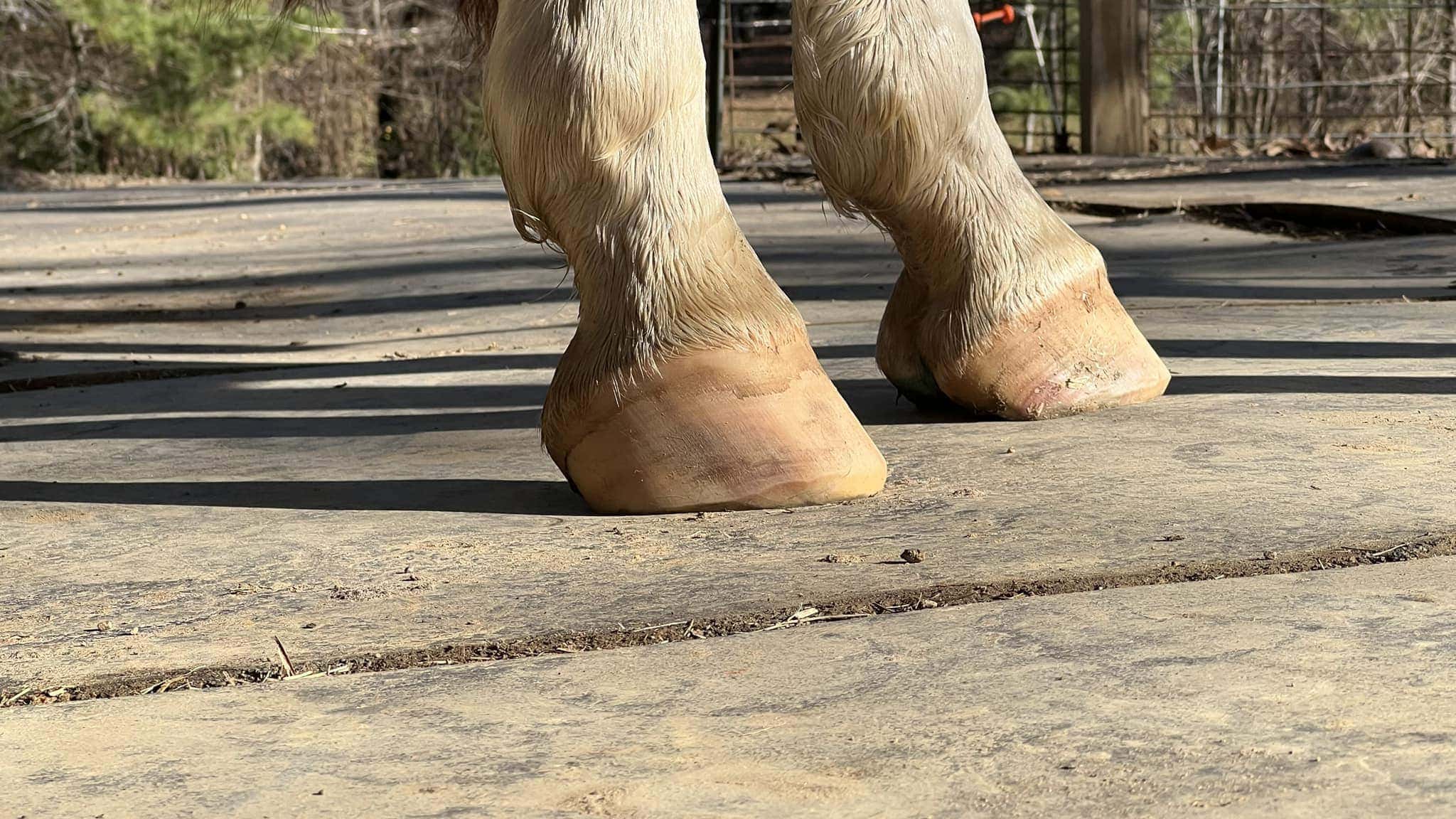 Kevin – January 2025
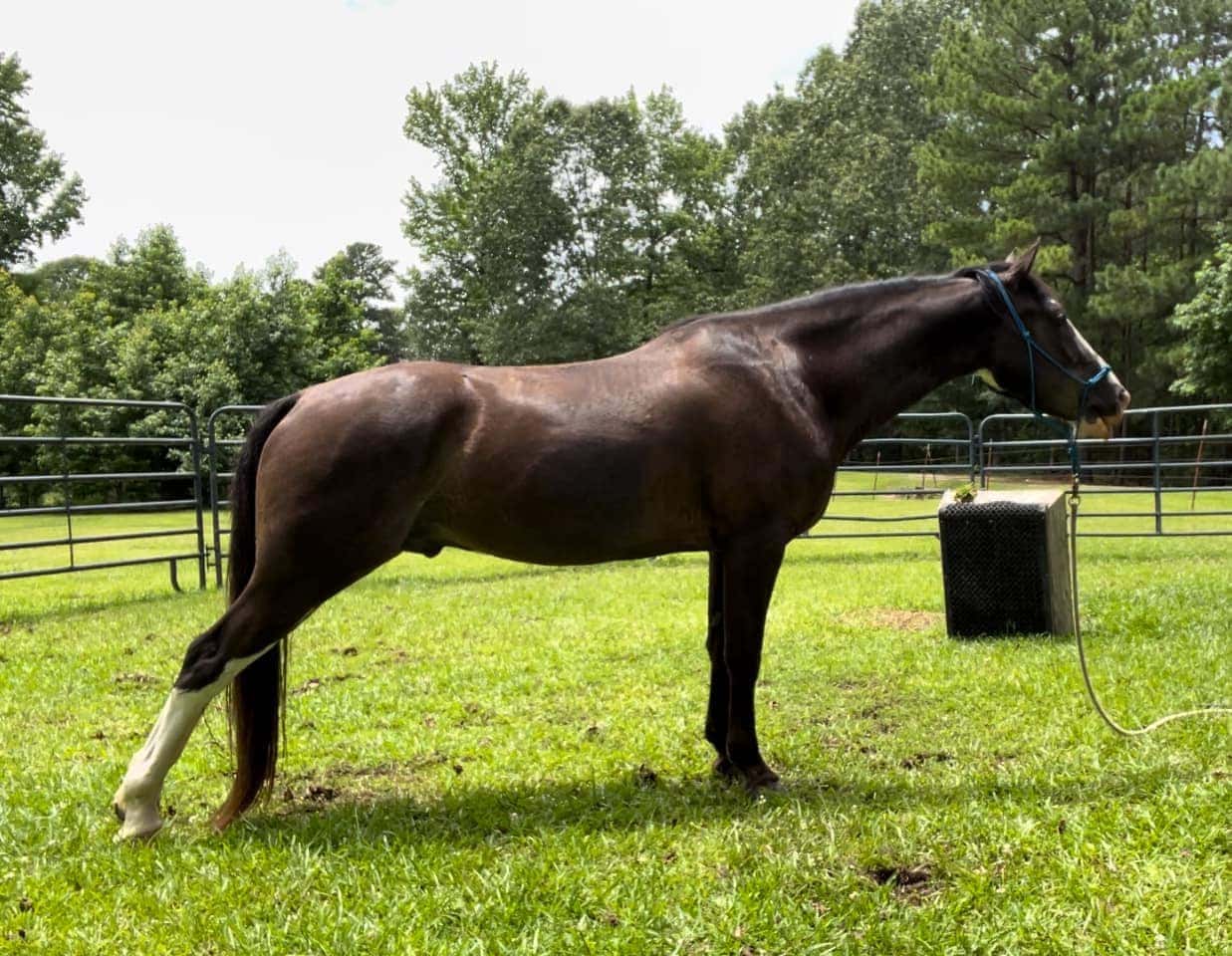 Kevin – January 2025
Discussion
Adjustments to Kevin’s base diet reduced overall calorie intake while improving protein quality, contributing to better body condition and topline muscling.
By January 2025, his owner observed that he had lost enough weight to require additional calories to maintain a healthy body condition score. With pasture availability reduced during the winter months, she increased his intake of timothy/alfalfa pellets to further support protein intake on a hay-only diet.
“The Omneity product has helped the hooves heal in a fairly short time frame. I am having less trouble with thrush as well.... I highly recommend the Omneity product. The folks at Mad Barn have been very helpful in my journey of learning about horse nutrition.”
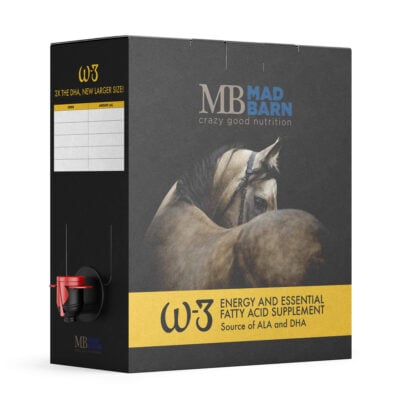
— Feedback from OwnerTo help manage Kevin’s recurring seasonal cough, plans were also made to introduce w-3 Oil in the spring. Each 4 oz (120 mL) serving of W-3 Oil supplies 1,800 mg of docosahexaenoic acid (DHA) and 1,200 mg of vitamin E.
Hoof issues can pose a serious and costly challenge for horse owners. Beyond the expense of additional farrier care, they often result in time out of work, which can lead to secondary issues such as muscle loss and weight gain — both of which require further time and effort to correct.
In Kevin’s case, meeting his vitamin and mineral requirements led to a noticeable improvement in hoof health within approximately six months.
References
- Henneke. D. R. et al., Relationship between Condition Score, Physical Measurements and Body Fat Percentage in Mares. Equine Vet J. 1983.
- Beasley, B., Thrush in Horses. Merck Veterinary Manual. 2024.
- Burns. T. A., "Feeding the Foot": Nutritional Influences on Equine Hoof Health. Veterinary Clinics: Equine Practice. Elsevier. 2021. View Summary
- National Research Council, Nutrient Requirements of Horses: Sixth Revised Edition. The National Academies Press, Washington, DC. View Summary
- Latham. C. M. et al., Complexed Trace Mineral Supplementation Alters Antioxidant Activities and Expression in Response to Trailer Stress in Yearling Horses in Training. Scientific reports. Nature Publishing Group UK London. 2021. View Summary
- Chung. E. et al., Potential Roles of Vitamin E in Age-Related Changes in Skeletal Muscle Health. Nutrition Research. Elsevier. 2018.
- Berchtold. M. W. et al., Calcium Ion in Skeletal Muscle: Its Crucial Role for Muscle Function, Plasticity, and Disease. Physiological Reviews. 2000.
- Carvil. P. and Cronin. J., Magnesium and Implications on Muscle Function. Strength & Conditioning Journal. LWW. 2010.
- Kosolofski. H. R. et al., Prevalence of Obesity in the Equine Population of Saskatoon and Surrounding Area. The Canadian Veterinary Journal. Canadian Veterinary Medical Association. 2017. View Summary
- Durham. A. E. et al., ECEIM Consensus Statement on Equine Metabolic Syndrome. Journal of Veterinary Internal Medicine. 2019. View Summary
- Christie. J. L. et al., Demographics, Management, and Welfare of Nonracing Horses in Prince Edward Island. The Canadian Veterinary Journal. Canadian Veterinary Medical Association. 2004. View Summary
- Johnson. P. J. et al., Medical Implications of Obesity in Horses—Lessons for Human Obesity. Journal of Diabetes Science and Technology. 2009. View Summary
- Chapman. S. J., Obesity and the Health and Welfare of the Leisure Horse. The Veterinary Nurse. 2014.
- Becvarova, I. Scott Pleasant, R. Managing Obesity in Pasture-Based Horses. Vetlearn.com. Compendium: Continuing Education for Veterinarians®. 2012.View Summary
- Lascola. K. M., Overview of Respiratory Diseases of Horses. Merck Veterinary Manual. 2023.
- Eaton. S., Management of Equine Allergic Airway Disease: A Review of Conventional and Complementary Therapies. American Journal of Traditional Chinese Veterinary Medicine. American Association of Traditional Chinese Veterinary Medicine. 2023.
- Costa. L. R. et al., Temporal Clinical Exacerbation of Summer Pasture-Associated Recurrent Airway Obstruction and Relationship with Climate and Aeroallergens in Horses. American journal of veterinary research. Am Vet Med Assoc. 2006.
- Kolb. E. and Seehawer. J., The Effect of Exercise on the Immune System, and Compensation by the Administration of Vitamins, in Horses.. Tierarztliche Umschau. 2000.
- Nogradi. N. et al., Omega‐3 Fatty Acid Supplementation Provides an Additional Benefit to a Low‐Dust Diet in the Management of Horses with Chronic Lower Airway Inflammatory Disease. Journal of Veterinary Internal Medicine. 2015. View Summary