Analyze Diet

open-vs-closed-studbooks-in-horse-breed-registries
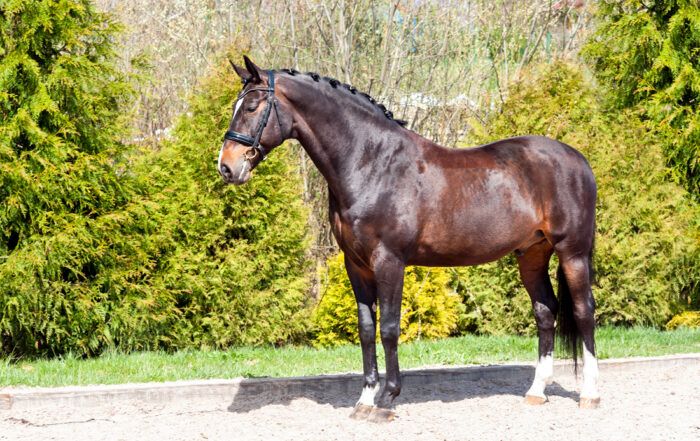
Open vs. Closed Studbooks in Horse Breed Registries: Understanding & Navigating Rules for Breeders Dr. Ana Mesa, Ph.D. | February 11, 2026 | Breeding, Breeds

Centuries of selective breeding shaped the modern horse breeds we know and love. Today, the unique history and characteristics of each breed are maintained by organizations that establish rules defining which horses are eligible for official registration with the breed's...
inappropriate-lactation-in-mares
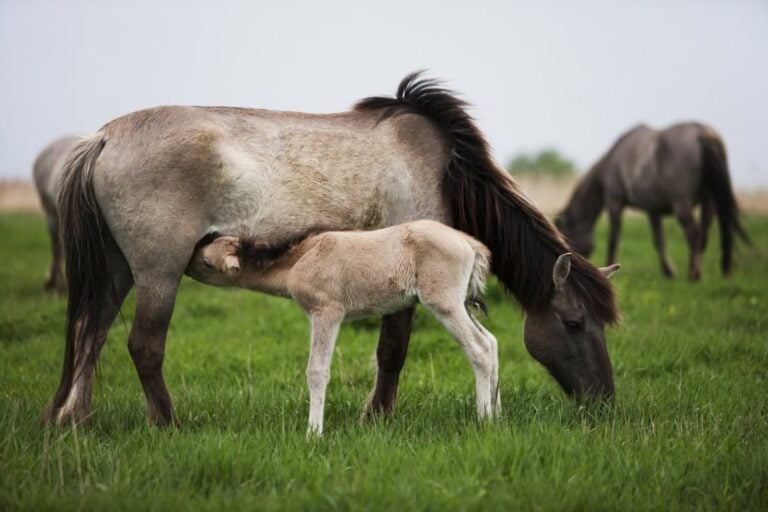
Inappropriate Lactation in Mares: Causes, Treatment & Prevention Dr. Fran Rowe, DVM, PAS | March 3, 2026 | Breeding, Care & Management, Conditions, Symptoms

Lactation is a vital process for broodmares, ensuring the survival and growth of foals by providing essential nutrients and immune protection. However, some mares experience abnormal or inappropriate lactation, producing milk outside the expected timeline—either too early, too late, or...

gestation in horses
Gestation in Horses: Pregnancy Stages, Care Tips, & Related Medical Concerns Lucia K Ryan, MA. | February 5, 2026 | Breeding, Horse Health

Gestation in horses is a journey that requires care, knowledge, and preparation to ensure both the mare and foal remain healthy throughout the pregnancy. The average gestation period for a horse lasts around 340 days, though some mares may carry...

horse colour genetics guide
Horse Coat Colors, Dilutions & Patterns – Genetics Guide Dr. Madison Ricard, DVM, PhD, DACVP | March 4, 2026 | Breeding, Horse Health

Horse coat colors are highly diverse and carry historical, cultural, and even functional significance within many horse breeds. The colors and patterns that mark these breeds result from a complex interaction of several genes that geneticists have studied for centuries....

stallion-behavior
Stallion Behavior and Handling: From Management to Ground Manners Dr. Eleanor Kellon, VMD | February 20, 2026 | Behavior, Breeding, Horse Health

Keeping stallions happy, healthy, and appropriately managed requires an understanding of their unique behavior compared to mares and geldings. Stallions often exhibit instinctive behaviors shaped by evolutionary pressures and social dynamics in the wild. Contrary to their natural environment with...

post foaling benchmarks
Post-Foaling Benchmarks: 1-2-3-4 Rule Horse Breeders Need to Know – [Guide] Dr. Madison Ricard, DVM, PhD, DACVP | January 28, 2026 | Breeding, Foals

Breeders should observe all foalings as closely as possible to monitor the health and wellness of the mare and foal during this period of rapid transition. The 1-2-3-4 Rule is a helpful guideline for breeders to follow when evaluating their...

undescended-testicles-in-horses
Undescended Testicles (Cryptorchidism) in Horses: Risk Factors, Diagnosis & Treatment Camryn McNeill, B.B.R.M. | February 20, 2026 | Conditions, Fertility, Horse Health

During fetal development, the testicles form near the kidneys and gradually descend into the scrotum through a passage called the inguinal canal. In some cases, this descent is incomplete, resulting in one or both testicles being retained within the abdomen...

Stallion Breeding Soundness Exam
Breeding Soundness Exams for Stallions: [7-Step Guide] Dr. Christine Latham, Ph.D. | February 14, 2026 | Breeding, Fertility

A Breeding Soundness Exam (BSE) aims to evaluate your stallion’s overall health, reproductive anatomy, ability to perform in the breeding shed, and semen quality. This exam ensures your stallion is […]

Overo Lethal White Syndrome in Horses
Overo Lethal White Syndrome (OLWS) in Horses: Causes, Signs & Genetic Testing Camryn McNeill, B.B.R.M. | February 20, 2026 | Breeding, Breeds, Conditions, Foals, Horse Health

The overo pattern is one of three coat patterns in American Paint Horses (APHs) recognized by the American Paint Horse Association (APHA), along with Tobiano and Tovero. Among Overo variations, the frame overo subtype stands out for its distinctive markings....

Mastitis in Mares
Mastitis in Mares: Causes, Symptoms and Treatment Dr. Eleanor Kellon, VMD | February 6, 2026 | Breeding, Conditions

Mastitis in mares is a condition characterized by the inflammation of the mammary gland, usually due to a bacterial infection. Mastitis typically affects lactating mares, often in the period immediately after giving birth or after weaning.

Foal Rejection in Mares
Foal Rejection: Normal & Abnormal Maternal Behaviour in Mares Dr. Madison Ricard, DVM, PhD, DACVP | February 11, 2026 | Breeding, Foals

Foal rejection is a situation where the normal bonding between the mare and her foal fails to occur after birth. As a result, the mare may show disinterest, fear, or even aggression towards her newborn foal. The precise cause of...

Abnormal Gestational Length in Foals
Prematurity, Dysmaturity, and Postmaturity: Abnormal Gestational Length in Foals Dr. Madison Ricard, DVM, PhD, DACVP | February 4, 2026 | Breeding, Conditions, Foals

The typical gestation period for horses ranges from 340 to 342 days. During this time, foals undergo extensive development of their organ and skeletal systems, ensuring their survival outside of the mare after birth. In some cases, foals are born...

Phytoestrogens and Mare Fertility
The Effect of Phytoestrogens on Mare Fertility & Reproductive Health Dr. Ana Mesa, Ph.D. | February 21, 2026 | Breeding, Fertility, Nutrition

The reproductive performance of broodmares holds significant importance within the equine industry. Achieving optimal pregnancy rates is critical for both the profitability of breeding operations and the holistic well-being of mares and foals. Many different factors can affect mare fertility,...

How to Feed Orphan Foal
How to Feed and Manage Orphan Foals: Guide to Milk Replacers & More Dr. Christine Latham, Ph.D. | March 4, 2026 | Breeding, Feeding Guides, Foals, Nutrition

An orphan foal is a young horse that cannot nurse their birth mother. Foals may be orphaned for a number of reasons, including the mare’s death or severe illness, rejection of the foal, or the mare’s failure to produce adequate...

breeding-soundness-exams-for-mares
Breeding Soundness Exams for Mares: Assessing Reproductive Health [8-Step Guide] Jessica Artman, B.Sc., M.Sc. | February 21, 2026 | Breeding, Fertility, Horse Health

Despite ongoing advances in equine husbandry and veterinary care, achieving a full-term pregnancy in mares can be challenging. The foaling success rate is often measured below 60%, underscoring the complexities involved in equine reproduction. Breeding Soundness Exams (BSEs) are critical...

Contagious Equine Metritis
Contagious Equine Metritis: Causes, Symptoms & Treatment Dr. Madison Ricard, DVM, PhD, DACVP | February 21, 2026 | Breeding, Conditions, Fertility

Contagious equine metritis (CEM) is a bacterial infection in horses caused by Taylorella equigenitalis. CEM is highly contagious and primarily spreads through venereal transmission and contact with contaminated breeding equipment. CEM is characterized by severe inflammation of the reproductive tract...

Donor Colostrum for Foals
Donor Colostrum for Foals: Guide to Colostrum Collection and Provision Jaime Thomas, B.Sc. | February 21, 2026 | Breeding, Foals

Donor colostrum ensures that a foal receives necessary immune support, even if colostrum is insufficient or unavailable from its mother. Breeders can collect and store their own donor colostrum or use the services of a colostrum bank.

Reproductive Emergencies in Mares
Reproductive Emergencies in Mares: Prepartum & Postpartum Complications Dr. Madison Ricard, DVM, PhD, DACVP | February 14, 2026 | Breeding, Conditions

The time around foaling (periparturient period) is a high-risk period for mares, as their bodies undergo many changes associated with delivery of the foal. Breeders must closely monitor their mares for signs of medical emergencies before, during, and after foaling....

Enlarged Ovaries in Mares
Enlarged Ovaries in Mares: Granulosa Theca Cell Tumours & Other Causes Dr. Madison Ricard, DVM, PhD, DACVP | January 29, 2026 | Breeding, Conditions, Fertility, Horse Health

Enlarged ovaries are frequently observed in mares, especially those used for breeding. This enlargement often stems from an ovarian cyst. In most instances, these cysts are benign and resolve spontaneously, typically not affecting the mare’s fertility. However, it’s crucial for...

Estrus Manipulation in Horses
Estrus Manipulation in Horses: Managing the Mare’s Reproductive Cycle Dr. Madison Ricard, DVM, PhD, DACVP | February 21, 2026 | Breeding, Fertility

Estrus manipulation involves altering the natural course of the mare’s reproductive cycle to support breeding program goals. Breeders may choose to manipulate the estrous cycle in order to increase the length of the breeding season, maximize chances of pregnancy after...

Feeding and Management of Stallions
How to Feed and Manage Stallions: Nutrition Guide Dr. Christine Latham, Ph.D. | March 4, 2026 | Breeding, Feeding Guides, Nutrition

Stallions have unique nutrition and behavioral needs because of their high activity level and potential to become aggressive towards herd mates and humans. Often housed alone, stallions can develop stereotypic behaviours that further complicate their management. Young colts require consistent...

Assisted Reproductive Technologies for Horses
Assisted Reproductive Technologies for Horses: Breeding Techniques Dr. Madison Ricard, DVM, PhD, DACVP | February 21, 2026 | Breeding, Fertility

Assisted reproductive technologies (ARTs) are breeding techniques used to produce foals from subfertile mares and stallions. Some techniques, such as oocyte transfer, are primarily used for mares who are unable to carry a pregnancy to term or even produce embryos...

Live Cover Breeding for Horses
Live Cover Breeding of Horses: Pros & Cons of Natural Service Dr. Madison Ricard, DVM, PhD, DACVP | February 21, 2026 | Breeding, Fertility

Natural service, or live cover, is a common breeding method in the horse industry in which a stallion and mare physically mate. This method is relatively inexpensive and requires less personnel involvement than artificial insemination. Breeders can choose between pasture...

Embryo Transfer in Horses
Embryo Transfer in Horses for Breeding: Pros & Cons Dr. Madison Ricard, DVM, PhD, DACVP | February 21, 2026 | Breeding, Fertility

Embryo transfer (ET) is an advanced reproductive technology that allows breeders to produce multiple offspring from a single mare in a given year. This procedure involves taking an embryo from a donor mare, and depositing it in the uterus of...

Equine Viral Arteritis in Horses
Equine Viral Arteritis in Horses: Symptoms, Diagnosis & Prevention Dr. Jenna Thebeau, DVM, MSc | February 14, 2026 | Breeding, Conditions, Horse Health

Equine viral arteritis (EVA) is a serious infectious disease that affects all equine species. EVA is particularly significant within breeding herds, as the disease causes abortion in up to 60% of affected pregnant mares. Many horses with equine viral arteritis...

Artificial Insemination in Horses
Artificial Insemination in Horses: Pros and Cons for Breeding Dr. Madison Ricard, DVM, PhD, DACVP | February 21, 2026 | Breeding

Artificial insemination (AI) is an increasingly popular method of breeding mares, as it reduces many of the risks of natural service while providing several advantages. Benefits include accessing broader genetics, using stored or transported semen, and eliminating the need to...

Semen Collection for Horses - Evaluating Breeding Stallions
Semen Collection & Evaluation for Stallions: Breeding Guide Dr. Madison Ricard, DVM, PhD, DACVP | February 21, 2026 | Breeding, Fertility

Semen collection and evaluation is an important component of standing a stallion at stud. Semen collection for a breeding soundness evaluation allows owners to estimate how many mares their stallion can service in a year, determine overall semen quality, and...

equine-condition-lavender-foal-syndrome
Lavender Foal Syndrome: Causes, Symptoms & Prognosis Camryn McNeill, B.B.R.M. | February 15, 2026 | Breeding, Conditions

Lavender Foal Syndrome (LFS), or coat colour dilution lethal (CCDL), is a rare and lethal disorder in Arabian horses and crossbreeds. Foals with LFS are born with neurological problems and a lightened coat colour. Lavender Foal Syndrome is a genetic...

Mare Reproductive Loss Syndrome
Mare Reproductive Loss Syndrome: Signs, Causes & Treatment Dr. Madison Ricard, DVM, PhD, DACVP | February 15, 2026 | Breeding, Conditions

Mare reproductive loss syndrome (MRLS) is an enigmatic condition first described in Kentucky in 2001, when an estimated 3,500 foals were either aborted, stillborn, or died shortly after birth. Research revealed that abortions and foal death was closely associated with...

Endometritis in Horses
Endometritis in Horses: Causes, Signs & Treatments Dr. Madison Ricard, DVM, PhD, DACVP | February 21, 2026 | Breeding, Conditions, Fertility

Endometritis is a condition involving inflammation of the uterine lining, and is a very common cause of infertility in broodmares. Mares with endometritis develop fibrosis and inflammation that prevent embryonic development, resulting in failure to conceive or early embryonic loss....