Pain in horses, like in other animals, is an unpleasant sensory and emotional experience associated with actual or potential tissue damage. It can result from various sources, including injuries, diseases, or surgical procedures. Recognizing signs of pain in horses is...
Care & Management
Anthelmintic (parasitic dewormer) resistance is one of the most pressing concerns in the world of equine health. In this phenomenon, internal parasites affecting horses are becoming resistant to the medications veterinarians use to treat parasitic infection. Without effective deworming medications,...
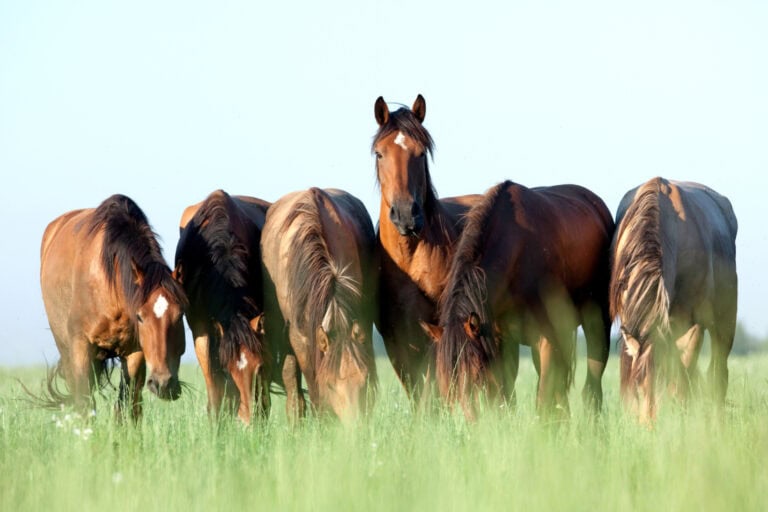
Horses evolved as a social prey species who were able to survive in a variety of environments due to their adaptability and ability to roam long distances in search of food and water. [ref n="1"] The adaptable nature of horses...
Quarantine refers to the practice of separating infected or potentially infected animals to reduce the risk of disease spread. Horse farms, boarding facilities, and show facilities commonly use quarantine protocols to protect the health of their equine population. Quarantine is...
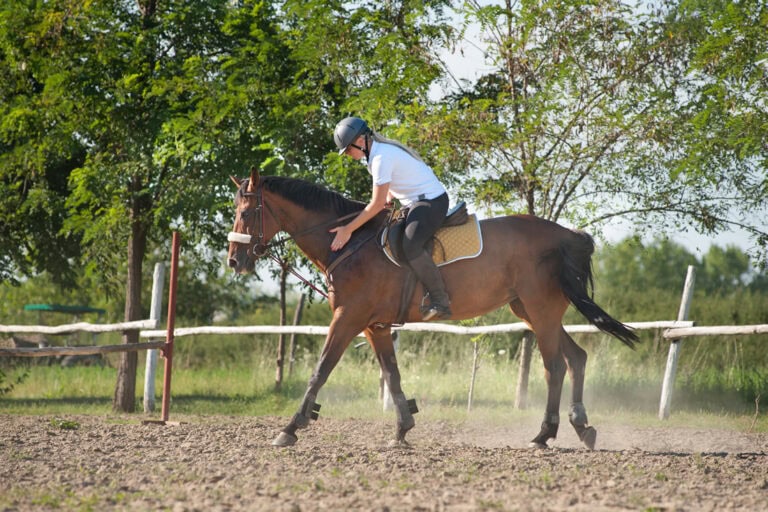
The Ridden Horse Pain Ethogram (RHPE) is a list of 24 behaviours associated with musculoskeletal pain in the ridden horse. Dr. Sue Dyson et al. developed this ethogram as a means of identifying low-grade lameness and horses experiencing discomfort during...
Horses are susceptible to a variety of external pests and parasites. Most equine pests are either insects or arachnids, some of which can cause irritation, discomfort, and even life-threatening reactions. Several species of external parasite can cause severe health problems...
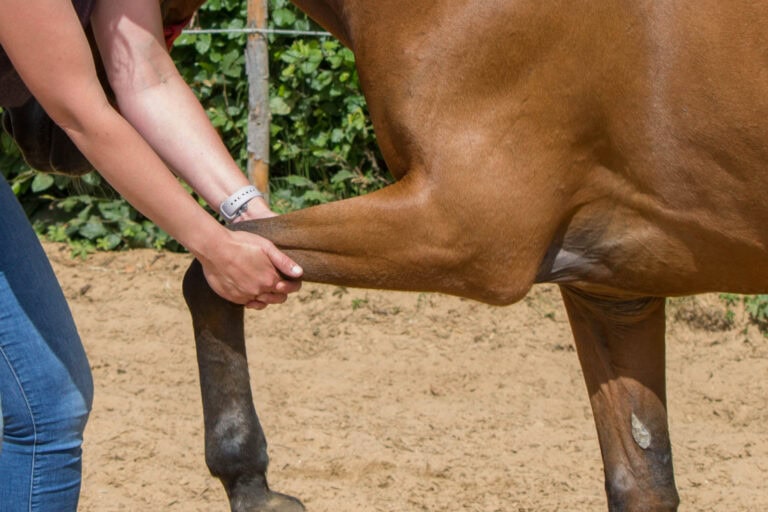
When a horse lies down for extended periods, especially with long-heeled horseshoes or on shallow bedding, prolonged pressure and "squishing" from the hoof on the elbow can occur, leading to a condition known as shoe boil. Shoe boils, otherwise known...
Colic, pain in the abdomen, is one of the most common equine emergencies. [ref n="1"] Some types of colic are life-threatening, requiring immediate veterinary intervention. Currently, colic is one of the leading causes of death in horses. Some studies suggest...
The horse's digestive system is both large and sensitive. It has evolved over millennia to absorb nutrients from grazing pastures and meet the unique energy needs of a free-roaming, incredibly athletic animal. As the horse evolved on the Steppes of...
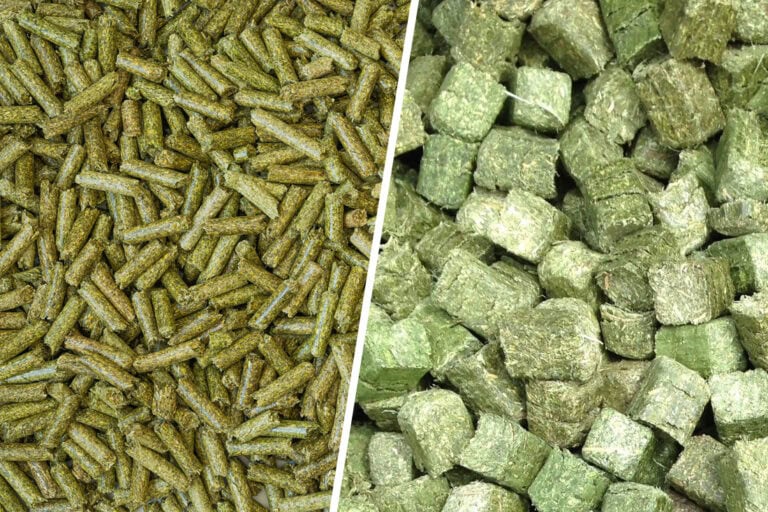
Forage should constitute the bulk of your horse's diet, but not all of it needs to be provided as long-stemmed forages like baled hay. Forage cubes and pellets are other options that may be beneficial for horses in different management...
Equine herpesvirus-1 myeloencephalopathy (EHM) is a potentially fatal consequence of equine herpesvirus-1 (EHV-1) infection in horses. EHV-1 spreads through contact with an infected horse or surfaces contaminated with the virus. Affected horses develop incoordination, weakness, and paralysis 6-10 days after...
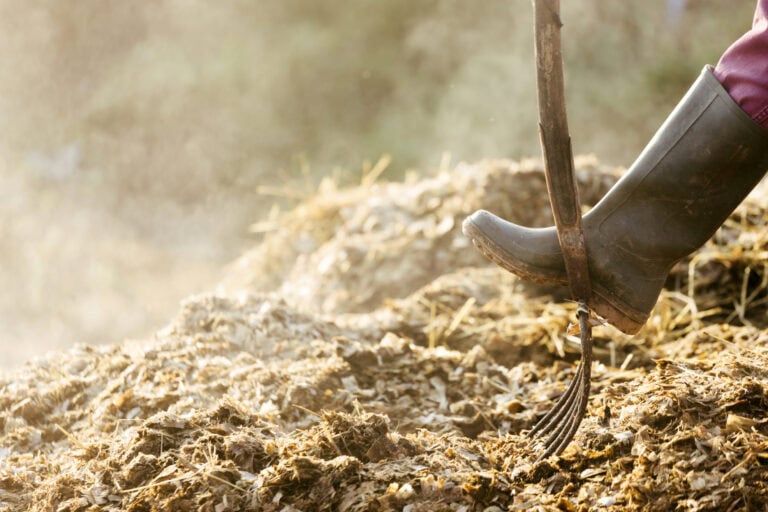
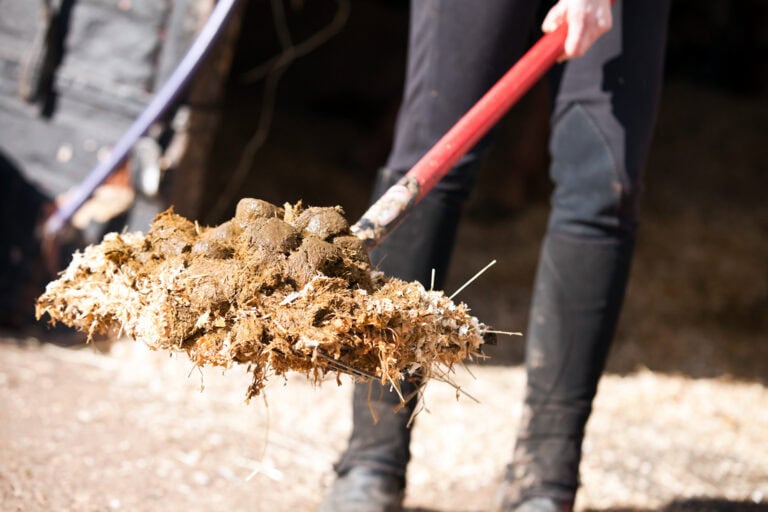
When you have horses, dealing with manure is simply a fact of life. After all, an average-sized horse poops anywhere from 4 to 13 times each day. Other than cleaning stalls and paddocks, horse owners may not pay too much...
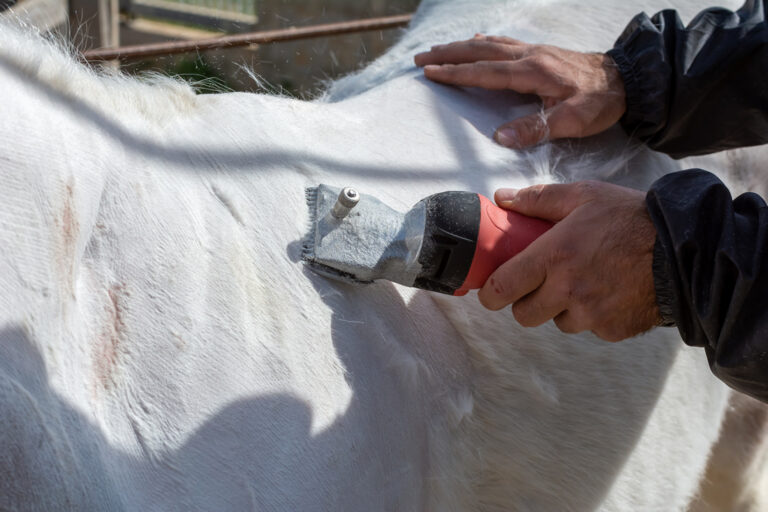
Clipping a horse’s coat is often messy and time-consuming. It can also be stressful for both horses and humans. With the right approach, clipping your horse doesn't have to be a dreaded chore. Clipping offers numerous benefits, particularly for horses...
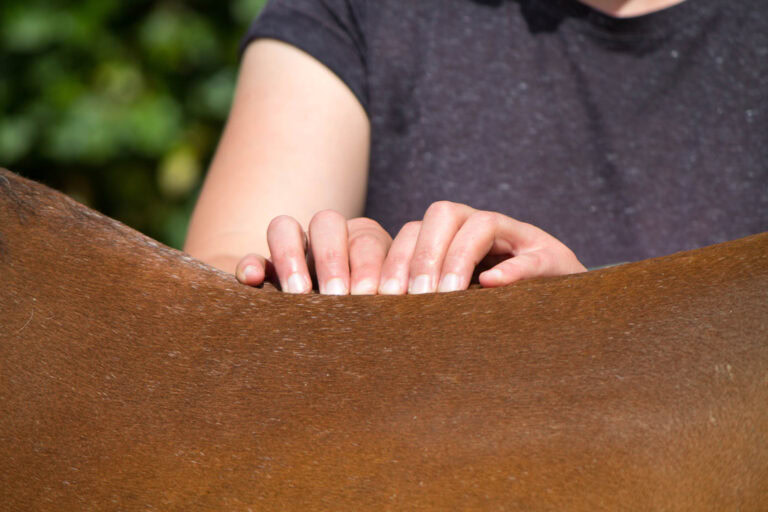
Chiropractic care for horses is a form of manual therapy commonly used in veterinary treatment protocols for lameness. Chiropractic treatment focuses on joint mobilization and manipulation to reduce pain, improve symmetry, and increase range of motion.
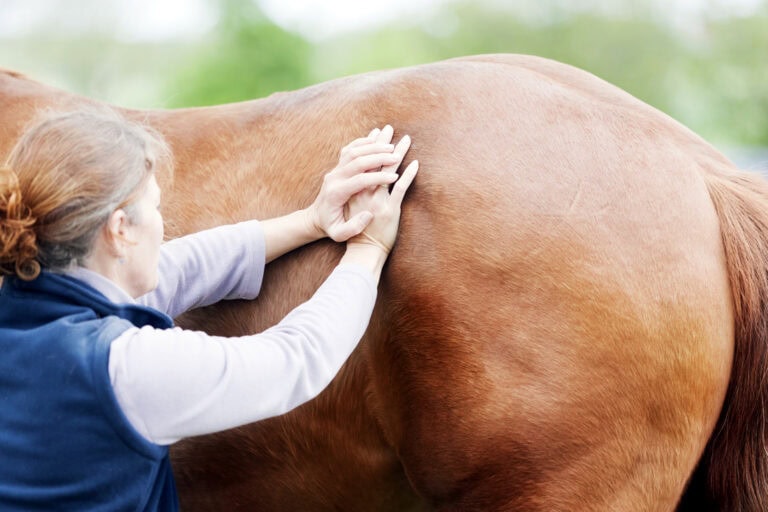
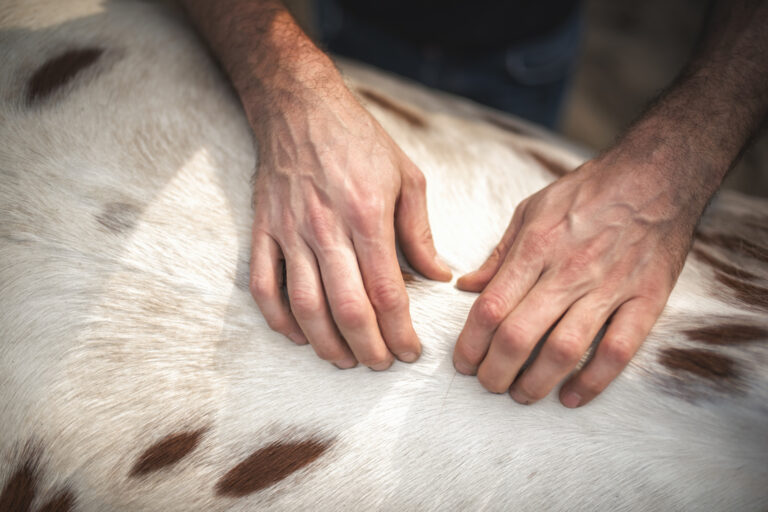
Equine massage therapy is a bodywork modality that involves the systematic manual manipulation of a horse’s muscles and soft tissues to alleviate muscle tension and promote overall well-being. It’s an increasingly popular component of holistic veterinary care and equine management.
Exertional Rhabdomyolysis (ER), commonly known as tying-up or azoturia, is an exercise-induced condition in horses characterized by the excessive breakdown of muscle tissue. This results in muscle spasms, pain and impaired performance following bouts of exercise. [1] In severe cases,...
Choosing the best configuration of shelter in your horse’s pasture is one of the most important aspects of horse management. Most horses seek shelter at some point during the day, whether from cold and precipitation or from insects and heat.
Managing manure is an inevitable aspect of equine stable maintenance and requires careful consideration. A successful manure management program will depend on multiple factors including the number of horses at the location, the amount of available land, and the stable/facility...
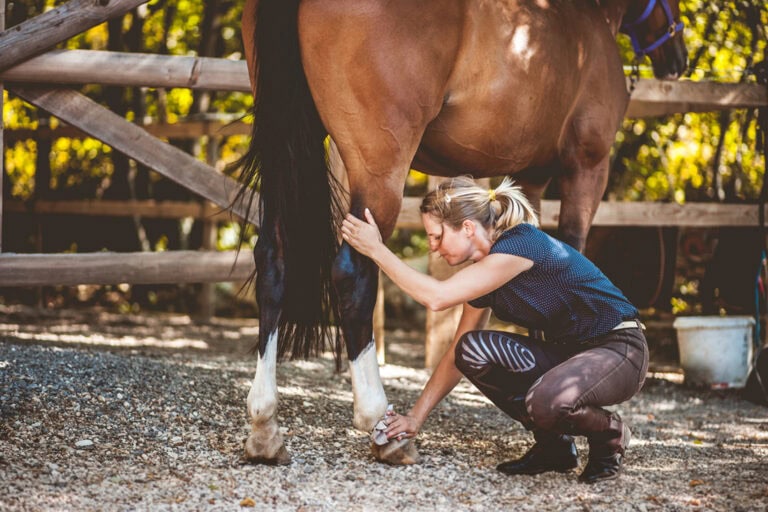
Looking for ways to reduce swelling in your horse's legs? Several factors can lead to leg swelling in horses, ranging from mild conditions such as "stocking up" to more severe issues such as cellulitis. If your horse is experiencing limb...
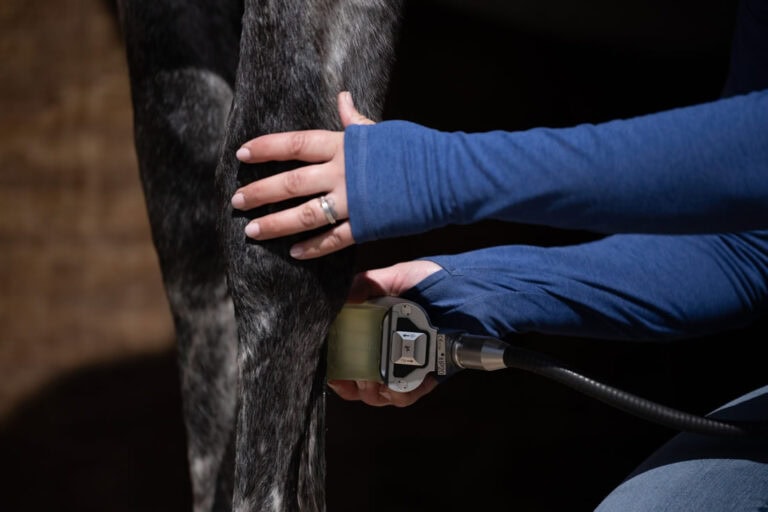
Extracorporeal shockwave therapy (ESWT) is a common treatment modality offered by many veterinarians for treating lameness cases. Most veterinarians use this treatment for arthritis cases and ligament injuries. ESWT produces a shockwave that applies a high amount of pressure to...
Sacroiliac pain is a common cause of poor performance and low-grade lameness in performance horses. The sacroiliac joint is the point on the horse’s body where the pelvis and the spine connect, playing an important role in their stride.
A balanced feeding program is key for yearling horses, as it sets the foundation for their growth and development into adulthood. Yearlings are transitioning from foals to young horses, and their nutritional needs are unique during this stage of life.
Moodiness in mares has long been a topic of discussion among horse owners, often leading to misconceptions about their behavior. Scientific research has shed light on the true causes behind moody mare behavior, debunking several myths and providing insights into...
Heart rate monitors are an emerging tool in horse sports, helping to optimize training and enhance fitness. Widely used by human athletes, equine-specific devices are now increasingly accessible to riders, horse owners, trainers, and veterinarians.
Have you ever struggled with a horse that has a difficult time maintaining their body condition? For horse owners, the term "hard keeper" is more than just a casual phrase, it's a familiar and often perplexing challenge. Hard keepers, despite...
Beet pulp is a mainstay of many feeding programs for horses. This highly digestible feed is a good source of soluble fiber that supports hindgut function and helps meet energy requirements. Beet pulp is a by-product of sugar extraction from...
Horse wounds can be alarming to deal with, especially when horses experience severe cuts or lacerations. Research indicates that wounds are the second most common emergency issue in equine care. Horses often sustain wounds from their surroundings, whether from sharp...
Want an easy and convenient way to learn more about horses? Nothing is better than a podcast for immersing yourself in equine education while you’re on the go. Hundreds of free horse podcasts are available online, covering nearly every topic...
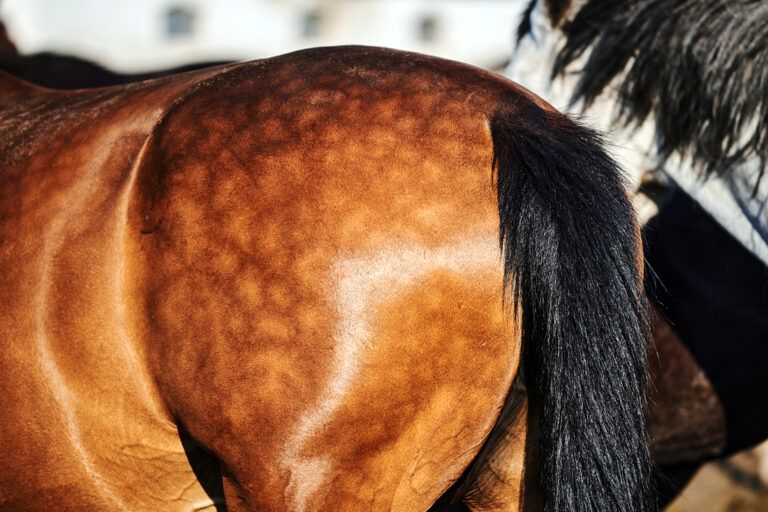
Dapples, the fascinating spots that add a unique pattern to a horse’s coat, have long captured the attention of equestrians, breeders, and horse owners. Dapples are rounded areas on a horse’s hair coat that appear lighter or darker than the...
Fescue toxicosis in horses results from ingestion of fescue grass contaminated with the fungus Neotyphodium coenophialum. The fungus produces ergot alkaloid toxins which cause changes in hormone concentrations and blood flow in pregnant mares grazing contaminated pastures or hay. Nearly...