Analyze Diet
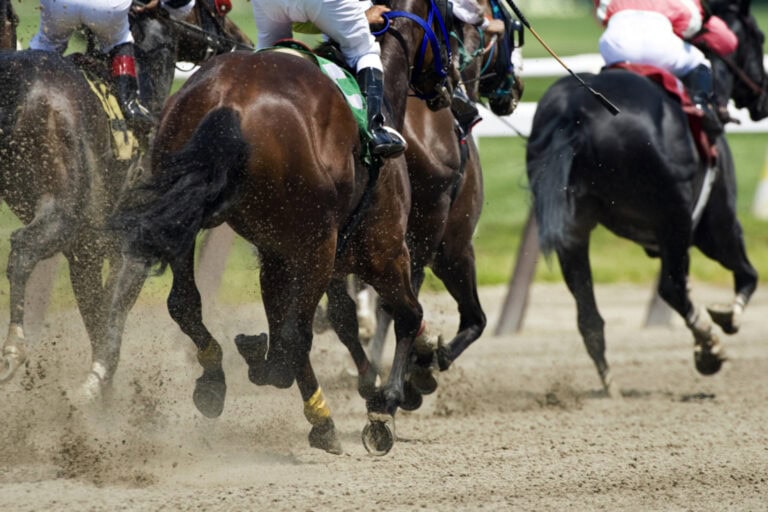
common equine sports injuries - racehorses
12 Most Common Injuries in Racehorses: Risk Factors, Treatment & Prevention Dr. Madison Ricard, DVM, PhD, DACVP | February 3, 2026

Horse racing is a thrilling sport, demonstrating the power and speed of equine athletes performing at their absolute best. From the raw speed and acceleration of Quarter Horses, to the impressive staying power of Thoroughbreds, to the jumping ability of...
parrot-mouth-in-horses
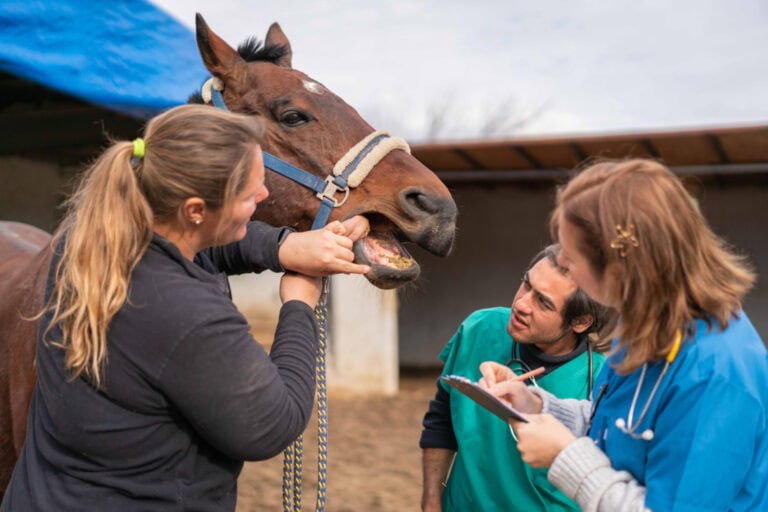
Parrot Mouth (Rostral Malocclusion) in Horses: Symptoms, Risk Factors & Treatment Sara Rice, MSc. | February 14, 2026

Parrot mouth is a common equine dental condition typically identified at birth or shortly after. It is characterized by a pronounced overbite where the upper front teeth protrude beyond the lower row of teeth, causing the upper lip to overlap...

quittor-in-horses
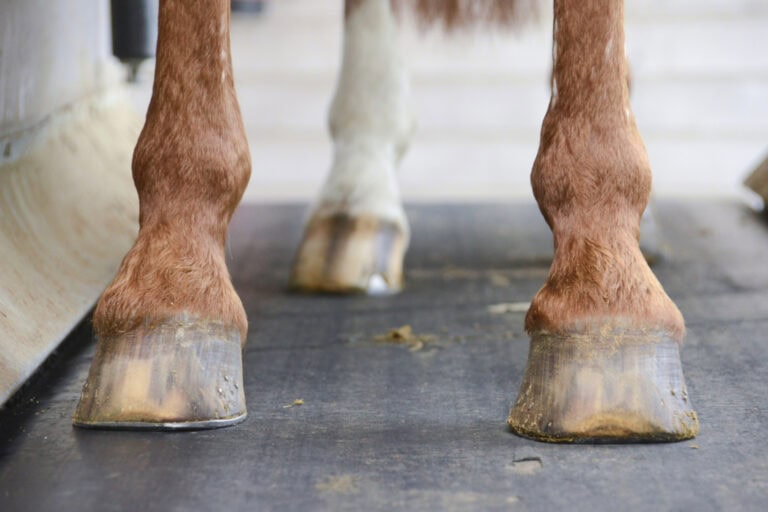
Quittor (Collateral Hoof Cartilage Infection) in Horses: Risk Factors, Treatment & Prevention Sara Rice, MSc. | February 6, 2026

Hoof health is one of the pillars of overall horse health and well being. There are numerous conditions that can impact the horse's hooves, including quittor. Quittor is an infection in the collateral cartilage of the hoof often resulting from...

atypical-and-seasonal-pasture-myopathies-in-horses
Box Elder & Sycamore Poisoning (Atypical & Seasonal Pasture Myopathies) in Horses: Risk Factors, Symptoms & Prevention Lucia K Ryan, MA. | February 12, 2026

Atypical Myopathy (AM) and Seasonal Pasture Myopathy (SPM) are highly fatal muscle disorders in horses caused by the ingestion of seeds of the box elder or sycamore trees. Seeds of these species contain a compound called hypoglycin A that converts...

glanders-in-horses
Glanders (Farcy) in Horses: Transmission, Symptoms, & Prevention Camryn McNeill, B.B.R.M. | February 14, 2026

Glanders is one of the oldest diseases known to affect horses. It is a highly contagious and fatal disease that affects horses, donkeys, and mules, caused by the bacterium Burkholderia mallei. It poses a significant zoonotic threat, as it can...

equine serum hepatitis
Theiler’s Disease in Horses (Equine Serum Hepatitis): Causes, Treatment & Prognosis Dr. Eleanor Kellon, VMD | February 12, 2026

Theiler's disease, also known as equine serum hepatitis, is a viral infection likely caused by equine parvovirus-hepatitis. Horses most commonly develop Theiler's disease after administration of an equine-origin biologic product, such as serum or blood. Theiler's disease causes rapid onset...

monensin poisoning in horses
Monensin Poisoning in Horses: Risk Factors, Symptoms & Prevention Lucia K Ryan, MA. | February 26, 2026

Monensin is a type of antibiotic commonly found in livestock and poultry feed that is highly toxic to horses. Monensin belongs to a medication class called ionophore antibiotics. These antibiotics are frequently used in feed as parasite control and to...

salmonella-poisoning-in-horses
Salmonella Infection in Horses: Risk Factors, Symptoms & Prevention Dr. Eleanor Kellon, VMD | January 28, 2026

Salmonellosis refers to infection with Salmonella, a bacterium that primarily causes intestinal infections and diarrhea. Salmonella can affect numerous species, including horses and humans. Horses typically acquire the bacteria through the ingestion of contaminated feed or water. Common symptoms of...

bucked-shins-in-horses
Bucked Shins (Dorsal Metacarpal Disease) in Horses: Risk Factors, Treatment & Prognosis Sara Rice, MSc. | February 12, 2026

Bucked shins is a condition that affects the cannon bones of young race horses in the first 6 to 8 months of their speed training. Since the horse's bones are still developing, the strain of the training results in a...

bog spavin in horses
Bog Spavin (Tarsocrural Joint Effusion) in Horses: Causes, Treatment & Prognosis Dr. Christine Latham, Ph.D. | February 20, 2026

Bog spavin is a common term for effusion in the horse's tarsocrural joint. This painful condition describes inflammation and fluid accumulation in the joint capsule between the tibia and the tarsal bones in the hock. Bog spavin is characterized by...

bloating in horses
6 Common Causes of Bloating in Horses: Signs, Treatment & Prevention Camryn McNeill, B.B.R.M. | February 20, 2026

The horse's gastrointestinal system is evolved for processing forage and fiber. Domestic feeding and management strategies often challenge the horse's natural digestive process. Significant disruptions can lead to bloating - a condition where gas accumulates in the gut, causing abdominal...

undescended-testicles-in-horses
Undescended Testicles (Cryptorchidism) in Horses: Risk Factors, Diagnosis & Treatment Camryn McNeill, B.B.R.M. | February 20, 2026

During fetal development, the testicles form near the kidneys and gradually descend into the scrotum through a passage called the inguinal canal. In some cases, this descent is incomplete, resulting in one or both testicles being retained within the abdomen...

mrsa-in-horses
Staphylococcus & MRSA in Horses: Causes, Symptoms & Treatment Dr. Madison Ricard, DVM, PhD, DACVP | January 29, 2026

Staphylococcus bacteria are a common member of the equine microflora, found on the skin, in the nasal passages, and in the intestines. These bacteria typically do not cause infection or disease. However, under certain circumstances, the bacteria may take advantage...

anthrax in horses
Anthrax Poisoning in Horses: Transmission, Treatment & Prevention Dr. Madison Ricard, DVM, PhD, DACVP | January 29, 2026

Anthrax is a rapidly fatal disease caused by the bacterium Bacillus anthracis. This bacterium can infect horses, other livestock species, and humans. Anthrax cases occur globally every year, including sporadic outbreaks in North America. B. anthracis primarily exists as spores...

smoke inhalation injury in horses
Equine Fire Hazards & Smoke Inhalation Injury: Toxicology, Management & Prevention Lucia K Ryan, MA. | February 20, 2026

In recent years, extensive and persistent wildfires have been a growing concern for horse operations everywhere. Evacuation and preventive protocols are often challenging and put a great deal of strain on livestock and their human caretakers. Equally as concerning is...

liver-health-in-horses
Liver Disease in Horses: Signs, Causes, Treatment & Prevention Jaime Thomas, B.Sc. | February 27, 2026

Liver health is paramount to the overall well-being and performance of horses. It is one of the largest and most vital organs in the equine body. This organ plays a crucial role in numerous physiological processes including metabolism, digestion, detoxification,...

hives-in-horses
Hives in Horses (Urticaria): Causes, Treatment & Prognosis Camryn McNeill, B.B.R.M. | February 14, 2026

Hives, also known as urticaria, are a common skin reaction in horses characterized by the sudden appearance of raised, swollen wheals on the skin. These wheals can vary in size, and may be accompanied by itching or discomfort. Hives in...

selenium-toxicity-in-horses
Selenium Poisoning (Alkali Disease) in Horses: Causes, Symptoms & Prevention Lucia K Ryan, MA. | February 14, 2026

Selenium (Se) is a micronutrient that horses require in trace amounts to support cellular function. The selenium content in soil contributes to its final concentration in plants. Worldwide, selenium levels in soil vary widely. Selenium imbalances are common in horses....

tapeworms-in-horses-2
Tapeworms in Horses: Risk Factors, Transmission & Prevention Camryn McNeill, B.B.R.M. | February 6, 2026

Parasites are organisms that live in or on the horse, and rely on the horse for sustenance while often causing harm or disease. These include worms like roundworms, tapeworms, and bots, as well as external parasites such as ticks and...

keratosis-in-horses
Keratosis (Stud Crud) in Horses: Symptoms, Prognosis & Treatment Sara Rice, MSc. | February 14, 2026

Keratosis is an equine skin condition where patches or bands of skin become thickened, rough, dark, and oily. The patches are not painful nor itchy, are not contagious, and do not impact the overall health of the horse. There are...

ringworm or girth itch in horses
Ringworm (Girth Itch) in Horses: Risk Factors, Transmission & Prevention Camryn McNeill, B.B.R.M. | February 12, 2026

Ringworm, or dermatophytosis, is a common fungal skin infection. Despite its name, ringworm isn't caused by a worm but rather by various fungi, or dermatophytes, that infect the skin. This fungal infection presents circular hair loss patches with crusty, scaly...

ragwort-poisoning-in-horses
Ragwort Poisoning (Pyrrolizidine Alkaloid Toxicity) in Horses: Toxicology, Treatment & Prevention Lucia K Ryan, MA. | February 14, 2026

Pyrrolizidine alkaloids (PAs) are a naturally occurring type of compound found in many species of plants. When ingested, PAs are toxic to horses. Some of the most common plants that contain high concentrations of PAs include Ragwort (Senecio spp.), Rattlepod,...

strangulating-lipomas-in-horses
Strangulating Lipomas in Horses: Risk Factors, Diagnosis & Treatment Sara Rice, MSc. | February 14, 2026

As horse owners the world over know, equines are prone to many forms of gastrointestinal disease and dysfunction. Strangulating lipomas are among the varied and complex risks of GI disruption in horses. A lipoma is a tumor made of fat...

herda-in-horses
Hereditary Equine Regional Dermal Asthenia (HERDA): Causes, Genetic Testing & Prevention Camryn McNeill, B.B.R.M. | February 12, 2026

Hereditary Equine Regional Dermal Asthenia (HERDA), or Hyperelastosis Cutis (HC), is a genetic degenerative skin disease that primarily affects Quarter Horses. It's characterized by a collagen deficiency, a crucial protein responsible for maintaining the strength and elasticity of the skin....

proximal-enteritis-in-horses
Proximal or Anterior Enteritis in Horses: Causes, Treatment & Recovery Sara Rice, MSc. | January 29, 2026

Proximal Enteritis (also known as Anterior Enteritis) describes inflammation of the first two parts of the horse's small intestine. Proximal Enteritis (PE) is a serious concern for horse owners, as it can block passage of food and water through the...

insect-stings-and-spider-bites-in-horses
Insect Stings and Spider Bites in Horses: A Complete Guide to Equine Pests Lucia K Ryan, MA. | February 27, 2026

Horses are susceptible to a variety of external pests and parasites. Most equine pests are either insects or arachnids, some of which can cause irritation, discomfort, and even life-threatening reactions. Several species of external parasite can cause severe health problems...

vesicular-stomatitis-in-horses
Vesicular Stomatitis in Horses: Causes, Transmission & Prevention Dr. Jenna Thebeau, DVM, MSc | February 20, 2026

Vesicular stomatitis is a viral disease that more commonly affects horses living in warmer climates. The disease typically results in blister-like lesions (referred to as vesicles) forming in and around the mouths of horses and other farm animals. This condition...

hendra virus in horses
Hendra Virus (Equine Morbillivirus) in Horses: Transmission, Risk Factors & Prevention Dr. Madison Ricard, DVM, PhD, DACVP | February 20, 2026

Hendra virus (HeV), also known as equine morbillivirus, is a frequently fatal viral infection that can affect both horses and people. All reported cases of human Hendra virus infection occurred after exposure to an affected horse, emphasizing the significance of...

african-horse-sickness
African Horse Sickness: Causes, Risk Factors & Prevention Dr. Madison Ricard, DVM, PhD, DACVP | February 14, 2026

African horse sickness (AHS) is a viral infection transmitted by biting midges. Up to 90% of horses infected with the virus die after initial infection. [ref n="1"] Due to international trade and climate change, there is a risk of AHS...

corneal ulcers in horses
Corneal Ulcers in Horses: Symptoms and Treatment Guide Casie Bazay, BS, NBCAAM | February 14, 2026

Horse eyes are prominent, making them prone to injury. This is especially true of the cornea, which is the outermost layer of the eye. An injury to this layer is known as a corneal ulcer or keratitis. Corneal ulcers can...