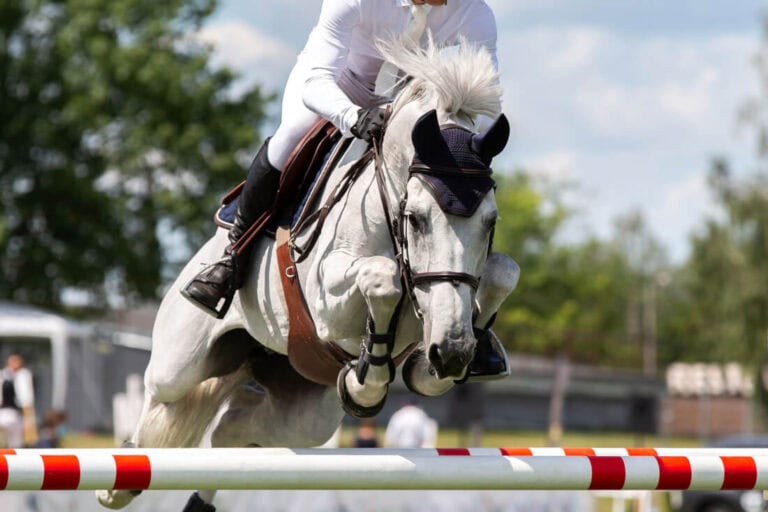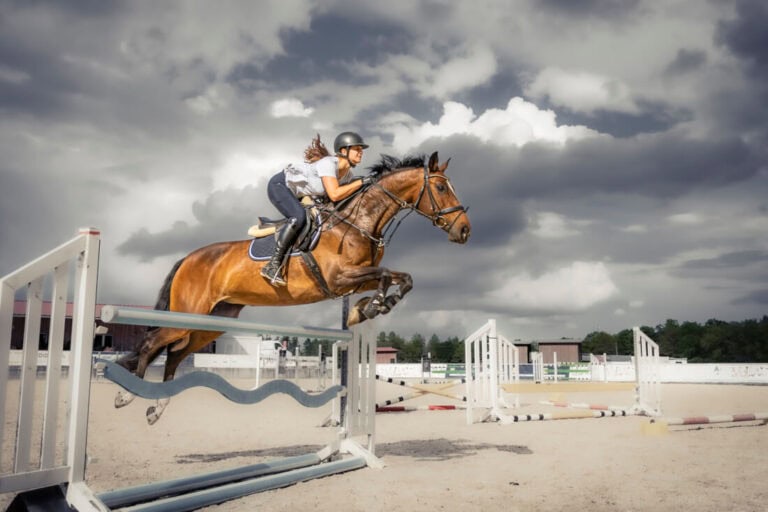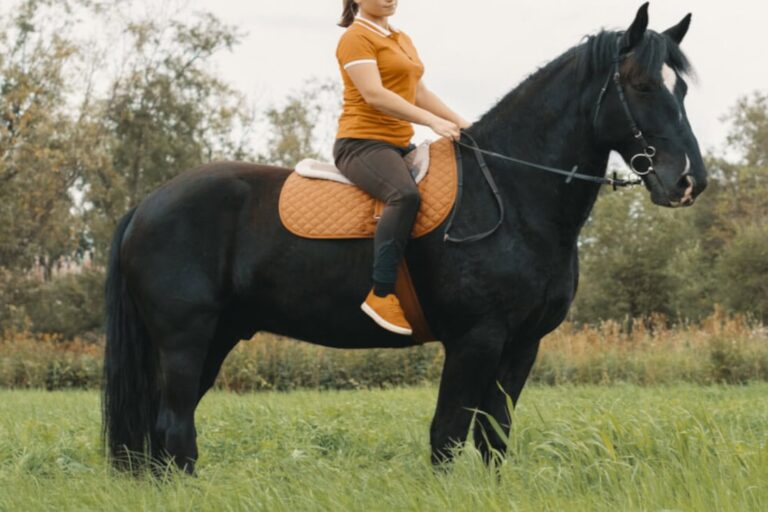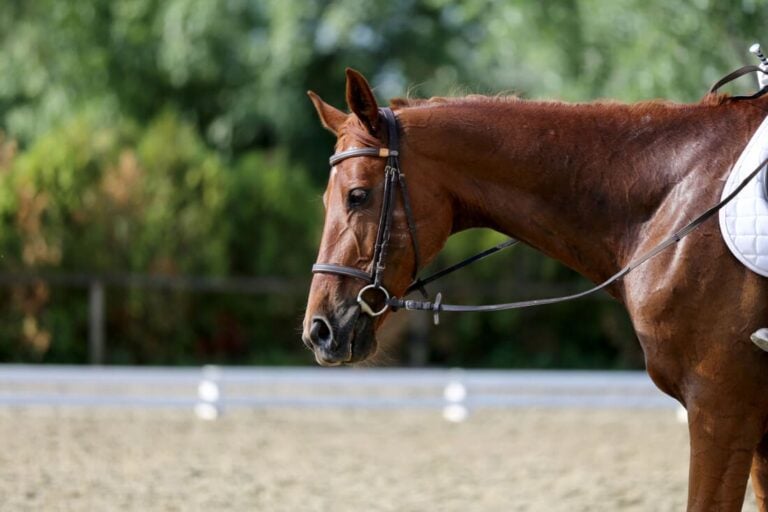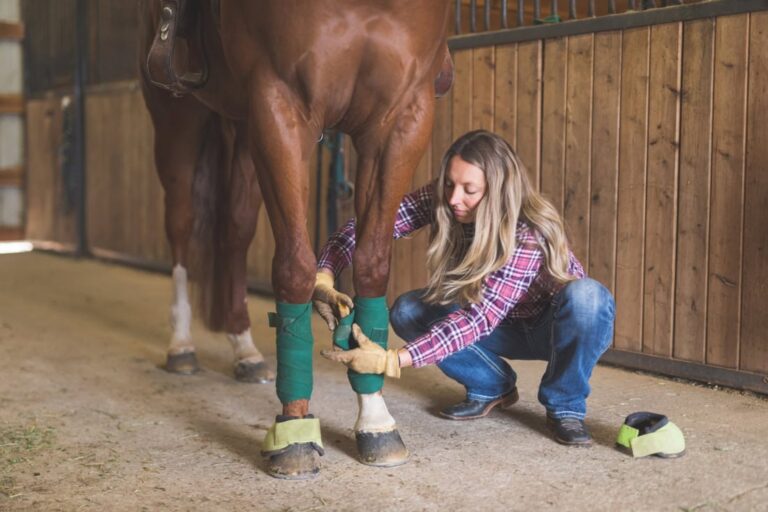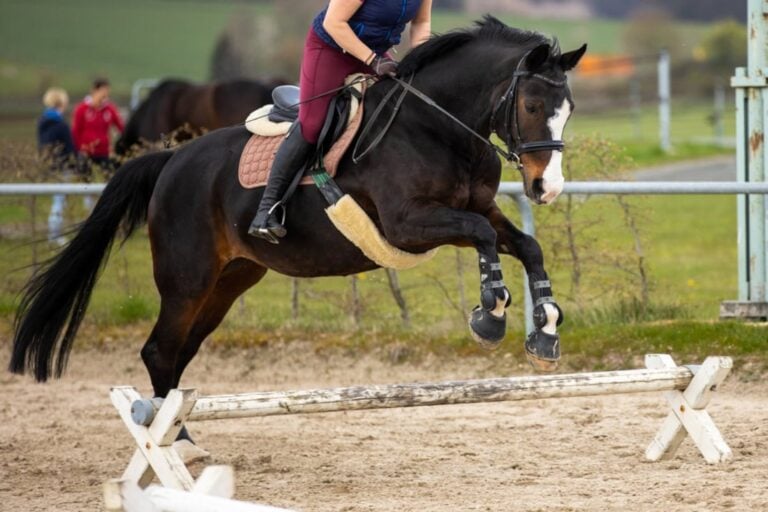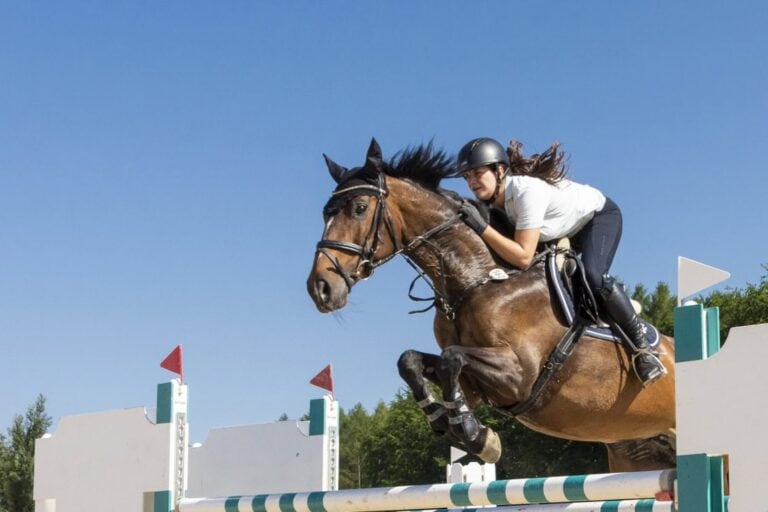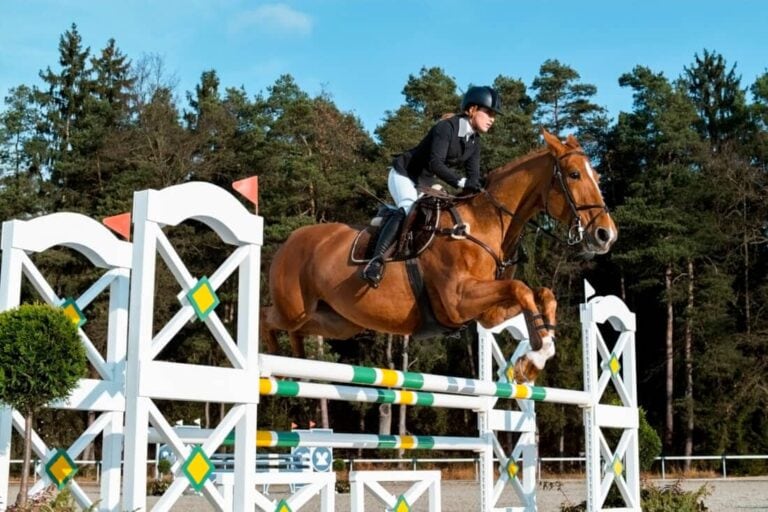
Welfare in equestrian sports, particularly in show jumping, is fundamental to ensuring the long-term health, happiness, and well-being of the horses involved. Show jumping is a sport that demands speed, precision, and agility, all which place significant physical and mental...
Sport & Showing
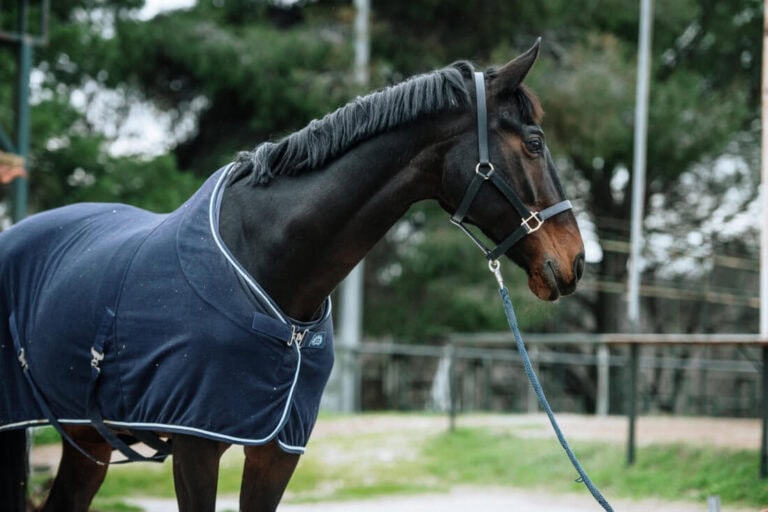
Horse coolers are useful tools for maintaining a horse's comfort and health, particularly after exercise or exposure to moisture in cold weather. These specialized blankets, typically made of wool or fleece, serve to regulate body temperature and wick away excess...
When preparing for a show jumping competition, understanding the course design and planning your ride are key strategies to ensure success. Show jumping courses are thoughtfully designed to challenge both horse and rider, testing skills like athleticism, rhythm, and timing....
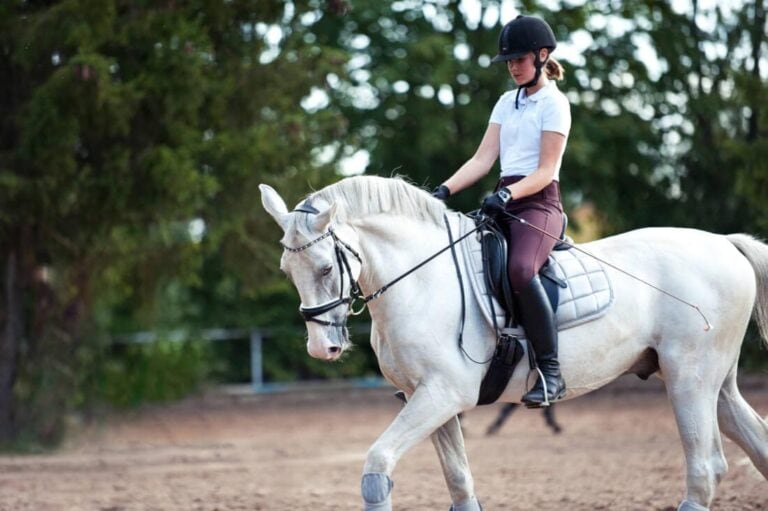
Riding involves more than just passively sitting on a horse — it's a partnership that relies on clear communication and mutual understanding. Rider's aids are the tools we use to convey our intentions to the horse, guiding their movements and...

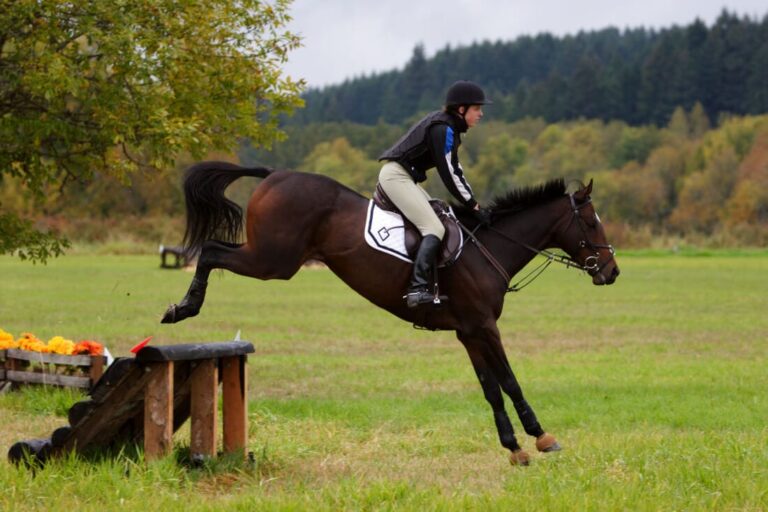
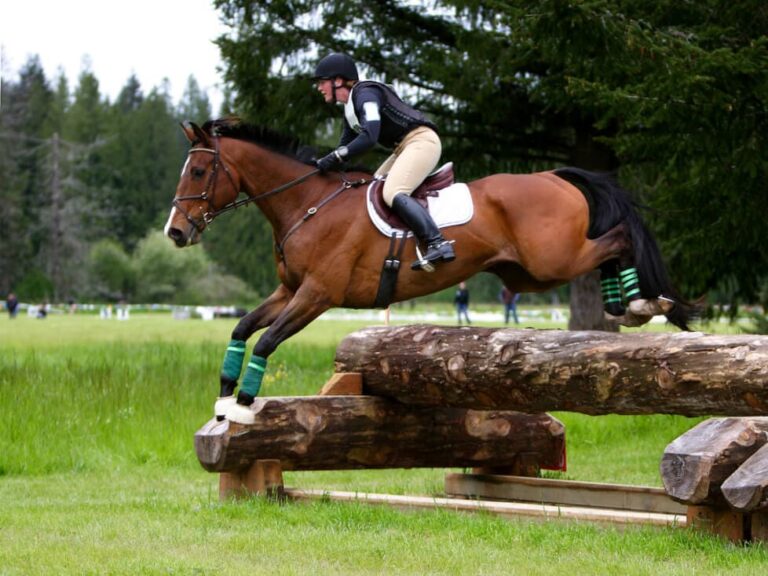
Cross-country riding is a thrilling equestrian sport that tests both horse and rider across varying terrain and solid obstacles. It demands precision, speed, endurance, and quick decision-making for success. Rooted in fox hunting and military training traditions, cross-country riding has...
Social License to Operate (SLO) is the informal but important public approval that lets industries operate without major opposition. In equestrian sport, SLO reflects how the public views the sport’s ethics, transparency, and care for animal welfare. The level of...
Equine nasal strips are non-invasive devices used to support respiratory function in horses during intense physical activity. Made from stiff, spring-loaded plastic with an adhesive backing, these strips are applied externally across the upper part of the horse's nose. Their...
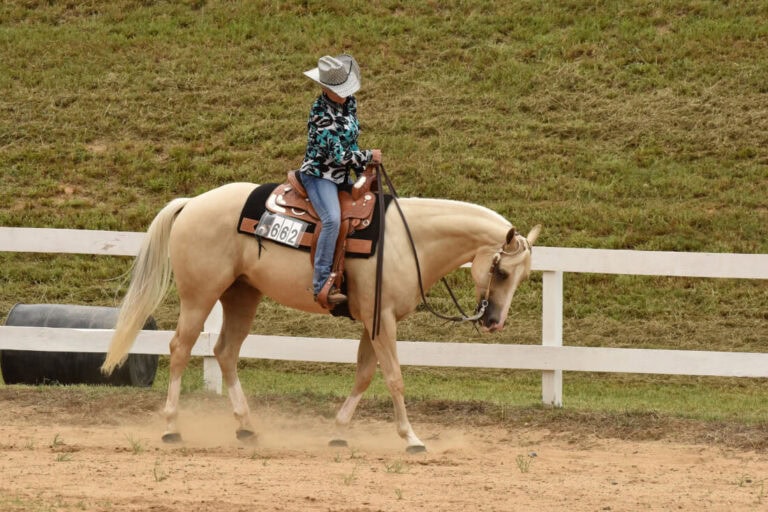
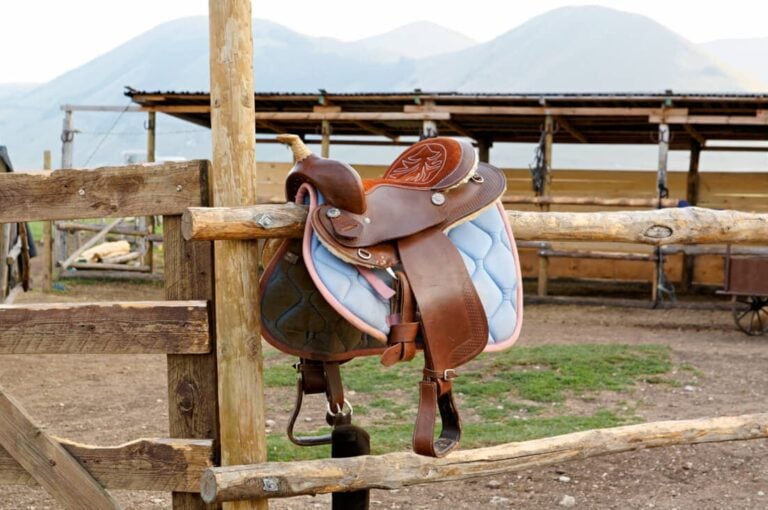
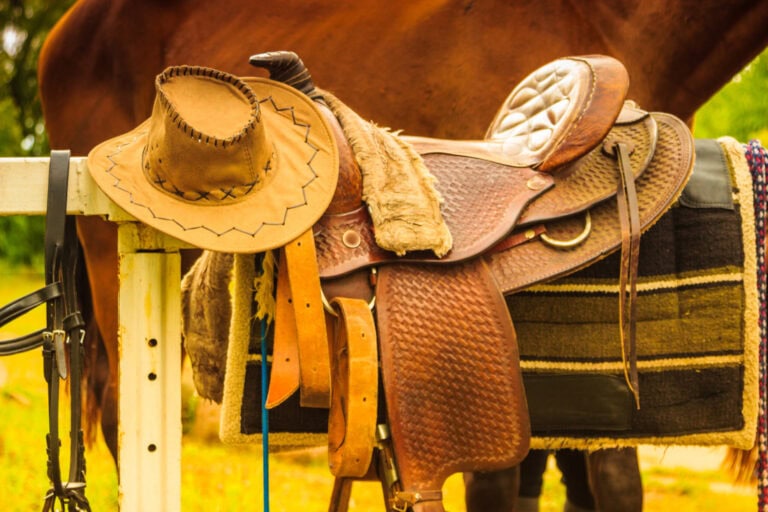
Western saddles are among the most recognizable pieces of equestrian tack, designed for functionality, comfort, and durability. Unlike their English counterparts, Western saddles were developed to support riders who spend long hours in the saddle, particularly during cattle ranching and...

Bareback riding pads for horses offer a comfortable and secure way to ride without a traditional saddle, combining the close contact of bareback riding with added support and grip. Designed to cushion both horse and rider, these pads help distribute...
Reins are a standard and useful part of equestrian equipment, serving as the primary connection between a rider and their horse. Attached to the horse's bridle or bit, reins allow for clear communication through subtle movements of the rider’s hands,...
Ice boots are a useful tool for managing recovery in horses after exercise or injury. These specially-designed equine devices help cool the horse’s legs, providing therapeutic benefits that reduce pain, inflammation, and swelling. Ice boots work on principles of cryotherapy:...
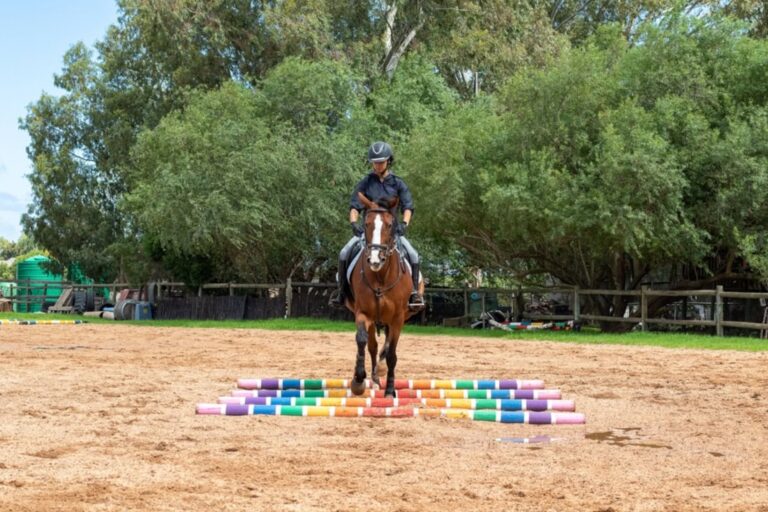
Cavalletti, also spelled cavaletti, exercises are a highly effective tool in horse training. Originally developed by renowned horseman Federico Caprilli and later popularized by German dressage master Reiner Klimke, cavalletti work involves training over small, evenly spaced poles on the...
Gymnastic jumping exercises are an essential part of training for the jumping equestrian disciplines. These exercises involve a series of poles and jumps arranged in patterns that challenge both horse and rider to improve their skills. Gymnastic exercises focus on...
Ground pole exercises are a versatile and highly effective tool for equestrians seeking to improve their horse's fitness, coordination, and mental engagement. Moreover, they’re cost-effective and easy to set up, requiring minimal equipment and space. Whether you’re training a dressage...
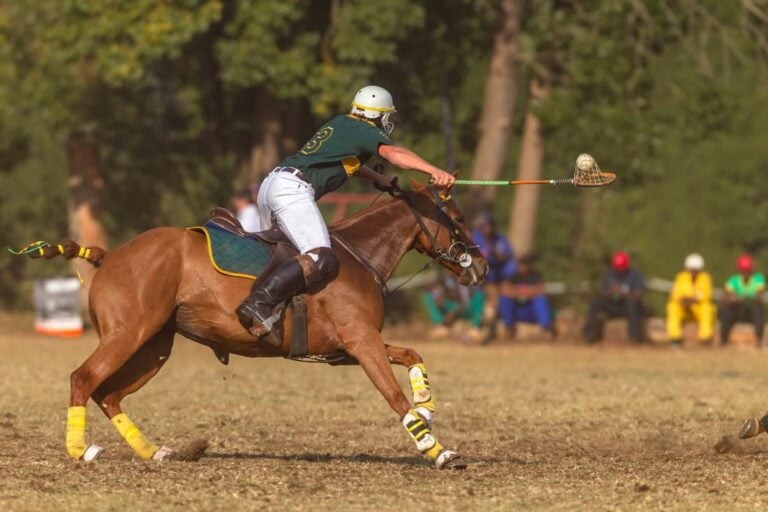
Polocrosse is a variant of traditional polo that combines elements of polo and lacrosse, adding an inventive twist that emphasizes individual skill and teamwork. Known for its family-friendly nature and emphasis on teamwork and inclusion, polocrosse has steadily grown in...
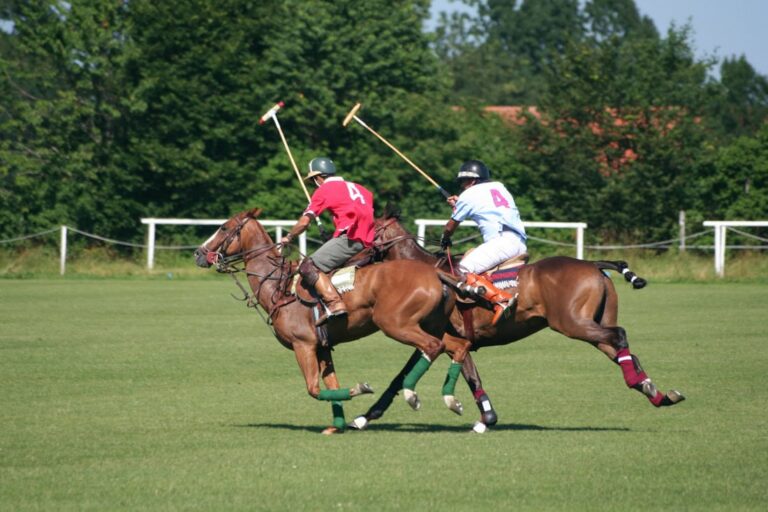
Polo is a high-intensity equestrian team sport that offers spectators and participants a captivating blend of strategy, speed, and horsemanship. Polo has roots stretching back to ancient times, and has evolved into a global sport with a formalized structure. This...
Blood doping is a type of performance enhancement that artificially increases the blood’s oxygen carrying capacity. In equine sports, the purpose of blood doping is to improve a horse’s performance by raising the number of red blood cells (RBCs) in...
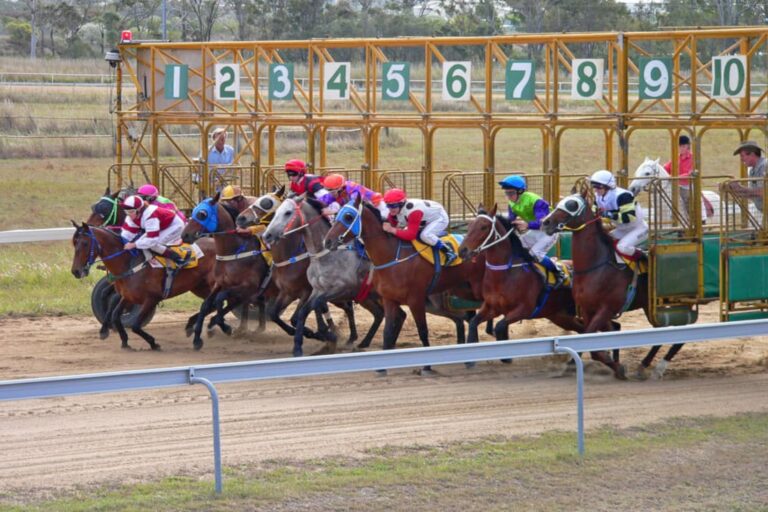
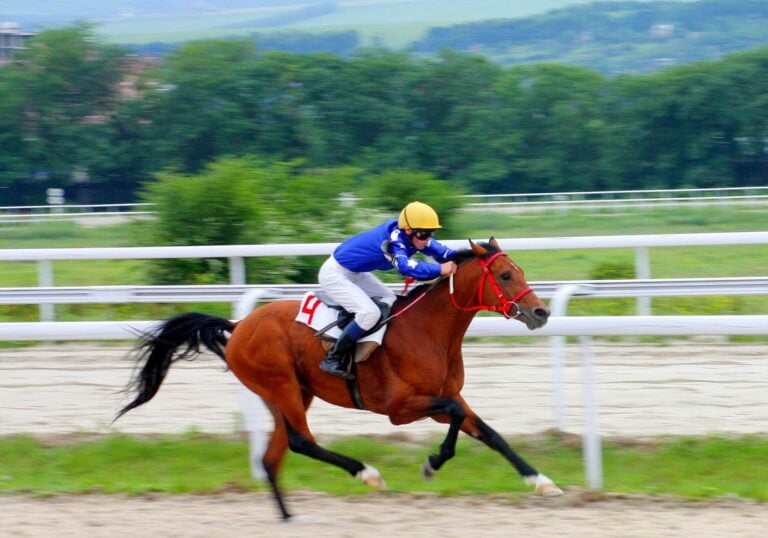
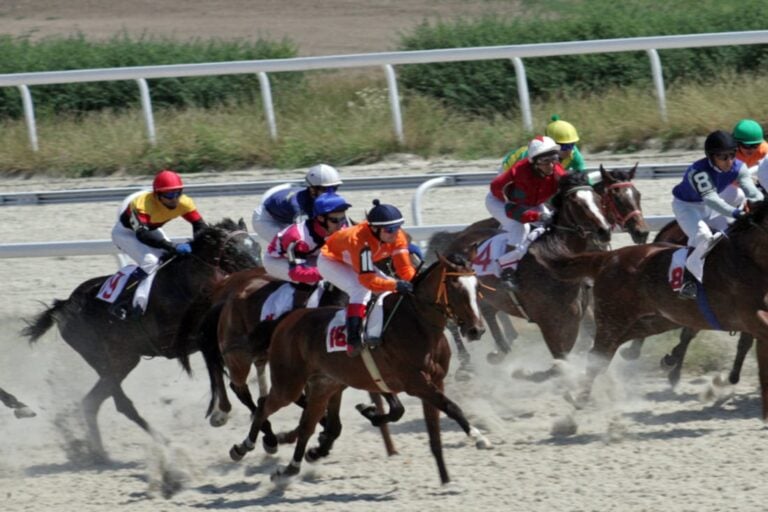
Known as the sport of kings, horse racing is one of the oldest pastimes in the world. This popular equestrian activity showcases the speed and endurance of equine athletes. Some horse breeds, such as the Thoroughbred, are bred specifically for...
Horses are renowned for their power, grace, and speed. Whether galloping across open fields or running down a racetrack, there’s something captivating about a horse in full stride. But how fast can horses actually run? And what makes certain breeds...
Nosebands have been part of bridles for nearly 4,000 years. [ref n="1"] They can have different functions depending on their design, placement on the face, material and tightness. Many people only use nosebands because they are expected or required in...
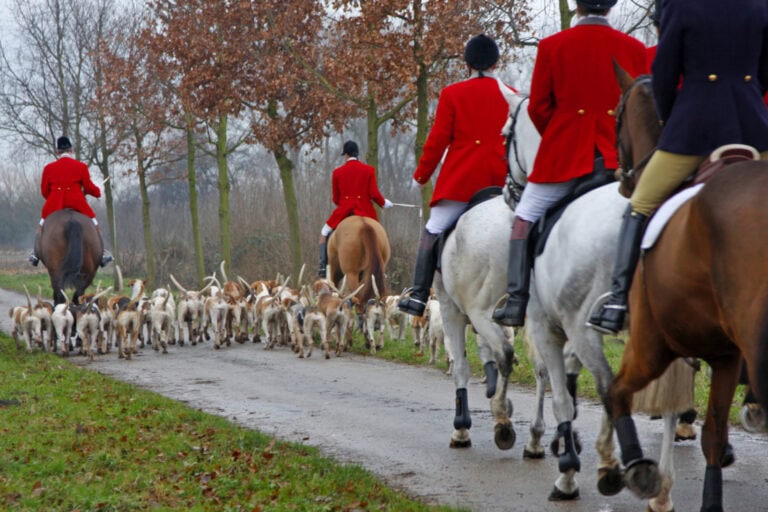
Fox hunting is a traditional countryside activity that has become a popular equestrian pastime. While initially developed to hunt foxes, most modern hunts are held purely for sport and rarely involve kills. The sport has a history of controversy. Some...
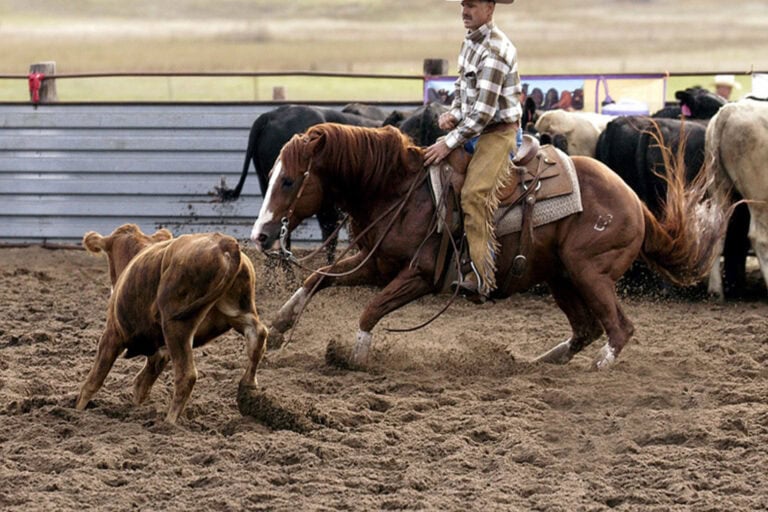
Cutting is a Western equestrian sport that demonstrates a horse and rider's ability to work cattle. Skilled cutting horses face off with cattle in this competitive event that celebrates the cowboy heritage of the American West. What was once a...
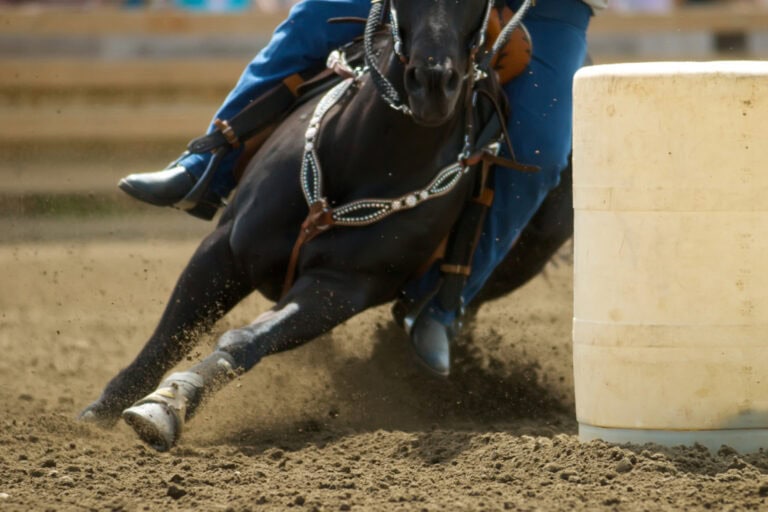
Barrel racing is a female-dominated rodeo event. This deceptively simple sport challenges the horse's athleticism and the rider's horsemanship through their ability to carefully run a set pattern around barrels as fast as possible. The speed of barrel racing makes...
Choosing equipment for you and your horse is an important part of improving comfort, safety, and performance. Understanding the types of Western tack available can help you decide what tack is best for your riding. Western tack and equipment has...
Working Equitation is a dynamic equitation discipline that aims to test the versatility and skills of the horse and the owner, as well as the level of collaboration between the two. While the sport officially came into being only in...
Bits are a common component of riding equipment, used by the vast majority of riders. Bits play a pivotal role in communication between the horse and rider, and the choice of bit can influence the horse's responsiveness to cues. Horse...
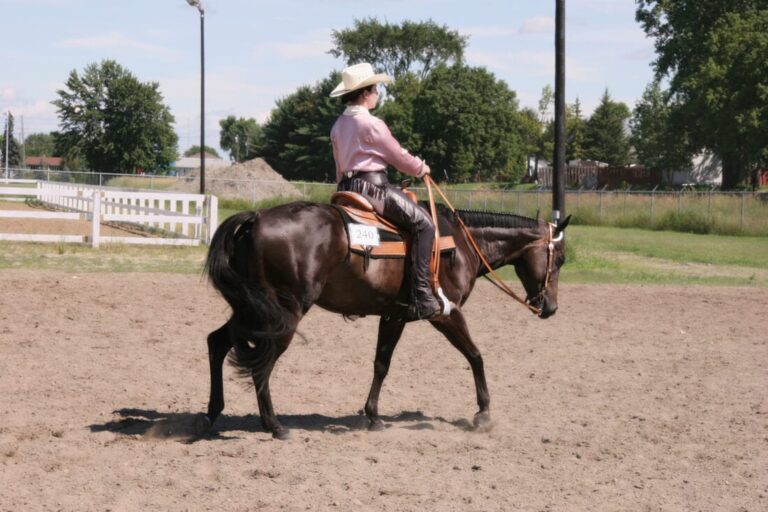
Reining is a Western discipline that showcases the skills and abilities traditionally needed by working ranch horses. Sometimes compared to the English discipline of dressage, reining competition involves riders piloting horses through precise patterns in a competition arena. The explosive...
Having the right equipment for yourself and your horse is critical for comfort, safety, and performance. Although the basics of horse tack are similar between Western and English riding, English riders have specific equipment that they use to meet the...
Equestrian vaulting is a sport that incorporates gymnastics performance with equestrianism. Athletes perform complex gymnastic routines on the back of a moving horse, demonstrating balance, strength, and harmony with their equine partner. Depictions of vaulting date back to ancient times...
Hunter horses are known for their elegance, grace, and good manners. Originating from fox hunting traditions in the United Kingdom, hunters now compete in show arenas around the world on the flat and over jumps. Judges score hunters based on...