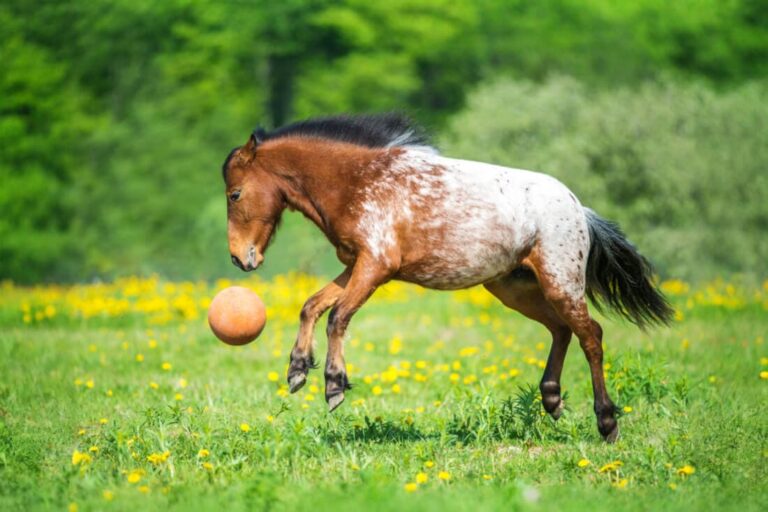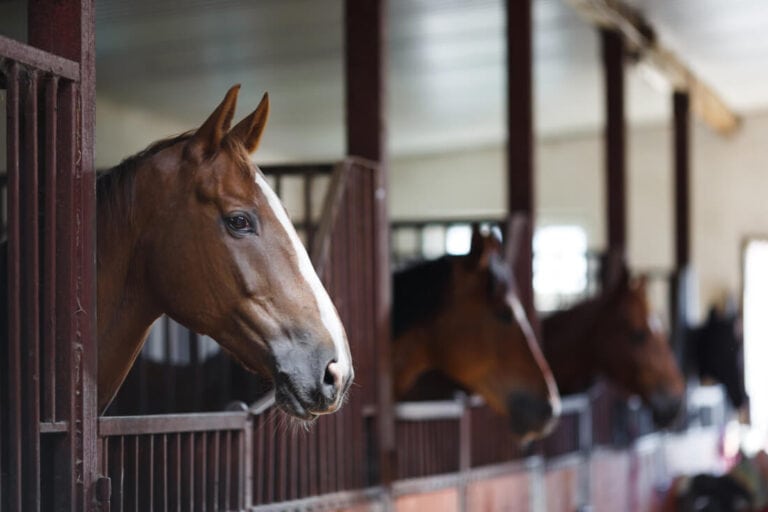
Horses are intelligent, curious animals that benefit from both mental stimulation and physical activity. In natural settings, daily routines revolve around grazing, movement, and social interaction, which help satisfy these needs. Domestic horses often experience limited turnout or confinement, which...
Equine Welfare
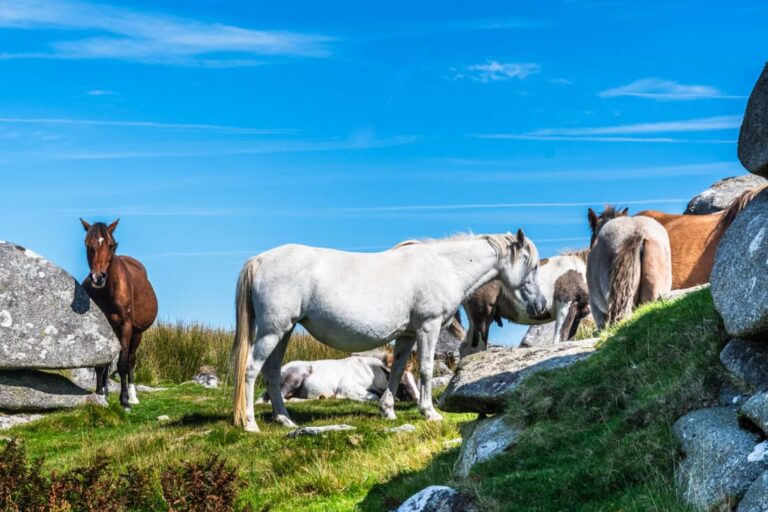
Adopting a wild horse requires forethought, long-term commitment, and respect for horses' nautral instincts. For experienced equestrians looking for a unique partnership, adopting a wild horse offers the chance to participate in the preservation of an iconic species and engage...
As riders, we are constantly working to improve our skills for both ourselves and our horses. We know that our actions in the saddle can be the difference between a 12-fault round and a flawless double clear. We want to...
Understanding how horses perceive their surroundings allows owners and riders to apply effective training methods, calm and consistent handling, and sound management strategies. This guide covers the main causes of spooking, techniques to build confidence, and practical steps for managing...
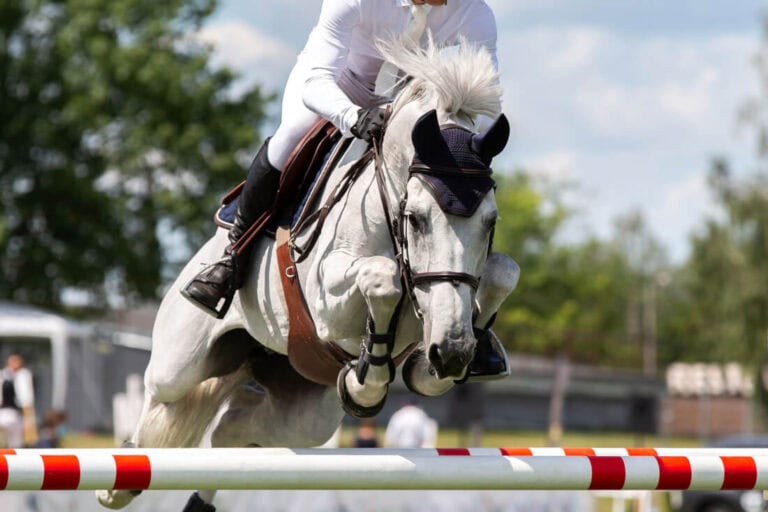
Welfare in equestrian sports, particularly in show jumping, is fundamental to ensuring the long-term health, happiness, and well-being of the horses involved. Show jumping is a sport that demands speed, precision, and agility, all which place significant physical and mental...
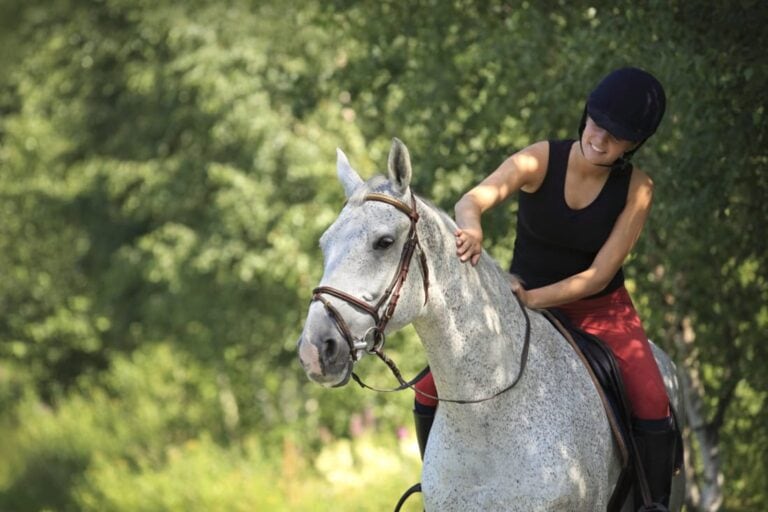
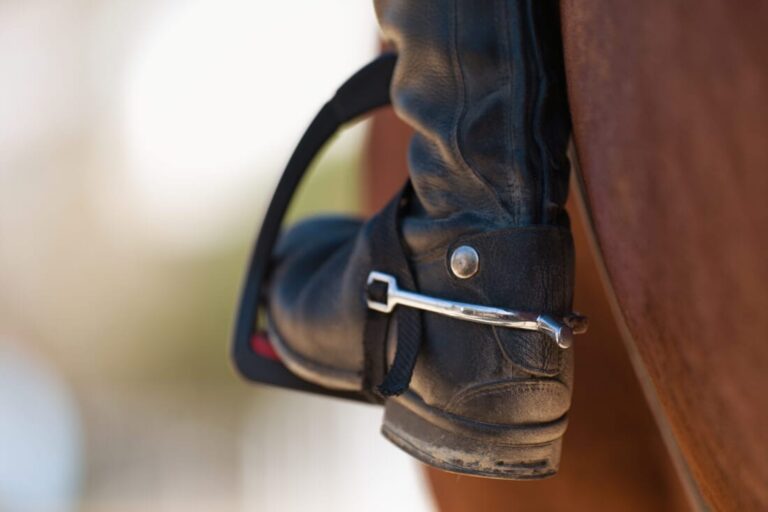
In equestrianism, the relationship between horse and rider relies on clear communication, trust, and mutual understanding. Natural aids—such as the seat, legs, hands, and voice—serve as the rider's primary tools for guiding the horse, while artificial aids like bits, whips,...
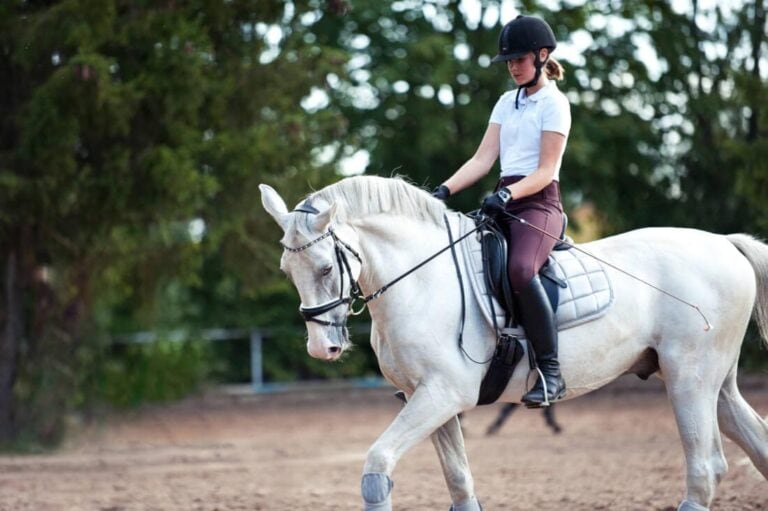
Riding involves more than just passively sitting on a horse — it's a partnership that relies on clear communication and mutual understanding. Rider's aids are the tools we use to convey our intentions to the horse, guiding their movements and...
Social License to Operate (SLO) is the informal but important public approval that lets industries operate without major opposition. In equestrian sport, SLO reflects how the public views the sport’s ethics, transparency, and care for animal welfare. The level of...
Emerging equine research is the cornerstone of expanding our understanding of equine health, nutrition, management, and performance. This growing body of research provides valuable insights for veterinarians, equine professionals, and researchers seeking to apply evidence-based approaches in both clinical and...
Rollkur, or hyperflexion, is a technique used in equestrian disciplines to create a compact, low, and rounded horse posture. It involves excessive flexion of the horse’s neck, where the horse’s head is drawn back towards its chest, potentially exceeding its...
Tongue ties are devices commonly used in horse racing to restrict a horse's tongue, which helps improve control and optimize upper airway function. Typically made from materials such as cloth, leather, or elastic, these devices are tied around the tongue...
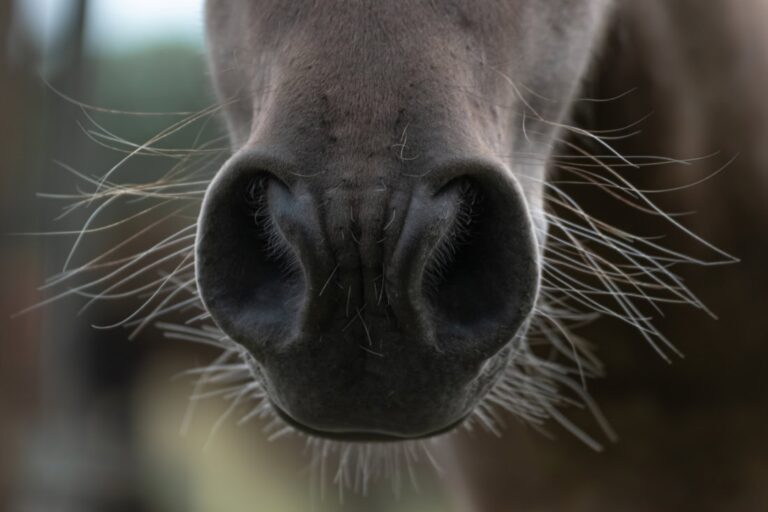
Whisker trimming involves the removal of a horse’s long, sensitive vibrissae—specialized hairs around the muzzle, eyes, and sometimes ears. These hairs are deeply rooted and connected to nerve endings, playing a crucial role in sensory perception. Traditionally performed for cosmetic...
Oral health is crucial to a horse's overall well-being. This article covers the various types of oral lesions that horses can develop, potential causes, and how to prevent them. By understanding the signs and causes of oral lesions, owners can...

Every 2 years, equine professionals gather at the Equine Science Society (ESS), an international meeting, to share new research and exchange ideas. The first ESS meeting was held in 1960 and included a group of 27 equine nutritionists and physiologists...

It’s a situation that many equestrians know well – it’s a beautiful day and you’ve decided to take your horse on a hack, just the two of you. But the peace and serenity doesn’t last long as your horse begins...
Equine tail alteration practices, including tail docking, nicking, and blocking, are highly controversial. These procedures involve modifying or removing parts of the tail, primarily for aesthetic or competitive purposes. Such practices raise significant welfare concerns due to the associated pain...

Branding is a traditional practice used to permanently mark horses for identification purposes. This method involves creating a lasting mark on a horse's skin by applying either a heated iron (hot branding) or a supercooled iron (freeze branding). While branding...
Spookiness refers to a sudden and frequently exaggerated reaction to a perceived threat. Spooky behavior can manifest in several different ways, including bolting, spinning, jumping, or freezing in place. Spooking is a natural behavior that has its roots in the...
Around the world, there's a growing demand for a shift in the equine industry towards prioritising the health and well-being of domestic horses, a movement that has reached a pivotal moment. Stakeholders within the industry, including horse owners, professionals, regulators...
Horses are valued human companions, fulfilling roles from work, to sport, to companionship. Ensuring the wellbeing and quality of life of our horses is a priority for many horse owners, even during challenging times such as end-of-life. Quality of life...
Nosebands have been part of bridles for nearly 4,000 years. [ref n="1"] They can have different functions depending on their design, placement on the face, material and tightness. Many people only use nosebands because they are expected or required in...
Pain in horses, like in other animals, is an unpleasant sensory and emotional experience associated with actual or potential tissue damage. It can result from various sources, including injuries, diseases, or surgical procedures. Recognizing signs of pain in horses is...
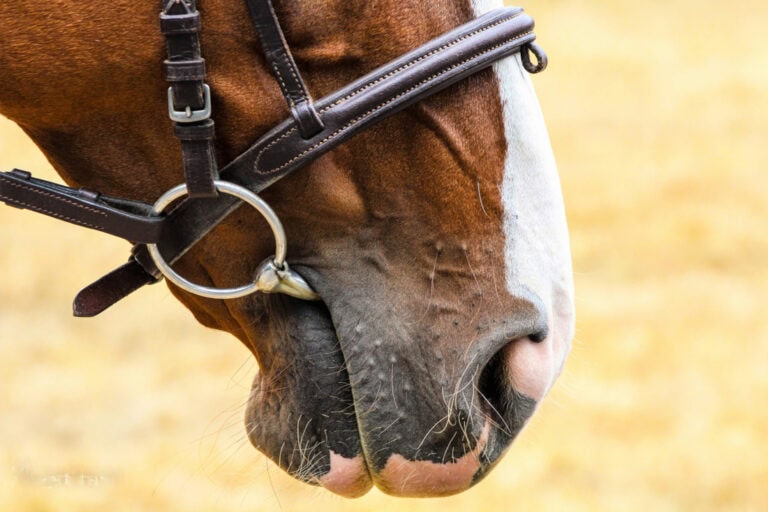
Bits are a common component of riding equipment, used by the vast majority of riders. Bits play a pivotal role in communication between the horse and rider, and the choice of bit can influence the horse's responsiveness to cues. Horse...
The Ridden Horse Pain Ethogram (RHPE) is a list of 24 behaviours associated with musculoskeletal pain in the ridden horse. Dr. Sue Dyson et al. developed this ethogram as a means of identifying low-grade lameness and horses experiencing discomfort during...