Analyze Diet

Best Magnesium Supplement for Horses
Best Magnesium Supplements for Your Horse [Bioavailability Comparison] Dr. Priska Darani, Ph.D., PAS | March 13, 2026 | Horse Health, Nutrition, Supplements

Magnesium supplements for horses come in many forms and are used to support muscle function and calming. This important macromineral is required in the equine diet to facilitate muscle contraction, maintain ion balance in the blood, and activate enzymes throughout...

Equine Coronavirus
Equine Coronavirus (ECoV): Symptoms, Transmission, Treatment & Diagnosis Jaime Thomas, B.Sc. | February 16, 2026 | Conditions

Equine Coronavirus (ECoV) is a highly contagious illness transmitted between horses that can cause fever, anorexia, diarrhea, and colic. Most horses recover from equine coronavirus with supportive care. In serious cases, affected horses may require specific treatments such as electrolytes,...

How to Feed a Skinny Horse
How to Feed an Emaciated Horse to Avoid Refeeding Syndrome Dr. Christine Latham, Ph.D. | February 23, 2026 | Feeding Guides, Horse Health, Nutrition

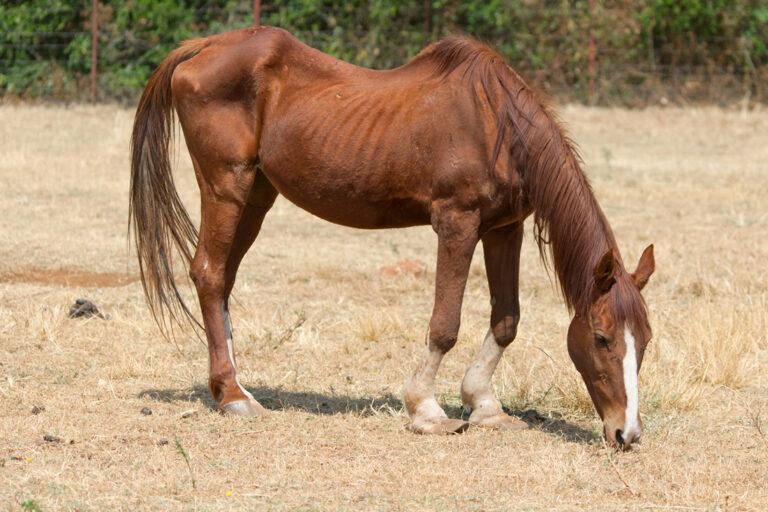
Emaciated horses have a very low body condition score with extensive loss of muscle and fat. These severely underweight horses need to be carefully managed with veterinary care and precise nutrition strategies during their recovery. Reintroducing feed must be done...

Thumps in Horses
Thumps in Horses: Signs, Causes and Treatment of Synchronous Diaphragmatic Flutter Jaime Thomas, B.Sc. | March 5, 2026 | Conditions

Thumps in horses is a condition that produces irregular contractions of the diaphragm, resulting in a thumping noise similar to a human hiccup. Scientifically referred to as Synchronous Diaphragmatic Flutter (SDF), thumps causes the diaphragm to spasm in the same...

Exercise-Induced Pulmonary Hemorrhage in Horses
Exercise-Induced Pulmonary Hemorrhage (EIPH) in Horses – [Lung Bleeding] Kelly Hebner, BSc (Kin), MSc | February 23, 2026 | Conditions, Sport & Showing

Exercise-Induced Pulmonary Hemorrhage (EIPH) is a condition that causes bleeding in the airways, commonly seen in high-performance horses such as racing Thoroughbreds. Horses that experience EIPH are known as "bleeders."

Exercises to Improve Your Horse's Topline
Best Exercises to Improve Your Horse’s Topline – [Training Guide] Kelly Hebner, BSc (Kin), MSc | March 5, 2026 | Horse Health, Training

A strong topline is one of the most important indicators of a well-conditioned horse. In addition to being aesthetically pleasing and supporting performance, a good topline can protect your working horse from strain and injury.

Hock Lameness in Horses
Hock Lameness in Horses: Causes, Signs & Treatments of Hock Problems Kelly Hebner, BSc (Kin), MSc | February 23, 2026 | Horse Health

Lameness in the horse's hock joint is one of the most common causes of altered hind end gait. Hock lameness is characterized by shortened gait, weight shifting, stiffness when your horse picks their hind legs up, and reduced springiness off...

Wobblers Syndrome in Horses
Equine Wobbler Syndrome: Causes, Signs, Diagnosis & Treatment Kelly Hebner, BSc (Kin), MSc | February 23, 2026 | Conditions

Equine wobbler syndrome, also known as cervical vertebral stenotic myelopathy (CVSM), is a devastating neurological syndrome resulting from damage to your horse's spinal cord. Horses with CVSM exhibit neurological symptoms such as poor balance and stumbling when walking.

Coat Colour in Horses
Coat Color in Horses: How to Prevent Fading & Support Coat Quality Jaime Thomas, B.Sc. | February 13, 2026 | Care & Management, Horse Health

Your horse’s coat quality and color reflect his or her inner health. Coat color is primarily determined by genetics, although diet and care can also significantly impact coloration.

Signs of Insulin Resistance in Horses
Top 8 Signs of Insulin Resistance (IR) in Horses – [List] Jaime Thomas, B.Sc. | February 13, 2026 | Conditions

Insulin resistance (IR) in horses describes a condition in which the body fails to properly respond to the hormone insulin. Impaired insulin response is the main feature of Equine Metabolic Syndrome (EMS). Horses with EMS do not metabolize sugars properly...

Grazing Muzzles for Horses
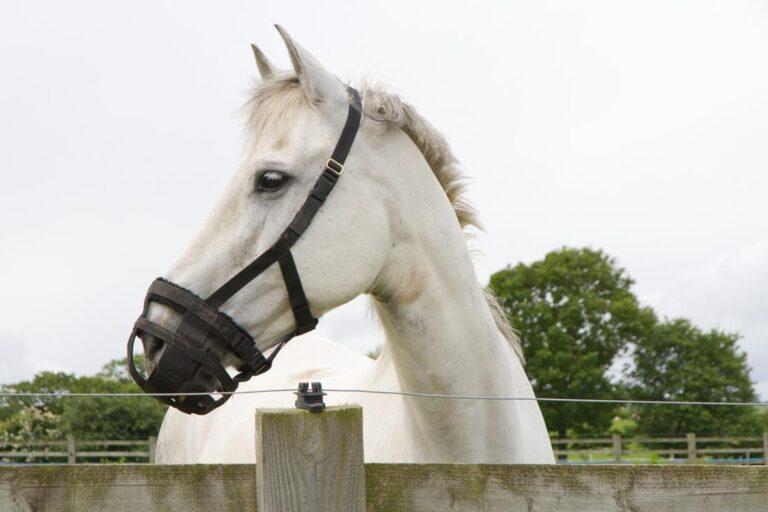
Grazing Muzzles for Horses and Ponies – [How & When to Use] Kelly Hebner, BSc (Kin), MSc | February 23, 2026 | Horse Health

Grazing muzzles are a staple in the tack room of many pony and horse owners. These muzzles fit over the mouth and nose of a horse and restrict grass intake while allowing access to pasture. Grazing muzzles have been shown...

Chronic Progressive Lymphedema in Horses
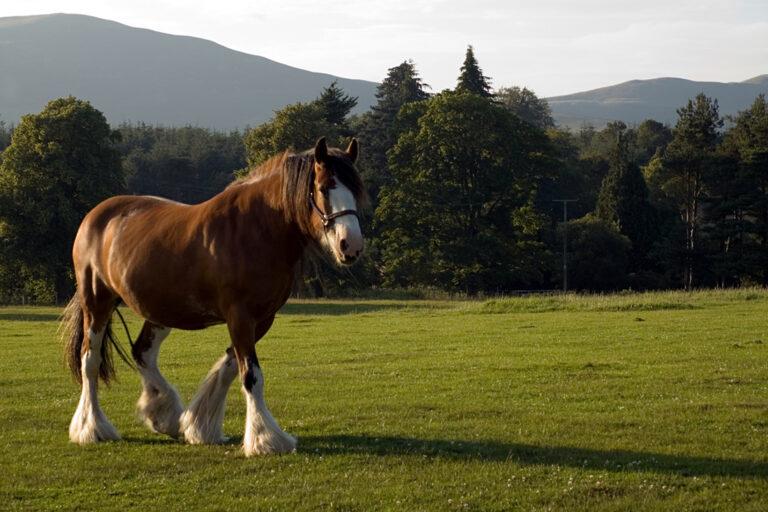
Chronic Progressive Lymphedema (CPL) in Horses – [Symptoms & Treatment] Jaime Thomas, B.Sc. | February 13, 2026 | Conditions

Chronic Progressive Lymphedema (CPL) is a condition that describes impaired lymph flow in the lower legs. Primarily observed in draft horse breeds, CPL causes swelling and skin inflammation on affected legs. Horses with the condition are also at risk of...

Thrush Infection in Horses
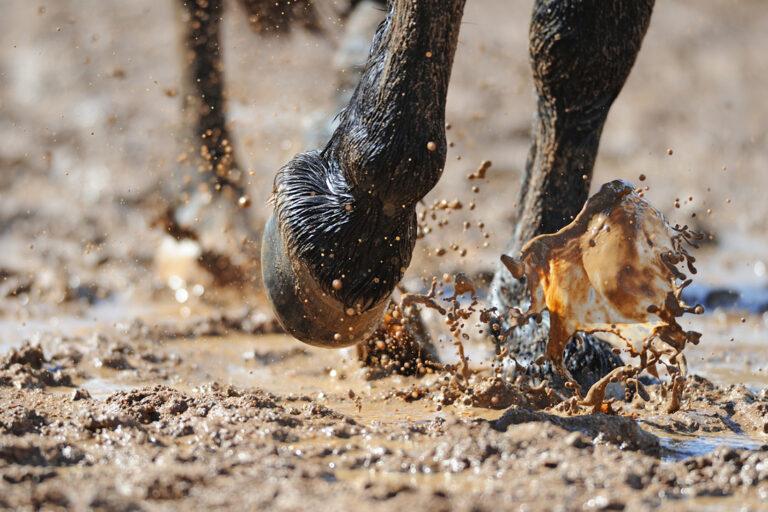
Thrush in Horses: Causes, Signs & Treatment of this Hoof Infection Jaime Thomas, B.Sc. | February 25, 2026 | Conditions, Hoof Health

Thrush describes an infection that develops in the frog of one or more of the horse's hooves, caused by a fungal or bacterial pathogen. Fusobacterium necrophorum is the bacterium most often associated with thrush infections. Hooves with frogs that have...

Uveitis in Horses Signs and Symptoms
Uveitis in Horses – Causes, Signs, Diagnosis & Treatment Casie Bazay, BS, NBCAAM | February 13, 2026 | Conditions

Uveitis in horses is a condition in which the uvea layer of the eye becomes inflamed. It is the most common cause of blindness in horses. It is estimated that as many as 25% of horses worldwide are affected by...

Misoprostol for Horses with Ulcers
Misoprostol for Horses with Ulcers: Effects, Uses and Risks Keisha Heeringa, BSc, MSc | February 17, 2026 | Horse Health

Misoprostol is a drug used in horses to prevent ulcers from developing in the hindgut and stomach. It is commonly prescribed to horses that require regular use of non-steroidal anti-inflammatory drugs (NSAIDS), which can cause ulcers to form.

How to Feed Lactating Mare
How to Feed the Lactating Mare [8-Point Nutrition Guide] Kelly Hebner, BSc (Kin), MSc | March 5, 2026 | Breeding, Horse Health

Producing high-quality milk for the foal requires a lot from your mare. Lactation puts higher energy demands on a mare’s body than any other stage of her life. To keep up with the milk requirements of a growing foal while...

Equine Motor Neuron Disease
Equine Motor Neuron Disease: Causes, Treatment & Vitamin E Supplementation Jaime Thomas, B.Sc. | February 13, 2026 | Conditions

Equine Motor Neuron Disease (EMND) is a disease that causes progressive damage to nerve cells in the brain and spinal cord of adult horses. The disease damages cells that are involved with muscle movement, rendering them dysfunctional and leading to...

Rotavirus in Foals
Rotavirus in Foals: Symptoms, Treatment and Prevention Kelly Hebner, BSc (Kin), MSc | February 16, 2026 | Conditions, Horse Health

Equine rotavirus is a potentially deadly virus that causes severe gastrointestinal symptoms in foals. Rotavirus is one of the most common causes of diarrhea in foals less than 6 months of age.

Colic Surgery for Horses
Colic Surgery in Horses: Indications, Procedure & Recovery Time Kelly Hebner, BSc (Kin), MSc | February 10, 2026 | Conditions, Horse Health

Surgical intervention is, unfortunately, necessary for many horses that experience colic, with 4 - 10% of colic cases requiring surgery. The term colic refers to abdominal pain of any cause.

Pre-Purchase Exam for Horses
Pre-Purchase Examinations for Horses [Checklist & Tests] Kelly Hebner, BSc (Kin), MSc | February 13, 2026 | Horse Health

To ensure you are making an educated decision, you should contact a veterinarian and book a pre-purchase examination (PPE). Pre-purchase exams shed light on current or potential health and soundness issues.

Equine Anemia
Equine Anemia: Causes, Symptoms & Treatment Jaime Thomas, B.Sc. | February 13, 2026 | Conditions, Horse Health

Equine anemia is a condition that significantly impacts the health and performance of horses. It is a reduced number of red blood cells in circulation. Horses with anemia typically experience low energy levels, elevated heart rate, poor coat quality, depression...

Colostrum for Foals
Colostrum for Newborn Foals: Benefits, Characteristics & Milk Replacers Havie Carter, B.Sc., M.Sc. | March 5, 2026 | Breeding, Horse Health

Colostrum is the first milk that a mare produces after foaling. It is particularly rich in antibodies, which provide immunity for newborn foals. Foals are born without a fully developed immune system and rely on a passive transfer of antibodies...

Equine Choke Treatment
What is Choke in Horses? [Signs, Treatment & Prevention] Jaime Thomas, B.Sc. | February 13, 2026 | Conditions, Horse Health

A medical condition necessitating urgent attention, equine choke refers to obstruction of the esophagus. The condition most frequently occurs due to rapid feed consumption and the subsequent lodging of feed or other matter in the esophagus.

Equine Anhidrosis
Equine Anhidrosis: Causes, Signs and Treatment Jaime Thomas, B.Sc. | February 23, 2026 | Conditions

Equine anhidrosis is a performance-limiting condition that refers to the reduced ability to sweat in horses. The condition most frequently affects horses living in hot and humid climates. Anhidrosis occurs because the sweat glands fail to function normally when body...

Aloe Vera for Equine Gastric Ulcers
Aloe Vera for Gastric Ulcers in Horses – Does it Really Work? Dr. Priska Darani, Ph.D., PAS | February 23, 2026 | Horse Health

Aloe vera (Aloe barbadensis) is a medicinal plant that is frequently used to soothe skin irritations. The gel of the inner leaf is also commonly fed to reduce or prevent gastric irritations and ulcers in horses. Aloe vera gel contains...

Lameness Exams for Horses
Lameness Exams & Scale: How to Diagnose a Lame Horse Kelly Hebner, BSc (Kin), MSc | February 23, 2026 | Horse Health

Lameness is a general term that refers to a horse with an abnormal gait or stance. This is a common issue that requires assessment by a veterinarian to determine the cause and best course of action. Common causes of lameness...

Rain Scald in Horses
Rain Scald in Horses: A Common Bacterial Infection of the Skin Jaime Thomas, B.Sc. | February 13, 2026 | Conditions

Rain scald is a relatively common skin infection caused by the bacteria Dermatophilus congolensis. The infection often affects the skin on the back and rump of horses. Rain scald can develop when skin is exposed to excessive moisture which weakens...

Feeding Horse in Hot Weather
14 Tips for Feeding & Caring for Horses in Hot Weather – [Summer Guide] Kelly Hebner, BSc (Kin), MSc | February 13, 2026 | Horse Health

With higher temperatures in the summertime, horses are prone to heat stress. This can contribute to an increased risk of colic, ulcers, weight loss, fatigue and dehydration during this time of year. Horse owners should be vigilant for signs their...

Sweet Itch in Horses
Managing Sweet Itch in Horses: Causes, Symptoms & Treatment Casie Bazay, BS, NBCAAM | February 13, 2026 | Conditions

Sweet Itch is a common skin condition in horses that is caused by an allergic reaction to insect bites. It is also known by the names Queensland itch, summer dermatitis, insect-bite hypersensitivity, summer eczema, recurrent seasonal pruritus, and equine Culicoides...

Laminitis Recovery for Horses
Laminitis Recovery Plan for Horses: Rehabilitation, Prognosis & Exercise Jaime Thomas, B.Sc. | March 2, 2026 | Horse Health

Laminitis is a common but serious condition that involves separation of the laminae, which connect the coffin bone to the horse's hoof wall. A bout of laminitis can cause mild to severe pain in affected horses and result in lasting...