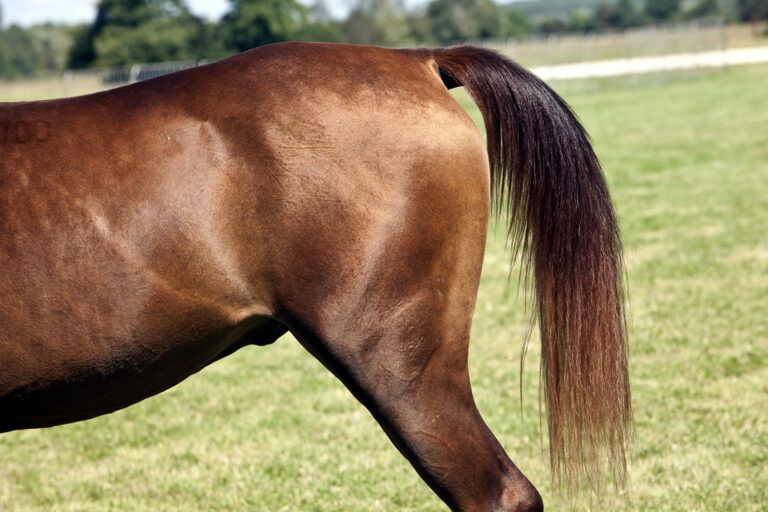
A hunter’s bump, or sacroiliac subluxation, is a hump on the horse’s lower back that develops above the croup. It is most apparent when viewing a horse in motion from behind.
Omneity® Pellets
All-In-One Vitamin & Mineral Pellet
A hunter’s bump, or sacroiliac subluxation, is a hump on the horse’s lower back that develops above the croup. It is most apparent when viewing a horse in motion from behind.
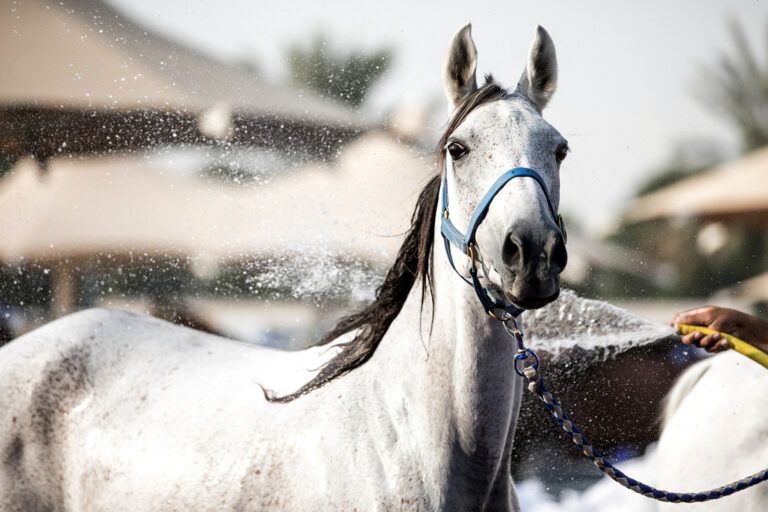
Heat stress occurs when the horse’s internal cooling mechanisms stop working efficiently and the ability to maintain a normal body temperature is affected. This is common and in hot and humid conditions, or following vigorous exercise. Without intervention, heat stress...
Enteroliths are calcifications or mineral masses that can form in the horse's intestines, sometimes resulting in impaction colic. These intestinal stones form when the horse consumes an indigestible object, which is not passed by the digestive system. Mineral deposits then...
Hypothyroidism refers to inadequate production of thyroid hormones, primarily thyroxine and (T4) and triiodothyronine (T3). These hormones are produced by the thyroid gland and play a role in regulating your horse's metabolism. Hypothyroidism most commonly occurs in neonatal foals and...
Shivers, or shivering, in horses is a progressive neuromuscular condition characterized by an abnormal, jerky gait while backing up. Horses affected by Shivers exhibit muscle tremors in the pelvic limbs when forced to back up. Clinical signs typically appear in...
Pituitary Pars Intermedia Dysfunction (PPID), previously referred to as Cushing’s Disease, is an endocrine-related disease that affects approximately 20-25% of senior horses, ponies, and donkeys. Signs of PPID in horses include abnormal hair coats, muscle atrophy, loss of topline, poor performance, regional...
Bowed tendon in horses is defined as acute or chronic inflammation of a tendon. This condition is also known as tendinitis, tendonitis or tendinopathy. This injury usually occurs when the tendon is strained beyond its limit, resulting in torn collagen...
Impaction colic in horses is a painful condition caused by an obstruction in the gastrointestinal (GI) tract. It is a serious and sometimes fatal condition. The term colic describes abdominal pain or discomfort in horses. Cases of colic are generally...
Strange lumps, itching, bald spots, redness, skin flaking, and scruffy patches are common signs of skin problems in horses. While most equine skin irritations don’t present serious health risks, persistent skin problems can lead to infections and could indicate allergies,...
Knowing your horse's body weight is important to determine their nutritional requirements, administer certain medications and monitor their health status. However, not all horse owners have an easy way to measure their horse’s body weight. Mature adult horses can weigh...
Angular limb deformities (ALDs) and flexural deformities (FDs) frequently affect foals’ legs. When severe, they are deemed clinically significant and require conservative management or veterinary intervention to achieve correction.
Tetanus, or lockjaw, is a non-contagious neurological disease that results from a bacterial infection. Horses are particularly vulnerable to tetanus, with individuals of all ages and breeds affected worldwide. Tetanus spores are particularly dangerous for horses as they survive for...
Botulism is a fatal neuroparalytic disease that affects horses, humans and other animals worldwide. Botulism interferes with nerve signalling, weakening and often paralyzing the horse. This disease is caused by the ingestion of botulinum toxin produced by Clostridium botulinum bacteria....
Alopecia or hair loss in horses can occur for several different reasons and may be temporary or permanent. Alopecia refers to the partial or complete absence of hair that occurs in any area of the body where hair is normally...
Horses are prone to hoof cracks for various reasons. Cracks can lead to the hoof chipping away in certain areas. Cracks can be a cosmetic problem that can be easily corrected, but sometimes, they indicate something more serious is happening within...
Photosensitization, or light-induced dermatitis (photodermatitis), is a noncontagious condition in horses where the skin becomes extremely sensitive to sunlight. This condition often mimics a sunburn, but it is much more serious and painful. Photosensitization is most commonly caused by ingesting...
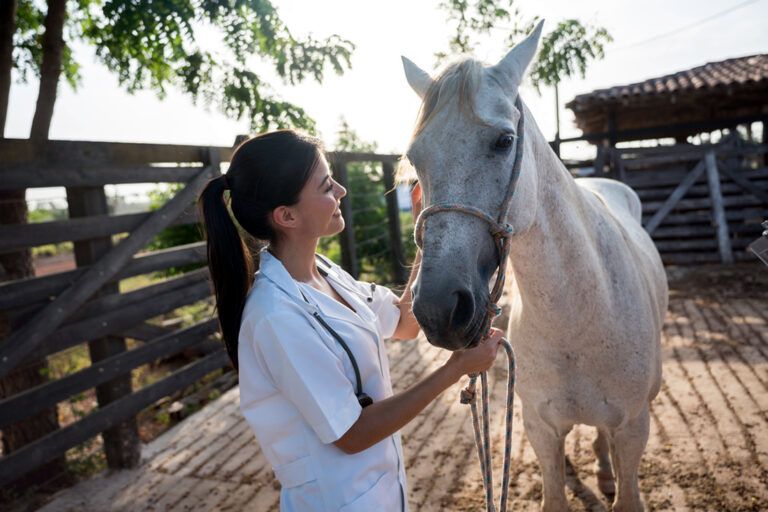
It’s not uncommon for horses to experience eye problems. Several conditions and diseases can affect vision and eye health in horses, including uveitis, cataracts, and conjunctivitis. Horses experiencing eye issues may have symptoms such as swelling, tearing, drainage, discoloration, cloudiness,...
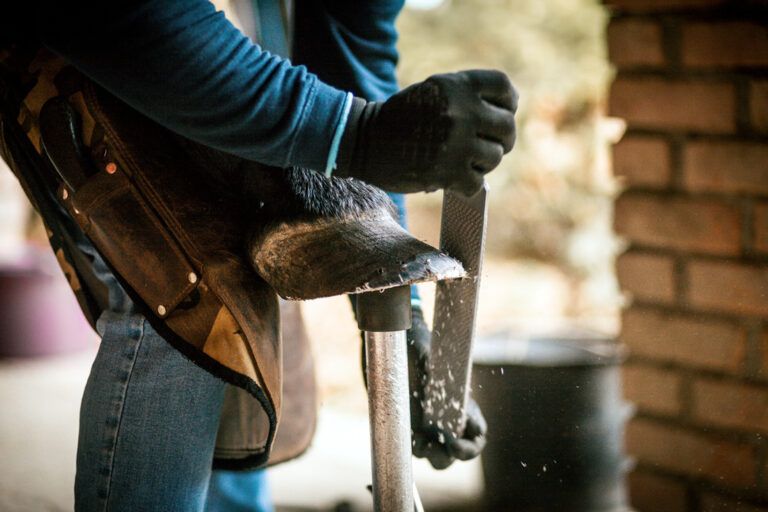
A strong hoof is the foundation of a sound horse. When it comes to proper hoof care, it's all about balance. All horses need regular farrier care, and working with an experienced farrier is one of the best investments you...
Myosin Heavy Chain Myopathy (MYHM) is a muscle disease that can affect Quarter Horses and related breeds with the associated mutation in the MYH1 gene. MYH1, also called myosin heavy chain 1, is a gene that encodes a type of...
Coughing is a common clinical sign in horses that can be entirely benign or the first clue of a medical condition. Your horse’s cough is a normal reflex that keeps his airway healthy and clean. But some conditions associated with...
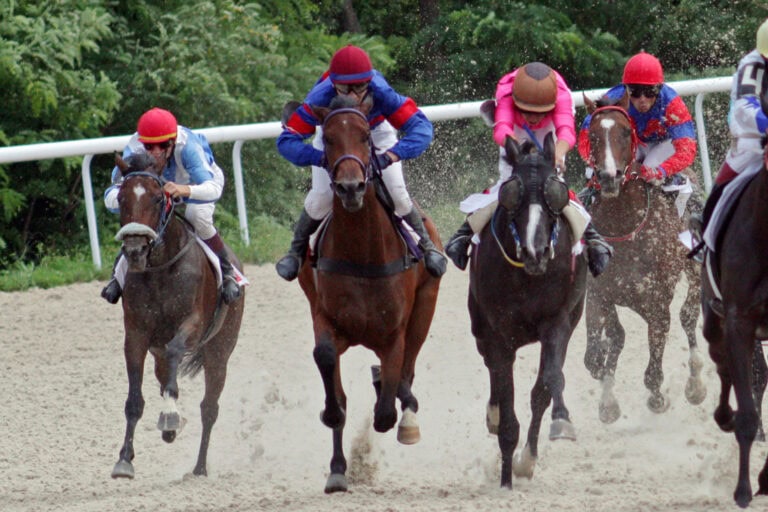
Lasix (furosemide) is a medication routinely used to prevent lung bleeding in horses with exercise-induced pulmonary hemorrhage (EIPH). This bleeding disorder is prevalent in racehorses following bouts of high-intensity exercise. Veterinarians often recommend treating with Lasix on race days to...
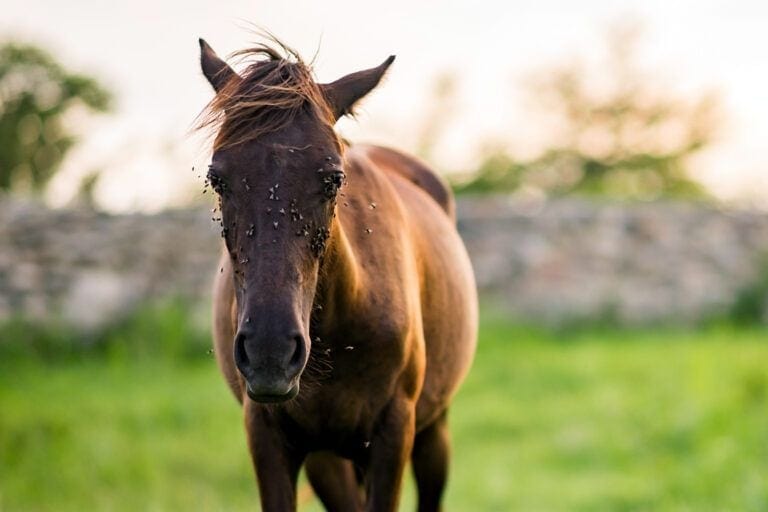
Flies are more than just a nuisance to horses and their owners. Without proper fly control, these insects can transmit diseases to your horse and cause skin irritations. Effective fly control for horses starts before fly season begins with environmental...
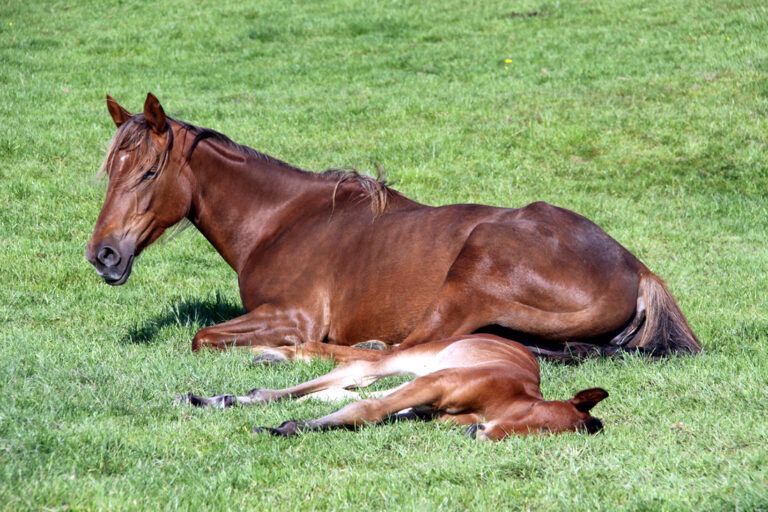
Retained fetal membranes (RFM), also referred to as retained placenta, is a condition that affects a small percentage of broodmares. RFM can lead to serious medical complications in affected mares and requires prompt treatment. Potential complications of RFM include laminitis,...
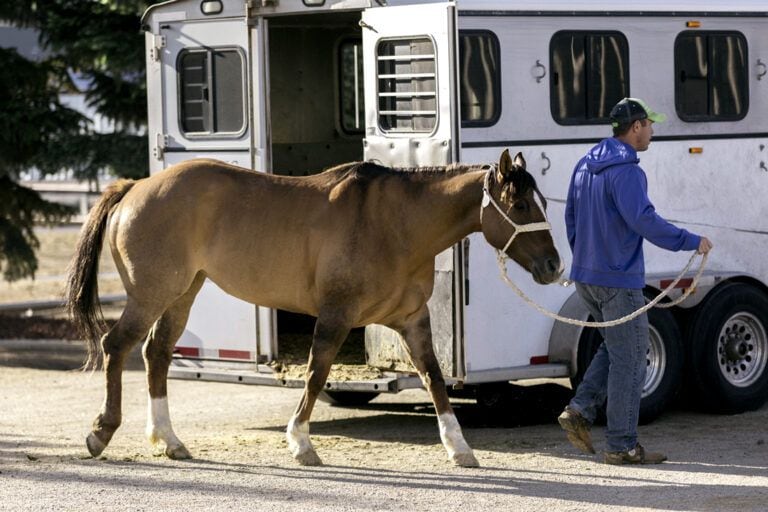
Shipping fever is a lower respiratory tract infection seen in horses transported over long distances or experiencing unusual or stressful events. Known causes of shipping fever include prolonged periods of head elevation, strenuous exercise, anesthesia or complications from a viral...
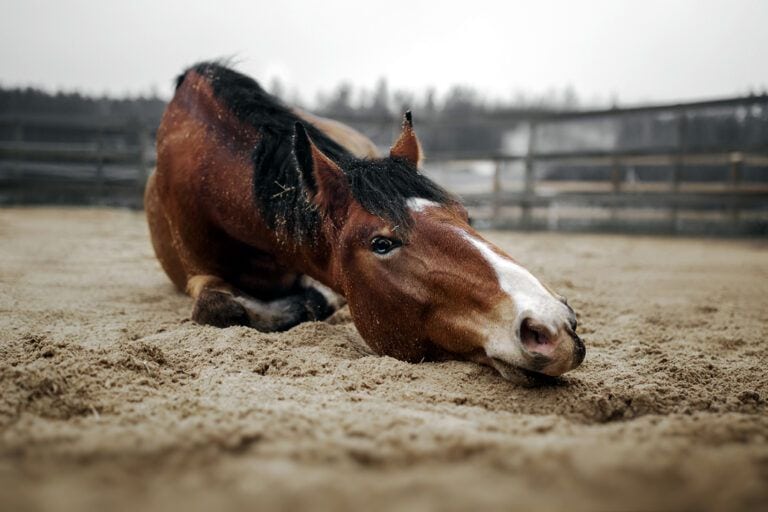
Sand colic is a term for abdominal pain in horses caused by the ingestion of sand. Depending on the geographic region, five to thirty percent of all colic cases are caused by sand or sediment accumulation in the gut. Sand...
Of the many skin conditions horses can develop, sarcoids are the most common. The term "sarcoid" was first used in 1936 in South Africa as a way to distinguish this skin lesion from other tumors. Sarcoids are benign (nonmetastatic) skin...
Myofibrillar myopathy (MFM) is a newly identified muscle disorder that causes exercise intolerance in horses. MFM is a genetic condition that results from the abnormal build-up of desmin in muscle tissue. Desmin is a protein that is important for muscle...
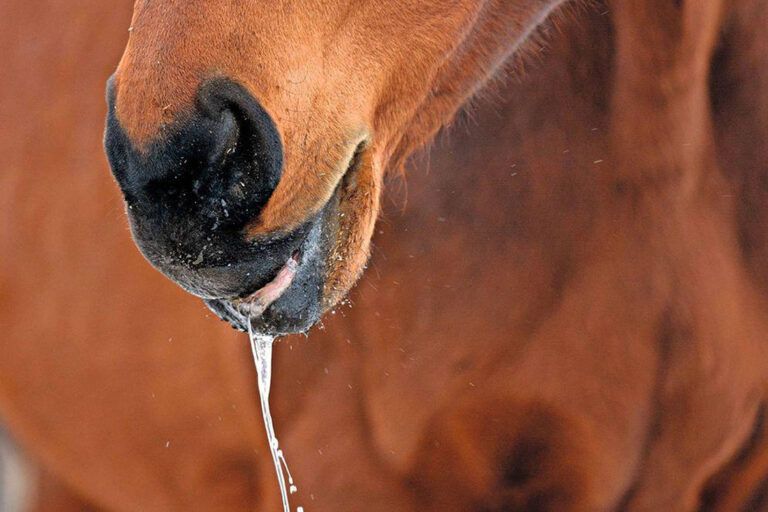
Slobbers, otherwise known as slaframine poisoning or salivary syndrome, is a condition that causes excessive salivation or drooling in horses. It is relatively rare and usually occurs in outbreaks, with multiple horses affected at once. Slaframine intoxication is caused by...
Glycogen branching enzyme deficiency (GBED) is a fatal disorder caused by a gene mutation found in the Quarter Horse and Paint Horse bloodlines. GBED causes abortion in late-term pregnancies, stillbirth or severe muscle weakness and eventually death in newborn foals....
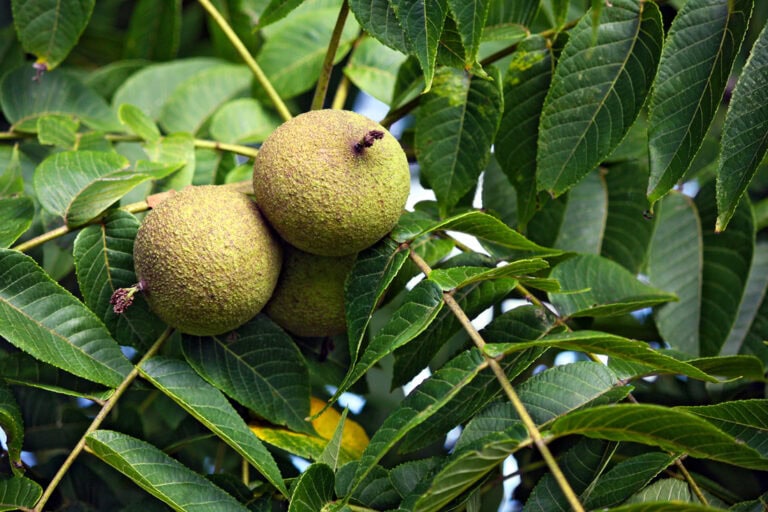
Black walnut tree poisoning occurs when horses come into contact with toxic compounds in the black walnut (Juglans nigra) tree. The roots, bark, wood, nuts, pollen and leaves of the tree contain a chemical that is poisonous to horses upon...
All-In-One Vitamin & Mineral Pellet
Advanced Gut Health Supplement
DHA-Enriched Fat Supplement
All-In-One Vitamin & Mineral Pellet
All-In-One Vitamin & Mineral Powder
Enhanced Vitamin & Mineral Pellet
Advanced Gut Health Supplement
Probiotic & Prebiotic Supplement
High-Potency 5-Strain Probiotic
All-In-One Vitamin & Mineral Pellet
Enhanced Vitamin & Mineral Pellet
Hoof, Skin & Coat Support
DHA-Enriched Fat Supplement
All-In-One Vitamin & Mineral Pellet
Organic Trace Mineral Blend
Enhanced Vitamin & Mineral Pellet
Mood & Hormone Support
Metabolic Health Formula
Mood & Hormone Support
Muscles & Nerve Support
Advanced Gut Health Supplement
Respiratory & Performance Supplement
Essential Amino Acid Blend
Muscles & Nerve Support
Performance & Muscle Support
Respiratory & Performance Supplement
DHA-Enriched Fat Supplement
Immune & Respiratory Support