Analyze Diet
Developmental Orthopedic Disorders in Horses
6 Developmental Orthopedic Diseases in Horses – [Causes, Signs & Treatment] Dr. Fran Rowe, DVM, PAS | February 23, 2026

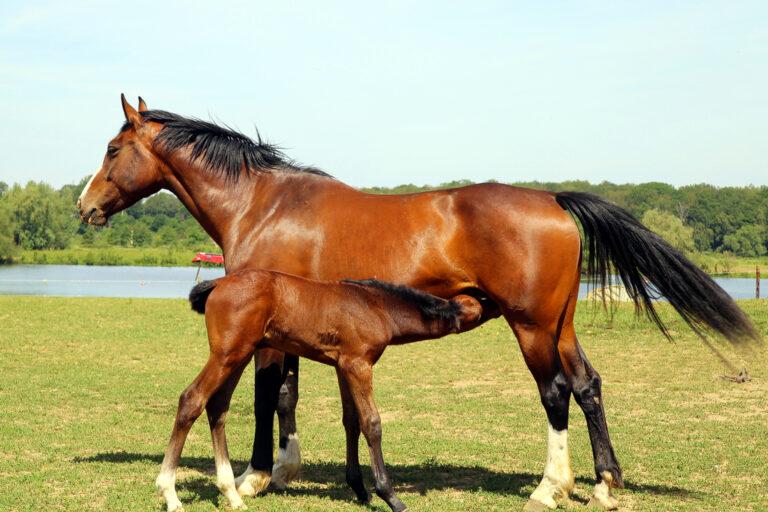
Developmental orthopedic diseases (DODs) refer to a range of non-infectious conditions that affect the musculoskeletal system of growing horses. These conditions arise from an interruption in the normal development of cartilage, bone, or soft tissue (joint capsule, tendon, or ligament)....
Dummy Foal Syndrome
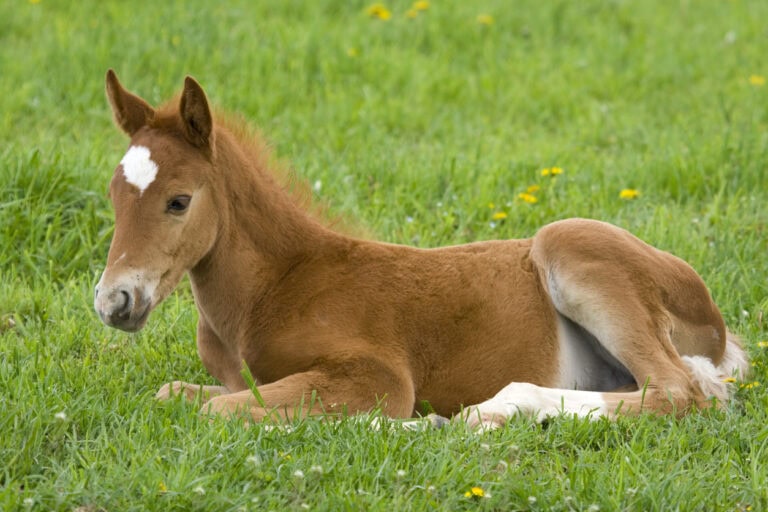
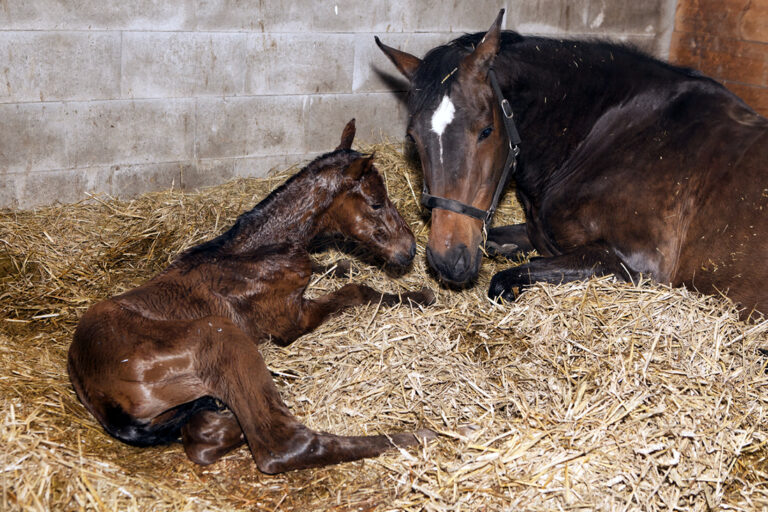
Dummy Foal Syndrome (Neonatal Maladjustment) in Horses: Signs, Causes & Treatment Keisha Heeringa, BSc, MSc | February 12, 2026

Neonatal maladjustment syndrome (NMS) - also referred to as dummy foal syndrome - is a condition that causes neurological symptoms in foals. This condition prevents the foal from performing normal behaviours, such as recognizing and feeding from the mare, standing...

Reasons for weight loss in horses
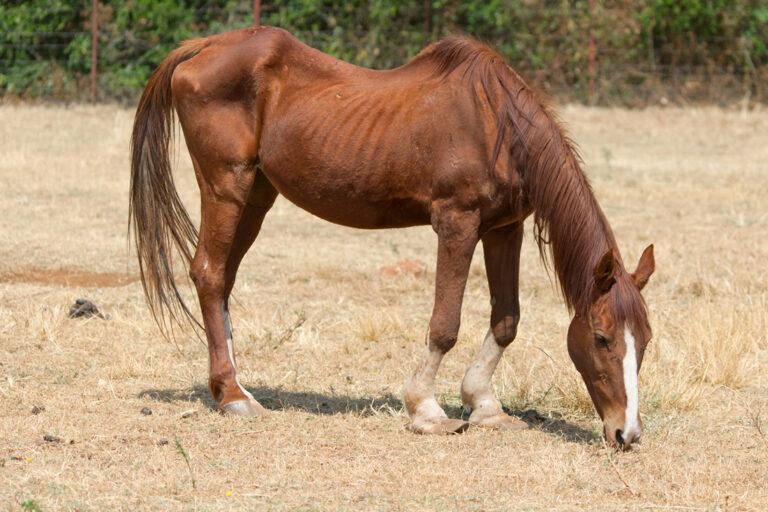
Common Causes of Weight Loss in Horses – [Top 10 Reasons] Jaime Thomas, B.Sc. | February 23, 2026

Unexplained weight loss in your horse is a cause for concern for any horse owner but is often straightforward to diagnose and address. If your horse is losing body condition, it could indicate an undiagnosed health problem or it may...

Sinusitis in Horses
Sinusitis in Horses: Symptoms, Diagnosis, & Treatment Casie Bazay, BS, NBCAAM | February 11, 2026

Equine sinusitis is the most common disease affecting the paranasal sinuses in horses. Sinusitis is an inflammatory condition that often involves excessive nasal discharge. Horses with sinus diseases can also experience swelling in the face or reduced appetite. The causes...

Foal Heat Diarrhea
Foal Heat Diarrhea (Scours) – Signs, Causes & Treatment Jaime Thomas, B.Sc. | February 11, 2026

Foal heat diarrhea is a condition involving transient diarrhea in young foals, lasting for a few days up to two weeks. Foals with heat diarrhea do not have any systemic illness. While it is not known exactly what causes foal...

Equine Nutritionist Consultation
Why Do you Need an Equine Nutritionist? – [Free Consultation Inside] Dr. Christine Latham, Ph.D. | February 13, 2026

Is your horse getting what she needs in her current diet? Does she have health concerns that could be improved through feeding practices? If you own or care for horses, chances are you have asked yourself these questions at some...

Swayback in Horses
Swayback (Equine Lordosis): Causes, Management & Care Dr. Fran Rowe, DVM, PAS | February 23, 2026

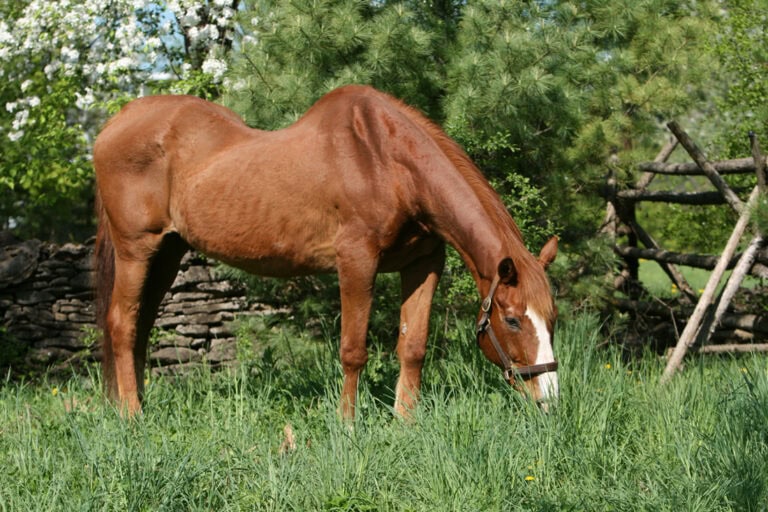
Swayback, or equine lordosis, is characterized by a large dip in the spine of a horse, often resulting in a high wither and severe downwards curve to their topline. Swayback is more common in older horses and broodmares who have...

Strangles Disease in Horses
Strangles Disease in Horses: Symptoms, Treatment & How to Prevent Casie Bazay, BS, NBCAAM | February 10, 2026

Strangles, also known as equine distemper, is a highly contagious disease caused by the bacteria Streptococcus equi. Young horses are most susceptible to developing strangles disease. This condition most commonly occurs in horses under the age of two. The name...

Dehydration in Horses
Top 10 Signs of Dehydration in Horses [+ How to Prevent & Treat] Dr. Fran Rowe, DVM, PAS | March 5, 2026

Dehydration is a serious problem in competing and working horses, especially during hot weather. Horses competing in endurance racing or engaging in sustained or strenuous activities are at the highest risk of dehydration. Dehydration occurs when a horse loses excessive...

Roaring in Horses (Laryngeal Hemiplegia)
Roaring (Laryngeal Hemiplegia) in Horses: Causes, Treatment & Prognosis Casie Bazay, BS, NBCAAM | February 23, 2026

Roaring is a condition that causes some horses to make a whistling or roaring sound during exercise. It can affect a horse’s performance during high-intensity exercises, such as racing. This condition is also referred to as recurrent laryngeal neuropathy (RLN)...

Electrolyte Supplementation for Horses
Best Electrolyte Supplements for Horses: A How-To Guide Kristina Pazdzior, B.Sc., M.Sc. | March 13, 2026

Electrolytes are minerals that play a key role in cellular function and regulate fluid balance in the body. Electrolytes carry an electric charge when dissolved in fluids such as blood or fluid in and around cells. These are critical for...

Hind Fetlock Lameness in Horses
Fetlock Lameness in Horses: Signs, Diagnosis & Treatment Dr. Fran Rowe, DVM, PAS | March 1, 2026

The hind fetlock is a high-motion joint that undergoes significant compression and force absorption when the horse is moving. This joint is highly susceptible to soft-tissue injuries and bone disorders. Horses with hind fetlock lameness often show signs of heat...

Best Magnesium Supplement for Horses
Best Magnesium Supplements for Your Horse [Bioavailability Comparison] Dr. Priska Darani, Ph.D., PAS | March 13, 2026

Magnesium supplements for horses come in many forms and are used to support muscle function and calming. This important macromineral is required in the equine diet to facilitate muscle contraction, maintain ion balance in the blood, and activate enzymes throughout...

Equine Coronavirus
Equine Coronavirus (ECoV): Symptoms, Transmission, Treatment & Diagnosis Jaime Thomas, B.Sc. | February 16, 2026

Equine Coronavirus (ECoV) is a highly contagious illness transmitted between horses that can cause fever, anorexia, diarrhea, and colic. Most horses recover from equine coronavirus with supportive care. In serious cases, affected horses may require specific treatments such as electrolytes,...

How to Feed a Skinny Horse
How to Feed an Emaciated Horse to Avoid Refeeding Syndrome Dr. Christine Latham, Ph.D. | February 23, 2026

Emaciated horses have a very low body condition score with extensive loss of muscle and fat. These severely underweight horses need to be carefully managed with veterinary care and precise nutrition strategies during their recovery. Reintroducing feed must be done...

Thumps in Horses
Thumps in Horses: Signs, Causes and Treatment of Synchronous Diaphragmatic Flutter Jaime Thomas, B.Sc. | March 5, 2026

Thumps in horses is a condition that produces irregular contractions of the diaphragm, resulting in a thumping noise similar to a human hiccup. Scientifically referred to as Synchronous Diaphragmatic Flutter (SDF), thumps causes the diaphragm to spasm in the same...

Exercise-Induced Pulmonary Hemorrhage in Horses
Exercise-Induced Pulmonary Hemorrhage (EIPH) in Horses – [Lung Bleeding] Kelly Hebner, BSc (Kin), MSc | February 23, 2026

Exercise-Induced Pulmonary Hemorrhage (EIPH) is a condition that causes bleeding in the airways, commonly seen in high-performance horses such as racing Thoroughbreds. Horses that experience EIPH are known as "bleeders."

Exercises to Improve Your Horse's Topline
Best Exercises to Improve Your Horse’s Topline – [Training Guide] Dr. Fran Rowe, DVM, PAS | March 5, 2026

A strong topline is one of the most important indicators of a well-conditioned horse. In addition to being aesthetically pleasing and supporting performance, a good topline can protect your working horse from strain and injury.

Hock Lameness in Horses
Hock Lameness in Horses: Causes, Signs & Treatments of Hock Problems Dr. Fran Rowe, DVM, PAS | February 23, 2026

Lameness in the horse's hock joint is one of the most common causes of altered hind end gait. Hock lameness is characterized by shortened gait, weight shifting, stiffness when your horse picks their hind legs up, and reduced springiness off...

Wobblers Syndrome in Horses
Equine Wobbler Syndrome: Causes, Signs, Diagnosis & Treatment Kelly Hebner, BSc (Kin), MSc | February 23, 2026

Equine wobbler syndrome, also known as cervical vertebral stenotic myelopathy (CVSM), is a devastating neurological syndrome resulting from damage to your horse's spinal cord. Horses with CVSM exhibit neurological symptoms such as poor balance and stumbling when walking.

Coat Colour in Horses
Coat Color in Horses: How to Prevent Fading & Support Coat Quality Dr. Fran Rowe, DVM, PAS | February 13, 2026

Your horse’s coat quality and color reflect his or her inner health. Coat color is primarily determined by genetics, although diet and care can also significantly impact coloration.

Signs of Insulin Resistance in Horses
Top 8 Signs of Insulin Resistance (IR) in Horses – [List] Jaime Thomas, B.Sc. | February 13, 2026

Insulin resistance (IR) in horses describes a condition in which the body fails to properly respond to the hormone insulin. Impaired insulin response is the main feature of Equine Metabolic Syndrome (EMS). Horses with EMS do not metabolize sugars properly...

Grazing Muzzles for Horses
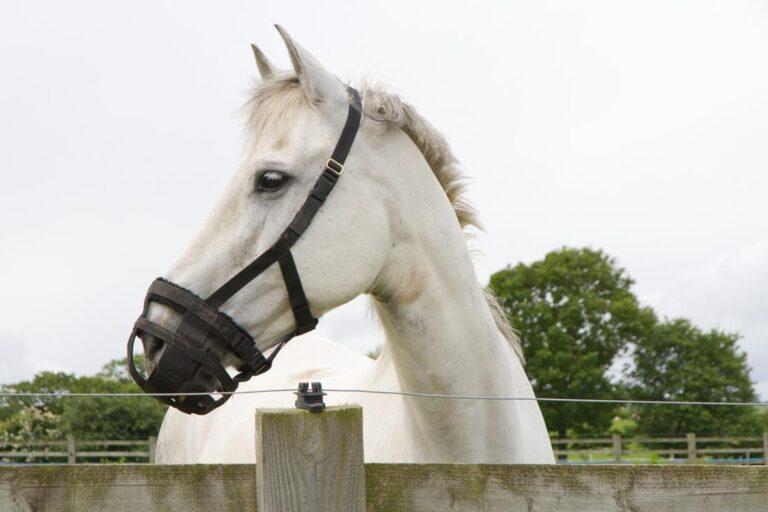
Grazing Muzzles for Horses and Ponies – [How & When to Use] Kelly Hebner, BSc (Kin), MSc | February 23, 2026

Grazing muzzles are a staple in the tack room of many pony and horse owners. These muzzles fit over the mouth and nose of a horse and restrict grass intake while allowing access to pasture. Grazing muzzles have been shown...

Chronic Progressive Lymphedema in Horses
Chronic Progressive Lymphedema (CPL) in Horses – [Symptoms & Treatment] Jaime Thomas, B.Sc. | February 13, 2026

Chronic Progressive Lymphedema (CPL) is a condition that describes impaired lymph flow in the lower legs. Primarily observed in draft horse breeds, CPL causes swelling and skin inflammation on affected legs. Horses with the condition are also at risk of...

Thrush Infection in Horses
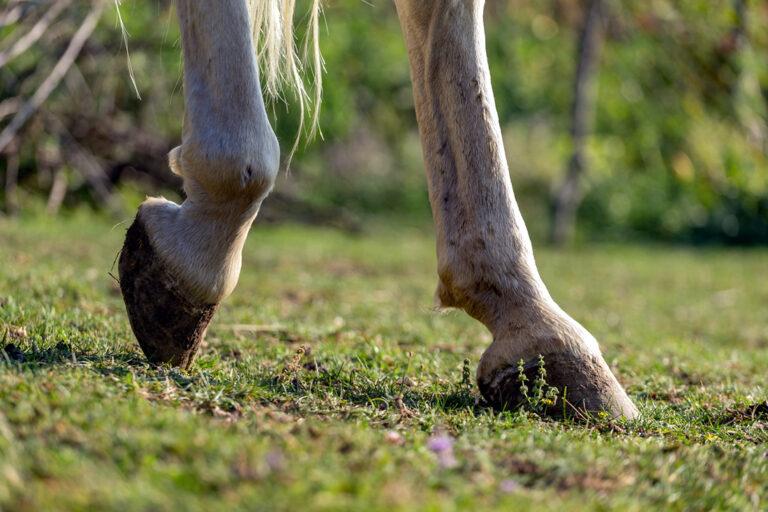
Thrush in Horses: Causes, Signs & Treatment of this Hoof Infection Jaime Thomas, B.Sc. | February 25, 2026

Thrush describes an infection that develops in the frog of one or more of the horse's hooves, caused by a fungal or bacterial pathogen. Fusobacterium necrophorum is the bacterium most often associated with thrush infections. Hooves with frogs that have...

Uveitis in Horses Signs and Symptoms
Uveitis in Horses – Causes, Signs, Diagnosis & Treatment Casie Bazay, BS, NBCAAM | February 13, 2026

Uveitis in horses is a condition in which the uvea layer of the eye becomes inflamed. It is the most common cause of blindness in horses. It is estimated that as many as 25% of horses worldwide are affected by...

Misoprostol for Horses with Ulcers
Misoprostol for Horses with Ulcers: Effects, Uses and Risks Keisha Heeringa, BSc, MSc | February 17, 2026

Misoprostol is a drug used in horses to prevent ulcers from developing in the hindgut and stomach. It is commonly prescribed to horses that require regular use of non-steroidal anti-inflammatory drugs (NSAIDS), which can cause ulcers to form.

How to Feed Lactating Mare
How to Feed the Lactating Mare [8-Point Nutrition Guide] Dr. Fran Rowe, DVM, PAS | March 5, 2026

Producing high-quality milk for the foal requires a lot from your mare. Lactation puts higher energy demands on a mare’s body than any other stage of her life. To keep up with the milk requirements of a growing foal while...

Equine Motor Neuron Disease
Equine Motor Neuron Disease: Causes, Treatment & Vitamin E Supplementation Jaime Thomas, B.Sc. | February 13, 2026

Equine Motor Neuron Disease (EMND) is a disease that causes progressive damage to nerve cells in the brain and spinal cord of adult horses. The disease damages cells that are involved with muscle movement, rendering them dysfunctional and leading to...

Rotavirus in Foals
Rotavirus in Foals: Symptoms, Treatment and Prevention Kelly Hebner, BSc (Kin), MSc | February 16, 2026

Equine rotavirus is a potentially deadly virus that causes severe gastrointestinal symptoms in foals. Rotavirus is one of the most common causes of diarrhea in foals less than 6 months of age.