Analyze Diet
pigeon-fever-in-horses
Pigeon Fever in Horses: Signs, Treatment, and Prognosis Dr. Jenna Thebeau, DVM, MSc | February 21, 2026

Pigeon fever is a bacterial infection in horses caused by the bacterium Corynebacterium pseudotuberculosis. Symptoms vary from lumps on the skin with redness and oozing to systemic signs, such as lethargy, fever, weight loss, and colic. Horses contract the infection...
how-to-feed-a-hard-keeper-horse
Feeding your Hard Keeper Horse [8-Step Guide] Haley Scofield, M.Sc., PAS | February 14, 2026

Have you ever struggled with a horse that has a difficult time maintaining their body condition? For horse owners, the term "hard keeper" is more than just a casual phrase, it's a familiar and often perplexing challenge. Hard keepers, despite...

Warmblood Fragile Foal Syndrome
Warmblood Fragile Foal Syndrome (WFFS): Genetic Testing & Effects on Horses Dr. Madison Ricard, DVM, PhD, DACVP | February 11, 2026

Warmblood Fragile Foal Syndrome (WFFS) is an inherited disease primarily affecting Warmblood horses and their related breeds. This condition is also referred to as Fragile Foal Syndrome Type 1 (FFS). WFFS is characterized by the production of defective collagen, which...

Gait Abnormalities in Horses
Gait Abnormalities & Disorders in Horses: Causes, Diagnosis & Treatment Caroline Cochran, BSc. | February 14, 2026

Gait abnormalities in horses can lead to compromised performance, increased risk of injury, and in some cases, may necessitate early retirement from work. These disorders often present similarly to lameness, but do not necessarily involve pain. While minor conformational faults...

breeding-soundness-exams-for-mares
Breeding Soundness Exams for Mares: Assessing Reproductive Health [8-Step Guide] Jessica Artman, B.Sc., M.Sc. | February 21, 2026

Despite ongoing advances in equine husbandry and veterinary care, achieving a full-term pregnancy in mares can be challenging. The foaling success rate is often measured below 60%, underscoring the complexities involved in equine reproduction. Breeding Soundness Exams (BSEs) are critical...

Contagious Equine Metritis
Contagious Equine Metritis: Causes, Symptoms & Treatment Dr. Madison Ricard, DVM, PhD, DACVP | February 21, 2026

Contagious equine metritis (CEM) is a bacterial infection in horses caused by Taylorella equigenitalis. CEM is highly contagious and primarily spreads through venereal transmission and contact with contaminated breeding equipment. CEM is characterized by severe inflammation of the reproductive tract...

Equine Proliferative Enteropathy - Lawsonia Infection in Horses
Equine Proliferative Enteropathy: Lawsonia Intracellularis Infection in Horses Dr. Jenna Thebeau, DVM, MSc | February 21, 2026

Equine proliferative enteropathy (EPE) is an infectious disease caused by the bacterium Lawsonia intracellularis. EPE mainly affects young horses during the fall and winter months. EPE is characterized by thickening of the lining of the small intestine due to excessive...

Rattles in Foals
Rattles in Foals: Rhodococcus equi Pneumonia Signs & Treatment Dr. Madison Ricard, DVM, PhD, DACVP | February 21, 2026

Rattles, clinically known as Rhodococcus equi pneumonia, is a serious respiratory condition that affects growing foals. This disease is a leading cause of severe illness in young foals, and is characterized by coughing, nasal discharge, and rapid breathing. The rattle...

Reproductive Emergencies in Mares
Reproductive Emergencies in Mares: Prepartum & Postpartum Complications Dr. Madison Ricard, DVM, PhD, DACVP | February 14, 2026

The time around foaling (periparturient period) is a high-risk period for mares, as their bodies undergo many changes associated with delivery of the foal. Breeders must closely monitor their mares for signs of medical emergencies before, during, and after foaling....

Colic in Foals
Colic in Foals: Causes, Symptoms, Diagnosis & Treatment Dr. Eleanor Kellon, VMD | February 14, 2026

Colic, defined as abdominal pain in horses, is a condition that ranges from mild discomfort to severe, life-threatening situations. In foals, colic presents unique challenges and concerns, due to their physiology and development. Colic in foals can be challenging to...

Enlarged Ovaries in Mares
Enlarged Ovaries in Mares: Granulosa Theca Cell Tumours & Other Causes Dr. Madison Ricard, DVM, PhD, DACVP | January 29, 2026

Enlarged ovaries are frequently observed in mares, especially those used for breeding. This enlargement often stems from an ovarian cyst. In most instances, these cysts are benign and resolve spontaneously, typically not affecting the mare’s fertility. However, it’s crucial for...

How to Feed an Off the Track Thoroughbred (OTTB): [7-Step Guide] Dr. Christine Latham, Ph.D. | March 16, 2026

Off-the-track Thoroughbreds (OTTB) can be wonderful companions and athletes, but they do come with their share of breed-specific challenges. After retiring from the racing industry, these horses often require specific care and training to adapt to new disciplines or leisure...

Bladder Stones in Horses
Urolithiasis (Bladder Stones) in Horses: Causes, Signs & Treatment Dr. Jenna Thebeau, DVM, MSc | February 27, 2026

Urolithiasis is a rare condition in horses that involves the formation of bladder stones within the horse’s urinary tract. These urinary stones or uroliths are hard collections of crystals or mineral deposits, which can lead to various health complications. The...

Infectious Diarrhea in Foals
Infectious Diarrhea in Foals: Symptoms, Management & Prevention Dr. Priska Darani, Ph.D., PAS | February 21, 2026

Infectious diarrhea in foals is a significant health concern that can lead to dehydration, weight loss, and systemic illness. Without timely intervention, it can lead to severe complications and even be life-threatening. Diarrhea in foals can be caused by a...

Lymphoma in Horses
Lymphoma in Horses: Symptoms, Diagnosis, and Treatment Dr. Priska Darani, Ph.D., PAS | January 29, 2026

Lymphoma, also known as lymphosarcoma, is the most common malignant cancer in horses. Lymphoma is a cancer that forms when lymphocytes, a type of white blood cell, become malignant and grow uncontrollably. Clinical signs of lymphoma in horses vary widely,...

Rabies Vaccine for Horses
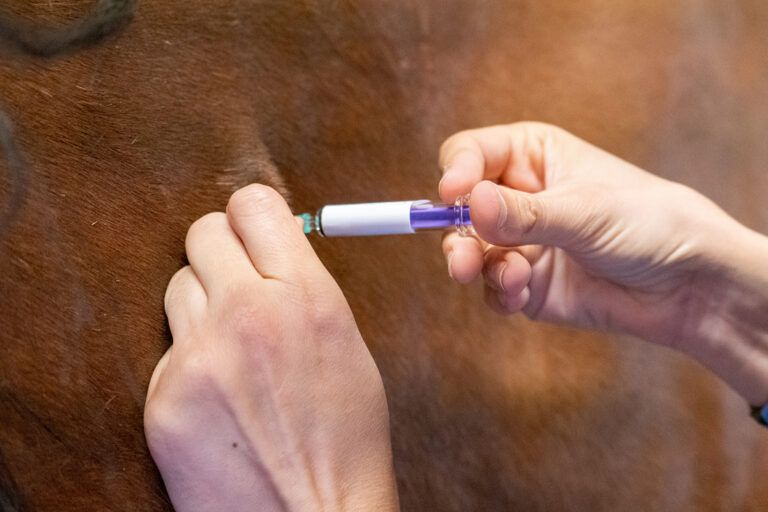
Rabies in Horses: Causes, Symptoms, Diagnosis & Vaccination Dr. Priska Darani, Ph.D., PAS | February 21, 2026

Rabies is a fatal viral disease that can affect horses and is present in wildlife mammals all over the world. Rabies is a zoonotic disease, which means it can be transmitted from animal to humans, and can be fatal if...

Equine Viral Arteritis in Horses
Equine Viral Arteritis in Horses: Symptoms, Diagnosis & Prevention Dr. Priska Darani, Ph.D., PAS | February 14, 2026

Equine viral arteritis (EVA) is a serious infectious disease that affects all equine species. EVA is particularly significant within breeding herds, as the disease causes abortion in up to 60% of affected pregnant mares. Many horses with equine viral arteritis...

Neonatal Isoerythrolysis in Foals
Neonatal Isoerythrolysis in Foals: Causes, Treatment & Prevention Dr. Madison Ricard, DVM, PhD, DACVP | February 21, 2026

Neonatal isoerythrolysis (NI) is a potentially fatal, but preventable, condition affecting newborn foals. Foals develop NI when they consume colostrum containing antibodies against their blood type, resulting in destruction of their red blood cells. This condition will only occur if...

Melanomas in Horses
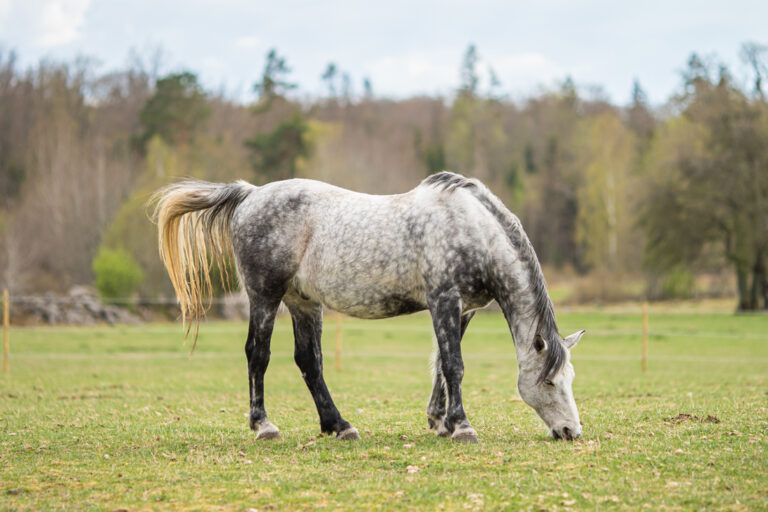
Melanomas in Horses: Types, Treatment & Prognosis Camryn McNeill, B.B.R.M. | February 11, 2026

Melanomas are a type of skin tumor most commonly observed in aging grey horses. Up to 80% of gray horses aged 15 or older develop melanomas during their lifetime. Melanomas in gray horses often appear as benign blemishes and remain...

West Nile Virus in Horses
West Nile Virus in Horses: Symptoms, Treatment, and Prevention Dr. Priska Darani, Ph.D., PAS | February 21, 2026

West Nile virus (WNV) is a mosquito-borne arbovirus known to cause severe illness in humans, birds, and horses. Affected horses can develop inflammation in the brain (encephalitis), as well as neurological symptoms such as head pressing, difficulty swallowing, and poor...

equine-windpuffs-condition
Windpuffs in Horses: Diagnosis, Treatment & Prevention Jaime Thomas, B.Sc. | February 15, 2026

Windpuffs develop due to the accumulation of fluid within the digital sheath, which envelops and protects both the Deep Digital Flexor Tendon (DDFT) and the Superficial Digital Flexor Tendon (SDFT). Although windpuffs are not typically associated with lameness or soreness,...

Immunodeficiency Disorders in Foals Horses
Primary Immunodeficiency Disorders in Horses: Types, Causes & Treatments Dr. Madison Ricard, DVM, PhD, DACVP | February 21, 2026

Primary immunodeficiencies are disorders where some component of the immune system does not develop properly, leaving the horse at risk of infection. Examples of primary immunodeficiencies in horses include severe combined immunodeficiency, foal immunodeficiency syndrome, and selective IgM deficiency.

signs-of-foaling-in-horses
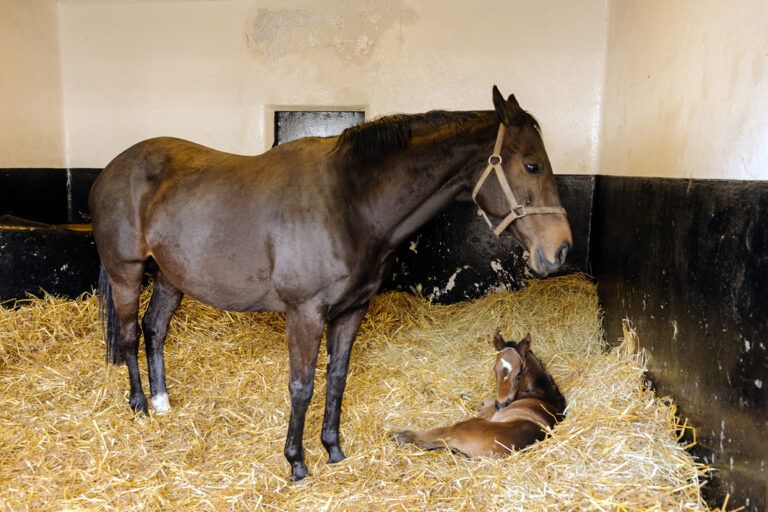
11 Signs of Foaling in Horses – [Preparation for Labor] Jessica Artman, B.Sc., M.Sc. | February 21, 2026

As your broodmare approaches the end of her gestation period, it’s important to be vigilant for changes that indicate foaling is near. Recognizing these signs of foaling in your mare ensures you can make necessary arrangements and provide appropriate care...

Dystocia in Horses
Dystocia in Horses: Signs, Causes & Treatment of Foaling Difficulties Dr. Madison Ricard, DVM, PhD, DACVP | February 15, 2026

Dystocia, or difficulty giving birth, is a relatively rare complication in horses occurring in less than 10% of foalings. Dystocia carries significant risks for both the mare and foal, including damage to internal organs, nerves, and blood supply for the...

Antioxidant Supplements for Horses
Top 9 Antioxidant Supplements for Horses [Research Review] Jaime Thomas, B.Sc. | March 13, 2026

Antioxidants are important nutrients for horses that help to combat oxidative stress, maintain overall health, and support performance. They work by neutralizing harmful molecules known as free radicals within the body. Free radicals are highly reactive molecules with an electrical...

equine-condition-lavender-foal-syndrome
Lavender Foal Syndrome: Causes, Symptoms & Prognosis Camryn McNeill, B.B.R.M. | February 15, 2026

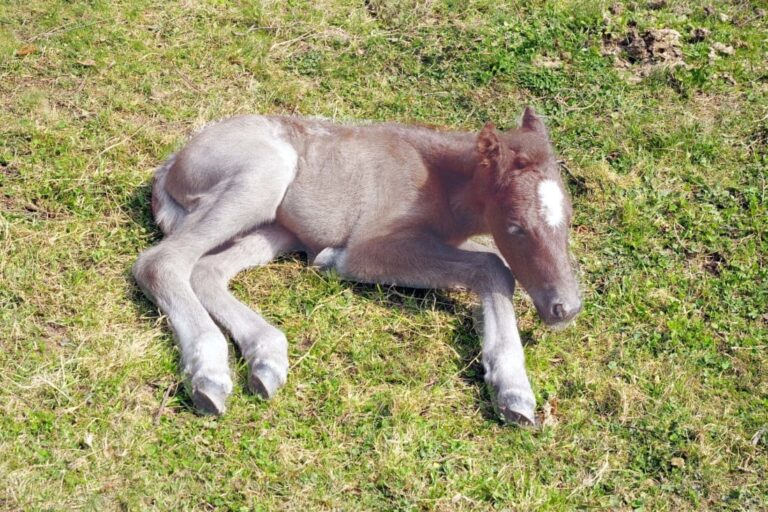
Lavender Foal Syndrome (LFS), or coat colour dilution lethal (CCDL), is a rare and lethal disorder in Arabian horses and crossbreeds. Foals with LFS are born with neurological problems and a lightened coat colour. Lavender Foal Syndrome is a genetic...

Vitiligo in Horses
Vitiligo in Horses: Causes, Progression and Diagnosis Linaya Pot, MSc, PAS | February 15, 2026

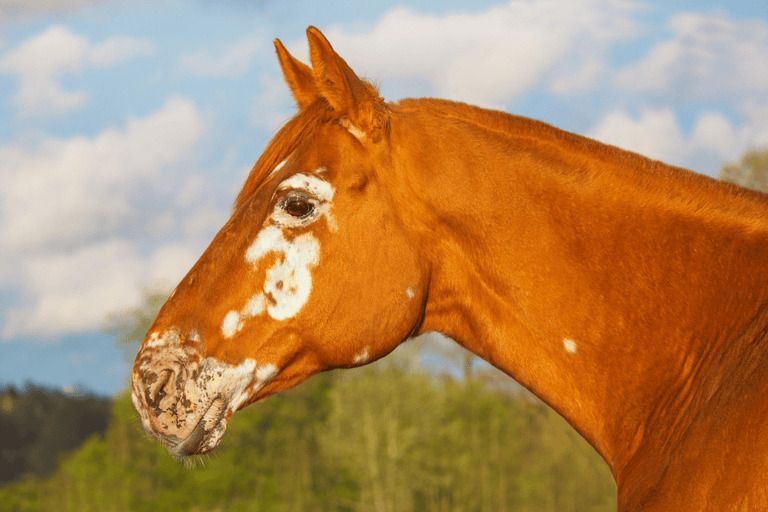
Vitiligo in horses is a disorder that causes patches of skin and hair to lose their normal colour or pigmentation. This condition is not contagious, painful, or life-threatening, but it can be disconcerting to see your horse's skin or hair...

Mare Reproductive Loss Syndrome
Mare Reproductive Loss Syndrome: Signs, Causes & Treatment Dr. Madison Ricard, DVM, PhD, DACVP | February 15, 2026

Mare reproductive loss syndrome (MRLS) is an enigmatic condition first described in Kentucky in 2001, when an estimated 3,500 foals were either aborted, stillborn, or died shortly after birth. Research revealed that abortions and foal death was closely associated with...

Fescue Toxicity in Horses
Fescue Toxicosis in Horses: Signs, Causes, Treatment & Prevention Dr. Madison Ricard, DVM, PhD, DACVP | February 21, 2026

Fescue toxicosis in horses results from ingestion of fescue grass contaminated with the fungus Neotyphodium coenophialum. The fungus produces ergot alkaloid toxins which cause changes in hormone concentrations and blood flow in pregnant mares grazing contaminated pastures or hay. Nearly...

Endometritis in Horses
Endometritis in Horses: Causes, Signs & Treatments Dr. Madison Ricard, DVM, PhD, DACVP | February 21, 2026

Endometritis is a condition involving inflammation of the uterine lining, and is a very common cause of infertility in broodmares. Mares with endometritis develop fibrosis and inflammation that prevent embryonic development, resulting in failure to conceive or early embryonic loss....