Analyze Diet
Stifle Joint Lameness
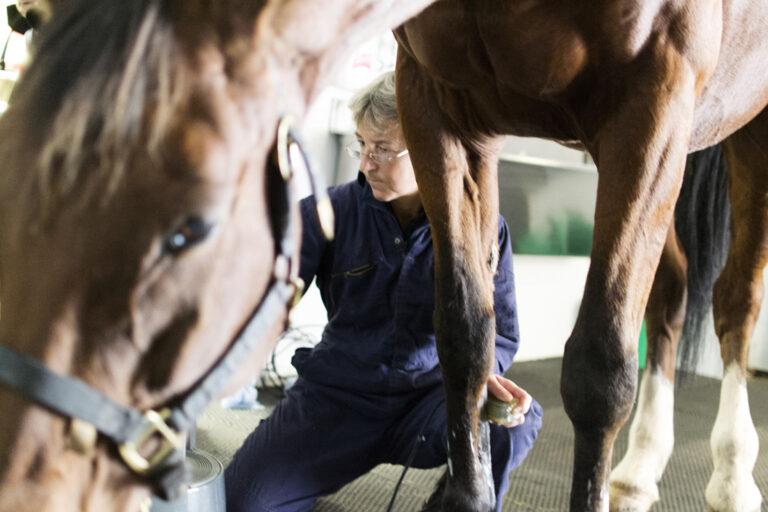
Stifle Lameness in Horses: Causes, Treatment & Prevention Jane Meggitt, BA | February 11, 2026

Lameness in the horse's stifle joint can result in shortened stride length, reluctance to work or a rough canter. While lameness is more commonly attributed to problems with the hock joint, stifle lameness is seen frequently in performance horses. The...
How to Prevent Ulcers in Horses
12 Best Ways to Naturally Prevent Ulcers in Horses Hannah Godfrey, B.Sc., M.Sc. | February 25, 2026

What can you do to prevent ulcers from developing in your horse? Equine ulcers are all too common, with studies showing that up to 90% of horses will be affected by ulcers in their lifetime. Stomach ulcers, also known as...

Hindgut Acidosis in Horses
Hindgut Acidosis in Horses – Signs, Causes & How to Prevent Brooklynn Liversidge, B.Sc., M.Sc. | February 11, 2026

Hindgut acidosis is a condition in which the hindgut of the horse becomes excessively acidic. It is usually caused by too much starch in the horse’s diet, resulting in increased production of lactic acid in the lower intestinal tract. When...

Laminitis in Horses
Laminitis in Horses: Symptoms, Causes, Risk Factors and Treatment Jane Meggitt, BA | February 25, 2026

Equine laminitis is a painful condition affecting the horse's hooves. Cases of laminitis range in severity from mild foot tenderness to chronic founder, potentially impeding the horse's ability to walk. Laminitis is the bane of any horse owner's existence. Horses...

Yeast Benefits for Horses
7 Research-Backed Benefits of Yeast for Horses Dr. Priska Darani, Ph.D., PAS | March 13, 2026

Yeast are single-cell organisms that include over 1,500 unique species found naturally in soil, plants, fruit, and on the skin and in the intestinal tract of mammals. Live yeast are used as probiotic supplements for horses, primarily to improve fibre...

horse-enrichment-activities-1
9 DIY Enrichment Activities for Horses to Prevent Boredom [LIST] Brie Simpson, CHBC Candidate | February 25, 2026

Looking for ways to prevent boredom in your horse? Enrichment activities for your horse don't need to cost a lot and can be easy to set up. Many horse owners are aware of the basic components of animal welfare. You...

Benefits of Prebiotics for Horses
6 Science-Backed Benefits of Prebiotics in Horses Dr. Eleanor Kellon, VMD | March 13, 2026

Prebiotics are types of fibre that are given to horses as a food source for the beneficial microbes in the hindgut. Prebiotics support fibre digestibility, gut health, and nutrient assimilation in the hindgut. Horses with disrupted digestive function, observed as...

Free Fecal Water Syndrome in Horses
Free Fecal Water Syndrome in Horses [Potential Causes and Treatments] Brooklynn Liversidge, B.Sc., M.Sc. | February 17, 2026

Free fecal water syndrome is a condition in which horses experience both solid and liquid phases during defecation. The liquid phase can occur before, during, or after defecation of the solid phase or sometimes occur completely separate from the solid...

Amino Acids for Horses
Amino Acid Requirements for Horses: When to Feed More Protein? Dr. Priska Darani, Ph.D., PAS | March 6, 2026

Is your horse getting a balanced range of essential and non-essential amino acids from their feeding program? Your horse needs adequate amino acids in their diet to make proteins. Proteins are complex molecules that are required for almost every physiological...

Hindgut Ulcers in Horses
4 Common Causes of Hindgut Ulcers in Horses [How to Treat & Prevent] Casie Bazay, BS, NBCAAM | February 17, 2026

Equine gastric ulcers are extremely common, especially in performance horses. But ulcers can also occur in the horse's hindgut and have negative consequences for digestive health. Hindgut ulcers are also known as colonic ulcers. Veterinarians often refer to the condition...

Healthy Joints for Horses
8 Key Principles for Supporting Joint Health in Horses [Countdown] Scott Cieslar, M.Sc. | February 11, 2026

Whether a foal, a broodmare, or a mature or aging horse, supporting joint health is a common concern for many horse owners. Being proactive can help to prevent joint problems from affecting your horse, robbing them of performance, comfort and...

Top Joint Supplements for Horses
Top 8 Joint Supplements for Horses [Validated By Research] Hannah Godfrey, B.Sc., M.Sc. | March 13, 2026

Supplements targeting joint health are some of the most sought-after dietary supplements for horses, especially due to the high prevalence of joint injuries and deterioration later in life. But which equine joint supplements actually work and which are all hype?...

Lysine, Methionine & Threonine for Horses
Lysine, Methionine & Threonine for Horses: 7 Reasons to Supplement these Amino Acids Dr. Priska Darani, Ph.D., PAS | March 13, 2026

Lysine, methionine and threonine are known as rate-limiting amino acids that are required in the horse's diet because they cannot be made in the body. Of the 21 amino acids that exist, these three are most commonly deficient in the...

Zinc Benefits for Horses
10 Research-Backed Benefits of Zinc for Horses Dr. Priska Darani, Ph.D., PAS | March 13, 2026

Zinc (Zn) is an essential trace mineral that is required in the horse's diet to support the proper function of many enzymes and proteins. It is involved in antioxidant protection, immune function, protein synthesis, and cellular communication. Zinc is also...

Biotin Benefits for Horses
7 Science-Backed Benefits of Biotin for Horses Dr. Eleanor Kellon, VMD | March 13, 2026

Biotin, also known as vitamin B7, is required in the horse's diet for the production of keratin – the main protein that forms a strong, durable hoof structure. Biotin is most commonly known for supporting hoof growth and quality. It...

Omega-3 Benefits for Horses
17 Science-Backed Benefits of Omega-3 Fatty Acids in Horses Dr. Priska Darani, Ph.D., PAS | March 13, 2026

Omega-3 fatty acids are polyunsaturated fats (PUFAs) that are essential in the horse's diet. Supplementing your horse's feeding program with omega-3 oil can support anti-inflammatory mechanisms in the body and contribute to overall health and well-being. Giving your horse a...

Chasteberry Benefits for Horses
5 Research-Backed Benefits of Chasteberry in Horses Dr. Priska Darani, Ph.D., PAS | March 13, 2026

Chasteberry is an herbal supplement that is used to support mood balance and hormone health in female and male horses. The Chastetree berry (Vitex agnus-castus) plant is a shrub that grows in the Mediterranean and parts of Asia. The fruits...

benefits-of-probiotics-in-horse-diets
6 Science-Backed Benefits of Probiotics for Horses Dr. Priska Darani, Ph.D., PAS | March 13, 2026

Probiotics are live microbes (bacteria, yeast, fungi and protozoa) that help horses maintain a healthy gut by protecting against "bad" microbes or pathogens. Maintaining a healthy microbiome promotes optimal digestive function and absorption of nutrients and helps support the immune...

Gastric Ulcers in Horses
7 Common Causes of Gastric Ulcers in Horses Dr. Priska Darani, Ph.D., PAS | February 11, 2026

Have you noticed changes in your horse such as weight loss, a dull coat, disinterest in feeding or crib chewing that have resulted in poor performance? Your horse might be experiencing stomach pain, most likely due to gastric ulcers. Equine...

High Iron Dangers for Horses
5 Dangers of High Iron Levels for Horses Dr. Eleanor Kellon, VMD | February 11, 2026

Do you know the dangers of high iron levels in your horse's hay or water? Iron overload is a growing concern among horse owners as more is learned about the harmful effects of having too much of this mineral in...

Selenium Benefits for Horses
7 Research-Backed Health Benefits of Selenium for Horses Dr. Priska Darani, Ph.D., PAS | March 13, 2026

Selenium (Se) is an antioxidant mineral that is necessary in the horse’s diet. Horses derive selenium by consuming hay or grasses that grow in soils that contain this trace mineral. However, if you live in a region with low selenium...

horse hoof growth equine nutrition
Hoof Growth: How to Feed Your Horse for Best Results Noelle Ursel, B.Sc. | February 11, 2026

Given the importance of the hoof, it's important to know that what you feed your horse will have a profound impact on its hoof growth and quality. In this article, we will go over what nutrients your horse needs to...

Feeding Horses Mineral Vitamin Supplement
How to Give a New Supplement to Your Horse: Preventing Feed Refusal Noelle Ursel, B.Sc. | March 13, 2026

If you have taken the first steps towards feeding your horse a balanced diet that includes a concentrated mineral and vitamin supplement, there's a chance that your horse may turn its head up when first introduced to it. But don't...

Horse Hay Analysis Forage
Taking a Hay Sample for Your Horse and Understanding the Analysis Noelle Ursel, B.Sc. | February 26, 2026

Feeding a quality forage should be the basis of every feeding program. Given the forage portion will account for the large majority of nutrient intake for your horse, isn't it important to understand what is in that forage? By knowing...

Feeding Salt to your Horse
Feeding Salt to Your Horse Noelle Ursel, B.Sc. | February 16, 2026

Many horse owners do not fully appreciate the significance of providing adequate salt to their equine companion.  In terms of cost-to-benefit ratio, it would be hard to think of another nutrient with such a low cost that provides the benefits...

equine-vitamin-e-requirements
How Much Vitamin E Should I Give My Horse? Noelle Ursel, B.Sc. | March 13, 2026

Vitamin E, or alpha-tocopherol, is an essential vitamin that must be obtained through your horse's diet. There are many products sold in the equine supplement industry that contain varying forms of vitamin E that are available, but it is sometimes...

How to feed trace minerals to your horse
How to Supplement Trace Minerals in Your Horse’s Diet Noelle Ursel, B.Sc. | March 29, 2026

Trace minerals are only needed in very small amounts in a horse’s diet. Think milligrams! Despite this, however, the majority of horses still receive too much energy and protein and not enough trace minerals from their diet. Deficiencies in key...

Equine Gastric Ulcer Syndrome
EGUS – Equine Gastric Ulcer Syndrome Scott Cieslar, M.Sc. | February 11, 2026

Let's save the boring stats that every article discussing equine gastric ulcers quotes. If you keep your horse in a stall and/or do any level of training and you are still reading this article, there is an extremely [...]

ppid-equine-cushings-disease
Equine Cushing’s Disease Scott Cieslar, M.Sc. | February 11, 2026

Cushing’s Disease occurs when there is a tumor on the pituitary gland, an organ at the base of the brain. This tumor causes the pituitary gland to over-produce ACTH, a hormone that affects cortisol levels in the body. [...]

insulin-resistance-in-horses
Equine Insulin Resistance Dr. Eleanor Kellon, VMD | February 3, 2026

Insulin is a hormone produced by special cells within the pancreas in order to do many important jobs, one of which is the transportation of glucose from the bloodstream into each individual cell. When foods high in [...]