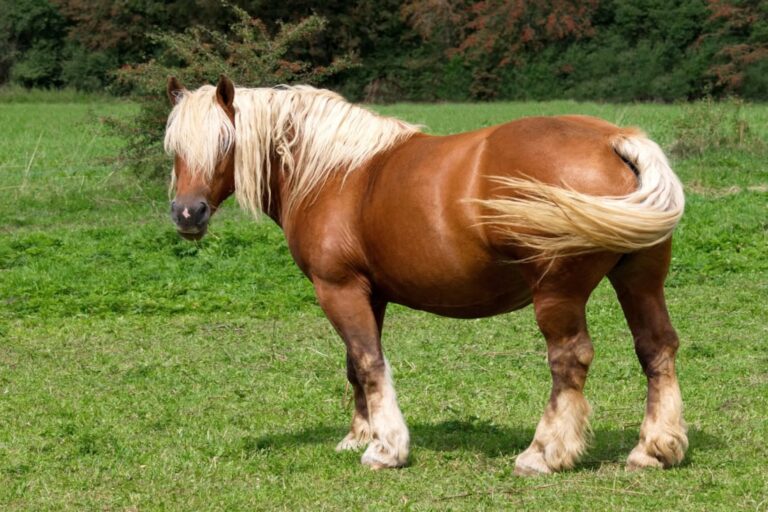
The liver is the largest organ in the horse's body, making up one percent of its total body weight. Hepatitis refers to inflammation of the liver and is a non-specific term used to describe liver disease. The liver is a...
Horse Health
Purpura hemorrhagica (PH) is a severe immune-mediated condition in horses characterized by widespread inflammation of blood vessels, known as vasculitis. This condition often develops as a secondary complication of infections, particularly those caused by Streptococcus equi, the bacterium responsible for...
Stallions are male horses that have not been castrated and thus have high levels of testosterone. This hormone can drive behaviors such as aggression, dominance, and a strong mating instinct. Testosterone, produced primarily in the testicles, plays a crucial role...
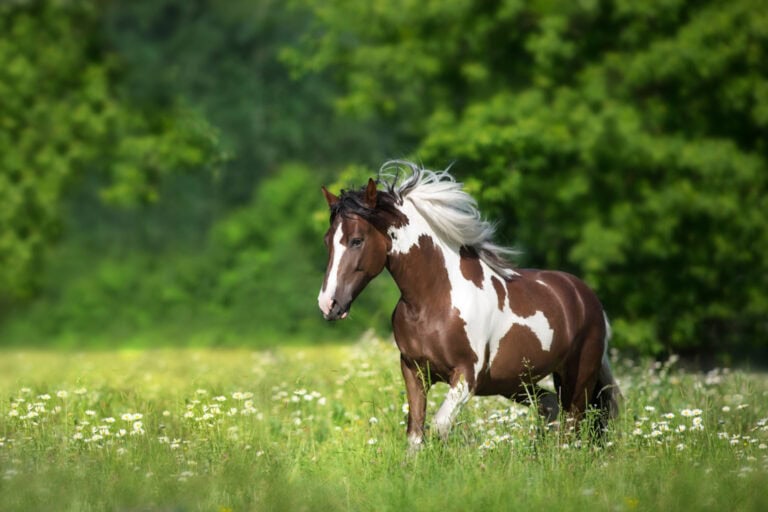
Horse coat colors are highly diverse and carry historical, cultural, and even functional significance within many horse breeds. The colors and patterns that mark these breeds result from a complex interaction of several genes that geneticists have studied for centuries....
Unlike the explosive speed of racehorses or the poised collection of hunter-jumpers, the endurance horse has a more specialized skillset. Endurances horses – and riders – work hard to go the distance. Riding in the range of 80 or more...
Itching, or pruritus, is a common issue that affects all horses, with various potential causes ranging from insect bites and parasite infestations to bacterial and fungal infections, as well as allergic reactions. Horses typically exhibit signs of itchiness by biting,...
Small intestine volvulus is a serious condition in horses, characterized by a twisting of the intestine around itself and the root of the mesentery. This twist can cause a blockage, restricting blood flow and leading to severe damage to the...
Warts in horses, also known as equine papillomatosis, are small, benign growths caused by equine papillomaviruses (EPVs). These growths primarily affect young horses under the age of three, as their developing immune systems are more susceptible to the virus. EPVs...
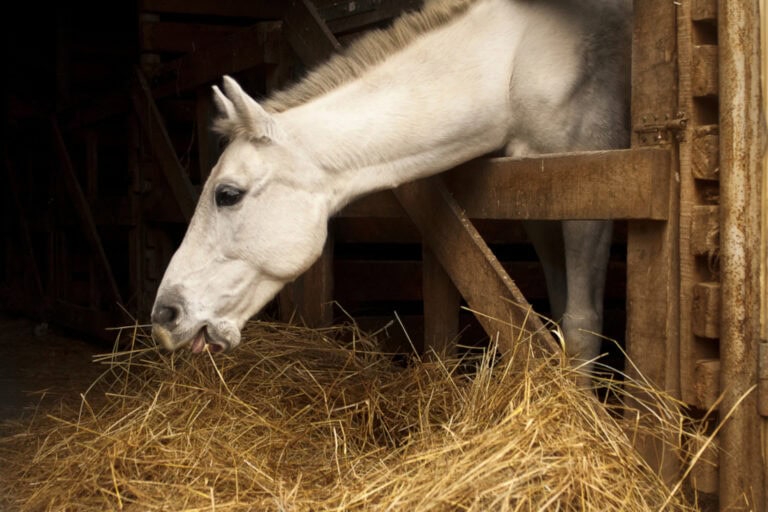
Quidding is a term used to describe a horse dropping food from its mouth while eating. This can be a sign of dental problems as well as a number of other conditions. Regular dental care is of utmost importance to...
Ticks are small, blood-feeding arachnids with specialized mouthparts that allow them to attach to a variety of hosts, including humans, birds, reptiles, and mammals like horses. After attaching to a host, ticks use their mouthparts to feed on the host’s...
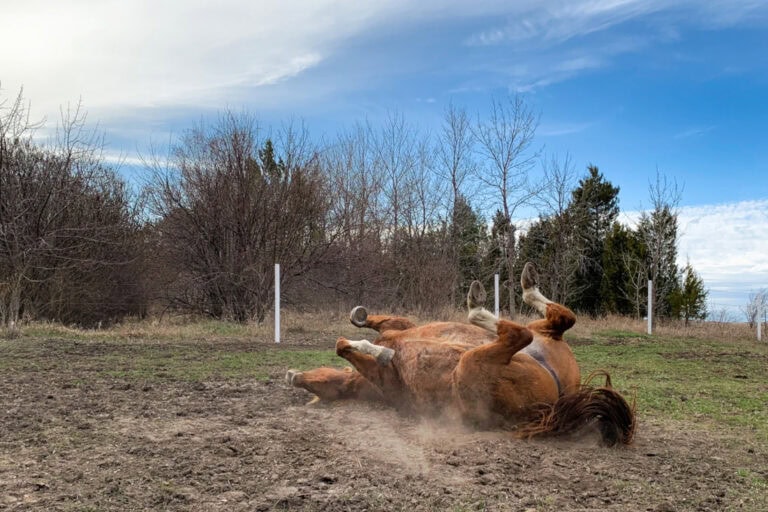
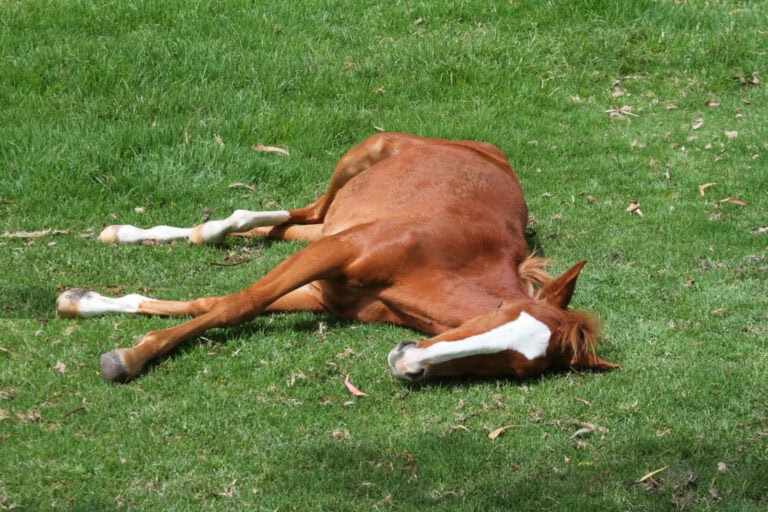
Horses, as prey animals with considerable size and weight, have evolved to minimize the need for lying down, a position that increases their vulnerability to predators and hinders quick escapes. Despite these adaptations, horses do spend a portion of the...
Defecation is crucial for maintaining a horse's digestive health and overall well-being. Regular bowel movements help to ensure that the digestive system is functioning properly, allowing waste to be efficiently expelled from the body. This is vital for preventing issues...
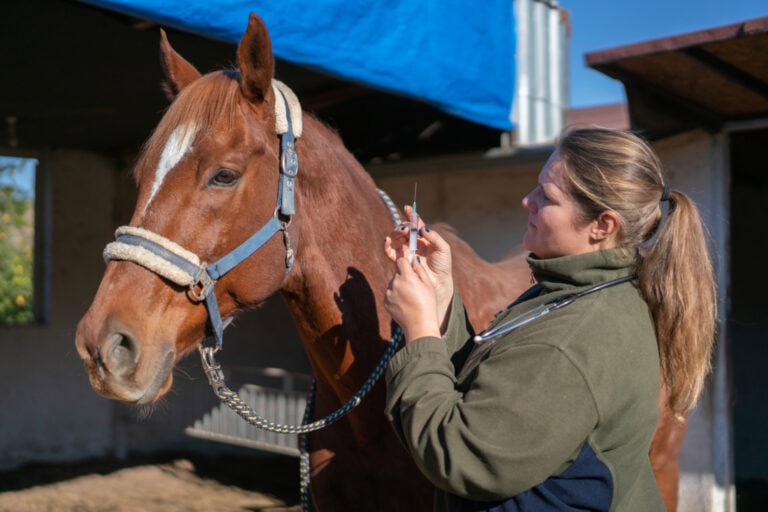
Equine sedation is a critical aspect of veterinary care, playing a vital role in ensuring the safety and well-being of both horses and handlers during various medical procedures. Horses are a large, powerful animal with a strong flight response, which...
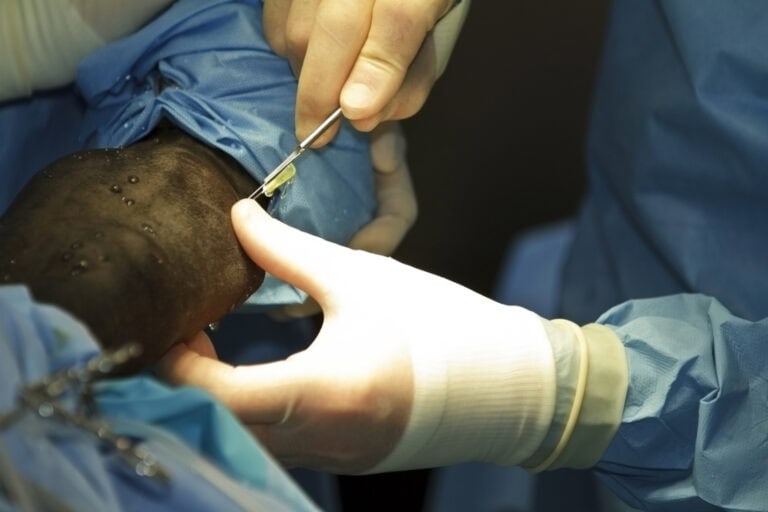
Anesthesia refers to the loss of sensation and consciousness from administration of anesthetic medications. Anesthesia is a critical aspect of veterinary medicine, as it allows for life-saving or career-saving surgeries and diagnostic procedures that would otherwise be impossible to perform...
The protein lumps and bumps that are found on the neck and back of the horse are often eosinophilic granulomas. These are small, benign nodules that can develop under a horse's skin. They may occur as single bumps or develop...
The horse's brain is responsible for managing and regulating all bodily functions and behaviours. The cerebellum, located at the back of the brain beneath the occipital lobes, plays a vital role in coordinating and fine-tuning motor movements. Equine Cerebellar Abiotrophy...
Inguinal hernias, also known as scrotal hernias, are a condition where a horse's intestine slips through the inguinal canal and settles in the vaginal tunic. Inguinal rupture is where a horse’s intestine slips through a tear in the vaginal ring...
Horses produce 1 to 2.5 gallons of sweat per hour, amounting to up to 60 gallons daily. Sweat, produced by over 800 sweat glands per cm² of skin, contains water, electrolytes (sodium, chloride, potassium, calcium, magnesium), and proteins like latherin,...
Cyanide toxicosis is a potentially fatal condition in horses which is caused by the ingestion of plants containing cyanogenic glycosides. Understanding cyanide toxicosis is essential for anyone involved in horse care. Over 3,000 plants worldwide are known to produce cyanogenic...
Pain in horses, like in other animals, is an unpleasant sensory and emotional experience associated with actual or potential tissue damage. It can result from various sources, including injuries, diseases, or surgical procedures. Recognizing signs of pain in horses is...
Intussusception in horses describes a condition where a segment of the intestine folds inward on itself, like closing a telescope. This condition primarily affects younger horses, particularly foals, but is occasionally seen in mature horses. Intussusception can lead to severe...
Conjunctivitis, also known as "pink eye", is an inflammation of the conjunctiva, the mucous membrane that covers the front of the eye and lines the inside of the eyelids. This condition is the most common acquired eye disease in animals....
The stifle is a complex joint in the horse's leg, comparable to the human knee. It comprises bones, ligaments, cartilage, and muscles that work together to enable movement and provide stability. This joint plays a crucial role in the overall...
Anthelmintic (parasitic dewormer) resistance is one of the most pressing concerns in the world of equine health. In this phenomenon, internal parasites affecting horses are becoming resistant to the medications veterinarians use to treat parasitic infection. Without effective deworming medications,...
Nitrogen compounds, crucial for fertilizers, have revolutionized agriculture, ensuring food security but they pose environmental risks such as water pollution and algae blooms. Horses, while less susceptible than ruminants to nitrate poisoning due to their digestive system, can suffer severe...
The conformation of a horse directly impacts their overall performance capacity, long-term soundness, and their potential in different disciplines of equestrian sport. The conformation of the hindlimbs is particularly important, as the hind legs provide the horse’s power, speed, and...
Ryegrass is a popular forage choice worldwide, and is a nutritious source of protein and energy for horses and other grazing animals. Although both species of ryegrass are good sources of nutrition and are not toxic in and of themselves,...
Horse owners have a vested interest in their horse's health, as health conditions can directly impact their horse's wellbeing, performance, and longevity. Understanding common horse diseases is crucial for anyone involved in equine care, as early recognition of the symptoms...
Capped hock refers to inflammation and swelling over the bony point of a horse's hock. The "cap" may be squishy or firm and is usually the result of trauma or repeated rubbing. Alongside the characteristic swelling, the horse may have...
Horses produce between five and ten gallons (20 to 40 litres) of saliva each day. Unlike many other animals, horses only produce saliva during mastication (chewing). Saliva is vital for moistening and lubricating food, facilitating easier swallowing, and neutralizing stomach...