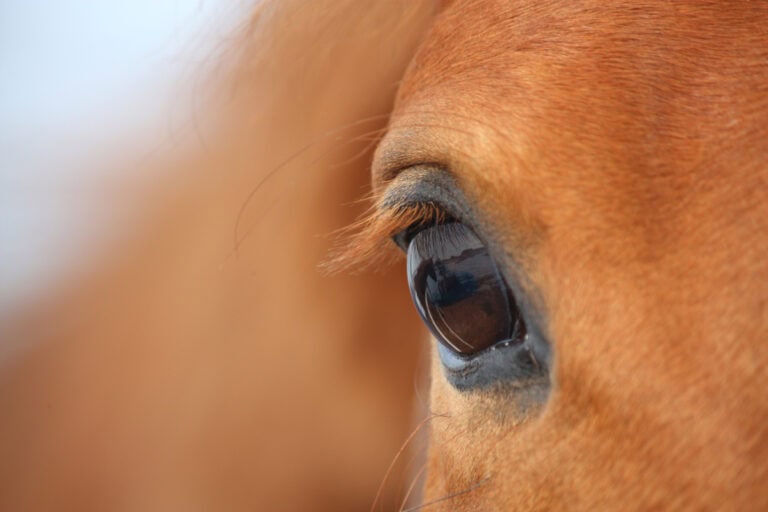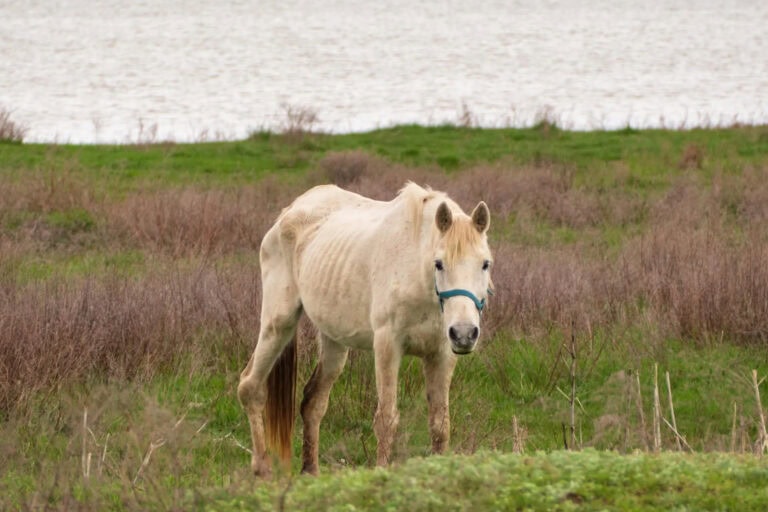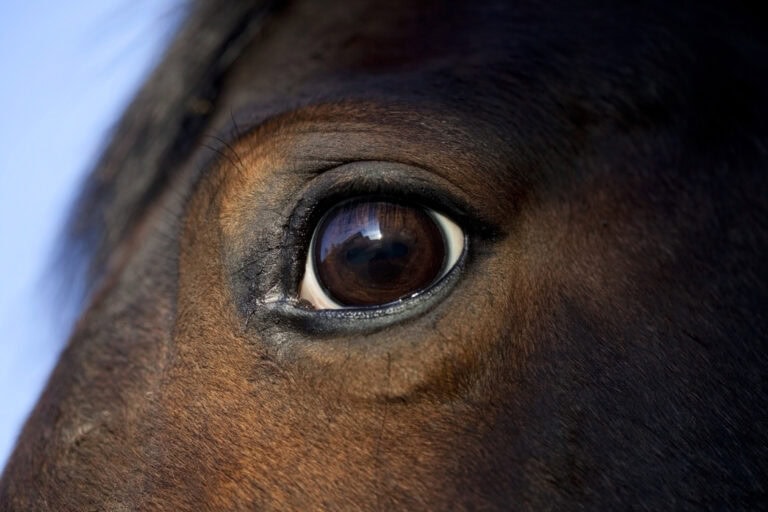
Keratosis is an equine skin condition where patches or bands of skin become thickened, rough, dark, and oily. The patches are not painful nor itchy, are not contagious, and do not impact the overall health of the horse. There are...
Horse Health
Ringworm, or dermatophytosis, is a common fungal skin infection. Despite its name, ringworm isn't caused by a worm but rather by various fungi, or dermatophytes, that infect the skin. This fungal infection presents circular hair loss patches with crusty, scaly...
Pyrrolizidine alkaloids (PAs) are a naturally occurring type of compound found in many species of plants. When ingested, PAs are toxic to horses. Some of the most common plants that contain high concentrations of PAs include Ragwort (Senecio spp.), Rattlepod,...
Quarantine refers to the practice of separating infected or potentially infected animals to reduce the risk of disease spread. Horse farms, boarding facilities, and show facilities commonly use quarantine protocols to protect the health of their equine population. Quarantine is...
As horse owners the world over know, equines are prone to many forms of gastrointestinal disease and dysfunction. Strangulating lipomas are among the varied and complex risks of GI disruption in horses. A lipoma is a tumor made of fat...
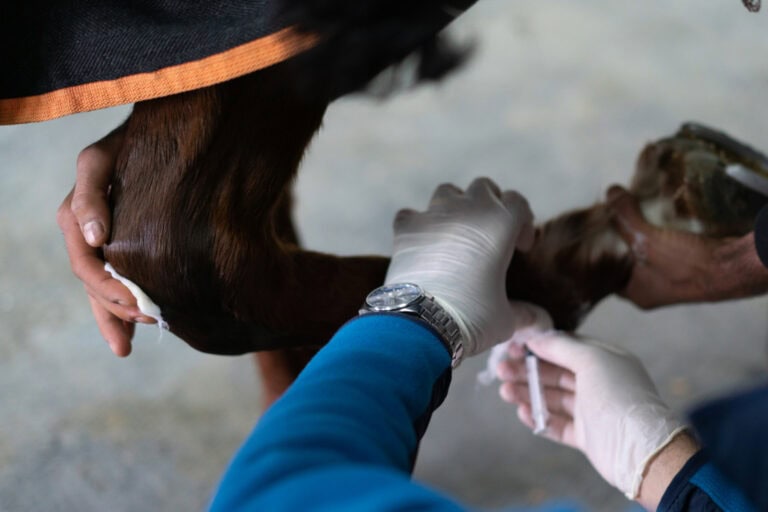
Diagnostic analgesia, commonly referred to as a "nerve block," refers to numbing an area using an analgesic, such as lidocaine, for diagnostic purposes. Diagnostic analgesia is a crucial component of lameness examinations, as numbing certain areas of the horse's limbs...
Hereditary Equine Regional Dermal Asthenia (HERDA), or Hyperelastosis Cutis (HC), is a genetic degenerative skin disease that primarily affects Quarter Horses. It's characterized by a collagen deficiency, a crucial protein responsible for maintaining the strength and elasticity of the skin....
In August 2023, a diet evaluation was requested for a 46 year old Welsh/Quarter Horse gelding weighing 700 lb (320 kg) in Ontario, Canada. Reported health concerns included acute weight loss, free fecal water syndrome, dentition issues, Cushing's Disease and a...
Proximal Enteritis (also known as Anterior Enteritis) describes inflammation of the first two parts of the horse's small intestine. Proximal Enteritis (PE) is a serious concern for horse owners, as it can block passage of food and water through the...
Horses are susceptible to a variety of external pests and parasites. Most equine pests are either insects or arachnids, some of which can cause irritation, discomfort, and even life-threatening reactions. Several species of external parasite can cause severe health problems...
Vesicular stomatitis is a viral disease that more commonly affects horses living in warmer climates. The disease typically results in blister-like lesions (referred to as vesicles) forming in and around the mouths of horses and other farm animals. This condition...
Hendra virus (HeV), also known as equine morbillivirus, is a frequently fatal viral infection that can affect both horses and people. All reported cases of human Hendra virus infection occurred after exposure to an affected horse, emphasizing the significance of...
African horse sickness (AHS) is a viral infection transmitted by biting midges. Up to 90% of horses infected with the virus die after initial infection. [ref n="1"] Due to international trade and climate change, there is a risk of AHS...
Horse eyes are prominent, making them prone to injury. This is especially true of the cornea, which is the outermost layer of the eye. An injury to this layer is known as a corneal ulcer or keratitis. Corneal ulcers can...
Promoting healthy weight gain can be a challenge for some underweight horses. Whether they are recovering from illness, not eating enough, or simply a hard keeper, some horses need extra nutritional support to counteract unwanted weight loss. The main goal...
Equine recurrent uveitis (ERU) is an autoimmune disease and the leading cause of blindness in horses. The disease results in the immune system repeatedly attacking the structures of the eye causing tissue damage, inflammation, and eventually blindness. The underlying cause...
Ear mites are tiny, wingless, external parasites that live in the ears of horses and cause psoroptic mange. They are round with eight legs and are sometimes visible to the naked eye. They do not burrow into the horse but...
Mange is a skin and coat condition in horses caused by microscopic parasites called mites. Although mange is not common in horses, specific conditions can lead to a mite infestation that can spread rapidly between horses in direct contact. Mange...
In addition to its well-known cardiovascular and muscle building benefits, regular exercise promotes digestive function and healthy weight management in horses. Fitness training also helps reduce the risk of injury and improves bone mass in working horses. Exercise also influences...
When a horse lies down for extended periods, especially with long-heeled horseshoes or on shallow bedding, prolonged pressure and "squishing" from the hoof on the elbow can occur, leading to a condition known as shoe boil. Shoe boils, otherwise known...
Colic, pain in the abdomen, is one of the most common equine emergencies. [ref n="1"] Some types of colic are life-threatening, requiring immediate veterinary intervention. Currently, colic is one of the leading causes of death in horses. Some studies suggest...
The horse's digestive system is both large and sensitive. It has evolved over millennia to absorb nutrients from grazing pastures and meet the unique energy needs of a free-roaming, incredibly athletic animal. As the horse evolved on the Steppes of...
As with other parasites that feed on blood, mosquitoes can transmit diseases between hosts. In horses, Eastern, Western, and Venezuelan Equine Encephalitis (EEE, WEE, and VEE, respectively) and West Nile Virus are mosquito-borne illnesses. Equine encephalitis and West Nile viruses...
Lice are an external parasite found on the hair or fur of mammalian hosts, including horses. A lice infestation is also referred to as pediculosis. There are different species of these small, wingless insects, and horses are usually infested with...
Cataracts are cloudy areas within the horse's lens, the structure within the eye that directs light to the retina. [ref n="1"] The lens must be clear to allow light to pass through correctly, meaning that cataracts can cause blindness in...
Glaucoma refers to increased intraocular pressure, the fluid pressure within the eyeball that gives the eye its shape. [ref n="1"] Glaucoma in horses develops when there is an imbalance in fluid drainage at the front of the eye, leading to...
Equine herpesvirus-1 myeloencephalopathy (EHM) is a potentially fatal consequence of equine herpesvirus-1 (EHV-1) infection in horses. EHV-1 spreads through contact with an infected horse or surfaces contaminated with the virus. Affected horses develop incoordination, weakness, and paralysis 6-10 days after...
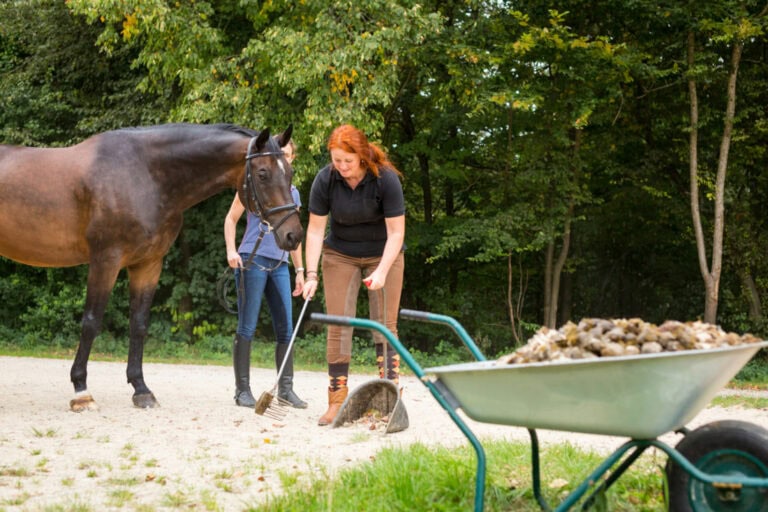
When you have horses, dealing with manure is simply a fact of life. After all, an average-sized horse poops anywhere from 4 to 13 times each day. Other than cleaning stalls and paddocks, horse owners may not pay too much...
Degenerative joint disease (also called arthritis) refers to degeneration and loss of the articular cartilage, cartilage within a joint space that protects the bones on either side of a joint. As the articular cartilage degenerates, the bones contact each other,...
Equine degenerative myeloencephalopathy (EDM) is a degenerative neurologic disease affecting the brain and spinal cord in horses. [ref n="1"] The precise cause of EDM is unknown, but it may be related to a combination of vitamin E deficiency in the...