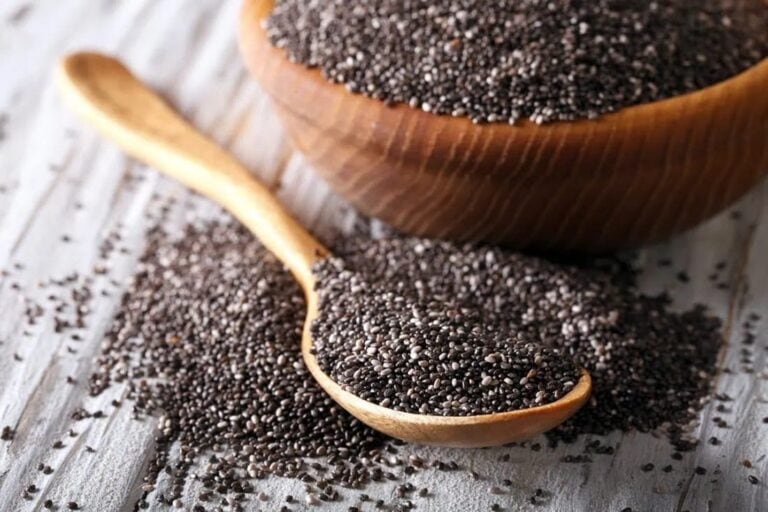
Chia seeds are derived from the Salvia hispanica plant and are fed to horses to support gut health and provide nutrients. A member of the mint family, chia has been cultivated for over 5,000 years in Central America. The seeds...
Feeding Guides
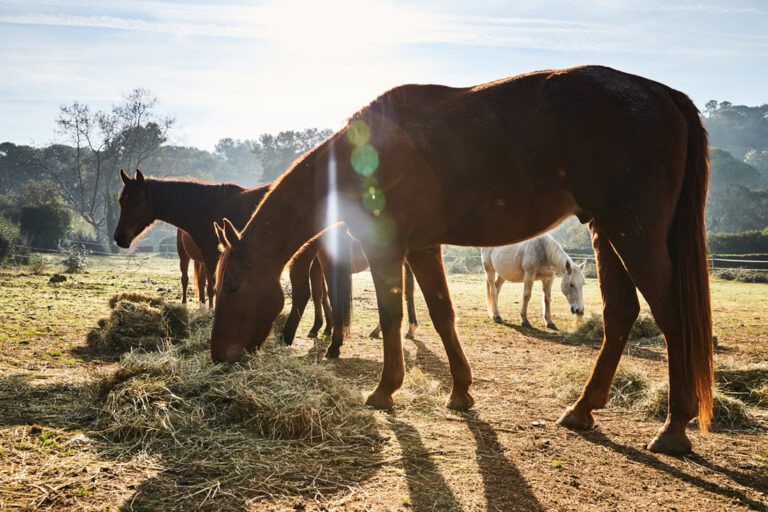
Turning horses out on pasture is one of the best ways to encourage natural grazing behaviour. Fresh forage can be a valuable part of a balanced equine diet, but grass does not have the same nutritional value throughout the year....
Alfalfa is a popular forage choice for horses and an ingredient in many equine feeds. This legume forage can be processed and preserved in many different ways to make it easier to incorporate into the diet. Alfalfa is nutrient-dense and...
For horse owners and barn managers, Equine Metabolic Syndrome (EMS) is a challenging condition to manage. How do you know which hays and feeds are safe and how should pasture turnout be regulated? Horses and ponies diagnosed with EMS cannot...
Carbohydrates are the main energy source in an equine diet. These macronutrients are naturally abundant in forages, grains and grain by-products. Carbohydrates can be categorized based on their function in the plant and how they are digested by the horse.
Straw or chaff is a high-fibre low-sugar forage that is ideal for horses that are overweight or insulin-resistant. Straw adds bulk to your horse's diet without contributing significant calories or protein. Research shows that adding straw to a forage ration...
A forage-based diet is the best way to support your horse’s health and happiness, but it is not always easy to know how much hay to feed. Horses that are allowed free-choice (ad libitum) access to hay-only diets will typically...
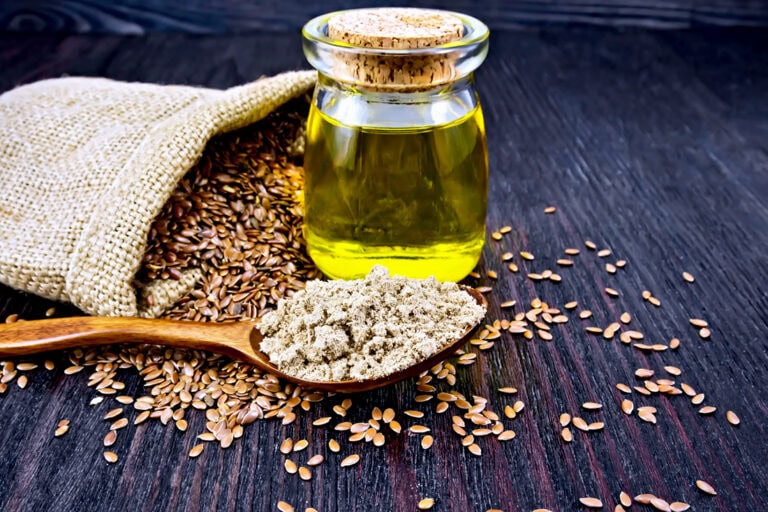
Also known as linseed, flaxseed is produced from the flax plant and can be used to provide fat, protein, and fibre in the equine diet. Flax products are cost-effective, calorie-dense and commonly fed to horses for weight gain or to...
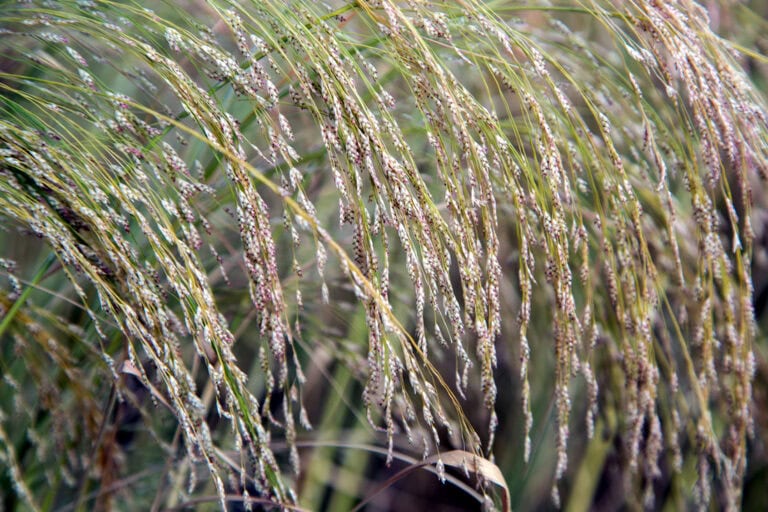
An increasingly popular equine forage, teff grass is grown in warm geographic regions and is commonly cultivated in the Southern USA. Native to Africa, teff is a warm-season grass that is high in fibre and low in sugars and starch....
Proper vitamin and mineral nutrition is critical to maintaining your horse's health and well-being. But how do you ensure that your horse gets everything they need to balance their diet? Horses on a forage-only diet universally have deficiencies in key...
Your vet has just confirmed that your mare is pregnant, and you can’t wait for that healthy foal to arrive! When should you be changing her feed? How much weight does she need to gain? What additional nutrients does she...
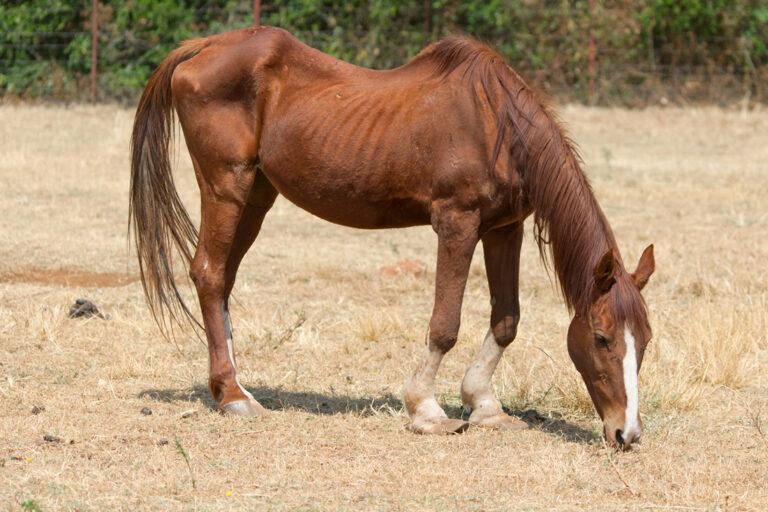
Emaciated horses have a very low body condition score with extensive loss of muscle and fat. These severely underweight horses need to be carefully managed with veterinary care and precise nutrition strategies during their recovery. Reintroducing feed must be done...
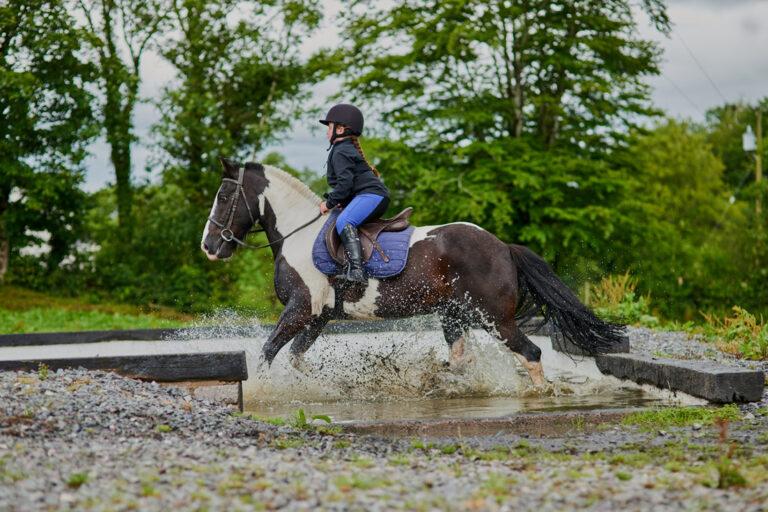
Horses involved in endurance riding require appropriate fitness training, careful management, and balanced nutrition to support stamina and recovery. Endurance racing may involve horses covering up to 100 miles or 160 kilometres in a single day. This poses challenges with...
The label on your horse's feed bag provides valuable information to help you make feeding decisions for your horse. Known as the feed tag, this label describes the nutritional composition of your horse's feed and how it is intended to...
What do you need to know to properly care for and feed your horse in the cold winter months? Horses are very adaptable to a wide range of temperatures and are well-suited to living in cold climates. However, you may...
When it comes to feeding senior horses, there are many factors to consider to support longevity and healthy ageing. Making sure your horse’s core nutritional needs are met and keeping up with routine healthcare are critical to promoting optimal well-being...
Equine polysaccharide storage myopathy (PSSM or EPSM) is a genetic condition in horses that affects how muscle cells partition, generate, and store energy. This can lead to exercise intolerance, stiffness, and an abnormal gait in your horse. After diagnosis, owners...
Adequate mineral intake in your horse’s diet is essential for overall well-being and function. Minerals play important roles in supporting tissue structure, enzyme reactions, energy metabolism, and maintaining electrolyte balance. Mineral deficiencies can contribute to poor hoof and coat quality,...
Is your horse getting a balanced range of essential and non-essential amino acids from their feeding program? Your horse needs adequate amino acids in their diet to make proteins. Proteins are complex molecules that are required for almost every physiological...
Horses are expensive. Now that we have the obvious out of the way, let’s get down to business. What are some of the ways you can save money on equine feed while still giving your horse the nutrition he or...
If you have taken the first steps towards feeding your horse a balanced diet that includes a concentrated mineral and vitamin supplement, there's a chance that your horse may turn its head up when first introduced to it. But don't...
Many horse owners do not fully appreciate the significance of providing adequate salt to their equine companion. In terms of cost-to-benefit ratio, it would be hard to think of another nutrient with such a low cost that provides the benefits...
Trace minerals are only needed in very small amounts in a horse’s diet. Think milligrams! Despite this, however, the majority of horses still receive too much energy and protein and not enough trace minerals from their diet. Deficiencies in key...