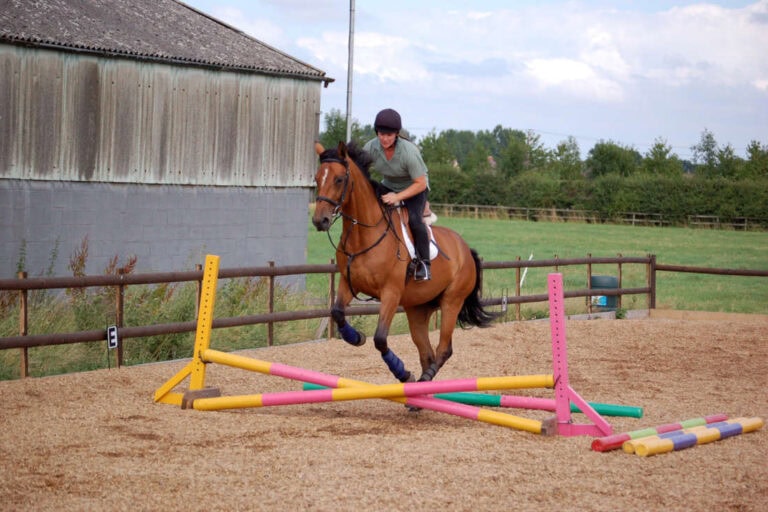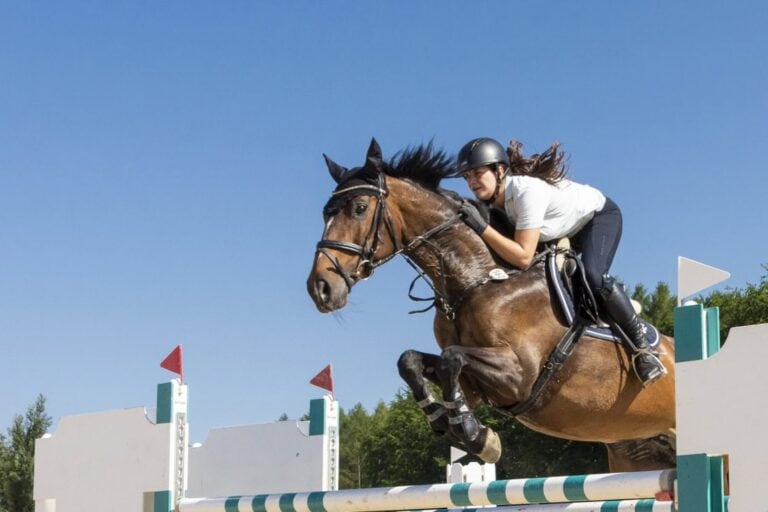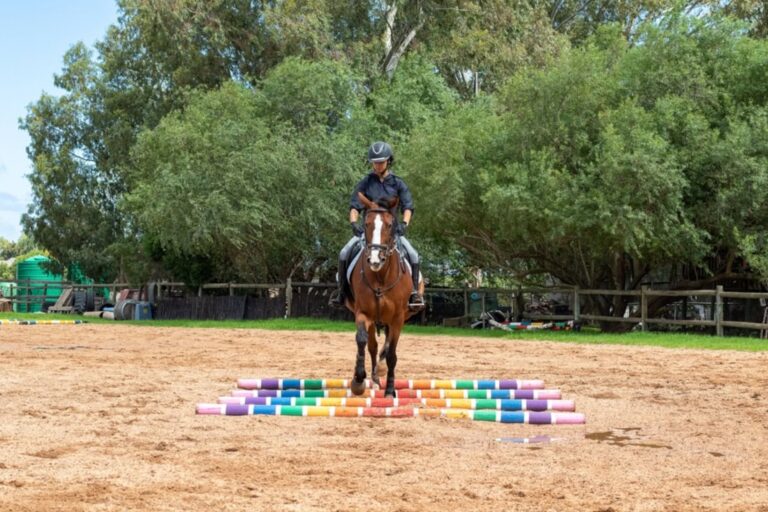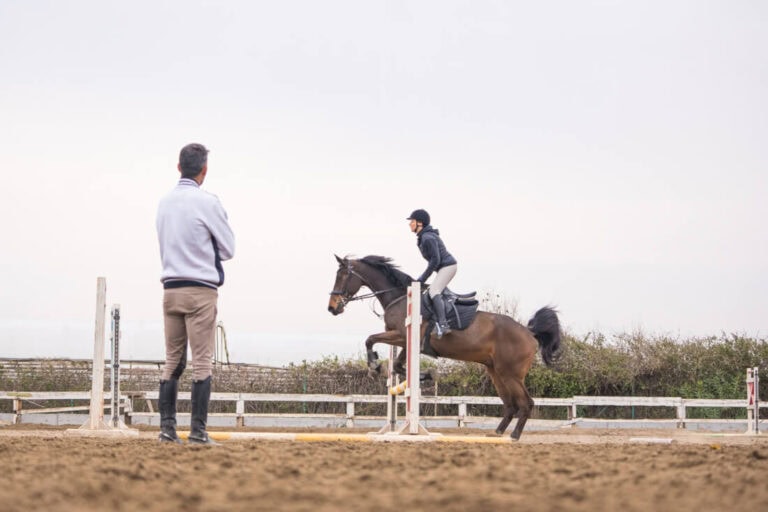
Setting up show jumps at home allows riders to practice jumping skills, build confidence, and improve communication with their horse outside of formal lessons or competitions. However, jump training carries inherent risks, making safety a critical consideration when building and...
For Riders
Whether you are enjoying a quiet trail ride or training for competition, your posture in the saddle plays a critical role in how you and your horse move together. Good posture enables riding cues to be delivered with clarity, subtlety,...
Most riders struggle with nerves before stepping into the ring at some point in their careers. For some, show-day anxiety can become a significant obstacle. Whether you're heading to your first show or competing at a high level, horse show...
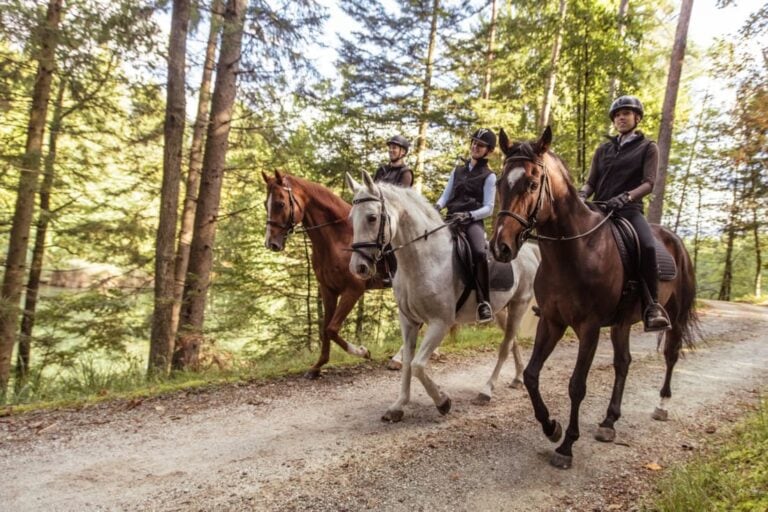
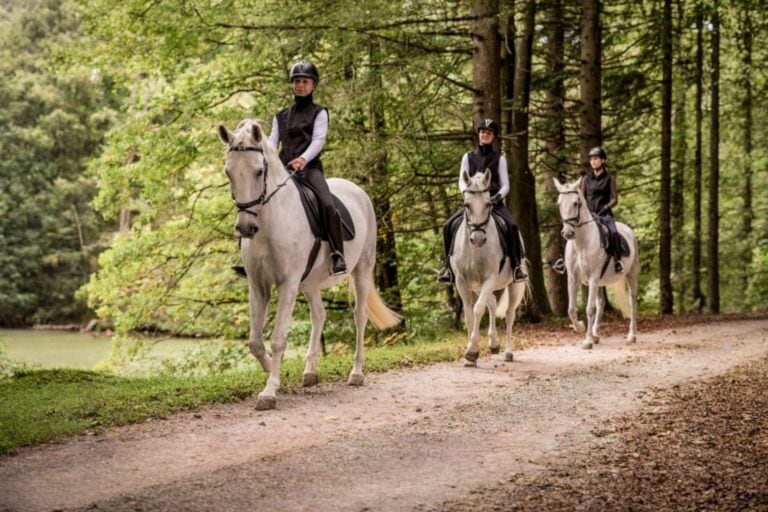
Leaving the arena and navigating varied terrain with your horse engages their bodies and minds in ways that flatwork alone cannot. Time on the trail can strengthen their muscles, improve cardiovascular fitness, and deepen the partnership between horse and rider....
As riders, we are constantly working to improve our skills for both ourselves and our horses. We know that our actions in the saddle can be the difference between a 12-fault round and a flawless double clear. We want to...
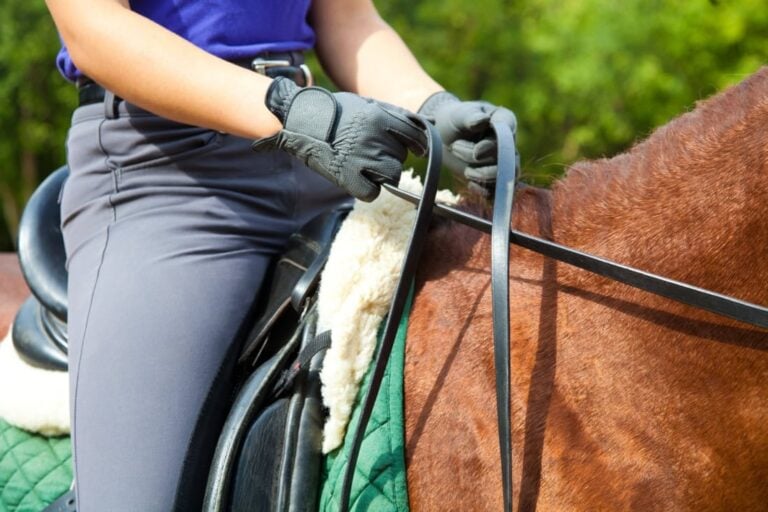
Steering may sound straightforward- simply turning left or right- but in horseback riding it relies on the precise coordination of seat, rein, and leg aids working together with a horse’s movement. Learning to steer properly is not only about making...
Starting horseback riding lessons is an exciting step for anyone eager to connect with horses and learn a new skill. Riding offers many benefits, including physical exercise, improved balance and coordination, and a deeper understanding of horse behavior. For beginners,...
Stretching before a ride is a critical yet often overlooked component of equestrian fitness. Horseback riding requires a unique combination of strength, flexibility, and balance to maintain control, communicate effectively with the horse, and respond to motion during various gaits....
Returning to the barn after time away—whether for a vacation, work trip, or personal break—can be both exciting and challenging. Horses thrive on routine, and even short absences can affect their fitness, behavior, and connection with their rider. For riders,...
The gallop is the fastest, most powerful, and dynamic gait of the horse. For equestrians, it's also the most thrilling and often intimidating gait to ride. Knowing the mechanics behind this high-speed gait is essential for equestrians to safely ride...
Equestrian sports are physically and emotionally rewarding, but as with all sports, riding horses comes with inherent risk to human participants. Falling off a horse can take a life-changing toll on a rider's physical and mental health. The fear that...
Horseback riding is an athletic pursuit that demands a unique combination of balance, strength, and coordination between horse and rider, regardless of discipline. Equestrian sports require harmony and responsiveness between horse and rider to achieve optimal performance. Riders must develop...
Gymnastic jumping exercises are an essential part of training for the jumping equestrian disciplines. These exercises involve a series of poles and jumps arranged in patterns that challenge both horse and rider to improve their skills. Gymnastic exercises focus on...
Ground pole exercises are a versatile and highly effective tool for equestrians seeking to improve their horse's fitness, coordination, and mental engagement. Moreover, they’re cost-effective and easy to set up, requiring minimal equipment and space. Whether you’re training a dressage...