English


Colitis in horses refers to a serious inflammatory condition of the colon, a segment of the horse’s large intestine. Common clinical signs include diarrhea, dehydration, and abdominal discomfort.
The colon can become inflamed due to a variety of factors, including prolonged administration of nonsteroidal anti-inflammatory drugs (NSAIDs), infectious agents, and other underlying gastrointestinal disorders.
Diagnosis of equine colitis is often complex, as identifying specific causes can be challenging. Veterinarians may use physical examinations, blood tests, fecal analysis, and imaging, to rule out other conditions and determine the most likely source of inflammation.
Treatment typically emphasizes supportive care aimed at stabilizing the horse’s condition. This may involve fluid therapy to address dehydration, careful nutritional management to minimize further gastrointestinal stress, and the use of anti-inflammatory medications.
Preventive measures, such as gradual dietary changes, effective stress reduction, and cautious use of medications can reduce the risk of colitis. Read on to learn more so you are prepared to take action if one of your horses appears to be struggling with gut issues.
Colitis in Horses
Colitis, or inflammation of the colon, poses a significant health risk to horses, often presenting with symptoms like diarrhea, fever, and abdominal pain (colic). Without prompt intervention, colitis can progress rapidly, leading to severe debilitation and potentially death. [1][2][3][4]
A range of factors can contribute to colitis in horses, including:
- Infectious agents
- Dietary changes
- Medication use
- Stress
When the colon becomes inflamed, its normal functions — particularly those related to fluid absorption and electrolyte balance — are disrupted.
Severe inflammation can impair the colon’s protective barrier, allowing bacteria and toxins to leak into the bloodstream. This can lead to life-threatening complications such as sepsis and endotoxemia. [1][2][3][4]
Types of Colitis
Colitis is known by several different names depending on the type, location, or specific characteristics of the inflammation. These include: [3][5]
- Inflammatory bowel disease (IBD)
- Acute colitis
- Chronic colitis
- Equine colitis
- Non-infectious colitis
- Colonic inflammation
- Proliferative colitis
- Hemorrhagic colitis
- Right dorsal colitis (RDC)
- Infectious colitis
- Contagious colitis
Anatomy & Physiology
To understand colitis and its effects on horses, it’s useful to review the basics of the horse’s gastrointestinal anatomy and physiology.
The colon is a segment of the horse’s large intestine, composed of two muscular layers that work together in a coordinated manner, a process known as peristalsis, to move digesta through the tract. [6]
As part of the horse’s hindgut, the colon is a critical site for microbial fermentation of fibrous feed, as well as the absorption of water and electrolytes. [6][7][8] Additionally, it serves as a barrier, preventing harmful substances from entering the bloodstream.
How Colitis Affects the Colon
When colitis occurs, the colon becomes inflamed, compromising its normal functions. [2][3] This disruption can lead to several significant health issues:
- Diarrhea: Inflammation hampers the colon’s ability to properly absorb fluids and electrolytes, causing loose, watery stools.
- Electrolyte Imbalances: Ongoing diarrhea can result in substantial fluid and electrolyte losses, leading to dehydration.
- Dysbiosis: Colitis alters the microbial balance (dysbiosis), reducing energy production and potentially allowing harmful bacteria to proliferate.
- Leaky Gut: Damage to the colon’s barrier function enables toxins and bacteria to enter the bloodstream, increasing the risk of life-threatening conditions like sepsis and endotoxemia.
Symptoms
The characteristic sign of colitis is diarrhea that is profuse and watery. [4]
Another frequently observed symptom is colic, a condition associated with abdominal discomfort. Horses experiencing colic may exhibit various indicators of distress, including: [9]
- Lethargy
- Decreased appetite
- Pawing
- Flank staring or kicking
- Lying down
- Curling or lifting the upper lip
- Rolling on their back
- Abnormal postures such as dog sitting or stretching
- Groaning
- Sweating
- Teeth grinding
Other symptoms may appear before the onset of diarrhea. [3] These early signs can include: [10]
- Fever
- Dull behavior
- Lethargy
- Decreased appetite
What's your top priority with your horse's health?

What's your top priority with your horse's health?
Causes
Several underlying conditions can lead to colitis in horses, including bacterial, viral, and protozoal infections, as well as the presence or overgrowth of parasites and exposure to toxins.
In non-infectious cases, several other contributing factors may be involved, including: [11]
- Carbohydrate overload
- Antimicrobial-associated colitis
- Nonsteroidal anti-inflammatory toxicity
- Toxins such as cantharidin (blister beetle), hoary alyssum, arsenic or castor oil
- Peritonitis
- Sand enteropathy
- Infiltrative bowel disease
- Inflammatory bowel disease
- Eosinophilic enteritis
- Granulomatous enteritis
- Lymphocytic enteritis
- Plasmacytic enteritis
- Alimentary lymphosarcoma
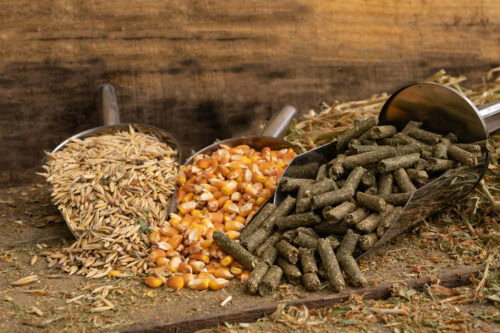
- Dietary changes or overfeeding
- Lactose intolerance
Colitis is often related to changes in the gut microbiome of the horse. [12] Disruptions to the normal movement of the colon can also contribute to colitis. These disruptions can slow down the intestine, leading to bacterial overgrowth, irritation, and inflammation of the colon lining. [13]
Changes in gut movement may be triggered by issues with blood flow, mechanical blockages, nerve signals, or hormones. Other potential causes include internal parasites, masses in or around the intestines, environmental stress, or certain medications. [13]
Right Dorsal Colitis
A severe form of colitis, known as right dorsal colitis, occurs when the right dorsal region of the colon becomes inflamed and allows proteins to escape through its wall. [14]
This specific variant is commonly associated with the prolonged use of non-steroidal anti-inflammatory drugs (NSAIDs). [10][12][14] The right dorsal colon is particularly susceptible to such disruption due to its reduced blood supply, slower passage of digesta, and narrower lumen compared to other parts of the digestive tract. These factors may cause the region to be exposed to NSAIDs for longer periods following administration. [14]
NSAIDs interfere with prostaglandins, key components of the protective mucosal lining of the stomach and intestines. [13][14] When prostaglandin production is suppressed, the gastrointestinal lining becomes more vulnerable to injury, allowing bacteria and toxins to invade.
This can lead to inflammation, resulting in symptoms such as pain, diarrhea, fever, and lethargy. In some cases, plasma proteins may also leak into the intestines, causing hypoproteinemia (low protein levels in the blood). [13]
Risk Factors
Determining the underlying cause of colitis can be challenging, which makes evaluating risk factors and patient histories important for accurate diagnosis. [3] This is particularly important for non-infectious cases, as most available diagnostic tests are designed to identify contagious agents, leaving non-infectious causes more difficult to pinpoint.
Risk factors for colitis in horses include: [3]
- Recent changes in the diet
- Prolonged use of nonsteroidal anti-inflammatory drugs (NSAIDs)
- Misuse of antibiotic drugs
- Misuse of anthelmintics (deworming medications)
- Inadequate deworming history
- Stress
Diagnosis
Confirming the cause of colitis remains challenging, despite recent advancements and improvements in diagnostic methodologies. [15] Veterinarians may employ several diagnostic tools to determine the underlying cause: [3][10][12][14][16]
- Physical examination
- Blood tests
- Ultrasound (especially when right dorsal colitis is suspected)
- Exploratory surgery
- Fecal culture
- Fecal examination
- Immunochromatography
- PCR test
In some cases, the specific cause of colitis remains unknown, making it necessary to rely solely on the horse’s symptoms for diagnosis. Even when a particular cause is suspected, many diagnostic tests are not sensitive enough to confirm it definitively. [12] Moreover, when conclusive test results do become available, they often arrive too late, after urgent treatment decisions must already be made. [12]

Treatment
In most cases, treatment for colitis can begin even without a confirmed cause. However, investigation is required to determine whether the horse is contagious or not.
Until proven otherwise, all cases of colitis should be managed as if they are contagious. Taking appropriate biosecurity precautions can help prevent the spread of disease and protect other horses in the vicinity.
Biosecurity measures are strategies designed to reduce the risk of transmitting infections. In the context of colitis, these may include:
- Quarantining or isolating the affected horse to minimize contact with healthy animals
- Implementing strict hygiene practices, such as thorough hand washing and using disposable gloves, when handling the infected horse
- Regularly disinfecting all tack, equipment, and surfaces that have come into contact with the infected horse
- In larger operations, designating specific handlers to care exclusively for quarantined animals
Supportive Care
Treatments for colitis primarily focus on supporting the horse’s overall health and bodily functions while the inflammation subsides. Supportive strategies include: [12]
- Fluid therapy
- Electrolyte supplementation
- Anti-inflammatory drugs
- Anti-endotoxin therapies
- Gastric decompression
- Pentoxifylline
- Pain medications
- Prokinetics
- Nutritional support
- Probiotics
- Prebiotics
- Gastrointestinal protectants and absorbents
- Fecal matter transplantation
In certain cases, surgical intervention may be required to examine and reposition any displaced segments of the colon. Areas of diseased or necrotic tissue must be removed and repaired to restore normal function. [10]
Treating Right Dorsal Colitis
Effective management of right dorsal colitis begins by discontinuing the NSAID medications that contributed to the condition. In addition, several treatments may be recommended to support healing and relieve discomfort: [10]
- Corn or safflower oil
- Psyllium mucilloid
- Synthetic prostaglandins
- Pain relief medications
During the recovery period, the horse should be placed on a low-residue diet to reduce the amount of undigested material moving through the large colon. In some cases, providing nutrition intravenously (parenteral nutrition) can be beneficial to ensure adequate nutrient intake while minimizing stress on the colon. [10]
Prognosis & Prevention
Colitis is relatively common in horses and can cause severe health complications or death if not addressed promptly. Without timely treatment, the prognosis is poor. However, when effective care is administered, the outlook is generally fair to good, with most horses recovering within 7 to 14 days. [3]
Preventing colitis largely involves managing and minimizing known risk factors. The following proactive measures can help support a horse’s gastrointestinal health and reduce the likelihood of colitis:
- Make dietary changes gradually: Avoid sudden changes in feed or forage, as abrupt dietary shifts can disrupt the gut microbiome. Introduce new feeds gradually over 7–10 days, allowing the digestive system to adapt.
- Use medication as directed: Use nonsteroidal anti-inflammatory drugs (NSAIDs) sparingly and under veterinary supervision to prevent conditions like right dorsal colitis. Avoid unnecessary use of antibiotics or ensure their use is guided by a veterinarian. Administer anthelmintics (dewormers) as per a veterinarian-approved schedule to minimize parasitic burdens without overuse.
- Comply with parasite control: Maintain a regular and strategic deworming program based on fecal egg count results. Practice good pasture management, such as rotational grazing and manure removal, to limit parasite exposure.
- Minimize stress: Minimize stress during events such as transport, weaning, and competition, as stress can negatively impact gut health. Provide adequate turnout and a consistent routine to promote mental well being.
- Maintain hygiene and biosecurity: Quarantine new horses before introducing them to the herd. Isolate sick horses promptly to prevent the spread of infectious agents. Maintain clean water, feed, and stable environments to reduce exposure to toxins and pathogens.
- Monitor horse health: Observe horses for early signs of gastrointestinal issues, such as changes in manure consistency or decreased appetite, and seek veterinary advice promptly. Regular check-ups can identify potential problems before they escalate.
Frequently Asked Questions
Here are some frequently asked questions about colitis in horses:
Colitis is inflammation of the colon in horses, leading to symptoms such as diarrhea, dehydration, and abdominal discomfort. It can occur due to non-infectious causes such as dietary imbalances, medication misuse, or stress. [3][4]
Common symptoms include profuse watery diarrhea, fever, lethargy, reduced appetite, abdominal pain, and colic-like behaviors such as pawing, flank staring, or rolling. [3][4]
Summary
Colitis is an inflammatory condition of the horse’s colon that can pose a serious health threat. Horses suspected of having colitis require immediate veterinary care. Due to the risk posed by contagious forms of this disease, isolating horses with diarrhea is highly recommended.
- Inflammation of the colon impairs its ability to regulate fluid and electrolytes, resulting in imbalances.
- While diarrhea is the most common sign of colitis, additional symptoms may include fever, lethargy, and colic.
- Potential causes encompass microbial imbalances (dysbiosis), toxins, medications, and infectious agents.
- Diagnosis can be difficult; available tools include blood work, ultrasound, and fecal culture.
- Treatment typically involves fluid therapy, pain management, and nutritional support.
References
- Karcher. L. F. et al., Right Dorsal Colitis. Journal of Veterinary Internal Medicine. 1990.
- Costa. M. C. et al., Comparison of the Fecal Microbiota of Healthy Horses and Horses with Colitis by High Throughput Sequencing of the V3-V5 Region of the 16S rRNA Gene. PLOS ONE. Public Library of Science. 2012. View Summary
- McConnico. R. S., Acute Colitis in Horses. Robinson’s Current Therapy in Equine Medicine. 2015.
- Reed. S. M. et al., Equine Internal Medicine. 3rd ed. Saunders Elsevier, St. Louis, Mo. 2010.
- Karcher. L. F. et al., Right Dorsal Colitis. Journal of Veterinary Internal Medicine. 1990. View Summary
- Goff. J. P., Digestion Absorption and Metabolism. Dukes’ Physiology of Domestic Animals. 13th ed. Wiley-Blackwell. 2015.
- Hoffman. R. M., Carbohydrate Metabolism in Horses | IVIS. Reviews in Veterinary Medicine. International Veterinary Information Service, United States. 2003.
- Krunkosky. T. M. et al., Gross and Microscopic Anatomy of the Equine Gastrointestinal Tract. The Equine Acute Abdomen. 1st ed. Wiley. 2017.
- Colic in Horses. American College of Veterinary Surgeons.
- Auer. J. A., Equine Surgery. 5th edition. Elsevier, St. Louis, MO. 2018.
- Feary. D. J. and Hassel. D. M., Enteritis and Colitis in Horses. Veterinary Clinics of North America: Equine Practice. 2006. View Summary
- Blikslager. A. T. et al., Eds., The Equine Acute Abdomen. Third edition. Wiley, Blackwell, Hoboken, NJ. 2017.
- Karcher. L. F. et al., Right Dorsal Colitis. Journal of Veterinary Internal Medicine. 1990. View Summary
- Flood. J. et al., Right Dorsal Colitis in Horses: A Multicenter Retrospective Study of 35 Cases. Journal of Veterinary Internal Medicine. 2023. View Summary
- Uzal. F. A. and Diab. S. S., Gastritis, Enteritis, and Colitis in Horses. Veterinary Clinics of North America: Equine Practice. 2015. View Summary
- Jones. S. L. et al., Ultrasonographic Findings in Horses with Right Dorsal Colitis: Five Cases (2000–2001). 2003. View Summary