English
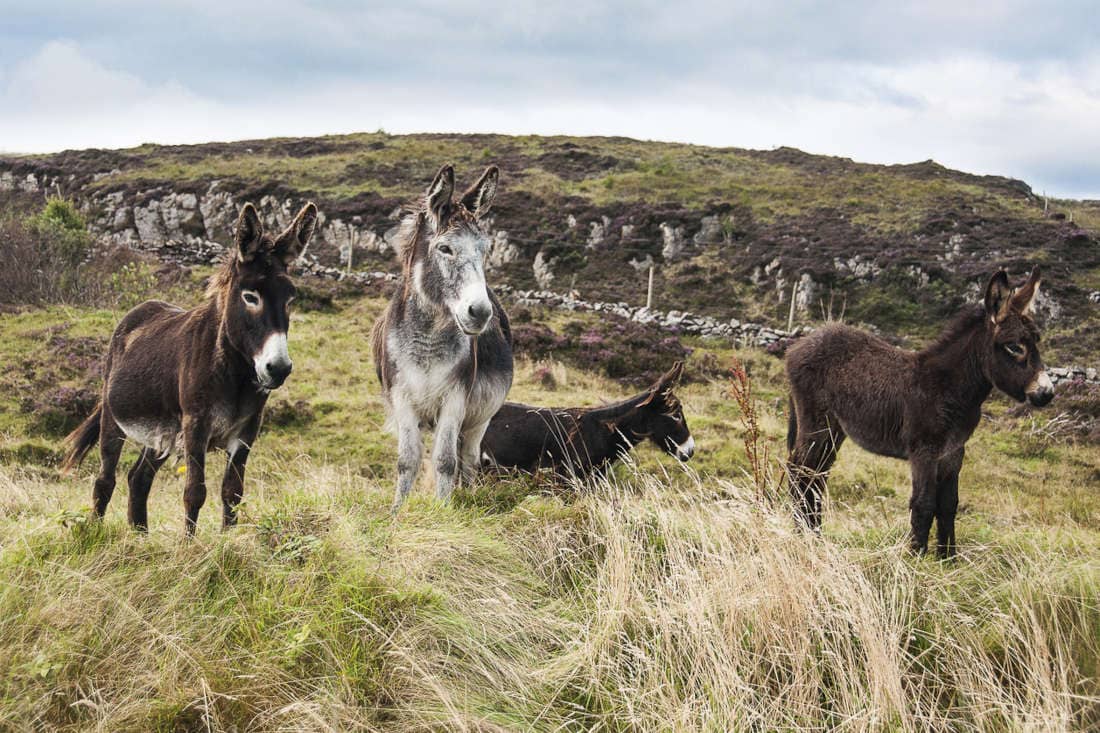
Donkeys are hardy, intelligent equids who have supported human societies for thousands of years as working animals, companions, and livestock guardians.
Originating from the African wild ass, donkeys are uniquely adapted to arid environments and are known for their strength, endurance, and ability to thrive on sparse forage. Today, they are found worldwide in a variety of roles, from traditional agricultural work to recreational ownership and therapy settings.
Despite their reputation for being stubborn, donkeys are highly perceptive animals that respond best to calm, consistent handling. Their physiology, behavior, and nutritional needs differ in important ways from horses, which means they require species-specific care to maintain health and performance.
Understanding these differences is essential for owners, particularly as donkeys are prone to conditions such as obesity and metabolic disorders when managed incorrectly.
This guide explores donkey characteristics, common uses, temperament, care requirements, and health considerations, helping you make informed decisions about owning and managing these versatile animals.
Donkey History
As one of the earliest domesticated equines, the donkey has played a foundational role in human civilization for thousands of years. Originating in Northeast Africa, donkeys were among the first animals used for transport, enabling trade, agriculture, and settlement in regions where other livestock could not survive.
With a history spanning more than 6,000 years, donkeys were essential to the development of early societies in Egypt, the Middle East, and the Mediterranean. Their strength, endurance, and ability to thrive in arid environments made them indispensable for moving goods, supporting farming systems, and sustaining rural economies. [1][2]
As trade routes expanded, donkeys spread into Europe and Asia, where they became deeply integrated into both daily life and large-scale commerce. During the Age of Exploration, Spanish and Portuguese colonists introduced donkeys to the Americas, where they adapted to new environments and continued to support mining, farming, and transportation.
Over time, regional types and breeds developed in response to local conditions, resulting in the wide diversity of donkeys seen today. [1][2]
Origin
The domestic donkey descends from the African wild ass (Equus africanus), a species adapted to hot, dry climates with limited water and forage. These environmental pressures shaped many of the donkey’s defining traits, including efficient metabolism, strong hooves, and resilience in harsh conditions. [1][2]
Genetic and archaeological evidence suggests that domestication occurred in multiple regions of Northeast Africa, contributing to early diversity within donkey populations. [1][2]
Historical Uses
Historically, donkeys were used primarily as pack and draft animals, valued for their ability to carry heavy loads over long distances with minimal resources. They supported trade networks, agricultural systems, and daily transport in regions where terrain or climate limited the use of other livestock.
In many cultures, donkeys were essential to both subsistence and commerce, enabling the movement of goods across deserts, mountains, and rural landscapes. Their reliability and endurance made them indispensable working animals, and they remain important in many parts of the world today. [1][2]
What's your top priority with your horse's health?

What's your top priority with your horse's health?
Organizations & Associations
Unlike most horse breeds, donkeys are not governed by a specific breed registry. Instead, a number of organizations support donkey welfare, conservation, and record-keeping across different regions and types.
The Donkey Sanctuary is one of the most widely recognized authorities on donkey care and welfare. Founded in the United Kingdom, this global charity conducts research, provides veterinary care, and develops evidence-based guidelines for donkey management. [3] Their work has significantly improved understanding of donkey-specific nutrition, behavior, and health needs.
In North America, the American Donkey and Mule Society (ADMS) maintains registration records for miniature, standard, and mammoth donkeys, as well as mules. The ADMS also promotes responsible breeding practices and provides educational resources for owners. [4]
Other regional organizations contribute to donkey conservation and breed preservation. For example, the British Donkey Society and similar groups support breed standards, owner education, and welfare initiatives. [5]
These organizations play an important role in advancing donkey welfare, supporting owners, and preserving genetic diversity, even in the absence of a centralized breed registry.
| Breed Summary | |
|---|---|
| Breed Name | Donkey (Equus africanus asinus) |
| Also Known As | Ass, burro |
| Breed Type | Domestic equid |
| Origin | Northeast Africa (domesticated from African wild ass) |
| Breed Registry | Varies by type (e.g., American Donkey and Mule Society for standard and miniature donkeys) |
| Population Status | Widespread globally; some regional breeds considered endangered |
| Average Height | 9 – 14 hh (varies by type: miniature, standard, mammoth) |
| Average Weight | 180 – 1,000 lb (80 – 450 kg), depending on size |
| Common Coat Colors | Gray (most common), brown, black, roan; dorsal stripe common |
| Conformation | Stocky body, upright mane, large ears, straight back, narrow hooves adapted to arid terrain |
| Lifespan | 25 – 35 years |
| Price Range | $300 – $5,000+ USD depending on size, training, and breeding |
| Common Uses | Packing, draft work, guarding livestock, companionship, riding (larger types) |
| Temperament | Calm, intelligent, cautious, independent; strong self-preservation instinct |
| Best For | Companion animals, light work, livestock guardians, experienced handlers |
| Common Health Concerns | Obesity, laminitis, hyperlipemia, hoof overgrowth, dental disease, parasites |
Donkey Breeds & Characteristics
Over time, domestication and human selection produced a variety of donkey types. Many breeds have evolved as landraces, which are populations with naturally distinct traits based on geographic isolation and environmental pressures.
Others have been bred for practical traits such as endurance, load-bearing capacity, or temperament.
American Mammoth Jackstock
The American Mammoth Jackstock stands as the largest recognized donkey breed in the world. Development occurred in the United States during the late eighteenth and early nineteenth centuries, driven by demand for powerful, reliable work animals. [6]
Breeders crossed large European donkeys with local stock to produce animals suited to farm work, where draft power played a central role. [6]
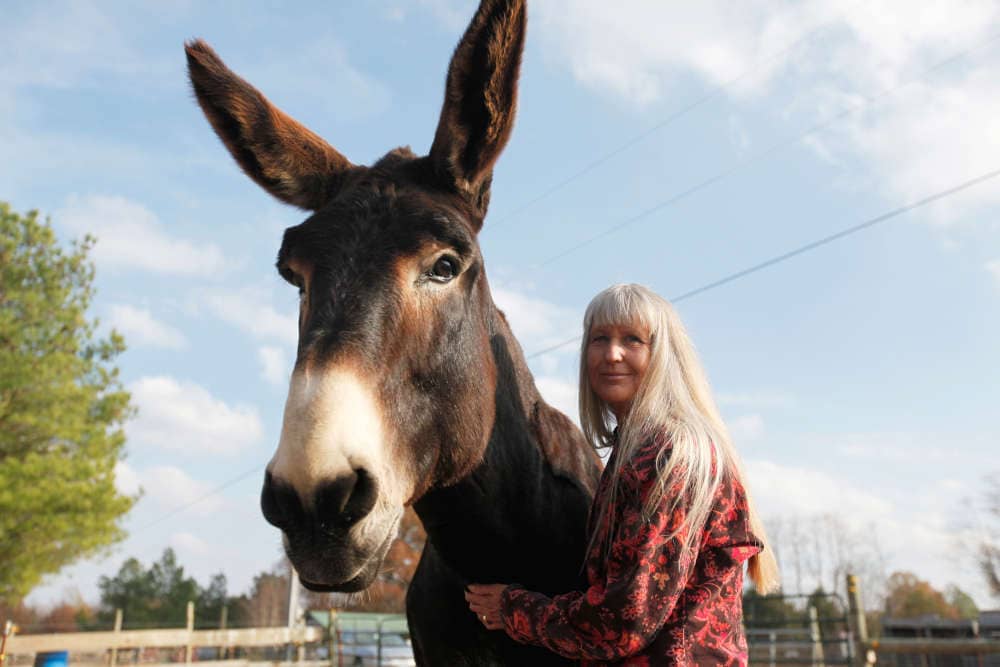
Mammoth jackstocks are relatively rare, though their heritage and working ability are still prized by dedicated breeders. American Mammoth jacks (males) stand at least 14 hands at the withers, while jennets (females) reach a minimum height of 13.2 hands. Physical traits reflect their strength and substance, with thick bones, broad chests, large heads, and long ears. [6]
Mammoth jackstocks’ intelligence and gentle demeanor make them well suited for under saddle work and recreational driving. Many are used for mule production, trail riding, and cart pulling. [6]
Miniature Mediterranean Donkey
Miniature Mediterranean Donkeys are among the most popular donkey breeds in North America. Originally imported from Sicily and Sardinia, these animals were historically used to carry water, firewood, and provisions through rugged terrain.
Their manageable size and affectionate disposition quickly made them favorites beyond their original Mediterranean home. [7][8]
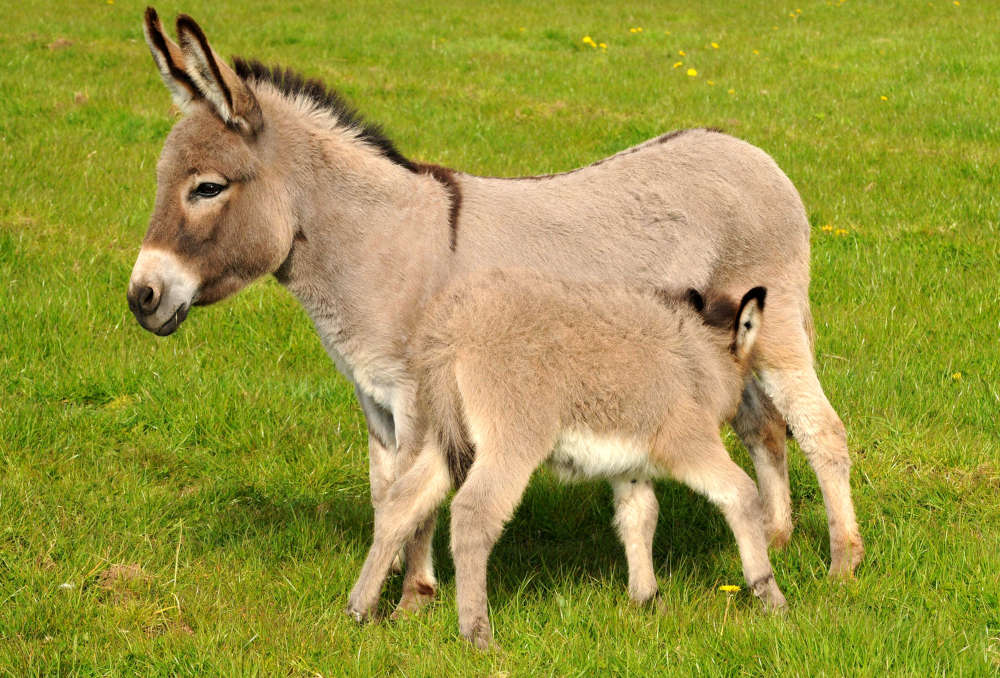
Miniature donkeys typically stand under 36 inches at the withers. They have short legs, rounded bellies, and long eyelashes. Most miniature Mediterraneans are grey-dun with a distinctive cross-shaped marking on their backs and shoulders, though other coat colors exist. [7][8]
Their easy temperament, small size, and expressive behavior make them ideal pets, companion animals, and therapy donkeys. [7][8]
In the United States, the American Donkey and Mule Society (ADMS) oversees the Miniature Donkey Registry. Breeding efforts emphasize health, conformation, and temperament. While some are trained for light cart pulling or obstacle courses, most are kept as companions. [4]
Andalusian Donkey
Andalusian Donkeys, also known as the Zamorano-Leonés, are a robust breed native to Spain. These donkeys supported Iberian agriculture and are part of the foundational lines for several other European breeds, including the American Mammoth Jackstock. [9]
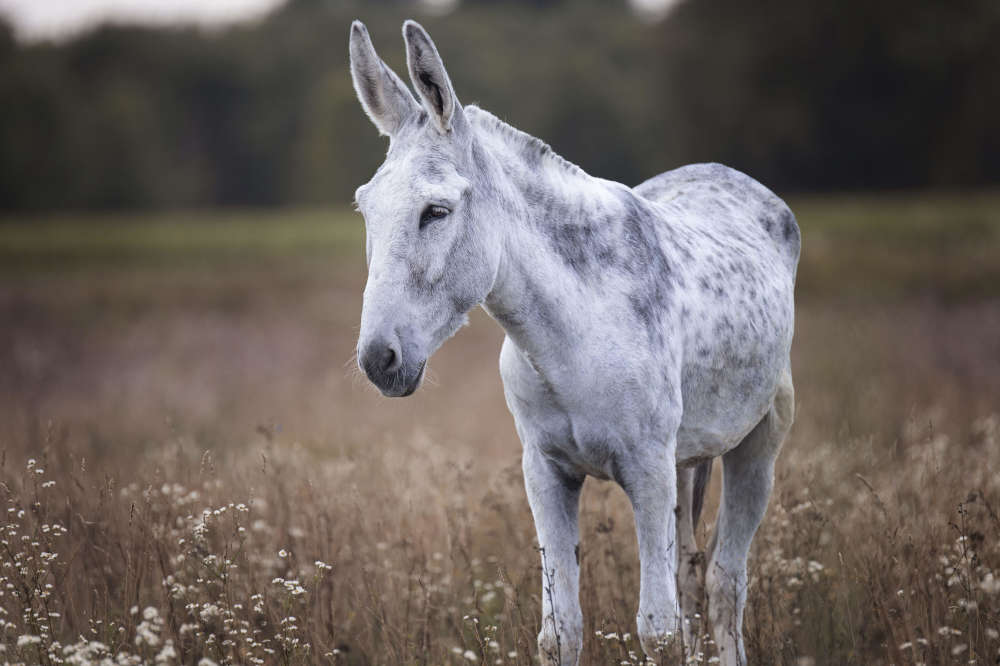
Andalusians are tall and powerfully built, with black, dark brown or spotted coats, white muzzles, and long ears. Males can reach up to 15 hands, and their solid bones and strength made them ideal for producing mules. Their temperament is typically steady, intelligent, and affectionate, and they thrive best with regular interaction and handling. [9]
The Poitou Donkey
Originating in western France, Poitou Donkeys (also known as Baudet du Poitou) were developed through cross-breeding with draft horses to produce large, strong mules. The result was a hybrid animal ideal for plowing, hauling, and military transport. [10]
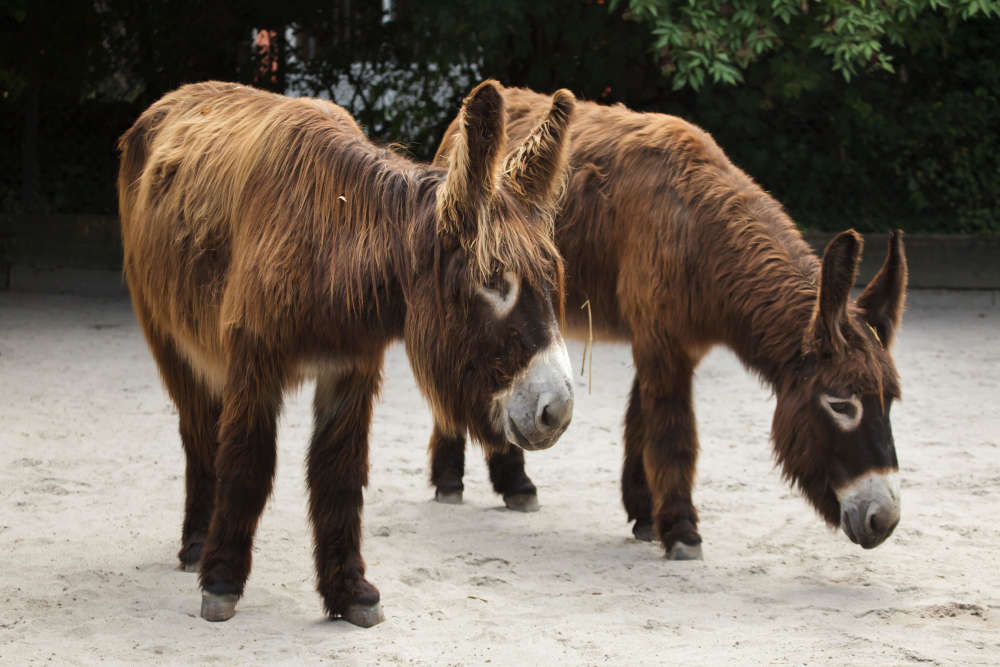
Distinctive long, shaggy coats define the breed, with hair forming corded strands called cadenettes when left untrimmed. Poitous stand between 14 and 15 hands, with a heavy, rounded body, large head, and expressive ears. They’re also known for their gentle, docile nature and sensitivity. [10]
Poitou population declined after World War II, with fewer than 80 animals recorded by the 1980s. Modern conservation programs have since increased those numbers, but the Poitou remains an endangered species. [11]
Because of their rarity and high maintenance coat care requirements, Poitous are rarely used in labor. They remain prized for breed preservation, exhibitions, and educational displays.
Burros of the American Southwest
Burros are feral or semi-feral donkeys found throughout deserts in the southwestern United States. These animals descend from Spanish colonial stock, and are adapted to arid, rocky terrain. Historically, Burros were used by miners, settlers, and indigenous communities throughout the 18th and 19th centuries. [12]
Today they’re managed by the Bureau of Land Management (BLM) as part of federally protected wild equid herds. [13]
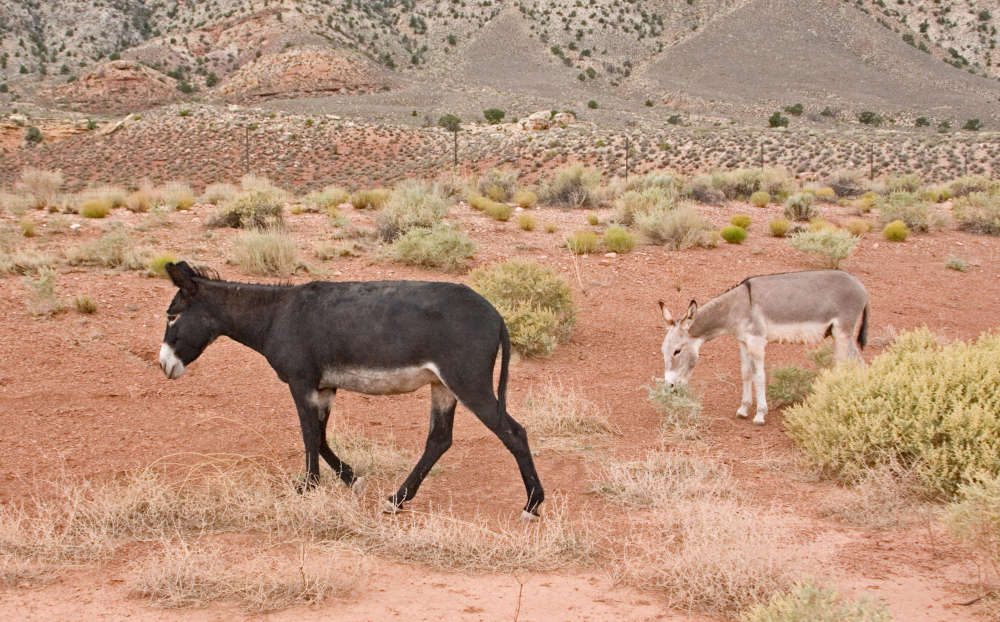
Adult burros typically stand under 13 hands, and are known for their surefooted toughness. Their coats are usually grey, tan, or brown, and they possess an independent but loyal nature when socialized. [12]
Despite their wild origins, burros can form strong bonds with humans when handled patiently. Many serve as companions, guards for livestock, or pack animals for trail use. [12]
Other Donkey Breeds
Several other regional breeds contribute to diversity in donkey bloodlines, each shaped by local landscapes and historical use. These donkeys face similar threats of crossbreeding, habitat loss, and reduced utility in modern settings. Preservation efforts focus on maintaining genetic diversity and recognizing the cultural importance of each type.
Donkey breeds under conservation efforts include: [14][15][16][17]
- Catalan donkey: a tall, black-coated donkey related to Andalusians. Historically used for mule breeding, and now prized for elegance and strength
- Baudet du Cotentin: Once widespread in Normandy, these donkeys are a medium-sized breed with gray coat and calm temperament. They’re often used for light farm work and eco-grazing
- Irish Donkey: a recognizable local type rather than a formally defined breed. Small size, hardiness, and sociable behavior support ties in rural life; today, many are rescued or kept as companions
- Somali and Nubian donkeys (Africa): These landraces descend from African wild asses domesticated in Northeast Africa over 5,000 years ago. Nubian types often show a dorsal cross, while Somali donkeys have striped legs and a lighter build. Both are well adapted to arid climates and are still used for transport and agricultural work.
Donkey Health Profile
Donkeys are generally hardy animals, but they have distinct health considerations that differ from horses. While inherited diseases are relatively uncommon, donkeys are more prone to conditions related to diet, metabolism, and management. [18]
Unlike horses, who are more reactive and prone to flight, donkeys tend to have a more stoic temperament and may suppress outward signs of discomfort. This can lead to them being mischaracterized as “stubborn” when they are actually responding cautiously or conserving energy. As a result, donkeys may not show obvious signs of illness until a condition has progressed. [18]
Recognizing subtle changes in behavior, appetite, or activity level are important for maintaining long-term health and preventing common issues.
Genetic Diseases
Donkeys generally have a lower incidence of inherited diseases compared to many horse breeds, largely due to a history of less selective breeding. This has helped preserve genetic diversity in many populations, reducing the prevalence of breed-specific genetic disorders.
However, some donkey populations, particularly rare or geographically isolated breeds, may have reduced genetic diversity. In these cases, inbreeding can increase the risk of inherited conditions and may impact overall health and reproductive success.
Genetic management programs aim to maintain diversity within breeding populations by monitoring pedigrees and minimizing inbreeding. These efforts help support long-term population health and reduce the likelihood of heritable disease.
Health Problems
Donkeys and mules share many of the same health concerns as horses due to their similar anatomy and physiology. Common concerns include colic, equine asthma, and internal parasites. Their hoof structure is also similar to horses, which makes them susceptible to hoof conditions such as laminitis, abscesses, and bruising.
Donkeys are susceptible to asinine metabolic syndrome (AMS), which is similar to Equine Metabolic Syndrome (EMS) in horses. AMS is characterized by insulin resistance, abnormal fat deposits, and recurrent laminitis. [19]
Pituitary pars intermedia dysfunction (PPID) also called Equine Cushing’s Disease, affects hormone regulation in horses, ponies, and donkeys. Although less common in donkeys than horses, seniors are at higher risk of PPID. [20]
Fat storage in donkeys also differs from horses. Donkeys may accumulate fat around their neck, barrel, abdomen, and hindquarters, and these deposits may harden or calcify.
Even after weight loss, calcified fat remains, which may not accurately reflect a donkey’s body condition score. This is why experts recommend using a donkey-specific body condition scoring scale, such as the one developed by the Donkey Sanctuary. [21][22]
Since donkeys are adapted to living in arid environments with limited forage, they have a naturally efficient metabolism. This makes them prone to weight gain and obesity in domestic settings, which increases the risk of laminitis and arthritis. [23]
Hyperlipemia is a serious metabolic disorder that can occur when donkeys with excess body fat are calorie deficient, such as during illness, stress, or rapid weight loss. In this condition, large amounts of fat are mobilized into the bloodstream, potentially leading to liver and kidney dysfunction. Donkeys are at higher risk of developing hyperlipemia than horses. [24]
When managing intentional weight loss in overweight donkeys, aim to reduce body weight by no more than 2% per month to minimize this risk.
Signs of hyperlipemia in donkeys can be subtle and non-specific, but may include: [24]
- Lethargy
- Loss of appetite (anorexia)
- Weakness or reduced activity
- Decreased water intake
- Diarrhea
- Rapid weight loss following a period of obesity
- Emaciation or poor body condition
- Ventral edema (fluid accumulation in the abdomen, may appear like a hay belly)
- Colic
- Muscle trembling
Hyperlipemia is a medical emergency and can progress rapidly without treatment.
When to Call the Veterinarian
Call your veterinarian promptly if your donkey shows any of the following signs that could indicate hyperlipemia:
- Your donkey refuses feed for more than 24 hours
- You notice sudden or rapid weight loss
- Your donkey seems depressed, weak, or less responsive than usual
- There are signs of colic, such as pawing, rolling, or looking at the flank
- You see swelling under the belly
- Diarrhea persists or water intake drops noticeably
- Several of these signs appear together, especially in an overweight or recently stressed donkey
Care & Management
Preventive care for donkeys should be tailored to their efficient metabolism, subtle pain signals, and unique hoof structure. Regular monitoring and attentive management can help prevent metabolic diseases and other complications.
Make sure your donkey’s preventative care plan includes regular:
- Veterinary Care: Routine veterinary examinations monitor body condition, dental health, and metabolic status. Vaccinations and parasite management help protect against infections that can impact donkey health.
- Dental Care: Regular dental examinations, especially for aging donkeys, can catch oral conditions before they increase in intensity. Oral pain can reduce feed intake and even trigger hyperlipemia due to negative energy balance.
- Hoof Care: Trim hooves every 6–10 weeks with a farrier experienced in working with donkeys. Donkeys have more upright, boxy hooves compared to horses, which need to be taken into account to prevent lameness.
- Body Condition Monitoring: Assess body condition monthly using the donkey-specific 1–5 scale. Donkeys store fat differently than horses, and obesity is a major risk factor for metabolic disease and laminitis.
Environmental management plays an equally important role in donkey welfare. Donkeys are more vulnerable to prolonged wet or cold conditions than horses. Access to dry, wind-protected shelter year-round supports hoof health, comfort, and immune function. [25]
Social management also plays a key role in donkeys’ well being, as isolation can cause stress. Housing donkeys with compatible companions, preferably other donkeys, promotes emotional stability and helps prevent changes in appetite and behavioral shifts. [18]
Nutrition Program
Donkeys evolved to thrive on sparse, fibrous plants in dry regions, which means they have lower daily energy requirements compared to horses. Feeding programs built for horses often provide excess calories for donkeys, increasing the risk of weight gain, laminitis, and serious metabolic disorders. [26]
An ideal donkey diet prioritizes high fiber intake, low energy density, extended foraging time, and limited sugar and starch exposure. Nutrition plans vary with body condition, life stage, health needs, and local environment.

“Donkeys are extremely efficient at digesting fibrous forage. When fed like horses, they are at high risk for obesity and metabolic disease, even on diets that appear modest.”
— Dr. Jennifer Skaggs, DVMEquine Veterinarian
Weight Maintenance
Donkeys need fewer calories than horses of similar body weight due to a slower metabolism, longer gut retention time, and efficient use of feed. Excess energy intake, including energy from forage alone, can lead to weight gain and place strain on metabolic systems. [26][27]
If your donkey needs to lose weight, target no more than 2% loss of body weight per month, as rapid calorie cuts or abrupt feed changes can lead to indigestion and raise the risk of hyperlipemia. [24]
Unexplained weight loss, reduced appetite, or low energy often indicate underlying health concerns that should be addressed with a veterinarian before making dietary changes. Even short periods of negative energy balance can pose significant health risks.
Sample Diet
Equine nutritionists design donkey diets to meet their fiber needs without exceeding energy requirements. Feeding concentrates and grain-based feeds increases the risk of laminitis, colic, and metabolic disease. [28]
The following sample diet is intended for a mature 225 kg (500 lb) donkey at maintenance with an ideal body condition score of 3.
| Feed | Diet |
|---|---|
| (Amount / Day) | |
| Straw (free-choice) | 1 kg (2.2 lb) |
| Grass Hay | 2.5 kg (5.5 lb) |
| Omneity® Pellets | 100 g (1 scoop) |
| Salt | 15 g (1 tbsp) |
| Diet Analysis* | |
| Digestible Energy (% of Req) | 80% |
| Protein (% of Req) | 95% |
| Lysine (% of Req) | 110% |
| NSC (% Diet) | 7.8% |
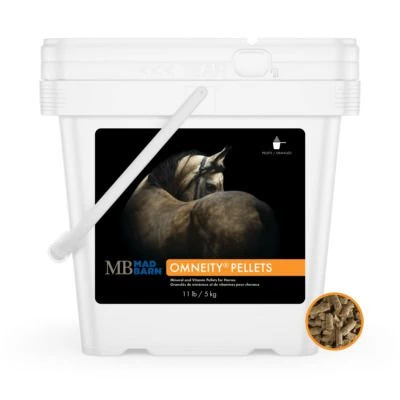
While forage provides the majority of a donkey’s daily intake, hay and pasture are often deficient in key vitamins and minerals required for overall health. A concentrated supplement like Mad Barn’s Omneity® helps meet micronutrient requirements without adding excess calories.
All donkeys require continuous access to clean, fresh water and loose salt. Donkeys may continue eating even when dehydrated, which can delay the recognition of hydration issues and increase the risk of colic. [29]
Forage
Forage-based diets are central to maintaining donkey health. Donkeys evolved as grazers and browsers, spending up to 16 hours per day eating fibrous grasses, woody plants, and coarse vegetation. As with horses, continuous intake of high-fiber forage supports gut movement and hindgut fermentation. [28]
Most adult donkeys maintain an appropriate body condition when their total forage intake is between 1.3–1.7% of their body weight on a dry-matter basis. Free-choice hay access can lead to excessive intake, even when forage quality is low. [30][31]
Straw works well as a primary forage for many donkeys and can safely make up a large portion of their daily intake. Mature grass hay, provided in smaller amounts, can add variety and support protein needs. Lush pasture grass, however, may pose challenges due to its high sugar and calorie content. [30]
Longer feeding periods align with natural donkey behavior and help support controlled intake and weight maintenance. Using slow feeders and hay nets can extend eating time, limit idle periods, and reduce time without forage, which may negatively impact gut function.
Feeding Recommendations
A forage-based diet supports metabolic health, hoof integrity, and digestive function in donkeys, helping prevent common nutrition-related conditions such as obesity, laminitis, and hyperlipemia.
Most donkeys do not require concentrates or grain-based feeds. Traditional concentrates, sweet feeds, and cereal grains often exceed a donkey’s ability to process starch and are linked to an increased risk of laminitis and metabolic disease. [32]
To avoid excess sugar, starch, and calories, provide a low-calorie vitamin and mineral supplement to balance a forage-only diet. If a carrier is needed, small amounts of soaked hay pellets or beet pulp can be used without significantly increasing starch intake.
Donkeys that are pregnant, lactating, growing, or recovering from illness may require additional calories. This can be achieved with highly digestible, fiber-based feeds under professional guidance, while keeping sugar and starch intake carefully controlled.
If additional calories are needed to maintain body condition, prioritize fiber and fat sources rather than increasing grain intake. This approach supports energy needs without increasing the risk of metabolic dysfunction.
Sudden dietary changes can disrupt a donkey’s digestion and contribute to metabolic imbalance. Introduce any changes gradually over several weeks to support gut health and microbial adaptation.
All donkeys should have access to fresh water and salt at all times. Providing approximately 1 – 2 tablespoons of plain loose salt daily helps meet sodium requirements and encourages adequate hydration.
Nutritional Supplements
Supplements help correct nutrient gaps when they are not covered by forage intake. Donkeys generally require lower amounts of protein than horses but still need essential amino acids to maintain hoof integrity, coat condition, immune function, and tissue repair.
Targeted supplementation focuses on:
- Vitamin and mineral balance to correct deficiencies commonly found in straw and hay-based diets without adding energy.
- Essential amino acids, including lysine, methionine, and threonine, which are not naturally synthesized by donkeys and must be supplied through the diet.
- Salt supplementation to support hydration and electrolyte balance, particularly in warm climates or after exercising.
Mad Barn’s Omneity® is a comprehensive vitamin and mineral supplement with a low feeding rate, well-suited to meet a donkey’s essential micronutrient requirements. Omneity® is formulated with 100% organic trace minerals and provides adequate zinc, copper, and biotin to support healthy metabolism and hoof growth.
Supplements and feeding rates benefit from review by a qualified equine nutritionist or veterinarian familiar with donkey physiology.
Frequently Asked Questions
Here are some frequently asked questions about donkeys:
Donkeys are excellent working animals, known for their strength, endurance, and reliability in challenging environments. They have been used for centuries in agriculture, packing, and transportation, particularly in regions with rough terrain. While they are not as fast or powerful as horses, donkeys are highly efficient and sure-footed, making them well suited to steady, consistent work. Their calm temperament and ability to conserve energy contribute to their long-term usefulness.
Donkey breeds differ in size, conformation, coat type, and temperament, reflecting the environments and purposes they were developed for. Larger breeds like the American Mammoth Jackstock are built for strength and draft work, while smaller breeds such as the Miniature Mediterranean Donkey are often kept as companions. Some breeds, like the Poitou, are known for distinctive coat characteristics, while others are valued for athleticism or hardiness. These differences influence how each breed is managed and used.
Donkey care differs from horse care in several important ways, particularly in nutrition and environmental needs. Donkeys are adapted to sparse conditions and require a high-fiber, low-sugar diet, as they are more prone to obesity and metabolic disorders if overfed. Their hooves are more upright and require regular trimming, and they are less tolerant of cold, wet climates due to their thinner coats. Donkeys also depend heavily on social interaction and should not be kept alone.
Donkeys can be good with kids, especially smaller breeds that are known for their gentle and affectionate nature. Many donkeys form strong bonds with people and can be calm, patient companions when handled appropriately. However, they are intelligent and can be strong-willed, so interactions should always be supervised. Teaching children proper handling and respect for the animal is essential for safety.
Donkeys are used today for a wide range of purposes, including packing, light draft work, guarding livestock, and companionship. In many parts of the world, they remain essential working animals for transporting goods and supporting agriculture. In other settings, they are valued as pets or therapy animals due to their calm demeanor. Their versatility allows them to adapt to both traditional and modern roles.
Donkeys are generally considered hardy and relatively low-maintenance, but they still require proper care to stay healthy. Their efficient metabolism means they need careful diet management to prevent obesity and related conditions. Regular hoof trimming, access to shelter, and companionship are essential parts of their care. When managed correctly, donkeys can thrive in a wide range of environments.
Donkeys are known for their calm, intelligent, and cautious temperament, which is often misunderstood as stubbornness. They tend to assess situations carefully before reacting, making them more deliberate than horses. This trait can make them reliable and safe when properly trained, but it also means they respond best to patient and consistent handling. Their temperament makes them well suited for both work and companionship.
Donkeys typically live between 25 and 35 years, although many individuals can live longer with proper care. Their longevity is influenced by factors such as nutrition, environment, workload, and access to veterinary care. Compared to some other equines, donkeys are known for their durability and long working lives. Planning for long-term care is an important part of donkey ownership.
Donkeys vary widely in size depending on the breed, ranging from small miniature donkeys to large draft-type animals. Miniature donkeys may stand under 36 inches at the shoulder, while larger breeds like the Mammoth Jackstock can exceed 14 hands. Size influences their suitability for different roles, including companionship, riding, or draft work. Understanding breed size helps match the donkey to its intended use.
Donkeys primarily eat high-fiber forage such as grass hay or pasture, and they require diets that are lower in energy than those of horses. They are highly efficient at extracting nutrients, which makes them prone to weight gain if overfed. Concentrates and rich feeds are generally unnecessary unless recommended for specific conditions. Providing a balanced, controlled diet is key to maintaining health.
Donkeys need companionship and are highly social animals that form strong bonds with other equines or compatible livestock. Keeping a donkey alone can lead to stress, boredom, and behavioral issues. Ideally, they should be housed with another donkey or a suitable companion animal. Social interaction is an important component of their overall well-being.
Donkeys can be ridden, but their suitability depends on their size, build, and training. Larger donkeys are capable of carrying riders and may be used for light riding or packing. However, they have different movement patterns and physical limits compared to horses, so workload should be appropriate for their size and conditioning. Proper training and equipment are important for safe use.
Summary
Donkeys are hardy, adaptable equids with unique physiological and behavioral traits that require species-specific care. Understanding their history, health risks, and nutritional needs helps support long-term well-being and prevent common management issues.
- Donkeys originated from the African wild ass and are highly adapted to arid environments with efficient metabolism and strong endurance
- They differ from horses in behavior and physiology, often showing subtle signs of illness and requiring careful monitoring
- Common health concerns include obesity, laminitis, hyperlipemia, and metabolic disorders linked to overfeeding
- A forage-based diet with low energy density and limited sugar and starch is essential to maintain a healthy body condition
- Regular veterinary, dental, and hoof care, along with proper shelter and social interaction, supports overall health and welfare
- Most donkeys do not require concentrates, and balanced vitamin and mineral supplementation helps address common nutrient gaps
References
- Gross. M. A Brief History of Donkeys. Current Biology. 2022. doi: 10.1016/j.cub.2022.09.031.
- Wang. Y. et al. Origin, Evolution, and Research Development of Donkeys. Genes. Multidisciplinary Digital Publishing Institute. 2022. doi: 10.3390/genes13111945.
- Who We Are. The Donkey Sanctuary. 2026.
- The American Donkey and Mule Society. ADMS. 2026.
- Our Charity. The Donkey Breed Society. 2018.
- American Mammoth Jackstock. The Livestock Conservancy. 2026.
- History of Miniature Mediterranean Donkeys. Miniature Mediterranean Donkey Association. 2018.
- Miniature Donkeys . Oklahoma State University 2021.
- Donkey. Rancho Texas. 2026.
- Poitou Donkeys. Oklahoma State University 2021.
- Franklin Park Zoo mourning the loss of Poitou donkey. Franklin Park Zoo. 2024.
- Bruegger. R. et al. Wild Horse and Burro Management in the American West. Colorado State University Extension. 2025.
- Wild Horse and Burro Program. Bureau of Land Management.
- Shields. C.The Catalan donkey: a national symbol, and endangered breed. Catalan News. 2025.
- Cotentin Donkey. Energie Cheval.
- History of the Irish Donkey. The Irish Donkey Society. 2026.
- History of Donkeys in SA. Eseltjiesrus Donkey Sanctuary. 2026.
- Burden. F. and Thiemann. A. Donkeys Are Different. Journal of Equine Veterinary Science. 2015.
- Mendoza. F. et al. Metabolic and Endocrine Insights in Donkeys. Animals. 2024.
- Gehlen. H. et al. Pituitary Pars Intermedia Dysfunction and Metabolic Syndrome in Donkeys. Animals. 2020. View Summary
- Donkey Body Condition Score Chart. The Donkey Sanctuary. 2018.
- Pearson. A. Body Condition Score of Donkeys. University of Edinburgh. 2005.
- Moody. R. Donkey's Unique Nutritional Needs. Cornell Cooperative Extension. 2016.
- Foreman. J. H. Hyperlipemia and Hepatic Lipidosis in Large Animals. Merck Veterinary Manual. 2024.
- Care of Donkeys through Winter. The Donkey Sanctuary. 2025.
- Doldersum. L. Donkey Nutrition: What to Feed, What to Avoid. The Donkey Sanctuary of Canada. 2024.
- Wood. S. J. Some factors affecting the digestible energy requirements and dry matter intake of mature donkeys and a comparison with normal husbandry practices. Edinburgh Research Archives. 2010.
- Reed. S. M. et al. Equine Internal Medicine. 3rd ed. Saunders Elsevier. St. Louis. Mo. 2010.
- Thiemann. A. K. et al. Gastrointestinal Disorders of Donkeys and Mules. Vet Clin North Am Equine Pract. 2019.
- Smith. D. G. and Burden. F. A. Practical Donkey and Mule Nutrition. Equine Applied and Clinical Nutrition. 2013.
- Izraely. H. et al. Factors determining the digestive efficiency of the domesticated donkey (Equus asinus asinus). Q J Exp Physiol. 1989.
- Mendoza. F. et al. Metabolic and Endocrine Insights in Donkeys. Animals. 2024.