English


![Equine Rehabilitation Programs: What to Expect When Your Horse is Recovering – [Guide]](/wp-content/uploads/2024/12/equine-rehabilitation-basics.jpg)
Helping your horse recover from an injury requires patience, careful planning, and a basic understanding of rehabilitation principles.
From controlled exercise and proper nutrition to therapeutic techniques and mental well-being, an effective equine rehabilitation program should consider each of these components to help restore your horse’s soundness and performance.
This guide is designed for horse owners to navigate the rehabilitation journey with confidence, ensuring the best possible outcomes for your equine partners.
Whether your goal is to return your horse to competition or simply to regain comfortable daily movement, understanding how practitioners design rehabilitation programs and knowing what to expect will help promote an optimal outcome for horses and owners.
Injury Rehabilitation for Horses
Equine rehabilitation is a multi-faceted process aimed at ensuring safe recovery after injury, illness, or a period of inactivity. It combines medical care, structured exercise, management changes and behavioral support, all tailored to the unique needs of each horse.
An effective rehabilitation program requires patience, consistency, and collaboration between veterinarians, trainers, and caregivers, offering a tailored approach for each horse’s specific needs. [1]
Rehabilitation in horses often goes beyond addressing physical injuries. It involves restoring the horse’s functionality, building physical resilience, and maintaining mental well-being throughout the recovery process.
Rehabilitation Professional
Professional guidance is a cornerstone of effective rehabilitation. Involving a multidisciplinary team of qualified experts ensures each aspect of the horse’s recovery is fully addressed.
Veterinarians make critical diagnoses and outline treatment plans targeting the underlying cause of the horse’s condition, while additional specialists bring skills that complement the rehabilitation program. [1][2]
- Physiotherapists implement therapies to restore mobility and strengthen muscles, aiming to correct imbalances and prevent re-injury.
- Farriers provide proper hoof care, a key element in maintaining overall balance and alleviating strain that may aggravate existing injuries.
- Trainers design exercise programs that match the horse’s current physical capabilities, gradually guiding it back to full function or performance.
- Nutritionists formulate balanced diets to support natural healing processes, maintain a healthy weight, and meet specific metabolic or performance needs.
Other bodywork practitioners may also be involved to incorporate adjunct therapies, such as acupuncture, chiropractic, massage therapy, and laser therapy.
It is important that whoever is part of your horse’s rehabilitation team is highly qualified. Be sure to confirm qualifications, licensure, or certifications in a given field.
Remember that your veterinarian is the leading authority on your horse’s current medical condition, and their involvement and expertise is key to a successful rehabilitation outcome.
What's your top priority with your horse's health?

Enter your email to receive your store credit
Goals & Expectations
Setting realistic, well-defined goals is critical to the success of your horse’s rehabilitation program. Factors to consider include: [3]
- Horse’s age: older horses may require a slower pace of recovery and additional support
- Condition and temperament: recovery strategies should align with the horse’s personality, physical state, and severity of the injury
- Horse history: horses with a history of injuries may have more complex cases and more guarded prognoses
- Health status: any pre-existing medical conditions may impact the horse’s long-term prospects regardless of rehabilitation strategies
- Post-rehabilitation use: the rehabilitation intensity and timeline can vary, depending on whether the horse is a competitive athlete or a pasture companion
It’s important for owners and caretakers to maintain open, proactive communications with your horse’s rehabilitation team. Discuss the feasibility of your long-term goals and ambitions and review all of the necessary benchmarks as you go along so you and your horse are set up for success.
Guide to Rehabilitation Program Stages for Horse Owners
An equine rehabilitation program generally involves three stages, each tailored to the horse’s specific needs and progress: [1][2]
- Initial Recovery: The first stage of rehabilitation focuses on rest and stabilization of the injury or condition. This phase prioritizes reducing inflammation, managing pain, and promoting the initial stages of healing. It often involves limited movement to prevent complications.
- Rehabilitation Phase: Controlled exercises, such as tack walking, and therapy techniques designed to restore mobility, strength, and coordination are introduced in the rehabilitation phase. This phase can include techniques such as physiotherapy, massage, and stretching to aid recovery. During the rehabilitation phase, adjustments are often made based on the horse’s response and any emerging challenges.
- Return to Work: Involves the gradual reintroduction to regular activities and training, ensuring the horse can safely handle increased demands. As with the rehabilitation phase, the animal should be closely monitored for any signs of regression or discomfort.
1. Initial Assessment
A thorough initial assessment is the foundation of any successful equine rehabilitation program. This evaluation provides the information necessary to create a personalized recovery plan that considers the horse’s specific needs and recovery goals.
Veterinary Diagnosis & Intervention
The first step in any equine rehabilitation program is a comprehensive veterinary evaluation. This is essential for accurately assessing the horse’s physical condition and determining the underlying causes and severity of the injury or ailment.
A detailed physical examination often includes: [3][4][5]
- Lameness examination: checking for signs of lameness or uneven movement patterns
- Flexion tests: help pinpoint the location of lameness by holding the limb in a flexed position and then evaluating movement
- Range of motion testing: assessing the flexibility and functionality of affected joints or muscles
- Health screening: identifying any systemic issues, such as metabolic disorders, that could complicate recovery
- Diagnostic imaging: tools including radiographs (X-rays), ultrasounds, or MRIs can be used to precisely identify injuries such as fractures, ligament tears, or soft tissue damage
- Baseline measurements: documenting the horse’s weight, body condition score (BCS), and any visible muscular and weight imbalances
This detailed evaluation helps ensure that no aspect of the horse’s condition is overlooked and serves as a baseline for measuring progress throughout rehabilitation.
Initiating Treatment
Depending on the veterinarian’s diagnosis, certain treatments may be necessary before starting a rehabilitation program. These interventions help ensure the horse is not experiencing severe pain or inflammation that could lead to protective behaviors and impede recovery.
Possible treatments include: [2]
- Pain control medications
- Stall rest
- Joint, tendon, or ligament injections
- Surgical intervention
- Complementary therapies, such as shockwave
Once the horse’s underlying condition is under control, they can begin a structured rehabilitation program. Close collaboration with your veterinarian helps ensure the injury does not worsen during this process.
2. Rehabilitation Plan
Once the diagnosis is confirmed, your veterinarian will work with a team of specialists to develop a rehabilitation plan tailored to the horse’s unique needs. Key factors include the type of injury as well as the horse’s age and current fitness level.
Type of Injury or Condition
Rehabilitation strategies vary according to the cause and severity of the injury, as well as the horse’s overall health. The primary objectives are to promote healing, reduce pain, and prevent further injury by adapting exercises and therapies to each horse’s individual requirements.
Common injuries and conditions in horses include: [6][7][8][9]
- Soft tissue injuries (e.g., tendons, ligaments) often require extended periods of controlled exercise and adjunct therapies such as hydrotherapy or laser treatments to promote healing
- Fractures may require immobilization, followed by gradual weight-bearing activities to rebuild strength and extended periods of inactivity to ensure proper bone healing
- Chronic conditions like arthritis or degenerative joint disease may focus on pain management, mobility restoration, and long-term maintenance
Horse Age & Fitness Level
Your horse’s age and fitness level influence how quickly and effectively they can recover from an injury.
- Younger horses typically exhibit faster recovery rates due to their natural resilience and healing capacity
- Older horses or those with pre-existing conditions are likely to benefit from a slower, more supportive approach
Horses with higher levels of fitness at the time of injury are also expected to recover more easily, as their vascular physiology is optimized for recovery and repair. In addition, having sufficient muscle tone and flexibility facilitates moving through the rehabilitation program effectively.
Setting Achievable Expectations
When developing a rehabilitation plan for your horse, it’s critical to set realistic and achievable expectations based on the specific injury, the horse’s age, fitness level, and the nature of the condition. Unrealistic goals can result in frustration, setbacks, or pushing the horse too quickly, potentially worsening its condition.
Owners play a key role in the rehabilitation process. Open and proactive communication between owner and the rehabilitation team is essential to setting expectations and achieving goals. While short-term progress is important, it is also important to consider long-term outcomes.
When working with rehabilitation professionals, owners should ask questions that match their goals and follow up on progress regularly. Questions to keep in mind include:
- How often does my horse need to perform this exercise or routine?
- What should I do if my horse is struggling with the prescribed exercises or routine?
- How much of this rehabilitation program can be performed at home versus in a clinic?
- How long do horses in this condition usually need to recover from this injury?
- What are the possible rehabilitation routes my horse can take for this injury, and what are the possible outcomes of each?
- Is a full return to performance likely for this horse? Why or why not?
- What monitoring do I need to perform at home? What are the triggers for me to call the veterinarian during the rehabilitation process?
- How much time and financial investment does this rehabilitation program require?
- What management changes do I need to make at home to support my horse’s rehabilitation?
Progression of Exercise Routines
The type and intensity of exercises must be adapted to the horse’s current condition and stage of rehabilitation. These stages can generally be divided as follows: [2]
- Initial movement: The initial stage should include slow, controlled activities designed to reintroduce correct movement patterns. Techniques such as hand-walking or tack-walking can help reset basic motor responses without adding excessive strain.
- Gradual progression: Exercises should gently increase in duration and complexity as the horse’s condition improves. Owners should pay close attention to the horse’s responses, ensuring no signs of discomfort or strain emerge.
- Introduction of specific activities: Once basic muscle tone is restored, tailored exercises can be added in response to the horse’s particular needs.
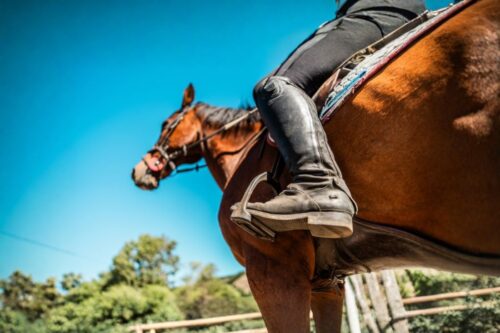
- Final ridden work: Reintroducing ridden work is the most challenging phase of rehabilitation. The horse may appear healthy at this stage, but it is crucial to proceed cautiously. Carefully assess saddle and bridle fit, ensuring comfort and proper pressure distribution. Gradually increase the time the horse carries weight, starting with simple exercises. Prioritize balance and stability to reinforce correct reflex patterns and prevent a return to suboptimal movement habits.
These phases serve as a general guideline. Every horse’s rehabilitation journey is unique and should be tailored to their specific needs and progress.
Incorporating Different Therapy Techniques
Therapy techniques are an integral component of equine rehabilitation, supporting recovery by addressing pain, inflammation, stiffness, and overall mobility. Different techniques serve distinct purposes, contributing to a holistic approach that supports physical healing.
Common techniques recommended for horses by rehabilitation professionals include: [2]
- Cold therapy
- Heat therapy
- Laser therapy
- Shockwave therapy
- Chiropractic care
- Acupuncture
- Massage therapy
- Stretching exercises
Nutrition in Rehabilitation
Proper nutrition is a key component of the rehabilitation program, ensuring that the horse’s diet provides essential building blocks to support tissue repair, immune function and a return to work.
A balanced, forage-based diet should form the foundation of your horse’s feeding plan. Adequate protein is necessary to support muscle repair and growth, while essential vitamins and minerals help maintain hoof and bone health, joint mobility and metabolic function.
Maintaining appropriate energy intake that matches the horse’s current activity level is also vital to avoid both unwanted weight loss and excessive weight gain.
Monitoring the horse’s body condition score and adjusting feed rations accordingly can help prevent nutritional imbalances that may slow recovery. Throughout the rehabilitation process, working with an equine nutritionist ensures the diet meets your horse’s changing requirements, supporting optimal recovery.
Nutritional considerations during rehabilitation include: [10][11]
- Maintaining healthy body weight: Controlling weight reduces stress on joints and contributes to improved soundness
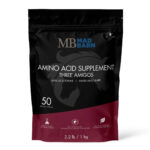
- High-quality protein: Quality protein sources provide essential amino acids including lysine, methionine and threonine, that support tissue repair and muscle recovery
- Vitamins and minerals: Calcium, phosphorus, and vitamin D are important for bone health, while antioxidants like vitamin E and selenium combat oxidative stress and support the immune system
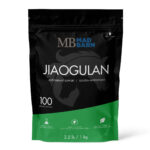
- Nutritional supplements: Targeted ingredients can support healthy connective tissue and maintain normal homeostatic regulation of inflammation; options include hyaluronic acid, omega-3 fatty acids, MSM, and jiaogulan

Management Considerations
When rehabilitating a horse, it is important to address welfare factors beyond the direct injury that affect the horse’s overall well-being.
Factors such as mental and emotional state, proper equipment, and safe ground surfaces are important for ensuring a successful rehabilitation process.
Positive Mental State
Horses are highly intelligent and emotionally perceptive animals. Long periods of inactivity or isolation due to injury can take a toll on their mental health, leading to stress, boredom, frustration, or anxiety.
Fostering a positive mental state during rehabilitation is integral to the horse’s overall recovery. Strategies to support a horse’s mental health during recovery include: [12][13][14]
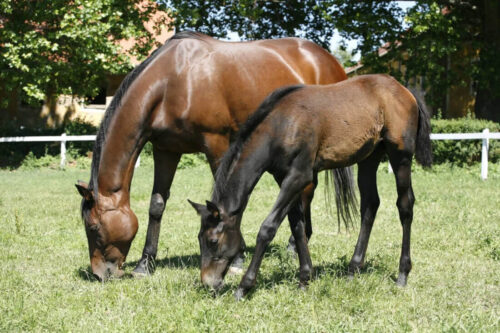
- Grazing opportunities: Provide your horse with ample opportunity to mimic natural foraging behaviors, which support mental stimulation and lower stress levels. Grazing also provides light, low-impact movement. If your horse is on stall rest and unable to participate in turnout, providing feed in different locations throughout the stall can mimic natural grazing behaviors.
- Daily enrichment: Horses on stall rest benefit from alternate forms of stimulation, such as grooming or training to perform basic tricks, like performing the Flehmen response on command. Once your horse has progressed to controlled exercise, providing different features to explore in their environment can keep them mentally engaged and motivated.
- Low-stress groundwork: Simple exercises, such as leading your horse over poles, provide physical activity and keep the horse mentally engaged.
- Socialization: Periods of supervised interaction with other horses can reduce stress caused by isolation. Horses on stall rest benefit from having visual, olfactory, and auditory interactions with other horses, even if they cannot join them on pasture.
- Prescription medication: For some horses that do not tolerate stall rest or inactivity well, you can talk to your veterinarian about temporary medications that reduce stress and anxiety, and promote a calm and more compliant demeanor.
Equipment
Using well-fitting equipment during rehabilitation supports a successful recovery, as poorly fitting tack can worsen existing issues or create new ones. Depending on the situation, evaluate the following factors while your horse transitions back into work under saddle: [2][15]
- Saddle fit: the saddle should accommodate any changes in the horse’s body condition, particularly after muscle loss or weight fluctuations
- Bridle fit: the rider should check for proper alignment and adjust to avoid pressure points on the horse’s sensitive areas
- Protective gear: consider using boots or wraps to support vulnerable areas, especially during the early stages of rehabilitation
Regularly inspect all equipment for wear and tear to prevent accidents during exercise sessions. Consult with your veterinarian or a qualified trainer if you have questions about appropriate tack for your horse during their recovery period.
Safe Surfaces
The choice of footing during training sessions is critical for both safety and effectiveness. Exercises should take place on surfaces that reduce strain and provide adequate traction.
When working on rehabilitation exercises at home, consider the following: [16]
- Consistent footing: Well-maintained, level surfaces, such as an arena with soft but not excessively deep footing are ideal
- Avoid hazards: Avoid rocky, uneven, or slippery ground that could lead to unnecessary stress on healing tissues or result in injuries
- Varied terrain: Gradually introducing terrain variations, once the horse is ready for more advanced exercises, can help strengthen muscles and improve balance.
3. Return to Work
The final phase of your equine rehabilitation program involves transitioning the horse back into its regular activities or training regimen. This stage requires careful planning to ensure the horse regains full functionality without risking re-injury.
Consult with your veterinarian to determine if your horse is ready to resume performance work or competition. Some horses may require modified exercise routines to account for any long-term limitations and minimize the risk of re-injury.
Monitoring & Adjustments
Successful rehabilitation outcomes rely on consistent monitoring and adaptation to changes. Evaluating the horse’s recovery and making necessary adjustments ensures steady progress toward goals while minimizing the risk of setbacks.
Some tips to help with monitoring your horse’s recovery include:
- Keep a Log: Document the type, duration, and intensity of daily exercises, as well as any physical or behavioral changes (e.g., swelling, stiffness, energy levels). This information helps identify trends early and supports professional decision-making.
- Recognize Setbacks: Setbacks can occur at any stage. Indicators include signs of pain or discomfort and behavioral changes such as resistance, aggression, or anxiety. Identifying these issues promptly can prevent complications.
- Ongoing Evaluation: Schedule regular assessments with veterinarians and other rehabilitation professionals. Periodic check-ups help monitor healing progress and detect underlying factors that may impede recovery.
- Adapting the Program: Allow for adjustments in exercise intensity and revise goals as needed. A flexible approach accommodates the horse’s recovery pace, whether it faces new challenges or progresses faster than expected.
Post-Rehabilitation
Completing a formal rehabilitation program does not eliminate the need for continued oversight after a horse recovers from an injury. During the post-rehabilitation phase, veterinarians or physiotherapists should perform regular check-ups to ensure the horse remains sound and to detect any subtle signs of ongoing or emerging issues.
Incremental increases in exercise intensity may be appropriate, guided by professional advice and the horse’s response to work.
Returning to work is a significant milestone, but it calls for close monitoring to avoid re-injury. Consistent observation, gradual adjustments to exercise routines, and prompt attention to any physical or behavioral changes lay the groundwork for a safe and successful resumption of the horse’s career.
Frequently Asked Questions
Here are some frequently asked questions about equine rehabilitation programs:
Equine rehabilitation is the process of restoring a horse’s health and functionality after an injury, illness, or period of inactivity. It involves a combination of medical treatment, controlled exercise, therapeutic techniques, and mental well-being strategies. The goal is to help the horse recover physically and return to its regular activities, whether that is competitive work, leisure, or daily movement. [1][2]
The duration of a horse’s rehabilitation depends on several factors, including the type and severity of the injury or condition, the horse’s age, fitness level, and how well it responds to treatment. Typically, rehabilitation can take anywhere from a few weeks to several months, with some cases requiring a year or longer for full recovery. [1][2]
A full return to work depends on the nature of the injury and how successful the horse's recovery is. Successful recovery is influenced by numerous factors, including age, fitness, and severity of the condition at the start of rehab. Keep open and proactive communication with your horse's rehabilitation team to set realistic goals and expectations for your horse's return to work.
Summary
Equine rehabilitation is a comprehensive process requiring patience, expertise, and a commitment to the horse’s overall well-being. From initial assessments to the final stages of returning to work, every step must be tailored to the horse’s unique needs.
- The three phases of rehabilitation are initial recovery, rehabilitation, and return to work
- Equine rehabilitation teams use a multifaceted approach that includes targeted therapies, progressive exercise, and supportive care
- Successful rehabilitation requires ongoing monitoring and owner participation to implement the program effectively
- Keeping open and proactive communication between owner and the rehabilitation team is fundamental to setting realistic goals for the recovering horse
References
- Atalaia. T. et al., Equine Rehabilitation: A Scoping Review of the Literature. Animals. 2021. View Summary
- Bromiley. M. W., Ed., Equine Injury, Therapy and Rehabilitation. 1st ed. Wiley. 2007.
- Developing a Fitness Programme. The British Horse Society. 2024.
- Henneke, D.R. et al. Relationship between condition score, physical measurements and body fat percentage in mares. Equine Vet J. 1983. View Summary
- Wilson. D. A., Ed., Clinical Veterinary Advisor: The Horse. Elsevier Saunders, St. Louis, Mo. 2012.
- Brokken. M. T. et al., Joint Disorders in Horses. Merck Veterinary Manual. 2019.
- Arthritis . The British Horse Society. 2024.
- Manning. A., Practical Approach to the Rehabilitation of Soft Tissue Injuries in Sport Horses. AAEP. 2016.
- Fractures in Horses. World Horse Welfare.
- Ralston. S. L., Nutritional Requirements of Horses and Other Equids. Merck Veterinary Manual. 2021.
- McGowan. C. M. and Goff. L., Eds., Animal Physiotherapy: Assessment, Treatment, and Rehabilitation of Animals. Second edition. John Wiley & Sons Inc. 2016.
- Henderson. A. J. Z., Don’t Fence Me In: Managing Psychological Well Being for Elite Performance Horses. Journal of Applied Animal Welfare Science. 2007. View Summary
- Vet. R. V., The Importance of Equine Pasturing: A Guide to Healthier, Happier Horses. Rocky Valley Veterinary Service. 2024.
- Companionship and Socialising. The British Horse Society. 2024.
- Saddle Fit. The British Horse Society. 2024.
- Equestrian Surfaces a Guide. Swedish Equestrian Federation.