English






Welfare in equestrian sports is fundamental to ensuring the long-term health, happiness, and performance of the horses involved. While general principles of animal welfare apply to all disciplines, each equestrian sport comes with unique demands that carry their own welfare considerations.
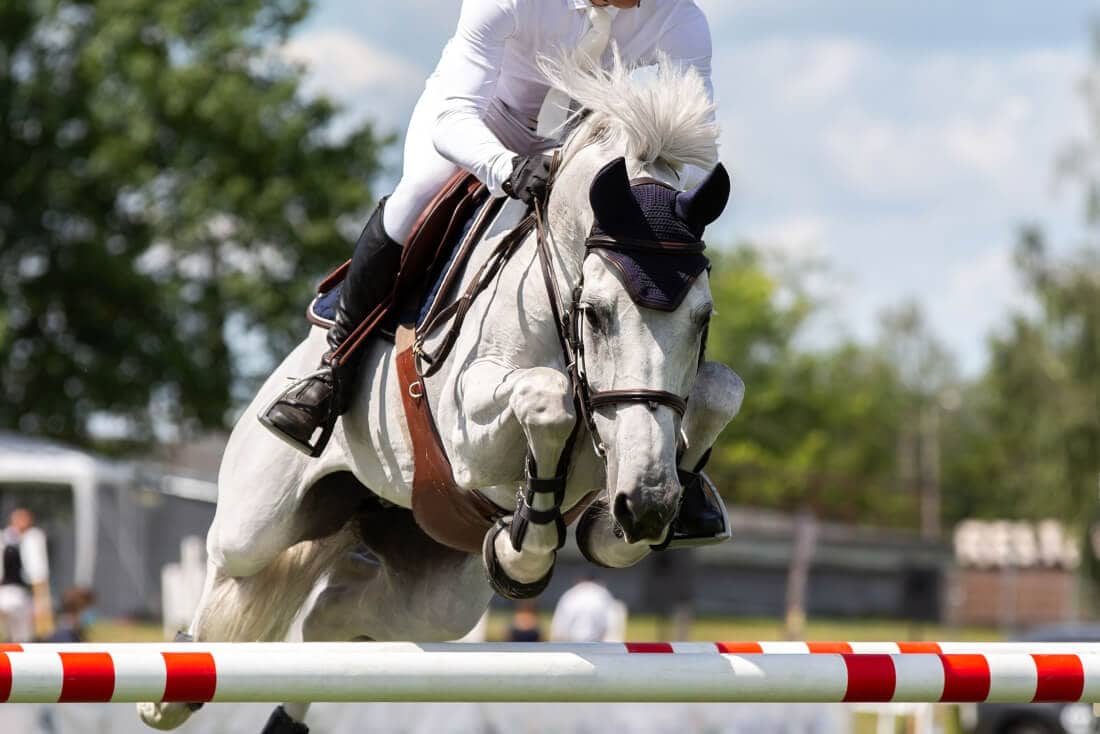
Show jumping is a sport that demands exceptional speed, precision, and agility from both horse and rider. Competing in this discipline places significant physical and mental expectations on the participating equine athletes.
Applying a welfare framework like the Five Domains Model to show jumping helps riders, trainers, and owners adopt best management practices. This approach reduces stress, improves performance, and fosters a more humane, horse-centered environment.
Read on to learn more about welfare considerations for show jumping horses and how to balance performance demands with ethical care. By understanding physical and mental needs, safety measures, and practical management, you can enhance your horse’s well-being and long-term performance.
An Overview of Show Jumping Competitions
Understanding the structure, rules, and history of show jumping provides essential context for evaluating the sport’s ethical and welfare standards.
The physical and mental demands placed on horses, as well as the technical skill required of riders, highlights the need for strong welfare practices and clear ethical guidelines.
History
The rise of show jumping as a sport is relatively recent compared to other equestrian disciplines. Historically, horses were not specifically trained to jump large obstacles because there was little need for this in day-to-day activities.
This changed with the passage of the English Enclosure Acts that came into law between 1604 and 1914. These laws had the effect of transforming 6.8 million acres of open common land into fenced private property. [1] This new landscape led to an interest in training horses that could clear these barriers, especially for riders involved in fox hunting, which required traversing the countryside regardless of property lines.
By the late 19th century, equestrian competitions began incorporating events featuring jumps to showcase the capabilities of the horses. [1]
The competitive aspect of jumping gained traction, and an early form of show jumping debuted at the 1900 Olympic Games. However, it wasn’t until the 1912 Stockholm Olympics that the sport adopted a more standardized format resembling today’s competitions. [1]
Basic Rules of Show Jumping
Show jumping is governed by clear rules designed to test both the technical skill of the rider and the athleticism of the horse. These rules ensure fairness, safety, and an engaging experience for spectators. [2]
Objective
Riders navigate a pre-set course of jumps, aiming to finish without faults and within the time limit. The combination that completes the course with the fastest time and the lowest number of faults wins the class. [2]
Faults
Penalties, also known as faults, are incurred for a number of particular errors during the round, including: [2]
- Knockdowns: if a horse knocks down a rail, the pair receives four faults
- Refusals: a horse that refuses to jump or runs out incurs four faults for each refusal
- Time faults: exceeding the time limit results in one fault for each second over the allowed time
Eliminations
A number of errors lead to elimination from the competition, including: [2]
- Multiple refusals in a course
- Jumping an obstacle out of order or in the wrong direction
- The rider falling off their horse
- Dangerous riding or violations related to equipment use
Dangerous riding refers to any actions by the rider that pose a hazard to the safety and well being of themselves, their horse, competitors, or spectators. This can include riding too fast or too slow for the conditions, loss of control over the horse, excessive use of aids such as the whip or spurs, or continuing to ride a visibly exhausted or lame horse. [2]
The Ground Jury, often in consultation with designated officials such as the Technical Delegate or stewards, is responsible for identifying and assessing dangerous riding. While cases of dangerous riding are context-dependent, officials are trained to recognize situations that compromise safety and act accordingly. [2]
The Five Domains Model of Horse Welfare
The Five Domains Model is a comprehensive framework for assessing animal welfare that divides welfare needs into five interrelated areas: [3][4]
- Nutrition
- Physical Environment
- Health Care
- Behavioral Interactions
- Mental State
By taking a Five Domains approach to training and management, show jumpers can optimize their horse’s performance while balancing their overall health and well being.
Nutrition
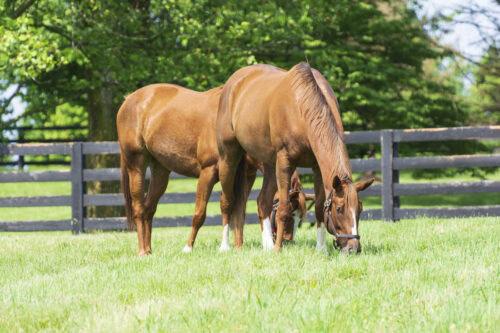
Proper nutrition is essential for the welfare and performance of show jumpers. Horses thrive on a forage-first diet tailored to their individual needs, with high-quality hay forming the foundation.
Any concentrates should be carefully balanced to supply required vitamins and minerals without exceeding nutritional needs. [5]
Providing constant access to clean, fresh water is equally important, as dehydration can impair performance and contribute to unnecessary stress.
Meeting your horse’s nutritional needs supports both physical health and mental well-being, reducing frustration linked to hunger or thirst. [3][4]
What's your top priority with your horse's health?

Enter your email to receive your store credit
Physical Environment
A horse’s environment directly impacts their physical condition and mental state. This includes access to appropriate shelter from inclement weather, ample turnout opportunities, and safe, well-maintained footing in arenas and paddocks. [3][4]
Horses thrive in environments that allow for natural activities such as grazing, exploring, and social interaction. Turnout with socialization opportunities promotes movement, enhancing fitness and reducing the risk of stress-related behavior often seen in stabled horses. [3][4]
Providing a comfortable, enriched environment helps prevent negative emotional states such as anxiety or boredom, and fosters overall well being. [3][4]
Health
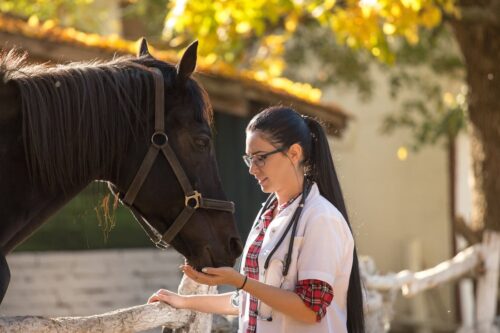
Maintaining regular veterinary care is important for the welfare of show jumping horses, who face unique physical demands that can predispose them to injuries or health issues. [3][4]
Routine veterinary check-ups, dental care, and hoof maintenance are all essential. Early recognition and treatment of illness or injury can prevent minor issues from becoming major welfare concerns. [3][4]
Beyond physical health, understanding behavioral signs of pain or discomfort is an important skill for riders and caretakers. Horses often express pain through subtle changes in behavior; proactive care ensures that these signals are not overlooked.
A healthy horse is not just free from disease but also comfortable and fit, contributing to a positive mental state. [3][4]
Behavioral Interactions
Behavioral welfare involves allowing horses to express natural behaviors and engage in positive interactions with their environment, other horses, and humans.
Horses are social animals, and isolation can lead to stress or behavioral issues. Turnout with compatible herd mates encourages natural actions such as mutual grooming, free movement and play, which are essential for equine mental health.
Additionally, appropriate human interaction based on trust, predictability and clear communication enhances a horse’s behavioral welfare. [3][4]
In training, understanding your horse’s individual personality and providing positive reinforcement both help develop a cooperative, motivated partner. Behavioral enrichment, like incorporating varied exercises and mental challenges, prevents boredom and fosters a sense of purpose. [3][4]
Mental State
Mental state reflects the horse’s overall emotional well-being. A positive mental state means the horse feels safe, comfortable, and engaged — free from distress, fear, or frustration. [3][4]
Factors such as hunger, pain, restricted movement or social isolation can lead to negative mental states. Conversely, fulfilling nutritional, environmental, health, and behavioral needs promotes contentment.
Horses, like humans, seek comfort and reassurance; they experience a range of emotions, from stress to playfulness. [3][4]
7 Strategies to Promote Welfare in Show Jumping Horses
Promoting a positive mental state contributes to optimal performance and overall well-being, while building trust and cooperation between horse and rider. [3][4]
Welfare matters in all settings, including competitions where management options may be limited. Riders, handlers, and caretakers must adapt their approach to meet the demands of high-level sport without compromising equine welfare.
Ethical treatment is essential to the sport’s integrity and the horse’s quality of life. This means balancing performance goals with a consistent focus on both physical and mental health.
Here are 7 key strategies riders, owners, and caretakers can use to support welfare in show jumping horses.
1) Optimize Training Practices
Training is the foundation of a successful show jumping partnership. Ethical training prioritizes the horse’s well-being, while respecting their natural limitations.
Key welfare elements in horse training include: [6][7]
- Positive reinforcement: Effective training focuses on positive reinforcement (rewarding desired behavior to encourage trust and confidence). Harsh punitive methods, such as use of whips, sharp spurs, or severe bits, can cause physical injury and mental distress. Ethical trainers create an environment where the horse feels secure and motivated, promoting engagement rather than fear-driven compliance. This approach fosters better performance and strengthens the horse-rider bond.
- Gradual progression: Show jumping demands incremental skill development. Horses should begin with low jumps, with difficulty increasing gradually as their physical strength and mental readiness improve. Pushing horses too quickly can lead to stress, injury, or burnout.
2) Use Rider Influence Ethically
Just as training sets the foundation, the rider’s attitude and choices in and out of the ring directly shape a horse’s experience and welfare.
A rider’s daily decisions — how they communicate, when they allow the horse to rest, and how they manage their own stress — have lasting effects on a horse’s health, performance, and happiness.
Ethical responsibilities
Riders must ensure their horses receive proper care, including adequate rest, appropriate nutrition, and regular medical check-ups. Recognizing when a horse needs time off or when it is time to retire from competition is fundamental to horse welfare.
The priority should be placed on the horse’s health over competitive ambitions, understanding that well-cared-for horses perform better and enjoy longer, happier careers.
Demeanor
The rider’s demeanor directly affects the horse’s mental state. Horses are highly perceptive and can pick up on a rider’s emotions. A calm, patient rider fosters a sense of security, while frustration or aggression can create anxiety.
Consistent training and communication can help create confidence in a horse when expectations remain fair and are clearly communicated. Building a trusting, respectful relationship with the horse is essential for both performance and welfare.
3) Select for Horse Ability
Choosing the right horse for show jumping is a key decision that impacts both performance and welfare. [6][7] Horses must have the physical conformation necessary to handle the demands of show jumping, including strong hindquarters, sound joints, and good overall health.
Temperament is equally important; horses that are naturally calm, willing, and confident are better suited to the rigors of competition. While show jumping showcases the athleticism and partnership between horse and rider, performing in the ring is inherently opposed to a horse’s natural instincts.
Forcing a horse with an unsuitable disposition (such as horses with very high levels of anxiety) into the sport can lead to stress and behavioral issues, compromising welfare and safety.
4) Work According to Horse Nature
In the wild, horses avoid fast, explosive movements unless threatened, as these expend significant energy and increase vulnerability to predators. Similarly, jumping large and often visually intimidating obstacles goes against their natural preference for avoiding potential dangers.
Adequate desensitization and positive reinforcement in training are essential to help horses overcome their natural hesitation. Taking this approach builds trust in their rider and develops a willingness to tackle these challenges. [7]
This does not mean that participating in show jumping is inherently unethical. As with all equestrian sports, show jumping calls for a commitment to mindful training methods and welfare-focused management. Trainers must prioritize the horse’s comfort and confidence to ensure their participation is safe and enjoyable rather than fear-driven. [7]
5) Participate in Age-Appropriate Competition
A specific welfare concern in show jumping is the height of fences in young horse classes, which have the potential to “overjump” young horses.
While these competitions are intended to showcase a horse’s talent and potential, they can inadvertently place excessive physical strain on horses that are not yet fully developed. [8]
Jumping at high intensities before a horse’s skeletal structure is fully mature increases the risk of long-term injuries, including tendon strain, joint damage, and chronic lameness. Ensuring young horses are not pushed beyond their physical or mental limits is vital for safety and welfare.
Lower fence heights, shorter courses, and careful monitoring of a horse’s condition can help mitigate these risks. [8]
It is also essential for governing bodies and organizers to prioritize age-appropriate competition standards that support long-term health and career longevity. [8][9]
6) Minimize Risk of Injury
Show jumping is an exhilarating sport that showcases the athleticism and agility of horses, but it also places considerable demands on their bodies. Understanding these risks and taking proactive measures is essential to ensure the long-term well-being of show jumping horses.
Common injuries in show jumping horses include: [8][9]
- Tendon injuries: Affecting both the superficial and deep digital flexor tendons (SDFT and DDFT). These tendons play a crucial role in supporting the horse’s weight and absorbing impact during landing. Repetitive strain or overexertion can cause microtears, leading to inflammation, swelling, and, in severe cases, long-term lameness.
- Ligament injuries: Suspensory ligament injuries are also common, often resulting from the intense pressure placed on the limbs during takeoff and landing.
- Joint and bone injuries: High-impact landings and sharp turns can exert significant pressure on the horse’s joints. This pressure may lead to joint inflammation, bone bruising, or fractures. Over time, the cumulative impact of jumping can contribute to degenerative joint disease (DJD).
Event Protocols for Horse Injuries
An immediate response to injuries can significantly improve a horse’s recovery and long-term health. Having established protocols in place to deal with on-site injuries is an important aspect of ensuring horse welfare at show jumping events.
Aspects of first-response protocols followed at show jumping events include: [2][6][10]
- On-site veterinary support: Major show jumping events are required to have on-site veterinarians available to provide immediate care in case of accidents. Early intervention is crucial in preventing minor injuries from becoming serious issues.
- Emergency response plans and training: First-response protocols at show jumping events should be established in advance to ensure a swift and coordinated response to injuries. This includes having well-equipped medical kits on hand and trained personnel ready to assist.
- Logistical readiness: In the event of a severe injury, horses may need to be transported to specialized veterinary facilities. Event organizers must ensure that transportation and communication plans are in place to handle such situations efficiently.
- Post-competition care: It’s important to assess a performance horse’s condition immediately after competition. Even if a horse appears uninjured, a thorough evaluation is necessary to detect subtle issues that may not be immediately apparent. Post-competition care typically involves a cooling-down process, a thorough examination for heat stress, swelling, and lameness, and the implementation of appropriate recovery measures, such as rest, cryotherapy, or physiotherapy as necessary.
Injury Prevention
Avoiding overuse and repetitive strain, combined with promoting long-term health, are essential for maintaining the welfare of horses involved in show jumping. [8][10]
Common approaches for preventing injury and burnout in show jumping horses include: [11][12][13]
- Rest and recovery: Horses need scheduled breaks from intense training and competition to avoid burnout and physical injury. This should include planned periods of ample rest between intense training and competition, to prevent chronic fatigue and stress.
- Physiotherapy and rehabilitation: Horses involved in show jumping can often benefit from access to equine physiotherapists and massage therapists, as they can help identify and treat muscle tension, strains, or other injuries before they develop into more serious conditions.
- Routine veterinary checkups: Staying up-to-date with routine veterinary checks is critical for identifying issues before they become severe. These checks may include assessing the horse’s musculoskeletal health, respiratory function, and overall condition
- Advanced medicine: Recent advances in veterinary care, including the use of stem cells and other types of regenerative therapy, provide new options for addressing injuries and promoting long-term welfare
7) Select Appropriate Tack
Tack plays a significant role in the comfort and welfare of horses. Understanding the potential drawbacks of various tack components can help riders avoid unnecessary discomfort or harm.
Here are some welfare considerations for specific tack used in show jumping: [14][15][16][17]
- Bits: Considered an essential riding aid, bits are used with the bridle to provide cues to the horse. Some designs such as gag bits can cause confusion, pain or injury. Strong bits or those used with tight nosebands may cause additional stress or pain, negatively affecting performance. Bit setups that are harsh due to their sharpness, thinness, corrugation or significant amounts of leverage should be avoided.
- Nosebands: Tight or restrictive nosebands can limit range of mouth movement in horses, causing discomfort and preventing natural expression of behaviors such as licking, chewing and yawning. Over-tightened nosebands may also sensitize the horse to the feeling of the bit, which can increase pain and anxiety. Nosebands should be fastened so that at least two stacked fingers can fit between the noseband and the flat front of the horse’s nose
- Saddle fit: A well-fitting saddle is essential for equine comfort and flexibility. Poor saddle fit can cause pain and restrict movement in horses, especially when jumping. Regular checks and adjustments by a qualified saddle fitter are crucial for maintaining horse welfare.
- Auxiliary reins: Tools such as running martingales control head position but may also restrict neck movement or cause undue pressure on the horse’s mouth or head. Limiting head movement during jumps can hinder performance and vision in the horse. Such tools should be used with caution and only by experienced riders.
- Boots and wraps: Designed for protection, boots and wraps should also dissipate heat effectively to avoid tendon damage. Avoiding restrictive designs or materials that trap heat helps maintain leg health and comfort.
The FEI rulebook provides riders with a wide range of tack options to suit different horses and training needs. Even so, it is important to recognize that some equipment, if used incorrectly, can lead to discomfort or unintended consequences for the horse. [2]

Concern Reports: Addressing Welfare Issues in Show Jumping
In the world of show jumping, where horses are regularly exposed to the stress of competition and intense training, it is essential to have systems in place for identifying and addressing welfare concerns. One such mechanism is the use of concern reports.
Concern reports are formal complaints or observations submitted when there is a perceived risk to a horse’s welfare. These reports can be made in various circumstances, including in response to evidence of abuse, poor care, unsafe practices, or any other instance that may indicate the horse is being subjected to harm or neglect. [17]
Concern reports are typically submitted to governing bodies, such as the FEI or other national equestrian organizations, and they are taken seriously to protect the welfare of horses in competition. [17]
Types of Concerns Reported
Concerns can vary significantly depending on the nature of the event, but they typically fall into one of the following categories: [17][18][19][20][21]
- Physical abuse or mistreatment: Includes the use of excessive force, harsh training methods, or abusive handling of horses. The inappropriate use of whips or spurs, harsh bits, or physical punishment for poor performance are common examples of welfare concerns in this category.
- Poor veterinary care: Concerns in this area might include instances where a horse is not receiving necessary medical treatment or when veterinary advice is ignored in favor of keeping a horse in competition or training. This can also include situations where horses are given performance-enhancing drugs or medications that compromise their health.
- Unsafe conditions: Refers to situations such as improperly designed jumping courses, unstable footing, or competition environments that can cause stress or injury. It also includes concerns about the lack of appropriate protective equipment for horses, such as leg boots.
- Inadequate rest or recovery: Overuse of horses without sufficient rest between events or training sessions is a wellness concern. Horses require proper recovery periods to prevent injuries and burnout. If a horse is pushed too hard or too frequently without adequate rest, it can lead to chronic injuries and fatigue.
- Mental stress and neglect: Horses in competition environments may suffer from anxiety or other mental stress. A lack of attention to a horse’s mental well being (e.g., such as frequently exposing them to loud environments, unfamiliar settings, or neglecting their social needs) can lead to behavioral issues, injuries, and long-term mental harm.
Submitting a Concern Report
The process of submitting a concern report typically follows these steps: [17][18][19][20][21]
- Information gathering: A concerned individual gathers relevant details, including the time, location and nature of the concern.
- Report submission: The individual submits their concern report to the appropriate governing body. Submissions can be made anonymously.
- Investigation: Depending on the severity of the concern, the governing body may carry out an investigation that could include interviews with the involved parties, a review of veterinary records, or an inspection of the event/facility in question.
- Action: If the concern is validated, actions may include penalties for the involved party/parties, mandatory education or changes in practices, and in some cases banning a horse or rider from competition.
Concern reports play a key role in maintaining the integrity of show jumping. By working to foster a culture where welfare concerns are addressed swiftly and openly, the sport can continue to improve ethical standards.
Frequently Asked Questions
Here are some frequently asked questions about welfare concerns in show jumping horses:
The most common injuries in show jumping horses involve the tendons and ligaments of the lower legs. Joint issues, such as arthritis or other degenerative conditions, may develop from repeated stress on critical areas like the fetlocks, hocks, and knees. Preventing these injuries requires early detection, proper conditioning, and ensuring horses are not over-jumped or pushed beyond their physical capabilities.
Show jumping can be safe for horses when conducted ethically with a strong focus on welfare. The sport involves significant physical and mental demands, but proper training, appropriate management, and adherence to safety regulations help minimize risks. Pre- and post-competition veterinary checks are essential to ensure horses are fit to compete, and to detect health issues early. Ultimately, show jumping is a safe activity when the horse's welfare is consistently prioritized and training practices are approached responsibly.
There is no universal age at which a horse must stop jumping, as the decision depends on the individual horse's health, physical condition, and workload history. Horses with chronic lameness, joint issues, or recurring tendon injuries may need to stop jumping sooner, and regular veterinary evaluations are essential for assessing their ongoing fitness. Some horses may continue jumping well into their late teens or even early twenties if they are well-maintained and free of significant injuries. Responsible riders and trainers always prioritize the horse's long-term well-being over competitive goals.
Summary
Participating in show jumping competitions with your horse can be a rewarding experience. However, like any equestrian sport, it also involves potential welfare risks that require ongoing attention and responsible management.
- Owners, riders and caretakers can use welfare frameworks like the Five Domains Model to guide management and training ethically
- By focusing on preventing injury, recognizing pain and stress, and considering the mental impact on horses, riders can ensure that show jumping is humane and enjoyable
- Ethical participation in show jumping requires a commitment to ongoing education and care
- Decisions involving equine welfare should always put the health of the animal before competition performance
References
- Steinkraus. W., An Overview of the History of Show Jumping. Show Jumping Hall of Fame. 1987.
- FEI Jumping Rules. FEI. 2012.
- Mellor. D. J. et al., The 2020 Five Domains Model: Including Human–Animal Interactions in Assessments of Animal Welfare. Animals. 2020.
- The 5 Domains of Animal Welfare. World Horse Welfare.
- Nutrient Requirements of Horses: Sixth Revised Edition. National Academies Press, Washington, D.C. 2007. View Summary
- Górecka-Bruzda. A. et al., To Jump or Not to Jump? Strategies Employed by Leisure and Sport Horses. Journal of Veterinary Behavior. 2013.
- McLean. A. N. and McGreevy. P. D., Horse-Training Techniques That May Defy the Principles of Learning Theory and Compromise Welfare. Journal of Veterinary Behavior. Elsevier. 2010.
- Trump, Marc. A retrospective study of the prevalence of injuries to the suspensory ligament, digital flexor tendons and associated structures in a nonracehorse referral-hospital population. Diss. University of Zurich, 2014.
- Clayton. H. M. and Barlow. D. A., The Effect of Fence Height and Width on the Limb Placements of Show Jumping Horses. Journal of Equine Veterinary Science. 1989.
- Campbell. M. L. H. and Sandøe. P., Welfare in Horse Breeding. The Veterinary Record. 2015. View Summary
- Kaneps. A. J. et al., Equine Sports Medicine and Surgery: Basic and Clinical Sciences of the Equine Athlete. Second edition. Saunders/Elsevier, Edinburgh. 2014.
- Baxter, G. M. Adams and Stashak's lameness in horses. John Wiley & Sons. 2020.
- Equine Stem Cell Therapy Research. RVC. 2025.
- Gehlen. H. et al., Evaluating Horse Owner Expertise and Professional Use of Auxiliary Reins during Horse Riding. Animals. Multidisciplinary Digital Publishing Institute. 2021.
- Fenner. K. et al., The Effect of Noseband Tightening on Horses' Behavior, Eye Temperature, and Cardiac Responses. PLoS ONE. 2016. View Summary
- Dyson. S. et al., Saddle Fitting, Recognising an Ill-Fitting Saddle and the Consequences of an Ill-Fitting Saddle to Horse and Rider. Equine Veterinary Education. 2015.
- FEI Reporting Hub. FEI. 2025.
- Arkow. P., Recognizing and Responding to Cases of Suspected Animal Cruelty, Abuse, and Neglect: What the Veterinarian Needs to Know. Veterinary Medicine : Research and Reports. 2015.
- Reporting Equine Abuse. US Equestrian Federation. 2025.
- Worried about a Horse?. World Horse Welfare.
- Horse Welfare: Reporting Cruelty Or Abuse. The British Horse Society. 2025.