English











Zoonotic diseases (zoonoses) are illnesses that are contagious between animals and humans. Horses can contract and transmit several different zoonotic diseases to humans, including rabies, anthrax, methicillin-resistant Staphylococcus aureus (MRSA), and ringworm.
These pathogens represent three different types of microorganism — viruses, bacteria, and fungi — but all are transmitted through similar mechanisms: improper hygiene, contaminated soil or feed, direct contact, and shared equipment.
While horse-to-human transmission of infections is relatively rare, the potential for adverse health outcomes makes awareness and prevention critical for every equine operation.
Recognizing the signs of these diseases and implementing strict biosecurity protocols are essential to protecting horse health and human safety. Read on to learn more about zoonotic diseases in horses, their symptoms, and practical strategies for prevention and control.
Zoonotic Diseases in Horses
Zoonotic diseases, also known as zoonoses, are infectious diseases that can be transmitted between animals and humans. These diseases are caused by a wide range of pathogens, including bacteria, viruses, parasites, and fungi, which can infect humans and horses under various conditions. [1][2]
Zoonotic diseases are of significant concern for human health and animal welfare. Since humans and horses share space including paddocks, barns, and competition venues, persistent zoonotic pathogens can spread to humans through contaminated surfaces, soil, water, and feed.

“While zoonotic disease transmission from horses to humans is relatively uncommon, these infections can pose serious health risks, particularly for individuals with compromised immune systems or those working closely with animals. Practicing good hygiene—such as regular handwashing, using protective gear, and isolating sick animals—is essential for minimizing risk.”
— Dr. Jennifer Skaggs, DVMEquine Veterinarian
They can also spread directly from horses to humans through physical contact during activities like riding, grooming, and routine veterinary care. [1][2][3]
The spread of zoonotic diseases poses serious public health risks. Approximately 60% of all known infectious diseases and up to 75% of emerging infectious diseases in humans originate from animals, highlighting the importance of monitoring and managing zoonotic risks. [3]
Transmission
Zoonotic diseases can spread between horses and humans through multiple transmission pathways. Understanding these modes of transmission is essential for implementing effective biosecurity measures and reducing the risk of infection.
Transmission routes include: [1]
- Direct Contact: Touching infected horses, grooming, feeding, or cleaning stalls can expose individuals to harmful microorganisms found in the horse’s saliva, urine, feces, blood, or skin lesions
- Inhalation: Viruses such as Hendra virus can spread through respiratory secretions during coughing or sneezing
- Open Wounds: Cuts or abrasions on horses or handlers give pathogens a direct route into the body
- Ingestion: Drinking water or consuming food contaminated with pathogens — often from feces — can lead to infections such as Salmonella or Cryptosporidium
- Vector-borne Illnesses: Bites from ticks, mosquitoes, or flies that have fed on infected animals can transmit diseases to other animals and humans
- Indirect Contact: Contact with contaminated surfaces (e.g., grooming tools, tack, clothing, or feed buckets) can spread bacteria and other pathogens, especially in high-density environments like stables or events
- Iatrogenic Transmission: Although rare, transmission via contaminated needles, instruments, or procedures carried out by veterinary staff or caretakers can lead to transmission of zoonotic disease
What's your top priority with your horse's health?

Enter your email to receive your store credit
Bacterial Zoonotic Diseases
Bacterial infections are among the most frequently encountered zoonotic diseases that affect horses. These infections pose significant health risks to humans and horses, primarily through direct contact with infected individuals, contaminated surfaces, or exposure to bodily fluids such as saliva, urine, and feces. [4]
Some of the most notable bacterial zoonoses associated with horses include: [4]
Anthrax
Anthrax is a life-threatening infectious disease, caused by the bacterium Bacillus anthracis. This infection primarily affects grazing animals that ingest spores from contaminated soil, forage, or water. [5]
Signs of anthrax infection in horses include: [5]
- Respiratory distress
- High fever
- Swelling (edema) around the body
Equine anthrax progresses rapidly, and the only symptom in many cases is sudden death. [5]
In humans, the disease manifests in three forms: [6]
- Cutaneous: Skin infection in humans leads to ulcerative skin lesions
- Respiratory: Inhalation of anthrax leads to severe respiratory distress and widespread infection in humans
- Gastrointestinal: Ingestion of anthrax can result in severe GI symptoms
Proper carcass disposal and vaccination of horses in endemic regions are key preventive measures. The zoonotic risk of anthrax underscores the importance of taking precautions when handling potentially infected animals, and adhering to robust biosecurity protocols to reduce human exposure. [5][6]
Methicillin-Resistant Staphylococcus aureus (MRSA)
MRSA is a bacterial infection that is resistant to many commonly used antibiotics, making it a challenging and persistent zoonotic threat. Transmission often occurs through direct contact with infected horses or contaminated equipment such as grooming tools, saddles, and veterinary instruments. [6][7]
In horses, MRSA commonly causes skin infections and wound abscesses. In severe cases, equine MRSA can lead to systemic infections that can compromise overall health. Humans exposed to MRSA-infected horses may develop painful skin infections such as boils and abscesses. In immunocompromised individuals, the infection can become systemic, leading to life-threatening complications. [6][7]
Prevention involves strict hygiene practices, including regular handwashing, wearing protective clothing, and thorough disinfection of shared equipment. Quarantining infected horses and reducing unnecessary contact are also essential in controlling the spread of the bacterium. [6][7]
Salmonella Poisoning
Salmonellosis, caused by multiple species of Salmonella bacteria, is a gastrointestinal disease that spreads primarily through fecal-oral contamination. [6][8]
The primary symptom of Salmonella poisoning in horses is putrid diarrhea. Other signs in horses include colic and fever, although some may remain asymptomatic carriers, shedding bacteria into their environment without showing any signs of illness. [6][8]
In humans, salmonellosis typically causes diarrhea, abdominal pain, fever, and dehydration, and severe cases may require hospitalization. [6]
Preventive strategies focus on strict biosecurity measures such as: [6][8]
- Appropriate manure management
- Regular cleaning and disinfection of stalls
- Thorough hand hygiene after handling horses
Viral Zoonotic Diseases
Although less common than bacterial infections, viral zoonotic diseases linked to horses can have severe consequences for both equine and human health. These viruses may be transmitted directly through contact with infected animals or indirectly via vectors such as mosquitoes.
Zoonotic viral diseases in horses can be grouped into two categories:
- Direct Zoonoses: These involve viruses that can be transmitted directly between horses and humans. Direct zoonoses pose an immediate cross-species transmission risk through bites, secretions, or close contact.
- Sentinel Indicators: Some noteworthy viruses are not transmitted between humans and horses. However, their occurrence in equine populations serves as a critical warning sign of environmental risk. Since humans and horses share exposure to the same mosquito vectors, an outbreak in horses often signals increased human risk in the area.
Direct Viral Equine Zoonoses
Direct transmission of viral infections from horses to humans is rare, but when it occurs, the consequences can be severe. Two viruses of particular concern are rabies and Hendra virus, which can cause fatal disease in both humans and animals. [4][6]
Rabies
Rabies is a fatal viral disease caused by the rabies virus and is transmitted primarily through the saliva of infected animals via bites or contact with open wounds.
In horses, signs of rabies include: [9]
- Behavioral changes
- Neurological dysfunction
- Ataxia
- Aggression
- Excessive drooling
In humans, the disease begins with flu-like symptoms such as fever, fatigue, and headache, which progressively worsen into confusion, paralysis, and ultimately, death. [6]
Vaccination is the primary prevention for rabies. Reservoir species for rabies include bats, raccoons, skunks, and foxes. [10] Horses may become infected through bites from these animals, emphasizing the importance of wildlife management and avoiding contact with high-risk animals.
Hendra Virus
Hendra virus is an emerging zoonotic disease in Australia, transmitted from flying foxes (fruit bats) to horses and, in rare cases, from horses to humans. The virus is shed in the urine, feces, and birthing fluids of infected bats, which can contaminate feed, water, or pasture.
Horses serve as an intermediate host, and human infections occur through close contact with infected horses or their bodily fluids. [11][12][13]
Horses infected with Hendra virus may exhibit respiratory distress, fever, and neurological abnormalities. In humans, the disease presents initially with flu-like symptoms but can progress to encephalitis and multiple organ failure, with a case fatality rate of approximately 57%. [11][12][13]
Prevention involves vaccinating horses in high-risk areas and reducing exposure to flying fox populations by covering feed and water sources and avoiding areas where these bats congregate. [11][12][13]
Sentinel Viruses: Environmental Risk Indicators
Some equine viral infections are not zoonotic but are still important to consider in the context of public health. When horses become infected with these viruses, it signals that the same vectors are active in the environment and pose a risk to humans.
Monitoring equine cases of these diseases is an important tool for predicting and mitigating human outbreaks. [14]
Eastern Equine Encephalitis (EEE)
Eastern Equine Encephalitis (EEE) is caused by an alphavirus that is transmitted to horses and humans through mosquito bites. Horses infected with EEE often develop fever and neurological signs such as disorientation, circling, and ataxia (incoordination).
In humans, the disease typically begins with flu-like symptoms, which can escalate to encephalitis, seizures, and, in severe cases, death. [6][15][16]
EEE is not transmitted from horses to humans. Both species are considered dead-end hosts, meaning they do not spread the virus back to mosquitoes.
Equine EEE has a high mortality rate, and prevention of EEE relies on vaccinating horses and implementing effective mosquito control strategies. [15][16]
West Nile Virus (WNV)
West Nile Virus (WNV) is a mosquito-borne disease caused by a flavivirus that affects humans, horses, and other animals. Horses account for 96.9% of reported non-human cases, making them particularly vulnerable to infection. The virus was first introduced to the United States in 1999. [16][17]
WNV is primarily maintained in a wild bird–mosquito transmission cycle, where birds serve as the natural reservoir hosts. Mosquitoes become infected by feeding on infected birds and can then transmit the virus to horses and humans. However, horses and humans are dead-end hosts, meaning they do not spread the virus further.
In horses, WNV infection leads to neurological symptoms such as: [17]
- Muscle tremors
- Weakness
- Incoordination (ataxia)
- Seizures
- Paralysis
While most infected humans do not show symptoms of WNV, severe cases can result in encephalitis, meningitis, or paralysis. [6] Vaccination of horses is an essential preventive measure, alongside reducing mosquito exposure using strategies such as insect repellents and environmental management. [16][17]

Fungal Zoonotic Diseases
Fungal zoonotic diseases transmitted from horses to humans primarily affect the skin, leading to conditions that are uncomfortable but generally not life-threatening.
Two of the most common fungal infections associated with horses are ringworm and dermatophilosis, both of which can spread through direct contact with infected animals, contaminated equipment, or environmental exposure.
Ringworm
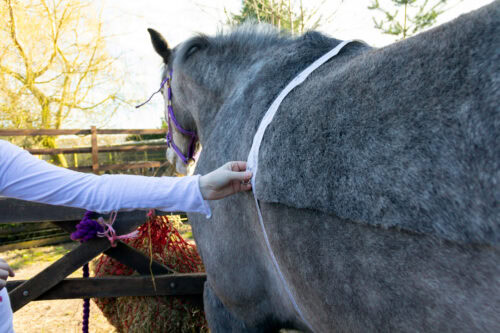
Ringworm (girth itch) is a highly contagious fungal infection caused by Trichophyton spp. and Microsporum spp. In horses, it usually presents as circular patches of hair loss accompanied by scaling and crusting of the skin. The affected areas may appear raised and inflamed, often located on the face, girth area, or limbs. [6]
Ringworm spreads through direct contact with an infected horse. In humans, ringworm manifests as red, scaly, and itchy circular lesions that can develop on any part of the body. [6]
The fungus thrives in warm, moist environments and can persist on grooming tools, tack, and stable surfaces for extended periods. Prevention includes isolating infected horses, thoroughly disinfecting shared equipment, and wearing protective gloves when handling affected animals to avoid transmission. [6]
Dermatophilosis
Dermatophilosis, also known as rain scald or rain rot, is a skin infection caused by the fungus Dermatophilus congolensis. While primarily a concern in horses, the organism is zoonotic and can occasionally infect humans, particularly those with prolonged or repeated exposure to infected animals. [18]
In horses, dermatophilosis presents as crusty scabs and matted tufts of hair, often along the back, rump, and lower limbs. These lesions are typically associated with prolonged exposure to wet or humid conditions, which compromise the skin’s natural barrier and promote infection.
The affected skin may be painful or itchy, and the condition can be exacerbated by insect bites or trauma. [19]
In humans, infection may cause localized skin irritation, pustules, or ulcerative lesions, most often on the hands or arms. [20] Transmission occurs through direct contact with an infected horse or contaminated objects such as grooming tools, tack, or bedding. [21]
Preventive measures include keeping horses dry and well-groomed, minimizing exposure to wet environments, using clean equipment, and wearing gloves when handling infected animals. Prompt treatment of affected horses and hygienic practices are essential to prevent the spread of this opportunistic infection. [19]
Parasitic Zoonotic Diseases
Parasitic infections from horses can pose significant health risks to humans, with zoonotic species primarily affecting the gastrointestinal system. Zoonotic parasites are typically transmitted through fecal contamination of water, food, or surfaces.
Two common parasitic zoonotic diseases associated with horses are cryptosporidiosis and giardiasis, both of which can cause gastrointestinal distress in humans.
Cryptosporidiosis
Cryptosporidiosis, caused by Cryptosporidium parvum, is primarily transmitted via contact with infected feces or contaminated water sources. Horses, especially foals, may develop persistent diarrhea, which contributes to environmental contamination and increases the risk of human exposure. [22]
In humans, cryptosporidiosis results in watery diarrhea, stomach cramps, and weight loss, with symptoms potentially lasting for several weeks. [6] To prevent transmission, proper disposal of manure, regular handwashing, and avoiding direct contact with horse feces are critical preventive measures. [22]
Giardiasis
Giardiasis, caused by Giardia duodenalis, spreads through ingestion of contaminated water or direct exposure to feces from infected horses. Equines infected with giardia often experience intermittent diarrhea and weight loss, while human infections manifest as diarrhea, abdominal cramps, and bloating. [6][22]
The parasite can persist in the environment for extended periods, increasing the risk of infection. Preventive strategies include ensuring clean water supplies for both horses and humans and minimizing exposure to contaminated feces by maintaining strict hygiene practices in stables and pastures. [1][22]
Preventing Zoonotic Transmission on Horse Farms
Preventing zoonotic diseases requires a multifaceted approach that combines veterinary care, biosecurity measures, and public education. Given the close relationship between horses and humans, it is essential to adopt proactive measures to minimize the risks of disease transmission.
Zoonotic disease prevention not only protects human health but also enhances equine welfare and reduces economic losses associated with outbreaks.
Vaccination
Vaccination is one of the most effective preventive tools in combating zoonotic diseases that pose a significant risk to humans and horses.
There are equine vaccines available for immunization against several zoonotic diseases, including rabies, West Nile virus (WNV), and Eastern equine encephalitis (EEE). These vaccines are crucial in reducing the risk of infection and controlling potential outbreaks. [23]
Hygiene
Robust hygiene practices play a vital role in reducing the spread of zoonotic diseases. Horse owners, stable workers, and veterinarians should adopt stringent hygiene measures, including: [24]
- Handwashing: Washing hands with soap and running water after handling horses, cleaning stalls, or coming into contact with bodily fluids such as saliva, urine, or feces
- Disinfection: Regularly cleaning and disinfecting grooming tools, feed buckets, tack, and stall areas to minimize the spread of pathogens
- Personal protective equipment (PPE): In high-risk scenarios, such as treating horses with known infections, wearing gloves, masks, and eye protection can help prevent transmission
Vector Control
Controlling insects and preventing contact with wildlife are key components of zoonotic disease prevention. Many viral and parasitic zoonoses are transmitted via mosquitoes, flies, ticks, and other vectors. Key prevention strategies include:
- Insect control: Use of fly masks, sheets, repellents, and insecticide-treated premises can help reduce insect populations and exposure
- Proper feed storage: Feed should be stored in sealed containers to prevent contamination by rodents, birds, and other wildlife that may carry disease
- Pasture management: Eliminating standing water, rotating pastures, and keeping vegetation trimmed can reduce mosquito breeding and exposure to ticks or biting flies
Biosecurity
Implementing effective biosecurity measures is crucial in preventing the introduction and spread of zoonotic diseases within equine facilities. Some key biosecurity practices include: [24][25][26]
- Isolation: Newly acquired or sick horses should be quarantined to prevent the potential spread of infectious diseases to other animals and humans
- Environmental sanitation: Maintaining clean stables, pastures, and water sources helps reduce exposure to disease-causing organisms
- Pest control: Implementing fly and mosquito control measures, such as using fly sheets, insect traps, larvicides, and removing organic waste regularly, can limit exposure
- Monitoring and reporting: Regular veterinary check-ups and prompt reporting of unusual symptoms in horses help identify and manage potential zoonotic threats early
Education
Raising awareness about zoonotic diseases among horse owners, caretakers, stable workers, and the general public is essential in fostering proactive prevention and encouraging responsible equine management.
Educational efforts should focus on:
- Disease recognition: Training horse handlers to identify symptoms of zoonotic infections in horses can lead to quicker intervention and reduced disease spread
- Handling practices: Providing up-to-date guidelines on how to safely interact with horses to minimize the risk of bites, scratches, and accidental exposure to pathogens
- Veterinary care: Maintaining routine veterinary check-ups and adherence to vaccination schedules ensures horses remain healthy and reduces the likelihood of disease transmission
By combining vaccination, hygiene, biosecurity, and education, the equine industry can create a safer environment for both humans and horses, ultimately minimizing the risks associated with zoonotic diseases.
Frequently Asked Questions
Here are some frequently asked questions about zoonotic diseases and horses:
Yes, humans can contract zoonotic diseases from horses even if they appear healthy. Horses can carry infectious agents such as Salmonella, Cryptosporidium, and MRSA without showing any visible symptoms. These pathogens can shed in the horse's feces, saliva, skin and hair, posing a risk to people who come into close contact with them.
Horses can transmit several zoonotic diseases, notably rabies, anthrax, methicillin-resistant Staphylococcus aureus (MRSA), ringworm, salmonellosis, leptospirosis, and Hendra virus.
The most effective ways to prevent zoonotic disease transmission include maintaining good hygiene practices, ensuring horses receive appropriate vaccinations, and implementing biosecurity measures in barns and stables. Washing hands thoroughly after handling horses, wearing protective clothing such as gloves when cleaning stalls or treating wounds, and regularly disinfecting grooming tools and tack are essential steps. Additionally, keeping horses up to date with vaccinations, such as those for rabies and West Nile virus, further protects both human and equine health.
Yes, certain individuals are at a higher risk of contracting zoonotic diseases, including young children, elderly individuals, pregnant women, and those with weakened immune systems. These groups may be more susceptible to infections and may experience more severe symptoms if exposed to zoonotic pathogens. It is particularly important for at-risk individuals to take extra precautions, such as wearing protective gear and avoiding direct contact with potentially contaminated materials, to minimize their exposure.
Summary
Zoonoses refer to diseases that are contagious between animals and humans. While zoonotic disease transmission from horses to humans is relatively rare, the potential health impact is important for owners and caretakers to consider.
- Rabies, Anthrax, and Hendra virus are all life-threatening zoonotic conditions found in horses
- Eastern Encephalitis and West Nile virus are not directly zoonotic between horses and humans, but both species are at equal risk of infection
- Vaccination, hygiene, biosecurity, and public awareness remain the cornerstone of effective zoonotic disease management
References
- Colville J., Handbook of Zoonoses E-Book: Handbook of Zoonoses E-Book. 1st ed. Mosby, Chantilly. 2007.
- Orsini. J. A. and Divers. T. J., Eds., Equine Emergencies: Treatment and Procedures. Fourth edition. Elsevier/Saunders, St. Louis, MO. 2014.
- Salyer. S. J. et al., Prioritizing Zoonoses for Global Health Capacity Building—Themes from One Health Zoonotic Disease Workshops in 7 Countries, 2014 to 2016. Emerging Infectious Diseases. 2017.
- Sack. A. et al., Zoonotic Diseases from Horses: A Systematic Review. Vector-Borne and Zoonotic Diseases. 2020. View Summary
- Hugh-Jones. M., Anthrax in Horses - Horse Owners. Merck Veterinary Manual. 2019.
- Young. A., Diseases with Horse to Human Transmission. UC Davis School of Veterinary Medicine. 2020.
- Sellon. D. C. and Long. M. T., Eds., Equine Infectious Diseases. Second edition. Saunders/Elsevier, St. Louis, Missouri. 2013.
- Stewart. A. J., Salmonellosis in Horses. Merck Veterinary Manual. 2020.
- Rupprecht. C. E., Rabies in Horses. Merck Veterinary Manual. 2024.
- About Rabies. CDC. 2024.
- Karesh. W., ZOONOSES: What Horse Owners Need to Know. UC Davis School of Veterinary Medicine. 2014.
- Hendra Virus Disease. CDC. 2024.
- Kung. N. Y.-H., Hendra Virus Infection in Horses. Merck Veterinary Manual. 2025.
- Eastern Equine Encephalitis Virus Surveillance and Control Guidelines. CDC.
- Young. A., Eastern Equine Encephalitis (EEE) . UC Davis School of Veterinary Medicine. 2020.
- Machtinger. E. T. et al., Pests and Parasites of Horses. Wageningen Academic Publishers. 2022.
- Young. A., West Nile Virus. UC Davis School of Veterinary Medicine. 2020.
- Moriello, K. A., Dermatophilosis in Animals. Merck Veterinary Manual. 2025.
- Moriello, K. A., Dermatophilosis ("Rain Rot") in Horses. Merck Veterinary Manual. 2024.
- Fast Facts: Dermatophilosis. The Center for Food Security & Public Health, Iowa State University. 2006.
- Dermatophilosis. The NYS Wildlife Health Program, Cornell University College of Veterinary Medicine.
- Cryptosporidiosis. WestVeETS. 2024.
- Zoonotic Diseases of Equids. The Center for Food Security & Public Health. Iowa State University. 2021.
- Core Vaccination Guidelines. AAEP.
- General Biosecurity Guidelines. AAEP.
- Weese. J. S., Infection Control and Biosecurity in Equine Disease Control. Equine Veterinary Journal. 2014. View Summary