English


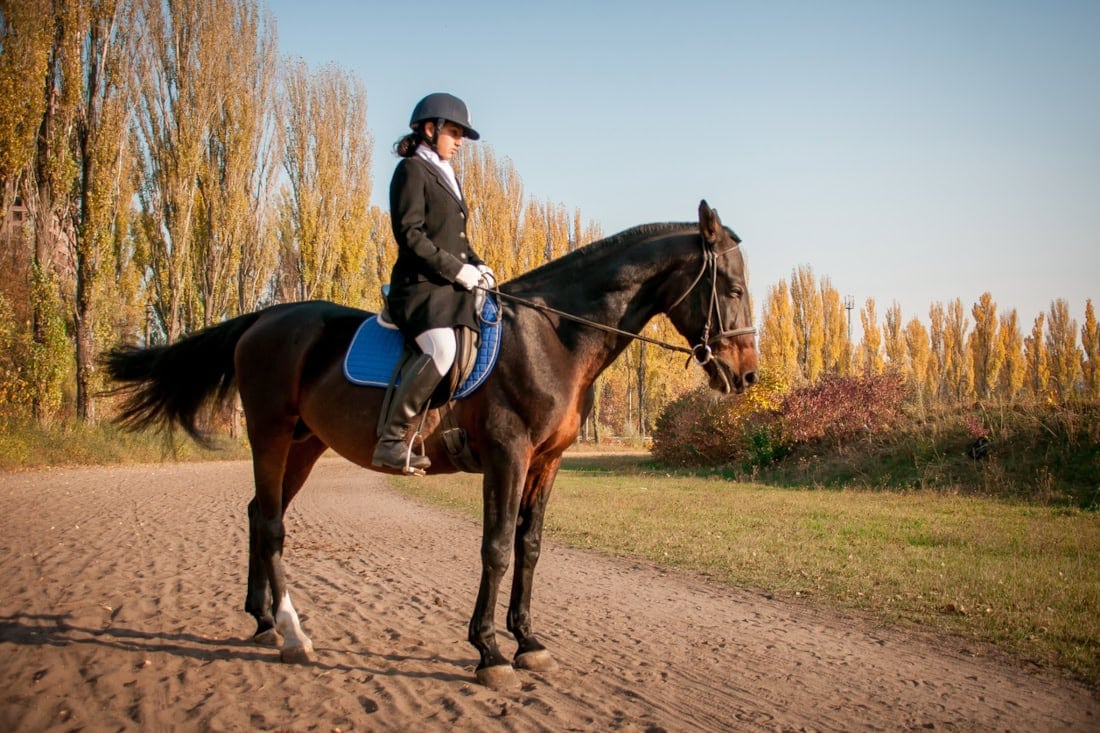
Riders and trainers often encounter challenges that affect the athletic performance of their horses, commonly described as “ring sour” behavior. While exercise intolerance and ring sour behavior can be frustrating, it often goes beyond a training issue and may have an underlying medical cause.
Exercise intolerance in horses can stem from various causes, including stress, respiratory issues, muscle disorders like exertional rhabdomyolysis (tying-up), metabolic dysfunctions, and joint pain or stiffness, all of which impair a horse’s ability to exercise effectively.
This symptom may manifest as fatigue, poor performance, decreased stamina, reluctance to move, excessive sweating, labored breathing, and difficulty recovering after exercise.
Recognizing the difference between medical issues that require veterinary care and behavioral resistance to training is essential for safe and effective horsemanship. Continue reading to learn about common causes of exercise intolerance, helping you assess concerns with your horse’s performance.
Exercise Intolerance in Horses
Exercise intolerance is defined as a horse’s inability to perform physical activity at an expected level of fitness or performance. In addition to performance issues, this symptom can lead to behavioral issues owners may describe as ring sour. In other words, a horse that is ring sour may have exercise intolerance as an underlying cause, but not all ring sour horses have exercise intolerance.
Exercise intolerance in horses refers to a horse’s inability or unwillingness to perform at a level that was previously within its capabilities, often due to an underlying medical condition.
In contrast, poor performance is a broader term that includes any decline in a horse’s athletic ability (e.g. strength, speed and stamina) or willingness to work. Poor performance can be caused by a variety of different factors, including medical issues, behavioral concerns (e.g. ring sour), training challenges, or psychological stress. [1]
Signs of exercise intolerance in horses can include: [1][2]
- Decreased stamina
- Difficulty completing routine exercises
- Decreased overall energy levels
- Difficulty breathing when exercising
- Lethargy/fatigue
- Excessive or absent sweating
- Hoof pain
- Stiff gait
- Tying up
- Signs of anxiety, including stereotypies and spookiness
These behaviors are often the first indicators of an underlying issue with the horse’s health or training regimen.
Causes
Exercise intolerance in horses can result from various factors, including infectious diseases, environmental conditions, or training issues.
Medical conditions affecting the respiratory, cardiovascular, musculoskeletal, or metabolic systems are common causes of poor performance and exercise intolerance.
Respiratory Issues
Respiratory conditions commonly contribute to exercise intolerance in horses by restricting effective breathing, which directly limits performance.
The lungs are responsible for gas exchange, where deoxygenated blood receives fresh oxygen during inhalation, and carbon dioxide, a waste product, is expelled during exhalation. As the horse exercises, the demand for oxygen in muscle tissue increases, requiring faster and more efficient breathing. [3]
Any condition that impairs lung function reduces the horse’s ability to meet these demands, leading to exercise intolerance. Respiratory conditions commonly associated with diminished performance in horses include: [1][2][4][5][6]
- Recurrent airway obstruction (RAO; heaves)
- Laryngeal hemiplegia (roaring)
- Arytenoid chondritis
These conditions make it harder for horses to perform at their usual level due to restricted airflow and reduced oxygen supply to muscles.
Recurrent Airway Obstruction
Commonly known as heaves, RAO is an allergic condition that affects around 12% of all adult horses. Horses exposed to allergens can develop inflammation of the airways, leading to difficulty breathing, chronic coughing, and nasal discharge. [2][4]
Common signs of heaves include rapid and labored breathing, coughing, and flared nostrils. Treatment of RAO in horses primarily focuses on reducing exposure to allergens (e.g., dust). [2][4]
Laryngeal Hemiplegia
Also referred to as roaring, this condition is characterized by the gradual degeneration of the laryngeal nerve, leading to paralysis of the muscles that control the opening of the horse’s airway. As a result, the airway narrows during breathing, producing a distinctive “roaring” sound, especially during exercise, and limiting the horse’s ability to breathe effectively. [5]
Roaring in horses is diagnosed via endoscopy. Treatment depends on different factors, including age and use of the horse, and the extent of the damage. The most common form of treatment is surgical prosthetic laryngoplasty. [5]
Arytenoid Chondritis
Arytenoid chondritis is an inflammatory condition that affects the arytenoid cartilages in a horse’s larynx. The condition is thought to be caused by perforation or ulceration of the arytenoid cartilage, allowing bacteria to enter the wounds and cause infection. [6]
If left untreated, the infection can lead to the development of granulomatous tissue (proud flesh), which can obstruct the airway and reduce airflow, causing exercise intolerance. [6]
Prompt treatment with antibiotics generally leads to a good prognosis in affected horses. However, in cases where excessive granulation tissue develops, surgery may be required to restore proper airway function. [6]
Cardiovascular Conditions
The horse’s cardiovascular system is essential for delivering oxygen-rich blood to working muscles during exercise. Problems with heart function can lead to exercise intolerance, such as: [7]
- Arrhythmias: Irregular heartbeats can disrupt the heart’s ability to pump blood efficiently, leading to fatigue and poor performance.
- Heart murmurs: Abnormal heart sounds that may indicate inefficiency in blood flow, reducing the amount of oxygen delivered to muscles.
- Congenital deformities: Structural heart defects present at birth that can affect blood flow and limit exercise capacity.
- Cardiac muscle dysfunction (myopathies): Diseases that weaken the heart muscle, impairing its ability to pump blood efficiently.
- Pericardial disease: Inflammation or other issues with the outermost tissue of the heart, which can restrict heart function and lead to exercise intolerance.
- Heart valve disease: Damage to the heart valves, including valvular regurgitation (backflow in the heart), can impede blood flow, making it harder for the horse to sustain exercise and causing early fatigue.
Any of these cardiovascular conditions can interfere with the heart’s ability to pump blood effectively throughout the horse’s body, disrupting proper circulation. As a result, the horse may experience reduced endurance, quicker onset of fatigue, and an overall decline in performance.
Musculoskeletal Disorders
The musculoskeletal system, comprising muscles, bones, joints, ligaments, and tendons, is crucial for movement and physical activity. [8] Any injury or underlying medical condition that affects these structures can lead to ring sour or exercise intolerance in horses.
Common musculoskeletal disorders in horses include: [8][9][10]
- Osteoarthritis (OA): A degenerative joint disease characterized by joint inflammation. Arthritis can be caused by infections, degenerative wear and tear, trauma, or bone disorders, leading to pain and discomfort.
- Injuries: Including fractures; ligament and tendon tears or strains; and sole bruises.
- Myopathies: Conditions where the skeletal muscles do not function properly, such as exertional rhabdomyolysis.
- Back pain: Generalized back or sacroiliac pain that can impede overall locomotion.
- Conformation faults: Severe conformation faults can result in injuries or difficulties performing certain tasks.
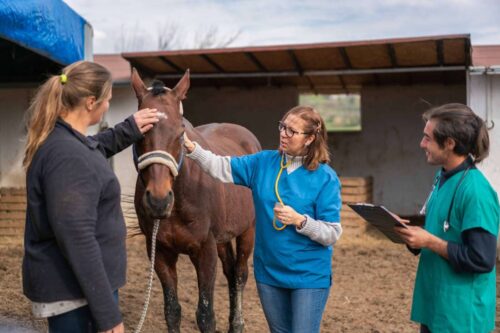
Veterinarians diagnose musculoskeletal issues in horses with a physical examination that usually includes a lameness exam. In many cases, diagnostic imaging is required to confirm a diagnosis.
Treatments vary based on the underlying cause but may include stall rest, pain management, and controlled return to exercise. [8]
Metabolic Disorders
Metabolic and endocrine disorders disrupt the systems that regulate a horse’s hormones and metabolism. These conditions can have widespread systemic effects, impacting the horse’s energy levels and ability to perform.
Pituitary Pars Intermedia Dysfunction (PPID)
Formerly known as Cushing’s syndrome, PPID is a chronic endocrine disorder caused by excessive production of pituitary hormones. Common symptoms include excessive hair growth, poor performance, increased risk of laminitis, slower wound healing, muscle atrophy, and weight loss. [11]
Once diagnosed, treatment typically includes regular veterinary care, medication and dietary adjustments. Horses diagnosed with PPID require life-long management. [11]
Equine Metabolic Syndrome
Equine metabolic syndrome is a complex endocrine disorder characterized by insulin resistance and a higher risk of laminitis.
Horses with equine metabolic syndrome require carefully formulated diets and exercise plans to manage their body weight. Some cases also benefit from administration of the thyroid hormone thyroxine. [12]
Gastric Ulcers
Equine Gastric Ulcer Syndrome (EGUS) refers to the development of painful ulcers in the stomach lining of horses, caused by splashing of corrosive stomach acid into the unprotected upper region of the stomach. [13]
It is a common condition, particularly in performance horses, due to stress, inconsistent feeding schedules, high-grain diets, or prolonged periods without forage. [13][14][15]
Signs of EGUS are often vague and can include: [14][15]
- Poor appetite
- Weight loss
- Behavior changes
- Exercise intolerance
- Girthiness
Treatment typically involves dietary changes to increase forage intake, reduce stress, and, in some cases, medication to reduce stomach acid production. [15]
Stress
Stress is a major factor contributing to exercise intolerance and reduced performance in horses. When horses experience stress due to environmental changes, inadequate living conditions, or lack of socialization, it triggers physiological responses that can negatively impact energy metabolism and athletic function.
Horses thrive in predictable environments and are susceptible to stress from a variety of sources, including: [16][17][18]
- Changing stables
- Trailer travel
- High-starch, grain-based diets
- Lack of turnout
- Overcrowding
- Isolation
- Herd dynamics
Short-term stress and anxiety can lead to transient performance issues, such as refusals or spookiness. Chronic stress can result in more serious health conditions that impact performance and cause exercise intolerance. [19]
Horse owners and caretakers can mitigate stress from unavoidable situations, like trailering, by following species-appropriate management practices. Examples include:
- Providing a Forage-Based Diet: Ensuring the horse has access to a diet rich in hay or pasture, which mimics their natural grazing behavior.
- Maintaining Regular Exercise: Keeping a consistent exercise routine with adequate turnout to help the horse adapt to various conditions and reduce anxiety.
- Offering Social Interaction: Allowing horses to interact with other horses to satisfy their social needs as herd animals.
- Creating a Comfortable Environment: Ensuring the horse’s living conditions are clean, safe, and well-ventilated to minimize stress.
- Gradual Acclimation: Introducing the horse to new experiences, such as trailering, gradually and in a controlled manner to reduce fear and anxiety.
What's your top priority with your horse's health?

Enter your email to receive your store credit
Training
Poorly structured training programs can negatively affect a horse’s performance. When training does not match the horse’s physical and mental capacities, it may result in reduced performance, behavioral challenges, or an increased risk of injury.
Training practices associated with poor performance include:
- Inadequate warm-up and cool-down
- Overtraining
- Inadequate recovery time
- Negative reinforcement
- Lack of variety
Warm-up & Cool Down
It’s important to incorporate a warm-up and cool down period into your horse’s exercise program.
The warm-up phase raises your horse’s heart rate and prepares the joints for more intense activity by gently moving them through their natural range of motion. The cool-down period helps gradually reduce the heart and breathing rate, ensuring the muscles receive adequate blood flow during recovery from strenuous exercise.
Skipping these steps increases the risk of injury and can lead to stiff, sore muscles, impacting performance in the next training session or competition.
Overtraining
Overtraining can cause exercise intolerance by pushing a horse beyond its physical and mental limits. This may result in muscle fatigue, depleted energy reserves, stress, and impaired immune function, leading to increased susceptibility to injury or illness.
Horses may also develop reluctance to exercise and become ring sour. Understanding each horse’s fitness capacity and natural temperament is a cornerstone of effective training.
Neglecting signs of fatigue, pain, or discomfort can worsen injuries and further frustrate the horse.
Exercise Recovery
Exercise recovery is crucial for maintaining a horse’s long-term performance and overall health. After intense activity, adequate rest allows muscles to repair, energy stores to replenish, and the body to heal from the physical strain of training.
Without adequate recovery time, horses may be stiff, sore, and fatigued, potentially resulting in injuries, which can hinder performance and lead to chronic issues. Proper recovery also supports mental well-being, reducing your horse’s stress and improving their willingness to exercise and perform at their best.
Negative Reinforcement
As prey animals, horses have a well-developed flight instinct. Excessive use of negative reinforcement in training can cause a horse to associate the activity with fear and stress, reducing their motivation and willingness to engage in the task. Over time, this can lead to avoidance behaviors and hinder overall performance.
Lack of Variety
Training programs that lack variety can lead to boredom and may decrease willingness to work. Mental stimulation is important to keep horses engaged and motivated.
Furthermore, focusing too heavily on a single skill can lead to repetitive strain injuries and overcompensation in other muscle groups, both of which can contribute to decreased performance.
Overtraining Syndrome
Overtraining syndrome in horses is a medical condition characterized by chronic fatigue and poor performance due to prolonged high-intensity training. [20]
Overtraining syndrome is characterized by signs that persist for more than two weeks even after reducing activity levels. These signs include: [20]
- Weight loss
- Sustained decrease in performance after adjustments to training
- Behavioral changes
In addition, horses suffering from overtraining syndrome may show the following changes on bloodwork: [20]
- Increase in plasma concentration of muscle enzymes
- Decrease in plasma cortisol response following exercise
- Sustained decrease in athletic performance
While not fully understood, overtraining syndrome is thought to be associated with a dysfunction of the hypothalamic-pituitary-adrenal axis (HPTA axis). [20]
Treatment of overtraining syndrome in horses centers around extended rest periods and modifying the horse’s training schedule. Rest allows the horse’s body to recover from physical and mental strain, while adjustments to the training routine help prevent further overload and ensure a gradual return to peak performance. [20]
Exhausted Horse Syndrome
Exhausted horse syndrome (EHS) is a life-threatening condition characterized by: [20]
- Severe dehydration
- Electrolyte imbalances
- Multi-organ failure
EHS occurs when the horse’s body cannot adequately compensate for the significant fluid and electrolyte losses incurred during prolonged, intense exercise. [20]
Profuse sweating during exercise leads to depletion of electrolyte minerals and severe dehydration. This can significantly compromise organ function, resulting in the following symptoms: [20]
- Abdominal pain (colic)
- Inability to stand
- Ataxia (incoordination)
- Excessive or absent perspiration
- Elevated temperature
- Muscle stiffness and pain
Treatment of exhausted horse syndrome focuses on cooling the horse and restoring fluid levels. Affected horses should be moved to a shaded area and cooled using sponge baths, hosing, or misting fans. [20]
Electrolyte supplements and fluid therapy are administered to restore hydration and electrolyte balance. In severe cases, affected horses may require cool water enemas or gastric lavage to further reduce body temperature. [20]

Diagnosis
Since exercise intolerance in horses can have various causes, the specifics of a veterinary investigation will vary based on the individual case. Typically, veterinarians will work to identify the cause by narrowing it down to one of the following broad categories: [1]
- Respiratory
- Cardiovascular
- Musculoskeletal
- Gastrointestinal
Once your veterinarian has identified the likely body system involved in the issue, they will proceed with making a diagnosis. [1] Potential diagnostic tools include:
- Diagnostic imaging
- Lameness exams
- Flexion tests
- Bloodwork
Management
Once the underlying cause has been identified, treatment is directed at addressing the specific condition causing the performance issue.
Management of exercise intolerance in horses may include:
- Medication
- Surgery
- Environmental changes
- Dietary changes
- Adjustments to the horse’s exercise routine
- Stall rest
Prevention
While some causes of poor performance are unavoidable, and all sports carry a risk of injury, it’s natural for a horse’s performance to decline over time as they age and endure the demands of an athletic career.
However, riders, trainers, and caretakers can take proactive steps to maintain a horse’s athletic performance for as long as possible. Following health guidelines, staying current with routine veterinary care and farrier services, and implementing well-planned, individualized training programs are essential for maximizing equine performance.
Key strategies to maintain your horse’s athletic performance include:
- Routine Veterinary Care: Veterinary examinations are necessary for early detection and prevention of health issues. Regular assessments allow for timely intervention, ensuring that any health problems are addressed in their early stages. Staying up to date with vaccination and deworming schedules decreases the risk and impact of infectious disease.
- Hygiene and Management: Providing a clean, safe, and stress-free environment is essential for maintaining a horse’s physical and mental well-being. Proper stable management, including regular cleaning, adequate ventilation, and safe living conditions, helps prevent injuries, respiratory issues, and other health problems that could impair performance.
- Effective Training: A well-structured training regimen is essential for optimizing a horse’s performance while minimizing the risk of injury and overexertion. Training should be tailored to the individual horse’s fitness and conditioning level, ensuring a gradual increase in intensity to build strength and stamina without overloading the horse. This includes proper warm-up and cool-down routines, as well as incorporating variety into the training to prevent boredom and physical strain.
- Work with Qualified Professionals: One of the best investments you can make in your horse’s development is working with trainers who are knowledgeable and qualified. Make sure your trainer knows what your goals are and is prepared to provide a long-term plan for you and your horse.
Finally, nutrition plays a critical role in a horse’s overall health and performance. Horses that are engaged in regular physical activity require diets specifically formulated to meet their increased energy and protein needs. A well-balanced diet supports muscle development, endurance, and recovery.
If you’re unsure whether your horse’s diet is meeting their needs, consult with a qualified equine nutritionist to create a personalized feeding plan to ensure your horse is primed for peak performance.
Frequently Asked Questions
Here are some frequently asked questions about exercise intolerance in horses:
Exercise intolerance refers to a horse’s inability to perform physical activity at an expected level of performance. It is often caused by underlying medical conditions that impair stamina, breathing, or overall energy levels. [1][7][19]
Common signs include fatigue, decreased stamina, labored breathing, reluctance to move, excessive or absent sweating, and behavioral changes like anxiety or resistance to training. These symptoms may indicate an underlying health issue. [1][2]
Exercise intolerance can stem from respiratory conditions (e.g., heaves), cardiovascular issues (e.g., arrhythmias), musculoskeletal problems (e.g., arthritis or tying-up), metabolic disorders (e.g., equine metabolic syndrome), or stress and overtraining. [2][7][8][12][19]
A well-structured training regimen with proper warm-ups, cool-downs, variety, and recovery time prevents overtraining and physical strain. Overloading a horse can lead to chronic fatigue, injuries, and decreased willingness to work. [20] Always consult a veterinarian if your horse shows sudden changes in behavior or ability to work at their usual level of performance.
Summary
Exercise intolerance and poor performance are complex issues that can arise from a variety of factors in horses, including health problems, injuries, stress, and training issues.
- Exercise intolerance refers to a horse's inability to perform at a previously achievable level, often due to underlying medical conditions.
- Signs of exercise intolerance include decreased stamina, excessive or absent sweating, labored breathing, fatigue, and behavioral changes.
- Common causes of exercise intolerance include respiratory issues such as recurrent airway obstruction (heaves), cardiovascular conditions, musculoskeletal disorders, metabolic dysfunctions, and overtraining.
- Stress from environmental changes, poor management practices, or inadequate social interaction can contribute to poor performance.
- Proper training, including adequate warm-up, cool-down, variety, and recovery, is essential to prevent overtraining and maintain long-term performance.
References
- Ellis, K. L., et al. Poor Performance in the Horse: Diagnosing the Non-Orthopaedic Causes. Equine Veterinary Education. 2023.
- Beard, W. Upper Respiratory Causes of Exercise Intolerance. Veterinary Clinics of North America: Equine Practice. 1996.
- Rush, R. R. Introduction to Lung and Airway Disorders of Horses. Merck Veterinary Manual. 2019.
- Lascola, K. M. Asthma in Horses. Merck Veterinary Manual 2023.
- Boone, L. Laryngeal Hemiplegia in Horses - Respiratory System. MSD Veterinary Manual. 2023.
- Dart, A. Arytenoid Chondritis in Horses. Merck Veterinary Manual. 2020.
- Mitten, L. A. Cardiovascular Causes of Exercise Intolerance. Veterinary Clinics of North America: Equine Practice. 1996. View Summary
- Brokken, M. T., et al. Joint Disorders in Horses. Merck Veterinary Manual.
- Valberg, S. J. Exertional Myopathies in Horses. Merck Veterinary Manual. 2022.
- Musculoskeletal: physical examination – adult - Equis. Vetlexicon.
- Kritchevsky, J. E. Equine Metabolic Syndrome. Merck Veterinary Manual. 2023.
- McFarlane, D. Equine Pituitary Pars Intermedia Dysfunction. Veterinary Clinics of North America: Equine Practice. 2011. View Summary
- Sykes, B. W. et al. European College of Equine Internal Medicine Consensus Statement--Equine Gastric Ulcer Syndrome in Adult Horses. Journal of veterinary internal medicine. 2015. View Summary
- Andrews, F.M. et al. Gastric ulcers in horses. Journal of Animal Science. 2005.
- Nadeau, J.A. et al. Evaluation of diet as a cause of gastric ulcers in horses. American journal of veterinary research. 2000. View Summary
- Henderson, A.J. Don't fence me in: managing psychological well being for elite performance horses. Journal of applied animal welfare science. 2007.View Summary
- Mills, D.S. and Clarke, A. The welfare of horses. Springer, Dordrecht. 2007.
- Furtado, T. Optimised environments for horse health and wellbeing: the use of alternative grazing. UK-Vet Equine. 2021.
- Malinowski, K. Stress Management for Equine Athletes. Rutgers Equine Science Center. 2004.
- Munsterman, A. S. Overtraining Syndrome in Horses. Merck Veterinary Manual. 2024.