English











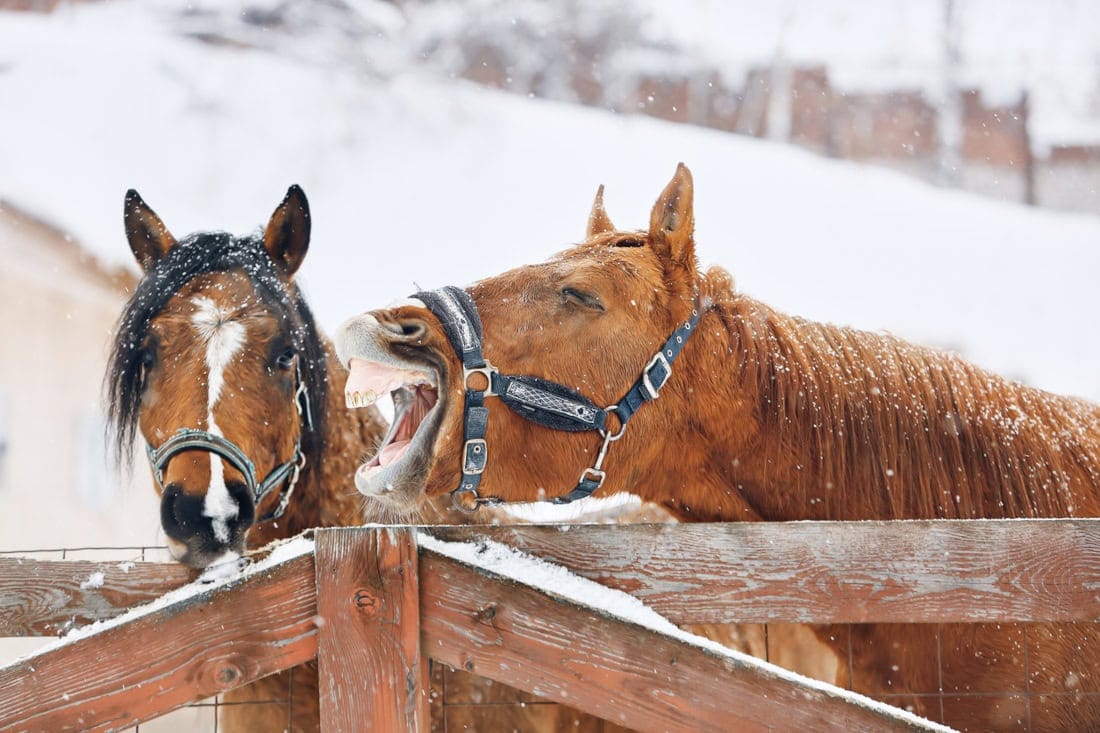
Horses are remarkably resilient to cold weather, but exposure to extreme low temperatures, particularly when combined with wind and moisture, can lead to serious health concerns like hypothermia and frostbite. While their natural adaptations help them withstand winter conditions, prolonged exposure to temperatures below their thermoneutral zone can pose significant risks.
Frostbite generally affects the extremities — ears, muzzle, tail — while hypothermia is a systemic condition caused by a dangerous drop in core body temperature. These conditions are more likely to develop in horses housed outside lacking access to shelter, with wet or matted coats, or insufficient nutrition and body fat to maintain warmth.
If untreated, both hypothermia and frostbite can cause severe tissue damage, compromise immune function, and even result in fatalities. However, proactive management strategies can keep horses safe even in extreme cold weather.
By understanding how horses respond to cold stress, owners can take steps to protect their health. Key winter care measures include providing adequate forage to support internal heat production, ensuring access to dry shelter, and using blankets judiciously when conditions require.
Thermoregulation in Horses
Thermoregulation is the process by which horses maintain a stable core body temperature despite changing environmental conditions. This ability allows them to adapt to various climates and temperature extremes.
The thermoneutral zone (TNZ) is the range of temperatures where horses can maintain their body temperature without using extra energy to stay warm or cool. Within this range, their natural insulation, such as their coat, or minor metabolic adjustments are sufficient to keep them comfortable. [1]
For most horses, the TNZ is between 41°F and 77°F (5°C to 25°C). However, this range varies depending on factors like breed, body condition, coat thickness, and how well the horse is acclimated to the environment. Horses acclimated to winter temperatures have an estimated lower thermoneutral zone of around -15ºC (5ºF). [21]
Horses from colder climates, such as Icelandic or draft breeds, typically have a lower TNZ because of their thicker coats and robust body types. In contrast, leaner breeds, like Thoroughbreds, are less tolerant of cold and may require more energy to maintain their body temperature. [2][3]
When temperatures drop below the TNZ, horses conserve heat through mechanisms like shivering, which generates warmth through muscle activity, and by digesting high-fiber feeds like hay, which produces heat. They may also seek shelter, group together with other horses, or reduce activity to conserve energy and stay warm.
Heat Loss
Horses lose body heat through four primary mechanisms. These processes are directly tied to their ability to remain within their thermoneutral zone (TNZ). When heat loss exceeds the body’s ability to conserve or generate heat, the horse’s core temperature drops below normal, leading to hypothermia. [1][3][4][5]
Mechanisms of heat loss in horses include:
- Convection: Heat is lost to surrounding air or water, especially during cold winds or wet weather. Wind chill accelerates heat loss by removing the warm air trapped in the horse’s coat, making it harder for the horse to maintain its body temperature.
- Radiation: Heat radiates from the horse’s body into the cooler environment. Horses without shelter are especially vulnerable to heat loss through radiation, which contributes to the onset of hypothermia in extreme cold.
- Conduction: Heat transfers from the horse to colder surfaces, such as wet ground or icy metal. For example, a horse lying on cold, wet ground may experience rapid core temperature drops, increasing susceptibility to frostbite in exposed areas like the legs and muzzle. Learn more.
- Evaporation: Moisture from sweat or wet fur absorbs heat as it evaporates, increasing heat loss. In cold, wet weather, evaporation exacerbates cooling, particularly on exposed areas like the ears, muzzle, and tail, raising the risk of frostbite.
Horses also lose heat through evaporation from their respiratory tract. Every exhalation releases warm, moisture-saturated air, contributing to heat loss. In cold conditions, horses naturally reduce their breathing rate and take deeper breaths to conserve heat while maintaining gas exchange. [1][3]
The combined effects of these heat loss mechanisms can overwhelm a horse’s ability to stay warm, especially in wet, windy, or freezing conditions. Without intervention, prolonged exposure can lead to a dangerous drop in core body temperature (hypothermia) or localized tissue freezing (frostbite).
Understanding these mechanisms is key to preventing these cold-weather conditions and ensuring proper care during extreme winter conditions.
Hypothermia
Hypothermia occurs when a horse’s core body temperature drops below the normal range (approximately 99°F to 101°F or 37°C to 38.3°C). This typically happens due to prolonged exposure to cold, wet, or windy conditions that exceed the horse’s natural thermoregulation capacity.
When a horse cannot generate enough heat to maintain its core temperature, its body slows down vital processes in an attempt to conserve energy. [6][7]
There are two main types of hypothermia in horses:
- Accidental hypothermia: This occurs when external environmental conditions, such as extreme cold, wet weather, or inadequate shelter, overwhelm the horse’s ability to regulate its body temperature. In these cases, the hypothermia is caused by external factors rather than any underlying health issue.
- Pathological hypothermia: This results from internal medical conditions that disrupt the horse’s thermoregulatory system. Common causes include sepsis, endocrine disorders, or shock. These conditions impair the horse’s ability to produce or retain heat, making them more vulnerable to cold stress. [8]
What's your top priority with your horse's health?

Enter your email to receive your store credit
Risk Factors for Hypothermia in Horses
Foals are particularly vulnerable to hypothermia due to their limited ability to regulate body temperature in the early stages of life. They also have a high surface area to body mass ratio, increasing heat radiation from their skin surface. Common causes include:
- Insufficient colostrum intake: Delayed or inadequate colostrum intake can reduce the foal’s energy stores and impair heat production, leaving them more susceptible to cold stress.
- Cold environments: Prolonged exposure to low temperatures, especially when combined with wet conditions or wet bedding, significantly increases the risk of hypothermia in foals.
Adult horses are also at risk of hypothermia under specific conditions. Factors that increase susceptibility include:
- Extreme cold: Prolonged exposure to freezing temperatures, especially without adequate shelter, can overwhelm the horse’s thermoregulation system.
- Wet conditions: Rain, snow, or immersion in cold water increases heat loss through evaporation and conduction, making it harder for the horse to maintain its core body temperature.
- Poor body condition: Horses that are thin, have inadequate fat reserves, or are in poor nutritional health are less insulated against the cold.
- Older age: Senior horses may have alterations in the way that they regulate their body temperature, making them more prone to hypothermia.
- Clipped coats: Horses with clipped coats lack the natural insulation provided by a full winter coat and may require additional protection in cold weather.
- Horses relocated from warm climates: Horses that are accustomed to warm climates and are relocated to colder regions without adequate acclimation are at greater risk of hypothermia. These horses often lack a thick winter coat and may not have developed the adaptations necessary to handle colder temperatures.
Recognizing these risk factors is essential for preventing hypothermia in both foals and adult horses. Proactive measures, such as ensuring proper nutrition, providing dry bedding and shelter, and monitoring environmental conditions, can help protect horses from cold-related stress. [7][8][9]
Frostbite
Frostbite is a localized freezing of tissues that occurs when horses are exposed to prolonged cold, often combined with wet or windy conditions. It most commonly affects the ears, tail, nose, and legs, as these exposed areas lack the insulating layers of body fat or muscle that help retain heat. [10][11][12]
When tissues cool below freezing (32°F or 0°C), ice crystals can form inside cells, causing severe damage and cell death. In advanced cases, frostbite can lead to permanent tissue damage, potentially resulting in the affected tissue dying and sloughing off or requiring surgical removal.
Healthy adult horses are generally well-adapted to cold weather, and frostbite remains uncommon in this group. However, foals are more susceptible due to their smaller size, lower fat reserves, and immature temperature regulation systems. These factors make foals more likely to develop frostbite in their extremities, particularly during harsh winter conditions. [7][13][14]
Signs & Symptoms
When horses are exposed to cold and wet conditions for extended periods, both hypothermia and frostbite can develop. These conditions may occur simultaneously or independently, and recognizing their clinical signs is crucial for prompt intervention.
Clinical Signs of Hypothermia
As the horse’s body attempts to conserve heat in response to cold stress, it may exhibit a range of clinical signs that vary in severity based on the duration and intensity of the cold exposure. [7][8]
Signs of hypothermia in horses can include: [7]
- Weakness: Difficulty standing or persistent recumbency as the horse struggles to maintain body temperature
- Shivering: Involuntary muscle activity designed to generate heat
- Cold Extremities: Ears, legs, muzzle, and other exposed areas are cool to the touch
- Tachycardia (rapid heart rate): An increased heart rate as the body circulates blood more rapidly to preserve core temperature
- Tachypnea (rapid breathing): Faster, shallower breathing as the body attempts to meet oxygen demands under thermal stress
- Unresponsiveness: Decreased responsiveness to touch or external stimuli, suggesting neurological involvement
- Reduced Gastrointestinal Sounds: A noticeable decline in intestinal activity, reflecting the body’s attempt to conserve energy
Clinical Signs of Frostbite
Signs of frostbite in horses typically appear on the ears, tail, muzzle, penis, and legs — areas with less protective fur or fat. The severity and duration of cold exposure can influence the specific clinical signs, which may include: [11][15][16]
- Skin Discoloration: Early stages may present as pale or white skin, progressing to blue or purple as circulation diminishes and tissue damage occurs.
- Cold Extremities: Affected areas feel noticeably cold to the touch, reflecting impaired blood flow and heat retention.
- Swelling: Constricted blood vessels and reduced circulation can lead to swelling in the affected regions.
- Blisters or Vesicles: In more severe cases, fluid-filled blisters or open sores can form as frozen tissues begin to break down.
- Loss of Sensitivity: Numbness or reduced response to touch indicates possible nerve involvement, while re-warming can trigger pain and discomfort.
- Necrosis: Prolonged or severe frostbite may result in blackened, dead tissue, potentially requiring surgical removal.
- Pain: As tissues thaw and circulation resumes, the horse may exhibit signs of pain or resistance to handling the affected area.
Frostbite can cause long-term tissue damage and may require veterinary treatment to manage the condition and prevent further complications.
Diagnosis
If your horse shows signs of cold stress, it’s critical to contact a veterinarian promptly for an accurate diagnosis and treatment plan. While waiting for professional guidance, consider taking the following first steps:
- Move the Horse to Shelter: Provide a dry, draft-free area where the horse can begin to warm up.
- Remove Wet Blankets or Bedding: Replace them with dry, insulating materials to reduce further heat loss.
- Offer Forage: Providing hay can help maintain internal heat production through digestion.
- Monitor Vital Signs: Keep track of rectal temperature, heart rate, and respiratory rate to identify any changes as the horse warms.
Diagnosing Hypothermia
A core body temperature reading below 99°F (37.2°C) is a primary indicator of hypothermia in horses. However, because hypothermia often occurs as a secondary effect of another condition, it is essential to investigate potential underlying health issues to ensure proper treatment.
Beyond taking the horse’s temperature, veterinarians may recommend additional diagnostic tests: [7][8]
- Complete Blood Count (CBC): Identifies signs of infection, anemia, or other hematological abnormalities that could contribute to hypothermia.
- Serum Biochemical Profile: Evaluates organ function and checks for electrolyte imbalances that may arise during hypothermic states.
- Fibrinogen Levels: Elevated levels can indicate inflammation or infection, both of which may exacerbate or stem from hypothermia.
- Urinalysis: Assesses kidney function, hydration status, and electrolyte balance, providing clues about the overall metabolic health of the horse.
These tests help pinpoint any underlying infections, metabolic disorders, or organ dysfunctions that might be causing or worsening the hypothermia.
Diagnosing Frostbite
Frostbite in horses is identified by carefully evaluating clinical signs, performing a detailed physical examination, and, if needed, using additional diagnostic tests. Early detection is essential to prevent permanent tissue damage and improve the chances of a positive outcome. [16]
During the physical examination, a veterinarian will closely inspect frostbite-prone areas, such as the ears, muzzle, tail, and lower legs. Indicators the veterinarian may look for include cooler-than-normal skin temperature, changes in color or texture, and reduced circulation or sensitivity. Blisters or darkened skin may signal more severe damage.
First Aid & Treatment
In cases of severe cold stress, prompt veterinary attention is critical to prevent serious complications or permanent damage. Depending on the severity of the symptoms and the underlying cause, treatment may range from basic first aid measures to more intensive medical interventions.
Treating Hypothermia
Treating hypothermia in horses requires prompt, careful intervention to gradually restore normal body temperature and address any underlying health issues. The chosen method depends on the severity of the condition, but the primary goals are to warm the horse gradually, monitor vital signs closely, and provide supportive care. [7]
Begin by moving the horse to a dry, warm, sheltered environment, protected from wind, rain, or snow. Remove wet bedding or damp blankets to reduce ongoing heat loss. Avoid sudden changes in temperature to prevent shock or circulatory problems.
Gradual, controlled warming methods may include:
- Blankets: Layer thick, insulated blankets to slowly increase temperature. In severe cases, multiple layers may be necessary.
- Heated Environment: If possible, keep the horse in a warm stable or barn with a controlled climate to ensure a steady, moderate rise in body temperature.
- Warm IV Fluids: Under veterinary guidance, warm intravenous fluids (heated to body temperature) can help gently raise the horse’s core temperature and improve circulation.
- Continuous Monitoring: Regularly check the horse’s rectal temperature, heart rate, and respiratory rate. Aim for a slow, steady increase in core temperature. A sudden drop may indicate a need for additional intervention, while a rapid rise could lead to overheating or shock.
- Address Underlying Conditions: If hypothermia is secondary to an underlying issue, such as sepsis, shock, or hypothyroidism, treating that root cause is essential. Your veterinarian may recommend antibiotics, fluids, or hormone supplementation as needed.

Treating Frostbite
Prompt care is essential when managing frostbite in horses. Early intervention can help minimize tissue damage and prevent further complications. Contact your veterinarian immediately for guidance on properly managing the condition. [10][11][12]
The first step is to move the horse to a warm, dry, sheltered environment as soon as possible, protecting affected areas from continued cold exposure. Placing the horse indoors or in a heated stable is ideal.
Analgesia (pain management) is important when treating frostbite. As tissues rewarm, significant pain often occurs, so effective pain relief is essential for the horse’s comfort and to prevent additional distress.
NSAIDs like flunixin meglumine or phenylbutazone may be administered to reduce inflammation and discomfort. These medications should be used cautiously under veterinary guidance to avoid potential side effects.
Avoid applying direct heat sources, such as hot water, heating pads, or hair dryers, which can further damage already compromised tissues. Instead, gently warm the frostbitten areas by soaking or rinsing them with lukewarm (not hot) water for approximately 20–30 minutes. This controlled warming helps restore circulation gradually without causing additional injury.
After warming, cover the affected areas with clean, soft bandages or padding to protect against further injury or trauma.
Prevention
Preventing hypothermia and frostbite is key for maintaining horse health in cold, wet conditions. Follow these key strategies to reduce risks: [1][3][17][18][19][20]
- Provide Adequate Shelter: Horses should have access to a well-ventilated shelter that protects them from strong winds, rain, snow, and freezing temperatures. A barn or stable with windbreaks can help reduce heat loss and prevent frostbite.
- Keep Bedding Dry: Ensure that horses have access to dry bedding. Wet bedding, particularly in freezing conditions, can increase heat loss and contribute to frostbite in exposed areas like the legs and muzzle.
- Use Blankets: In extreme cold weather, a well-fitted blanket can help provide insulation and keep the horse warm, especially for horses with clipped coats. Choose blankets made of materials that retain heat while allowing the horse to move freely. Replace any wet blankets with dry ones to maintain warmth.
- Monitor Body Condition: Horses with appropriate body fat have better insulation against cold. Ensure your horse maintains a healthy body condition, especially in the winter months.
- Increase Forage Intake: Provide ample hay, as digesting fibrous feed generates metabolic heat. More forage intake helps maintain core temperature.
- Limit Exposure to Extreme Cold: Avoid leaving horses outside for long periods in severe cold, especially if they’re wet or muddy. Whenever possible, bring them indoors during extreme weather.
- Hydration: Even in cold weather, horses need to drink regularly. Dehydration can impair the horse’s ability to regulate temperature and exacerbate the effects of hypothermia. Ensure drinking water is not frozen and that fresh clean water is available at all times. Heated water buckets or water troughs can be used to increase water intake.
- Check Extremities Regularly: During cold weather, horses’ extremities are more susceptible to frostbite. Regularly check hooves, legs, ears, tail, penis and muzzle for signs of frostbite, such as pale or discolored skin, swelling, or coldness to the touch.
Frequently Asked Questions
Here are some frequently asked questions about frostbite and hypothermia in horses:
Most healthy horses can tolerate temperatures as low as -40°F (-40°C) if they have shelter, adequate high-quality forage, and are acclimated. Wet or windy conditions increase cold stress. Note that certain breeds, young horses, geriatric horses, and horses with special needs may not tolerate cold weather well. [1]
Signs include shivering, lethargy, weak pulse, slow breathing, cold extremities, and a drop in body temperature (below 99°F/37.2°C). [7]
Move the horse to a warm, dry shelter or barn, remove wet clothing or bedding, and warm them gradually using blankets or a heated environment. Avoid rapid warming to prevent complications. Regularly monitor their temperature and consult a veterinarian. [7]
Summary
In extreme cold weather, horses are at risk of hypothermia and frostbite, which can cause lasting complications. The risks are highest in wet and windy conditions.
- Horses maintain body temperature within a thermoneutral zone, adjusting metabolism, behavior and coat growth to stay warm; their ability to handle cold weather is influenced by breed, age, body condition, and acclimation.
- Symptoms of hypothermia include weakness, cold extremities, and rapid heart rate; frostbite is characterized by cold, discolored skin and swelling, often on extremities.
- Foals are more vulnerable to hypothermia and frostbite due to their size and underdeveloped thermoregulation, requiring extra protection from harsh weather.
- Prompt veterinary treatment is necessary to prevent long-term damage; treatment includes warming the horse gradually, providing shelter, addressing underlying conditions and administering pain relief.
- Adequate shelter, dry bedding, proper nutrition, and careful monitoring of extremities help prevent cold-related health concerns in horses.
References
- Mejdell C.M. et al., Caring for the Horse in a Cold Climate—Reviewing Principles for Thermoregulation and Horse Preferences. Applied Animal Behaviour Science. 2020.
- Cymbaluk N.F. and Christison G.I., Environmental Effects on Thermoregulation and Nutrition of Horses. Veterinary Clinics of North America: Equine Practice. 1990. View Summary
- Cymbaluk N.F., Thermoregulation of Horses in Cold, Winter Weather: A Review. Livestock Production Science. 1994.
- Autio E. et al., (PDF) Measuring the Heat Loss in Horses in Different Seasons by Infrared Thermography. ResearchGate. 2024.
- Kang H. et al., Heat Stress in Horses: A Literature Review. Int J Biometeorol. 2023. View Summary
- Stephen J.O. et al., Clinical and Pathologic Findings in Donkeys with Hypothermia: 10 Cases (1988–1998). javma. 2000.
- van der Kolk H. and Kritchevsky J., Hypothermia in Horses (Equis). Vetlexicon.
- Hines M.T., Clinical Approach to Commonly Encountered Problems. Equine Internal Medicine. 2017.
- Green S.L., Hypothermia in the Equine Neonate. Equine Veterinary Education. 1994.
- Zaramo T.Z. et al., Practical Review of the Current Management of Frostbite Injuries. Plast Reconstr Surg Glob Open. 2022.
- Pelton J.A. et al., Frostbite in Calves. Compendium on Continuing Education for the Practicing Veterinarian. 2000.
- Stoltenow C. and Crawford E., Watch for Hypothermia, Frostbite in Livestock. NDSU Extension and Ag Research News. 2010.
- Ousey J.C., et al., Thermoregulation in sick foals aged less than one week. The Veterinary Journal. 1997.
- Eldredge D. M. Frostbite! Real but rare: horses usually handle cold well with the right shelter, but tissue damage can occur. Horse Journal. 2014.
- Wohlsein P. et al., Thermal Injuries in Veterinary Forensic Pathology. Vet Pathol. 2016.
- Preventing frostbite in horses. - WCVM Today. 2022.
- Janczarek I. et al., Effects of Horse Blankets on the Physiological and Motion Parameters of Geriatric Horses. Journal of Veterinary Behavior. 2020.
- Jørgensen G.H.M. et al., The Effect of Blankets on Horse Behaviour and Preference for Shelter in Nordic Winter Condition. Applied Animal Behaviour Science. 2019.
- Management and feeding of horses in cold weather. King's Printer for Ontario. 2024.
- Make Sure Horses Have Water in the Winter. Iowa State University Extension and Outreach. 2024.
- McBride. G. E. et al. Metabolic Rate and Plasma Thyroid Hormone Concentrations of Mature Horses in Response to Changes in Ambient Temperature. Canadian Journal of Animal Science. 1985.