English











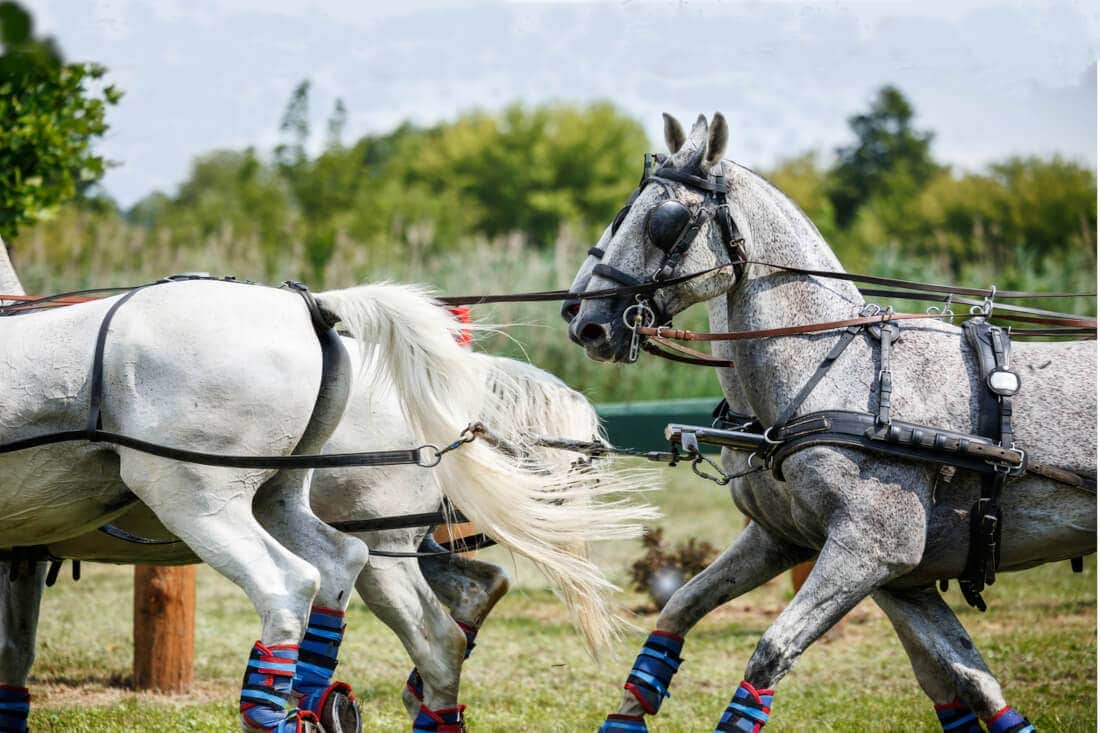
The Gelderlander, or Gelder Horse, is a distinctive and elegant warmblood breed developed in the Gelderland province of the Netherlands.
Known for their flashy movement, uphill conformation, and willing temperament, this versatile horse was initially bred for both light agricultural work and carriage driving. Today, modern Gelderlanders are commonly used for both harness and riding disciplines.
Though the breed shares close ties with the more widely known Dutch Warmblood, Gelder horses maintain their identity within the KWPN registry as a separate breeding direction.
Keep reading to learn more about the history, breed characteristics, health problems, and nutritional needs of Gelderlander horses.
Gelderlander Horse History
The Gelderlander has deep roots in the rich agricultural and equestrian traditions of the Netherlands. Developed to meet the needs of both working farmers and luxury carriage drivers, this breed embodies the perfect combination of strength and style.
As one of the foundation breeds for the modern Dutch Warmblood, the Gelderlander continues to play an important role in Dutch horse breeding and sport.
Origin
The Gelderlander originated in the province of Gelderland, a thriving agricultural region in the Netherlands known for its fertile farmland.
In the late 19th century, local breeders aimed to produce a robust, multi-purpose horse that could perform light draft work during the week and stand out in harness on Sundays.
To achieve this, native Dutch mares were crossed with a carefully selected mix of breeds, including Thoroughbreds and Hackneys. These crosses produced a refined yet powerful horse with animated gaits, strong limbs, and willing attitudes. [1]
At the time, Gelderlanders were one of two distinct types of utility horses found in the Netherlands. In the North, breeders developed a heavier warmblood type known as the Groninger.
In 1970, several local breed registries merged to form the KWPN, modernizing Dutch warmblood breeding. Research in Dutch horses has found limited genetic differentiation between KWPN horses, Groningers, and Gelderlanders. [1]
Historic Use
Early Gelderlanders were bred for versatility. On the farm, they were valued for their strength, endurance, and manageable size, making them ideal for pulling carts, working the land, and serving as all-around utility horses. [2] However, their high knee action, arched necks, and stylish appearance also made them sought after for carriage driving.
When cars and tractors reduced the need for horses in agriculture, Gelderlander breeding shifted toward sport and the development of the Dutch Warmblood riding type. Demand for this modern sport horse eventually overshadowed the traditional Gelderlander. [2]
Despite this shift, efforts to preserve the breed type continued. The modern Gelderlander horse is appreciated for its historical significance, unique movement, and contributions to both harness and riding horse bloodlines.
Breed Registry
The Gelderlander horse is registered under the Royal Warmblood Studbook of the Netherlands (KWPN). While the KWPN is best known internationally for producing elite sport horses, it also preserves the Gelder horse, or Gelderlander, as a distinct breeding direction. [3]
The KWPN was established to produce athletic, sound, and competitive sport horses. Today, the KWPN organizes its studbook into several breeding directions, each selected for different conformation and performance traits.
These breeding directions include dressage, jumper, harness, and Gelder lines. In North America, the KWPN-NA also recognizes a hunter specialization. [3] Breeders dedicated to preserving the traditional purebred Gelderlander horse formed their own, smaller Classic Gelderlander Horse Studbook.
| Breed Summary | |
|---|---|
| Breed Name | Gelderlander |
| Also Known As | Gelder Horse |
| Breed Type | Warmblood |
| Origin | Gelderland, Netherlands |
| Breed Registry | Royal Warmblood Studbook of the Netherlands (KWPN); Classic Gelderlander Horse Studbook |
| Average Height | 15.2 – 17 hh |
| Common Coat Colors | Chestnut, bay, black, grey; white markings common |
| Conformation | Elegant, rectangular, slightly uphill, arched upright neck, long sloping shoulder, short powerful back, muscular rounded hindquarters, clean straight legs, solid bone, strong hooves |
| Common Uses | Combined driving, pleasure driving, dressage, recreational riding, eventing, working equitation |
| Temperament | Willing, energetic, intelligent, alert, level-headed |
| Best For | Riders and drivers seeking a versatile sport horse |
| Common Health Concerns | Warmblood Fragile Foal Syndrome (WFFS), osteochondrosis dissecans (OCD), lameness, musculoskeletal injury, gastric ulcers, EMS, laminitis |
Breed Characteristics
The modern breeding standard for Gelder Horses is founded on the iconic Gelderlander type of the past. Crossing with outside bloodlines is permitted by the KWPN as long as horses meet their breeding standard for Gelder Horses.
Conformation
Most Gelderlanders stand between 15.2 and 17 hands. These horses possess an elegant conformation, characterized by a well-developed forehand, substantial bone, distinct gaits, and powerful hindquarters. [3]
Gelderlanders should have a well-proportioned, rectangular body. They are built slightly uphill with well-arched, upright necks, long sloping shoulders, and a short, powerful back.
The hindquarters are muscular and rounded, providing strength for driving and collection. Legs are clean, straight, and well-set, with solid bone and strong hooves. Their conformation supports both expressive movement and long-term soundness. [3]
Colors
While flashy in appearance thanks to their conformation and movement, Gelderlanders are not bred for specific colors. Common coat colors include chestnut, bay, black, and grey. Many Gelderlanders also have white markings on the face and legs. [3]
What's your top priority with your horse's health?

Enter your email to receive your store credit
Temperament
The Gelderlander has a willing, energetic, and intelligent temperament. These horses are alert and forward-moving, yet generally level-headed and easy to handle. [3]
Their reliable and honest characters make them suitable for a wide variety of riders. However, every horse is an individual. Always work with a professional when determining if a horse is ideal for you.
Disciplines
Originally bred as a dual-purpose carriage and farm horse, the modern Gelderlander excels in a variety of disciplines.
They are especially popular in combined driving, pleasure driving, and dressage. Horses with Gelderlander bloodlines have recently gained recognition in the international dressage arena, where their powerful movement allows them to excel at the top level of the sport.
Many Gelderlanders also participate in recreational riding, eventing, or working equitation, showcasing the breed’s versatility and trainability.
Gelderlander Horse Health Profile
Gelderlanders are generally known for their soundness and durability, which were essential in their early development as versatile working horses.
Like other warmbloods, they may be predisposed to specific health concerns, particularly those that affect sport horses. Proper management is key to ensuring their long-term health and performance.
Genetic Diseases
There are currently no genetic diseases known to affect the Gelderlander exclusively. However, they may carry similar risks for certain heritable conditions found in other Dutch warmbloods.
Warmblood Fragile Foal Syndrome (WFFS) is the primary genetic disease found in many warmblood breeds. This fatal autosomal recessive disorder causes connective tissue abnormalities in affected foals. [3][4]
Horses can carry the genetic mutation responsible for WFFS without showing clinical signs. The KWPN requires DNA testing for licensed breeding stallions to help breeders avoid mating two carriers. [4]
Osteochondrosis dissecans (OCD), which affects the development of joint cartilage, is also known to occur in warmblood populations, including those within the KWPN registry. A study of 811 Dutch Warmblood yearlings identified developmental orthopedic diseases in 70% of the horses based on X-rays of the stifle, hock, and fetlock. [5]
Research indicates a genetic component to OCD in warmbloods, influenced by management and nutrition during growth. [5][6]
Health Problems
Gelderlanders with competition careers are also susceptible to health concerns commonly seen in other sport horses.
Their animated movement can stress the musculoskeletal system, increasing their risk of injury and lameness. While all performance horses have higher injury risks associated with intense training, studies indicate good conformation can help reduce these risks. [7]
Stressful lifestyles in competition horses are also associated with gastric ulcers. This condition is prevalent in performance horses subject to prolonged periods of stall confinement and frequent travel. [8]
Care & Management
Compared to more refined sport types, Gelderlanders are often praised for their robust conformation and hardiness. With good care and careful management, these horses can enjoy long, healthy sport careers.
Work with your veterinarian and other equine professionals to create a wellness program that supports your Gelderlander’s overall health and performance.
This program should include:
- Vaccinations and wellness exams with your veterinarian
- Regular dental care to support oral comfort and optimal chewing
- Routine farrier care to support healthy hooves and avoid imbalance
- Joint support through proper conditioning, rest, and veterinary maintenance
If your Gelderlander lives in a stall, providing daily turnout can help manage stress levels by giving your horse the opportunity for free exercise, grazing, and social interaction. [9]
Like other warmbloods, these athletic horses thrive in consistent programs that provide adequate mental stimulation and exercise. Work with your trainer to develop a program appropriate for your horse’s fitness level.
Nutrition
Proper nutrition is essential for supporting joint health, muscular development, energy, and longevity, especially for Gelderlanders engaged in sports or performance driving.
Weight Maintenance
Most Gelderlanders are easy keepers, meaning they have efficient metabolisms and should maintain their weight easily on a balanced diet. However, their nutritional needs can vary depending on workload, age, and metabolic health considerations.
Like other easy keepers, Gelderlanders may require careful weight management due to their tendency to become over-conditioned. Horses with equine metabolic syndrome are more prone to becoming overweight and have an increased risk of laminitis. [10]
Monitoring body condition score (BCS) and adjusting energy intake based on activity level is critical. Horses in regular work require more calories than those in maintenance, but excess grain or high-starch feeds should be avoided.
Sample Diet
The following sample diet is intended for a mature 600 kg (1,300 lb) Gelderlander horse with normal body condition at maintenance (not exercising).
| Feed | Amount per day |
|---|---|
| Mid-Quality Hay (8% crude protein) | Free-choice |
| Salt | 30 g (2 tbsp) |
| Omneity® Pellets | 250 g (2.5 scoops) |
| Diet Analysis | |
| Digestible Energy (% of Req) | 105% |
| Protein (% of Req) | 125% |
| HC (ESC + starch; % Diet) | 8.6% |
A forage-based diet is the best way to support your Gelderlander’s digestive system and meet their energy needs. However, horses with heavy workloads may need additional calorie sources, such as a high-quality fat supplement.
Hay alone is also deficient in several essential nutrients. Feeding a vitamin and mineral supplement helps ensure your Gelderlander gets the balanced nutrition they need.
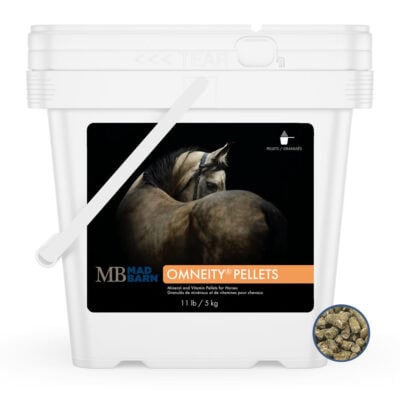
Mad Barn’s Omneity® is a vitamin and mineral supplement formulated to balance a forage-based diet. This supplement provides optimal levels of nutrients for overall health and performance in Gelderlanders.
Forage
Forage is the foundation of your horse’s diet. Most Gelderlanders do well on mid-maturity grass hay that is low in starch and sugar.
Hay should be tested to determine levels of hydrolyzable carbohydrates (HC; sugar and starch), especially if the horse has a history of metabolic issues. A HC level under 12% is generally recommended for easy keepers or those at risk of insulin resistance.
Gelderlanders with performance careers often require higher-quality hay to meet their energy needs. Alfalfa can be fed in moderation for horses needing additional calories or protein, but should be balanced with grass hay. Research suggests that the high levels of calcium in alfalfa can help buffer stomach acid and reduce ulcer risks. [11]
Providing free-choice forage supports optimal digestive function. Using a slow feeder can help prolong access to forage and prevent long periods without hay.

Feeding Recommendations
Here are some tips to consider when developing a feeding program for your Gelderlander:
- Feed by weight, not volume, to ensure proper nutrient intake
- Split feedings into multiple small meals throughout the day
- Ensure access to clean, fresh water at all times to promote hydration
- Provide free-choice salt and add salt to feed to meet sodium requirements
- Use fiber-based alternatives to high-starch grain as a supplement carrier
- Evaluate body condition and adjust energy intake to maintain a healthy weight
Consult a qualified equine nutritionist for assistance planning changes to your horse’s diet.
Nutritional Supplements
Formulating a balanced diet is the first priority when feeding a Gelderlander horse. After meeting all essential nutritional requirements, targeted supplements can be added to support overall health and performance.
Consider the following supplement recommendations for your Gelderlander:
- MSM is a natural joint supplement that can help maintain healthy connective tissue in exercising and senior and growing Gelderlanders
- W-3 Oil is an excellent source of omega-3 fatty acids to support anti-inflammatory pathways, joint health, and performance. The palatable oil is also an excellent source of extra calories for performance horses.
- Optimum Digestive Health is a comprehensive gut health supplement that includes probiotics, prebiotics, enzymes, and yeast. Maintaining a healthy digestive system is critical for Gelderlanders with intense training and competition schedules.
- Spirulina supports respiratory health, skin condition, metabolic function, and immune response. It may be helpful for Gelderlander horses with skin sensitivities or mild seasonal allergies.
Evaluate your horse’s overall diet before adding supplements, and consult with an equine nutritionist to avoid imbalances or over-supplementation. Submit your Gelderlander’s diet online for a free evaluation from our qualified equine nutritionists.
Frequently Asked Questions
Here are some frequently asked questions about Gelderlander horses:
The Gelderlander is a Dutch warmblood breed developed in the Gelderland province of the Netherlands. Gelderlander horses were originally bred as versatile utility horses for light farm work and carriage driving, combining strength, style, and a willing temperament. Today, the Gelderlander remains a distinct breeding direction within the KWPN registry and is valued for both harness and riding disciplines.
Gelderlander horses are used for both driving and riding disciplines. They are especially popular in combined driving, pleasure driving, and dressage, where their expressive movement and willing attitude stand out. Many Gelderlanders are also used for recreational riding, eventing, and working equitation, reflecting the breed’s traditional versatility.
Gelderlanders are best suited for combined driving, pleasure driving, and dressage. Their animated gaits, uphill build, and cooperative temperament make them especially well matched to disciplines that reward presence, balance, and impulsion. Some Gelderlander horses also perform successfully in eventing, working equitation, and general sport horse activities.
Gelderlanders are known for having a willing, energetic temperament. Gelderlander horses are typically alert and forward-moving, but they are also generally level-headed and easy to work with. Their combination of sensitivity and reliability makes them appealing to riders and drivers looking for a versatile, trainable partner.
Gelderlanders can be suitable for some beginner riders, but not every Gelderlander is ideal for a complete novice. The breed is generally willing and cooperative, yet many Gelderlander horses have energetic movement and a forward way of going that may be better suited to riders with some confidence or guidance. The best match for a beginner depends on the individual horse’s training, temperament, and management.
Gelderlanders have an elegant, rectangular build with a slightly uphill frame. Most Gelderlander horses have an arched, upright neck, long sloping shoulders, a short powerful back, muscular rounded hindquarters, and clean straight legs with solid bone and strong hooves. Their conformation supports both expressive movement in harness and athletic ability under saddle.
Common coat colors in Gelderlanders include chestnut, bay, black, and grey. Gelderlander horses are not bred primarily for color, but many individuals also have white markings on the face and legs. Their eye-catching appearance comes more from their carriage, movement, and overall presence than from unusual color patterns.
Most Gelderlanders stand between 15.2 and 17 hands high. Gelderlander horses are considered substantial warmbloods with enough size and bone for both driving and riding work. Their height, combined with their uphill conformation and expressive movement, gives them a powerful but elegant appearance.
Gelderlanders are often considered easy keepers, meaning many maintain weight well on a balanced forage-based diet. Because Gelderlander horses can become over-conditioned if overfed, careful weight monitoring is important, especially when grain or other calorie-dense feeds are added. Managing body condition helps reduce the risk of metabolic problems and supports long-term soundness.
Gelderlanders are generally sound, durable horses, but they can be prone to some health problems seen in other warmblood breeds. Gelderlander horses may face risks related to osteochondrosis dissecans (OCD), lameness, musculoskeletal strain, gastric ulcers, equine metabolic syndrome, and laminitis, especially depending on workload and management. Good nutrition, thoughtful conditioning, and regular veterinary care are important for reducing these risks.
Summary
The Gelderlander is a powerful and elegant Dutch warmblood originally bred for both riding and driving. Known for its flashy movement and versatile temperament, the Gelderlander excels in a variety of equestrian disciplines.
- The Gelderlander originated in the Gelderland region of the Netherlands.
- This breed combines refinement with strength, making it suitable for both driving and riding.
- Gelderlanders are recognized for their expressive gaits and upright carriage.
- They are commonly used in combined driving, dressage, and recreational riding.
- Gelderlanders are generally healthy and sound but may be prone to OCD like other warmbloods.
- They are valued for their willing temperament and strong work ethic.
References
- Schurink. A. et al. The Genomic Makeup of Nine Horse Populations Sampled in the Netherlands. Genes. 2019.
- Bert Theunissen, The Transformation of the Dutch Farm Horse into a Riding Horse: Livestock Breeding, Science, and "Modernization," 1960s–1980s. Agricultural History. 2018.
- 2024 Handbook & Stallion Roster. KWPN North America. 2023.
- Reiter. S. et al. Distribution of the Warmblood Fragile Foal Syndrome Type 1 Mutation (PLOD1 c.2032G>A) in Different Horse Breeds from Europe and the United States. Genes. 2020.
- Van Grevenhof. E. M. et al. Prevalence of Various Radiographic Manifestations of Osteochondrosis and Their Correlations between and within Joints in Dutch Warmblood Horses. Equine Veterinary Journal. 2009. View Summary
- Semeveolos. S. A. and Nixon. A. J. Osteochondrosis: Etiologic Factors. Compendium: Equine Edition. 2007.
- Ducro. B. J. et al. Influence of Foot Conformation on Duration of Competitive Life in a Dutch Warmblood Horse Population. Equine Veterinary Journal. 2009. View Summary
- Visser. E. K. et al. Risk Factors Associated with Health Disorders in Sport and Leisure Horses in the Netherlands1. Journal of Animal Science. 2014.
- Werhahn. H. et al. Competition Horses Housed in Single Stalls (II): Effects of Free Exercise on the Behavior in the Stable, the Behavior during Training, and the Degree of Stress. Journal of Equine Veterinary Science. 2012.
- Durham. A. E. et al. ECEIM Consensus Statement on Equine Metabolic Syndrome. Journal of Veterinary Internal Medicine. 2019. View Summary
- Nadeau. J. A. et al. Evaluation of Diet as a Cause of Gastric Ulcers in Horses. American Journal of Veterinary Research. 2000.