English
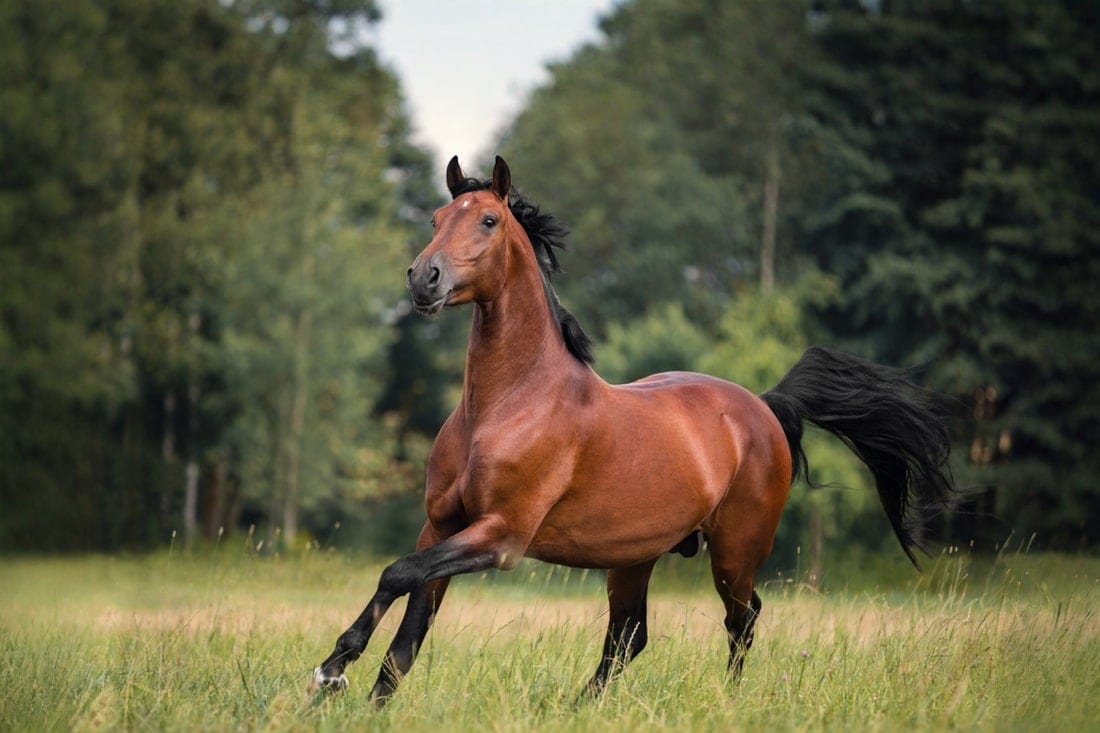
The equine gastrointestinal system is one of the most complex parts of a horse’s body. Designed for nearly constant grazing, a horse’s digestive tract depends on a steady flow of forage, water, and beneficial microbes to function properly.
When this balance is disrupted, gastrointestinal issues can develop quickly and, in some cases, become life-threatening. Conditions such as colic or intestinal impactions may arise when normal digestive processes are compromised.
Understanding how the equine digestive system works and recognizing the early warning signs of gastrointestinal conditions are critical for every horse owner, trainer, and caretaker. Changes in appetite, behavior, manure consistency, body condition, and performance often provide the first clues that something is wrong.
This article explores the most common types of gastrointestinal disturbances in horses, their potential causes, and the signs that warrant veterinary attention. By building a solid foundation of knowledge about the gut, owners and caretakers can help protect their horses from one of the most frequent and serious categories of equine health problems.
Gut Issues in Horses
The equine gastrointestinal tract is a complex system that combines monogastric (“single stomach”) digestion with microbial fermentation in the hindgut. While this combination allows horses to digest both grain and fiber efficiently, it’s also highly susceptible to disturbances.
Gastrointestinal disease remains the leading cause of death in horses up to 20 years of age in the United States. [1]
The horse’s digestive system is adapted for continuous intake of fibrous plant material. Digestion begins in the mouth, where feed is ground by the teeth and mixed with saliva before traveling down the esophagus to the stomach. [2]
The stomach is relatively small compared to the horse’s overall size, requiring frequent, small meals rather than large, infrequent feedings. From the stomach, partially digested feed enters the small intestine, where most proteins, fats, vitamins, and simple carbohydrates are broken down and absorbed. [2]
The remaining fibrous material then moves into the large intestine. Here, a vast population of microbes ferment fiber into usable energy. These microbes are critical to equine digestion, as the horse’s digestive tract cannot break down fiber on its own. Microbes also produce B vitamins and vitamin K that the horse can absorb and use. [2]
Although the hindgut microflora is essential for the horse’s survival, they are also highly sensitive to changes in diet, water intake, stress, and medication. Disruption of normal fermentation can lead to disturbances such as excess gas production, colic, diarrhea, poor nutrient absorption, and other gut issues. [2]
For these reasons, it is essential that horse owners understand that gradual diet transitions, consistent forage intake, adequate hydration, and thoughtful use of medications are essential to maintaining healthy fermentation and overall gastrointestinal function in the horse.
What's your top priority with your horse's health?

Enter your email to receive your store credit
Signs of Gut Issues in Horses
Due to the complexity of the equine gastrointestinal (GI) tract, GI disease can present with a wide range of symptoms.
Common clinical signs of gut issues in horses include: [2][3]
- Reduced appetite
- Changes in manure composition and frequency, such as diarrhea, dry manure, or reduced manure production
- Bloating
- “Hay belly“
- Poor coat or hoof quality
- Cribbing or wood-chewing
- Irritability during grooming or tacking (girthiness)
- Changes in gut sounds
- Poor performance
Observing these signs in your horse warrants prompt veterinary attention. Monitor your horse closely until your veterinarian can examine them.
More severe or acute (sudden onset) gastrointestinal diseases typically present with signs of colic.
Common colic signs include: [3]
- Lethargy
- Severely reduced appetite and disinterest in food
- Pawing
- Bloated appearance
- Biting or watching the flanks
- Kicking at the abdomen
- Laying down frequently or laying for long periods of time
- Sweating
- Flehmen response
- Rolling or thrashing
- Unwillingness to rise after laying down
Inflammatory Gut Issues
Inflammatory diseases in horses cause irritation of the gastrointestinal tract, impacting its ability to function.
There are many potential sources of irritation, including acid exposure, medication use, parasites, bacterial infections, and more.
Gastric Ulcers
The horse’s stomach has two sections: a portion lined by squamous (skin-like) tissue, and a portion lined by acid-producing tissue. The squamous portion of the stomach has little to no defenses against acid, which can lead to acidic burns eating away at the stomach lining. These burns are referred to as gastric ulcers. [2]
Gastric ulcers are extremely common in horses, with studies showing that up to 100% of performance horses can have ulcers. [2] Horses undergoing stress, eating high-grain diets, or who frequently receive NSAIDs have a higher risk of developing gastric ulcers. [2]
What Owners Notice First
Common signs of gastric ulcers include: [2]
- “Girthiness“
- Flank sensitivity
- Reduced appetite
- Attitude changes
- Poor performance
- Recurring mild colic episodes
- Weight loss
When to Involve a Veterinarian
The behavioral changes associated with gastric ulcers can be subtle and may go unnoticed by owners for some time. These clinical signs can also overlap with other gastrointestinal disease. If you notice signs of gastric ulcers, seek veterinary care promptly for a thorough evaluation.
To confirm the diagnosis, your veterinarian can perform a gastroscope (passing a camera into the stomach) to visualize the ulcers and grade their severity.
Treatment typically involves drugs like omeprazole, which reduce the production of stomach acid, allowing the sensitive squamous lining to heal. [2]
Inflammatory Bowel Disease
Inflammatory bowel disease can refer to a number of different conditions affecting the intestinal tract. The main features uniting these conditions are that they do not have an infectious cause and they result in malabsorption (poor nutrient absorption) and maldigestion (poor digestion). [2]
Most inflammatory bowel diseases occur due to an inappropriate immune response in the digestive tract, causing massive invasion of inflammatory cells. The underlying causes of these conditions are often unknown. [2]
What Owners Notice First
The clinical signs of inflammatory bowel disease occur due to malabsorption within the digestive tract. This can result in symptoms such as: [2]
- Diarrhea
- Weight loss
- Poor appetite
- Swelling of the lower abdomen (ventral edema)
When to Involve a Veterinarian
Any time you observe clinical signs such as diarrhea or weight loss, it’s important to get a veterinarian involved as soon as possible. Early intervention is crucial to diagnose the underlying problem and begin treatment promptly, before clinical signs worsen or progress to colic.
Diagnosing inflammatory bowel disease can be challenging. A biopsy of the intestinal lining is usually necessary to confirm the diagnosis. Acquiring these biopsies can be highly invasive, so they are typically not performed.
Instead, tests examining the horse’s digestive function, such as oral glucose tests, help the veterinarian identify which part of the digestive tract is affected. [2]
Veterinarians can also rule out infectious diseases using bacterial or viral diagnostics. From there, they can make a presumptive diagnosis of inflammatory bowel disease and begin appropriate treatment or management.
Treatment depends on the type of inflammatory bowel disease present, but often involves anti-inflammatory medications like corticosteroids. These drugs help modulate the immune response to help minimize clinical signs. [2]
Hindgut Ulcers
Hindgut ulcers, also called right dorsal colitis, typically arise due to excessive use of non-steroidal anti-inflammatory drugs (NSAIDs). NSAIDs inhibit the protective mechanisms within the intestinal tract, making the lining more susceptible to damage.
In the case of hindgut ulcers, this results in ulceration, inflammation, and bleeding within the right dorsal colon. [2]
Grain overload can also cause hindgut ulcers by allowing undigested grain to enter the colon, where it ferments into acidic compounds.
What Owners Notice First
Symptoms of hindgut ulcers can vary in severity from mild digestive disturbances to severe colic signs.
The most common clinical signs of hindgut ulcers are: [2]
- Reduced appetite
- Lethargy
- Intermittent colic that may be severe
- Fever
- Diarrhea, ranging in severity from mild to severe
- Weight loss
- Swelling of the lower abdomen (ventral edema)
When to Involve a Veterinarian
Hindgut ulcers benefit from rapid veterinary intervention, as the condition can progress to endotoxemia if left untreated. Endotoxemia occurs when bacteria cross the damaged intestinal lining and enter the bloodstream, causing potentially life-threatening complications.
Diagnosis of hindgut ulcers is usually presumptive, based on a history of NSAID use. It can also be diagnosed by ultrasound of the right dorsal colon and identifying a thick colonic wall.
Treatment typically involves discontinuing NSAIDs and feeding a low-roughage diet for up to 3 months. In some cases, surgery is necessary to remove the inflamed portion of colon to prevent ongoing pain and disease. [4]
Acute Diarrhea
Most cases of acute (sudden onset) diarrhea in horses result from infectious diseases, particularly bacterial infections.
Potential causes of acute diarrhea in horses include: [2]
- Salmonellosis
- Clostridium perfringens
- Clostridium difficile
- Proliferative enteropathy
- Potomac horse fever
- Parasitic infections
- Grain overload
What Owners Notice First
Diarrhea refers to a change in the frequency, volume and fluidity of the feces. Most horses with acute diarrhea produce large amounts of liquid or near-liquid feces and defecate very frequently. [2]
Veterinarians sometimes refer to very severe cases as “pipestream” diarrhea, as the horse produces such large amounts of fluid that it resembles water coming from a hose. Milder cases may produce soft, somewhat formed feces resembling a cowpat. [2]
When to Involve a Veterinarian
Diarrhea results in rapid loss of fluid from the body, often leading to severe dehydration and loss of electrolytes critical for body functions. Horses with diarrhea require immediate veterinary care to identify the underlying cause and begin treatment.
Since many of the causes of diarrhea are infectious, it’s important to quarantine the horse as soon as you notice clinical signs. Keep the horse away from other horses and use biosecurity measures, like wearing gloves and changing clothing between horse groups, when handling the affected horse. Work with your veterinarian to develop a biosecurity protocol for your farm. [2]
Diagnosis typically involves submitting a fecal sample for bacterial, viral, and parasitic testing. Once the cause of diarrhea is identified, specific treatment can begin, such as appropriate antibiotics. Horses also require supportive care, such as intravenous fluids, while recovering from a diarrhea episode.
Gastrointestinal Parasites
There are several gastrointestinal parasites affecting horses. These parasites cause inflammation of the intestinal lining as they go through their life cycle within the intestinal tract. Most species reside within the large intestine.
Parasite species commonly infecting horses include: [2]
- Large strongyles
- Small strongyles (cyathostomins)
- Tapeworms
- Parascaris equorum
What Owners Notice First
Most parasitic infections cause no clinical signs at all. Only in cases of severe infection do owners notice changes with their horse’s health.
Possible clinical signs include: [2]
- Weight loss
- Diarrhea
- Mild, recurring colic
- Reduced appetite
- Swelling of the lower abdomen (ventral edema)
Rarely, horses with parasitism may develop severe colic signs. In adult horses, these cases can result from a large number of parasite larvae emerging from the intestinal wall at one time, causing severe inflammation. In younger horses, roundworms like Parascaris can obstruct the normal flow of feed in the intestine, causing severe colic. [2]
When to Involve a Veterinarian
All horse owners should follow a deworming program recommended by their veterinarian as a preventive measure.
If your horse is on a deworming program and shows signs of parasitism, consult with your veterinarian about performing a fecal egg count reduction test. This test examines whether the dewormers used are effective against the parasites present within your herd.
Based on the results of this test, your veterinarian may recommend changes to your deworming strategy.
Colic Conditions
Colic is one the most common causes of mortality in horses worldwide. Prompt recognition of colic signs allows for early intervention and a better prognosis for survival.
There are many different types of colic, ranging in severity from mild to life-threatening. Here, we have highlighted causes of mild, intermittent colic that may have subtle clinical signs.
Gas Colic
Gas colic, or spasmodic colic, occurs when excess gas is produced by the fermenting bacteria within the large colon. It is the most common cause of colic in horses. [3]
During gas colic, the accumulating gas distends (expands) the colon, causing discomfort and bloating. Risk factors for developing gas colic include: [3]
- Cribbing or wind-sucking
- Stabling
- Travelling
- Changes in the horse’s exercise program
What Owners Notice First
Horses with gas colic are often very uncomfortable and may show moderate to severe colic signs.
Symptoms may include: [3]
- Severely reduced appetite and disinterest in food
- Pawing
- Bloated appearance
- Biting or watching the flanks
- Kicking at the abdomen
- Laying down frequently or laying for long periods of time
Early signs of gas colic include lethargy, reduced appetite, shifting weight, and laying down. Prompt recognition of these clinical signs allows for early intervention.
When to Involve a Veterinarian
If your horse shows any signs of colic, involve a veterinarian as soon as possible. The symptoms of gas colic can overlap with more severe, life-threatening causes of colic, depending on your individual horse’s pain tolerance. Therefore, veterinary evaluation is crucial for identifying the underlying cause of discomfort so treatment can begin promptly.
To diagnose gas colic, veterinarians perform a colic work-up including nasogastric intubation (passing a tube through the nose into the stomach) and rectal palpation. On rectal examination, they can often feel a distended, gas-filled large colon.
Treatment for gas colic involves pain medication and withholding feed for 24 – 48 hours. [3] Horses who do not respond to pain medication may have a more serious colic condition, such as displacement, that requires surgical correction.
Impaction Colic
The equine digestive tract relies on a large amount of fluid to keep fiber moving through the system smoothly. Without adequate fluid, fiber accumulates and can form dry, dense balls of fecal material that are difficult and painful to push through the digestive tract.
In some cases, these balls may completely obstruct flow of digestive material, forming an impaction. [3] Feed impactions are the second-most common cause of colic in horses. [3]
Risk factors for developing feed impaction include: [3]
- Stabling
- Cribbing or wind-sucking
- Changes in the horse’s exercise program
- Travelling
It is likely that these factors reduce the horse’s water consumption and absorption, leading to drier digestive material. [3]
What Owners Notice First
Horses with impaction colic can be moderately painful, with clinical signs like pawing, biting at the flanks, or kicking at their abdomen. They also have minimal to no fecal production, as passage of feed material is obstructed. [3] They may have mild abdominal distention.
When to Involve a Veterinarian
Observing colic signs in your horse warrants immediate veterinary attention. Similar to gas colic, the signs of impaction colic can overlap with more severe, life-threatening conditions. [3]
On rectal examination, your veterinarian may identify the impaction by feeling a dense mass within the pelvic flexure, a sharp turn in the horse’s digestive tract near the pelvis. [3] This is the most common location for impactions due to its narrow diameter. [3]
Treatment of impaction colic focuses on rehydrating the digestive tract. This may include providing fluids through a nasogastric tube or intravenous fluids to rehydrate the horse’s entire body. [3]
Horses also receive pain medication to help alleviate discomfort. Most horses with impaction colics recover successfully without surgery, however severe cases may require surgical intervention to remove the feed mass. [3]
Sand Accumulation & Impaction
Horses frequently consume sand or dirt during their normal grazing and foraging behavior. Since sand is heavier than the digestive fluid, it typically settles to the bottom of the horse’s digestive tract.
This makes it difficult for peristalsis, the normal contraction of the digestive system, to push sand out of the intestines. [3]
Eventually, the wet sand can form a mass within the intestinal tract that may block flow of digestive fluids. Horses that live on sandy soils or in sand paddocks have a higher risk of consuming sand. [3]
What Owners Notice First
Horses with sand accumulation may have recurring, mild colic signs due to irritation of the intestinal lining by the sand. As the sand forms an impaction (mass), colic signs may become more severe.
Signs of a sand impaction include: [3]
- Mild to moderate colic signs
- Reduced fecal production
- Reduced intestinal sounds
- Sand in the feces
Horses with sand impactions typically respond well to pain medications, but do not recover completely from their colic episode. Colic signs can last for several weeks if no further intervention occurs. [3]
When to Involve a Veterinarian
All horses with colic signs should receive prompt veterinary care. To diagnose sand accumulation, your veterinarian can perform a fecal sedimentation, where they mix manure into water and observe the amount of sand that falls to the bottom of the sample. [3]
They can also listen for sounds of the sand swirling within the digestive tract using their stethoscope.
Treatment typically involves surgical removal of the sand. [3] However, nasogastric intubation (passing a tube through the nose into the stomach) to administer a large amount of psyllium and magnesium sulfate may help promote sand clearance and removal of the obstruction. [3]
Enteroliths
Enteroliths are stone-like concretions that can form within the horse’s digestive tract, usually within the right dorsal colon. [3] The exact triggers that lead to development of enteroliths are unknown, however certain geographic locations like California and Florida have a higher incidence of this condition. [3]
There also appears to be breed predispositions, with Arabians, Morgans, and Saddlebreds having a higher risk. [3]
What Owners Notice First
In most cases, enteroliths cause recurring episodes of mild colic signs. This is likely due to movement of the enterolith within the colon causing discomfort. [3]
In some cases, the enterolith may migrate to a portion of the colon with a smaller diameter, causing a blockage. Horses in these cases develop sudden, severe colic signs, often with abdominal distention (bloating). [3]
When to Involve a Veterinarian
If your horse shows signs of mild, recurring colic, seek prompt veterinary attention. They may be able to use X-rays (radiographs) to identify enteroliths within the colon. [3]
Treatment involves surgical removal of the masses. In cases where an obstruction occurs, removal of damaged portions of the intestine may be necessary. [3]

Consequences of Gastrointestinal Disease
Digestive disturbances can affect the horse’s ability to digest, absorb, and process nutrients. This can affect the horse’s overall health by affecting nutrient availability.
Potential outcomes of gastrointestinal disease or poor digestion include:
Hindgut Acidosis
Hindgut acidosis is when the pH of the large colon drops due to undigested starch entering the large colon from the small intestine. [5] This undigested starch is rapidly fermented by large intestinal microflora, producing volatile fatty acids and lactic acid that lower the pH of the colon contents. [5]
Low pH can kill off members of the microflora, leaving only lactic acid-producing bacteria within the colon. [5] This perpetuates the acidic environment and may cause irritation and damage to the intestinal mucosa. [5]
Hindgut acidosis may also activate biological pathways that lead to laminitis. [5] Left unmanaged, laminitis is a severely debilitating condition that may affect the horse’s long-term soundness.
Leaky Gut
The intestinal tract cells form a barrier that prevents absorption of harmful substances within the digestive tract. Leaky gut syndrome refers to dysfunction of this barrier, potentially allowing pathogens or toxins easier access to the horse’s bloodstream. [6]
Currently, little is known about causes of leaky gut syndrome in horses or its effects on the body. Physiological factors such as blood flow to the intestines and environmental factors like temperature, stress, and inflammation can disrupt the intestinal barrier. [6]
Therefore, this condition typically occurs in association with another digestive disorder, not in isolation.
Rarely, leaky gut may allow bacteria or their toxins to enter the bloodstream, causing signs of endotoxemia or sepsis such as:
- Fever
- Severe colic signs
- Rapid heart rate
- Pale or dark red mucous membranes
- Laminitis
Dysbiosis
Researchers have identified over 1,000 bacterial species in the horse’s digestive microflora. [7] These bacteria ferment fibre digested by the horse, turning it into useable energy and nutrients for the horse to absorb. They also play a role in immune system defense of the digestive tract by preventing disease-causing bacteria from colonizing the intestines. [7]
Dysbiosis occurs when the microflora is disrupted, preventing normal functions. Common causes of an altered microbiome in horses include: [7]
- Stress, including transportation
- Antibiotic use
- Diet, particularly high-grain diets
- Medications such as non-steroidal anti-inflammatories or deworming medications
- Gastrointestinal disease, including colic, diarrhea, and infections
Hay Belly
Hay belly is a condition where partially digested fibrous material accumulates within the horse’s digestive tract. This usually occurs due to incomplete digestion of poor-quality forage, or poor digestion of fiber due to a disruption in gastrointestinal function. [8]
Free Fecal Water Syndrome
Free fecal water syndrome is a condition where horses excrete feces in two phases: a fluid portion and a solid portion. The fluid portion is typically liquid, while the solid portion is more typical solid fecal balls. [9]
Little is currently known about the syndrome, but researchers believe it originates from changes in peristalsis (contraction of the intestinal tract to move feces along), dysbiosis, or inadequate mixing of the fluid and solid portions of the feces. [9]
Protecting Equine Gut Health
Even with attentive daily care, many horses will experience digestive challenges at some point in their lives. Understanding how the equine gut functions can make a meaningful difference in catching problems early and supporting long-term health.
Thoughtful, consistent management paired with timely veterinary evaluation remains the strongest foundation for preventing minor disturbances from progressing into emergencies.
To help maintain a healthy gastrointestinal system, incorporate these strategies into your management program:
- Forage-first feeding: Provide high-quality forage as the foundation of the diet to support steady hindgut fermentation, maintain a healthy microbial population, and reduce the risk of digestive upset associated with large, infrequent grain meals
- Ample turnout: Offer frequent opportunities for turnout so horses can move, graze, and engage in natural foraging behaviors, all of which promote gut motility, reduce stress, and help regulate normal digestive rhythms
- Proper hydration: Ensure continuous access to clean, fresh water and supply plain salt daily to encourage adequate drinking, support electrolyte balance, and help maintain the fluid environment needed for smooth movement of feed through the digestive tract
- Balanced vitamins & minerals: Provide a comprehensive vitamin and mineral supplement to correct common forage-related deficiencies, support metabolic and digestive function, and help maintain overall gastrointestinal resilience
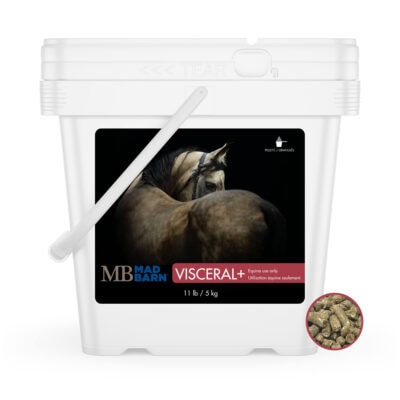
If your horse is prone to digestive discomfort or you’re looking to support a healthier, more resilient gut, Mad Barn’s Visceral+ offers targeted nutritional support for gastric tissue, hindgut function, and the microbial environment. It can be a valuable addition to a forage-first feeding program designed to keep your horse comfortable, performing well, and feeling their best.
Frequently Asked Questions
Here are some frequently asked questions about gut issues in horses:
Gastrointestinal diseases affect the horse's digestive system, which includes the stomach, small intestine, cecum, large colon, small colon, and rectum. These conditions interfere with digestion, nutrient absorption, and normal gut motility, and can range from mild and self-limiting to life-threatening emergencies.
Common gastrointestinal problems in horses include gas colic, gastric ulcers, colitis, diarrhea, impactions, sand accumulation, and parasitic disease.
Signs of gut issues can include reduced appetite, changes in manure consistency or frequency, abdominal distension, weight loss, poor coat quality, lethargy, irritability, and decreased performance. More acute signs may include pawing, rolling, flank watching, sweating, or repeated attempts to lie down.
While not all GI diseases are preventable, risk can be reduced through consistent feeding routines, gradual diet changes, access to clean water, regular dental care, appropriate parasite control, stress management, and routine veterinary checkups.
You should contact a veterinarian immediately if your horse shows signs of colic, stops eating, has severe diarrhea, produces little or no manure, or shows worsening or persistent signs of discomfort.
Summary
Gut issues in horses can range from subtle, chronic issues to sudden, life-threatening emergencies that impact comfort, performance, and overall health. Recognizing early changes and responding quickly is essential to improving your horse's prognosis.
- Colic is the most common clinical sign of gastrointestinal disease in horses and can arise from many different problems, including gas, impactions, sand accumulation, enteroliths, infections, and parasitism
- Early warning signs such as reduced appetite, changes in manure, weight loss, bloating, irritability, or decreased performance often appear before severe colic develops
- Diagnosis of GI disease typically involves a thorough physical examination combined with tests such as rectal palpation, nasogastric intubation, bloodwork, fecal analysis, imaging, and sometimes endoscopy or intestinal function testing
- Management strategies that support gut health include consistent forage-based feeding, gradual diet changes, adequate hydration, stress reduction, appropriate parasite control, and cautious use of medications like NSAIDs and antibiotics
- Prompt veterinary involvement whenever you notice signs of colic, persistent diarrhea, marked behavior changes, or ongoing weight loss is critical to address the underlying cause and reduce the risk of long-term complications
References
- Equine Mortality in the United States, 2015. Animal and Plant Health Inspection Service. 2017.
- Reed. S. M. et al. Equine Internal Medicine. 3rd ed. Saunders Elsevier, St. Louis, Mo. 2010.
- Blikslager. A. T. et al. Eds. The Equine Acute Abdomen. Third edition. Wiley, Blackwell, Hoboken, NJ. 2017.
- Cohen. N. D. et al. Medical Management of Right Dorsal Colitis in 5 Horses: A Retrospective Study (1987-1993). Journal of Veterinary Internal Medicine. 1995.
- Rowe. J. B. et al. Controlling Acidosis in the Equine Hindgut. Recent Advances in Animal Nutrition in Australia. 1995.
- Alterations in Intestinal Permeability: The Role of the “Leaky Gut” in Health and Disease. Journal of Equine Veterinary Science. W.B. Saunders. 2017.
- Boucher. L. et al. Current Understanding of Equine Gut Dysbiosis and Microbiota Manipulation Techniques: Comparison with Current Knowledge in Other Species. Animals. 2024.
- Geor. R. J., Ed. Equine Applied and Clinical Nutrition: Health, Welfare and Performance. Saunders Elsevier, Oxford. 2013.
- Kienzle. E. et al. Field Study on Risk Factors for Free Fecal Water in Pleasure Horses. Journal of Equine Veterinary Science. 2016.