English








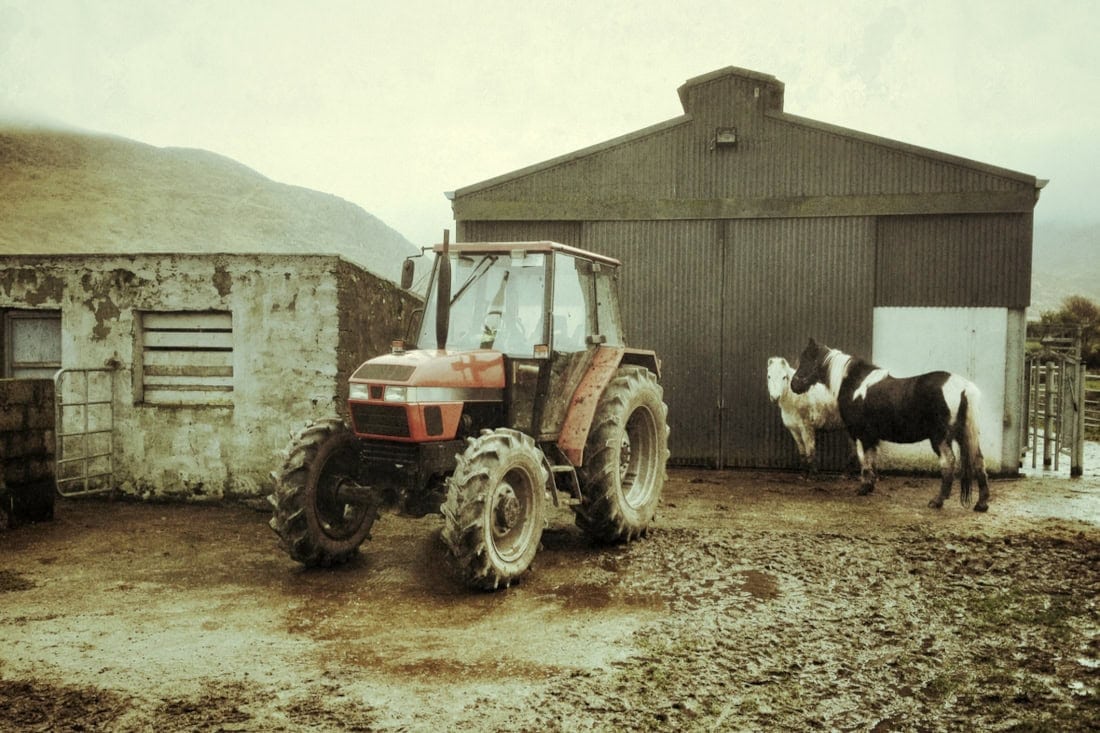
Caring for horses is as rewarding as it is demanding, but not all aspects of horse farm management are glamorous. From managing piles of manure to scrubbing slimy water troughs and untangling troublesome fence repairs, there’s no shortage of messy and monotonous tasks.
Add in the meticulous care of horses themselves — tackling hoof thrush, clipping unruly coats, and giving full-body baths — and it’s clear that horse ownership requires a hands-on approach.
While these chores may not be the most enjoyable part of equine care, they are essential to maintaining a safe, healthy, and functional equine facility. This article dives into the less pleasant but necessary responsibilities of managing a horse farm, offering practical strategies to make these tasks more efficient and less overwhelming.
From keeping fences sturdy to ensuring horses are clean and comfortable, discover how these behind-the-scenes efforts contribute to the well-being of both your horses and your farm.
Running a horse farm involves a wide range of daily tasks to ensure the well-being of the horses and the upkeep of the facility. These chores can vary in difficulty and time commitment but are essential for maintaining a healthy and productive environment.
While there are many challenging aspects of equine management, some tasks are harder than others. Some of the most important, if unpleasant, barn chores include:
- Manure management
- Water supply hygiene
- Fence maintenance
Mucking out stalls, handling manure, cleaning water buckets, and fixing fences may not be the most fun tasks around the horse farm, but they are necessary parts of horse care that keep both animals and the farm environment healthy and safe.
By taking a proactive approach to these less-than-glamorous tasks, you can ensure the well being of your horses and keep your farm running smoothly, leaving more time to spend with your equine companions.
Manure Management
Owning a horse often involves physically demanding and messy tasks, particularly those related to manure management.
A horse can produce between 30 and 50 lb (13 – 23 kg) of manure on an average day. [1] Over the course of a year, that adds up to a lot of manure that needs to be disposed of in a safe and sustainable way.
It takes proactive planning to keep manure under control and avoid potential issues. A well-thought-out manure management plan is essential to prevent health risks, unpleasant odors, and water contamination. [1]
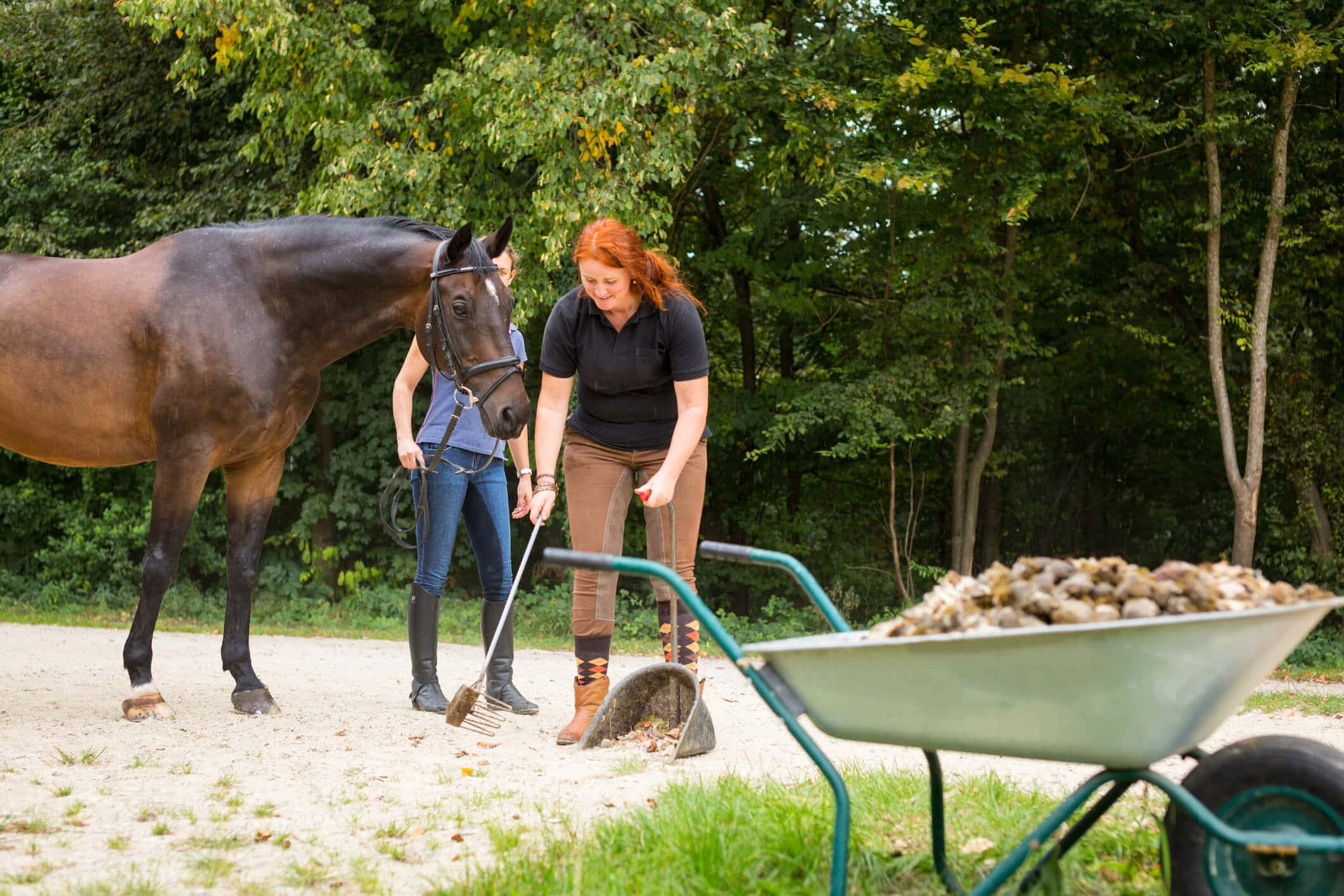
Manure accumulates quickly in stalls and pastures, creating a range of challenges if not properly handled. In stalls, excessive manure buildup can lead to unsanitary conditions and increased ammonia levels, which can irritate a horse’s respiratory system. In pastures, unmanaged manure can impact forage quality and create concentrated areas of mud, especially in wet conditions.
Additionally, manure serves as a breeding ground for parasites like strongyles, increasing the risk of parasite exposure and the spread of diseases.
Proper manure management reduces these risks, promotes better pasture health, and helps prevent water contamination from runoff. Regular removal and effective disposal ensure a cleaner, healthier environment for both horses and their caretakers.
Manure disposal is also regulated by law in some regions. Other reasons it is necessary to manage manure include: [2][3]
- Limiting the spread of insects that transmit disease
- Minimizing pests
- Maintaining overall aesthetics on the property
Management Strategies
Managing manure involves regularly mucking out and collecting waste from areas on the property where horses spend time, including: [2]
Once manure is collected from the pastures, stalls, and other areas, there are different strategies for handling it. Some farms use their own livestock manure as an effective fertilizer. In some cases, it’s possible to spread it directly on croplands, hay fields or pasture.
If you are planning to use manure as a fertilizer, take the following tips into consideration: [3]
- Spread manure as thinly as possible
- Spread manure only during the spring and summer
- Avoid spreading fresh manure on grazing pastures
- Avoid areas such as flood plains, areas with runoff, wells, and slopes
- Do not spread manure near streams or ponds or in high-water table zones
If the manure contains significant amounts of large particles like sawdust and wood shavings, it may be necessary to mix it with nitrogen fertilizer to promote additional decomposition of these materials. [3]
Using manure as fertilizer has some drawbacks, including: [1]
- Time investment: Spreading manure is time consuming, especially if it needs to be mixed with nitrogen or loaded into heavy equipment
- Seasonal limitations: In temperate climates, it is not feasible to spread manure in the winter
- Climate limitations: It’s important to spread on soil that isn’t too wet, or it will run off. This means facilities need an alternate plan during periods of high precipitation
- Land requirements: If using manure to fertilize grazing pasture, livestock need to graze elsewhere until the risk of parasite transmission has passed
Manure can be stored temporarily or long-term, whether it is used as fertilizer or awaiting removal. For farms using manure as fertilizer, proper storage is necessary until it can be applied. Alternatively, manure can be hauled away by professional disposal services [3]
Common storage methods for manure include: [1][2]
- Dry stacking: Storing manure in a purpose-built concrete structure designed with an impermeable floor and three walls that are at least four feet high
- Stockpiling: Placing manure in a convenient spot-on compressed ground either covered by a tarpaulin or left open
- Composting: Keeping manure outdoors and turning it over periodically to promote decomposition, which results in a nutrient-rich fertilizer that has lower volume than raw manure
Storage Location
When considering where to locate a manure storage area, it is useful to keep the following in mind: [4]
- The surface must be dry and flat with no surface water, sinkholes, or roads
- Most facilities prefer to store manure near barns but out of sight from public areas and neighbors
- The location should be accessible by machinery for efficient removal
- The storage site must be kept an appropriate distance from nearby water resources
Regardless of where the manure is stored, one major feature of a manure management plan is effective drainage. [3] Usually this means the manure storage site must be designed specifically for the property.
Drainage considerations include: [3]
- Storage site should be graded to redirect the flow of surface water, roof runoff, rainfall, etc. away from the manure
- Vegetated filter areas (grassy, gently sloped areas) can be used to filter and absorb waste water
- Other on-farm wastewater treatment plans can be used to collect and hold waste water
- A settling tank can be used to remove solids before dispersing the waste water
What's your top priority with your horse's health?
Water Supply Hygiene
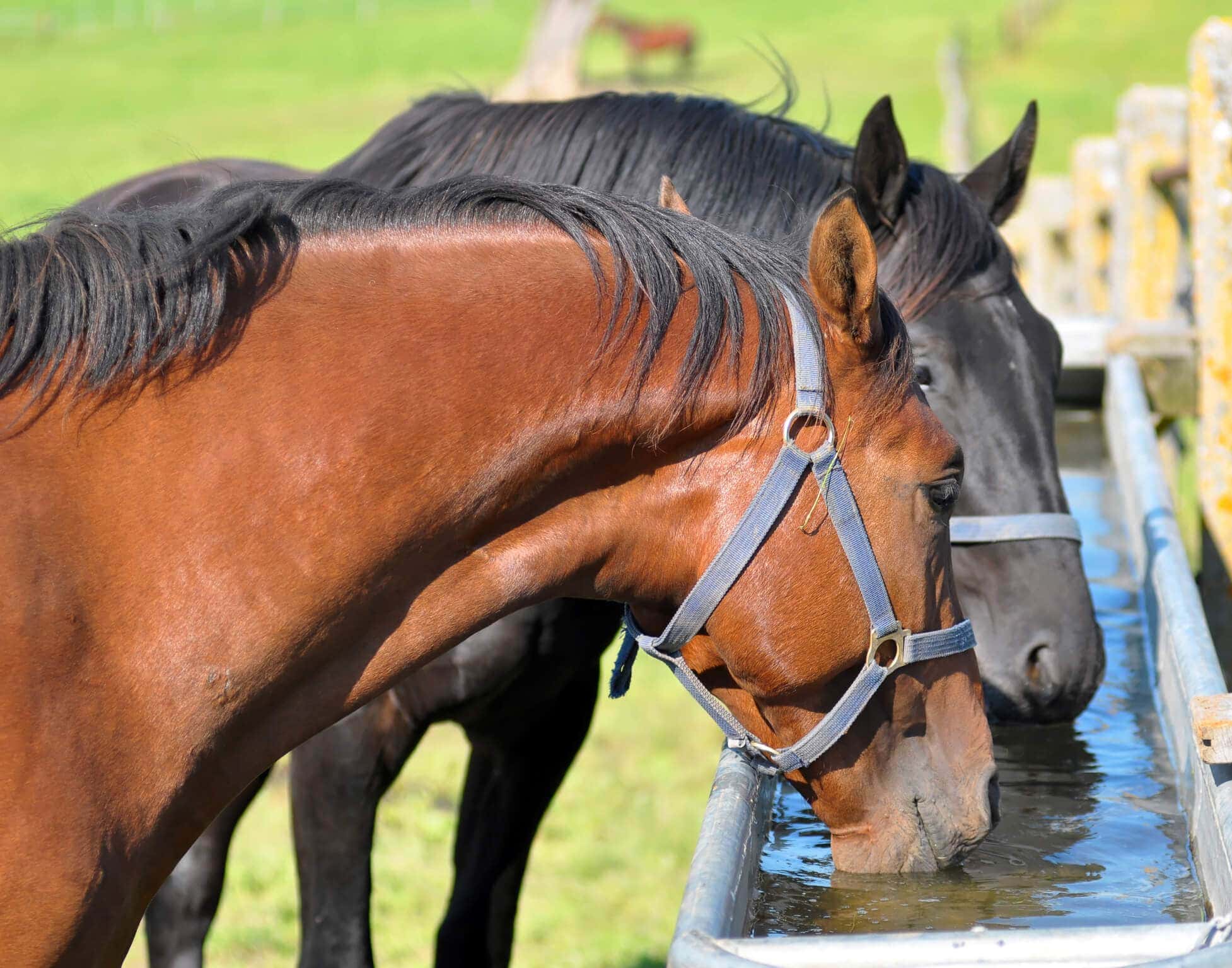
Another chore that needs careful planning and attention on the horse farm is cleaning of water buckets, troughs, and other water supply systems. Regular maintenance ensures that the water remains fresh, free from algae, debris, and contaminants.
Providing free access to clean, palatable drinking water is essential for maintaining a horse’s health. Horses typically consume between 6 to 9 gallons (22–34 liters) of water per day, with higher intake required in hot weather or when they are lactating or engaged in intense work. [5][6]
Insufficient water intake can lead to serious health issues, including dehydration, colic, and digestive issues. [7][8]
Horses are highly sensitive to water quality and may refuse to drink if the water is dirty or unpalatable. To ensure horses remain hydrated, it is important to keep water sources clean, fresh, and readily available at all times. [9]
Management Strategies
Clean water should be available at all times in your horse’s environment, regardless of how much turnout horses receive.
However, leaving water sources unattended for extended periods can lead to stagnant water, creating an ideal environment for algae, bacteria, and other harmful microbes to grow. [10] Additionally, standing water provides a breeding ground for mosquitoes, which are known carriers of severe equine diseases, such as Eastern Equine Encephalitis (EEE) and other mosquito-borne illnesses. [11]
The potential for disease transmission, combined with horses’ discerning tastes, makes it essential to regularly clean water buckets, tanks, and automated waterers.
Considerations when cleaning water buckets and other sources of water include: [9]
- Water buckets should be scrubbed and rinsed every day before they are refilled
- If buckets are hose-fed, they should be emptied, scrubbed, rinsed and refilled every day
- Larger watering systems should be emptied and scrubbed at least once a week
- Automated waterers with self-cleaning systems should be inspected daily and may require manual cleaning periodically
- Stock tanks should be cleaned at least weekly or whenever algae appears
- A stiff bristled scrub brush and mild detergent are recommended
- After scrubbing, rinse the buckets several times with clean water to remove any soap residue before refilling with drinking water
Table 1. Watering systems recommended cleaning schedule
| Watering System | Cleaning Frequency | Notes |
|---|---|---|
| Hanging pails | Daily | Rinse between fillings |
| Hose-fed systems | Daily | Refill daily |
| Large troughs | Weekly | Inspect daily |
| Automated waterers | As per manufacturer guidelines | Inspect daily |
| Stock tanks | Weekly or if algae is present | Inspect daily |
In freezing temperatures, take care to avoid splashing water in areas where it could freeze and create slippery, hazardous conditions underfoot. Additionally, avoid getting water on snaps or clips used to attach buckets to walls, as these can freeze shut and become difficult to use.
If buckets need to be disinfected, such as during biosecurity protocols, diluted bleach can be used as an effective disinfectant. Alternatively, specialized bactericides and viricides are available for addressing specific pathogens. [9]
Fencing
Fencing is one of the most important investments for any horse farm. Perimeter fencing is necessary for keeping horses safely on the property, while easy-to-install paddock fencing can be reconfigured as needed to accommodate changes in the herd or farm operations.
There are many different types of fences each with unique maintenance requirements, including:
- Rail or plank
- High-tensile wire
- Rubber
- Mesh wire
- Electric
Rail or Plank
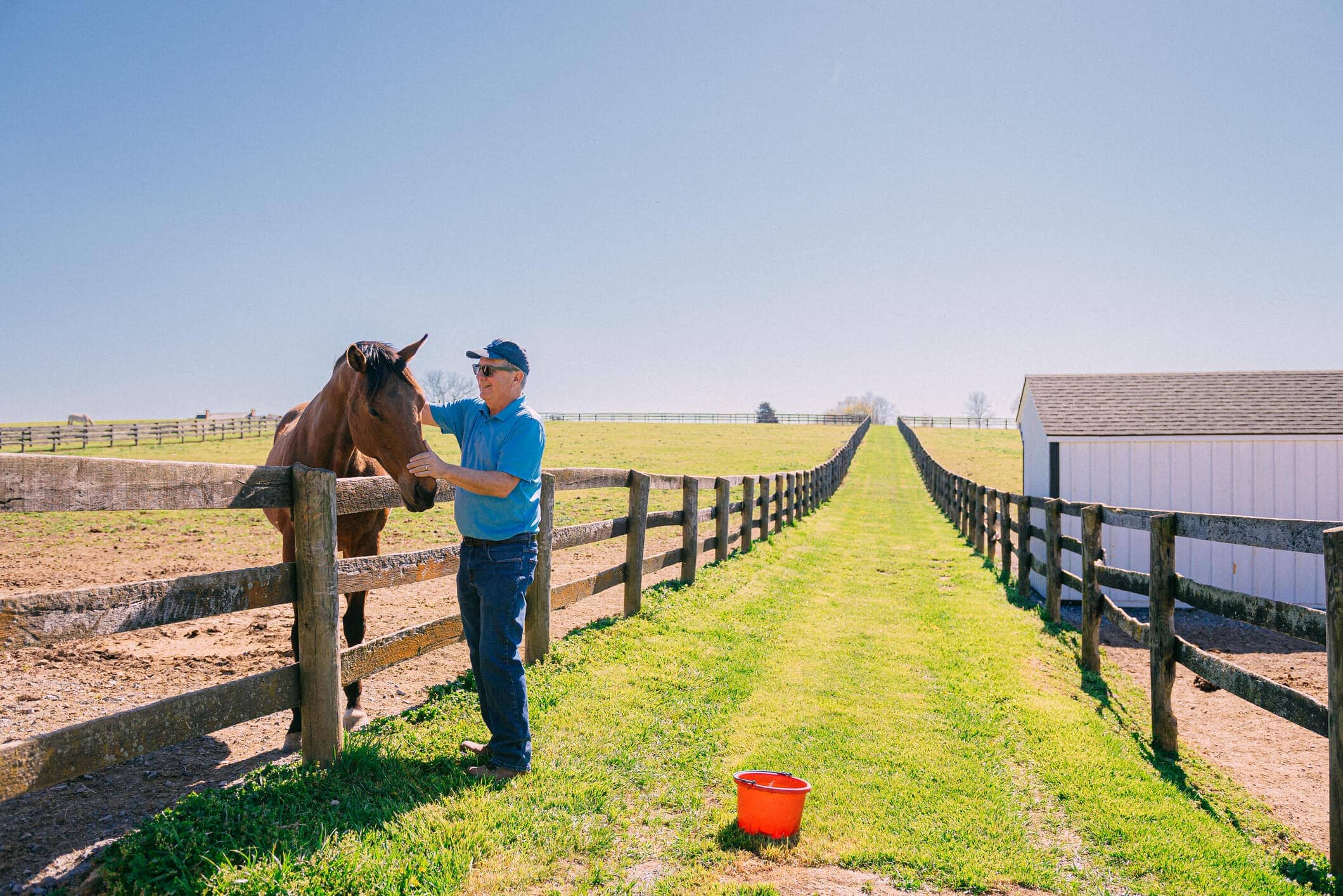
This type of fence is attractive and comes in a variety of different styles and materials. However, rail or plank fences are expensive to construct and maintain. Wooden plank fencing may require painting or other treatments to prevent them from rotting, which may need to be reapplied every few years. [12]
Fencing made of PVC or vinyl-coated wood does not need to be painted but requires occasional cleansing with a bleach solution or other mildew-removing agent, especially in warm or humid climates. [12]
Plain wood fencing is generally safe for horses, but if an animal breaks through, they can sustain injuries. Wood wrapped in PVC is less likely to form a jagged edge if broken. [12]
High-Tensile Wire
High-tensile fences are robust and less expensive than rail fences. This fencing needs to be inspected regularly and the wires have to be tightened occasionally to maintain tension.
These fences are not the safest option for horses, as equines can sustain severe injuries if they attempt to run through high-tensile wire. [12]
Rubber
Rubber fencing can be made from recycled material like old tires or conveyor belts, which is cost effective and environmentally conscious. This type of fence is soft and yielding, which means it can handle a high animal load like that posed by a horse’s body weight. [12]
Rubber fences require significant maintenance to prevent them from sagging over time, especially in warm weather. Even though rubber fencing is less likely to result in a blunt force injury, they do pose a risk of digestive injury to horses. If horses crib on a rubber fence, they may be at increased risk of colic and impaction. [12]
Mesh Wire
This type of fence is strong, durable, and more cost-effective than rail fences. However, the mesh must have openings small enough to prevent hooves from getting caught. Despite its advantages, mesh wire fencing can pose a hazard to horses, as it may cause a “cheese grater effect” if a horse runs into it at high speed. [12]
To minimize risks, detailed routine inspections are essential to ensure the mesh remains intact and free of exposed sharp wire ends.
Electric
Electric fences can be made of several different types of material, depending on the needs of the horse farm. A major advantage of using electric fencing is they can be easily reconfigured once the electrical supply is installed. [12]
Electric fencing is considered very safe for horses because the wires typically break if a horse runs through them, reducing the likelihood of serious injury. Opting for wider wires or tape improves visibility, helping horses recognize the fence and reducing the risk of accidental breaches. [12]
However, electric fencing requires the most maintenance out of common fence types used for horses and other livestock. Vegetation near the fence must be trimmed back on a regular basis to prevent the charge from being grounded. Grounding rods need to be inspected and maintained to ensure the electric charge is consistent and safe for animals and humans. [12]
Further, while the breakaway nature of electric fencing enhances horse safety by minimizing injury risks, the trade-off is that broken wires require more frequent replacement compared to more durable fencing types.
Management Strategies
To ensure the safety and security of horses, it’s recommended to perform daily fence inspections, especially in pastures and paddocks where they spend most of their time. Regular checks help identify and address issues before they become hazards.
Fences can sustain damage from various factors beyond the horses themselves, including: [13][14]
- Storms
- Downed trees or tree limbs
- Quickly growing plants like honeysuckle and common ivy
In addition to maintaining the fencing itself, performing routine fence line inspections helps prevent horses from ingesting toxic plants that may grow near the property. Harmful plants often spread from outlying areas into paddocks and yards, posing a serious health risk. [14][15]
Fenceline inspections also help with the early detection of flooding or water infiltration into pastures. Streams, creeks, ponds, and rivers commonly shift due to natural phenomena like flooding or livestock activity that erode banks. [14]
Excess water in horse pastures can create muddy, slippery, and uneven footing, increasing the risk of injuries. Alongside proactive inspections, maintaining vegetation along streams and banks helps stabilize soil, prevent erosion, and filter runoff. [14]
Fence Maintenance
Regular maintenance of fencing ensures that it is sturdy and keeps horses and other livestock inside designated areas. Some considerations for fence maintenance include: [12]
- Repairing or replacing anchor posts when they begin to fail
- Painting or repainting wooden fences to ensure longevity and aesthetics
- Bleaching vinyl or PVC fences to remove mildew
- Repairing or replacing loose or broken wires
- Tightening high-tensile fences once or twice a year
- Clearing weeds and other plants along the fence line
- Inspecting electric fences for changes in voltage
Regularly conducting fence line inspections is key for identifying and addressing issues, ensuring the safety of horses and maintaining the property in the best condition.

In addition to labor-intensive farm chores, there are a number of common horse management tasks that can be challenging for owners and caretakers.
Some aspects of equine care require owners to get up close and personal with their horse’s hygiene, and others require expert handling to keep the horse calm and cooperative.
Three of the most daunting horse care tasks are:
- Hoof cleaning for thrush prevention
- Coat clipping
- Bathing
Hoof Cleaning to Prevent Equine Thrush
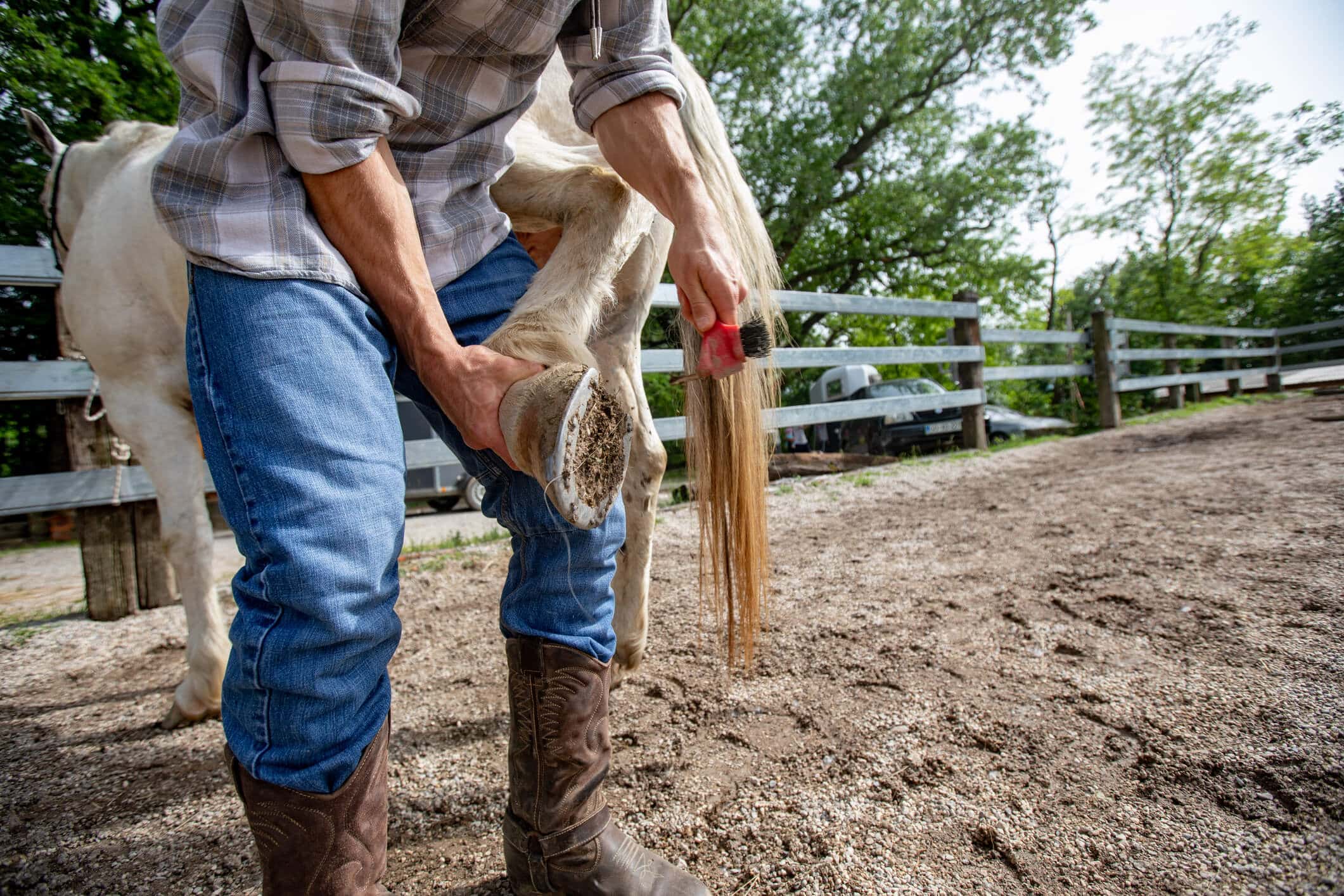
Regular hoof cleaning is one of the most effective ways to prevent thrush in horses. Thrush is a common and unpleasant condition affecting the frog – the soft, V-shaped part of a horse’s hoof.
While it is presumed to be caused by a bacterial infection, the exact cause remains uncertain. [16]
As the infection progresses, the outer layer of the frog deteriorates, leading to visible damage and the production of a black, foul-smelling discharge. In severe cases, the infection can penetrate deeper into the sensitive tissues beneath the frog, causing significant pain and even lameness. [17]
Effects of Thrush
A healthy frog is critical for a horse’s soundness and welfare. The frog acts as a cushion to keep the heels well-spread, supports the horse’s weight, and absorbs the shock of footfalls. It also helps keep the hoof clean by expanding when the horse steps, pushing out dirt and debris. [17]
Horses with unhealthy frogs experience a disruption in the hoof’s natural self-cleaning mechanism, allowing dirt and manure to accumulate. This buildup increases pressure within the hoof, causing the frog to shrink and weaken. Over time, this cycle can worsen, leading to changes in hoof shape, discomfort, and difficulty bearing weight in severe cases. [17]
Causes of Thrush
The exact pathophysiology of equine thrush has not been fully characterized. [16] Several types of bacteria are associated with thrush. Predisposing risk factors for infection in horses include: [16][18]
- Narrow heels
- Excessive time spent in wet, muddy, or otherwise unhygienic conditions
- Lack of exercise
- Hoof conformation faults
- Insufficient or irregular farrier care
Thrush Management
The first step in treating thrush is removing dead tissue from the hoof. This step must be performed by a veterinarian or farrier. [17] Once this is complete, daily cleaning of the affected hoof or hooves is required until the issue is resolved. Depending on the circumstances, management changes may also be beneficial.
General strategies for managing thrush include: [18]
- Gently removing debris and dead tissue with a hoof pick
- Soaking the hoof for 20 to 30 minutes a day
- Drying the hooves thoroughly
- Applying topical medications or ointments recommended by your veterinarian or farrier
- Corrective trimming and shoeing
- Regular exercise in a dry area
During recovery, it is crucial to prevent reinfection by keeping the horse in a clean, dry environment. Regularly clean and disinfect stalls and avoid muddy or wet turnout areas. If the thrush does not improve or the horse begins to show signs of lameness, a reassessment by a veterinarian is necessary to ensure proper treatment.
Clipping
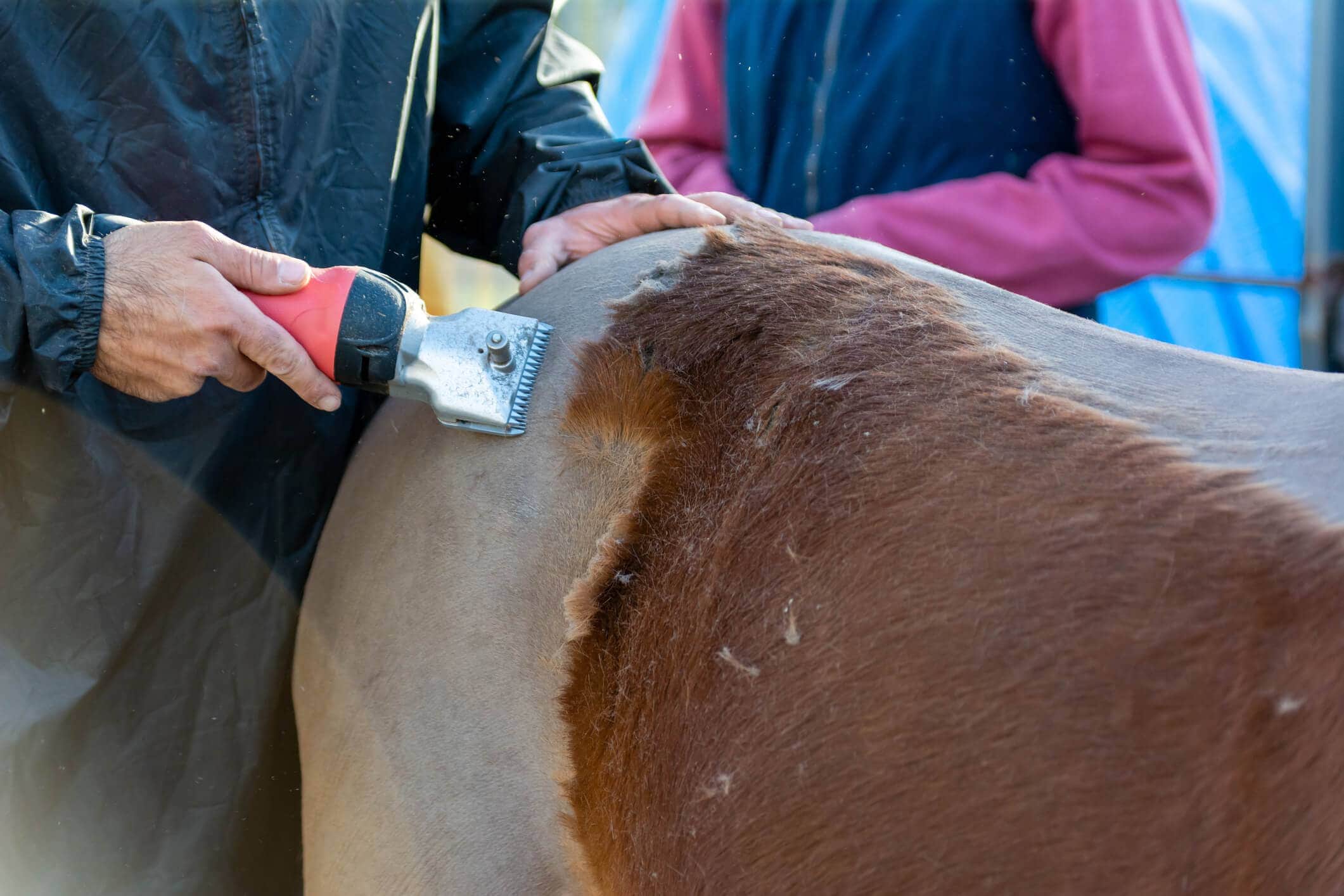
Clipping a horse’s coat can be a challenging process for both horse and owner. Although clipping is painless, many horses find it uncomfortable and may react poorly to the procedure. [19]
Despite the challenges, some owners choose to clip their horses for specific disciplines, to help regulate body temperature, or for aesthetic purposes.
Reasons for Clipping
Clipping is not required for a horse’s health or management, but it is a common practice for sport horses. [20] Deciding whether or not to clip a horse’s coat depends on the owner’s discretion. Factors to consider include the horse’s:
- Activity level
- Age
- Health status
- Living conditions
In addition, some owners elect to clip seasonally based on the horse’s hair length and thickness. Horse hair length and thickness are influenced by:
- Climate: Horses in colder or wetter climates may need their natural coat for insulation, while those in warmer climates may benefit from clipping.
- Breed: Some breeds naturally grow thicker coats, which might require clipping to manage heat or for aesthetic purposes.
- Daylight Exposure: The number of daylight hours a horse experiences influences coat growth and shedding, affecting whether clipping is necessary.
- Metabolic Status: Horses with metabolic conditions, such as Cushing’s disease (PPID), may develop thick or irregular coats that can be better managed with clipping.
Before clipping your horse, consider whether they might need additional management to compensate for a thinner coat. Research suggests that clipping can interfere with the horse’s ability to regulate its own body temperature. [21] Clipped horses may require ongoing blanketing, especially in winter or if they are underweight.
Pros & Cons of Clipping
There are some benefits to clipping the horse’s coat, including:
- Preventing overheating
- Promoting skin health
- Improving appearance
- Managing abnormal coat growth
- Supporting horses that cannot sweat
- Maintaining basic grooming
There are some drawbacks to consider before clipping a horse’s coat. The coat serves as natural protection against the elements, so clipping can leave horses more vulnerable to cold, wind, and rain. Clipped horses require appropriate blanketing and shelter, especially in inclement weather.
Additionally, the coat acts as a protective barrier for the skin. Removing it may increase the horse’s susceptibility to fly irritation and skin infections.
Clipping Guide
If your horse is particularly nervous or sensitive, or if you are inexperienced, professional clipping services can help ensure a safe and stress-free experience for both you and your horse.
If you choose to clip your horse yourself, follow these basic guidelines:
- Wear protective clothing including sturdy footwear and a helmet
- Work with an experienced second handler
- Bathe the horse first to reduce oil and dirt on the coat, which can get trapped in the clippers
- Bandage the tail and braid the mane to keep out of the way
- Test a patch of skin for sensitivity to clipper oil
- Ensure the clipper blades are sharp and the clippers are well maintained
- Clip in a quiet, settled area with the horse securely tied up
Once you are ready to begin clipping, it’s important to keep the horse calm. Gradually introducing your horse to the noise of clippers can help them become accustomed to the sound. Start with small or cordless clippers, or use other buzzing equipment like an electric toothbrush, to gently acclimate them.
Be patient, as it may take multiple habituation sessions before your horse is comfortable with the clipping process.
Once the horse is desensitized to the noise, start to clip in a less sensitive area like the shoulder. This helps habituate the horse to the sensation of buzzing on its skin. Rewarding the horse with treats or positive reinforcement throughout the activity can help make future clippings easier.
To achieve a tidy look, it’s important to clip all the hair to the same length. Tips for clipping include:
- Use a grid pattern so that all the hair gets clipped
- Clip against the hair’s growth pattern
- Clip with long flat strokes while holding the clippers flat against the skin
- Overlap clipping paths to prevent lines
- Stretch the horse’s skin to smooth out wrinkles or folds
- At the tail, clip a triangle at the tailhead
- On the neck, hold the clippers perpendicular to the neck and clip downward from the mane
Bathing
Bathing a horse can seem like a simple task, but any seasoned equestrian knows it can quickly turn into a frustrating ordeal.
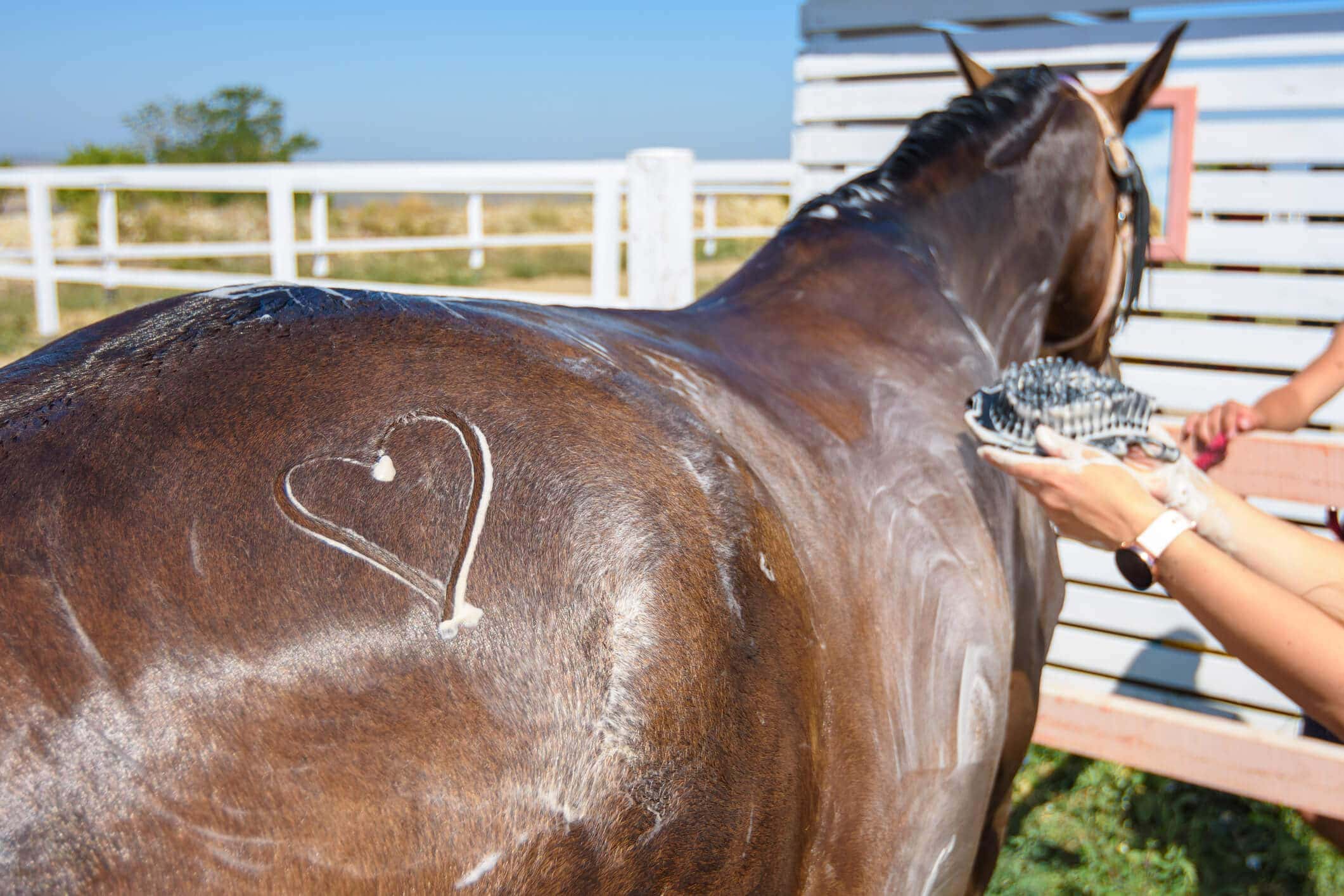
Bathing serves an important role in horse care. Cleansing with water and shampoo removes dirt, sweat, and grime from your horse’s coat that cannot be managed with basic grooming alone. [22] Regular bathing helps prevent skin irritation and ensures the coat stays shiny and healthy.
Horses prone to skin conditions like rain rot or fungal infections also benefit from regular baths to help keep their skin clean and avoid recurring infections.
Most owners also bathe their horses before showing and competition to make the best possible impression on spectators and judges.
Bathing Guide
When bathing your horse, use a livestock shampoo or a mild, non-detergent soap to protect their skin and coat. Avoid shampooing too frequently, as this can strip the coat of its natural oils, which are essential for maintaining a healthy shine and protective barrier. [22]
For horses with busy show schedules, alternate between shampooing and simple rinsing to keep the coat clean while preserving its natural oils. Also, avoid bathing horses in cold weather.
The general steps for bathing a horse are: [22]
- Wet the horse completely with a hose or sponge; if your horse is very sensitive, you might have to hold their ears closed when wetting down the head
- Apply shampoo directly to the coat or mix together a dilution in a bucket
- Scrub your horse with a sponge or soft brush
- Rinse thoroughly
- Remove excess water with a soap scraper
- Towel dry the horse in sections
It’s easiest to bathe the horse one section at a time, especially if the horse’s hair is drying faster than you are able to scrub. [22]
Some owners elect to use coat dressings that are sprayed on immediately after bathing. To achieve the best look for your freshly bathed horse, keep them out of the sun until the hair is completely dry. [22]
Frequently Asked Questions
Here are some frequently asked questions about challenging horse farm chores:
Depending on your farm setup, manure can be composted, stockpiled, or dry stacked. Proper drainage and storage location are essential to prevent water contamination, minimize odors, and limit the spread of parasites and pests. Alternatively, manure can be hauled away by a professional service. [1][2][3]
Water buckets should be cleaned daily, while troughs and automatic waterers should be scrubbed at least weekly. Use a stiff-bristled brush and mild detergent, followed by thorough rinsing to remove soap residue. In warmer months, cleaning should occur more frequently to prevent algae and mosquito breeding. [9]
Mesh wire and electric fences are among the easiest to maintain. Mesh fences are durable and require minimal upkeep beyond checking for damaged areas. Electric fences are cost-effective and flexible but break away easily, requiring ongoing repairs. [12]
Thrush management starts with a veterinarian or farrier cleaning the affected hoof to remove debris and dead tissue. As the horse is recovering, the affected hooves need daily cleaning and the horse should be housed in a clean, dry environment with light exercise. [18]
Clipping is not necessary for all horses. It is typically done for aesthetic reasons, performance needs, or to keep horses cool during work. However, clipped horses may require additional management, such as blanketing, to compensate for their thinner coats.
Bathing frequency depends on the horse's activity level and coat condition. Horses that sweat heavily or have skin conditions may need more frequent baths. Use horse-safe shampoos and tools to avoid skin irritation.[22] For light grooming, spot cleaning is often sufficient between full baths.
Summary
Owning or caring for a horse is a labor of love, requiring dedication and effort to ensure the horse's health and well-being. From daily tasks like mucking stalls, maintaining clean water supplies, checking fence lines and hoof cleaning, horse ownership demands regular attention and a willingness to tackle both routine and unexpected challenges.
- A manure management plan is essential to limit the spread of parasites and pests, follow regional regulations, improve the aesthetics of the property, and preserve water quality.
- Cleaning water sources helps encourage hydration by offering the horse access clean, palatable drinking water that is free from debris and microbes.
- Daily fence inspections are a cornerstone of keeping horses and other livestock safely contained on your farm.
- Thrush is a common hoof condition that requires daily care, robust hygiene and mud management to prevent.
- Clipping is an optional horse chore, but many owners prefer having their horses clipped.
- Periodic bathing helps promote overall skin and hair health while also keeping horses looking their best at shows and competitions.
References
- Kelly. F. and Westendorf. M., FS1192: Storing Manure on Small Horse and Livestock Farms. Rutgers NJAES. 2014.
- Horse Manure Management. Extension Horses. 2020.
- Fabian. E. E., Horse Stable Manure Management. PennState Extension. 2019.
- Sakers. E. et al., Manure Composting for Small Horse Farms. EDIS. 2023.
- Hinton. M., On the Watering of Horses: A Review. Equine Veterinary Journal. 1978.
- Coenen. M., Exercise and Stress: Impact on Adaptive Processes Involving Water and Electrolytes. Livestock Production Science. 2005.
- Geor. R. J., Acute Renal Failure in Horses. Veterinary Clinics of North America: Equine Practice. 2007. View Summary
- White. N. A. and Dabareiner. R. M., Treatment of Impaction Colics. Veterinary Clinics of North America: Equine Practice. 1997. View Summary
- Ony. E. E., Cleaning Horse Feed Tubs and Buckets. Kentucky Equine Research. 2002.
- LeJeune. J. T. et al., Livestock Drinking Water Microbiology and the Factors Influencing the Quality of Drinking Water Offered to Cattle. Journal of Dairy Science. 2001.
- Mosquitoes, in External Parasite and Vector Control Guidelines. American Association of Equine Practitioners. 2016.
- Worley. J., Fences for Horses. UGA Extension. 2024.
- Which Plants Will Damage My Fence?. Barnard Fencing. 2016.
- Neal. N., Time to Check Your Fence Line. Farm and Dairy. 2021.
- Bamka. W. et al., Poisonous Weeds in Horse Pastures. Rutgers NJAES. 2013.
- Beasley, B., Thrush in Horses. Merck Veterinary Manual. 2024.
- O'Grady, S. E., How to Identify and Treat Thrush. American Farriers Journal. 2018.
- Belknap, J. K., Disorders of the Foot in Horses. Merck Veterinary Manual. 2019.
- Yarnell. K. et al., An Assessment of the Aversive Nature of an Animal Management Procedure (Clipping) Using Behavioral and Physiological Measures. Physiology & Behavior. 2013. View Summary
- Steinhoff-Wagner. J., Coat Clipping of Horses: A Survey. Journal of Applied Animal Welfare Science. Routledge. 2019. View Summary
- Hartmann. E. et al., Management of Horses with Focus on Blanketing and Clipping Practices Reported by Members of the Swedish and Norwegian Equestrian Community1. Journal of Animal Science. 2017. View Summary
- Care and Management of the Horse. The 4-H Horse Project, Oregon State Extension.