English








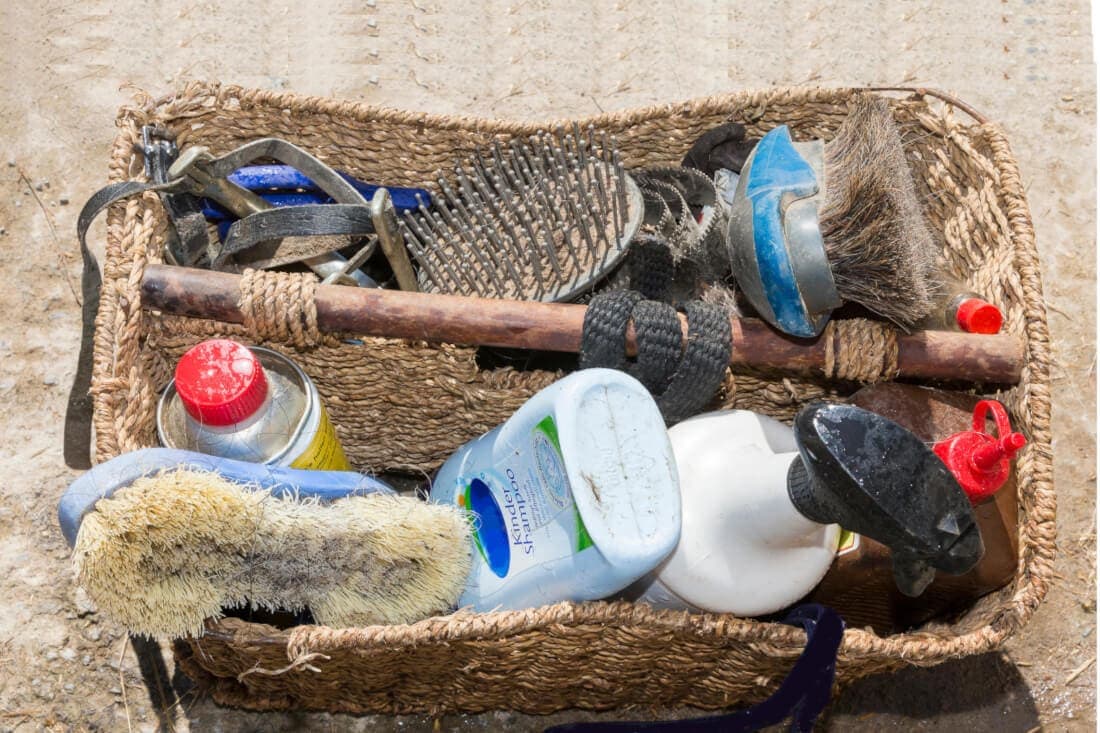
A well-stocked horse grooming kit is essential for routine horse care, hygiene, and daily health monitoring.
Using the right grooming tools helps keep a horse’s skin and coat clean, supports circulation, and allows handlers to identify injuries, soreness, or skin issues early.
Regular grooming also plays an important role in handling and management, providing structured time for observation and calm interaction between horse and handler. However, with the wide range of grooming products available, it can be difficult to determine which tools are truly necessary and which are optional.
This guide outlines the essential supplies every horse grooming kit should include, along with guidance on tool quality, proper cleaning, and optional additions that can be tailored to a horse’s workload, environment, and riding discipline.
The Importance of Grooming for Horses
Grooming describes the act of maintaining a horse’s coat, mane, tail, hooves, and skin, although regular grooming is also an important form of daily enrichment for domestic horses.
Brushing removes dirt, sweat, and debris from horse hair while also stimulating circulation and distributing natural oils across the coat. This helps reduce skin irritation for horses and lower the risk of skin conditions like rain rot or girth galls.
Like other types of handling, grooming also supports human-horse bonding by reflecting equine social behaviors. Horses groom each other in the wild as a form of social bonding, and mimicking this supports similar relationship building between horses and humans. Grooming routines also promote calm behavior by building trust and desensitization, which can be especially effective for young, sensitive, or nervous horses. [1][2][3]
Grooming also plays an important role in a horse’s presentation and readiness for competition. In many riding disciplines and breed shows, careful grooming is part of the expected standard of turnout, and some events require additional preparation such as braiding the mane or tail.
In addition to its practical applications, grooming provides an important opportunity to monitor a horse’s physical health.
Changes in a horse’s condition that are easy to notice during grooming include: [2][4]
- Abnormal heat on the skin or hooves
- Swelling
- Weight loss
- Lesions
- Sensitivity to touch
- Early signs of lameness
What's your top priority with your horse's health?

Enter your email to receive your store credit
What to Include in a Horse Grooming Kit
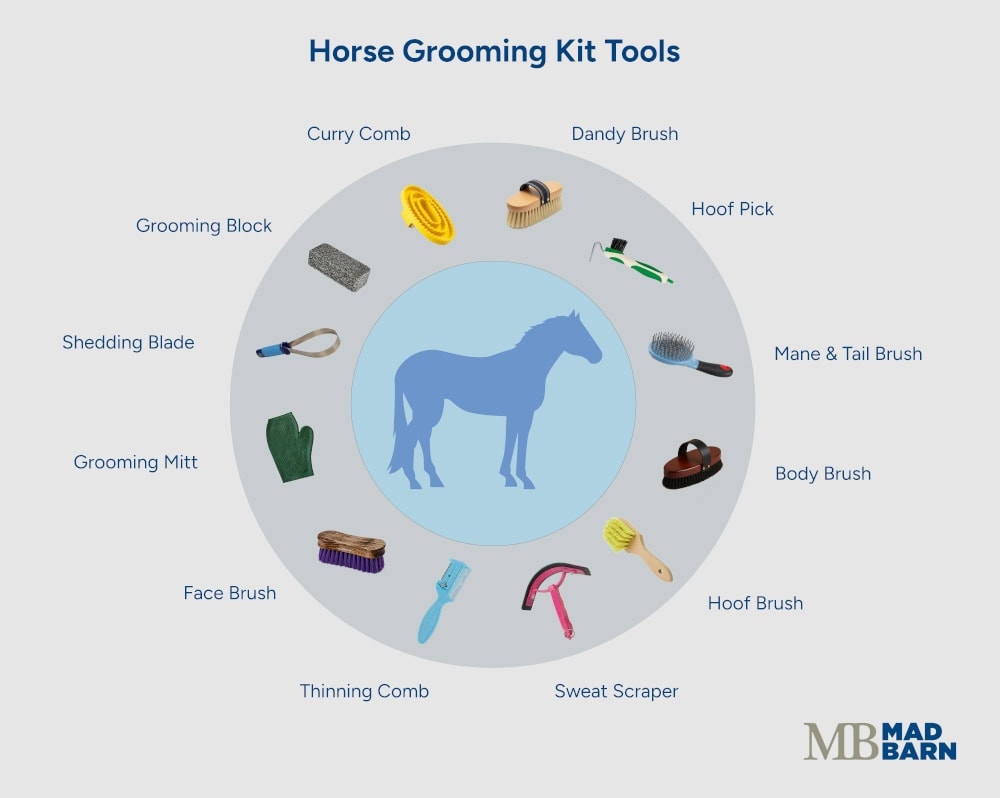
A well-rounded grooming kit starts with the essentials. These tools are used for daily grooming and help maintain horses’ coats, manes, tails, and hooves.
Each item plays a specific role whether it be cleaning, stimulation, or checking for small changes in the horse’s skin.
Curry Comb
Curry combs are designed to loosen dirt, hair, and debris from a horse’s coat. Most curry combs are made from rubber or flexible plastic, helping them to conform to a horse’s body.
Curry combs are designed to be brushed in circular motions to loosen dirt, dried sweat, and shedding hair while stimulating the horse’s skin and supporting healthy circulation. The massaging action also helps distribute natural oils that protect and soften the coat, giving it a healthy sheen.
Because of the comb’s rough texture, curry combs are best used on broad areas such as a horse’s neck, shoulders, and hindquarters. They are less suitable for bony or sensitive regions, including the face and lower legs.
Pressure should always be adjusted to individual horses. Some might prefer firm strokes, while others are more comfortable with a lighter touch. Horses with clipped coats or thin skin may find curry combs too abrasive; in these cases grooming mitts or softer alternatives may be better options.
Dandy Brush (Hard Brush)
After debris has been loosened with a curry comb, next steps focus on clearing it away from the coat. Dandy brushes, also known as stiff or hard brushes, are used to sweep away dirt and hair lifted during currying.
Dandy brushes have firm bristles designed to flick away dirt, dust, and loose hair using swift, directional strokes. These brushes are used in the direction of hair growth and limited to the main body of a horse, avoiding sensitive areas such as the face.
For coarse-coated horses, such as native ponies or some draft types, this brush helps achieve a clean, presentable finish without causing discomfort.
Body Brush (Soft Brush)
Once heavier debris is removed, a body brush (also known as a soft brush) is used to smooth the horse’s coat and remove fine dust particles. Body brushes are often used as a finishing tool, enhancing coat shine by distributing oils and aligning hairs.
Body brushes have shorter, softer bristles than dandy brushes, making them more suitable for sensitive areas of a horse’s body. They are sometimes used to help young horses acclimatize to grooming, as the gentler sensation is less likely to cause aversion. For clipped or sensitive horses, body brushes can take the place of stiffer alternatives.
Brushes with natural bristles, such as goat or horsehair, may be softer and longer-lasting, creating a smoother finish than synthetic options.
Hoof Pick
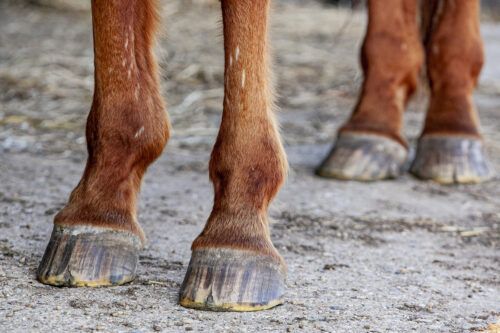
Hoof picks clean hooves by removing packed-in dirt, manure, stones, and other debris that collect during turnout or riding. Some hoof picks also feature a small brush on one end, allowing users to sweep away fine debris for a cleaner finish.
Regular hoof cleaning ensures comfort and overall condition by reducing buildup around the frog and sole, where trapped material can otherwise contribute to soreness or infection.
Mane & Tail Comb or Brush
Horse manes and tails benefit from dedicated tools to stay clean, untangled, and healthy. These areas where the horse’s hair is longest are managed with either a wide-toothed comb or a hair brush.
Wide-toothed combs are generally preferable to fine brushes, as they reduce tension on individual hairs and are less likely to cause breakage.
Detangling is often more effective when fingers are used first, starting at the ends and working upward. Applying leave-in detangler sprays can further reduce friction, improve glide, and help limit hair loss.
Shedding Blade or Grooming Block
As seasons change, horses shed their coats in response to changing daylight hours. Shedding blades and grooming blocks help remove loose hair during this process, supporting coat turnover and reducing hair buildup under rugs or tack.
Shedding blades use a looped metal strip with serrated edges to catch and lift loose hair. Grooming blocks, often made from pumice-like material, provide a similar result with a softer feel. Both tools work well on short-coated horses and are useful after turnout, when coats collect dust and hair.
Sponges & Cloths
Sponges or cloths are used when cleaning delicate areas such as a horse’s eyes, nostrils, lips, dock, or area under the tail. These regions collect dirt and natural discharge, which can contribute to bacterial growth if regular cleaning is neglected.
Microfiber cloths are a popular choice, since they are highly absorbent and gentle on the skin. They can also be machine-washed and reused, making them a hygienic and eco-friendly option. Keeping several on hand is useful for drying damp horses, cleaning equipment, or spot-washing sweat after work.
Optional Grooming Tools
Core grooming tools cover most daily needs, though other items can help in certain climates, riding styles, or barn settings.
Sweat Scraper
After bathing or a heavy workout, horses often remain wet for extended periods. A sweat scraper, a curved rubber or metal tool, helps remove excess water from the coat, helping speed drying and reduce heat loss.
Scrapers can also be used to remove sweat after intense exercise, especially during summer.
Grooming Mitt or Glove
Rubber grooming mitts offer an alternative to curry combs for horses that prefer softer textures. These mitts fit over the hand and are used to gently remove debris from sensitive areas such as the face, legs, or girth line.
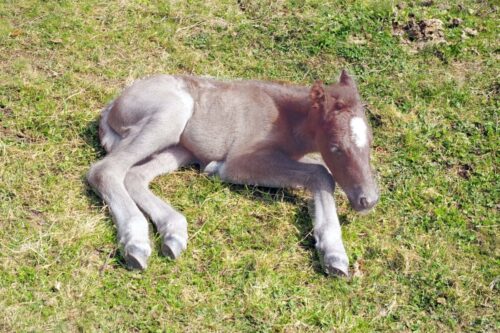
Many horses find the sensation calming, making mitts particularly useful for foals, rescues, or animals in rehabilitation.
Face Brush
Face brushes feature thinner, ultra-soft bristles designed for sensitive facial skin. This allows gentle cleaning around horses’ eyes, muzzle, and jawline without causing irritation. Keeping a separate face brush also supports hygiene by limiting cross contamination with dirtier grooming areas.
Hoof Brush
Hoof brushes (separate from hoof picks) are used to scrub away mud or bedding from along the outer hoof wall around the coronary band and heels. It is particularly useful in dry environments or before applying topical hoof treatments.
Mane Pulling Comb or Thinning Knife
Mane pulling combs and thinning knives are used when horses have thick, unruly manes. These tools allow handlers to shorten and thin the mane while preserving a natural, layered look. Mane pulling should be done gradually and only when the horse is dry, as pulling wet hair can be painful.
Table 1. Summary of horse grooming kit essentials and optional tools
| Item | Category | Primary Use |
|---|---|---|
| Curry comb | Essential | Loosens dirt, hair, and debris while stimulating skin and circulation |
| Dandy brush (hard brush) | Essential | Removes dirt and hair lifted by the curry comb |
| Body brush (soft brush) | Essential | Removes fine dust and distributes natural oils for coat shine |
| Hoof pick | Essential | Cleans hooves and removes packed dirt, stones, and debris |
| Mane & tail comb or brush | Essential | Detangles and maintains mane and tail hair |
| Shedding blade or grooming block | Essential | Removes loose hair during seasonal shedding |
| Sponges & cloths | Essential | Cleans sensitive areas such as eyes, nostrils, and dock |
| Sweat scraper | Optional | Removes excess water or sweat after bathing or exercise |
| Grooming mitt or glove | Optional | Provides gentle grooming for sensitive horses or areas |
| Face brush | Optional | Gently cleans facial areas without irritation |
| Hoof brush | Optional | Scrubs outer hoof wall and heels before treatments |
| Mane pulling comb or thinning knife | Optional | Thins and shortens thick or unruly manes |

Managing and Maintaining Grooming Tools
Grooming tools require the same care given to tack and stable equipment. Regular cleaning helps extend tool life and reduces the risk of transferring infections, parasites, and fungal organisms between horses.
Brushes benefit from routine soaking in warm, soapy water, followed by a thorough rinse to clear hair, dirt, and residue. Monthly disinfection with a diluted antiseptic helps eliminate harmful microorganisms, particularly in high-traffic barns.
Hoof picks and combs should be cleaned after use in muddy or wet conditions. Once dry, they should also be inspected for rust, cracks, or wear that could affect safe handling.
Cloths and sponges require frequent machine washing, especially when used near sensitive areas such as a horse’s eyes or dock. Consider replacing cloths when their materials are stained or thinning.
Grooming Kit Storage
An organized grooming kit saves time, protects your tools, and helps prevent cross-contamination and biosecurity concerns. Common options include:
- Grooming totes or buckets: Open-top caddies that allow quick access
- Soft grooming bags: With multiple compartments and zippers for secure travel
- Rolling carts or tack trunks: Well suited for barns with multiple horses
- Wall racks: For mounting grooming tools centrally in a shared space
Small (or sharp) items benefit from secure storage to reduce loss, damage, or accidental injury. Mesh bags work well for sponges and cloths, allowing extra airflow for quicker drying. Regular emptying of grooming totes helps remove accumulated dirt and debris.
It’s best practice to store all tools in a dry, well-ventilated area. This helps prevent mold, mildew, and bacterial growth that rely on warmth and moisture to grow.
In barns with multiple horses, separate grooming kits or color-coded tools for each horse help lower the risk of cross-contamination between animals.
Travel & Show Kits
Portable grooming kits are useful when traveling, attending competitions, or going on extended trail rides. Contents usually include tools for routine grooming, spot cleaning, and quick touch-ups, helping horses stay comfortable and presentable while away from home.
For multi-day events, added items often include shampoo, a sweat scraper, and grooming wipes. Collapsible buckets can serve as both wash buckets and water carriers. Stain remover helps manage white or gray coats by lifting manure or grass marks before entering the ring.
All items should be stored in a lightweight, sturdy container with secure closures to prevent spills or loss during travel. With some planning, portable grooming kits help keep grooming simple and manageable, even away from home.
Grooming Sensitive Horses
Some horses have sensitive skin, a history of trauma, or behavioral issues that can make routine grooming a more stressful experience. In these cases, thoughtful tool selection and a gentle, patient approach are essential to building trust and comfort.
Horses that react strongly to standard grooming tools may tolerate softer brushes, grooming gloves, or massage mitts more easily. These tend to be less abrasive and more closely follow the horse’s contours, which suits sensitive areas such as the face, belly, and flanks.
Tools with sharp edges or stiff bristles are more likely to cause discomfort or provoke defensive responses. [5]
Electric grooming tools or noisy environments may be overstimulating for sensitive horses and should be introduced with care.
Positive reinforcement, including treats, soft words, or wither scratching, can also help reinforce a sense of safety during grooming. Always monitor for subtle signs of tension or discomfort, such as pinned ears, tail swishing, or muscle flinching, and adjust your approach accordingly.
Adapting to Seasonal Grooming Needs
Seasonal changes can affect horses’ coat growth, skin condition, and daily management. Adjusting tools, grooming frequency, and focus areas based on weather and turnout conditions helps support skin health, comfort, and early detection of seasonal issues before they escalate.
Table 1. Seasonal horse grooming tips
| Winter | Spring |
|---|---|
|
|
| Summer | Autumn |
|
|
Frequently Asked Questions
Here are some frequently asked questions about grooming kits for horses:
A basic horse grooming kit typically includes a curry comb, stiff brush, soft body brush, hoof pick, mane and tail comb, and a grooming towel. Many kits also include finishing brushes or sponges to help remove dust and keep the coat looking polished.
The right grooming kit depends on your horse's coat type, skin sensitivity, and living conditions. Horses with thick coats may need stronger brushes for dirt removal, while sensitive horses often do better with softer tools. Choosing a kit with durable, easy-to-clean brushes helps support long-term use.
Grooming tools are best stored in a sturdy tote, box, or grooming bag that keeps supplies organized and protected from moisture and dirt. Kits with compartments make it easier to separate brushes, hoof tools, and sprays, especially when traveling to shows or riding lessons.
Grooming tools should be cleaned regularly to remove dirt, hair, and bacteria buildup. Brushes and curry combs can be washed with warm soapy water, and heavily worn tools should be replaced if bristles become rough, cracked, or difficult to sanitize.
Separate grooming kits for each horse can reduce the spread of skin infections such as rain rot or ringworm. Using individual or color-coded kits helps prevent cross-contamination, especially in barns where horses share grooming spaces or equipment.
Pre-made grooming kits are convenient for beginners, but building your own allows you to select higher-quality tools that match your horse’s needs. Many owners start with a basic kit and upgrade individual brushes or accessories over time.
Summary
A well-stocked grooming kit supports daily care by keeping tools accessible, clean, and suited to your horse’s needs. Grooming also provides regular opportunities to observe physical condition and comfort during routine handling.
- Grooming kits typically include core tools such as curry combs, brushes, and hoof picks, along with optional items like detanglers or clippers
- Tool selection can vary based on coat type, discipline, season, and individual sensitivity
- Regular grooming helps monitor skin, hooves, and coat for early signs of irritation or injury
- Clean, well-organized tools reduce wear, limit contamination, and improve efficiency
- Consistent grooming routines support comfort and cooperation without requiring complex equipment
References
- Pocklington. A. The Horse Grooming Manual. Crowood. 2015.
- Stable Enrichment. The British Horse Society. 2026.
- Horse Grooming 101: A Guide for Beginners. Horse and Country. 2025.
- Hausberger. M. et al. A Review of the Human–Horse Relationship. Applied Animal Behaviour Science. 2008.
- Friedland. S. Grooming Brushes for Sensitive Horses. Saddle Seeks Horse. 2022.