English

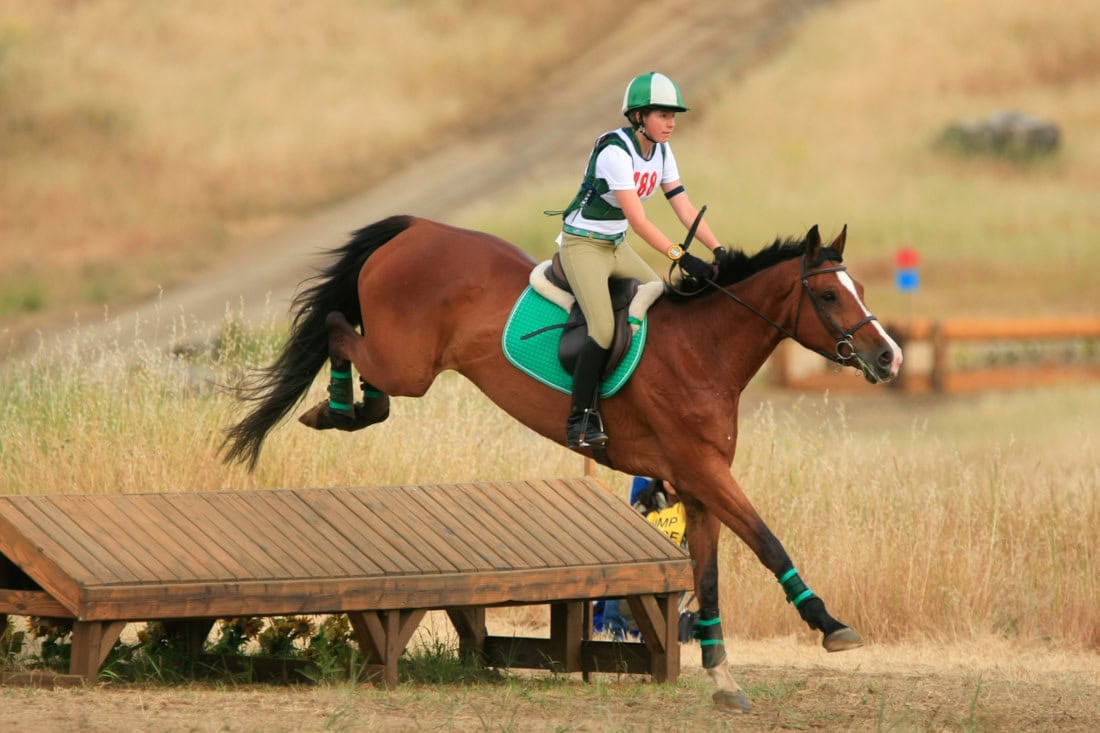
The Irish Sport Horse, or Irish Hunter, is a performance horse breed from Ireland. The breed descends from crosses between Irish Draughts and Thoroughbreds.
This cross produced athletic horses with the courage and power to compete at the top levels of eventing and show jumping. Over time, selective breeding has refined the Irish Sport Horse into a world-class competitor known for its agility, endurance, and bold jumping ability.
Irish Sport Horses are known for their versatility and robust constitution. Their intelligent and trainable nature makes them suitable for a wide range of equestrian disciplines. They are healthy horses that can stay sound for long competition careers with robust care and management.
Whether you’re looking for a reliable competition partner or an athletic pleasure mount, the Irish Sport Horse offers a unique combination of power, stamina, and temperament. Keep reading to learn more about the history, characteristics, health profile, and nutritional needs of the Irish Sport Horse.
Irish Sport Horse History
Modern Irish Sport Horses are a relatively new breed. However, these horses have a rich history intertwined with the culture of their native country.
Origin
Most native Irish horse breeds descend from the Irish Hobby, an extinct breed developed in Ireland in the Middle Ages. Influences from Anglo-Norman war horses in the 12th century made the Irish Hobby into a small but sturdy breed. [1]
Imported Spanish and European horses were integrated into Irish breeding stock to produce cavalry horses. In the mid-19th century, these horses were crossbred with Clydesdales and Thoroughbreds to make the Irish Draught an all-around farm horse.
Adding Thoroughbred blood to early Irish Draughts resulted in light horses ideal for recreational riding, known as the Irish Hunter. Historical Irish Hunters were classified as different weights based on their Thoroughbred parentage. [2]
Heavyweight hunters were up to 25% Thoroughbred, mediumweight up to 50% Thoroughbred, and lightweight up to 75% Thoroughbred. These horses were formally recognized as a breed in the 1920s. [3]
The Irish Sport Horse studbook was later established after infusions of warmblood stock helped the breed develop into a popular performance horse. [3]
Historic Use
The ancestors of Irish Draughts were essential to everyday life in Ireland’s rugged landscapes. Citizens used these sturdy, adaptable horses for everything from plowing fields to hunting foxes.
While European breeding programs bred separate horses for heavy farm work and light riding, the Irish focused on producing a versatile horse breed suitable for any purpose. They had to be economical to care for and easy to handle. [2]
These attributes made the Irish Draught ideal for crossing with the more sensitive, energetic Thoroughbred. The popularity of the resulting cross as a recreational riding horse led to the decline of purebred Irish Draughts and the rise of Irish Hunters and Sport Horses. [3]
Breed Registry
Horse Sport Ireland (HSI) maintains the Irish Sport Horse Studbook. The organization oversees stallion selections and inspections for horses wishing to enter the studbook. HSI also offers a studbook for Traditional Irish Horses.
Irish Sport Horses with foreign warmblood ancestry are not eligible for the Traditional Irish Horse designation. Traditional Irish Horses can only have Irish Sport Horses, Irish Draughts, Thoroughbreds, and Connemaras in their pedigree. [4]
The Irish Draught Horse Society of North America registers purebred Irish Draughts and part-bred Irish Draught Sport Horses in the United States and Canada.
| Breed Summary | |
|---|---|
| Breed Name | Irish Sport Horse |
| Also Known As | Irish Hunter |
| Breed Type | Sport horse |
| Origin | Ireland |
| Breed Registry | Horse Sport Ireland (HSI); Irish Draught Horse Society of North America |
| Average Height | 15 – 16+ hh |
| Common Coat Colors | Bay, black, chestnut, gray; any color accepted |
| Conformation | Correct, balanced, athletic, light-footed, supple, good impulsion, self-carriage, careful jump, good scope |
| Common Uses | Show jumping, eventing, fox hunting, hacking |
| Temperament | Intelligent, willing, confident, brave, trainable |
| Best For | Competitive riders of all levels seeking an athletic sport partner |
| Common Health Concerns | WFFS, PSSM, developmental orthopedic disease, osteochondrosis dissecans, degenerative joint disease, lameness, gastric ulcers |
Breed Characteristics
The Irish Sport Horse Studbook aims to produce sound, athletic horses with quality movement and suitable temperaments, capable of competing and winning at the highest levels of international FEI disciplines. [4]
Conformation
Irish Sport Horse stallions are generally taller than 16 hands, while mares typically stand between 15 and 16 hands.
The ideal Irish Sport Horse has functional, correct conformation and balanced proportions that support successful performance in international sport. Movement should be correct, light-footed, balanced, and supple, with good impulsion and self-carriage. Careful jumping technique and good scope are highly desirable. [4]
Colors
Any coat color is acceptable in Irish Sport Horses. The most common colors seen in the breed are:
- Bay
- Black
- Chestnut
- Gray
What's your top priority with your horse's health?

What's your top priority with your horse's health?
Temperament
Irish Sport Horses are renowned for their excellent temperaments. They are rideable, intelligent, and willing to perform for their riders. These horses typically have confident personalities and brave attitudes. Their characters make them desirable riding horses for competitive riders of all levels.
Still, personalities for individual horses can vary. Therefore, it is crucial to consider individual temperament when determining whether a breed is a good fit for you.
Disciplines
Irish Sport Horse breeders purposely developed different lines for show jumping and eventing. These purpose-bred horses have abilities that allow them to excel at the top level of both sports.
The breed’s scope and jumping ability make it ideal for the show jumping ring. While brave, these horses are also careful jumpers with a talent for jumping clear rounds. Similarly, eventers love Irish Sport Horses for their courage and heart, which make them reliable partners on the cross-country course.
Irish Sport Horses have competed at the Olympic Games in both sports. But you don’t have to be an Olympic-level rider to enjoy these horses. Their bravery also makes Irish Sport Horses perfect fox hunting and hacking mounts for amateur riders.
Health Profile
When developing the Irish Sport Horse, Irish breeders did not compromise health for performance. This robust breed is known for staying healthy and sound over long careers. However, some researchers are concerned about genetic diversity in Irish breeds.
Genetic Diseases
Efforts to preserve the traditional heritage of the Irish Sport Horse are challenged by the declining population of Irish Draught horses available for use in breeding.
In 2018, Horse Sport Ireland released a report that revealed rare Irish bloodlines are at critical risk. If these rare Irish Draught bloodlines are lost, Irish Sport Horses could lose a source of genetic diversity, which could increase inbreeding and the risk of health problems. [5]
While crossbreeding with other warmblood breeds helps maintain genetic diversity, these breeds also introduced genes associated with warmblood fragile foal syndrome (WFFS) to the Irish Sport Horse population.
Fragile foal syndrome is a genetic disorder characterized by abnormal connective tissue in affected foals. While one study found a low frequency of WFFS mutation in Irish Sport Horses, HSI recommends DNA testing to prevent crosses between carriers. [6]
Health Problems
Studies identified the GYS1 mutation responsible for polysaccharide storage myopathy (PSSM) type 1 in Irish Draught crosses. However, Irish Sport Horses can also develop PSSM type 2 without the mutation. [7]
Horses with PSSM experience tying-up episodes caused by abnormal glycogen accumulation in muscle cells. Targeted management can help control clinical signs of the disease. [7]
Developmental orthopedic diseases such as osteochondrosis dissecans can affect both Irish Draughts and Thoroughbreds. Growing Irish Sport Horses fed unbalanced diets have an increased risk of this condition, which can lead to lameness problems. [8]
Older Irish Sport Horses may struggle with lameness due to degenerative joint disease from wear and tear during a long competition career.
Intense training schedules can also increase stress in Irish Sport Horses. Research suggests performance horses have a high incidence of gastric ulcers and other gastrointestinal problems. However, good management can help mitigate these risks. [9]
Care & Management
Although Irish Sport Horses are generally a healthy and resilient breed, they still require attentive basic care to maintain their well-being.
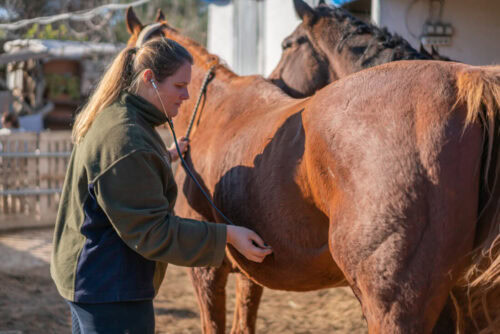
Work with your veterinarian, farrier, and other equine professionals to develop a preventive wellness plan that keeps your Irish Sport Horse healthy and sound for training and competition. [14][16]
- Veterinary Exams: Schedule annual veterinary check-ups to monitor your horse’s overall health, detect issues early, and maintain performance readiness.
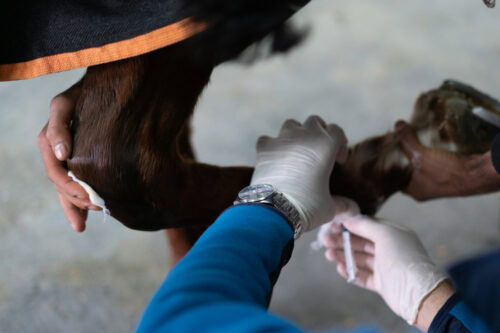
- Vaccinations: Follow a veterinarian-recommended vaccination schedule, especially if your Irish Sport Horse travels or competes, increasing exposure risk.
- Dental Care: Schedule a dental exam at least once per year to ensure proper chewing and bit comfort during training and competition.
- Parasite Management: Implement a targeted deworming program based on fecal egg counts and your horse’s environment to prevent internal parasite issues.
- Hoof Care: Maintain regular farrier visits every 4–8 weeks to support soundness and balance, especially for horses in regular work or competition.
Irish Sport Horses benefit from regular lameness exams to detect joint issues early and maintain peak performance. Horses in regular work may also require preventive joint support to stay sound.
Thoroughbred-influenced breeds like the Irish Sport Horse are prone to hoof issues. A balanced diet and managing moisture exposure are key to maintaining strong, healthy hooves. [10]
However, keeping hooves dry doesn’t mean limiting turnout. Daily turnout supports hoof health, strengthens the musculoskeletal system, and promotes overall welfare.
Reducing stall time and encouraging movement also benefits muscle health and helps lower the risk of gastric ulcers and stress-related conditions. [11]
Nutrition Program
A balanced diet is essential for supporting the health, performance, and longevity of Irish Sport Horses. The ideal feeding program should be customized to your horse’s workload, metabolic needs, and any specific health considerations.

“Irish Sport Horses thrive when given a consistent program of preventive care and well-planned management. Regular farriery, dental checks, balanced nutrition, and tailored conditioning not only optimize performance but also safeguard soundness and long-term health.”
— Dr. Jennifer Skaggs, DVMEquine Veterinarian
Weight Maintenance
Irish Sport Horses can inherit different metabolic traits depending on their lineage. Horses with more Thoroughbred influence may require higher calorie intake to maintain condition, while those with stronger Irish Draught genetics tend to be easy keepers that gain weight easily when overfed.
Regularly assess your horse’s body condition score and monitor their weight to ensure their caloric intake aligns with their energy needs. Maintaining a healthy weight supports both metabolic balance and joint soundness.
Horses with a higher percentage of Thoroughbred blood may benefit from full-time turnout on pasture. However, individuals with more Irish Draught ancestry may require limited grass access to avoid weight gain and reduce the risk of equine metabolic syndrome (EMS). [12]
If your Irish Sport Horse experiences unexplained weight loss or gain, consult your veterinarian. Weight loss may signal underlying health or digestive issues, while rapid weight gain can be an early indicator of metabolic disorders.

Sample Diet
Your Irish Sport Horse’s diet should be tailored to their workload, metabolism, and overall health. Horses in regular training or competition require more energy and protein than those at rest or in light work.
The following sample diet is intended for a mature 550 kg (1,200 lb) Irish Sport Horse at an ideal body condition in light work.
| Feed | Maintenance Diet |
|---|---|
| (Amount / Day) | |
| High-Quality hay (>12% crude protein) | free-choice |
| Salt | 30 g (2 tbsp) |
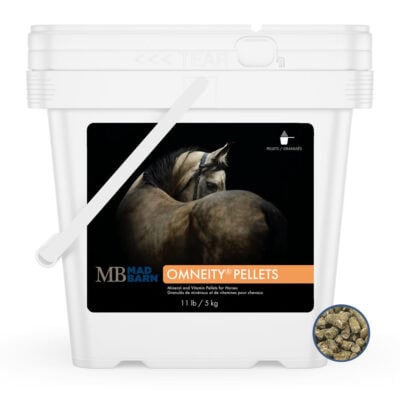
| Omneity® Pellets | 200 g (2 scoops) |
| Diet Analysis | |
| Digestible Energy (% of Req) | 109% |
| Protein (% of Req) | 192% |
| NSC (% Diet) | 8.9% |
With a forage-based diet, most of your Irish Sport Horse’s energy needs are met through hay or pasture. However, forage alone is deficient in essential vitamins and minerals. Adding a balanced supplement helps fill nutritional gaps and supports long-term health and performance.
Omneity® by Mad Barn provides the vitamins and minerals commonly lacking in hay-based diets. Feeding Omneity® supports hoof health, coat quality, energy metabolism and overall well-being in competition and leisure horses.
All horses also need unlimited access to fresh water and loose salt. Including salt in the daily ration supports hydration and helps meet sodium requirements.
Forage
A forage-based diet is ideal for Irish Sport Horses. Forage supports digestive health, maintains a healthy gut microbiome, promotes mental well-being, and reduces the risk of ulcers, colic, and stereotypic behaviours.
Horses typically consume 2–2.5% of their body weight in forage daily. A 1,200-pound (550 kg) Irish Sport Horse will require approximately 24–30 pounds (11–13.5 kg) of hay per day.
The nutritional value of hay varies depending on the type, maturity, and quality. Mature grass hay is suitable for horses at maintenance, while performance horses may benefit from higher-quality, nutrient-dense forage.
Adding alfalfa hay can increase protein and calcium levels in the diet. Alfalfa may also help buffer stomach acid and support gastric health. [13]
Providing hay with a slow feeder encourages natural feeding behavior and prevents long periods without forage. For horses with metabolic conditions or PSSM, consider submitting a hay sample for analysis to ensure the forage is appropriate for their needs.
Feeding Recommendations
High-level competition horses often need additional energy sources in their diet. However, large volumes of high-starch grains can contribute to digestive problems in performance horses.
Instead of commercial grains, consider feeding fat and fiber-based feeds such as hay cubes, beet pulp, ground flax, and fat supplements.
If you feed grain, split the daily ration into multiple small meals to avoid starch overload and gut health issues. [14]
For Irish Sport Horses diagnosed with PSSM, limiting dietary starch is a key strategy to help manage clinical symptoms. Research also indicates that these horses may respond well to diets higher in fat, which can serve as an alternative energy source. [15]
At every life stage, a balanced diet is essential, but it’s especially critical for growing Irish Sport Horses. To reduce the risk of developmental orthopedic disease, young horses should receive adequate energy along with properly balanced mineral ratios. [16]
Nutritional Supplements
Once your Irish Sport Horse’s core nutritional requirements are met through a balanced forage-based diet and appropriate concentrates, additional supplements can be used to provide targeted support. These supplements may help address specific needs related to performance, joint health, digestion, or metabolic conditions common in the breed.
Options to consider include:
- Natural Vitamin E is a powerful antioxidant that supports muscle health in Irish Sport Horses in heavy exercise programs. Supplementing vitamin E is also beneficial for horses with muscle disorders.
- W-3 Oil is an omega-3 fatty acid supplement that provides DHA from microalgae and high levels of vitamin E. These ingredients help support joint comfort, immune health, respiratory function and coat condition.
- MSM is a popular natural joint supplement that protects cartilage against the oxidative stress of exercise. This supplement helps support your Irish Sport Horse’s connective tissues.
- Visceral+ is a veterinarian-recommended supplement designed to maintain stomach and hindgut health in performance horses. This formula includes probiotics, herbs, yeast, amino acids, and minerals that support the entire digestive tract.
Submit your horse’s diet for a free evaluation and schedule a nutrition consultation with our qualified equine nutritionist for help developing the best feeding program for your Irish Sport Horse.
Frequently Asked Questions
Here are some frequently asked questions about the Irish Sport Horse:
The Irish Sport Horse is a performance horse breed from Ireland, developed primarily from crosses between Irish Draught horses and Thoroughbreds. Also historically known as the Irish Hunter, the breed is prized for its athletic ability, jumping talent, bravery, and versatility. Irish Sport Horses are especially successful in show jumping and eventing, but they are also valued as fox hunters, hacks, and pleasure mounts. Their combination of power, stamina, and rideability has made them one of Ireland’s best-known sport horse breeds.
The main difference between an Irish Draught and an Irish Sport Horse is that the Irish Draught is a traditional pure breed, while the Irish Sport Horse is a sport-horse type developed through crossing. Irish Draughts are generally heavier, more compact, and bred for versatility and substance. Irish Sport Horses are usually lighter, more athletic, and purpose-bred for disciplines such as show jumping and eventing.
Irish Sport Horses are known for having intelligent, willing, confident, and trainable temperaments. They are generally rideable horses that want to work with their riders, which helps explain their popularity in both professional and amateur settings. Many Irish Sport Horses are also brave and level-headed, especially in jumping and eventing environments. As with any breed, temperament varies by individual, training, and bloodline.
Irish Sport Horses can be a good choice for beginners, but suitability depends on the individual horse. The breed is often known for intelligence, willingness, and trainability, which can make some horses suitable for less experienced riders. However, many Irish Sport Horses are bred for athletic performance and may be too sensitive or powerful for a true beginner. In most cases, a calm, well-trained Irish Sport Horse with a steady temperament is a better match for a beginner than a younger or competition-focused horse.
Irish Sport Horses were traditionally developed by crossing Irish Draught horses with Thoroughbreds. This combination produced horses with the strength and soundness of the Irish Draught and the speed, stamina, and athleticism of the Thoroughbred. In more recent decades, some Irish Sport Horses have also been influenced by warmblood breeding. Even so, the classic Irish Sport Horse is still most strongly associated with Irish Draught and Thoroughbred bloodlines.
Irish Sport Horses are used primarily for show jumping, eventing, and other performance disciplines. Their courage, scope, and athleticism make them especially popular in jumping sports, while their stamina and bravery also suit them to fox hunting and cross-country work. Many Irish Sport Horses are also used for hacking, pleasure riding, and amateur competition. Overall, the Irish Sport Horse is prized for its versatility and ability to succeed in both competitive and recreational settings.
Irish Sport Horses have balanced, athletic conformation suited to sport performance. They are typically well-proportioned, with a strong, functional build that gives them a refined yet powerful appearance. Their movement should be light-footed, supple, and balanced. Careful jumping technique and good scope are desirable traits in the breed. Overall, the Irish Sport Horse has a sporty, capable appearance that shows both power and versatility.
Irish Sport Horses can be any coat color, but bay, black, chestnut, and gray are the most common. Because the breed is selected mainly for athletic ability and performance traits rather than color, a wide range of coat colors is accepted. Even so, the most frequently seen Irish Sport Horses are solid dark or traditional sport-horse colors. Color is usually considered secondary to movement, conformation, and temperament.
Most Irish Sport Horses stand about 15 to over 16 hands high. Mares commonly fall between 15 and 16 hands, while stallions are often taller than 16 hands. This height range gives the Irish Sport Horse enough size for power and scope without sacrificing athleticism. Individual height varies depending on breeding and bloodline.
Common health problems in Irish Sport Horses include warmblood fragile foal syndrome (WFFS), polysaccharide storage myopathy (PSSM), developmental orthopedic disease, osteochondrosis dissecans, degenerative joint disease, lameness, hoof issues, and gastric ulcers. Some of these concerns are linked to genetics, while others are more closely related to growth, training intensity, or long competition careers. Irish Sport Horses are generally considered healthy and durable, but their athletic demands make preventive care especially important. Good breeding, balanced nutrition, regular farriery, and sound management all help reduce health risks.
Summary
The Irish Sport Horse is a versatile performance breed developed in Ireland by crossing Irish Draught horses with Thoroughbreds to produce athletic, durable competitors for sport and leisure riding.
- The breed developed from Irish Draught and Thoroughbred crosses, with later warmblood influence, to create bold, agile horses suited for eventing, show jumping, hunting, and general riding.
- Most Irish Sport Horses stand between 15 and 16+ hands and have correct, functional conformation with balanced movement, good jumping technique, and common coat colors including bay, black, chestnut, and grey.
- Irish Sport Horses are known for their confident, intelligent, and willing temperaments, which make them rideable and suitable for both competitive and amateur riders.
- The breed is generally robust and capable of long athletic careers, though health considerations include genetic diversity concerns, Warmblood Fragile Foal Syndrome carriers, muscle disorders such as PSSM, developmental orthopedic disease, and an increased risk of gastric ulcers in performance horses.
- Irish Sport Horses perform best on a forage-first diet balanced with vitamins and minerals, while avoiding excess starch to reduce the risk of metabolic and digestive issues.
References
- McGahern, A. et al., Mitochondrial DNA sequence diversity in extant Irish horse populations and in ancient horses. Anim Genet. 2006. View Summary
- Lewis, C., Irish Horse Breeding and the Irish Draught Horse, 1917–1978. Ag Hist Rev. 1983.
- McGivney, B. et al., The genetic composition of the Traditional Irish Horse – towards the development of a DNA-ancestry test for the preservation of traditionally bred Irish Sport Horses. Genet Resourc. 2023.
- Horse Sport Ireland, BREEDING PROGRAMME FOR THE IRISH SPORT HORSE STUDBOOK. 2024.
- Brady, K., Irish Draught Horse Stud Book of Origin Status Report 2018. Horse Sport Ireland. 2018.
- Rowe, A. et al., Warmblood fragile foal syndrome causative single nucleotide polymorphism frequency in horses in Ireland. Ir Vet J. 2021. View Summary
- Stanley, R. et al., A glycogen synthase 1 mutation associated with equine polysaccharide storage myopathy and exertional rhabdomyolysis occurs in a variety of UK breeds. Equine Vet J. 2010. View Summary
- Fleck, S. et al., Lameness associated with tarsocrural joint pathology in 17 mature horses (1997–2010). Equine Vet Ed. 2012.
- Hartmann, A. et al., A preliminary investigation into the association between competition and gastric ulcer formation in non-racing performance horses. J Equine Vet Sci. 2003.
- Moyer, W., Hoof wall defects: chronic hoof wall separations and hoof wall cracks. Vet Clin Equine Pract. 2003.
- Werhahn, H. et al., Temporary Turnout for Free Exercise in Groups: Effects on the Behavior of Competition Horses Housed in Single Stalls. J Equine Vet Sci. 2011.
- Durham, A. et al., ECEIM consensus statement on equine metabolic syndrome. J Vet Intern Med. 2019. View Summary
- Lybbert, T. et al., Feeding alfalfa hay to exercising horses reduces the severity of gastric squamous mucosal ulceration. Proceed AAEP. 2007.
- Cipriano-Salazar, M. et al., The Dietary Components and Feeding Management as Options to Offset Digestive Disturbances in Horses. J Equine Vet Sci. 2019.
- Valentine, B.A. et al., Role of dietary carbohydrate and fat in horses with equine polysaccharide storage myopathy. J Am Vet Med Assoc. 2001. View Summary
- Kronfeld, D. et al., Dietary Aspects of Developmental Orthopedic Disease in Young Horses. Vet Clin North Am Equine Pract. 1990. View Summary