English

The Oldenburg, or Oldenburger, is a well-known warmblood breed from Lower Saxony in Germany. Oldenburgs are famous sport horses commonly used for dressage and show jumping.
Unlike some German warmbloods, Oldenburgs don’t have a state stud. Competitive private breeders developed the breed from a founding stock of carriage horses into one of the top sport horse studbooks in the world.
The Oldenburg Verband accepts stallions and mares from approved studbooks if they meet high standards for quality as a dressage or jumping horse. Despite these breeding standards, some Oldenburgs are still susceptible to certain health issues.
This breed profile will discuss the history, characteristics, health problems, and nutritional needs of the Oldenburg horse breed. Keep reading to learn more about feeding and caring for Oldenburg horses.
Oldenburg Horse History
The Oldenburg horse gets its name from the historical region of Oldenburg in the modern German state of Lower Saxony. These horses have a unique history and a forward-thinking breeding organization that stands out from other German breeds.
Origin
The origins of the Oldenburg horses trace back to state rulers from the House of Oldenburg. Count Johann XVI von Oldenburg began a breeding program in the late 16th century using Friesian mares and imported Turkish, Andalusian, Neapolitan, and Danish stallions.
His successor, Count Anton Gunther von Oldenburg, ardently promoted horse breeding. The Count brought back stallions from his travels all over Europe. He made the stallions available to his tenants for breeding during his rule from 1603 to 1667. [1]
Stallion inspections began in Oldenburg by 1755, eventually becoming mandatory for Oldenburg breeding stallions in 1820. Without a state stud controlling local breeding, private breeders could rapidly shift breeding directions to suit the market.
Demand for the luxury horses of Oldenburg rose, leading to the formation of the first registry in 1861 and two local breeding societies in 1897.
Historic Use
The House of Oldenburg’s breeding programs developed horses for use as war mounts. Local tenants crossed the Count’s stallions with hardy local horses they used to work the heavy regional soil.
Early inspections favoured stylish, high-stepping horses suitable for pulling carriages. But the breed continued to work as local farm horses. Private breeders sold the in-demand carriage horses throughout Europe.
After the automobile replaced horse-drawn carriages, Oldenburg breeders focused on developing the ideal riding horse for sport and leisure. Anglo-Norman, Thoroughbred, and French sires crossed on time-tested Oldenburg mare lines helped reshape the breed.
Outside blood from other Warmbloods continues to modernize Oldenburgs today as sport horse breeding programs focus on producing ultimate equine athletes. Studies of selection signatures in German breeds found close relationships between the Hanoverian and Oldenburg. [2]
Breed Registry
Verband der Zuchter des Oldenburger Pferdes (OL) was formed in 1923 by merging the first two Oldenburg breed societies. The organization’s early breeding directions primarily focused on producing dressage horses.
Springpferdezuchtverband Oldenburg-International (OS) was later founded in 2003 to focus exclusively on breeding show jumpers.
Oldenburger Pferdezuchtverband, also called the German Oldenburg Verband (GOV), is the umbrella organization that unites the OL with the OS. [3]
The Verband organizes auctions and selections of Oldenburg horses throughout the year. Every fall, the organization hosts “Stallion Days” in Vechta, a licensing evaluation for young stallions and a horse show for fully approved stallions.
The Oldenburg Horse Breeders’ Society is the North American Division of the GOV. While the ISR Oldenburg Registry North America uses the breed’s name, this organization is not affiliated with the GOV.
| Breed Summary | |
|---|---|
| Breed Name | Oldenburg |
| Also Known As | Oldenburger |
| Breed Type | Warmblood |
| Origin | Lower Saxony, Germany |
| Breed Registry | German Oldenburg Verband (GOV); Oldenburg Horse Breeders’ Society |
| Average Height | 15.3 – 16.3 hh |
| Common Coat Colors | Bay, brown, black, chestnut, grey; tobiano pinto |
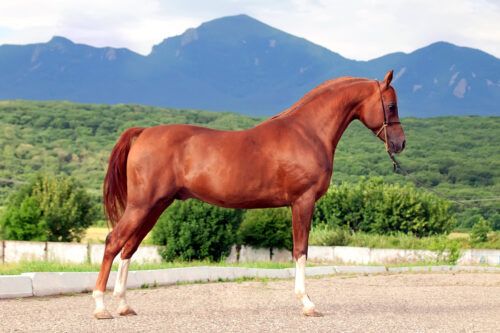
| Conformation | Noble, long-lined, rectangular frame, expressive head, medium-long neck, prominent withers, oblique shoulders, correct limbs, well-muscled hindquarters, well-formed hooves |
| Common Uses | Dressage, show jumping, eventing |
| Temperament | Friendly, brave, reliable, willing, versatile |
| Best For | Riders seeking a quality dressage or jumping sport horse |
| Common Health Concerns | WFFS, PSSM, OCD, lameness, gastric ulcers |
What's your top priority with your horse's health?

What's your top priority with your horse's health?
Breed Characteristics
The Oldenburg Verband approves horses with different ancestries for breeding, but all of these horses earn approval based on desirable characteristics.
Conformation
The GOV’s official breeding objective for Oldenburg horses is, “A noble, long-lined, correct, high-performance and healthy sport horse shall be bred with energetic, spacious, elastic movements, that is suitable for sport purposes of every kind due to its predisposition.” [3]
Oldenburg horses should measure between 15.3 and 16.3 hands at three years old, but some mature Oldenburgs can grow over 17 hands. The ideal Oldenburg has a harmonious body structure and correct limbs.
Desirable characteristics and conformation in the breed include:
- Head: Distinctive, expressive, noble, fine
- Eyes: Friendly, lively, big
- Throatlatch: Refined
- Neck: Medium-long, light poll, well-positioned
- Saddle area: Well-developed, prominent withers and large, oblique shoulders
- Frame: Harmonious, rectangular appearance and slightly inclined croup
- Forelimbs: Correctly placed with large joints, elastic pasterns, and well-formed hooves
- Hindlimbs: Well-muscled and well-placed hindquarters with broad, dry, correct hocks
Basic gaits are rhythmic, supple, energetic, and expansive, with loosely swinging backs and straight-forward limb movement. Trot and canter should have clear suspension with natural balance and elevation. Inspectors also evaluate jumping technique in jumper-bred horses.

Colours
All coat colours are acceptable in the breed. Most Oldenburgs have coats with the following colours:
- Bay
- Brown
- Black
- Chestnut
- Grey
However, the GOV is much more accepting of unusual coats in warmbloods, and several approved Oldenburg stallions have tobiano pinto coats.
Temperament
The GOV considers interior qualities when evaluating Oldenburg horses and selecting approved stallions. An ideal Oldenburg has good rideability, willingness, and versatility.
Desirable qualities include an uncomplicated, friendly, brave, and reliable temperament. However, some top sport horses competing in elite equestrian sport have hotter and more sensitive dispositions.
Personalities can also vary between bloodlines and individuals in the Oldenburg breed. Always work with a trusted professional when shopping for a new horse for help determining if a horse is a good match for you.
Disciplines
Most popular Oldenburg bloodlines specialize in producing horses for a particular discipline. Research suggests many traits associated with increased performance in dressage or jumping are heritable. [4]
However, certain traits concentrated in one specialized bloodline may also benefit horses in other disciplines. For example, traits linked to a powerful canter in jumping horses can help improve the canter of dressage horses.
Some famous Oldenburg lines have produced numerous international-level dressage horses. Influential Oldenburg stallions in this discipline include Sandro Hit and Donnerhall. All horses on the German Olympic Dressage Team at London 2012 descended from Donnerhall.
While other warmblood societies are more dominant in show jumping, several Oldenburgs have also competed on the international stage in this sport.
Oldenburgs are less common in eventing, but Oldenburgs with significant Thoroughbred blood can still excel in three-day eventing competitions.
Health Profile
The GOV uses information from veterinary examinations to inform selection decisions in stallions to reduce health problems in the breed. The breed is relatively healthy, but there are still several health problems commonly found in these horses.
Genetic Diseases
Selective breeding in Oldenburg horses can increase the likelihood of genetic diseases by narrowing the gene pool and inadvertently perpetuating heritable conditions. The Oldenburg Verband has implemented breeding guidelines and genetic testing to reduce the risks.
Fragile Foal Syndrome
Warmblood Fragile Foal Syndrome (WFFS) is an autosomal recessive genetic disease found in Warmblood breeds, including Oldenburg horses. This fatal disorder causes connective tissue defects and hyperextensible skin in affected foals. [5]
Selection for elastic gaits may have contributed to the prevalence of WFFS in warmblood breeds. One study detected the gene responsible for WFFS in 15.5% of tested Oldenburgers. [5]
The GOV began mandatory genetic testing for fragile foal syndrome in 2019 for all registered stallions. The result does not impact registration, but their status is available on the Verband website to help guide breeders. [3]
Polysaccharide Storage Myopathy
Studies have also identified Polysaccharide Storage Myopathy (PSSM) type 1 and type 2 in Oldenburg horses. PSSM is an inherited muscle disorder characterized by abnormal glycogen accumulation and tying up.
Affected Oldenburgs need careful feeding and management to mitigate the buildup of glycogen in muscles. [6] PSSM horses are typically fed a diet that is low in sugar and starch with higher fat and fibre intake. Regular, moderate exercise is also important in managing this condition effectively.
Osteochondritis Dissecans
Research suggests German Warmbloods can inherit genetic risk factors for osteochondritis dissecans (OCD). This condition involves abnormal cartilage and bone development in joints, which can lead to lameness and joint dysfunction.
While nutrition and management also play a role in OCD and other developmental orthopedic diseases (DOD), breeding selection may help reduce the incidence of these conditions in Oldenburgs. [7]
The GOV conducts radiographic evaluations of all stallion candidates, but OCD findings don’t automatically make a stallion unfit for approval. [3] However, the following radiographic findings do disqualify stallions for approval:
- OCD in the knee or hocks
- Loose bone chips in more than three joints
- Moderate to severe bone spavin
- Cystoid lesions

Health Problems
Mandatory veterinary examinations for stallions help reduce the risk of health problems in the Oldenburg breeding population. Mares are only subject to veterinary examination if inspectors suspect an issue.
Health problems that disqualify stallions include:
- Grade 3 or higher laryngeal hemiplegia
- Grade 2 or higher ataxia
- Equine recurrent uveitis
- Sweet itch
- Club foot
- Jaw abnormalities
- Testicular deficiency
- Heaves
Stereotypies, including cribbing, can also disqualify stallions. [3]
Due to strict health standards for breeding horses, most health issues in the Oldenburg breed arise from management and nutrition rather than genetics. Many of these concerns are common across all performance horse breeds.
One survey of dressage horse owners reported lameness problems in 33% of horses at some point in their career. Intense training, excessive lunging, and poor footing are all risk factors for musculoskeletal injuries in Oldenburg horses. [8]
Research also suggests competition horses have a high incidence of gastric ulceration. One gastroscopic study of non-racing performance horses identified gastric ulcers in 56.5% of horses following a single competition event. [9]
Care and Management
Good basic care and management at home can keep Oldenburg horses healthy and reduce the risks associated with stressful competition careers. It’s also important to ensure that your horse’s lifestyle matches their physical, mental, and behavioural needs.
Your Oldenburg’s care program should include routine wellness visits from your veterinarian, as well as preventative dental and farrier care. Work with your veterinarian and other equine practitioners to implement the following:
- Veterinary Exams: Schedule regular veterinary check-ups and lameness exams for early detection of health issues in both recreational and competition horses.
- Vaccinations: Adhere to the vaccination schedule recommended by your veterinarian to prevent infectious diseases.
- Dental Care: Ensure regular dental check-ups and tooth floating to maintain effective chewing and oral health.
- Parasite Control: Use a well-planned deworming program to safeguard your horse from internal parasites.
- Farrier Care: Regular farrier care is essential for maintaining optimal hoof balance in Oldenburg horses. Well-balanced hooves, consistent trimming, and correct shoeing when necessary will help keep these horses sound.
- Grooming: A thorough grooming routine is a vital part of your Oldenburg’s daily care and essential for maintaining a shiny coat. Spend time grooming your horse before every training session.
Some Oldenburgs with demanding training schedules may need joint injections and other veterinary maintenance to keep them as comfortable as possible in their work, especially as they age.
Show horses also need opportunities for free exercise, grazing, and social interaction to express species-appropriate behaviours. Prolonged stall confinement can increase stress and contribute to health problems in Oldenburgs. If your horse lives inside, make sure he gets daily turnout on appropriate pasture.
These sport horses thrive in consistent training programs that provide mental stimulation and regular exercise. Work with your trainer and veterinarian to develop a program suitable for your horse.
Nutrition Program
The best feeding plan for your Oldenburg will vary depending on his workload and health needs. Performance horses frequently benefit from nutritional supplements, but the first priority should be to feed a balanced, forage-based diet.
Weight Maintenance
Most Oldenburg horses are easy keepers, which means they should easily maintain weight with a balanced diet. Warmblood breeds typically have an efficient metabolism and are prone to obesity when overfed.
Oldenburgs are not genetically predisposed to equine metabolic syndrome except as a secondary consequence of untreated Cushing’s disease / pituitary pars intermedia dysfunction (PPID).
Studies report a higher prevalence of obesity in dressage horses compared to other English disciplines. Since many Oldenburgs compete in dressage, owners should pay close attention to their horse’s diet and exercise routines to prevent obesity. [10]
Carrying excess body weight can also increase the risk of respiratory issues and negatively affect performance. Owners should regularly monitor their horse’s body condition score (BCS) to track changes in weight in time. [10]
Sample Diet
The following sample diet is intended for a mature 635 kg (1400 lb) Oldenburg horse with normal body condition at maintenance (not exercising).
| Feed | Amount per day |
|---|---|
| Mid-Quality Hay (8% crude protein) | Free-choice |
| Salt | 45 g (3 tbsps) |
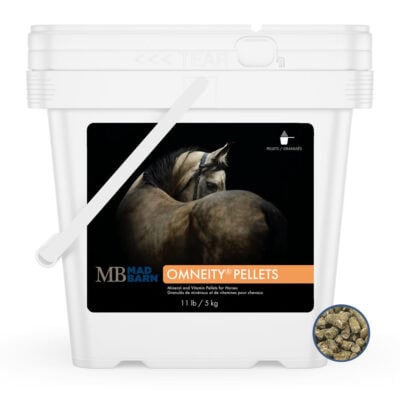
| Omneity® Pellets | 250 g (2.5 scoops) |
| Diet Analysis | |
| Digestible Energy (% of Req) | 105% |
| Protein (% of Req) | 127% |
| HC (ESC + starch; % Diet) | 8.7% |
Warmbloods in light work can typically meet their energy and protein requirements with a forage-only diet. Oldenburg horses with performance careers may need extra calorie sources in their diet to meet their requirements.
While forage provides many of the nutrients required in the equine diet, it is usually deficient in essential vitamins and minerals. Forage-based diets need to be fortified with vitamins and minerals to fill common nutritional gaps in hay and pasture.
Mad Barn’s Omneity® is a balanced vitamin and mineral supplement designed to fortify forage-based diets. This supplement is made with amino acids, vitamins and high-quality trace minerals to support hoof health, skin and coat quality, performance and overall wellness in Oldenburg horses.
Forage
Horses evolved to graze continuously throughout the day. Oldenburgs benefit from free-choice forage, which enables natural grazing behaviours and supports gut health.
The amount of hay your horse needs is determined based on their bodyweight, with mature horses in light work expected to consume 2% of their weight in hay per day. For a 635 kg (1400 lb) Oldenburger, this is equal to approximately 13 kg (28 lb) of hay dry matter daily.
Easy keeper breeds like Oldenburgs should be fed average-quality, low-sugar, low-starch grass hay so you can maximize forage intake without feeding excess calories. Starch and sugar (ESC) are collectively known as hydrolyzable carbohydrates (HC) which differ from NSC by their ability to stimulate insulin spikes in the blood.
High-performance Oldenburgs typically need more energy dense hay to meet their higher energy and protein requirements.
Alfalfa hay is an excellent forage to add energy to the diets of exercising horses. [11] However, it should not be fed as the sole forage because its high protein and calcium content can create imbalances in the overall diet.
Certain forages, like alfalfa, are not recommended for Oldenburgs with PSSM due to their high potassium content. To ensure your hay is appropriate, get a forage analysis when formulating a diet for a horse with PSSM. [7]
Providing forage in a slow feeder or hay net can help extend their meal time so your horse avoids long periods without hay.
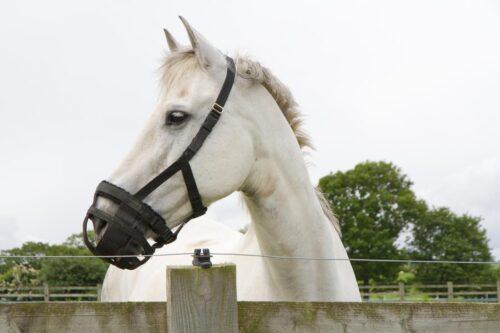
Horses that require weight loss or are prone to laminitis may need to wear grazing muzzles when turned out on pasture to limit the intake of high-starch grasses.
Feeding Recommendations
Avoid grain-based feeds that can cause digestive issues in Oldenburgs. [12] Commercial concentrates can also add excess calories and HC to the diets of easy keeper horses.
If your horse does require additional energy to support exercise needs, opt for fiber-rich alternatives like soaked hay pellets or beet pulp. You can also consider feeding oils as a concentrated source of calories for horses in work.
Complete feeds and ration balancers require a high-feeding rate to balance your horse’s diet and can contribute to unwanted weight gain. Instead, feed a concentrated vitamin and mineral supplement with no added sugars or starch. If you choose to feed grain, split your horse’s daily ration into multiple small meals to prevent digestive issues.
Diet and exercise are important for managing horses with PSSM. These horses need a diet with low starch and sugar levels, and with additional energy supplied as fat. Research shows that PSSM1 horses can obtain up to 20% of their digestible energy from fat sources. [13]
A balanced diet is critical at all life stages, but especially for growing foals to promote healthy skeletal development. Consult with an equine nutritionist to make sure your horse’s diet is optimized for their age, growth, and activity level.
All horses need free access to fresh water and salt. These nutrients are especially important for exercising horses that lose sodium and water through sweat. Feeding salt stimulates thirst and helps horses meet their sodium requirements.
Our nutritionists recommend feeding at least 3 tablespoons or 1.5 ounces of plain loose salt with your Oldenburg’s daily ration. After exercise and in hot weather, your horse may also need an electrolyte supplement to replenish sweat losses.
Nutritional Supplements
To support your Oldenburg’s well-being and performance, start with a forage-based diet with properly balanced vitamins and minerals. After balancing the diet, you can consider these supplements to address individual needs or goals:
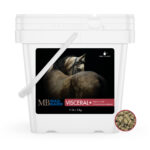
- Visceral+®: A gut health supplement recommended by veterinarians for competition horses. This supplement helps maintain gastric and hindgut health, and supports the immune system.
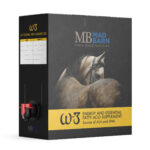
- W-3 Oil: Provides energy, vitamin E, and the omega-3 fatty acid DHA in a palatable oil. This supplement supports joint health, respiratory health, as well as skin and coat quality.
- MSM: Supports connective tissue and joint health in performance and senior Oldenburgs.
- Vitamin E: An essential antioxidant for muscle and neurological function, particularly important for horses in rigorous training.
- Acetyl-L-Carnitine: Boosts muscle cell metabolism to support athletic performance.
Is your Oldenburg getting the right diet for their needs? Submit their information for a free consultation, and our equine nutritionists will provide expert advice to help you balance their feeding program.
Frequently Asked Questions
Here are some frequently asked questions about Oldenburg horses:
The Oldenburg horse is a warmblood breed from Lower Saxony in Germany. Oldenburg horses were originally developed from carriage and farm horse ancestry, but modern breeding transformed them into highly successful sport horses. Today, the breed is best known for dressage and show jumping.
Oldenburg breeding is different because it is run by private breeders, resulting in a competitive industry. The Oldenburg breeding program accepts approved stallions and mares from other top studbooks if they meet strict performance, conformation, and quality standards. This flexible approach allows breeders to adapt quickly to the needs of modern sport horse competition. As a result, Oldenburg horses have become especially successful in dressage and jumping.
Oldenburg horses are generally known for having friendly, willing temperaments. Most Oldenburg horses combine athletic ability with good rideability, which makes them appealing to many riders and handlers. They are often described as brave, trainable, and versatile. Some high-performance individuals can be more sensitive, but the breed is widely valued for a cooperative attitude.
Oldenburg horses are used primarily for dressage and show jumping. Many Oldenburg horses compete successfully at high levels of sport, and the breed is especially well known in international dressage. Some Oldenburg horses also compete in eventing, particularly those with more Thoroughbred influence. Their athleticism, trainability, and powerful movement make them popular performance horses.
Oldenburg horses are best known for dressage and show jumping. Dressage-focused bloodlines have produced many elite sport horses, while jumper-bred Oldenburg horses are valued for power, scope, and careful technique. Although they are less common in eventing, some Oldenburg horses also perform well in that discipline. Their strongest reputation remains in the upper levels of English sport horse competition.
Oldenburg horses are noble, long-lined sport horses with a harmonious, rectangular frame and correct limbs. A typical Oldenburg horse has an expressive head, large eyes, a medium-long neck, prominent withers, oblique shoulders, and a well-muscled hindquarter. The breed should also have correct legs, elastic pasterns, and well-formed hooves. Oldenburg horses are bred for rhythmic, supple, energetic movement that supports success in sport.
Oldenburg horses most commonly come in bay, brown, black, chestnut, and gray. All coat colors are acceptable in the breed, which gives Oldenburg breeders more flexibility than some other warmblood registries. Tobiano pinto is also seen in some approved Oldenburg horses. While solid colors are still the most common, unusual coats are not automatically excluded.
Most Oldenburg horses stand between 15.3 and 16.3 hands high. Some mature Oldenburg horses can grow over 17 hands, especially individuals bred for modern sport. Their height and frame make them well suited to dressage and jumping. Even within the breed, size can vary depending on bloodline and breeding goals.
Oldenburg horses are susceptible to several important genetic and sport horse health concerns. Common issues associated with the breed include Warmblood Fragile Foal Syndrome, Polysaccharide Storage Myopathy, osteochondritis dissecans, lameness, and gastric ulcers. Careful breeding with the help of genetic testing and veterinary screening help reduce some inherited risks.
Some Oldenburg horses can be suitable for beginners, but the breed is not ideal for every novice rider. Many Oldenburg horses are friendly and willing, which can make them enjoyable partners for less experienced riders. However, some sport-bred horses of this breed are more challenging to ride. Whether an Oldenburg horse is good for a beginner depends largely on the individual horse’s temperament, training, and experience.
Summary
Oldenburgs are German warmblood sport horses from Lower Saxony, renowned for dressage and show jumping. Bred by private breeders under the German Oldenburg Verband (GOV), they combine athletic conformation with elastic, expressive movement and benefit from careful sport-horse management and a balanced, forage-based diet.
- The German Oldenburg Verband (GOV) oversees both the Oldenburger Pferdezuchtverband (OL) for dressage lines and the Springpferdezuchtverband Oldenburg-International (OS) for jumpers, using rigorous inspections and permitting approved outside bloodlines
- Key health concerns include Warmblood Fragile Foal Syndrome (WFFS), Polysaccharide Storage Myopathy (PSSM) types 1 and 2, and Osteochondritis Dissecans (OCD); stallion licensing employs radiographs and veterinary exams to limit these issues
- Management essentials include consistent training and turnout, careful footing, and regular veterinary, dental, and farrier care to help prevent ulcers and lameness
- Nutrition focuses on a forage-based diet with balanced vitamins and minerals; most Oldenburgs are easy keepers, so monitor body condition and use low-starch, higher-fat feeds if PSSM is present
References
- Gustafsson, H. Dynastic Marriage Spheres in Early Modern Europe: A comparison of the Danish Oldenburgs and Three Houses of the Empire. Amsterdam Univ Press. 2023.
- Nolte, W. et al. Selection signatures in four German warmblood horse breeds: Tracing breeding history in the modern sport horse. PLoS One. 2019.View Summary
- Oldenburger Verband. Breeding Programme for Oldenburg Horses. Verband der Zuchter de Oldenburger Pferdes e.V. 2023.
- Bonow, S. et al. Consequences of specialized breeding in the Swedish Warmblood horse population. J Anim Breeding and Genet. 2022. View Summary
- Reiter, S. et al. Distribution of the Warmblood Fragile Foal Syndrome Type 1 Mutation (PLOD1 c.2032G>A) in Different Horse Breeds from Europe and the United States. Genes. 2020.View Summary
- Naccache, F. et al. Genetic risk factors for osteochondrosis in various horse breeds. Equine Vet J. 2018. View Summary
- Lewis, S. et al. Clinical characteristics and muscle glycogen concentrations in warmblood horses with polysaccharide storage myopathy. Am J Vet Res. 2017. View Summary
- Murray, R. et al. Identification of risk factors for lameness in dressage horses. Vet J. 2010. View Summary
- Harmann, A. et al. A preliminary investigation into the association between competition and gastric ulcer formation in non-racing performance horses. J Equine Vet Sci. 2003.
- Pratt-Phillips, S. et al. Impacts of Adiposity on Exercise Performance in Horses. Animals. 2023. View Summary
- Nadeau, J. et al. Evaluation of diet as a cause of gastric ulcers in horses. Am J Vet Res. 2000. View Summary
- Clarke, L. et al. Feeding and Digestive Problems in Horses: Physiologic Responses to a Concentrated Meal. Vet Clin North Am Equine Pract. 1990. View Summary
- Ribeiro, W. et al. The Effect of Varying Dietary Starch and Fat Content on Serum Creatine Kinase Activity and Substrate Availability in Equine Polysaccharide Storage Myopathy. J Vet Intern Med. 2008. View Summary