Analyze Diet

Umbilical Disorders in Foals: Infections, Patent Urachus and Hernias

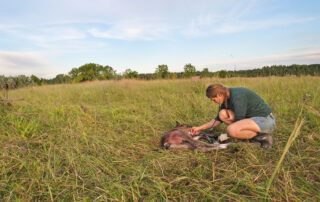
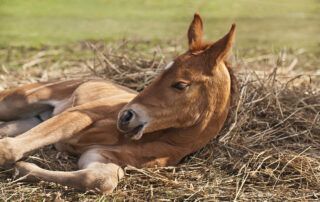
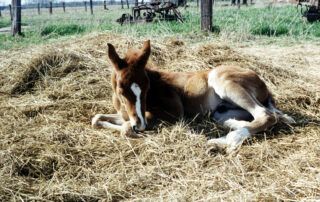
Umbilical disorders in newborn foals can arise due to bacterial infection or improper closure of the umbilicus after birth. The three most common umbilical disorders in horses are omphalitis, patent urachus, and umbilical hernia. If not addressed promptly, these conditions can lead to serious health problems.
Umbilical Disorders in Foals: Infections, Patent Urachus and Hernias2026-07-23T17:11:52-04:00

Heart Murmurs in Foals: Diagnosing Congenital Cardiac Defects

A heart murmur is an abnormal sound heard during the heartbeat, caused by blood flowing in an unusual pattern or location within the heart. It’s not uncommon for newborn foals to have heart murmurs for several days after birth, as their heart transitions to life outside of the uterus. However, some heart murmurs in foals can indicate underlying problems. Problematic heart murmurs typically arise due to the heart’s failure to properly transition from fetal to neonatal circulation. They can also occur due to malformation of the heart during its development.

Heart Murmurs in Foals: Diagnosing Congenital Cardiac Defects2026-07-23T17:09:37-04:00

Hairless Horses: Breeds, Genetic Disorders & Causes

Hairlessness is rare in horses. While selective breeding produced several hairless breeds in other domestic animals, no truly hairless horse breeds exist. There are anecdotal accounts of hairless horses throughout history. Some horse breeds are mistaken for hairless horses due to their fine coats. Most truly hairless horses born today have Naked Foal Syndrome (NFS), a fatal genetic disorder.

Hairless Horses: Breeds, Genetic Disorders & Causes2026-07-23T17:08:12-04:00

Genetic Health Testing in Horses: A Comprehensive Guide to DNA Panels

Genetic testing in horses involves analyzing a horse’s DNA to gain information about their genetic makeup. This process can identify specific genetic variations responsible for various traits, as well as predispositions to genetic disorders. Several common equine health conditions have a genetic basis. This means that these conditions are inherited or caused by specific genetic mutations or abnormalities in the horse’s DNA.

Genetic Health Testing in Horses: A Comprehensive Guide to DNA Panels2026-07-25T18:37:54-04:00

Top 14 Most Popular Horse Breeds in North America – [List]

There are hundreds of horse breeds found around the world, each uniquely adapted to their local environment and their role in human society. These breeds vary widely in appearance, size, and conformation, reflecting the particular conditions of their selective breeding. Some are strong and heavy, ideal for farm work or pulling loads, while others are swift and agile, perfect for racing or equestrian sports.

Top 14 Most Popular Horse Breeds in North America – [List]2026-07-23T17:06:49-04:00

Przewalski’s Horse: Characteristics of the Last Remaining Wild Equid

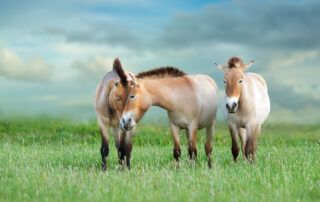
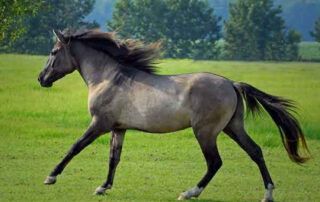
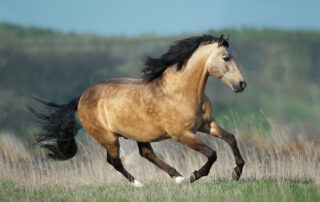
The Przewalski’s horse is an endangered equid native to the steppes of Central Asia. Named after the Russian explorer Nikolai Przewalski, who first described them in the late 19th century, these horses have a robust build, a thick, upright mane, and a dun coat with dark legs.

Przewalski’s Horse: Characteristics of the Last Remaining Wild Equid2026-07-23T17:05:11-04:00

Banamine® (flunixin meglumine) for Horses: Uses, Dosages & Side Effects

Flunixin meglumine, often sold under the brand names Banamine®, Flunazine®, Vetameg™, and Prevail®, is a common non-steroidal anti-inflammatory drug (NSAID) used in horses. Banamine® is prescribed by veterinarians to help manage clinical signs of pain, swelling, and/or fever. In horses, flunixin meglumine is typically used to treat osteoarthritis and soft tissue injuries, and to alleviate visceral pain associated with colic. NSAIDs such as Banamine® can help to minimize physiological stress, improve welfare, and increase treatment success for horses.

Banamine® (flunixin meglumine) for Horses: Uses, Dosages & Side Effects2026-07-23T17:03:19-04:00

Foal Rejection: Normal & Abnormal Maternal Behaviour in Mares

Foal rejection is a situation where the normal bonding between the mare and her foal fails to occur after birth. As a result, the mare may show disinterest, fear, or even aggression towards her newborn foal. The precise cause of foal rejection is often unknown, but may stem from various mare-related factors or disruptions during the critical bonding period immediately after birth.

Foal Rejection: Normal & Abnormal Maternal Behaviour in Mares2026-07-23T17:00:10-04:00

Prematurity, Dysmaturity, and Postmaturity: Abnormal Gestational Length in Foals

The typical gestation period for horses ranges from 340 to 342 days. During this time, foals undergo extensive development of their organ and skeletal systems, ensuring their survival outside of the mare after birth. In some cases, foals are born early, before their organs are fully developed. These “premature” and “dysmature” foals often experience respiratory problems, impaired immune function, gastrointestinal issues and metabolic problems. Immature foals require intensive care and management to protect their health and enable them to catch up in development. It’s important for breeders to recognize premature foals quickly, so they can provide appropriate care.

Prematurity, Dysmaturity, and Postmaturity: Abnormal Gestational Length in Foals2026-07-23T16:58:43-04:00

Dysmastication in Horses: Treatment of Chewing Problems and Dental Disorders

The ability to properly chew and grind food is essential for nutrient digestion and absorption. Dysmastication is a condition involving impaired chewing- also known as mastication. Horses that are unable to chew properly may experience a cascade of problems affecting their nutritional intake, digestive system, and overall well-being. Horses with abnormal tooth wear or damaged or diseased teeth can also experience pain and discomfort.

Dysmastication in Horses: Treatment of Chewing Problems and Dental Disorders2026-07-23T16:56:07-04:00

Gaited Horse Breeds Guide – Characteristics, Health & Nutrition

Gaited horse breeds have the natural ability to perform ambling gaits not observed in other equines. While different breeds have unique gaits, most gaited horses share a common genetic mutation linked to ambling patterns of locomotion. These breeds gained popularity in certain regions for their smooth gaits, historically offered advantages for long-distance travel over rugged terrain.

Gaited Horse Breeds Guide – Characteristics, Health & Nutrition2026-07-23T16:53:00-04:00

How to Use a Heart-Rate Monitor for Your Horse – [Top 5 Benefits]

Heart rate monitors are an emerging tool in horse sports, helping to optimize training and enhance fitness. Widely used by human athletes, equine-specific devices are now increasingly accessible to riders, horse owners, trainers, and veterinarians.

How to Use a Heart-Rate Monitor for Your Horse – [Top 5 Benefits]2026-07-23T16:49:13-04:00

Pigeon Fever in Horses: Signs, Treatment, and Prognosis

Pigeon fever is a bacterial infection in horses caused by the bacterium Corynebacterium pseudotuberculosis. Symptoms vary from lumps on the skin with redness and oozing to systemic signs, such as lethargy, fever, weight loss, and colic. Horses contract the infection when the bacterium enters their body through open wounds or broken skin. This transmission typically occurs via flies, contaminated soil, or contaminated objects in the horse’s environment. Diagnosing pigeon fever requires a bacterial culture to confirm the presence of C. pseudotuberculosis. Blood tests and ultrasounds can support a diagnosis, but they are not definitive for pigeon fever on their own.

Pigeon Fever in Horses: Signs, Treatment, and Prognosis2026-07-23T16:45:43-04:00

Vitamin D for Horses: Benefits, Dietary Sources & Signs of Deficiency

Vitamin D is a fat-soluble vitamin that is essential for horses, influencing bone health, muscle function, and the immune system. Adequate vitamin D intake is considered important for growing horses to support normal bone development. In horses, vitamin D is believed to play a role in regulating levels of calcium and phosphorus in the blood.

Vitamin D for Horses: Benefits, Dietary Sources & Signs of Deficiency2026-07-23T16:43:09-04:00

Feeding your Hard Keeper Horse [8-Step Guide]

Have you ever struggled with a horse that has a difficult time maintaining their body condition? For horse owners, the term "hard keeper" is more than just a casual phrase, it's a familiar and often perplexing challenge. Hard keepers, despite being given what seems like ample food, often struggle to maintain a healthy weight, let alone put on extra pounds. The journey of these horses can be both physically and emotionally taxing for horse owners and caretakers. Understanding and addressing the intricate puzzle of feeding hard keepers effectively can make all the difference in their health, performance, and overall well-being. In this article, we provide valuable advice and strategies for identifying appropriate forage sources, improving feed palatability, and providing assistance to horses struggling to maintain their weight.

Feeding your Hard Keeper Horse [8-Step Guide]2026-07-23T21:05:13-04:00

Marsh Tacky Breed Guide: Characteristics, Health & Nutrition

The Carolina Marsh Tacky is a critically endangered horse breed native to the low country of South Carolina. These horses belong to a group of Colonial Spanish breeds descended from Iberian horses brought to America by early Spanish explorers.

Marsh Tacky Breed Guide: Characteristics, Health & Nutrition2026-07-23T16:39:39-04:00

Guide to Horse Gaits: Walk, Trot, Canter, Gallop and More

Gaits are the different patterns of locomotion that horses use to move. As quadrupeds, horses can perform more movement patterns than humans. However, not all horses move in the same way. Your horse’s natural gaits depend on his breed. Some breeds are known to have unique gaits, while others have movement traits that make them particularly suited to specific equestrian disciplines.

Guide to Horse Gaits: Walk, Trot, Canter, Gallop and More2026-07-23T16:36:24-04:00

Warmblood Fragile Foal Syndrome (WFFS): Genetic Testing & Effects on Horses

Warmblood Fragile Foal Syndrome (WFFS) is an inherited disease primarily affecting Warmblood horses and their related breeds. This condition is also referred to as Fragile Foal Syndrome Type 1 (FFS). WFFS is characterized by the production of defective collagen, which compromises the integrity of connective tissues. This defect primarily affects the skin, ligaments, and tendons, making them prone to injury and damage.

Warmblood Fragile Foal Syndrome (WFFS): Genetic Testing & Effects on Horses2026-07-23T16:35:00-04:00

The Effect of Phytoestrogens on Mare Fertility & Reproductive Health

The reproductive performance of broodmares holds significant importance within the equine industry. Achieving optimal pregnancy rates is critical for both the profitability of breeding operations and the holistic well-being of mares and foals. Many different factors can affect mare fertility, with an increasing emphasis being placed on the role of phytoestrogens in the diet.

The Effect of Phytoestrogens on Mare Fertility & Reproductive Health2026-07-23T16:33:00-04:00

Draft Horse Breed Guide: Characteristics, Health & Nutrition

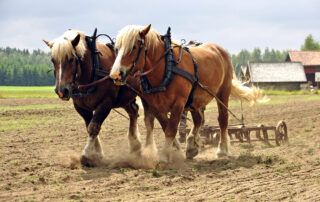
Draft horses are heavy breeds originally developed as working animals. Selective breeding for size and strength produced equines that are significantly larger than most modern riding breeds. Some historians believe draft breeds descend from Medieval Europe’s famous “Great Horse.” But most drafts throughout history worked in agriculture, hauling heavy loads and pulling farm equipment. While some communities still rely on draft horses as working animals, these gentle giants can also make excellent recreational horses. However, due to their size draft horses have unique health and management needs.

Draft Horse Breed Guide: Characteristics, Health & Nutrition2026-07-23T16:31:19-04:00

Gait Abnormalities & Disorders in Horses: Causes, Diagnosis & Treatment

Gait abnormalities in horses can lead to compromised performance, increased risk of injury, and in some cases, may necessitate early retirement from work. These disorders often present similarly to lameness, but do not necessarily involve pain. While minor conformational faults are responsible for some abnormal equine movement patterns, changes in gait can also indicate a significant medical issue.

Gait Abnormalities & Disorders in Horses: Causes, Diagnosis & Treatment2026-07-15T11:16:39-04:00

How to Feed and Manage Orphan Foals: Guide to Milk Replacers & More

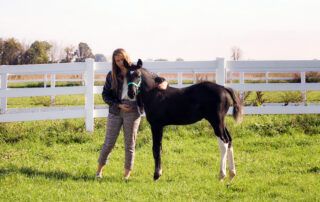
An orphan foal is a young horse that cannot nurse their birth mother. Foals may be orphaned for a number of reasons, including the mare’s death or severe illness, rejection of the foal, or the mare’s failure to produce adequate amounts of milk. Orphan foals require special care and attention, as they miss out on the essential nutrients usually provided by the mare’s milk.

How to Feed and Manage Orphan Foals: Guide to Milk Replacers & More2026-07-15T11:08:13-04:00

Breeding Soundness Exams for Mares: Assessing Reproductive Health [8-Step Guide]

Despite ongoing advances in equine husbandry and veterinary care, achieving a full-term pregnancy in mares can be challenging. The foaling success rate is often measured below 60%, underscoring the complexities involved in equine reproduction. Breeding Soundness Exams (BSEs) are critical evaluations performed on both male and female horses to assess their potential for successful breeding.

Breeding Soundness Exams for Mares: Assessing Reproductive Health [8-Step Guide]2026-07-15T11:00:33-04:00

Contagious Equine Metritis: Causes, Symptoms & Treatment

Contagious equine metritis (CEM) is a bacterial infection in horses caused by Taylorella equigenitalis. CEM is highly contagious and primarily spreads through venereal transmission and contact with contaminated breeding equipment. CEM is characterized by severe inflammation of the reproductive tract in mares, leading to temporary infertility. While CEM only causes symptoms in mares, it can also infect stallions who act as asymptomatic carriers of the disease.

Contagious Equine Metritis: Causes, Symptoms & Treatment2026-07-15T10:57:33-04:00

Dutch Warmblood Breed Guide: Characteristics, Health & Nutrition

The Dutch Warmblood is a sport horse breed that is managed by the Royal Warmblood Horse Studbook of the Netherlands (KWPN). The breed is highly regulated to ensure the quality and performance of registered horses. The KWPN distinguishes horses between five breeding directions in North America: dressage, jumping, hunter, harness, and Gelders horses. All breeders aim to produce horses that can perform at the top level of their discipline.

Dutch Warmblood Breed Guide: Characteristics, Health & Nutrition2026-07-15T15:23:56-04:00

Spotted Saddle Horse Breed Guide: Characteristics, Health & Nutrition

The Spotted Saddle Horse is an American gaited breed from central Tennessee. These horses descend from small pinto Spanish-type horses and are closely related to the Tennessee Walking Horse. Unlike other gaited breeds developed in the region, all Spotted Saddle Horses have pinto patterns. Their striking colouring and comfortable gaits make them a popular pleasure horse in the southeastern United States.

Spotted Saddle Horse Breed Guide: Characteristics, Health & Nutrition2026-09-15T19:06:13-04:00

Donor Colostrum for Foals: Guide to Colostrum Collection and Provision

Donor colostrum ensures that a foal receives necessary immune support, even if colostrum is insufficient or unavailable from its mother. Breeders can collect and store their own donor colostrum or use the services of a colostrum bank.

Donor Colostrum for Foals: Guide to Colostrum Collection and Provision2026-07-15T10:41:06-04:00

Lusitano Horse Breed Guide: Characteristics, Health & Nutrition

The Lusitano is an Iberian horse breed from Portugal. These horses are closely related to Spanish PREs, with both breeds sharing the same studbook until the two countries established separate registries in the 1960s. Their name comes from the ancient Roman name of the region where these horses originated, Lusitania. The Iberian ancestors of Lusitanos rose to fame as war horses. But today, most Lusitanos are recreational sport horses.

Lusitano Horse Breed Guide: Characteristics, Health & Nutrition2026-07-15T15:25:52-04:00

Equine Proliferative Enteropathy: Lawsonia Intracellularis Infection in Horses

Equine proliferative enteropathy (EPE) is an infectious disease caused by the bacterium Lawsonia intracellularis. EPE mainly affects young horses during the fall and winter months. EPE is characterized by thickening of the lining of the small intestine due to excessive cell growth, which leads to reduced absorption of nutrients. Signs of EPE can include diarrhea, weight loss, colic, and decreased gastrointestinal sounds.

Equine Proliferative Enteropathy: Lawsonia Intracellularis Infection in Horses2026-07-15T10:17:48-04:00

Falabella Horse Breed Guide: Characteristics, Health & Nutrition

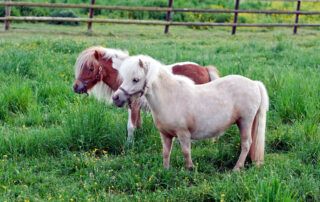
The Falabella is the smallest breed of horse in the world, typically standing between 28 to 34 inches tall at the withers. Despite their diminutive size, they possess all the features and proportions of a typical horse. Falabella horses are incredibly rare and make up a tiny portion of miniature horses registered annually.

Falabella Horse Breed Guide: Characteristics, Health & Nutrition2026-07-15T10:14:41-04:00